
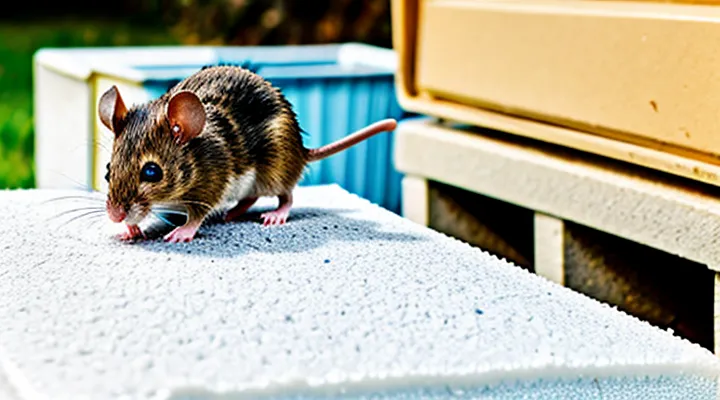
«Understanding Mouse Behavior»
«Why Mice Chew»
«Instinctual Needs»
Mice gnaw polystyrene because the material satisfies innate drives that maintain health and survival. Their natural behaviors include:
- Dental maintenance – continuously growing incisors require abrasive surfaces to wear down excess tooth material.
- Exploratory foraging – tactile investigation of objects provides sensory feedback and reinforces spatial mapping.
- Nest construction – soft, lightweight substances are incorporated into bedding to improve insulation and structural stability.
- Stress alleviation – repetitive chewing releases tension accumulated from confinement or environmental monotony.
Understanding these drives informs effective deterrence. Preventive actions should address each instinctual need directly:
- Provide appropriate chew objects – supply mineral blocks, untreated wood sticks, or paper tubes that offer comparable hardness and texture.
- Enrich the cage environment – introduce tunnels, climbing structures, and varied substrates to satisfy exploratory impulses.
- Offer nesting materials – furnish shredded paper, cotton pads, or natural fibers to fulfill construction requirements.
- Reduce chronic stress – maintain stable lighting cycles, limit sudden disturbances, and ensure adequate space per animal.
By substituting polystyrene with items that meet the same biological demands, the likelihood of destructive gnawing diminishes markedly.
«Exploration and Curiosity»
Mice frequently gnaw polystyrene because their natural drive to explore unfamiliar objects compels them to test texture, taste, and durability. This exploratory impulse, coupled with the physiological need to wear down continuously growing incisors, makes lightweight, easily manipulable materials attractive targets.
The behavior poses risks in laboratory settings and domestic habitats. Chewed polystyrene can contaminate samples, damage equipment, and create ingestion hazards. Understanding the link between curiosity‑driven gnawing and material choice is essential for effective management.
Preventive measures focus on redirecting exploratory energy toward safe alternatives and restricting access to vulnerable items:
- Provide durable chew toys (e.g., untreated wood blocks, mineral-coated sticks) that satisfy dental wear requirements.
- Enrich cages with tunnels, nesting material, and varied textures to reduce boredom‑induced investigation of inappropriate objects.
- Apply non‑toxic bitter agents to polystyrene surfaces, discouraging oral contact.
- Seal storage containers with tight‑fitting lids or use metal enclosures to eliminate direct exposure.
- Monitor individual mice for heightened curiosity patterns and adjust environmental complexity accordingly.
By channeling the innate investigative behavior into appropriate outlets, the incidence of polystyrene gnawing declines, preserving both animal welfare and material integrity.
«The Appeal of Polystyrene»
«Texture and Material Properties»
Mice are attracted to polystyrene because its surface feels soft, pliable, and easily deformable under pressure. The material’s low tensile strength allows incisors to cut through with minimal effort, while its smooth, non‑porous texture reduces resistance during gnawing. Polystyrene’s low density creates a light, buoyant object that mice can manipulate without expending significant energy. These combined properties mimic the feel of natural substrates such as bark or soft plant fibers, which rodents instinctively explore for food and nesting material.
The texture and material characteristics that encourage chewing also dictate effective prevention strategies:
- Replace polystyrene with rigid, high‑tensile polymers (e.g., acrylic or polycarbonate) that resist bite penetration.
- Apply abrasive coatings (silicone, sandblasted finishes) to increase surface roughness, forcing greater bite force.
- Incorporate bitter‑tasting or odor‑masking additives into the polymer matrix to deter oral contact.
- Encase polystyrene components within metal or wood housings that eliminate direct mouse access.
Understanding the relationship between surface compliance, hardness, and resistance provides a clear framework for designing products that minimize rodent damage while preserving functional requirements.
«Availability in Homes»
Polystyrene products are common in residential settings, providing mice with easy access to a chewable material. Typical sources include food‑service trays, disposable coffee cups, insulated packaging, and decorative foam inserts. These items often remain in kitchens, pantries, or storage closets, where rodents forage for food and nesting material.
Availability increases when:
- Polystyrene is left uncovered after meals or snacks.
- Empty packaging is discarded without immediate removal.
- Foam insulation is exposed in basements or attics.
- Recycling bins contain loosely packed foam pieces.
Reducing exposure requires systematic removal and replacement strategies:
- Replace disposable foam trays and cups with reusable alternatives such as glass or stainless steel.
- Store food in sealed containers; discard packaging in sealed trash bags.
- Seal cracks and gaps around utility lines to prevent entry into insulated spaces.
- Conduct regular inspections of storage areas, discarding any stray foam.
- Use rodent‑proof containers for bulk purchases that include polystyrene packaging.
Limiting the presence of polystyrene eliminates a readily available chewing substrate, decreasing the likelihood that mice will target this material and reducing overall infestation risk.
«Risks and Consequences»
«Damage to Property»
«Insulation Compromise»
Mice target polystyrene insulation because the material is soft, warm, and easy to gnaw. Their incisors can quickly create holes that expose the underlying cavity.
Chewed gaps break the continuity of the thermal barrier. Air infiltration through these openings lowers the effective R‑value, increases heating or cooling demand, and permits moisture to enter. Moisture accumulation fosters mold growth and accelerates structural decay, while the loss of insulation efficiency raises utility costs.
Preventive actions:
- Seal all exterior cracks, gaps around pipes, vents, and foundation walls with steel wool followed by caulk or expanding foam.
- Replace exposed polystyrene with rodent‑resistant insulation such as mineral wool or rigid foam sheathed in metal.
- Install stainless‑steel mesh or hardware cloth around vulnerable sections of the envelope.
- Deploy snap traps or electronic bait stations in identified pathways, checking them weekly.
- Conduct quarterly visual inspections of attic and crawl‑space insulation, documenting any signs of gnawing or displacement.
Implementing these measures maintains the integrity of the building envelope and eliminates the primary incentive for rodents to damage polystyrene insulation.
«Structural Weakness»
Polystyrene’s cellular structure consists of thin walls surrounding hollow pockets, resulting in low tensile strength and a propensity to fracture under minimal pressure. The material’s brittleness means that a mouse’s incisors can create a clean opening with only a few bites, exposing the interior without requiring significant force.
Mice are attracted to this ease of penetration because their gnawing behavior seeks substrates that offer minimal resistance. When a surface yields quickly, the animal receives immediate tactile feedback, reinforcing the choice of polystyrene over harder plastics or wood.
Preventive actions focus on eliminating the structural vulnerability that invites gnawing:
- Apply a hard coating (e.g., epoxy, polyurethane) to seal the surface and increase resistance to bite forces.
- Incorporate reinforcing fibers (glass, carbon) within the polymer matrix to raise tensile strength and reduce brittleness.
- Replace polystyrene components with materials that possess higher modulus of elasticity, such as acrylic or polycarbonate.
- Install metal or rigid plastic barriers around exposed polystyrene to block direct access.
- Maintain a clean environment that removes food residues, reducing the incentive for rodents to investigate the material.
By strengthening the material’s physical integrity and limiting exposure, the likelihood of rodent damage drops sharply.
«Health Hazards to Mice»
«Ingestion Risks»
Mice that gnaw polystyrene can ingest fragments, exposing them to chemical and physical hazards. Polystyrene contains styrene monomers and additives that may leach into the gastrointestinal tract, potentially causing organ toxicity, metabolic disruption, and reduced reproductive capacity. Physical damage includes mucosal abrasion, ulceration, and intestinal blockage, which can lead to dehydration, weight loss, and mortality.
Key ingestion risks include:
- Toxicant absorption: styrene and plasticizers enter blood circulation, impairing liver and kidney function.
- Mechanical injury: sharp fragments perforate intestinal walls, creating infection sites.
- Nutrient displacement: ingested plastic replaces food intake, accelerating malnutrition.
- Behavioral alteration: discomfort may increase stress, affecting immune response.
Preventive measures focus on eliminating access to polystyrene sources, sealing storage containers, and providing safe chewing materials such as untreated wood or cardboard. Regular health monitoring of rodent colonies allows early detection of gastrointestinal symptoms and timely veterinary intervention.
«Digestive Obstruction»
Mice that gnaw on polystyrene frequently ingest fragments that can accumulate in the gastrointestinal tract. The resulting blockage impedes the passage of food and fluids, leading to rapid deterioration of health. Symptoms include reduced food intake, abdominal swelling, lethargy, and intermittent vomiting. Without timely intervention, the obstruction can cause perforation, sepsis, and death.
Diagnosis relies on physical examination, imaging such as radiography or ultrasound, and, when necessary, exploratory surgery. Treatment options range from non‑surgical decompression with nasogastric tubes to operative removal of the foreign material. Post‑operative care includes fluid therapy, analgesia, and monitoring for relapse.
Preventive actions focus on eliminating access to polystyrene and providing safe alternatives:
- Store all foam packaging in sealed containers inaccessible to rodents.
- Replace polystyrene toys with chew‑resistant materials such as untreated wood or mineral blocks.
- Maintain a clean environment by regularly removing debris that could attract mice.
- Install barriers (metal mesh or sealed gaps) around storage areas to block entry points.
- Use traps or humane capture methods to reduce the mouse population in affected zones.
Implementing these measures reduces the likelihood of ingestion, thereby lowering the risk of gastrointestinal blockage and its severe consequences.
«Health Risks to Humans»
«Allergens and Contaminants»
Mice are attracted to polystyrene because the material can retain food residues, bacterial growth, and dust particles that emit volatile compounds. These compounds often contain protein fragments and microbial by‑products that act as allergens or contaminants, stimulating gnawing behavior and increasing the risk of disease transmission within a colony.
- Common allergens present on contaminated polystyrene:
- Rodent urine proteins (e.g., major urinary proteins)
- Skin shed keratin fragments
- Mold spores from moisture‑induced fungal colonization
- Typical contaminants that may accumulate:
- Bacterial endotoxins from Gram‑negative species
- Residual chemical additives used in manufacturing (e.g., flame retardants, plasticizers)
- Heavy metals introduced during recycling processes
Preventive measures focus on eliminating sources of these substances:
- Store polystyrene in sealed, dust‑free containers.
- Clean surfaces regularly with a mild detergent followed by an alcohol rinse to remove protein residues.
- Replace polystyrene that shows signs of moisture, discoloration, or odor.
- Use low‑emission, food‑grade polystyrene certified free of known allergens and hazardous additives.
- Implement routine health monitoring of mouse populations to detect early signs of allergic reactions or contaminant exposure.
«Fire Hazard from Damaged Wiring»
Mice that gnaw on polystyrene often encounter electrical cables concealed behind the material. When rodents damage insulation, the exposed conductors can overheat, creating a direct fire risk. The combination of chewed foam, which retains heat, and compromised wiring accelerates ignition and flame spread.
Damaged wiring introduces three critical hazards:
- Short circuits that generate sparks.
- Elevated temperatures that weaken surrounding insulation.
- Increased likelihood of flame propagation through softened polystyrene.
Preventive actions focus on eliminating the interaction between rodents and electrical components. Install rodent‑proof conduit around all wiring, replace vulnerable plastic sheathing with metal or hardened sleeves, and conduct regular inspections for chew marks. Seal entry points to deter mice, and maintain clear separation between foam insulation and any exposed cables. These steps reduce the probability of fire originating from compromised electrical infrastructure.
«Effective Prevention Strategies»
«Exclusion Techniques»
«Sealing Entry Points»
Mice regularly gnaw polystyrene, compromising insulation, equipment, and hygiene. Their ability to infiltrate structures stems from numerous small openings that are easily overlooked.
Effective prevention begins with eliminating those pathways. The process involves three core actions.
- Conduct a systematic inspection of walls, floors, ceilings, and exterior façades to locate gaps larger than ¼ inch. Pay particular attention to areas around pipes, vents, and wiring chases.
- Choose durable, rodent‑proof materials such as steel wool, copper mesh, expanding polyurethane foam, or cement‑based sealants. For high‑traffic zones, metal flashing or hardware cloth provides long‑term resistance.
- Apply the selected barrier tightly, ensuring complete coverage of each opening. Verify that seams overlap and that the sealant adheres firmly to surrounding surfaces. Re‑inspect after curing to confirm integrity.
Regular maintenance—rechecking seals after renovations, weather events, or pest activity—sustains protection and reduces the likelihood of mice accessing polystyrene components.
«Reinforcing Vulnerable Areas»
Mice target polystyrene because the material is soft, easy to bite, and often exposed in storage or packaging. When the material is left unprotected, rodents can create entry points, damage products, and increase contamination risk. Reinforcing the most exposed sections eliminates the physical pathways that invite gnawing.
Secure joints, seams, and corners with rigid, chew‑resistant materials such as metal brackets, PVC strips, or reinforced polymer sheeting. Apply a continuous sealant along all seams to remove gaps larger than 2 mm, the approximate maximum bite width for common house mice. Install protective edge bands made of stainless steel or high‑density polyethylene around the perimeter of each polystyrene panel; the hardness of these bands discourages gnawing and distributes stress away from vulnerable edges.
Implement structural barriers in the surrounding environment:
- Fit metal mesh or hardware cloth (¼‑inch gauge) over ventilation openings and cable entries.
- Replace wooden supports with treated steel or composite lumber that resists rodent chewing.
- Anchor polystyrene units to a solid frame using corrosion‑resistant screws and washers, ensuring no loose components remain.
Maintain a clean area around the material. Remove food residues, nesting material, and debris that attract rodents. Regularly inspect reinforcement points for signs of wear, and replace compromised sections promptly. By eliminating weak spots and adding durable barriers, the likelihood of mice damaging polystyrene decreases markedly.
«Habitat Modification»
«Removing Food Sources»
Mice are drawn to polystyrene when they lack accessible nutrients, treating the material as a surrogate chewable substrate. Reducing alternative food options forces them to seek natural sources rather than synthetic ones, decreasing the likelihood of damage to packaging, insulation, or laboratory equipment.
Effective removal of edible attractants involves several concrete actions:
- Store dry goods, grains, and seeds in airtight, metal or heavy‑plastic containers; plastic containers with loose lids provide easy entry.
- Clean countertops, floors, and shelving immediately after meals; crumbs and spills create persistent scent trails.
- Keep pet feed in sealed containers and limit free‑feeding; refill bowls only after the previous portion is consumed.
- Secure garbage cans with tight‑fitting lids; use bins made of rigid material that cannot be chewed through.
- Eliminate outdoor food sources such as birdseed, fallen fruit, and compost piles; cover compost with wire mesh and maintain a distance from structures.
- Inspect and repair structural gaps that allow rodents to enter storage areas; seal openings with steel wool or cement.
By systematically denying mice accessible nutrition, the incentive to gnaw on polystyrene diminishes, leading to measurable reductions in material damage.
«Decluttering and Cleaning»
Mice are attracted to clutter because hidden food sources and nesting sites are easier to locate in disorganized environments. Polystyrene objects placed among excess items become accessible, increasing the likelihood of gnawing. Removing unnecessary items reduces the opportunities for rodents to discover and damage foam products.
Maintain a clear floor and countertop area. Store all food in sealed containers, dispose of packaging promptly, and eliminate crumbs. Regularly sweep, vacuum, and wipe surfaces to prevent residue that may draw mice.
Implement a systematic cleaning schedule:
- Daily: wipe down counters, sweep floors, and empty trash bins.
- Weekly: vacuum upholstery, mop hard floors, and inspect storage areas for spills.
- Monthly: deep clean cabinets, reorganize shelves, and assess any worn or damaged foam items.
When reorganizing, place polystyrene items on elevated shelves away from walls and baseboards. Use airtight bins for storage, ensuring lids seal tightly. Remove or relocate items that are no longer needed; donate, recycle, or discard them according to local guidelines.
Inspect the premises for entry points. Seal gaps around doors, windows, and utility penetrations with steel wool or caulk. Replace damaged screens and install door sweeps to block rodent access.
By consistently decluttering, maintaining cleanliness, and securing storage, the environment becomes less inviting to mice, thereby reducing the risk of foam damage.
«Deterrents and Repellents»
«Natural Repellents»
Mice are attracted to the texture and scent of polystyrene, which they gnaw to test material strength and satisfy dental growth. Reducing this behavior requires deterrents that interfere with their olfactory cues without harming the animals or the environment.
Natural repellents function by emitting volatile compounds that mice find unpleasant. Effective agents include:
- Peppermint oil – high menthol concentration disrupts scent tracking; apply on cotton pads or dilute for spray.
- Citrus peel – limonene and citral create a sharp odor; place shredded rind near polystyrene items.
- Clove oil – eugenol acts as a strong irritant; use a few drops on fabric strips positioned around the material.
- Rosemary – camphor and rosmarinic acid repel rodents; plant near storage areas or use dried sprigs as barriers.
- Catnip – nepetalactone triggers aversive response in many species; scatter loose leaves or create sachets.
Implementation should follow a consistent schedule. Replace soaked media every 48 hours to maintain potency, and rotate different repellents to prevent habituation. Combine physical barriers, such as mesh covers, with the aromatic agents for maximal effect.
Monitoring mouse activity after treatment provides feedback on efficacy. A decline in gnaw marks and reduced presence of droppings indicate successful deterrence, while persistent damage suggests the need for higher concentrations or additional repellents.
«Commercial Deterrents»
Mice gnaw polystyrene because the material is soft enough to bite and provides access to hidden food sources. Commercial deterrents reduce damage by making the material unappealing or by interrupting the animals’ access routes.
Common commercial products include:
- Bitterant coatings – food‑grade, non‑toxic compounds applied to surfaces; the unpleasant taste discourages chewing.
- Ultrasonic emitters – devices that generate high‑frequency sound waves beyond human hearing; rodents find the noise stressful and avoid the area.
- Snap‑type traps with pheromone lures – traps pre‑baited with mouse‑attracting scents; rapid capture eliminates the problem source.
- Rodent‑specific repellents – sprays or granules containing natural oils (e.g., peppermint, cedar) that irritate the nasal passages and deter entry.
- Barrier products – metal mesh or reinforced plastic sleeves that encase polystyrene components, preventing physical contact.
Effectiveness depends on proper placement, regular maintenance, and integration with sanitation measures that remove alternative food supplies. Bitterants work best when refreshed after cleaning; ultrasonic units require unobstructed line‑of‑sight and power continuity. Traps should be positioned along known runways, and repellents must be reapplied according to manufacturer schedules. Combining two or more deterrent types typically yields the most reliable protection against rodent damage.
«Monitoring and Control»
«Trapping Methods»
Mice gnawing polystyrene poses a risk to laboratory equipment, packaging, and household items. Effective trapping interrupts the behavior by removing individuals before they encounter the material.
- Snap traps: steel plates with a spring mechanism deliver immediate lethality. Placement near walls, behind appliances, and along established runways maximizes capture rates.
- Live‑catch traps: wire cages with a one‑way door allow humane removal. Bait with high‑protein foods (e.g., peanut butter, dried fish) encourages entry. Frequent checks prevent stress and escape.
- Electronic traps: insulated chambers deliver a rapid, low‑voltage shock. Batteries provide continuous operation; models with indicator lights confirm successful kills.
- Glue boards: adhesive surfaces immobilize rodents. Use in concealed areas to avoid accidental contact with pets or children; dispose of boards promptly after capture.
- Multi‑catch snap devices: larger chambers hold several specimens before resetting. Suitable for infestations where frequent resetting is impractical.
Successful deployment requires strategic positioning, appropriate bait, and regular monitoring. Combining multiple trap types enhances coverage, reduces population density, and limits exposure to polystyrene.
«Professional Pest Control»
Mice gnaw polystyrene because the material mimics natural food textures, provides easy access to hidden cavities, and satisfies their instinctual need to wear down continuously growing incisors. The behavior also indicates a shortage of preferred food sources and inadequate shelter, prompting rodents to explore unconventional materials.
Professional pest‑control services address this problem through systematic assessment and targeted interventions. Technicians first identify entry points, such as gaps around doors, vents, and utility penetrations, then seal them with durable materials that resist rodent chewing. They also evaluate surrounding conditions that encourage foraging, including waste accumulation and clutter, and recommend corrective measures.
Key components of a professional program include:
- Inspection of structural vulnerabilities and installation of rodent‑proof barriers.
- Placement of bait stations and traps in accordance with local regulations, ensuring humane and effective population reduction.
- Environmental management, such as proper storage of food, regular removal of debris, and maintenance of landscaping to eliminate cover.
- Ongoing monitoring and documentation to verify elimination of activity and to adjust tactics as needed.
By integrating exclusion techniques, population control, and habitat modification, professional pest‑control operators diminish the incentive for mice to target polystyrene products, thereby protecting both property and health.