
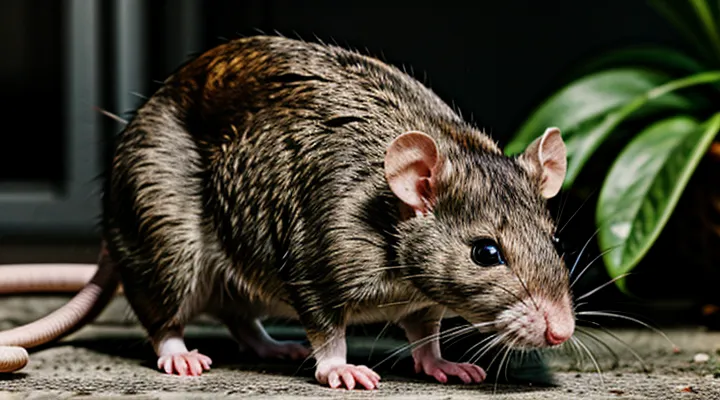
Understanding Normal Rat Breathing Sounds
The Anatomy of Rat Respiration
Rats produce a characteristic snort as air passes through a specialized upper‑respiratory system designed for rapid, high‑frequency ventilation. The nasal cavity is elongated and divided by a bony septum, creating two parallel airflow channels that increase turbulence and enhance odor detection. Turbulent flow generates audible vibrations in the nasal turbinates, which appear as a snort during each inhalation and exhalation.
The nasal turbinates consist of thin, vascularized bones covered with a mucosal epithelium rich in olfactory receptors. Blood vessels within the turbinates regulate temperature and humidity, but they also act as resonant structures that amplify airflow sounds. When a rat inhales, the sudden increase in airflow velocity over the turbinates causes the mucosal surface to vibrate, producing the audible snort.
The nasopharyngeal passage connects the nasal cavity to the larynx and is lined with cartilaginous rings that maintain airway patency during vigorous breathing. These rings, together with the epiglottis, modulate airflow resistance, contributing further to the acoustic signature of the snort.
Key anatomical components influencing the snort:
- Elongated nasal cavity with bilateral turbinates
- Vascularized turbinate bones acting as resonators
- Mucosal epithelium with high‑density olfactory receptors
- Nasopharyngeal cartilaginous rings controlling airway diameter
- Laryngeal structures that fine‑tune airflow pressure
The combination of narrow, turbulent pathways and resonant tissues creates the distinctive snorting sound that accompanies rat respiration.
Common Noises and Their Significance
Rats emit a short, audible snort during each inhalation. The sound originates from turbulent airflow through the nasal passages, often amplified by slight constriction of the nasal turbinates. This mechanical effect is consistent across most laboratory and wild specimens, indicating a standard physiological pattern rather than an abnormal condition.
Common animal vocalizations and respiratory noises include:
- Snort: rapid airflow through narrowed nasal passages; signals airway resistance or clearance activity.
- Squeak: high‑frequency vocal fold vibration; used for alarm or social communication.
- Chatter: rapid teeth grinding; associated with stress or thermoregulation.
- Gurgle: liquid movement in the oral cavity; indicates swallowing or digestive activity.
Each noise conveys information about the animal’s internal state. A snort during breathing often reflects heightened nasal resistance, which can arise from cold‑induced vasoconstriction, particulate irritation, or normal mucosal rhythm. Recognizing this pattern helps differentiate normal respiratory acoustics from pathological sounds such as wheezes or crackles that accompany infection or obstruction.
Understanding the functional relevance of these sounds improves interpretation of rodent behavior and health. Accurate auditory assessment allows researchers to monitor environmental stressors, detect early signs of respiratory disease, and refine experimental protocols that rely on precise physiological measurements.
Potential Causes of Snorting in Rats
Respiratory Infections
Bacterial Infections
Rats emit audible snorts during respiration when bacterial colonization of the upper airway triggers inflammation and mucus accumulation. Infection of the nasal passages or sinuses irritates the mucosal lining, causing swelling that narrows the airways and forces turbulent airflow, which produces the characteristic snorting sound.
The most frequent bacterial agents implicated are:
- Streptococcus pneumoniae: induces purulent discharge and edema in the nasal cavity.
- Haemophilus influenzae: colonizes the mucosa, leading to chronic inflammation and increased secretions.
- Pseudomonas aeruginosa: thrives in moist environments, causing severe mucosal damage and obstructive exudate.
- Staphylococcus aureus: produces exotoxins that exacerbate tissue swelling and congestion.
Pathophysiological sequence:
- Bacterial adhesion to epithelial cells initiates local immune response.
- Recruitment of neutrophils and macrophages releases cytokines, increasing vascular permeability.
- Fluid leakage and exudate formation create mucus plugs that obstruct nasal passages.
- Air forced through narrowed channels generates audible snorting.
Diagnostic confirmation relies on nasal swabs cultured on selective media, polymerase chain reaction targeting bacterial DNA, and radiographic imaging to assess sinus involvement. Treatment protocols combine targeted antibiotics based on susceptibility testing with supportive measures such as humidified air and saline irrigation to reduce mucus viscosity. Early intervention prevents progression to secondary complications, including lower respiratory tract infection and systemic sepsis.
Viral Infections
Rats often produce a sharp nasal sound while inhaling, a phenomenon that intensifies during respiratory infections. Viral pathogens targeting the upper airway provoke inflammation of the nasal mucosa, swelling the turbinates and narrowing the airflow pathway. The resulting turbulence forces air through a restricted passage, generating the characteristic snort.
Key viral agents implicated include:
- Sendai virus – induces epithelial necrosis and edema in the nasal cavity.
- Murine coronavirus (MHV‑1) – produces severe rhinitis and mucus hypersecretion.
- Adenovirus serotypes – cause acute inflammation and ciliary dysfunction.
Inflammatory mediators such as histamine, prostaglandins, and cytokines increase vascular permeability, leading to fluid accumulation in the nasal tissues. The excess fluid further obstructs the nasal passages, amplifying airflow resistance and producing audible snorting during each breath.
Recovery depends on the host’s immune response. Efficient clearance of viral particles by resident macrophages and the activation of adaptive immunity reduce mucosal swelling, restore normal airflow, and eliminate the snort. Persistent viral replication or secondary bacterial infection can prolong the symptom, maintaining the audible breathing pattern.
Mycoplasma pulmonis
Mycoplasma pulmonis is a cell‑wall‑deficient bacterium that colonizes the respiratory tract of laboratory and wild rodents. Its attachment to the epithelium of the nasal passages and lungs disrupts mucociliary clearance, leading to chronic inflammation and increased airway resistance. The resulting turbulence of airflow produces the characteristic snorting sound observed during respiration.
The organism spreads primarily through direct contact, aerosolized droplets, and contaminated bedding. Once established, it induces:
- Hypersecretion of mucus
- Ciliary dysfunction
- Epithelial hyperplasia
- Submucosal infiltration by neutrophils and macrophages
These pathological changes narrow the nasal passages and provoke audible snorts, especially during rapid or forced breathing.
Diagnosis relies on:
- Culture on specialized Mycoplasma media under anaerobic conditions
- Polymerase chain reaction targeting the 16S rRNA gene
- Serological detection of specific antibodies
Effective control combines antimicrobial therapy, such as tetracyclines or macrolides, with strict biosecurity measures: regular cage cleaning, quarantine of new arrivals, and use of pathogen‑free breeding colonies.
Understanding the link between Mycoplasma pulmonis infection and respiratory noises in rats enables accurate interpretation of clinical signs, timely treatment, and prevention of colony‑wide outbreaks.
Allergies and Environmental Irritants
Dust and Bedding
Rats emit audible snorts during inhalation when the nasal passages encounter irritants. Dust particles suspended in the air settle on the mucosal lining, stimulating sensory nerves that trigger a rapid, forceful exhalation to expel the foreign matter. The size of typical laboratory‑grade dust (10–100 µm) is sufficient to reach the upper respiratory tract without penetrating deeper lung tissue, yet it remains large enough to provoke a reflexive response.
Bedding materials contribute the majority of airborne particles in a cage environment. Paper‑based substrates release fine fibers when disturbed; hardwood shavings generate splinters and dust from lignin and cellulose; corncob pellets produce coarse fragments that break apart with movement. Each material differs in particle concentration, but all share the capacity to become airborne during normal rat activity such as nesting, grooming, and burrowing.
The physiological cascade proceeds as follows: irritant contacts nasal epithelium → sensory trigeminal fibers fire → brainstem respiratory centers initiate a brief, high‑pressure exhalation → audible snort. This mechanism protects the airway by clearing debris before it can impair gas exchange.
Mitigation strategies focus on reducing particulate load:
- Select low‑dust bedding (e.g., compressed paper pulp, dust‑free fleece).
- Replace bedding frequently, maintaining a clean substrate surface.
- Provide adequate ventilation to dilute airborne particles.
- Monitor humidity; moderate levels (45–55 %) limit dust suspension.
- Conduct regular cage cleaning to remove accumulated debris.
Implementing these practices minimizes nasal irritation, thereby decreasing the frequency of snorting events in laboratory or pet rats.
Household Chemicals
Rats produce audible snorts when inhaling irritant vapors present in many domestic cleaning agents. The nasal passages of rodents are highly sensitive to volatile organic compounds; exposure triggers reflexive airway constriction and rapid exhalation, which manifests as a snort.
Typical household products that generate such vapors include:
- Ammonia‑based cleaners
- Bleach solutions (sodium hypochlorite)
- Aerosol disinfectants containing alcohol or quaternary ammonium compounds
- Oven and drain cleaners with strong alkalis or acids
- Air fresheners that release synthetic fragrances and solvents
When a rat encounters these substances, the mucosal lining reacts by swelling and increasing mucus production. The resulting obstruction forces the animal to expel air forcefully, creating the characteristic snorting sound.
Prolonged exposure can lead to chronic respiratory distress, reduced olfactory function, and heightened susceptibility to infections. Mitigation requires eliminating or ventilating sources of volatile chemicals, storing them securely, and maintaining a low‑odor environment to prevent accidental inhalation by rodent occupants.
Pollen
Rats exhibit snorting sounds when inhaling air that contains airborne pollen. Pollen grains are microscopic particles released by plants for reproduction; their size (10–100 µm) allows them to reach the nasal passages of small mammals. When pollen contacts the sensitive mucosal lining, it triggers an immediate reflex contraction of the nasal muscles, producing a rapid exhalation that is perceived as a snort.
The physiological cascade involves:
- Mechanical irritation of the epithelial surface, stimulating trigeminal nerve endings.
- Release of histamine and other mediators from mast cells, leading to swelling of the nasal turbinates.
- Activation of the respiratory reflex arc, resulting in a brief, forceful exhalation to clear the irritant.
Repeated exposure to pollen can cause chronic nasal inflammation, increasing the frequency and intensity of the snorting response. Managing indoor pollen levels and providing filtered air reduce the stimulus and alleviate the respiratory reflex in laboratory and pet rat populations.
Anatomical Abnormalities
Nasal Polyps
Rats produce audible snorts when the airway is partially obstructed, and nasal polyps are a common source of such blockage. Polyps are soft, edematous growths that develop from the mucous membrane lining the nasal passages and sinuses. Their composition includes inflamed connective tissue, fluid, and extracellular matrix, which expand the lumen and reduce airflow.
Key characteristics of nasal polyps in rodents:
- Origin in chronic inflammation, often linked to bacterial or viral infections, allergens, or irritant exposure.
- Growth patterns that can fill the nasal vestibule, turbinates, or sinus cavities.
- Lack of a true capsule, allowing them to merge into larger masses that further impede respiration.
When a rat inhales, turbulent airflow meets the irregular surface of polyps, generating vibrations that manifest as snorting sounds. The obstruction also triggers compensatory rapid breathing, increasing the frequency of audible events. Treatment strategies focus on reducing inflammation and removing the tissue:
- Systemic or intranasal corticosteroids to diminish mucosal swelling.
- Antimicrobial agents when infection contributes to inflammation.
- Surgical excision for persistent or large polyps that do not respond to medication.
Understanding the relationship between nasal polyps and rat snorting clarifies why the sound appears during breathing and guides effective clinical management.
Tumors
Snorting during respiration in rodents frequently signals blockage of the nasal or pharyngeal passages. Neoplastic growths can produce such obstruction by occupying space, compressing surrounding tissues, or inducing inflammation that narrows air flow.
Tumors that commonly affect the upper airway of rats include:
- Nasal cavity adenocarcinomas: proliferate within the turbinates, reducing lumen diameter.
- Nasopharyngeal lymphomas: expand the mucosal walls, creating a narrowing effect.
- Paranasal sinus squamous cell carcinomas: erode bone and invade adjacent airways, leading to turbulent airflow.
- Olfactory neuroblastomas: arise near the olfactory epithelium, impeding normal airflow patterns.
These lesions generate audible snorts by forcing air through a constricted channel, increasing turbulence and producing a distinct sound that can be detected during normal breathing. Early identification of tumor‑related snorting enables prompt diagnostic imaging and therapeutic intervention, potentially preventing further respiratory compromise.
Dental Issues Affecting Nasal Passages
Rats continuously grow their incisors. When the teeth exceed normal length or become misaligned, the upper incisors can press against the hard palate, narrowing the nasal cavity. The reduced passage forces air to pass through a tighter channel, producing audible snorts during each breath.
Dental problems that directly impact nasal airflow include:
- Overgrown upper incisors that impinge on the nasal septum
- Malocclusion causing the maxillary teeth to shift forward
- Dental abscesses in the upper jaw that swell and compress the nasal passages
- Root infections that erode bone around the nasopharynx
- Periodontal disease that leads to tissue inflammation near the nasal mucosa
Each condition alters the geometry of the nasal tract or induces local inflammation, which triggers turbulent airflow. Turbulence generates the characteristic snorting sound observed in affected rodents.
Preventive dental care—regular trimming of incisors, monitoring for signs of malocclusion, and prompt treatment of infections—maintains normal airway dimensions and eliminates the snort produced by obstructed breathing.
Heart Conditions
Rats that produce a snorting sound while inhaling often exhibit this behavior because of compromised cardiac function. When the heart cannot maintain adequate circulation, fluid accumulates in the lungs, increasing airway resistance and generating audible turbulence during respiration.
Common cardiac disorders linked to this respiratory sign include:
- Congestive heart failure, which causes pulmonary edema and rapid, shallow breaths accompanied by snorts.
- Dilated cardiomyopathy, leading to reduced ejection fraction and elevated pulmonary venous pressure.
- Hypertensive heart disease, resulting in left ventricular hypertrophy and impaired diastolic filling, which can provoke intermittent airway obstruction.
- Arrhythmias, especially ventricular tachycardia, that diminish cardiac output and trigger reflexive respiratory changes.
Diagnostic evaluation typically involves echocardiography to assess chamber size and contractility, electrocardiography for rhythm disturbances, and thoracic imaging to detect fluid buildup. Blood analysis may reveal elevated natriuretic peptides, confirming cardiac stress.
Therapeutic measures focus on reducing pulmonary congestion (diuretics, ACE inhibitors), improving myocardial performance (beta‑blockers, inotropes), and controlling blood pressure (vasodilators). Successful management often diminishes the snorting episodes, confirming the cardiac origin of the respiratory noise.
Stress and Excitement
Rats emit a short, audible snort during inhalation when the nasal passages encounter heightened physiological arousal. Elevated cortisol and adrenaline levels, typical of acute stress, increase nasal mucosal blood flow, narrowing the airway and creating turbulent airflow that produces the characteristic sound. Simultaneously, excitement triggers sympathetic activation, prompting rapid breathing and brief closure of the soft palate, which also generates a snort.
Key mechanisms linking stress or excitement to snorting:
- Sympathetic surge → vasodilation of nasal mucosa → airway constriction.
- Accelerated respiration → increased airflow velocity → turbulence at the nasal valve.
- Partial soft‑palate retraction → momentary obstruction → audible exhalation.
- Muscle tension in the facial and neck region → altered airway geometry.
Both stress‑induced hormonal changes and excitement‑driven autonomic responses converge on the same anatomical structures, producing the observable snort during breathing.
When to Seek Veterinary Attention
Recognizing Warning Signs
Changes in Behavior
Rats emit audible snorts while inhaling when their nasal passages encounter resistance or irritation. This respiratory sound often coincides with measurable shifts in daily activities, social interactions, and exploratory patterns.
- Reduced foraging distance: individuals remain closer to nesting sites, limiting exposure to unfamiliar scents that could exacerbate airway irritation.
- Increased grooming frequency: heightened self‑cleaning behavior targets the snout and surrounding fur, suggesting an attempt to remove debris or mucus that may block airflow.
- Altered social hierarchy: dominant rats may display fewer snorts, while subordinates exhibit more frequent sounds, indicating stress‑related respiratory strain within group dynamics.
- Diminished nocturnal locomotion: overall movement during active periods declines, reflecting discomfort that discourages prolonged exertion.
- Elevated vocalization amplitude: rats produce louder, more abrupt chirps when communicating, possibly compensating for reduced airflow efficiency.
These behavioral adjustments serve as indirect indicators of respiratory health. Monitoring snort occurrence alongside the listed activity changes provides researchers with a practical framework for early detection of nasal congestion, infection, or environmental pollutants affecting laboratory and wild rat populations.
Discharge and Other Visible Symptoms
Rats that snort during respiration frequently present external signs that help identify the underlying cause.
Nasal discharge appears as a thin, watery fluid, a thicker mucous, or occasional blood. The color may shift from clear to yellowish or reddish, indicating bacterial infection, allergic reaction, or trauma. Persistent discharge often accompanies congestion that forces the animal to snort in an effort to clear the airway.
Eye secretions accompany many nasal conditions. Watery or mucoid material may accumulate at the inner canthus, sometimes mixing with nasal mucus. Redness, swelling of the eyelids, or crust formation suggests irritation extending from the nasal passages to the ocular region.
Additional visible symptoms include:
- Swelling of the snout or nasal bridge, palpable as soft edema.
- Ruffled fur around the nose and whisker pads, reflecting irritation or grooming attempts.
- Open‑mouth breathing or rapid, shallow breaths that accompany noisy inhalation.
- Reduced activity, as discomfort limits movement and foraging.
These external indicators provide a practical framework for assessing respiratory distress in rats. Careful observation of discharge type, ocular involvement, and facial changes enables rapid differentiation between infection, allergic response, and physical injury, guiding appropriate veterinary intervention.
Severity of Snorting
Rats produce an audible, harsh exhalation when the upper airway is partially blocked or irritated; this sound is commonly described as snorting. The intensity of this respiratory noise varies, and its severity provides critical information about the animal’s health status.
- Mild: intermittent, low‑volume sound; no observable distress; normal activity and feeding.
- Moderate: frequent, louder snort; slight increase in respiratory rate; occasional pauses in grooming or exploration.
- Severe: continuous, high‑amplitude noise; marked tachypnea; labored breathing; reduced mobility and appetite.
Severity depends on several factors. Obstructive lesions such as nasal polyps or dental overgrowth increase airflow resistance. Acute infections of the nasal passages or sinuses produce inflammation and mucus buildup, intensifying the sound. Environmental irritants—dust, strong odors, or cold air—exacerbate mucosal swelling, raising the snort’s intensity.
When snorting reaches the severe level, oxygen exchange may be compromised, leading to hypoxemia, elevated stress hormones, and heightened risk of mortality. Persistent severe snorting often signals underlying pathology that requires immediate veterinary intervention.
Assessment combines visual observation with quantitative measures. Observers record frequency and amplitude of the sound, count breaths per minute, and, when possible, measure blood oxygen saturation using a pulse oximeter. Acoustic analysis software can differentiate mild from moderate patterns by evaluating sound pressure levels.
Management aligns with severity. Mild cases typically resolve with environmental modifications—improved ventilation, reduced dust, and humidity control. Moderate cases warrant pharmacologic treatment, such as anti‑inflammatory or antimicrobial agents, and regular monitoring. Severe cases demand prompt veterinary care, including diagnostic imaging, possible surgical correction of structural blockages, and supportive oxygen therapy.
Diagnostic Procedures
Physical Examination
The presence of audible snorting during a rat’s breathing often signals underlying airway obstruction, nasal congestion, or abnormal respiratory mechanics. A systematic physical examination provides the primary data needed to differentiate these possibilities and to guide further diagnostic steps.
During the initial observation, the examiner notes the frequency, intensity, and timing of the snort relative to the respiratory cycle. The animal is positioned supine on a warmed surface to allow clear access to the nasal passages and thorax. Palpation of the nasal bridge and surrounding tissues assesses for swelling, discharge, or masses that could impede airflow. The examiner gently compresses the soft palate while listening for changes in the snort, which helps identify involvement of the nasopharyngeal region.
A focused auscultation follows. Using a pediatric stethoscope, the clinician listens over the nasal cavity, upper airway, and thoracic wall. The assessment includes:
- Presence of turbulent sounds over the nares indicating nasal obstruction.
- Harsh or wheezing noises in the trachea suggesting lower airway narrowing.
- Asymmetry of breath sounds that may reveal unilateral pathology.
- Heart rate and rhythm to rule out cardiogenic contributions to respiratory noise.
The examiner completes a brief otoscopic inspection of the external auditory canal and tympanic membrane. Congestion of the nasopharynx can extend to the Eustachian tube, producing secondary ear findings that corroborate nasal involvement.
Finally, the practitioner evaluates the animal’s overall condition: weight, coat quality, and behavior. Weight loss or reduced activity supports chronic respiratory compromise, while normal appearance may point to an acute, transient irritation. The compiled findings direct subsequent investigations, such as radiography, endoscopy, or microbiological sampling, and inform appropriate therapeutic measures.
Imaging Techniques «X-rays, CT scans»
Rats that produce audible snorts while inhaling often exhibit abnormalities in the upper airway or nasal passages. Precise visualization of these structures is essential for diagnosing the underlying cause.
X‑ray radiography provides a rapid, two‑dimensional assessment of skeletal and soft‑tissue density. In the context of rodent respiration, lateral and dorsoventral projections reveal:
- Nasal cavity opacity indicating mucus accumulation or inflammation.
- Tracheal deviation suggesting structural collapse or external compression.
- Thoracic silhouette alterations that may signal pulmonary congestion.
Computed tomography (CT) extends diagnostic capability by delivering cross‑sectional images with high spatial resolution. CT scans generate volumetric data that can be reconstructed into three‑dimensional models, allowing clinicians to:
- Measure airway lumen diameter with sub‑millimeter accuracy.
- Identify localized lesions such as polyps, tumors, or foreign bodies.
- Evaluate bone architecture of the nasal turbinates and skull base.
When combined, X‑ray and CT imaging furnish a comprehensive picture of respiratory pathology in laboratory rats, facilitating targeted interventions to alleviate snorting and improve breathing efficiency.
Laboratory Tests «Bloodwork, cultures»
A rat that produces audible snorts while inhaling may be experiencing upper‑airway obstruction, infection, or inflammatory disease. Laboratory evaluation provides objective data to differentiate these possibilities.
Blood analysis supplies quantitative measures of systemic involvement. Typical panels include:
- Complete blood count (CBC) with differential to detect leukocytosis, neutrophilia, or eosinophilia indicative of bacterial or parasitic infection.
- Serum chemistry for electrolytes, glucose, renal and hepatic markers; deviations may signal metabolic stress secondary to chronic respiratory effort.
- Acute‑phase proteins such as C‑reactive protein or serum amyloid A; elevated levels correlate with ongoing inflammation.
- Arterial blood gas (ABG) assessment of pH, PaO₂, PaCO₂, and lactate; abnormal values confirm hypoxemia or hypercapnia caused by impaired ventilation.
Microbiological cultures target the respiratory tract and bloodstream. Samples are collected aseptically from nasal washes, tracheal aspirates, or lung homogenates and plated on selective media. Culture outcomes identify pathogenic bacteria (e.g., Streptococcus pneumoniae, Klebsiella pneumoniae) or fungi (Aspergillus spp.) that could provoke airway irritation and snorting. Blood cultures detect septicemia that may manifest as respiratory distress. When standard media fail to yield growth, polymerase chain reaction (PCR) panels for viral agents (e.g., Sendai virus) complement culture results.
Interpretation of hematologic and microbiologic data directs therapeutic decisions. Elevated inflammatory markers combined with positive respiratory cultures support antimicrobial treatment, whereas isolated hypoxemia without infection suggests structural airway compromise, prompting imaging or surgical evaluation.
Treatment Options
Antibiotics and Antivirals
Rats that emit a sharp snort while inhaling often exhibit signs of respiratory irritation or infection. Nasal discharge, increased respiratory rate, and audible snorts indicate inflammation of the upper airway, frequently caused by microbial agents.
Bacterial pathogens such as Streptococcus pneumoniae, Klebsiella pneumoniae, and Pseudomonas aeruginosa colonize the nasal cavity and trachea. Empirical therapy employs broad‑spectrum antibiotics (e.g., enrofloxacin, ampicillin) until culture results identify susceptibility. Treatment regimens prioritize agents that achieve therapeutic concentrations in respiratory tissues, typically administered subcutaneously or orally at 10–20 mg kg⁻¹ day⁻¹ for 5–7 days. Narrow‑spectrum drugs replace empirics once susceptibility data are available, reducing selective pressure for resistance.
Viral agents—including Sendai virus, rat coronavirus, and hantavirus—trigger similar respiratory noises without bacterial inflammation. Antiviral interventions rely on nucleoside analogues (e.g., ribavirin) or protease inhibitors, administered at 30–50 mg kg⁻¹ day⁻¹ for 3–5 days. Efficacy depends on early initiation, as viral replication peaks within 48 hours of symptom onset. Supportive care, such as humidified air and hydration, complements antiviral therapy.
Diagnostic differentiation follows a systematic protocol: nasal swab cultures, quantitative PCR for viral genomes, and complete blood counts. Elevated neutrophils and positive bacterial cultures confirm bacterial etiology, guiding antibiotic selection. Presence of viral RNA with normal leukocyte counts directs antiviral use.
Practical considerations for rodent treatment include weight‑adjusted dosing, avoidance of intramuscular injections that may cause tissue damage, and monitoring for adverse reactions (e.g., nephrotoxicity with aminoglycosides). Rotating antibiotic classes and limiting treatment duration mitigate resistance development. Regular observation of snort frequency and respiratory effort provides immediate feedback on therapeutic effectiveness.
Anti-inflammatory Medications
Rats often emit a sharp snort while inhaling, a sign that the upper airway is experiencing irritation or inflammation. In such cases, anti‑inflammatory medications can reduce swelling of nasal mucosa, restore airflow, and diminish the audible snort.
Non‑steroidal anti‑inflammatory drugs (NSAIDs) inhibit cyclo‑oxygenase enzymes, lowering prostaglandin synthesis that contributes to vascular dilation and mucus production. Common NSAIDs used in rodent studies include ibuprofen, meloxicam, and carprofen; dosing regimens aim for plasma concentrations that achieve measurable reductions in nasal edema without compromising renal function.
Corticosteroids act through glucocorticoid receptors to suppress a broader range of inflammatory mediators, including cytokines and leukotrienes. Intranasal dexamethasone or systemic prednisolone can rapidly decrease tissue swelling, often eliminating the snort within minutes. Chronic administration requires monitoring for immunosuppression and adrenal suppression.
When selecting an anti‑inflammatory agent for experimental rats, researchers consider:
- Onset of action: NSAIDs provide gradual relief; corticosteroids act within hours.
- Duration: Long‑acting formulations (e.g., meloxicam) sustain effects for up to 24 hours; short‑acting steroids may need repeated dosing.
- Side‑effect profile: NSAIDs risk gastrointestinal irritation; steroids increase infection susceptibility.
- Route of delivery: Oral gavage, subcutaneous injection, or intranasal spray, each affecting bioavailability.
Effective management of nasal inflammation with these medications correlates with a marked reduction in the characteristic snort, confirming that the audible respiratory disturbance primarily reflects an inflammatory process rather than a neurological abnormality.
Environmental Modifications
Environmental conditions exert a direct impact on the audible nasal emissions of laboratory rats. Elevated ambient humidity reduces airway resistance, diminishing the frequency of sharp inspiratory sounds. Conversely, low‑humidity environments increase mucosal dryness, prompting rapid nasal airflow that manifests as snorting. Temperature fluctuations also affect respiratory patterns; cooler air contracts nasal passages, while warmer air relaxes them, altering the acoustic profile of breathing.
Air quality modifications shape the same phenomenon. Introduction of airborne irritants such as dust, ammonia, or volatile organic compounds triggers reflexive nasal clearance, producing intermittent snorts. Improved ventilation lowers irritant concentration, stabilizing airflow and reducing audible events. Cage substrates influence particulate load: fine bedding generates higher dust levels than paper or corncob alternatives, directly correlating with increased snorting episodes.
Practical adjustments include:
- Maintaining relative humidity between 45 % and 55 %.
- Keeping room temperature within the species‑specific thermoneutral zone (20‑24 °C).
- Installing high‑efficiency particulate air (HEPA) filtration to remove irritants.
- Selecting low‑dust bedding materials.
- Ensuring at least 15 air changes per hour to dilute contaminants.
These environmental refinements consistently attenuate the nasal acoustic signatures associated with rat respiration, providing clearer baseline data for physiological investigations.
Surgical Interventions
Rats produce audible snorts when airflow encounters resistance in the nasal or upper‑airway passages. Surgical correction targets the underlying anatomical obstruction or pathological tissue.
Pre‑operative assessment includes endoscopic visualization, radiographic imaging, and, when necessary, biopsy to identify neoplasia, chronic inflammation, or congenital malformations.
Surgical options fall into three categories:
- Decongestive procedures – removal of hypertrophic turbinate tissue, septal deviation correction, or widening of the nasal vestibule restores laminar flow.
- Lesion excision – resection of polyps, tumors, or granulomatous tissue eliminates focal blockage; margins are evaluated intraoperatively to reduce recurrence.
- Reconstructive techniques – placement of autologous cartilage grafts or synthetic stents maintains patency after extensive tissue removal.
Anesthesia protocols for rodents require inhalational agents (isoflurane) combined with analgesia (buprenorphine) to minimize respiratory depression. Intraoperative monitoring of oxygen saturation and tidal volume ensures adequate ventilation throughout the procedure.
Post‑operative care emphasizes humidified environment, nasal saline irrigation, and prophylactic antibiotics to prevent secondary infection. Analgesic regimens continue for 48–72 hours, and repeat endoscopic inspection at 7 and 14 days confirms healing and absence of residual snorting.
Successful intervention eliminates the audible snort, improves oxygen exchange, and prevents long‑term complications such as chronic hypoxia or behavioral stress.
Preventive Measures for Respiratory Health
Maintaining a Clean Environment
Appropriate Bedding Choices
Choosing the right substrate for a pet rat directly influences respiratory health and the occurrence of audible snorting during respiration. Dust‑free, low‑irritant materials reduce nasal passage inflammation, prevent the accumulation of airborne particles, and support clear airflow.
Common options can be evaluated as follows:
- Paper‑based bedding – shredded paper or cellulose pads contain minimal dust, absorb moisture effectively, and are easy to replace. Their softness prevents abrasion of the nasal mucosa.
- Aspen shavings – low in aromatic oils compared with pine or cedar, produce negligible dust when dry. Proper ventilation limits residual particles, making them suitable for rats with mild sensitivities.
- Fleece liners – reusable fabric eliminates particulate exposure entirely. Regular washing removes urine and feces, maintaining a dry environment that discourages bacterial growth.
Materials that should be avoided include:
- Pine or cedar shavings – high concentrations of volatile phenols and strong scent irritate the upper respiratory tract, increasing the likelihood of snort‑like breathing sounds.
- Corncob bedding – fragmented particles become airborne easily, creating chronic inhalation hazards.
Optimal bedding selection follows three principles: minimal dust generation, effective moisture control, and chemical neutrality. Implementing these criteria reduces nasal irritation, thereby decreasing the frequency of snorting episodes and promoting overall wellbeing in captive rats.
Regular Cage Cleaning
Regular cleaning of a rat’s enclosure directly influences the frequency of audible snorting during respiration. Accumulated bedding, urine, and droppings produce ammonia and dust particles that irritate the nasal passages and lower airways, prompting the animal to emit short, sharp snorts as it attempts to clear the obstruction.
Effective sanitation reduces irritants and supports unobstructed airflow. Maintaining low ammonia levels and minimizing airborne debris prevent mucosal inflammation, which is the primary trigger for the breathing sounds observed in stressed rodents.
- Remove all waste material and soiled bedding at least once daily.
- Disinfect the cage with a rodent‑safe solution, allowing it to air‑dry completely before re‑adding fresh bedding.
- Inspect ventilation openings weekly; clear any blockages that could restrict air exchange.
- Rotate cleaning schedules to include deep cleaning of water bottles, food dishes, and accessories every two weeks.
Consistent implementation of these practices eliminates the environmental factors that cause rats to snort while breathing, promoting healthier respiration and quieter observation.
Nutritional Support
Rats that produce audible snorts while inhaling often experience nasal congestion caused by inflammation of the upper airway. Adequate dietary provision can mitigate this condition by strengthening mucosal immunity and maintaining optimal mucus consistency.
Protein supplies amino acids necessary for the synthesis of immunoglobulins and antimicrobial peptides that protect the nasal epithelium. Essential fatty acids, particularly omega‑3 series, modulate inflammatory pathways and reduce swelling of the nasal passages. Vitamins A and D support epithelial cell turnover and enhance barrier function, limiting irritant penetration that triggers snorting.
Minerals such as zinc and selenium act as cofactors for antioxidant enzymes, preventing oxidative damage to respiratory tissues. Adequate hydration, achieved through water‑rich foods and regular fluid intake, preserves mucus fluidity, allowing efficient clearance of debris and pathogens.
Practical nutritional measures:
- Offer a balanced rodent chow containing ≥20 % protein and added fish oil or flaxseed oil for omega‑3 enrichment.
- Supplement with a vitamin‑A premix at 5,000 IU/kg feed and vitamin‑D3 at 1,000 IU/kg feed.
- Include a mineral mix delivering 30 ppm zinc and 0.5 ppm selenium.
- Provide fresh vegetables (e.g., carrots, leafy greens) to increase water content and fiber, supporting overall health.
Consistent application of these dietary strategies reduces airway inflammation, improves mucus properties, and consequently diminishes the frequency of snorting during respiration.
Managing Stress
Rats emit a sharp nasal sound when they encounter acute stress; the reaction reflects a rapid adjustment of airway resistance and muscle tension in the upper respiratory tract. Elevated cortisol and adrenaline contract the nasopharyngeal muscles, forcing a brief, audible expulsion of air that appears as a snort.
The sound serves as an immediate indicator of heightened arousal. When the stressor subsides, the respiratory pattern returns to baseline, and the snort disappears. Monitoring this behavior provides researchers with a non‑invasive metric of physiological stress.
Effective stress mitigation reduces the frequency of snorting and improves overall health. Strategies include:
- Maintaining stable temperature and humidity levels.
- Providing nesting material and shelter to encourage natural burrowing behavior.
- Limiting exposure to sudden noises, bright lights, or unfamiliar scents.
- Implementing predictable handling schedules to habituate animals to human contact.
- Enriching cages with tunnels, wheels, and chewable objects to promote exploratory activity.
Consistent application of these measures stabilizes the autonomic response, thereby decreasing the incidence of respiratory snorts linked to stress.
Regular Health Check-ups
Regular health examinations are essential for identifying the physiological factors that cause a rat to produce audible snorts during respiration. Veterinarians assess airway patency, nasal cavity condition, and lung function through visual inspection, auscultation, and, when necessary, imaging. Early detection of inflammation, infection, or structural abnormalities prevents chronic distress and supports normal breathing patterns.
Key components of a routine check‑up include:
- Physical inspection of the nose and surrounding fur for discharge, swelling, or lesions.
- Listening to breath sounds with a stethoscope to detect wheezes, crackles, or reduced airflow.
- Measuring weight and body condition to identify nutritional deficits that may affect respiratory health.
- Evaluating respiratory rate and rhythm in a calm environment to establish baseline values.
- Discussing environmental factors such as bedding material, humidity, and ventilation that influence nasal irritation.
Typical scheduling recommends an initial veterinary visit for a new rat, followed by examinations every six months for adult animals and quarterly assessments for older or symptomatic individuals. Laboratory analysis of nasal swabs or blood samples may be ordered if signs of infection appear, allowing targeted antimicrobial therapy.
Maintaining a documented health record enables comparison of respiratory parameters over time. Consistent monitoring reveals trends such as gradual changes in breathing sounds or frequency of snorting episodes, prompting timely intervention. By adhering to a structured examination program, caretakers reduce the likelihood that a rat’s snorting indicates a serious underlying condition.