
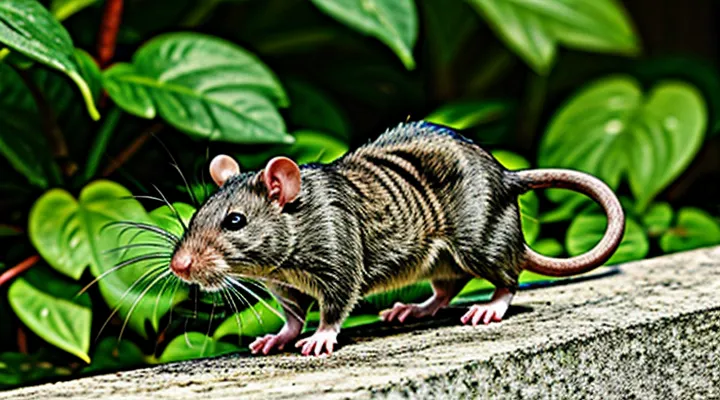
Understanding Rat Bruxism
What is Bruxism?
The Definition of Teeth Grinding
Teeth grinding, also called bruxism, refers to repetitive, forceful contact between dental surfaces that occurs without the presence of food. The action involves either vertical clenching or lateral grinding motions, producing characteristic wear patterns on the enamel and dentin. In rodents, incisors grow continuously; grinding serves to regulate tooth length and maintain a sharp, functional edge.
Key characteristics of the behavior include:
- Persistent, rhythmic movement of the mandible against the maxilla.
- Generation of audible or vibratory sounds detectable by observers.
- Visible flattening or chipping of cusp tips, especially on the anterior teeth.
- Absence of mastication-associated chewing cycles; the motion is sustained rather than episodic.
Physiologically, grinding engages the masseter, temporalis, and pterygoid muscles, generating forces that exceed normal chewing pressures. Neural control originates in the brainstem central pattern generators, which can be triggered by stress, environmental cues, or intrinsic dental growth demands. In rats, the behavior ensures that overgrown incisors are trimmed to optimal length, preventing malocclusion and preserving the ability to gnaw effectively.
Common Misconceptions
Rats produce a characteristic chattering sound by rubbing their incisors together, a behavior often misunderstood. Many observers attribute the noise to pain or dental disease, yet healthy individuals also exhibit this activity regularly.
Common misconceptions include:
- Pain indicator – Grinding does not necessarily signal discomfort; it occurs in well‑nourished rats without injury.
- Only nocturnal habit – The behavior appears during daylight as well, especially when rats are alert or exploring.
- Sign of aggression – While a hiss may accompany a threat display, simple grinding lacks the sharp, hostile tone of aggression.
- Result of poor diet – Nutritional deficiency is not required; even rats fed balanced pellets engage in the action.
- Unique to laboratory strains – Wild and pet rats alike demonstrate the same dental motion.
Scientific observations show that the motion serves multiple physiological functions. It sharpens continuously growing incisors, maintains enamel integrity, and can relieve tension in the jaw muscles after periods of inactivity. The sound also provides auditory feedback, allowing the animal to assess the alignment of its teeth.
Understanding these facts prevents misinterpretation of normal rodent behavior as a health emergency. Accurate assessment relies on examining additional signs—such as weight loss, swelling, or abnormal chewing—rather than the grinding sound alone.
Primary Reasons for Teeth Grinding
Dental Health and Growth
Rats possess incisors that erupt throughout life. Enamel covers only the front surface, while dentin forms the interior, creating a self‑sharpening edge as the softer dentin wears away during use.
Continuous wear is achieved through repetitive grinding motions. Each bite removes a thin layer of dentin, preventing excessive length. Without regular abrasion, incisors can extend beyond the oral cavity, causing malocclusion and impaired food intake.
Dental health depends on the balance between growth and wear. Overgrowth produces:
- Misaligned teeth that hinder mastication
- Soft tissue injuries from sharp edges
- Increased risk of bacterial infection
Adequate grinding maintains proper occlusion, supports efficient chewing, and reduces the likelihood of these complications.
Growth of rodent incisors is regulated by hormonal signals, dietary calcium, and mechanical stimulation. High‑fiber diets promote frequent gnawing, enhancing natural wear. Conversely, soft diets diminish grinding activity, allowing unchecked eruption.
Effective dental management for captive rats includes providing chewable objects, monitoring tooth length, and offering nutritionally balanced food that encourages natural grinding behavior.
Stress and Anxiety
Rats exhibit continuous tooth grinding, known as bruxism, when they encounter psychological stressors. Elevated cortisol levels trigger heightened neural activity in the amygdala, which in turn increases muscle tension in the jaw. The resulting repetitive motion serves as a coping mechanism to alleviate the internal arousal associated with anxiety.
Key physiological pathways linking stress to dental activity include:
- Activation of the hypothalamic‑pituitary‑adrenal axis, releasing glucocorticoids that modulate pain perception and muscle tone.
- Sympathetic nervous system stimulation, causing increased mandibular muscle contractility.
- Release of catecholamines that amplify the startle response, often manifested as rapid gnashing of incisors.
Environmental factors that exacerbate anxiety—such as unpredictable lighting cycles, overcrowding, or sudden handling—correlate with higher frequencies of grinding episodes. Laboratory observations consistently show that rats exposed to chronic stressors display longer grinding bouts and greater enamel wear compared with control groups.
Mitigation strategies focus on reducing stressors: stable cage conditions, enrichment objects, and gradual habituation to human interaction. Pharmacological interventions targeting GABAergic pathways have demonstrated efficacy in lowering bruxism rates, confirming the central role of anxiety in driving this behavior.
Communication and Social Signals
Rats produce rapid, audible tooth grinding as a deliberate form of communication. The sound signals physiological or emotional states to conspecifics, allowing the colony to adjust behavior without visual cues.
During social interactions, grinding conveys:
- Distress or discomfort, prompting peers to avoid aggressive encounters.
- Dominance, reinforcing hierarchical position when a higher‑ranking individual demonstrates control over its environment.
- Anticipation of grooming or nest maintenance, coordinating collective activities.
The acoustic pattern differs from normal chewing. Frequency and intensity increase when a rat experiences heightened arousal, such as after exposure to a novel stimulus or during territorial disputes. Listeners interpret these variations and modify their own responses, reducing the likelihood of conflict.
Research shows that suppression of grinding leads to elevated cortisol levels and disrupted group cohesion. Consequently, the behavior functions as a self‑regulatory mechanism, balancing individual stress and social stability within the rodent community.
Pain and Discomfort
Rats grind their teeth when they experience oral pain or general discomfort. Dental malocclusion, infections, or injuries create pressure on the incisors, prompting the animal to chew as a self‑soothing response. The behavior reduces localized soreness by stimulating blood flow and releasing endorphins.
Common sources of pain that trigger tooth grinding include:
- Overgrown incisors that scrape against the palate.
- Abscesses or periodontal disease affecting the jaw.
- Trauma from cage fixtures or aggressive conspecifics.
- Nutritional deficiencies that weaken tooth structure.
Continuous grinding can indicate chronic distress. Persistent sounds, excessive wear, or visible lesions on the gums warrant veterinary examination to identify underlying pathology and prevent further deterioration. Early intervention restores comfort and reduces the likelihood of long‑term behavioral adaptations.
Distinguishing Normal from Concerning Bruxism
Indicators of Healthy Bruxism
Frequency and Duration
Rats exhibit dental gnashing with a pattern that can be quantified in two dimensions: how often the behavior occurs and how long each episode lasts. Observations in laboratory colonies show that healthy adult rodents produce audible grinding sounds roughly 3–5 times per hour during periods of heightened activity, such as the onset of the dark cycle. In stressful situations—crowding, sudden noise, or handling—the frequency can increase to 10–12 occurrences per hour, often clustering in short bursts.
Each grinding episode typically lasts between 2 and 8 seconds. Short bursts of 2–3 seconds are common during routine grooming, while prolonged episodes of 5–8 seconds are associated with acute stress responses or dental discomfort. The cumulative daily duration rarely exceeds 2–3 minutes in unstressed animals but may rise to 5–7 minutes when chronic stressors are present.
Key points:
- Baseline frequency: 3–5 events/hour.
- Stress‑induced frequency: up to 12 events/hour.
- Typical episode length: 2–8 seconds.
- Daily total grinding time: ≤3 minutes (baseline), ≤7 minutes (stress).
These metrics provide a reference for evaluating dental health, environmental conditions, and the efficacy of interventions aimed at reducing maladaptive gnashing behavior.
Associated Behaviors
Rats that exhibit continuous tooth chattering typically display a recognizable set of accompanying actions. These behaviors provide clues about the underlying cause and help differentiate normal dental maintenance from stress‑related activity.
- Rapid, repetitive head movements that coincide with the grinding sound.
- Elevated vocalizations, often high‑pitched squeaks, occurring immediately before or during the episode.
- Increased grooming of the facial region, especially the whiskers and muzzle, suggesting discomfort or irritation.
- Sudden pauses in exploratory locomotion, with the animal remaining immobile while the teeth grind.
- Expedited consumption of bedding or nesting material, indicating a possible attempt to alleviate oral pressure.
The presence of these patterns alongside tooth grinding strengthens the inference that the animal is responding to physiological or environmental stressors rather than engaging in routine incisors wear. Monitoring these associated actions enables more accurate assessment of welfare and informs appropriate interventions.
Signs of Problematic Bruxism
Excessive Grinding
Excessive grinding in rats manifests as continuous, high‑frequency tooth contact that exceeds normal chewing activity. The behavior often signals underlying pathology rather than routine dental maintenance.
Common drivers of pathological grinding include:
- Chronic pain from dental disease, such as malocclusion or abscesses;
- Neurological disturbances, including seizures or peripheral neuropathy;
- Psychological stress caused by overcrowding, lack of enrichment, or abrupt environmental changes;
- Metabolic disorders that affect muscle tone or nerve function.
Persistent over‑grinding accelerates enamel loss, shortens incisors, and may lead to mandibular injury. Secondary effects include reduced food intake, weight loss, and increased susceptibility to infection.
Effective intervention requires a systematic approach:
- Conduct a thorough veterinary examination to identify pain sources or neurological deficits;
- Adjust housing conditions—provide nesting material, chewable objects, and stable group sizes;
- Treat identified dental problems with corrective filing or extraction under anesthesia;
- Administer appropriate analgesics or antiepileptic medication when indicated;
- Monitor dental wear regularly and record grinding frequency to assess treatment efficacy.
Addressing excessive grinding promptly prevents irreversible oral damage and supports overall health in laboratory and pet rat populations.
Changes in Appetite or Weight
Rats that exhibit persistent gnawing often show alterations in food intake or body mass. A reduction in appetite can accompany dental discomfort, prompting the animal to consume smaller meals or avoid certain textures. Conversely, increased consumption of soft, high‑calorie foods may occur as the rodent seeks easy‑to‑chew options, leading to weight gain despite ongoing incisor activity.
Typical patterns observed in laboratory and pet populations include:
- Decreased overall food consumption, resulting in measurable weight loss within a week of symptom onset.
- Preference for moist or pelleted diets, replacing dry chow that requires extensive chewing.
- Fluctuating body condition scores, with some individuals maintaining weight through compensatory intake of calorie‑dense supplements.
Monitoring changes in feeding behavior and regular weighing provide reliable indicators that tooth‑grinding is linked to metabolic stress rather than isolated oral activity. Prompt assessment allows for dietary adjustments and dental interventions to restore normal intake and weight trajectories.
Lethargy or Behavioral Changes
Rats that exhibit bruxism often show reduced activity levels and altered patterns of interaction with their environment. Lethargy may appear as prolonged periods of immobility, diminished exploration, and slower response to stimuli. Behavioral changes can include increased aggression, heightened startle reactions, or withdrawal from social contact.
Typical manifestations linked to dental grinding are:
- Decreased locomotion in open‑field tests
- Lower frequency of grooming and nesting behaviors
- Reduced consumption of food or water despite availability
- Abnormal vocalizations or heightened sensitivity to touch
These signs frequently accompany underlying physiological stressors. Pain from dental malocclusion, oral infection, or neuropathic irritation can suppress motivation and impair normal activity. Metabolic disturbances, such as electrolyte imbalance or hypoglycemia, may also trigger both bruxism and lethargic behavior. Environmental factors—excessive noise, temperature fluctuations, or overcrowding—heighten stress hormones, which in turn can provoke grinding and dampen exploratory drive.
When evaluating a rat that grinds its teeth, clinicians should:
- Conduct a thorough oral inspection to identify lesions, overgrown incisors, or inflammation.
- Measure body weight, temperature, and blood glucose to rule out systemic illness.
- Observe cage behavior over several days to establish baseline activity and social interaction patterns.
- Adjust housing conditions to reduce stressors, ensuring adequate enrichment and stable climate.
Prompt identification of the connection between dental grinding and diminished activity enables targeted interventions, such as dental correction, analgesic therapy, or environmental enrichment, thereby restoring normal behavior and preventing further health decline.
Visible Dental Damage
Rats possess continuously erupting incisors; regular grinding maintains appropriate length and sharpness. When grinding exceeds normal limits, the teeth exhibit clear physical alterations.
Observable alterations include:
- Enamel erosion exposing dentin, producing a yellowish hue.
- Flattened or blunted incisor tips, reducing the characteristic chisel shape.
- Cracks or fissures extending from the crown toward the root.
- Overgrowth of one or both incisors, leading to malocclusion and abnormal bite alignment.
- Uneven wear patterns indicating asymmetrical pressure during gnawing.
Excessive wear often results from insufficient fibrous material in the diet, chronic stress, or neurological disorders that disrupt normal chewing rhythm. Inadequate abrasion forces incisors to contact each other more aggressively, accelerating enamel loss and structural damage.
Consequences of visible dental damage are immediate: impaired food intake, reduced body condition, secondary infections at exposed pulp, and heightened susceptibility to systemic illness. Prompt identification of the described signs allows timely veterinary intervention, preventing progression to severe health decline.
Addressing Concerning Bruxism
Veterinary Consultation
When to Seek Professional Help
Rats grind their incisors as a natural response to dental wear, stress, or neurological irritation. Persistent or abnormal grinding can signal underlying health problems that require veterinary assessment.
Signs that professional help is warranted include:
- Sudden increase in grinding intensity or frequency.
- Noticeable changes in tooth length, shape, or alignment.
- Visible cracks, fractures, or discoloration of the teeth.
- Loss of appetite, weight reduction, or difficulty chewing.
- Excessive drooling, oral discharge, or bleeding.
- Behavioral changes such as aggression, lethargy, or seizures.
When any of these indicators appear, a qualified animal health practitioner should perform a thorough oral examination, radiographic imaging, and, if necessary, dental cleaning or corrective procedures. Prompt intervention prevents complications such as tooth overgrowth, infection, or systemic illness, preserving the rat’s ability to eat and maintain overall health.
Diagnostic Procedures
Diagnostic procedures for identifying the cause of tooth grinding in rats begin with a thorough physical examination. The veterinarian inspects the oral cavity for malocclusion, overgrown incisors, or lesions. Palpation of the head and jaw assesses muscle tension and joint abnormalities.
Imaging techniques provide detailed internal views. Dental radiographs reveal root structure, bone loss, and hidden fractures. Computed tomography (CT) scans identify subtle skeletal deformities and sinus involvement. Magnetic resonance imaging (MRI) evaluates soft‑tissue pathology, such as inflammatory processes affecting the temporomandibular joint.
Laboratory analyses complement visual assessments. Complete blood count and serum chemistry detect systemic infections, metabolic disorders, or nutritional deficiencies that may provoke bruxism. Urinalysis screens for toxin exposure, while specific assays measure calcium and phosphate levels to rule out mineral imbalances.
Behavioral observation records frequency, duration, and context of grinding episodes. Video monitoring distinguishes stress‑related activity from physiological patterns. Environmental checks verify cage size, bedding material, and enrichment adequacy, eliminating external stressors as contributing factors.
A systematic approach—physical exam, imaging, laboratory testing, and behavioral/environmental evaluation—ensures accurate identification of the underlying condition prompting dental grinding in rats.
Environmental Enrichment
Chewing Toys and Objects
Rats gnaw on a variety of items to maintain dental health, relieve stress, and explore their environment. Chewing toys and objects serve these functions by providing safe, durable surfaces that encourage regular wear of the continuously growing incisors.
Commonly used chewable materials include:
- Untreated hardwood blocks (e.g., apple, maple) that resist splintering.
- Natural fiber ropes and woven sticks that offer texture and flexibility.
- Food‑grade silicone or rubber toys designed to withstand prolonged gnawing.
- Compressed paper or cardboard products that dissolve gradually, reducing bacterial buildup.
Effective chew items possess the following characteristics:
- Hardness sufficient to file down teeth without causing cracks.
- Non‑toxic composition to prevent ingestion of harmful chemicals.
- Size appropriate for the animal’s mouth, avoiding choking hazards.
- Resistance to rapid destruction, ensuring longevity and cost‑effectiveness.
Providing a rotation of diverse chewables prevents habituation, promotes oral wear across the entire incisor surface, and reduces the likelihood of destructive gnawing on cage bars or bedding. Regular inspection for wear, cracks, or contamination is essential to maintain safety and therapeutic value.
Cage Setup and Socialization
A rat that repeatedly grinds its incisors usually signals discomfort, stress, or a lack of appropriate stimulation. The living environment directly influences this behavior; an inadequately designed cage can create anxiety, prompting dental activity that serves as a coping mechanism.
Key elements of an effective enclosure include:
- Minimum floor area of 2 sq ft per adult rat, providing space for movement and exploration.
- Solid, chew‑resistant base such as solid plastic or untreated wood to prevent foot injuries.
- Multi‑level platforms, tunnels, and climbing structures to satisfy natural foraging instincts.
- Safe, absorbent bedding (paper or aspen) that allows nesting without excessive dust.
- Continuous access to fresh water and a balanced diet rich in fiber, reducing the need for excessive gnawing.
Social interaction mitigates isolation‑induced grinding. Rats are highly gregarious; housing compatible individuals together reduces cortisol levels and encourages normal chewing of chew toys rather than self‑directed grinding. Proper introduction follows a staged process: visual contact through a barrier, brief supervised meetings, and gradual extension of shared time. Monitoring body language—grooming, play, and vocalizations—confirms successful bonding.
In summary, a spacious, enriched cage combined with deliberate socialization protocols addresses the primary triggers of dental grinding. Providing physical complexity and companionship creates a stable environment where rats can express natural behaviors without resorting to stress‑related tooth grinding.
Dietary Considerations
Proper Nutrition for Dental Health
Proper nutrition directly influences rodent dental integrity, thereby affecting the frequency of gnawing and tooth‑grinding behaviors. A diet rich in fiber and low‑density chewable materials promotes continuous wear of the continuously growing incisors, preventing overgrowth that can trigger excessive grinding. Inclusion of hard pellets or natural roots supplies abrasive action, while fresh vegetables provide moisture and essential vitamins such as A, D, and calcium, which support enamel formation and periodontal health. Deficiencies in calcium or vitamin D weaken dentin, leading to uneven bite forces and heightened grinding episodes. Conversely, excessive soft or sugary foods reduce natural abrasion, allowing teeth to elongate and increasing the likelihood of maladaptive grinding patterns. Maintaining a balanced ratio of coarse and soft components ensures optimal tooth length, proper occlusion, and reduced stress‑induced grinding in rats.
Avoiding Contributing Factors
Rats grind their teeth when internal or external stressors affect dental health or emotional stability. Preventing these triggers reduces the frequency and severity of the behavior.
Proper nutrition supplies the wear needed for continuously growing incisors. Feed a balanced diet that includes hard pellets or chewable items such as untreated wood blocks, mineral sticks, and fresh vegetables. Avoid soft, processed foods that fail to stimulate natural tooth abrasion.
Environmental enrichment diminishes anxiety that can lead to excessive grinding. Provide tunnels, climbing structures, and rotating toys to keep the animal mentally engaged. Ensure the cage is spacious, well‑ventilated, and free from loud or sudden noises.
Regular health monitoring catches dental problems early. Schedule veterinary examinations to check for overgrown incisors, malocclusion, or oral infections. Clean the cage frequently to prevent buildup of ammonia and parasites that may cause discomfort.
Key preventive actions
- Offer daily chewable materials that promote natural tooth wear.
- Rotate enrichment items every few days to maintain novelty.
- Maintain stable temperature, humidity, and lighting conditions.
- Conduct weekly visual inspections of the mouth and seek professional care at the first sign of abnormal wear.
- Keep the habitat quiet, avoiding constant exposure to predators or loud machinery.
By consistently applying these measures, caretakers limit the factors that provoke tooth grinding, supporting the rat’s dental health and overall well‑being.
Stress Reduction Techniques
Providing a Safe and Calm Environment
Providing a safe and calm environment reduces the frequency of tooth chattering in rats. Stress triggers the behavior; eliminating stressors creates conditions where the animal can relax and maintain normal dental health.
Key elements of a low‑stress habitat include:
- Secure enclosure with no gaps that allow escape or predator exposure.
- Soft, absorbent bedding that is free of dust and strong odors.
- Stable temperature (20–24 °C) and humidity (40–60 %).
- Consistent, dim lighting that mimics natural cycles; avoid sudden flashes.
- Minimal loud or abrupt noises; use sound‑absorbing materials if the facility is noisy.
- Regular, gentle handling by familiar personnel; limit handling duration to prevent agitation.
- Group housing for social species, provided compatible personalities; solitary housing only when medically required.
- Enrichment objects (chew sticks, tunnels, climbing structures) that encourage natural foraging and reduce boredom.
- Routine health examinations to detect pain or disease that could provoke grinding.
Implementing these measures creates a predictable, comfortable setting. When rats experience predictable conditions, cortisol levels remain low, and the incidence of dental grinding declines accordingly.
Gentle Interaction and Handling
Gentle interaction and handling are key factors in reducing the incidence of dental grinding in laboratory and pet rats. Stressful handling triggers sympathetic activation, which often manifests as rapid, repetitive jaw movements. By minimizing stress, caretakers can lower the physiological triggers that lead to bruxism.
Effective handling techniques include:
- Approaching the cage calmly, allowing the rat to become aware of the handler’s presence.
- Supporting the animal’s torso and hindquarters with both hands to prevent sudden balance loss.
- Using slow, deliberate motions when lifting or repositioning the rat.
- Limiting the duration of each handling session to a few minutes, especially for newly introduced individuals.
- Providing a soft, familiar surface (e.g., a fleece pad) during handling to cushion the animal’s paws and reduce anxiety.
Research shows that rats handled with these methods exhibit decreased cortisol levels and reduced jaw muscle tension, directly correlating with fewer grinding episodes. Consistent application of gentle handling protocols also promotes habituation, enabling rats to tolerate routine care without triggering stress‑induced dental activity.