
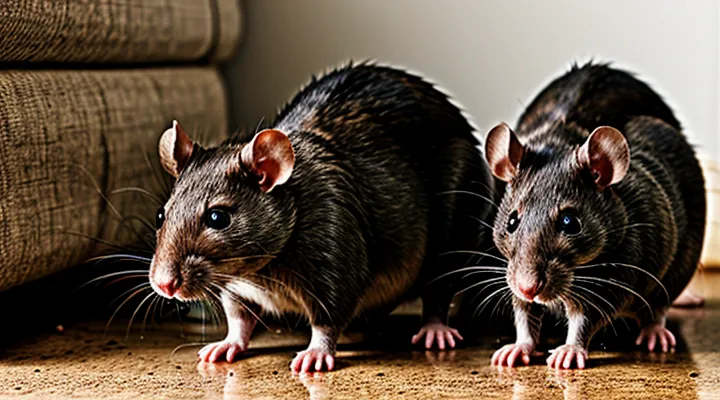
«Understanding Rat Behavior»
«Common Rat Habits and Instincts»
«Foraging and Food Acquisition»
Rats overturn food bowls as a deliberate foraging tactic. The behavior maximizes access to hidden or scattered nutrients and reduces competition by creating a temporary disturbance that masks the exact location of the remaining food.
The tactic serves several functional purposes:
- Enhanced detection: By tipping the bowl, rats expose crumbs and residues that are otherwise concealed, allowing rapid collection of additional calories.
- Resource assessment: The action reveals the bowl’s content level, helping the animal gauge whether the source is worth defending or abandoning.
- Social deterrence: A displaced bowl signals to conspecifics that the resource is being exploited, discouraging immediate sharing and lowering the risk of theft.
In laboratory and field observations, rats exhibit higher overturn frequencies when presented with low‑density food items or when the bowl’s edges are smooth, facilitating easy manipulation. Conversely, heavy, deep dishes reduce overturn incidence, indicating that physical effort influences the decision.
The pattern aligns with optimal foraging theory: rats allocate energy toward actions that increase net intake while minimizing exposure to rivals and predators. Overturning represents an adaptive response to variable food availability, enabling efficient acquisition in environments where resources are scattered or partially concealed.
«Environmental Exploration»
Rats frequently flip their food containers as part of a broader pattern of environmental exploration. The action serves to assess the stability of objects, identify hidden resources, and test the limits of their surroundings. By overturning a bowl, a rat can detect residual crumbs, examine the bowl’s material, and gauge whether the environment offers additional foraging opportunities.
Key aspects of this exploratory behavior include:
- Tactile assessment – paws and whiskers gather information about texture and weight, confirming whether the object is movable or anchored.
- Spatial mapping – moving the bowl reveals changes in the immediate area, helping the rat update its mental representation of the space.
- Resource detection – the motion dislodges concealed food particles, increasing nutritional intake without the need for additional searching.
These actions align with the species’ innate drive to manipulate objects and reduce uncertainty. The overturning maneuver is not random displacement; it reflects a systematic strategy to acquire sensory data, optimize feeding efficiency, and maintain adaptability in variable habitats.
«Social Dynamics and Dominance»
Rats flipping their feeding containers often signal a position within the group hierarchy. The act serves as a visual cue that the individual asserts control over access to resources, discouraging rivals from approaching the same bowl.
- Overturning creates temporary scarcity, prompting subordinates to wait for the dominant rat to resume feeding.
- The disturbance draws attention to the dominant individual's presence, reinforcing its status without physical confrontation.
- Repeated bowl disruption by the same rat correlates with higher ranking in observed colonies, confirming a link between this behavior and social rank.
In mixed‑sex groups, males more frequently engage in bowl overturning, aligning with broader patterns of male‑driven territoriality. Females may exhibit the behavior when competing for scarce food during breeding cycles, indicating that dominance expression adapts to reproductive demands.
The phenomenon also functions as a stress‑relief mechanism for high‑ranking rats. By altering the environment, the dominant individual reduces tension that could arise from constant proximity to conspecifics, thereby maintaining group stability.
Overall, bowl overturning reflects an adaptive strategy that integrates resource control, status communication, and tension management within rat societies.
«Why Rats Upset Their Food Bowls»
«Instinctual Drivers»
«Caching Behavior and Hoarding»
Rats exhibit caching and hoarding as a natural strategy for securing food resources when availability fluctuates. Individuals collect excess items and store them in concealed locations, often within burrows or behind objects, to reduce the risk of loss.
Overturning a food bowl functions as a method of transferring edible material from an open container to a more protected site. By flipping the bowl, a rat can disperse morsels onto surrounding substrate, creating a temporary cache that can be retrieved later. This behavior minimizes exposure to competitors and predators that might target an exposed bowl.
The adaptive advantages of this practice include:
- Increased survival probability during periods of scarcity.
- Reduced competition by limiting access to the stored food.
- Enhanced ability to transport small quantities to hidden caches without attracting attention.
Laboratory observations confirm that rats with access to a shallow bowl overturn it more frequently than those presented with a deep, secure dish. Field studies report higher cache density in environments where bowl overturning is observed, indicating a direct link between the two behaviors.
«Searching for Hidden Food»
Rats frequently flip their feeding containers as part of a foraging strategy aimed at uncovering concealed nourishment. This action reflects a combination of tactile exploration, olfactory detection, and learned problem‑solving.
- Whisker contact gauges surface texture and detects minute vibrations that may indicate hidden particles.
- Nasal receptors assess residual scent gradients, prompting the animal to manipulate the bowl until the odor source becomes accessible.
- Repeated flipping reinforces neural pathways associated with successful retrieval, increasing the likelihood of future attempts.
The behavior also serves to dislodge debris that adheres to the bowl’s interior, ensuring maximal intake of available food. Laboratory observations show that rats exposed to partially buried pellets exhibit a higher frequency of bowl overturning compared to those presented with unobstructed food. This pattern demonstrates adaptive flexibility: when food is not immediately visible, the animal employs physical disturbance to expose it.
Overall, the overturning response illustrates a sophisticated search mechanism that integrates sensory input with motor actions to locate concealed resources efficiently.
«Testing Food Security»
Rats frequently tip over their feeding containers to assess the stability and accessibility of food resources. This behavior provides a reliable indicator for evaluating the reliability of a food supply in laboratory settings. By observing the frequency and intensity of bowl overturning, researchers can infer the perceived scarcity or competition for nourishment among rodent populations.
Testing protocols that incorporate this response include:
- Recording the number of overturn events per hour for a defined group of subjects.
- Measuring latency between the introduction of a new food source and the first overturn action.
- Comparing overturn rates across varying food quality levels, such as fresh versus stale provisions.
- Assessing the impact of environmental stressors (temperature, lighting, noise) on overturn frequency.
Data derived from these measurements enable quantification of food security for the test cohort. Consistent low overturn rates suggest adequate provision and low perceived threat, whereas elevated overturn activity signals potential deficiency, prompting adjustment of diet composition or delivery mechanisms to maintain experimental integrity.
«Environmental Factors»
«Bowl Material and Stability»
Rats frequently flip feeding containers when the bowl lacks sufficient mass or friction to resist their exploratory pushes. Material density directly influences the force required to tip the bowl; heavier substances such as stainless steel or ceramic provide greater resistance than lightweight plastics. Surface texture determines grip; roughened interiors reduce sliding and discourage rats from using their paws to lever the edge upward. Bowl geometry also matters—wider bases lower the center of gravity, while tall, narrow designs increase the moment arm that a rat can exploit.
Key material properties affecting stability:
- Mass – dense materials (metal, stone) increase inertia, making overturning more difficult.
- Friction coefficient – textured or matte finishes raise friction between the bowl and the floor, limiting lateral movement.
- Shape stability – broad, flat bottoms lower the tipping point; shallow depth reduces leverage for the animal’s paws.
- Durability – robust materials resist cracking from repeated impacts, maintaining structural integrity over time.
Choosing a bowl with high mass, a high‑friction surface, and a wide base minimizes the likelihood that a rat will overturn it during feeding.
«Food Type and Texture»
Rats overturn food bowls primarily when the offered diet does not match their sensory expectations. Hard, dry pellets generate excessive friction against the bowl’s rim, prompting rats to push the container to access the food. Soft, moist mash conforms to the bowl’s shape, reducing the need for manipulation and decreasing overturning incidents.
Key factors linking food type and texture to bowl‑overturn behavior include:
- Particle size – Large chunks create uneven pressure points, encouraging rats to tilt the bowl for better reach.
- Moisture content – Low‑moisture foods dry quickly, increasing adhesion to the bowl surface; higher moisture reduces stickiness and stabilizes the bowl.
- Hardness – Extremely hard kibble requires strong bite forces; rats may use the bowl as leverage, resulting in displacement.
- Aroma intensity – Strong scents can heighten exploratory activity, leading to more vigorous handling of the bowl.
Adjusting diet to finer, moderately moist textures minimizes the mechanical incentive for rats to overturn their containers.
«Cage Enrichment and Boredom»
Rats that repeatedly tip their feeding dish often do so because the environment lacks stimulation. When a cage provides only basic necessities, the animal experiences monotony, which manifests as repetitive, exploratory actions aimed at altering the surroundings. Overturning the bowl creates movement, noise, and a temporary change in the spatial layout, satisfying an innate drive for novelty.
Enrichment devices interrupt this pattern by introducing varied sensory inputs and problem‑solving opportunities. Effective measures include:
- Rotating objects such as tunnels, chew blocks, and climbing structures on a weekly schedule.
- Providing foraging substrates (e.g., shredded paper, sand) that require manipulation to retrieve food.
- Incorporating puzzle feeders that release kibble only after a specific action is performed.
- Adding nesting material and hideouts to encourage natural burrowing behavior.
These interventions reduce boredom‑induced bowl manipulation by occupying the rat’s attention and allowing the expression of species‑typical behaviors. Consistent rotation of enrichment items prevents habituation, ensuring that the environment remains dynamic and that the animal’s activity is directed toward constructive exploration rather than destructive repetition.
«Physiological Considerations»
«Sensory Exploration through Touch»
Rats rely heavily on tactile input when interacting with objects in their environment. When a rat encounters a food container, it first contacts the surface with its forepaws and whiskers. This contact provides immediate data about texture, temperature, and stability, prompting the animal to manipulate the object to verify those cues.
The act of overturning a food bowl serves several tactile functions. By lifting and flipping the container, a rat can:
- Detect subtle variations in the bowl’s material that may conceal crumbs or hidden morsels.
- Assess the bowl’s weight distribution, confirming that it is not obstructed or compromised.
- Explore the interior space without exposing the rat’s head, reducing the risk of contamination.
These behaviors align with the species’ propensity for active exploration. Whisker deflection during the overturning motion generates a rapid stream of mechanosensory signals, allowing the rat to map the bowl’s dimensions and locate food particles that might otherwise remain out of reach. Simultaneously, the forepaws’ pressure receptors gauge the force required to move the bowl, informing the animal about the effort needed to access the contents.
Research on rodent somatosensory processing demonstrates that tactile feedback drives decision‑making in foraging contexts. When visual cues are limited—such as in dimly lit enclosures—touch becomes the primary source of information, and the overturning maneuver maximizes sensory acquisition while minimizing exposure to potential predators.
In summary, the overturning of a food bowl reflects a deliberate tactile strategy. By physically manipulating the container, rats acquire comprehensive sensory data that enhances their ability to locate and retrieve food efficiently.
«Dental Health and Chewing Needs»
Rats overturn their food bowls primarily to satisfy the continuous wear required by their incisors. The front teeth grow continuously; without regular abrasion, they become over‑grown, leading to pain, difficulty chewing, and possible infection. By tipping the bowl, a rat creates a movable surface that can be gnawed, providing a consistent source of resistance and allowing the incisors to be filed down to an optimal length.
- The act of flipping the bowl creates a dynamic edge that mimics natural foraging materials such as bark or seeds.
- The resulting motion engages the jaw muscles, promoting muscular development and joint health.
- Repeated chewing on the bowl’s rim helps maintain proper alignment of the teeth, preventing malocclusion.
When dental wear is insufficient, a rat may exhibit excessive bowl‑tipping, increased gnawing on cage accessories, or self‑inflicted injuries. Providing hard chew items, such as wooden blocks or mineral rods, reduces the need for bowl overturning by offering alternative abrasion surfaces. Adjusting bowl design—using heavier, stable containers or adding a non‑slip base—also limits the behavior without compromising dental health.
«Addressing the Behavior»
«Optimizing Feeding Practices»
«Choosing Appropriate Bowls»
Selecting the right feeding container can markedly reduce the incidence of bowl overturning in laboratory and domestic rats. Stable, heavy materials such as stainless steel or thick ceramic resist displacement when the animal pushes or nudges the bowl during exploratory bouts. Light plastics, especially thin-walled types, are prone to tipping and should be avoided.
The geometry of the bowl influences the animal’s grip and the likelihood of rotation. A low‑profile, wide‑diameter design distributes the rat’s force across a larger surface area, decreasing the torque generated by paw or nose contacts. Deep, narrow bowls concentrate force near the center, making them easier to flip. Rounded or beveled edges deter the animal from hooking its claws, while sharp or vertical rims invite claw engagement.
Surface texture contributes to tactile feedback. Smooth, non‑porous interiors prevent food from adhering to the sides, reducing the rat’s need to scrape and consequently the chance of applying lateral force. Textured exteriors that increase friction with the cage floor improve stability without creating cleaning difficulties.
A practical checklist for bowl selection:
- Material: stainless steel, thick ceramic, heavy acrylic; avoid thin polyethylene.
- Weight: minimum 150 g for standard laboratory cages; heavier models for larger enclosures.
- Shape: shallow depth, wide diameter, low center of gravity.
- Edges: rounded or beveled, no vertical lips.
- Surface: smooth interior, slightly textured exterior for grip.
- Cleaning: dishwasher‑safe, non‑absorbent to prevent odor buildup.
Implementing these specifications aligns the feeding apparatus with rats’ natural foraging motions, reducing the need for compensatory overturning behaviors and promoting consistent food intake.
«Introducing Puzzle Feeders»
Rats frequently flip their feeding containers, a behavior linked to foraging instincts, environmental curiosity, and the need to manipulate objects for access to concealed resources. This action can create messes, waste food, and increase the risk of contamination in laboratory or home settings.
Puzzle feeders address these issues by combining food delivery with problem‑solving challenges. The devices require rats to engage specific motor patterns—such as rotating a dial, sliding a door, or lifting a lid—to release a portion of the diet. This interaction satisfies the animals’ exploratory drive while keeping the food contained within a controlled environment.
Key advantages of puzzle feeders include:
- Reduction of bowl‑overturn incidents, as the feeder’s design limits free movement of the container.
- Promotion of natural foraging behavior, encouraging mental stimulation without compromising hygiene.
- Ability to adjust difficulty levels, allowing gradual acclimation and preventing frustration.
- Precise measurement of intake, useful for nutritional studies and weight management.
Implementation guidelines:
- Select a feeder compatible with the rat’s size and typical diet granule size.
- Introduce the device gradually, placing a small amount of familiar food inside to encourage exploration.
- Monitor initial interactions to ensure the animal can manipulate the mechanism without excessive stress.
- Adjust the complexity of the puzzle as proficiency increases, maintaining engagement while preventing over‑exertion.
By integrating puzzle feeders, caretakers can redirect the innate tendency to overturn bowls toward constructive problem‑solving, thereby improving welfare, reducing waste, and enhancing data reliability in research environments.
«Regulating Food Portions»
Rats overturn food bowls primarily to manage the amount of food they consume. When a bowl is tipped, the animal can disperse the contents, assess the quantity, and select portions that match its current energy needs. This behavior reduces the risk of overeating, which can lead to digestive problems and increased predation vulnerability.
Key mechanisms underlying portion regulation include:
- Sensory feedback: Tactile and olfactory cues from scattered food allow rats to gauge nutrient density and decide how much to retrieve.
- Hunger signaling: Elevated ghrelin levels trigger increased activity around the bowl, prompting the rat to overturn it and expose additional food until satiety signals rise.
- Competitive pressure: In group settings, individuals may overturn bowls to claim a share quickly, then limit intake to avoid conflict over remaining resources.
- Exploratory drive: Novelty-seeking behavior encourages manipulation of objects, providing an opportunity to sample food portions before committing to a full meal.
Laboratory observations reveal that rats with restricted diets overturn bowls more frequently than those with ad libitum access, indicating a direct link between energy deficit and the propensity to manipulate food containers. Conversely, well‑fed rats display reduced overturning, suggesting that the behavior diminishes once nutritional requirements are satisfied.
Understanding this self‑regulatory tactic informs cage design and feeding protocols. Providing shallow dishes or multiple small feeders can satisfy the rat’s need to assess portions without excessive spillage, thereby maintaining hygiene while respecting innate feeding strategies.
«Enhancing the Rat«s Environment»
«Providing Enrichment Toys»
Rats overturn food bowls primarily because they are instinctively driven to explore, manipulate objects, and seek novel stimuli. This behavior reflects their natural foraging strategies and a need to test the environment for hidden resources.
Providing enrichment toys addresses the same motivations that cause bowl overturning. Toys introduce alternative objects for investigation, reducing the likelihood that the bowl becomes the focal point of exploratory activity.
- Puzzle feeders: combine food delivery with problem‑solving, channeling manipulative behavior away from the bowl.
- Chewable blocks: satisfy gnawing urges, diminishing the impulse to use the bowl as a chewing surface.
- Tunneling tubes: offer spatial complexity, encouraging movement through the enclosure rather than repeated interaction with the feeding area.
- Hanging ropes or ladders: promote climbing and gripping actions, diverting attention from the bowl’s rim.
Implementing a rotation schedule for enrichment items prevents habituation, maintaining the novelty that sustains interest. Regular observation of individual rats can identify which toys most effectively reduce bowl overturning, allowing targeted adjustments to the enrichment plan.
«Regular Cage Cleaning and Layout Changes»
Regular cage cleaning reduces scent accumulation that can trigger exploratory digging. When bedding and debris are removed frequently, rats encounter fewer tactile obstacles near the feeding area, decreasing the impulse to displace the bowl in search of hidden food.
Consistent removal of waste prevents the growth of mold and bacteria, which can alter the odor profile of the enclosure. Unpleasant smells may cause rats to investigate the source aggressively, sometimes resulting in bowl overturning. A sterile environment minimizes such investigative aggression.
Layout changes influence spatial awareness. Repositioning the food bowl away from high‑traffic zones lessens accidental bumps that can lead to spills. Introducing stable platforms or weighted bases under the bowl provides physical resistance against forceful nudges.
Key practices for minimizing bowl overturning:
- Clean bedding and remove droppings at least twice weekly.
- Replace food bowls with models that have a low center of gravity or a rubberized base.
- Rotate the location of the bowl monthly, keeping it on a flat, non‑slippery surface.
- Add a small shelter or tunnel near the feeding site to direct attention away from the bowl’s edges.
- Monitor individual rat behavior after each cleaning session; note any increase in bowl displacement and adjust cleaning frequency accordingly.
By maintaining a hygienic cage and thoughtfully arranging the interior, caretakers can reduce the environmental cues that provoke rats to flip their food containers, leading to more stable feeding conditions and healthier animals.
«Ensuring Adequate Space»
Rats overturn food bowls when the enclosure does not provide sufficient floor area for natural foraging movements. Limited space forces the animal to maneuver the bowl with its paws to reach the food, resulting in frequent flipping. Expanding the cage floor by at least 50 % of the current size reduces this behavior dramatically.
Key spatial requirements:
- Minimum floor space of 0.5 m² per adult pair, allowing unrestricted turning and digging.
- Vertical clearance of 30 cm above the bowl to prevent the rat from using the lid as a lever.
- Unobstructed pathways between enrichment items, ensuring the animal can approach the bowl from multiple angles without crowding.
Providing ample space also supports other behavioral traits, such as nest building and exploratory locomotion. When rats have room to spread, they exhibit steady eating patterns, lower stress hormone levels, and reduced incidence of bowl overturning. Adjusting cage dimensions according to these guidelines aligns the environment with the species’ innate spatial preferences, eliminating the need for compensatory bowl manipulation.
«When to Seek Veterinary Advice»
«Signs of Stress or Illness»
Rats that repeatedly tip their feeding dish often reveal physiological or psychological disturbances. The behavior signals an attempt to cope with discomfort, pain, or environmental stressors, rather than a simple habit.
- Persistent scratching or grooming of the same body area
- Reduced activity, prolonged immobility, or hiding in corners
- Abnormal vocalizations, such as high‑pitched squeaks or chattering
- Changes in stool consistency, presence of blood, or frequent diarrhea
- Loss of appetite, weight reduction, or selective eating patterns
- Respiratory noises, labored breathing, or nasal discharge
- Unusual aggression toward cage mates or caretakers
Veterinarians assess these indicators through physical examination, blood work, and observation of cage conditions. Identifying the root cause—whether infection, dental disease, metabolic imbalance, or chronic stress—allows targeted treatment, environmental enrichment, and dietary adjustments to restore normal feeding behavior.
«Sudden Changes in Behavior»
Rats may tip their feeding containers abruptly, a behavior that often signals a rapid shift in their internal state. Sudden changes typically arise from:
- Acute stressors such as unfamiliar noises, predator cues, or abrupt lighting variations; these trigger heightened vigilance and exploratory aggression toward objects.
- Immediate alterations in cage layout, including relocation of bedding, introduction of new enrichment items, or removal of familiar structures; the rat perceives the environment as unstable and tests the stability of food sources.
- Health disturbances like gastrointestinal discomfort, pain, or neurological irritation; discomfort prompts erratic movements that can culminate in bowl overturning.
- Social dynamics, for example sudden introduction of a dominant conspecific or abrupt loss of a cage mate; the ensuing hierarchy reshuffle provokes competitive actions toward shared resources.
Each factor produces a measurable increase in locomotor activity and object manipulation within minutes of onset. Monitoring the frequency and intensity of bowl tipping can therefore serve as an early indicator of environmental or physiological perturbations, allowing timely intervention to restore stability and welfare.