
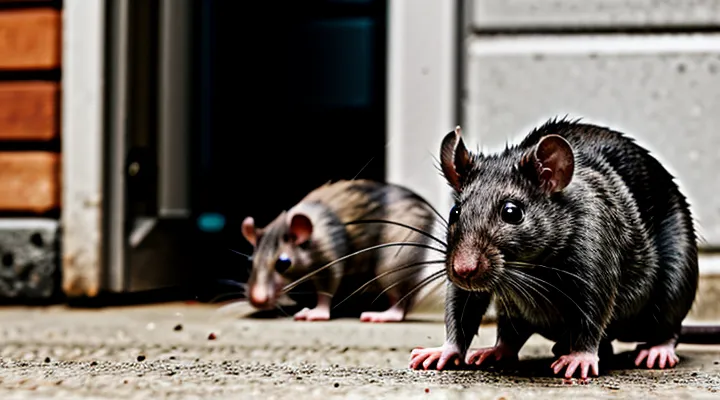
Understanding Rat Odor: A Comprehensive Overview
The Biology Behind the Scent
Glandular Secretions and Pheromones
Rats emit a distinctive odor because several exocrine glands release volatile compounds that accumulate on fur and in the environment. The primary sources are:
- Harderian glands – secrete lipids rich in fatty acids; breakdown produces rancid smells.
- Sebaceous glands – produce waxy secretions that trap bacterial metabolites.
- Anal glands – discharge a mixture of short‑chain fatty acids, sulfides, and indoles, all of which have strong, unpleasant aromas.
- Urinary and fecal excretions – contain ammonia and phenolic compounds that further intensify the scent.
These secretions serve physiological functions such as moisture regulation and antimicrobial protection, yet their chemical composition also generates the characteristic rat odor.
Pheromones, released from the same glands, act as chemical signals for conspecifics. Male rats emit major urinary proteins (MUPs) that bind volatile ligands; females detect these complexes to assess reproductive status. The same volatile ligands—often thiols, amines, and aldehydes—overlap with odor‑producing metabolites, blurring the line between communication and malodor.
The combined effect of glandular output and pheromonal signaling creates a persistent, malodorous environment that humans perceive as “bad smell.” Reducing exposure to these secretions—through sanitation, ventilation, and population control—directly diminishes the odor intensity.
Urinary and Fecal Contributions
Rats emit a distinctive, unpleasant odor primarily because their excretions contain volatile compounds that disperse rapidly in the environment. Both urine and feces serve as continuous sources of these chemicals, maintaining a persistent scent around nests, burrows, and feeding sites.
- Urine: high concentrations of ammonia, urea breakdown products, and sulfur‑containing metabolites create a sharp, acrid smell.
- Feces: rich in short‑chain fatty acids, indole, skatole, and phenolic compounds that produce a sour, fecal odor.
- Combined effect: simultaneous release of these substances raises ambient odor levels, especially in confined spaces where ventilation is limited.
The chemical composition of rat excreta ensures that the odor remains detectable even after the animals have vacated the area, contributing to the reputation of rats as notably smelly pests.
Diet's Influence on Body Odor
Rats emit a characteristic odor that intensifies when their diet supplies excess nitrogen, fatty acids, or fermentable sugars. Metabolic by‑products of these nutrients become volatile compounds detectable by humans.
High‑protein feeds generate ammonia and trimethylamine through deamination and microbial activity in the gut. These substances diffuse through the skin and respiratory tract, adding a pungent note to the animal’s scent.
Dietary fats, especially unsaturated oils, are broken down by intestinal bacteria into short‑chain fatty acids such as butyric, valeric and caproic acids. The resulting acids evaporate from the fur and exhaled breath, contributing a sour, rancid smell.
Carbohydrates that resist digestion reach the colon, where they undergo fermentation. The process yields gases (hydrogen, methane) and additional short‑chain fatty acids, which further enhance odor intensity.
Practical dietary adjustments:
- Replace high‑protein pellets with balanced formulas containing 15–20 % protein.
- Limit added animal fats; use modest amounts of plant‑based oils.
- Include non‑starch fiber (e.g., cellulose) to reduce fermentable carbohydrate load.
- Provide probiotic supplements to shift gut flora toward less odorous metabolite production.
Implementing these changes reduces the concentration of volatile nitrogenous and fatty compounds, thereby diminishing the unpleasant smell associated with rats.
Environmental Factors Affecting Rat Smell
Unsanitary Living Conditions
Accumulation of Waste Products
Rats emit a strong, unpleasant odor primarily because metabolic waste accumulates in their bodies and environments. Their high metabolic rate generates large quantities of nitrogenous compounds, such as urea and ammonia, which are excreted in urine and feces. When these substances are not promptly removed, they break down into volatile compounds that intensify the smell.
Key waste products contributing to the odor include:
- Urea, converted by bacterial action into ammonia, a pungent gas.
- Fatty acids released from skin secretions, which become rancid when oxidized.
- Short‑chain fatty acids produced by gut microbiota, emitting sour, fecal notes.
- Sulfur‑containing compounds such as mercaptans, derived from protein catabolism, adding a rotten‑egg scent.
Rats often inhabit confined spaces with limited ventilation. Poor airflow slows the dispersion of volatile molecules, allowing concentrations to rise. Additionally, rats groom themselves frequently, spreading waste residues across fur, which further releases odor when the animal moves.
Effective odor control requires regular cleaning to remove urine, feces, and dead skin cells, and to disrupt bacterial colonies that catalyze waste breakdown. Proper ventilation reduces the buildup of volatile compounds, diminishing the characteristic smell associated with these rodents.
Lack of Ventilation
Rats emit a strong, unpleasant odor when they inhabit spaces with insufficient airflow. Stagnant air traps moisture, urine, and feces, allowing bacterial growth to flourish. The resulting volatile compounds, such as ammonia and sulfur‑containing molecules, accumulate and intensify the smell.
- Limited exchange prevents removal of odor‑bearing gases.
- Warm, humid conditions from poor ventilation accelerate microbial activity.
- Accumulated waste products remain on surfaces, releasing foul scents over time.
- Air currents that would otherwise dilute and disperse odors are absent, concentrating the smell near the rodents’ nests.
Without adequate ventilation, the environment becomes a reservoir for odor‑producing substances, making the presence of rats noticeably malodorous. Implementing proper airflow reduces the concentration of these compounds and diminishes the characteristic rat odor.
Population Density and Stress
Rats living in crowded environments experience heightened physiological stress. Elevated glucocorticoid levels suppress immune function, allowing opportunistic bacteria to proliferate on the skin and in the oral cavity. These microorganisms produce volatile compounds that contribute to the characteristic odor associated with rodents.
Stress also disrupts normal grooming behavior. Overcrowding reduces the time each individual can allocate to self‑cleaning, leading to accumulation of secretions from sebaceous and anal glands. The buildup of these secretions provides a substrate for bacterial metabolism, intensifying malodorous emissions.
Additional effects of dense populations include:
- Increased aggression, which triggers sympathetic activation and further hormone‑mediated changes in scent gland output.
- Higher rates of urinary and fecal deposition in shared nesting sites, raising ambient ammonia and sulfide levels.
- Impaired thermoregulation, causing sweat gland activity that releases odor‑bearing compounds.
Collectively, these stress‑induced physiological and behavioral alterations explain why rats in high‑density settings often emit stronger, unpleasant smells.
Identifying Specific Odor Profiles
Ammonia-Like Scents
Rats emit a sharp, ammonia‑like odor that originates from the breakdown of nitrogenous waste. Urea in urine is hydrolyzed by bacterial urease, producing ammonia that volatilizes at body temperature. The same enzymatic process occurs in feces, where protein digestion releases amino acids that bacteria convert to volatile amines and ammonia.
The intensity of the scent correlates with several factors:
- High‑protein diet increases urea excretion.
- Poor ventilation in nesting sites concentrates ammonia vapors.
- Overcrowding accelerates bacterial proliferation, raising amine production.
- Stress or illness can alter metabolic pathways, leading to excess nitrogenous compounds.
Ammonia detection serves as a natural indicator of colony health. Elevated levels signal inadequate sanitation, potential respiratory irritation, and increased susceptibility to disease. Controlling moisture, providing regular cleaning, and limiting protein‑rich feed reduce the characteristic smell.
Musky and Earthy Aromas
Rats emit musky and earthy aromas primarily due to volatile organic compounds produced by their skin glands, urine, and feces. These scents arise from a combination of bacterial metabolism and endogenous secretions.
- Skin secretions: Sebaceous glands release fatty acids such as oleic, palmitic, and stearic acids, which oxidize to form pungent aldehydes and ketones.
- Urine: Contains ammonia, urea, and sulfur‑containing metabolites (e.g., dimethyl sulfide) that contribute to a sharp, earthy odor.
- Feces: Rich in short‑chain fatty acids (butyric, valeric) and indole, both associated with a strong, musky smell.
- Microbial activity: Skin and gastrointestinal microbes break down proteins and lipids, generating additional odorants like indole, skatole, and phenols.
The interaction of these chemicals creates a distinctive scent profile that humans perceive as unpleasant. The intensity of the aroma varies with diet, health status, and environmental conditions, but the underlying biochemical pathways remain consistent across individuals.
Distinguishing Healthy vs. Unhealthy Odors
Rats emit a range of scents that can indicate their physiological condition. A clean, mildly musky odor typically reflects normal glandular activity and a balanced diet. In contrast, a strong, sour or fecal smell often signals infection, poor hygiene, or metabolic distress.
- Healthy odor characteristics
- Mild, consistent musky note
- No sharp acidity or rot
- Stable over time, regardless of activity level
- Unhealthy odor indicators
- Intense, pungent, or rancid smell
- Presence of ammonia, sulfur, or fecal notes
- Sudden change after illness, injury, or dietary shift
Underlying causes of unpleasant odors include bacterial overgrowth in the anal glands, urinary tract infections, and skin lesions that release decay‑producing compounds. Monitoring scent changes provides a rapid, non‑invasive assessment of rat health and helps differentiate normal odor from pathology.
Managing and Mitigating Rat Odors
Effective Cleaning Strategies
Sanitation Protocols for Habitats
Effective sanitation in rodent habitats directly reduces odor-producing factors. Regular removal of waste, food residues, and damp bedding eliminates the primary sources of bacterial growth and urine accumulation, which generate the characteristic foul smell associated with rats. Maintaining dry, well‑ventilated conditions prevents moisture‑dependent microbes from thriving, further limiting odor development.
Key protocols:
- Collect and dispose of all refuse daily; use sealed containers to prevent leakage.
- Replace bedding material weekly; select absorbent, low‑dust substrates.
- Clean enclosure surfaces with a diluted enzymatic cleaner; rinse thoroughly to avoid chemical residues.
- Inspect and repair any leaks or condensation points; ensure airflow through vents or fans.
- Rotate and sanitize feeding stations; remove uneaten food promptly.
Consistent application of these measures sustains a hygienic environment, curtails microbial proliferation, and markedly diminishes the unpleasant scent commonly observed in rodent populations.
Air Purification Techniques
Rodent odor originates from urine, feces, and bacterial decomposition, creating volatile compounds that disperse in indoor air. Effective air purification reduces these compounds, improves indoor quality, and limits health risks.
- Mechanical filtration captures particulate matter, including dried droppings and hair, with filter media rated at 0.3 µm or finer.
- Activated carbon adsorbs organic vapors such as ammonia and sulfur‑containing molecules responsible for the characteristic smell.
- Ultraviolet germicidal irradiation (UV‑GI) destroys microorganisms that generate odorous metabolites, preventing further release of volatile substances.
- Ionizers emit charged particles that attach to airborne contaminants, causing them to settle on surfaces or be collected by electrostatic precipitators.
- Ozone generators oxidize odor‑causing molecules, converting them into less volatile compounds.
- Photocatalytic oxidation (PCO) uses a titanium dioxide surface illuminated by UV light to break down organic pollutants into carbon dioxide and water.
Strategic deployment involves placing units near sources of rodent activity, ensuring continuous airflow, and scheduling regular filter replacement. Combining activated carbon with mechanical filtration yields the highest removal efficiency for both particles and gases. Monitoring device performance through built‑in sensors maintains optimal operation and prevents secondary contamination.
Dietary Adjustments for Odor Reduction
Rats emit a strong odor primarily because their diet supplies substrates for bacterial fermentation in the gut and on the skin. Modifying what they eat can significantly lower the production of malodorous compounds.
- Increase fiber: Include high‑quality hay, timothy, or shredded paper. Fiber accelerates gastrointestinal transit, reducing the time for protein breakdown that yields foul‑smelling metabolites.
- Reduce protein excess: Offer balanced pellets with protein levels appropriate for the rat’s age and activity. Excess protein fuels bacterial overgrowth and sulfur‑containing gases.
- Add probiotics: Incorporate commercial rodent‑specific probiotic supplements or fermented foods such as plain kefir. Beneficial microbes outcompete odor‑producing bacteria.
- Limit fatty foods: Avoid seeds, nuts, and high‑oil treats. Fat slows digestion and promotes the accumulation of waste in the colon.
- Provide fresh water daily: Adequate hydration dilutes urinary metabolites and supports kidney function, decreasing ammonia‑rich urine that contributes to odor.
Implementing these adjustments creates a cleaner environment, improves overall health, and directly diminishes the characteristic smell associated with rats.
Veterinary Care for Underlying Issues
Rats emit a noticeable odor when health problems affect their skin, teeth, or gastrointestinal tract. Veterinary assessment identifies the root causes and directs effective treatment.
Common sources of malodor and corresponding veterinary actions:
- Dental disease – Overgrown incisors or gum infection. Examination under anesthesia, tooth trimming, and antimicrobial therapy reduce bacterial buildup and improve breath.
- Dermatological infections – Bacterial or fungal skin lesions produce a sour smell. Culture, sensitivity testing, and topical or systemic antibiotics/antifungals resolve infection and restore coat condition.
- Ear infestations – Mites or wax accumulation generate a strong, rancid scent. Otoscopic inspection, ear cleaning, and appropriate acaricide administration eliminate parasites and prevent recurrence.
- Gastrointestinal dysbiosis – Imbalanced gut flora leads to foul fecal odor. Fecal analysis, dietary adjustment, and probiotic supplementation reestablish microbial equilibrium.
- Urinary tract issues – Infections or stones cause ammonia‑like odor. Urinalysis, imaging, and targeted antimicrobial or surgical treatment address the problem.
Preventive veterinary care includes regular health checks, dental trimming schedules, and hygiene monitoring. Early detection prevents odor‑related distress and promotes overall well‑being.