
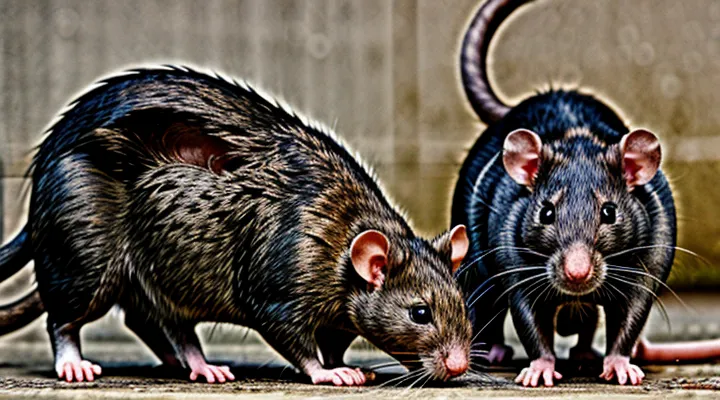
«Common Types of Gnawing in Rats»
«Barbering»
Barbering is the selective removal of hair or whiskers by one rat from the body of another. The act is recorded in laboratory and pet colonies and is recognized as a specific manifestation of inter‑rat gnawing.
Rats engage in barbering primarily as a social behavior that reinforces hierarchical positions. When a dominant individual bites the fur of a subordinate, the resulting hair loss signals subordination and reduces the subordinate’s ability to compete for resources. The behavior also appears when animals experience chronic stress; heightened cortisol levels increase oral manipulation of conspecifics. Nutritional deficits, especially lack of essential fatty acids, can trigger compulsive gnawing that targets fur. Overcrowding and insufficient enrichment amplify these pressures, leading to more frequent barbering episodes.
Key factors influencing barbering:
- Social hierarchy: dominant individuals initiate grooming bites.
- Stress intensity: elevated physiological stress correlates with increased grooming aggression.
- Dietary insufficiency: lack of specific nutrients predisposes animals to self‑directed and other‑directed gnawing.
- Environmental conditions: high density and limited nesting material exacerbate the behavior.
For investigators, barbering serves as a measurable indicator of welfare disturbances. Monitoring hair loss patterns helps identify colonies at risk of aggression, nutritional imbalance, or inadequate housing. Interventions such as enrichment enrichment, balanced diets, and controlled group sizes effectively reduce the incidence of barbering and improve overall colony health.
«Nibbling During Play»
Rats often engage in gentle biting while interacting, a behavior described as nibbling during play. This activity involves brief, low‑force bites that stop almost immediately, distinguishing it from hostile aggression.
The primary purpose of play nibbling is social. Young rats use it to rehearse bite inhibition, a skill essential for later competitive encounters. By delivering and receiving controlled nips, they learn the limits of acceptable force within the group.
Key functions of play nibbling include:
- Reinforcement of social bonds through reciprocal tactile stimulation.
- Development of fine motor coordination of the jaws and forelimbs.
- Assessment of hierarchical position without triggering serious conflict.
- Reduction of stress by providing a predictable, low‑risk outlet for predatory instincts.
Observational studies show that nibbling occurs most frequently among juveniles in spacious, enriched environments. Adult rats may continue the behavior, but it appears less often and is usually directed toward offspring or unfamiliar conspecifics as a greeting gesture.
Physiological feedback reinforces the behavior: sensory receptors in the mouth detect pressure, prompting immediate cessation when the bite exceeds a threshold. This feedback loop ensures that the interaction remains playful rather than harmful.
«Agonistic Gnawing»
Agonistic gnawing refers to the aggressive biting and chewing behavior displayed by rats when they compete for limited resources, establish dominance, or defend territory. The act involves the incisors, which deliver puncture wounds and can sever tissue, distinguishing it from normal grooming or exploratory gnawing.
Triggers for agonistic gnawing include:
- Competition for food, water, or nesting material
- Challenges to established social hierarchy
- Intrusion of unfamiliar conspecifics into a known enclosure
The behavior is mediated by a combination of sensory detection, hormonal signaling, and neural circuitry. Olfactory cues identify rival individuals, while elevated levels of testosterone and corticosterone increase aggression. The mesolimbic pathway and amygdala activate motor patterns that coordinate rapid jaw closure and forceful incisor thrusts.
A typical agonistic encounter follows a predictable sequence: initial approach, threat display (raised whiskers, vocalizations), first bite, escalation through repeated gnawing, and eventual withdrawal or submission. Duration and intensity correlate with the relative status of the participants; dominant rats often deliver fewer but more decisive bites, whereas subordinates may engage in prolonged gnawing to assert challenge.
Consequences of the interaction encompass:
- Physical injury ranging from superficial abrasions to deep lacerations
- Altered social ranking, with successful aggressors gaining priority access to resources
- Elevated stress markers, which can affect reproductive performance and immune function
Experimental observation of agonistic gnawing relies on controlled housing conditions, video ethograms, and post‑event analysis of wound patterns. Neurochemical assays frequently reveal spikes in dopamine and norepinephrine concurrent with biting episodes, supporting the link between reward pathways and aggressive motivation.
Understanding agonistic gnawing informs laboratory colony management by guiding cage density, enrichment provision, and monitoring protocols to minimize injury. In pest‑control contexts, recognizing the behavior helps predict escalation points and design interventions that disrupt social cues, reducing the likelihood of mass gnawing incidents.
«Causes of Gnawing: Environmental and Social Factors»
«Overcrowding and Stress»
Overcrowded environments generate intense competition for limited resources such as food, nesting material, and space. When the number of individuals exceeds the capacity of a cage or burrow system, rats experience frequent interruptions of rest and increased exposure to unfamiliar conspecifics. These conditions elevate cortisol levels, suppress immune function, and destabilize social hierarchies.
Elevated stress triggers aggressive behaviors that manifest as biting, gnawing, and mounting attacks on cage mates. The following mechanisms link crowding to direct physical aggression:
- Constant proximity prevents establishment of clear territorial boundaries, leading to frequent challenges.
- Reduced access to food and water creates opportunistic fights over scarce supplies.
- Disturbed sleep cycles lower the threshold for irritability and impulsive attacks.
- Heightened scent and auditory cues amplify vigilance, prompting preemptive aggression.
Laboratory observations confirm that rats housed at densities above 5 animals per 100 cm² display a 30‑40 % increase in bite wounds compared with low‑density groups. Behavioral assays show a rapid escalation from mild chittering to severe gnawing within days of reaching critical crowding levels.
Mitigation strategies focus on decreasing population density, providing multiple enrichment stations, and ensuring uninterrupted access to nourishment. Implementing these measures reduces cortisol spikes, stabilizes social order, and markedly lowers the incidence of intra‑species gnawing.
«Lack of Enrichment»
Rats deprived of stimulating surroundings often turn to conspecific gnawing as a coping mechanism. Without varied objects to explore, chew, and manipulate, the natural urge to gnaw lacks appropriate outlets, redirecting toward cage mates.
Environmental monotony reduces opportunities for problem‑solving, leading to frustration that manifests as oral aggression. Limited space and absence of nesting material prevent the construction of secure habitats, increasing stress levels that trigger bite attempts.
Social interaction alone does not compensate for the lack of physical enrichment. Even in groups, rats require manipulable items to satisfy exploratory drives. When those needs remain unmet, the oral behavior escalates into inter‑rat gnawing.
Key enrichment components that mitigate this behavior include:
- chewable wooden blocks or natural branches
- tunnels and multi‑level platforms for climbing
- nesting substrate such as shredded paper or tissue
- puzzle feeders that require manipulation to access food
- rotating toys to maintain novelty
Providing a diversified, regularly refreshed environment addresses the underlying drive to gnaw, thereby reducing the incidence of rat‑to‑rat biting.
«Introduction of New Rats»
Introducing unfamiliar rats into an established group triggers a cascade of social signals. Resident individuals assess the newcomer’s size, scent, and vocalizations to determine whether the intruder poses a threat to the hierarchy. This assessment often manifests as rapid gnawing, a behavior that establishes dominance, reduces uncertainty, and protects resources.
Gnawing serves several functional purposes:
- Confirms the newcomer’s rank relative to established members.
- Delivers a chemical cue through saliva that conveys the aggressor’s identity and health status.
- Reduces the likelihood of prolonged conflict by delivering a clear, painful signal that deters further challenges.
Minimizing aggressive gnawing requires controlled exposure and environmental management:
- Quarantine the new rats for at least seven days to monitor health and allow scent acclimation.
- Provide a neutral enclosure free of familiar nesting material, ensuring equal access to food, water, and hiding spots.
- Introduce the animals gradually, starting with short, supervised visual contact through a perforated barrier, then progress to brief, supervised physical interactions.
- Supply multiple enrichment items—tunnels, chew blocks, and climbing structures—to disperse attention and reduce competition for limited resources.
- Observe body language continuously; intervene if signs of heightened aggression, such as raised fur, chattering, or persistent gnawing, appear.
When these protocols are applied, the frequency and intensity of gnawing decline, allowing the newcomer to integrate without destabilizing the existing social order.
«Nutritional Deficiencies»
Rats that bite each other often do so because their diet lacks essential nutrients. Deficiencies create physiological stress that triggers aggressive chewing as a misguided attempt to obtain missing elements.
Key nutritional gaps linked to intra‑species gnawing include:
- Low protein levels, which impair growth and tissue repair, leading to heightened competition for limited resources.
- Insufficient calcium, causing skeletal weakness and abnormal dental wear, prompting rats to gnaw harder objects, including conspecifics.
- Deficient vitamin B complex, especially thiamine and riboflavin, which affect nervous system function and increase irritability.
- Inadequate essential fatty acids, reducing membrane stability and influencing hormone balance, thereby elevating aggression.
When rats receive a balanced diet that meets these requirements, the incidence of mutual gnawing declines markedly. Monitoring feed composition and supplementing identified shortfalls constitute effective preventive measures.
«Dominance Hierarchies and Social Structure»
«Establishing Dominance»
Rats bite one another primarily to assert hierarchical rank within a colony. When a newcomer or lower‑ranking individual encounters a dominant counterpart, the dominant rat delivers rapid, sharp gnaws to signal control over resources such as food, nesting sites, and mating opportunities. The aggression is brief, often followed by a pause that allows the subordinate to recognize the established order.
Key mechanisms that reinforce this behavior include:
- Elevated testosterone and vasopressin levels in dominant rats, which increase aggression and reduce fear of confrontation.
- Olfactory cues that convey an individual’s status; scent marks from dominant rats trigger defensive or submissive responses in others.
- Repeated successful gnawing, which conditions the colony to accept the aggressor’s authority and reduces future conflicts.
The outcome of these interactions is a stable social structure where dominant rats enjoy preferential access to resources, while subordinates limit their exposure to risk by recognizing and adhering to the hierarchy. This dynamic minimizes prolonged fighting, conserves energy, and supports overall colony cohesion.
«Submissive Gnawing»
Submissive gnawing occurs when a lower‑ranking rat directs brief, low‑intensity bites toward a dominant individual. The action serves as a non‑aggressive signal that the sender acknowledges the hierarchy and seeks to avoid confrontation. Researchers observe that the bites are typically confined to the neck or flank, last less than a second, and lack the force associated with overt aggression.
Key characteristics of the behavior include:
- Minimal pressure, preventing tissue damage.
- Rapid cessation once the dominant rat receives the contact.
- Repetition during periods of heightened social tension, such as after regrouping of unfamiliar groups.
Physiological mechanisms involve activation of the somatosensory pathways that convey a tactile reminder of the dominant rat’s status. Hormonal responses differ from those seen in aggressive encounters; cortisol spikes are modest, while oxytocin levels may rise, promoting social cohesion.
The function of submissive gnawing extends beyond simple appeasement. It stabilizes group dynamics by providing a clear, low‑cost cue that reinforces the established order without invoking costly fights. In laboratory colonies, the frequency of this behavior predicts lower rates of injury and faster reintegration after disruptions.
Understanding this specific form of intra‑species biting clarifies why rats engage in gnawing behaviors that are not strictly combative. It highlights the nuanced communication system that balances dominance and submission within rodent societies.
«Health Implications of Gnawing»
«Skin Irritation and Wounds»
Rats often bite one another when skin becomes irritated or broken. Irritation provokes a heightened sensory response; the affected animal signals discomfort through vocalizations and body language, prompting conspecifics to investigate and sometimes bite. Open wounds expose nerve endings, amplifying the urge to gnaw as a misguided attempt to relieve pain.
Physiological mechanisms link cutaneous damage to aggressive chewing:
- Damaged epidermis releases inflammatory mediators that increase local sensitivity.
- Blood leakage introduces scent cues that other rats interpret as a sign of vulnerability.
- Healing tissue emits chemical signals that attract the attention of nearby individuals, who may respond with biting to assert dominance or test the injury.
The act of gnawing on irritated skin produces several outcomes:
- Further tissue loss, delaying wound closure.
- Introduction of oral bacteria, raising the risk of secondary infection.
- Reinforcement of hierarchical structures, as dominant rats use biting to maintain status.
Understanding that skin irritation and wounds trigger mutual gnawing clarifies why rats engage in this behavior, emphasizing the role of physical injury in shaping social interactions.
«Infections»
Rats often bite one another when infected with pathogens that alter nervous or immune function. Certain bacterial infections, such as Streptobacillus moniliformis (rat‑bite fever), produce fever and pain that increase irritability, prompting aggressive chewing. Viral agents like lymphocytic choriomeningitis virus (LCMV) affect brain chemistry, reducing inhibition and heightening territorial disputes. Parasitic infestations, for example Toxoplasma gondii, can impair judgment and elevate aggression toward conspecifics.
Key mechanisms linking infection to biting behavior include:
- Inflammatory cytokines that disrupt normal social signaling.
- Neurotransmitter imbalances induced by pathogen‑derived toxins.
- Physical discomfort that lowers tolerance for close contact.
Observable signs of infection‑driven aggression:
- Rapid onset of bite wounds with minimal provocation.
- Elevated body temperature or lethargy accompanying attacks.
- Unusual grooming patterns indicating discomfort or pain.
Control measures for research colonies and pet populations:
- Routine health screening for bacterial, viral, and parasitic agents.
- Quarantine of newly introduced individuals until test results confirm health status.
- Environmental enrichment that reduces stress and limits opportunities for forced close contact.
Understanding the infectious basis of rat biting informs both humane handling practices and experimental design, ensuring accurate interpretation of behavioral data.
«Stress-Related Illnesses»
Rats that bite each other often do so under chronic stress, which triggers a cascade of physiological disturbances known as stress‑related illnesses. Elevated cortisol and catecholamine levels suppress immune function, increase blood pressure, and alter gut microbiota. These changes predispose individuals to infections, cardiovascular disease, and gastrointestinal disorders, mirroring patterns observed in other mammals.
Key manifestations in stressed rodents include:
- Persistent weight loss despite adequate food availability.
- Hyperactivity of the hypothalamic‑pituitary‑adrenal axis, measurable by heightened plasma corticosterone.
- Reduced lymphocyte proliferation and delayed wound healing.
- Increased incidence of ulcerative lesions in the gastrointestinal tract.
Behavioral signs often precede somatic pathology. Excessive gnawing correlates with heightened vigilance, reduced grooming, and repetitive biting of conspecifics, reflecting an adaptive response to perceived threats that becomes maladaptive when stress persists.
Interventions that lower environmental stressors—enrichment, stable social groups, and predictable feeding schedules—demonstrably reduce cortisol spikes and restore immune competence. Pharmacological agents targeting glucocorticoid receptors further mitigate disease progression in experimental settings.
Understanding the link between intra‑species aggression and stress‑induced illness clarifies why rats engage in self‑destructive gnawing and provides a framework for managing similar conditions across species.
«Preventative Measures and Management»
«Adequate Space and Enrichment»
Adequate floor area reduces competition for limited resources, which in turn lowers the frequency of inter‑rat gnawing. When each animal has its own territory, stress‑induced biting declines because individuals are less likely to encounter one another in cramped conditions.
Environmental enrichment satisfies natural foraging and exploratory instincts, diverting attention from conspecific aggression. Providing objects that encourage chewing, climbing, and nesting gives rats alternative outlets for oral behavior.
Key components of a suitable enclosure include:
- Minimum of 0.5 sq ft per adult rat, plus extra space for group movement.
- Multiple levels or platforms to create vertical separation.
- chewable items such as untreated wood blocks, cardboard tubes, and mineral chews.
- tunnels, hideouts, and nesting material to promote shelter building.
- rotating toys or puzzle feeders to maintain novelty.
Regular assessment of space utilization and enrichment effectiveness helps identify overcrowding or boredom before aggressive gnawing emerges. Adjusting cage dimensions or adding new stimuli promptly restores a stable social environment.
«Proper Introduction Techniques»
Introducing unfamiliar rodents requires a systematic approach that minimizes stress and reduces the likelihood of aggressive gnawing. The process consists of three essential phases: habituation, controlled exposure, and reinforcement.
- Habituation: Place each animal in a neutral enclosure for several minutes daily, allowing it to explore without direct contact. Maintain consistent lighting, temperature, and scent cues to build familiarity with the environment.
- Controlled exposure: Arrange a visual barrier between the subjects, such as a perforated partition, for a set period (typically 10–15 minutes). Observe body language; signs of tension—raised fur, stiff posture, or rapid breathing—indicate the need for a longer separation.
- Reinforcement: When both individuals display relaxed behavior (e.g., grooming, calm locomotion), remove the barrier and permit brief physical interaction under supervision. Reward calm engagement with a small treat or gentle handling. Repeat the cycle, gradually extending interaction time until stable coexistence is evident.
Key metrics for success include a decline in bite incidents, reduced vocalizations, and consistent sharing of resources. If aggression persists after multiple cycles, reassess compatibility and consider separate housing. Properly executed introductions mitigate the risk of harmful gnawing, promoting a stable colony and improving overall welfare.
«Dietary Considerations»
Rats that engage in mutual gnawing often do so because their diets lack essential nutrients. Deficiencies in protein, calcium, and certain fatty acids increase oral aggression as individuals seek alternative sources of these compounds.
Insufficient protein prompts heightened bite force and frequent chewing to compensate for muscle loss. Low calcium levels trigger bone remodeling behaviors, including gnawing on conspecifics to acquire mineral deposits. Inadequate omega‑3 fatty acids affect neurotransmitter balance, reducing inhibitory signaling and fostering impulsive biting.
Common dietary adjustments that reduce inter‑rat gnawing include:
- Providing a balanced pellet formulated with 18–20 % protein and 1–1.5 % calcium.
- Supplementing fresh vegetables rich in calcium (e.g., kale, broccoli) and leafy greens for vitamin K.
- Adding a measured source of omega‑3, such as flaxseed oil or fish oil, to the daily ration.
- Ensuring constant access to clean water to prevent dehydration‑induced irritability.
Monitoring food intake and adjusting nutrient ratios according to growth stage and reproductive status further diminishes the incentive for rats to gnaw each other. Regular health checks confirm that dietary reforms are effective and that aggressive chewing behavior declines.
«Monitoring Social Dynamics»
Rats frequently engage in gnawing behavior toward conspecifics, a manifestation of dominance contests, stress relief, and resource defense. Observing these interactions provides direct insight into the structure and stability of the colony, revealing which individuals occupy hierarchical positions and how tension propagates through the group.
Systematic monitoring of social dynamics captures the onset, frequency, and context of biting episodes. Continuous video recording combined with automated motion detection isolates moments of aggression without human bias. Integration of RFID tags permits identification of each rat during encounters, allowing precise mapping of initiators and recipients.
Key monitoring techniques include:
- High‑resolution cameras paired with computer‑vision algorithms that classify posture, bite initiation, and retreat.
- RFID or ultrasonic transponders that log proximity events and duration of contact.
- Ethograms compiled from observer‑verified samples to validate automated classifications.
- Physiological sensors (e.g., telemetry for heart rate) that correlate stress markers with aggressive bouts.
Data analysis distinguishes stable hierarchies from volatile arrangements. Consistent initiators of gnawing often correspond to dominant individuals, while frequent victims indicate subordinate status or health compromise. Sudden spikes in aggression signal environmental disturbances, overcrowding, or resource scarcity, prompting immediate intervention.
Accurate assessment of these patterns enhances animal welfare by identifying problematic social configurations early. It also improves experimental reliability, as uncontrolled aggression can introduce variability in behavioral and physiological outcomes. Continuous, objective monitoring therefore serves as an essential tool for managing rat colonies and interpreting the underlying causes of intra‑species gnawing.
«When to Seek Veterinary Advice»
«Persistent or Severe Gnawing»
Rats may engage in prolonged or intense biting that results in noticeable tissue damage. This pattern typically arises from three primary drivers:
- Competition for limited food or nesting resources, prompting individuals to assert dominance through aggressive chewing.
- Social hierarchy disputes, where higher‑ranking rats use persistent gnawing to reinforce status and deter challengers.
- Pathological conditions such as dental malocclusion, chronic stress, or neurological disorders that amplify compulsive biting behavior.
Physiological consequences include wound infection, hemorrhage, and impaired locomotion. Repeated trauma can lead to osteomyelitis in the jawbones and secondary systemic infections. Behavioral fallout often manifests as heightened aggression, reduced grooming, and avoidance of conspecifics, further destabilizing colony dynamics.
Mitigation strategies focus on environmental enrichment, adequate food distribution, and regular health monitoring. Specific interventions comprise:
- Providing multiple feeding stations to diminish competition.
- Installing nesting materials and shelters to reduce territorial stress.
- Conducting periodic dental examinations and corrective trimming to prevent malocclusion.
- Applying veterinary‑prescribed analgesics and antibiotics when wounds become infected.
Effective management requires integrating these measures into a comprehensive husbandry protocol, thereby limiting persistent gnawing and preserving both individual welfare and group stability.
«Signs of Injury or Illness»
Rats that bite or gnaw each other frequently do so because one or both individuals are experiencing pain, weakness, or disease. Recognizing physical abnormalities helps prevent escalation of aggression and protects the colony’s health.
- Bleeding from the mouth, ears, or tail
- Swelling or lumps on limbs, abdomen, or head
- Discolored or flaky fur, especially around wounds
- Limping, reluctance to move, or uneven gait
- Excessive scratching, grooming, or self‑mutilation
- Labored breathing, nasal discharge, or watery eyes
- Unusual lethargy, loss of appetite, or rapid weight loss
Painful injuries trigger defensive gnawing; infected or inflamed tissues increase irritability, making affected rats more likely to bite when approached. Illnesses that impair sensory perception or motor coordination can cause misdirected aggression, as the animal misinterprets normal contact as a threat.
Monitoring these indicators enables early veterinary intervention, reduces hostile encounters, and maintains stable social structures. Immediate isolation of the affected rat, veterinary assessment, and appropriate treatment—antibiotics, wound care, analgesics—are essential steps to halt harmful gnawing behavior.