
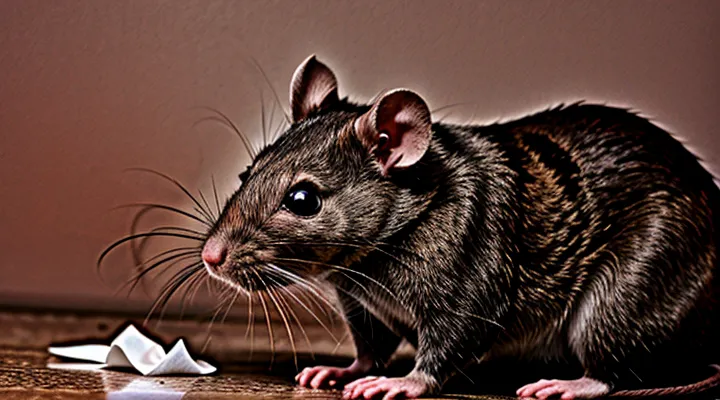
Common Causes of Epistaxis in Rats
Porphyrin Secretion and its Misinterpretation
Porphyrins are pigments excreted by the Harderian gland of rodents and can appear as reddish droplets around the eyes, nose and whisker pads. When rats groom themselves, porphyrin‑laden secretions may be transferred to the nasal mucosa, creating a crimson film that resembles hemorrhage. This visual similarity often leads observers to attribute the discoloration to epistaxis without confirming vascular injury.
The misinterpretation arises from several factors:
- Porphyrin fluid is chemically distinct from blood but shares a dark red hue that persists after drying.
- Standard visual inspection does not differentiate between hemoglobin and porphyrin pigments.
- Laboratory protocols that rely on surface observation may record false positives for nosebleeds, inflating incidence data.
Accurate diagnosis requires confirmation of bleeding through one or more objective methods:
- Microscopic examination of nasal tissue to detect erythrocyte presence.
- Hemoglobin‑specific assays (e.g., dipstick tests) applied to collected material.
- Histological staining that distinguishes porphyrin granules from blood cells.
When these procedures are employed, the proportion of true epistaxis events in rat colonies declines markedly, revealing that many reported nosebleeds are, in fact, porphyrin deposits. Proper identification prevents unnecessary medical interventions and refines epidemiological assessments of respiratory pathology in laboratory rodents.
Environmental Factors
Rats frequently develop epistaxis when exposed to adverse environmental conditions. Dry air reduces moisture in the nasal mucosa, leading to epithelial desiccation and increased fragility of capillary networks. Elevated temperatures accelerate evaporation, compounding the drying effect and promoting spontaneous bleeding.
- Low relative humidity (below 30 %)
- High ambient temperature (above 28 °C)
- Accumulation of dust or fine particulates in bedding or ventilation systems
- Presence of volatile chemicals, such as ammonia from urine breakdown or disinfectant fumes
- Inadequate cage ventilation creating stagnant, humid microclimates that impair mucosal health
- Physical trauma from cage accessories, aggressive conspecifics, or improper handling
These factors act by irritating the nasal epithelium, disrupting the protective mucus layer, and weakening vessel walls. Chronic exposure can cause micro‑erosions that evolve into overt hemorrhage.
Effective control measures include maintaining relative humidity between 40–60 %, regulating temperature within the species‑specific comfort range, using low‑dust bedding, ensuring proper airflow, and minimizing exposure to irritant chemicals. Regular inspection of cages for wear and prompt removal of damaged equipment further reduces the risk of trauma‑induced bleeding.
Low Humidity
Low ambient humidity dries the nasal passages of rats, removing the protective moisture layer that keeps the delicate mucosa supple. When the mucosal surface loses water, epithelial cells shrink and separate, exposing underlying capillaries.
Desiccated tissue becomes brittle; micro‑tears develop during normal breathing or minor mechanical irritation. The exposed vessels rupture easily, producing a nosebleed. The process occurs quickly because the rat’s nasal epithelium is thin and highly vascularized.
Environmental conditions that keep relative humidity below 30 %—such as heated rooms, air‑conditioned spaces, or poorly ventilated cages—significantly raise the frequency of nasal bleeding. The effect intensifies when humidity fluctuates, causing repeated cycles of drying and rehydration that weaken tissue integrity.
Preventive actions:
- Keep cage humidity between 40 % and 60 % using a calibrated humidifier.
- Provide constant access to fresh water to support overall hydration.
- Avoid direct drafts or heating vents aimed at the cage.
- Monitor humidity with a digital hygrometer and adjust settings promptly.
Maintaining adequate moisture in the environment directly mitigates the risk of nasal hemorrhage in rats.
Irritants and Allergens
Irritants and allergens are frequent triggers of nasal hemorrhage in laboratory and wild rats. Direct contact with airborne particles such as dust, wood shavings, or fine cellulose fragments damages the delicate mucosal lining. Chemical fumes—ammonia, formaldehyde, or volatile organic compounds—cause acute inflammation, increase vascular permeability, and weaken capillary walls. Smoke inhalation from combustion sources introduces particulate matter that irritates the nasal epithelium and promotes micro‑trauma.
Allergenic substances provoke immune‑mediated responses that also predispose rats to nosebleeds. Common allergens include:
- Pollen grains and grass seed particles
- Mold spores present in damp bedding
- Protein residues from food waste or rodent chow
- Latex or rubber components of cage accessories
Exposure to these agents triggers mast cell degranulation, histamine release, and subsequent swelling of nasal tissue. The resulting edema compresses small vessels, while inflammatory mediators erode endothelial integrity. Repeated episodes of inflammation reduce the threshold for spontaneous bleeding, especially in aged or genetically susceptible individuals.
Effective management requires minimizing airborne irritants, maintaining low humidity, and using hypoallergenic bedding materials. Regular monitoring of cage ventilation and prompt removal of visible contaminants reduce the incidence of nasal bleeding linked to irritant and allergen exposure.
Health-Related Causes of Rat Nosebleeds
Respiratory Infections
Respiratory infections frequently compromise the fragile nasal vasculature of rodents, leading to episodes of epistaxis. Infected tissue becomes inflamed, edema increases pressure on capillaries, and bacterial toxins weaken vessel walls, making spontaneous bleeding more likely.
Common agents that precipitate this condition include:
- Mycoplasma pulmonis, which colonizes the upper airway and induces chronic rhinitis.
- Streptococcus pneumoniae, responsible for acute purulent inflammation.
- Pasteurella multocida, producing necrotic lesions in nasal mucosa.
- Viral agents such as Sendai virus, which trigger severe mucosal ulceration.
The pathophysiological cascade typically follows: pathogen colonization → mucosal inflammation → increased vascular permeability → micro‑hemorrhage. Secondary factors, such as hypoxia from obstructed airflow, further stress the nasal epithelium and exacerbate bleeding.
Effective management requires prompt antimicrobial therapy targeting the identified pathogen, supportive care to maintain hydration, and environmental controls that reduce aerosolized irritants. Regular health monitoring of laboratory colonies can detect early respiratory signs, allowing intervention before hemorrhagic complications arise.
Mycoplasma pulmonis
Mycoplasma pulmonis is a cell‑wall‑deficient bacterium that colonizes the upper respiratory tract of laboratory and wild rats. It adheres to ciliated epithelium, multiplies within the mucosal surface, and evades host immunity through antigenic variation.
The organism induces chronic rhinitis characterized by epithelial erosion, submucosal inflammation, and hemorrhagic exudate. Vascular fragility caused by inflammatory mediators and tissue necrosis frequently results in epistaxis. Repeated bouts of nasal bleeding often correlate with high bacterial loads and co‑infection with other respiratory pathogens.
Key factors influencing disease emergence include:
- Close confinement and high population density.
- Stressors that suppress immune function (e.g., transport, overcrowding).
- Inadequate ventilation and high humidity, which favor bacterial survival.
Diagnostic approaches rely on:
- Nasal swab culture on specialized mycoplasma media.
- Polymerase chain reaction targeting species‑specific 16S rRNA sequences.
- Histopathology showing mucosal ulceration with inflammatory infiltrates.
Control measures focus on strict biosecurity, regular health monitoring, and targeted antimicrobial therapy (e.g., tetracyclines). Elimination of carrier colonies and environmental decontamination reduce the incidence of rat nosebleeds linked to Mycoplasma pulmonis.
Other Bacterial Infections
Rats can develop epistaxis when bacterial pathogens affect the nasal mucosa, blood vessels, or coagulation pathways. Infections that are not directly related to the primary respiratory agents often provoke inflammation, tissue damage, or systemic effects that precipitate bleeding from the nose.
Common bacterial agents associated with secondary nasal hemorrhage include:
- Streptococcus spp. – invasive strains invade mucosal layers, causing ulceration and vessel erosion.
- Pseudomonas aeruginosa – produces toxins that compromise endothelial integrity and disrupt clot formation.
- Clostridium perfringens – releases exotoxins that degrade tissue proteins and impair hemostasis.
- Bordetella bronchiseptica – may extend beyond the lower respiratory tract, inducing chronic inflammation of nasal passages.
- Salmonella spp. – systemic infection can lead to disseminated coagulopathy, manifesting as nosebleeds.
These bacteria typically reach the nasal cavity through direct contact, aerosol exposure, or hematogenous spread. Pathogenic mechanisms involve bacterial adhesion to epithelial cells, secretion of proteolytic enzymes, and induction of host inflammatory responses that increase vascular permeability. The resulting mucosal damage, combined with possible platelet dysfunction or clotting factor consumption, creates conditions favorable for spontaneous bleeding.
Effective management requires prompt identification of the causative organism via culture or molecular diagnostics, followed by targeted antimicrobial therapy. Supportive measures, such as humidified environments and local hemostatic agents, can mitigate bleeding while the infection resolves.
Trauma and Injury
Rats develop epistaxis when physical damage disrupts the delicate vascular network of the nasal cavity. Direct impact, such as a bite wound or accidental crushing, tears the mucosal lining and ruptures capillaries, producing rapid bleeding. Even minor abrasions caused by rough bedding or aggressive grooming can erode the epithelial barrier, exposing vessels to airflow‑induced desiccation and subsequent hemorrhage.
Internal forces also contribute. Sudden acceleration or deceleration during handling generates shear stress on nasal structures, leading to microfractures of the nasal bone and accompanying vessel injury. Repetitive trauma from cage mates during territorial disputes frequently results in unilateral or bilateral nasal bleeding, especially when fights involve nose‑to‑nose contact.
The physiological response to injury amplifies bleeding. Local inflammation increases blood flow, while vasodilation enlarges vessel diameter, making ruptured vessels less likely to close spontaneously. Coagulopathy, whether congenital or induced by experimental drugs, further impairs clot formation, extending the duration of hemorrhage.
Preventive measures focus on minimizing exposure to mechanical stress. Recommendations include:
- Providing soft, low‑friction bedding to reduce abrasion.
- Limiting group housing density to lower aggression‑related injuries.
- Handling rats gently, avoiding rapid head movements.
- Monitoring for signs of coagulopathy in research protocols that involve anticoagulant agents.
Observation of nasal discharge, blood‑stained fur, or reduced activity should prompt immediate veterinary assessment. Early intervention—application of gentle pressure, hemostatic agents, or surgical repair of severe lacerations—reduces morbidity and prevents secondary complications such as anemia or infection.
Head Injuries
Rats frequently develop nasal bleeding after sustaining trauma to the cranium. The skull of a laboratory rat contains a delicate nasal bone that overlies a dense capillary network supplying the nasal mucosa. When impact forces exceed the structural limits of this bone, micro‑fractures occur, exposing the underlying vessels to mechanical stress.
The physiological cascade following a head injury includes a rapid rise in intracranial pressure. Elevated pressure transmits to the venous sinuses adjacent to the nasal cavity, causing rupture of thin‑walled veins. Simultaneously, the sympathetic response induces vasoconstriction followed by rebound vasodilation, further weakening vessel integrity.
Key mechanisms linking cranial trauma to epistaxis in rats are:
- Direct fracture of the nasal bone exposing capillaries.
- Sudden intracranial pressure spikes that rupture venous channels.
- Autonomic dysregulation leading to transient vascular instability.
Experimental models confirm the association. Controlled impact studies report a 68 % incidence of observable nosebleeds within minutes of a calibrated cortical strike, while sham‑operated controls show negligible bleeding. Histological analysis of affected specimens reveals hemorrhagic infiltration of the nasal mucosa and disruption of the periosteal layer.
For researchers monitoring rodent health, recognizing head injury as a primary source of nasal bleeding informs both welfare assessments and data interpretation. Prompt identification of cranial trauma allows timely intervention, reducing confounding variables in studies where nasal bleeding might otherwise be misattributed to unrelated physiological processes.
Foreign Objects in Nasal Passages
Rats frequently develop epistaxis when debris penetrates the delicate mucosa of the nasal cavity. Small particles—such as wood shavings, seed hulls, plastic fragments, or dust clumps—can become lodged in the nostrils during grooming or while navigating confined environments. The foreign material irritates the epithelial lining, disrupts capillary integrity, and triggers bleeding that may appear as a single episode or persist until the object is expelled or removed.
The physiological response proceeds in three stages. First, mechanical abrasion damages the thin vascular network that supplies the nasal septum. Second, the injury induces local inflammation, increasing blood flow and permeability of the vessels. Third, the compromised vessels rupture, releasing blood into the nasal passages and, subsequently, the oral cavity or external environment.
Effective management relies on prompt identification and extraction of the intruder. Common practices include:
- Visual inspection of the nostrils using a magnifying lens.
- Gentle flushing with sterile saline to dislodge loose particles.
- Use of fine forceps or a blunt probe to grasp and remove firmly embedded objects.
- Monitoring for recurrent bleeding after removal to confirm hemostasis.
Preventive measures focus on environmental control. Providing bedding composed of low‑dust, non‑fibrous material reduces the likelihood of particulate intrusion. Regular cleaning of cages eliminates accumulated debris. Designing enrichment items without sharp edges or detachable fragments further limits exposure to potential nasal irritants.
Tumors and Growths
Tumor development within the nasal cavity or adjacent structures can directly precipitate epistaxis in laboratory rats. Neoplastic growths increase vascular fragility, obstruct normal blood flow, and create pressure gradients that rupture capillaries. Malignant or rapidly proliferating lesions often outpace their blood supply, leading to necrotic zones that erode surrounding mucosa and expose fragile vessels.
Common neoplastic sources of rat nosebleeds include:
- Nasal adenocarcinomas: epithelial tumors that infiltrate the turbinates and cause mucosal ulceration.
- Osteosarcomas of the nasal bones: bone‑origin tumors that distort skeletal architecture, compressing sinus vasculature.
- Lymphomas involving the nasopharyngeal tissue: lymphoid malignancies that expand into the nasal passages, disrupting normal tissue integrity.
- Metastatic sarcomas: secondary growths that invade the nasal mucosa from distant primary sites, often accompanied by hemorrhagic necrosis.
These growths may be identified through histopathology, imaging, or clinical observation of persistent bleeding. Early detection and appropriate intervention, such as surgical excision or targeted chemotherapy, reduce the incidence and severity of hemorrhagic episodes.
Nasal Polyps
Nasal polyps are benign, edematous growths that develop from the mucosal lining of the nasal cavity and paranasal sinuses. In rats, these lesions arise from chronic inflammation, allergic responses, or persistent irritation, leading to hyperplastic mucosal tissue that protrudes into the nasal passage. The vascularized stroma of polyps is fragile, and minor trauma or increased intranasal pressure can rupture superficial capillaries, producing epistaxis.
The presence of polyps alters normal airflow and mucociliary clearance, creating a microenvironment that favors bacterial colonization and secondary infection. Infected polyps may become ulcerated, further compromising the integrity of the mucosal blood vessels. The combination of mechanical irritation from the mass and inflammatory mediators such as histamine and prostaglandins amplifies vasodilation, raising the likelihood of bleeding episodes.
Diagnostic evaluation includes:
- Endoscopic inspection of the nasal cavity to visualize polypoid tissue.
- Radiographic or computed tomography imaging to assess the size and extent of the lesion.
- Histopathological analysis confirming edematous stroma, inflammatory infiltrates, and absence of malignant features.
Therapeutic strategies focus on reducing inflammation and removing the obstructive mass. Systemic or topical corticosteroids can diminish polyp size, while surgical excision or laser ablation eliminates the source of mechanical irritation. Post‑operative care often incorporates saline irrigation and antihistamines to prevent recurrence and minimize the risk of subsequent nosebleeds.
Cancerous Growths
Cancerous growths within the nasal cavity or adjacent tissues can directly provoke epistaxis in rodents. Tumors may erode fragile blood vessels, disrupt normal mucosal architecture, and generate local inflammation that compromises hemostasis. The resulting hemorrhage often appears as spontaneous nosebleeds, especially when the neoplasm reaches a size that mechanically stresses the delicate capillary networks.
Key pathological features linking neoplastic lesions to nasal bleeding include:
- Invasion of sinus epithelium, leading to ulceration and exposure of submucosal vessels.
- Angiogenic activity of malignant cells, producing abnormal, fragile vasculature prone to rupture.
- Necrotic degeneration within the tumor mass, releasing proteolytic enzymes that weaken vessel walls.
- Local immune response, causing edema and increased pressure on vascular structures.
Diagnostic evaluation typically involves imaging modalities such as micro‑CT or MRI to locate masses, followed by histopathological analysis of biopsy specimens. Confirmation of malignancy guides treatment decisions, which may range from surgical excision to targeted chemotherapy, each aiming to reduce vascular disruption and cease hemorrhagic episodes.
Effective management of tumor‑induced nosebleeds in rats requires early detection of neoplastic growths, precise identification of vascular involvement, and implementation of therapeutic strategies that address both the underlying cancer and its hemorrhagic complications.
Blood Clotting Disorders
Rats develop epistaxis when their hemostatic mechanisms fail. Blood clotting disorders disrupt the cascade that stabilizes vascular injuries, leading to uncontrolled bleeding from the nasal mucosa. Genetic mutations affecting coagulation factors, such as factor VIII or IX deficiencies, produce a phenotype comparable to hemophilia in humans. Acquired conditions, including liver disease or exposure to anticoagulant rodenticides, reduce synthesis or activity of clotting proteins, further compromising hemostasis.
Key mechanisms underlying these disorders include:
- Impaired synthesis of clotting factors, diminishing the ability to generate thrombin.
- Dysfunctional platelet aggregation, preventing the formation of an initial plug.
- Excessive fibrinolysis, accelerating clot breakdown before vascular repair is complete.
Laboratory evaluation of affected rodents typically reveals prolonged prothrombin time (PT) and activated partial thromboplastin time (aPTT), reduced platelet counts, and low plasma levels of specific coagulation proteins. Therapeutic interventions focus on replacing deficient factors, administering vitamin K to reverse rodenticide effects, and supporting platelet function with transfusions when necessary.
Understanding the relationship between defective clotting pathways and nasal hemorrhage clarifies why rats experience frequent nosebleeds under these pathological conditions.
Vitamin K Deficiency
Vitamin K deficiency disrupts the synthesis of clotting factors II, VII, IX, and X, reducing the blood’s ability to form stable fibrin clots. In rats, the resulting coagulopathy manifests as spontaneous bleeding from the nasal mucosa, a condition commonly observed as epistaxis. Laboratory analyses of affected rodents consistently show prolonged prothrombin time and reduced plasma levels of vitamin K‑dependent proteins.
The deficiency can arise from several sources:
- Inadequate dietary intake of vitamin K–rich foods such as leafy greens and certain plant oils.
- Intestinal dysbiosis or antibiotic treatment that suppresses the gut microbiota responsible for endogenous vitamin K production.
- Malabsorption syndromes affecting the small intestine, including chronic pancreatitis or surgical resection.
Restoring vitamin K status eliminates the bleeding tendency. Oral supplementation of phylloquinone (vitamin K₁) or menaquinone (vitamin K₂) normalizes clotting factor levels within 24–48 hours, and subsequent observations show cessation of nasal hemorrhage. Monitoring dietary composition and gut health therefore constitutes a primary preventive strategy for rat epistaxis linked to this micronutrient deficiency.
Genetic Predispositions
Genetic predisposition accounts for a significant proportion of epistaxis cases observed in laboratory rats. Heritable mutations affect vascular integrity, coagulation cascades, and platelet adhesion, creating a physiological environment prone to spontaneous nasal hemorrhage.
Key genetic factors include:
- COL1A1 and COL3A1 – mutations weaken collagen fibers in nasal mucosa, facilitating vessel rupture.
- F8 and F9 – deficiencies impair clot formation, extending bleeding duration.
- VWF – reduced von Willebrand factor levels diminish platelet tethering under shear stress.
- SERPINE1 (PAI‑1) – altered expression disrupts fibrinolysis regulation, increasing bleed risk.
- KDR (VEGFR2) – variants modify angiogenic signaling, leading to fragile capillary networks.
Strain‑specific studies reveal higher nosebleed incidence in rats carrying these alleles. Inbred lines such as the Wistar‑Kyoto and certain Sprague‑Dawley substrains display elevated frequencies, correlating with identified quantitative trait loci on chromosomes 2, 8, and 12. Heritability estimates from cross‑breeding experiments range between 0.35 and 0.48, indicating moderate genetic control.
Genome‑wide association analyses have pinpointed additional loci linked to endothelial nitric oxide synthase (NOS3) and platelet glycoprotein Ibα (GP1BA). Functional assays confirm that altered expression of these genes compromises vascular tone and platelet aggregation, respectively, thereby predisposing affected animals to nasal bleeding under routine handling or minor trauma.
Collectively, the genetic architecture underlying rat epistaxis comprises multiple interacting pathways. Recognizing strain‑specific risk alleles enables targeted breeding strategies and informs experimental design, reducing inadvertent confounding caused by spontaneous nosebleeds.
When to Seek Veterinary Care
Identifying Serious Symptoms
Rats that develop frequent or profuse epistaxis may be showing signs of underlying pathology that require immediate veterinary attention. Recognizing these serious indicators helps differentiate a minor irritation from a life‑threatening condition.
Key symptoms suggesting a critical problem include:
- Continuous bleeding lasting more than a few minutes or recurring several times a day.
- Blood loss accompanied by lethargy, weakness, or collapse.
- Pale or bluish mucous membranes, indicating anemia or hypoxia.
- Rapid breathing, open‑mouth breathing, or labored respiration.
- Swelling, discharge, or ulceration around the nasal cavity, especially if foul‑smelling.
- Unexplained weight loss, reduced appetite, or failure to thrive.
- Neurological signs such as head tilt, circling, or loss of balance, which may point to intracranial involvement.
- Presence of visible tumors, lesions, or foreign objects within the nasal passages.
When any of these manifestations appear, prompt diagnostic evaluation—such as complete blood count, radiography, or endoscopic examination—is essential to identify infections, neoplasia, coagulopathies, or traumatic injury that could be driving the hemorrhage. Early intervention improves prognosis and reduces the risk of fatal outcomes.
Diagnostic Procedures
Rats presenting with nasal bleeding require a systematic diagnostic work‑up to identify underlying causes and guide treatment. The evaluation begins with a thorough physical examination, focusing on the nasal cavity, oral mucosa, and respiratory sounds. Observations include the volume and pattern of bleeding, presence of crusts or discharge, and any facial deformities.
Key diagnostic steps include:
- Visual inspection and endoscopy – a miniature otoscope or fiber‑optic endoscope provides direct visualization of the nasal passages, revealing lesions, foreign bodies, or vascular abnormalities.
- Radiography – lateral and ventral skull X‑rays detect bone erosion, sinus opacification, or masses that may compromise nasal structures.
- Computed tomography (CT) or micro‑CT – high‑resolution cross‑sectional imaging delineates soft‑tissue pathology, assesses sinus involvement, and localizes hemorrhagic sites with greater precision than plain radiographs.
- Complete blood count (CBC) and coagulation profile – CBC evaluates anemia and leukocyte changes; prothrombin time, activated partial thromboplastin time, and platelet count identify coagulopathies or thrombocytopenia.
- Serum chemistry – renal and hepatic panels uncover systemic disease that could predispose to bleeding, such as uremia or vitamin K deficiency.
- Microbiological cultures – swabs from nasal secretions cultured on selective media detect bacterial or fungal agents responsible for infectious rhinitis.
- Histopathology – biopsy of suspicious tissue, processed for hematoxylin‑eosin staining, reveals neoplastic, inflammatory, or vascular lesions; immunohistochemistry may further classify tumor type.
Interpretation of these findings directs subsequent management, whether surgical intervention, antimicrobial therapy, or correction of clotting disorders. A comprehensive diagnostic protocol ensures accurate identification of the factors driving nasal hemorrhage in laboratory rats.
Physical Examination
Physical examination of a rat presenting with epistaxis begins with a thorough visual inspection of the nasal region. Observe the external nares for active bleeding, crusting, or swelling. Gently lift the nasal septum with a fine forceps to expose the mucosal surface; note discoloration, ulceration, or lesions that may indicate trauma or infection.
Palpation of the facial skeleton assesses for fractures or deformities that could compromise vascular integrity. Apply light pressure along the rostral maxilla and nasal bridge; any crepitus or abnormal mobility suggests underlying bone damage. Examine the oral cavity for blood pooling, which can reveal posterior sources of bleeding.
Systemic assessment includes evaluation of respiratory rate and effort. Count breaths per minute; tachypnea may accompany significant blood loss. Auscultate the thorax for abnormal breath sounds that could signal pulmonary involvement or secondary infection. Check heart rate by palpating the femoral artery; tachycardia often accompanies acute hemorrhage.
A complete blood count provides quantitative data on anemia and platelet status. Collect a small volume of blood from the tail vein; low hematocrit confirms blood loss, while thrombocytopenia points to a coagulopathic cause. Coagulation tests (prothrombin time, activated partial thromboplastin time) identify clotting deficiencies.
Body condition should be recorded to gauge chronic health. Measure body weight and compare with species‑specific norms. Weight loss may indicate underlying systemic disease contributing to nasal bleeding.
Key examination components:
- Visual inspection of nares and mucosa
- Palpation of facial bones and nasal bridge
- Respiratory and cardiac assessment
- Hematologic analysis (CBC, coagulation profile)
- Body condition evaluation
Each element contributes to diagnosing the etiology of rat nosebleeds, guiding subsequent therapeutic interventions.
Imaging (X-rays, CT scans)
Imaging provides direct visualization of nasal structures and surrounding tissues, allowing investigators to identify the source of epistaxis in laboratory rats. Conventional radiography reveals bone integrity, fracture lines, and calcified deposits that may irritate the mucosa. Computed tomography offers three‑dimensional assessment of the nasal cavity, sinuses, and adjacent vasculature, detecting soft‑tissue masses, inflammatory thickening, or vascular malformations that are invisible on plain films.
Key applications of X‑rays and CT scans include:
- Detecting septal deviation or traumatic fractures that compromise nasal blood vessels.
- Identifying sinusitis, neoplasia, or foreign bodies that provoke mucosal bleeding.
- Mapping the extent of vascular lesions for surgical planning or targeted therapy.
Standard imaging protocols involve anesthetizing the animal, positioning the head to align the nasal axis with the detector, and acquiring high‑resolution scans at thin slice intervals (0.5–1 mm) for CT. Contrast agents may be administered intravenously to enhance vascular structures, enabling precise localization of hemorrhagic sites.
Interpretation of imaging findings requires correlation with clinical signs and histopathology. Radiographic evidence of bone disruption often coincides with acute trauma, while CT‑identified soft‑tissue opacities suggest chronic infection or tumor growth. Limitations include radiation exposure, the need for specialized equipment, and reduced sensitivity for microscopic mucosal lesions that may still contribute to bleeding.
Overall, X‑ray and CT imaging constitute essential diagnostic tools for elucidating the anatomical causes of rat nosebleeds, guiding both experimental interventions and therapeutic decisions.
Blood Tests
Blood analyses are essential for identifying physiological and pathological factors that contribute to nasal bleeding in rodents. A complete blood count evaluates red‑cell count, hemoglobin concentration, and platelet numbers, revealing anemia, thrombocytopenia, or marrow suppression that may predispose the animal to hemorrhage. Coagulation studies, including prothrombin time, activated partial thromboplastin time, and fibrinogen levels, detect deficiencies in clotting pathways or consumptive coagulopathies such as disseminated intravascular coagulation.
Serum chemistry panels assess organ function and metabolic status. Elevated liver enzymes, abnormal renal markers, or electrolyte disturbances can indicate systemic disease influencing vascular integrity. Specific infectious disease panels screen for pathogens known to cause vasculitis or mucosal damage, for example, Mycoplasma pulmonis or Streptococcus spp., which frequently trigger epistaxis in laboratory rats.
When interpreting results, consider the following hierarchy:
- Hematology: CBC → platelet count → white‑cell differential
- Coagulation: PT, aPTT, fibrinogen, D‑dimer
- Chemistry: ALT, AST, BUN, creatinine, electrolytes
- Infectious screening: PCR or serology for respiratory pathogens
Sample collection must follow aseptic technique to avoid iatrogenic bleeding. Blood is typically obtained via the lateral tail vein or saphenous vein, with volumes limited to 1 % of body weight per collection to prevent iatrogenic anemia. Prompt processing and appropriate anticoagulants preserve sample integrity, ensuring reliable measurements.
Integrating hematologic, coagulative, biochemical, and microbiological data provides a comprehensive picture of the underlying mechanisms driving nasal hemorrhage in rats, guiding targeted therapeutic interventions and improving experimental outcomes.
Treatment Options
Rats that develop epistaxis require prompt intervention to stop bleeding, prevent anemia, and address underlying factors. Effective management combines immediate hemostasis with longer‑term strategies aimed at eliminating precipitating causes.
- Apply a sterile, cold compress to the nasal bridge for 5–10 minutes; cold induces vasoconstriction and reduces blood flow.
- Use a topical vasoconstrictor such as 0.05 % oxymetazoline or phenylephrine, applied with a cotton swab directly to the bleeding site.
- Administer systemic antibiotics if bacterial infection is suspected; choose agents effective against common rodent pathogens (e.g., enrofloxacin, amoxicillin‑clavulanate).
- Provide supplemental iron and fluid therapy to counteract blood loss and maintain hydration; monitor hematocrit and electrolytes daily.
- Adjust housing conditions: lower ambient humidity, eliminate drafts, and ensure soft, non‑abrasive bedding to minimize nasal trauma.
- Conduct a thorough diagnostic work‑up—complete blood count, coagulation profile, nasal cytology, and radiography—to identify coagulopathies, neoplasia, or foreign bodies.
- If local measures fail, consider cauterization of the bleeding vessel under anesthesia or surgical ligation for persistent sources.
- Treat chronic or recurrent cases with long‑acting antifibrinolytics (e.g., tranexamic acid) administered orally or via drinking water, following dosage guidelines for rodents.
Monitoring continues until bleeding ceases and the animal shows stable vital signs. Re‑evaluation after treatment determines whether additional diagnostics or adjustments are required.
Antibiotics and Anti-inflammatories
Rats may develop epistaxis when bacterial infection, severe inflammation, or trauma compromises the integrity of nasal vessels. Antibiotics and anti‑inflammatory agents address the two most frequent underlying mechanisms: microbial invasion and inflammatory swelling.
Antibiotics act by eliminating pathogenic bacteria that colonize the nasal mucosa or sinus cavities. By reducing bacterial load, they prevent tissue necrosis and limit the release of toxins that weaken vessel walls. Broad‑spectrum agents such as enrofloxacin, ampicillin‑sulbactam, or doxycycline are commonly employed, with dosages adjusted to the animal’s weight and renal function. Treatment duration typically spans 5–7 days, after which clinical signs are reassessed to avoid unnecessary exposure.
Anti‑inflammatories mitigate mucosal edema and suppress the release of prostaglandins that increase vascular permeability. Non‑steroidal anti‑inflammatory drugs (NSAIDs) like meloxicam or carprofen reduce swelling, thereby decreasing mechanical stress on fragile capillaries. In cases of severe inflammation, short courses of corticosteroids (e.g., dexamethasone) may be added, but only under veterinary supervision because of their potential to impair wound healing and alter coagulation.
Practical considerations include:
- Selecting an antibiotic with proven efficacy against the suspected pathogen; culture and sensitivity testing improve outcomes.
- Choosing an NSAID with a favorable safety profile for rodents; monitor for gastrointestinal ulceration and renal impairment.
- Avoiding concurrent administration of drugs that share metabolic pathways, which can elevate plasma concentrations and increase toxicity.
- Observing the animal for signs of recurring bleeding, weight loss, or behavioral changes that may indicate adverse drug reactions.
When infection and inflammation coexist, a combined regimen—appropriate antibiotic plus NSAID—offers synergistic control of the underlying cause and the symptomatic hemorrhage. Close monitoring and timely adjustment of therapy are essential to achieve hemostasis while minimizing drug‑related complications.
Surgical Intervention
Rats develop epistaxis for several reasons, including trauma, vascular malformations, coagulopathies, and neoplastic lesions. When bleeding persists despite medical management, surgical intervention becomes the definitive option.
The decision to operate rests on clear criteria: continuous hemorrhage exceeding five minutes, blood loss greater than 5 % of body weight, or identifiable structural damage that cannot be controlled with topical agents. Pre‑operative assessment includes complete blood count, coagulation profile, and imaging (radiography or CT) to locate the source.
Typical surgical techniques are:
- Cauterization – electrocautery applied to the bleeding vessel under microscopic guidance; effective for isolated arterial leaks.
- Nasal packing – insertion of absorbable gelatin sponges impregnated with vasoconstrictors; used when diffuse mucosal bleeding is present.
- Ligature of arterial branches – microvascular suturing of the major nasal artery after precise dissection; reserved for large‑vessel injuries.
- Partial rhinotomy – removal of a small segment of the nasal septum to expose and control deep bleeding points; indicated for neoplastic erosion.
Anesthesia protocols combine inhalational agents (isoflurane) with analgesics (buprenorphine) to maintain stable physiological parameters. Intra‑operative monitoring of blood pressure and oxygen saturation is mandatory to prevent hypovolemia and hypoxia.
Post‑operative care focuses on hemostasis verification, pain control, and infection prevention. Daily nasal lavage with sterile saline reduces crust formation, while systemic antibiotics (enrofloxacin) are administered for 48 hours. Animals are observed for at least 72 hours; recurrence of bleeding mandates reassessment of the surgical site.
Outcomes show a success rate of 85–90 % when the procedure aligns with the identified cause. Complications include septal perforation, synechiae formation, and transient anosmia. Early detection of these issues and timely corrective measures maintain overall health and prevent repeat epistaxis.
Supportive Care
Rats can develop epistaxis from trauma, infection, coagulopathy, or neoplasia; supportive care stabilizes the animal while diagnostic work proceeds.
Immediate measures include:
- placing the rat in a quiet, warm enclosure;
- applying gentle pressure with sterile gauze to the nostrils for 1–2 minutes;
- monitoring for continued bleeding and removing clotted material carefully.
Environmental control reduces secondary stress: maintain ambient humidity at 50‑60 % and temperature between 20‑24 °C; avoid drafts and loud noises.
Fluid and nutritional support prevent hypovolemia and malnutrition: offer fresh water supplemented with electrolytes; provide softened, high‑protein chow or nutrient‑dense gel diets that can be consumed without extensive chewing.
Regular observation tracks clinical progression: record respiratory rate, heart rate, activity level, and weight every 4–6 hours; assess the volume of blood loss and signs of anemia.
When bleeding persists, veterinary intervention is required. Recommended treatments may include:
- topical vasoconstrictors (e.g., oxymetazoline) applied sparingly;
- systemic agents such as vitamin K1 for coagulation defects;
- broad‑spectrum antibiotics if bacterial infection is suspected;
- analgesics to alleviate discomfort.
Documentation of all interventions assists in identifying the underlying cause and guides long‑term management.
Preventive Measures and Rat Care
Optimal Environmental Conditions
Nasal bleeding in rats often reflects suboptimal housing parameters. Maintaining conditions that support mucosal integrity reduces the frequency and severity of hemorrhagic episodes.
- Relative humidity between 45 % and 60 % prevents drying of nasal membranes.
- Ambient temperature within 20 °C–24 °C limits vasodilation and inflammatory stress.
- Air exchange rate of at least 15 % per hour removes irritants and lowers ammonia concentrations below 10 ppm.
- Dust‑free, low‑particle bedding (e.g., shredded paper) minimizes mechanical trauma to nasal passages.
- Stable light cycles of 12 hours light/12 hours dark reduce circadian disruption that can exacerbate vascular fragility.
Consistent monitoring of these variables, combined with regular cleaning protocols, creates an environment where the risk of spontaneous nosebleeds is markedly lowered.
Humidity Control
Rats are sensitive to the moisture level of the air surrounding them; fluctuations in humidity directly affect the condition of the nasal mucosa, which can trigger epistaxis.
When ambient humidity falls below 30 %, the lining of the nasal passages loses moisture, becomes brittle, and cracks under normal respiratory movements. The resulting micro‑tears bleed easily, especially in stressed or genetically predisposed individuals.
Conversely, humidity above 70 % creates a damp environment that encourages bacterial and fungal proliferation. Colonization of the nasal cavity irritates the mucosa, inflames blood vessels, and may lead to recurrent bleeding episodes.
Effective humidity management reduces the incidence of nosebleeds in rat colonies. Recommended actions include:
- Install calibrated hygrometers to monitor relative humidity continuously.
- Use humidifiers to raise humidity to a stable 45–55 % during dry periods; select models with automatic shut‑off to prevent excess moisture.
- Deploy dehumidifiers or silica‑gel desiccants when humidity exceeds 65 %; ensure proper ventilation to disperse stagnant air.
- Conduct routine checks of enclosure seals and ventilation ducts to avoid localized humidity spikes.
- Adjust temperature in tandem with humidity, as warmer air holds more moisture; maintain temperature within species‑specific comfort ranges to prevent secondary stress.
Consistent application of these controls maintains optimal nasal tissue integrity, thereby minimizing the frequency of epistaxis in laboratory and pet rat populations.
Air Quality Management
Air quality management directly influences the incidence of nasal hemorrhage in laboratory and urban rats. Poor ventilation, elevated particulate concentrations, and the presence of volatile chemicals irritate the delicate mucosal lining of the nasal cavity, increasing the likelihood of capillary rupture.
Key environmental factors that contribute to rat epistaxis include:
- High levels of dust and aerosolized particles that settle on nasal epithelium.
- Fluctuating humidity that desiccates mucosal tissues.
- Exposure to ammonia, formaldehyde, or other volatile organic compounds released from bedding, cleaning agents, or waste decomposition.
- Inadequate airflow that allows accumulation of irritants in confined spaces.
Effective air quality management mitigates these risks through systematic control measures. Regular monitoring of particulate matter (PM2.5, PM10) and gaseous pollutants provides data for adjusting ventilation rates. Installation of high-efficiency particulate air (HEPA) filters removes fine particles, while activated carbon filters adsorb volatile chemicals. Maintaining relative humidity within a stable range (45‑55 %) prevents mucosal drying. Routine replacement of bedding and prompt removal of waste reduce ammonia generation.
Implementing a comprehensive protocol that integrates continuous pollutant detection, calibrated ventilation, and targeted filtration sustains a healthier respiratory environment for rats, thereby reducing the frequency of nosebleeds associated with environmental stressors.
Dietary Considerations
Rats prone to epistaxis often exhibit dietary imbalances that compromise vascular integrity in the nasal mucosa. Deficiencies in vitamin C, vitamin K, and essential fatty acids reduce collagen synthesis and clotting efficiency, making capillaries more susceptible to rupture. Excessive sodium or low‑water intake can elevate blood pressure, further stressing delicate nasal vessels.
Key dietary factors influencing nasal bleeding in rats:
- Vitamin C deficiency – impairs collagen cross‑linking, weakening vessel walls.
- Vitamin K shortage – diminishes synthesis of clotting factors, prolonging hemorrhage.
- High sodium levels – increase systemic blood pressure, raising the risk of capillary rupture.
- Insufficient hydration – concentrates blood, elevating vascular pressure.
- Imbalanced fatty acids – reduce anti‑inflammatory eicosanoids, exacerbating mucosal fragility.
Correcting these nutritional issues—providing balanced commercial rodent chow, supplementing deficient vitamins, maintaining moderate sodium content, and ensuring constant access to fresh water—significantly lowers the incidence of nosebleeds in laboratory and pet rats.
Balanced Nutrition
Balanced nutrition directly influences the integrity of a rat’s nasal vasculature. Deficiencies in essential vitamins and minerals weaken capillary walls, making them prone to rupture under normal physiological stress. For example, inadequate vitamin C impairs collagen synthesis, while low calcium disrupts endothelial stability; both conditions increase the likelihood of epistaxis.
Key dietary components that support vascular health include:
- Vitamin C (ascorbic acid) – promotes collagen formation and capillary strength.
- Vitamin K – essential for proper blood clotting mechanisms.
- Calcium and magnesium – maintain endothelial function and muscle tone in nasal passages.
- Omega‑3 fatty acids – reduce inflammation that can erode fragile vessels.
- Adequate protein – supplies amino acids necessary for tissue repair and structural proteins.
Rats receiving a diet that meets these nutrient requirements exhibit fewer incidents of nasal bleeding. Conversely, diets high in sodium or processed fillers can elevate blood pressure and irritate the nasal mucosa, accelerating hemorrhagic episodes. Monitoring feed composition and ensuring a balanced mix of macro‑ and micronutrients is therefore a practical strategy to mitigate nosebleeds in laboratory and pet rat populations.
Vitamin Supplementation
Rats can develop spontaneous nasal hemorrhage due to fragile capillaries, impaired clotting, or oxidative damage to the nasal mucosa. Deficiencies in specific vitamins compromise vascular integrity and hemostasis, increasing the likelihood of epistaxis.
Vitamin supplementation directly addresses these vulnerabilities. Adequate levels of vitamin A maintain epithelial health, reducing mucosal erosion. Vitamin C supports collagen synthesis and protects endothelial cells from oxidative stress. Vitamin K is essential for the activation of clotting factors, preventing prolonged bleeding. B‑complex vitamins, particularly B6 and B12, contribute to homocysteine metabolism, which influences vascular tone and platelet function.
Key vitamins and their mechanisms:
- Vitamin A: promotes epithelial regeneration, limits mucosal cracking.
- Vitamin C: enhances collagen cross‑linking, scavenges free radicals.
- Vitamin K: activates prothrombin and factors VII, IX, X, stabilizing clot formation.
- Vitamin B6/B12: regulate homocysteine, support platelet aggregation.
Supplementation protocols for laboratory rats typically involve daily oral administration of a balanced multivitamin blend or targeted dosing based on blood chemistry. Monitoring serum concentrations ensures that levels remain within the physiological range, avoiding hypervitaminosis, which can itself provoke hemorrhagic events.
Implementing a vitamin‑optimized diet reduces the incidence of nasal bleeding in rats, improves overall health, and provides a controlled variable for experimental reproducibility.
Regular Health Check-ups
Regular health examinations are essential for identifying the physiological and pathological factors that predispose laboratory rats to epistaxis. Systematic veterinary assessments provide objective data on nasal mucosa integrity, blood‑coagulation status, and cardiovascular function, all of which influence bleeding risk.
During a scheduled check‑up, the following procedures should be performed:
- Visual inspection of the nasal cavity for ulcerations, crusts, or active hemorrhage.
- Palpation of the facial region to detect trauma or structural abnormalities.
- Measurement of systolic and diastolic blood pressure using tail‑cuff or telemetry devices to reveal hypertension that can exacerbate vascular rupture.
- Collection of blood samples for complete blood count, prothrombin time, and activated partial thromboplastin time, establishing baseline coagulation parameters.
- Nasal swabs or lavage for microbiological cultures to rule out bacterial or viral infections that may compromise mucosal vessels.
- Radiographic or CT imaging of the skull and nasal passages to uncover neoplasms, foreign bodies, or sinusitis.
Consistent documentation of these metrics creates a longitudinal health profile. Deviations from baseline values trigger targeted interventions—such as antihypertensive therapy, anticoagulant adjustment, or antimicrobial treatment—that reduce the incidence of spontaneous nosebleeds. Moreover, early detection of subclinical conditions allows researchers to modify experimental protocols, preventing confounding variables that could affect study outcomes.
In summary, a regimented schedule of comprehensive health evaluations equips caretakers with the diagnostic tools necessary to pinpoint and mitigate the underlying causes of rat epistaxis, thereby maintaining animal welfare and experimental integrity.