
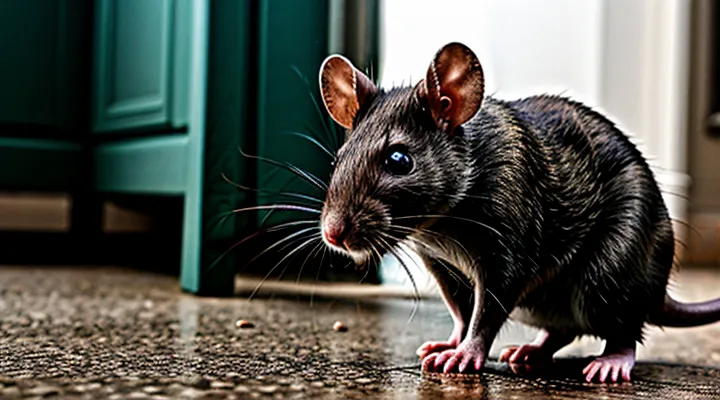
The Historical Roots of Rat Phobia
Rats as Vectors of Disease
The Black Death and its Legacy
The pandemic that swept Europe in the 1340s, known as the Black Death, killed an estimated one‑third of the continent’s population. Contemporary accounts linked the disease to swarms of black‑coated rodents, which were observed near infected households. Modern research identified the bacterium Yersinia pestis in fleas that parasitized these animals, confirming the epidemiological connection between the plague and rodent vectors.
The catastrophe forged a lasting perception of rats as carriers of lethal disease. Survivors associated the sight of rodents with imminent danger, a belief that persisted through successive outbreaks of plague and other illnesses. This association shaped public attitudes, prompting systematic attempts to eradicate rats from cities and influencing early quarantine practices.
Legacy of the pandemic includes:
- Development of organized pest‑control measures in urban environments.
- Institutionalization of quarantine stations and health ordinances targeting rodent‑borne threats.
- Integration of plague imagery into literature, art, and folklore, reinforcing negative stereotypes of rats.
- Foundation for modern epidemiology, emphasizing the role of animal reservoirs in disease transmission.
The enduring fear of rodents therefore originates from a historical experience in which a deadly epidemic was directly linked to the presence of rats, establishing a cultural memory that continues to affect public health policy and societal behavior.
Modern Health Concerns Associated with Rats
Rats carry pathogens that directly threaten human health. Their saliva, urine, and feces can contaminate surfaces, food, and water, creating routes for infection. Key diseases linked to rat exposure include:
- Leptospirosis, transmitted through contact with contaminated urine.
- Hantavirus pulmonary syndrome, spread by inhalation of aerosolized droppings.
- Salmonella, resulting from ingestion of food tainted by rat feces.
- Plague, carried by fleas that infest rats and may bite humans.
- Rat‑bite fever, a bacterial infection introduced through wounds.
Beyond infectious agents, rats compromise food safety. They gnaw packaging, breach storage containers, and leave droppings on consumables, prompting food‑borne illness outbreaks. Their nesting behavior often occurs in building insulation, electrical wiring, and ventilation systems, increasing the risk of fire, structural failure, and impaired air quality. These conditions foster mold growth and exacerbate respiratory problems for occupants.
Urban environments amplify exposure. High population density, inadequate waste management, and limited pest‑control resources allow rodent populations to thrive. Consequently, public‑health systems allocate significant resources to surveillance, rodent‑control programs, and community education to reduce disease incidence.
Emerging concerns involve antibiotic‑resistant bacteria detected in rat microbiomes. Studies show rats harbor strains resistant to multiple drug classes, raising the possibility of horizontal gene transfer to human pathogens. Monitoring rat populations therefore contributes to broader antimicrobial‑resistance strategies.
Effective mitigation requires integrated measures: rigorous sanitation, sealed food storage, regular inspection of infrastructure, and targeted baiting or trapping programs. Coordination among municipal authorities, health agencies, and property owners minimizes the health hazards associated with rat infestations.
Cultural and Symbolic Depictions
Rats in Folklore and Mythology
Rats appear repeatedly in world mythologies as symbols of disease, theft, and malevolence, creating a cultural template that amplifies contemporary apprehension toward the animal.
- Ancient Egypt: Rats associated with the plague god Serqet, believed to bring illness to households.
- Greek mythology: The tale of the plague‑bearing rat sent by Apollo to punish the city of Aegina, reinforcing the link between rodents and divine punishment.
- Hindu tradition: The deity Ganesha’s vehicle, a mouse, paradoxically reflects both reverence and the creature’s capacity to infiltrate sacred spaces.
- Chinese folklore: The Year of the Rat in the zodiac is praised for cleverness yet warned as a harbinger of pestilence during famine.
- European folklore: Stories of the “black rat” as a nocturnal thief that spreads the Black Death, cementing an association with mortality.
- Native American legends: Rat spirits portrayed as tricksters that steal food stores, embodying loss and vulnerability.
These narratives embed rats within a framework of danger and disorder. By portraying the animal as an agent of disease, theft, and divine wrath, mythic accounts provide a historical foundation for the persistent dread that many individuals feel toward rats today.
Negative Portrayals in Literature and Media
Literature and visual media repeatedly cast rats as agents of filth, disease, and treachery, creating a cultural template that shapes public aversion. Classic narratives such as the medieval accounts of the Black Death, the cautionary tale of the Pied Piper, and modern horror films like The Rats depict rodents as vectors of plague and malevolent forces. Contemporary television series often feature rats as symbols of urban decay, reinforcing the association between the animal and unsanitary environments.
- Historical texts: chronicles of the 14th‑century pestilence link rats directly to mortality.
- Children’s folklore: the Pied Piper story presents rats as obedient yet destructive masses.
- Cinematic horror: movies such as The Rats portray rodents as relentless predators.
- News imagery: photographs of rats emerging from sewers accompany reports on disease outbreaks.
These portrayals exploit visual cues—dark fur, rapid movement, and presence in waste—to trigger instinctual disgust. Authors and directors amplify the connection between rats and contagion by emphasizing the animals’ role in spreading pathogens, even when scientific evidence limits the actual risk. Narrative devices, including anthropomorphism that casts rats as cunning thieves, deepen the perception of intentional menace.
The cumulative effect of these negative depictions strengthens the psychological barrier that prevents many individuals from confronting real rats. Repeated exposure to hostile imagery conditions audiences to equate rodent presence with danger, thereby sustaining the widespread fear of rats across societies.
Psychological and Instinctual Factors
Innate Aversion and Survival Instincts
The «Creepy Crawly» Effect
The “Creepy Crawly” Effect describes the immediate aversion triggered when a small animal moves with rapid, irregular patterns that defy predictable trajectories. This reaction stems from a combination of visual, auditory, and somatosensory cues that signal potential threat.
Neuroscientific studies link the effect to heightened amygdala activity. When an organism detects swift, erratic motion, the brain interprets it as a possible carrier of pathogens or a predator, prompting a fight‑or‑flight response. The sensory overload created by whisker flicks, squeaks, and sudden darting intensifies the alarm signal.
Key visual triggers include:
- elongated, tapered body shape that suggests flexibility;
- high‑contrast fur patterns that accentuate movement;
- protruding whiskers that amplify perceived motion.
Cultural reinforcement amplifies the response. Common motifs in literature, film, and folklore portray rats as stealthy, disease‑spreading vermin, embedding the fear in collective memory.
Understanding the “Creepy Crawly” Effect informs pest‑management strategies. Techniques that reduce sudden motion—such as gradual habituation or concealment of movement—diminish the instinctive aversion, increasing the effectiveness of control measures.
Association with Unsanitary Conditions
People often react with dread when rats appear because the animals are repeatedly linked to environments lacking cleanliness. Historical records and modern epidemiology connect rodent activity with the spread of pathogens, prompting a visceral aversion.
- Rats contaminate stored food with urine, feces, and hair, creating direct routes for bacterial infection.
- Their presence signals structural failures such as broken walls, leaky pipes, or inadequate waste management, which are typical precursors to disease outbreaks.
- Species such as Rattus norvegicus and Rattus rattus have been identified as reservoirs for leptospirosis, salmonellosis, and hantavirus, reinforcing public perception of danger.
- Urban infestations correlate with higher incidences of gastrointestinal illnesses, supporting the association between rodent sightings and health risk.
The cumulative effect of these factors sustains a cultural and psychological fear of rats, rooted in the expectation that their appearance denotes unsanitary conditions and potential illness.
Learned Behaviors and Social Conditioning
Parental and Peer Influence
Fear of rats is common across cultures, and early social environments shape that response. Parents transmit attitudes through direct interaction and observation, establishing baseline reactions that persist into adulthood.
- Parents demonstrate avoidance behavior when rats appear, providing visual cues that the animal is dangerous.
- Verbal warnings such as “rats carry disease” reinforce the perception of threat.
- Repeated exposure to negative stories about rats creates associative learning, linking the animal with unpleasant outcomes.
Peers influence fear of rats through group dynamics and shared experiences. Children adopt the emotional tone of friends, adjusting their own reactions to align with collective expectations.
- Peer groups discuss and exaggerate rat encounters, amplifying perceived risk.
- Social approval is granted to individuals who express disgust or alarm, encouraging similar expressions.
- Collective jokes or mockery about rats reinforce negative stereotypes, making fear socially acceptable.
Both parental modeling and peer reinforcement operate through observational learning and conditioned associations, resulting in a durable aversion that extends beyond personal encounters with the animal.
Media Reinforcement of Rat Fear
Media portrayals amplify public aversion to rats through recurring visual and narrative patterns. Film and television often depict rodents as carriers of disease, vectors of infestation, or symbols of urban decay, reinforcing association between rats and danger. Horror genres intensify this link by presenting rats as malevolent agents, prompting emotional responses that persist beyond the screen.
News outlets contribute to fear reinforcement by highlighting rat-related incidents—such as outbreaks of leptospirosis, sewer infestations, or property damage—without contextualizing statistical rarity. Repetition of alarmist headlines creates a perception of ubiquitous threat, prompting audiences to overestimate risk.
Social media accelerates spread of rat fear through viral content. Common mechanisms include:
- Short videos showing swarms of rats in public spaces, edited to emphasize chaos.
- Memes juxtaposing rats with negative adjectives, reinforcing negative connotations.
- Influencer commentary that labels rat sightings as signs of neglect or moral decay.
Advertising leverages the negative image of rats to sell hygiene products, pest control services, and sanitation solutions. By positioning rats as the antithesis of cleanliness, campaigns exploit existing dread to motivate consumer action.
Collectively, these media channels shape a feedback loop: sensational depictions generate public anxiety, which in turn fuels demand for further sensational content. The result is a persistent cultural narrative that exaggerates the menace posed by rats, independent of empirical health data.
Sensory and Behavioral Triggers
Visual and Auditory Stimuli
Unpredictable Movements and Appearance
People often experience fear of rats because their behavior and visual traits trigger instinctive alarm.
Rats move with rapid, erratic bursts. They can change direction within milliseconds, disappear into tight spaces, and surface unexpectedly. These sudden motions prevent anticipation, activating the brain’s threat‑detection circuitry.
The animal’s appearance reinforces the response. Features include:
- Slim, flexible body that can squeeze through narrow gaps
- Dark, beady eyes that convey a constant alertness
- Prominent whiskers that twitch in response to airflow
- Sharp incisors visible when the mouth opens
Together, the combination of unpredictable locomotion and a stark, unfamiliar silhouette creates a potent stimulus for fear.
Scratching and Scurrying Sounds
Scratching and scurrying sounds serve as immediate auditory cues that trigger fear of rats. The abrupt, irregular noises produced by small rodents moving through walls, insulation, or debris activate the brain’s alarm system, prompting a rapid assessment of threat.
Research shows that the auditory pathway connects directly to the amygdala, the region responsible for processing danger. When a high‑frequency scrape or a series of rapid footfalls is heard, the startle reflex engages, releasing stress hormones and preparing the body for defensive action. This response evolved to protect humans from animals capable of transmitting disease or causing structural damage.
The acoustic profile of rodent activity includes:
- Sharp, metallic scratches generated by claws on metal or wood surfaces.
- Rapid, irregular footstep patterns that create a rustling rhythm.
- Low‑volume bursts followed by sudden silences, which heighten uncertainty.
Each element amplifies perceived unpredictability, reinforcing aversion. The combination of unexpected timing, distinctive frequency range, and association with hidden infestation makes these sounds a potent factor in the widespread dread of rats.
Perceived Threat and Property Damage
Infestation and Contamination
Rats thrive in environments where food, water, and shelter are abundant, leading to rapid population growth that overwhelms human spaces. Their presence often signals a breakdown in sanitation, as they exploit cracks, pipes, and waste piles to establish nests. When infestation reaches visible levels, the sight of droppings, gnaw marks, and movement in walls triggers immediate aversion, rooted in the perception of loss of control over one’s surroundings.
Contamination associated with rodent activity presents measurable health hazards.
- Pathogen transmission: Rats carry bacteria such as Salmonella and Leptospira, viruses including hantavirus, and parasites like Echinococcus. Contact with urine, feces, or saliva can introduce these agents into food preparation areas.
- Allergen exposure: Rodent dander and urine proteins become airborne, provoking respiratory reactions and aggravating asthma.
- Food spoilage: Chewed packaging and contaminated stores render food unsafe, leading to economic loss and increased risk of food‑borne illness.
These dangers amplify fear because they convert an abstract threat into concrete, observable risks. The association between visible signs of infestation and the potential for disease creates a feedback loop: detection of contamination reinforces avoidance behavior, which in turn heightens anxiety about future encounters.
Damage to Food and Infrastructure
Rats threaten food supplies and structural systems, creating direct hazards that fuel public aversion. Their gnawing habit compromises packaging, storage containers, and bulk commodities, leading to contamination and financial loss. Undetected infestations can spread pathogens throughout kitchens, warehouses, and processing plants, forcing product recalls and eroding consumer confidence.
- Food contamination: saliva, urine, and feces introduce bacteria such as Salmonella and Leptospira; damaged packaging permits spoilage and pest entry.
- Storage damage: burrowing behavior destroys grain bins, silos, and pantry shelves, reducing usable inventory and increasing waste.
- Infrastructure deterioration: gnawing on electrical wiring, plumbing, and structural supports generates fire risk, water leaks, and weakened foundations.
- Economic impact: repair costs, lost revenue, and increased pest‑control expenditures strain businesses and public institutions.
These tangible threats explain the persistent dread of rodents, as the potential for widespread loss and safety compromise outweighs any perceived benefits of coexistence.