
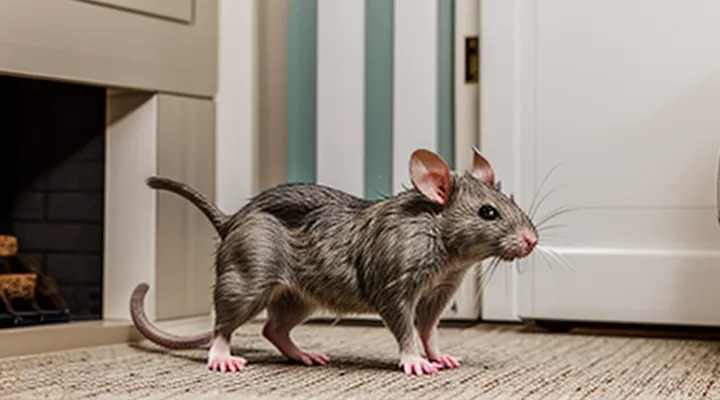
Initial Observations and Symptoms
Sudden Onset vs. Gradual Progression
The loss of a pet rat’s hind limbs can arise abruptly or develop over weeks. Distinguishing between these patterns guides diagnosis and treatment.
A rapid disappearance of motor function usually indicates an acute event. Common triggers include:
- Traumatic injury, such as a fall from height or crushing against cage bars.
- Vascular occlusion caused by emboli or severe hemorrhage.
- Acute neurotoxic exposure, for example, ingestion of rodenticide containing anticoagulants or neurotoxins.
In these cases, the rat exhibits sudden paralysis, loss of reflexes, and often signs of pain or distress within minutes to hours. Immediate veterinary intervention focuses on stabilizing circulation, managing pain, and addressing the underlying cause.
A gradual decline suggests a progressive pathology. Typical contributors are:
- Degenerative neuromuscular disorders, such as spinal muscular atrophy.
- Chronic infections that erode vertebral structures, like Mycoplasma pneumoniae–related arthritis.
- Neoplastic growths compressing the spinal cord or peripheral nerves.
- Nutritional deficiencies leading to peripheral neuropathy, especially vitamin E or B‑complex shortages.
Rats experiencing slow deterioration display progressive weakness, reduced hind‑leg coordination, and eventual inability to bear weight over days to months. Diagnostic work‑up often includes radiographs, MRI, blood chemistry, and nerve conduction studies to identify the underlying disease.
Recognizing whether hind‑leg loss appears suddenly or evolves gradually narrows the list of possible etiologies, informs appropriate diagnostic protocols, and determines the urgency of therapeutic measures.
Behavioral Changes
A domestic rat that has lost its hind legs displays a set of observable behavioral adjustments that differ markedly from those of an intact counterpart. The animal compensates for the absence of posterior support by relying almost exclusively on its forelimbs and torso for movement, resulting in slower, more deliberate locomotion and frequent pauses for balance.
Key behavioral alterations include:
- Locomotor pattern: crawling on the belly, dragging the torso, and using forelimbs to pull forward; reduced speed and distance covered per unit time.
- Feeding strategy: preference for easily reachable food placed at ground level or within reach of the forepaws; increased reliance on the owner for hand‑feeding.
- Grooming behavior: heightened grooming of the hind‑leg stump and surrounding fur, reflecting both cleaning needs and possible irritation.
- Social interaction: diminished participation in group play, avoidance of aggressive encounters, and increased dependence on familiar humans for comfort.
- Stress indicators: elevated vocalizations when exposed to novel environments, increased pacing motions, and frequent attempts to reposition the body for optimal support.
These adaptations emerge quickly after the injury and persist as the rat learns to navigate its environment without posterior limbs. Management practices that accommodate the altered locomotion—such as low‑profile bedding, accessible food dishes, and gentle handling—reduce stress and promote a stable quality of life.
Physical Examination
A thorough physical assessment of a pet rat that has lost its hind limbs begins with observation of posture and gait. The animal should be placed on a flat surface to note any compensatory movements of the forelimbs, trunk rotation, or abnormal weight distribution. Skin integrity over the pelvic region, thighs, and tail must be inspected for wounds, ulceration, or signs of infection.
The examiner should palpate the following structures:
- Pelvic bones and sacroiliac joints for fractures, dislocation, or abnormal mobility.
- Muscular mass of the hindquarters to detect atrophy, swelling, or firmness indicative of trauma or neoplasia.
- Peripheral nerves, especially the sciatic and femoral nerves, to assess for loss of reflexes, sensitivity, or neuromuscular deficits.
- Vascular pulses in the femoral and popliteal areas to confirm circulation.
Vital parameters are recorded next. Heart rate, respiratory rate, and temperature provide baseline data for systemic illness. Blood pressure measurement, although technically demanding in small rodents, may be performed with a tail cuff if equipment permits.
Laboratory sampling supports the physical findings. Blood collection for complete blood count and biochemistry evaluates anemia, infection, or metabolic disturbances. Urinalysis checks for renal involvement. If necrosis or infection is suspected, wound swabs or tissue biopsies should be obtained under aseptic conditions.
Imaging studies complement the hands‑on exam. Radiographs of the pelvis, femurs, and lumbar spine reveal fractures, bone loss, or tumor infiltration. Ultrasonography of soft tissues identifies abscesses or fluid collections. Advanced imaging (CT or MRI) may be necessary for detailed assessment of spinal cord or nerve root pathology.
Finally, the clinician documents all findings, correlates them with possible etiologies—such as severe trauma, osteomyelitis, neoplastic disease, or vascular compromise—and outlines a diagnostic plan. Prompt identification of the underlying cause directs appropriate therapeutic interventions, which may include surgical repair, antimicrobial therapy, analgesia, or supportive care.
Common Causes of Hind Leg Dysfunction
Degenerative Myelopathy
Degenerative myelopathy is a progressive neurodegenerative disorder that can affect the spinal cord of rodents, leading to loss of motor function in the hind limbs. The disease originates from the deterioration of myelin sheaths surrounding neuronal axons, resulting in impaired signal transmission and eventual paralysis.
Typical clinical signs include:
- Weakness or wobbling of the rear paws
- Inability to support weight on the hindquarters
- Gradual decline in coordination and gait
- Complete loss of hind limb mobility in advanced stages
Diagnosis relies on a combination of neurological examination, magnetic resonance imaging to reveal spinal cord lesions, and histopathological analysis confirming demyelination. Laboratory tests rule out infectious, traumatic, or metabolic causes that could mimic similar symptoms.
Management options are limited. Therapeutic strategies focus on:
- Physical therapy to maintain muscle tone
- Anti-inflammatory drugs to reduce secondary damage
- Experimental neuroprotective agents under clinical investigation
Prognosis remains poor; the condition is irreversible and typically culminates in total hind limb paralysis. Early detection may slow progression, but no cure exists. Preventive measures involve maintaining genetic health through careful breeding practices and avoiding exposure to neurotoxic agents that could accelerate myelin degeneration.
Symptoms and Progression
Domestic rats that experience hind‑limb loss typically present a recognizable set of clinical signs that evolve over a short period. Initial observations often include:
- Reluctance or inability to bear weight on the rear paws.
- Abnormal gait, such as dragging or shuffling of the hind limbs.
- Swelling, redness, or bruising around the hip and thigh regions.
- Reduced activity, decreased grooming, and a tendency to remain in confined spaces.
Within 24–48 hours, these early signs may progress to more severe manifestations. Muscle atrophy becomes apparent as the animal ceases to use the affected limbs, leading to visible thinning of the posterior musculature. Neurological deficits may emerge, evidenced by diminished reflexes and loss of sensation in the distal hind quarters. Cutaneous lesions, including pressure sores, often develop where the rat rests, reflecting prolonged immobility.
If the underlying cause—such as trauma, vascular occlusion, or severe infection—is not addressed promptly, the condition can advance to irreversible necrosis of the hind‑limb tissues. This stage is marked by darkening of the skin, foul odor, and complete loss of motor function. Systemic complications, including sepsis and organ failure, may follow, shortening the animal’s lifespan.
Early detection of the described symptoms and immediate veterinary intervention are critical to halt progression and preserve limb function.
Genetic Predisposition
Domestic rats occasionally present with severe hind‑limb impairment. In many cases, the underlying cause traces back to inherited genetic factors that affect musculoskeletal development or neural function.
Congenital disorders linked to limb loss include:
- Spinal muscular atrophy type II, characterized by progressive motor neuron degeneration and muscle atrophy in the posterior limbs.
- Hereditary peripheral neuropathy, which disrupts axonal transport and leads to paralysis of the hind extremities.
- Skeletal dysplasia caused by mutations in the FGFR2 gene, resulting in malformed femurs and tibiae that fail to support weight.
- Autosomal recessive myopathy, where defective dystrophin expression produces weakness that manifests first in the rear legs.
These conditions follow predictable inheritance patterns. Autosomal recessive traits require both parents to carry a defective allele; carriers appear normal but can produce affected offspring when mated. Autosomal dominant mutations may express in a single copy, increasing the probability of limb abnormalities in successive litters. Inbreeding amplifies the frequency of deleterious alleles, raising the incidence of hind‑limb loss within a closed breeding colony.
Veterinarians typically employ a diagnostic workflow:
- Physical examination to assess muscle tone, reflexes, and limb morphology.
- Radiographic imaging to detect skeletal malformations or spinal anomalies.
- Genetic testing panels targeting known rat mutations associated with neuromuscular disease.
- Electromyography to evaluate nerve conduction and muscle activity.
Understanding the hereditary component enables breeders to implement selective mating strategies, reducing the propagation of harmful alleles. Early genetic screening, combined with accurate pedigree records, offers the most effective means of preventing hind‑leg loss in pet rats.
Spinal Cord Injury
A pet rat that suddenly cannot use its hind limbs often suffers damage to the spinal cord. The injury disrupts the transmission of motor signals from the brain to the muscles of the back legs, resulting in paralysis.
Spinal cord trauma in rodents can arise from:
- Direct impact, such as a fall or being stepped on
- Penetrating wounds caused by sharp objects or bites
- Compression due to vertebral fractures or disc herniation
- Chemical or thermal burns affecting the vertebral column
When the cord is compromised, the following clinical signs typically appear:
- Absence of voluntary movement in the hind limbs
- Loss of reflexes such as the withdrawal response
- Flaccid or spastic muscle tone depending on injury level
- Possible loss of bladder control
Diagnostic evaluation includes neurological examination, radiographic imaging to identify skeletal damage, and magnetic resonance imaging for detailed assessment of cord integrity. Laboratory tests may reveal inflammatory markers if secondary infection is present.
Therapeutic management focuses on stabilizing the spine, reducing edema, and supporting recovery:
- Immobilization of the affected region using splints or cages
- Administration of anti‑inflammatory medication to limit swelling
- Physical therapy to maintain muscle tone and prevent contractures
- Monitoring for autonomic dysfunction and providing supportive care
Prognosis depends on injury severity, promptness of treatment, and the rat’s overall health. Early intervention improves the likelihood of partial functional return, while severe transection often leads to permanent hind‑limb loss.
Traumatic Events
A domestic rat can lose its hind legs when a traumatic incident causes severe damage to the pelvic and hind‑limb structures. The most common mechanisms include:
- Crushing injuries – being trapped under heavy objects, such as furniture or fallen items, can fracture the femur, tibia, and pelvis, leading to irreparable tissue loss.
- Lacerations or bites – bites from other pets or aggressive handling may sever major blood vessels and nerves, resulting in rapid necrosis.
- Burns – exposure to hot surfaces or chemicals can destroy skin and underlying muscle, requiring amputation to prevent infection.
- Fall from height – a high‑impact landing can produce compound fractures and dislocation of the hip joint, compromising limb viability.
- Entrapment in cages – poorly designed enclosures may allow a rat’s hind legs to become caught in wire mesh, causing prolonged compression and tissue death.
When trauma compromises blood flow, the resulting ischemia leads to tissue necrosis. Veterinary assessment often reveals:
- Extensive bruising and swelling indicating vascular injury.
- Fractured bones that cannot be stabilized due to size and severity.
- Signs of infection, such as purulent discharge, that threaten systemic health.
In such cases, surgical amputation removes non‑viable tissue, prevents spread of infection, and allows the animal to recover with a prosthetic or adapted environment. Prompt veterinary intervention, proper cage design, and supervision of interactions with other pets reduce the risk of these severe injuries.
Tumors and Cysts
Tumor and cyst formation are common internal factors that can impair the musculoskeletal system of a pet rat, leading to loss of hind‑leg function. Neoplastic growths, such as osteosarcoma or soft‑tissue sarcoma, may invade the femur, pelvis, or sciatic nerve, causing pain, paralysis, or structural collapse. Cystic lesions, including synovial cysts or epidermoid cysts, can compress nerves or obstruct blood flow, producing similar deficits.
Typical clinical signs include:
- Sudden inability to bear weight on the hind limbs
- Asymmetric gait or dragging of one hind foot
- Swelling or palpable mass near the hip or thigh
- Reduced responsiveness to tactile stimulation of the affected area
Diagnostic approach relies on imaging and tissue sampling. Radiographs reveal bone lysis, periosteal reaction, or soft‑tissue opacity. Computed tomography or magnetic resonance imaging delineates tumor margins and cyst boundaries. Fine‑needle aspiration or core biopsy provides cytological or histopathological confirmation.
Therapeutic options depend on lesion type and stage:
- Surgical excision with clean margins for localized tumors; amputation may be required for extensive bone involvement.
- Cyst drainage or surgical removal when cysts cause compressive neuropathy.
- Adjunctive chemotherapy or radiation for malignant neoplasms not amenable to complete resection.
Prognosis varies. Complete removal of benign cysts often restores limb function. Malignant tumors generally carry a guarded outlook, with survival limited by metastasis and recurrence. Early detection and prompt intervention improve outcomes for rats experiencing hind‑leg loss due to these pathologies.
Nutritional Deficiencies
A domestic rat can lose its hind limbs when essential nutrients are lacking, leading to severe musculoskeletal degeneration.
Insufficient calcium disrupts bone mineralization, causing fractures and progressive loss of structural integrity in the pelvis and femur. Vitamin D deficiency prevents calcium absorption, amplifying skeletal weakness.
Protein shortage impairs muscle maintenance; without adequate amino acids, the hind‑limb musculature atrophies, making the limbs non‑functional and prone to necrosis.
Deficiency of vitamin C interferes with collagen synthesis, weakening connective tissue and predisposing the animal to joint instability and soft‑tissue rupture.
Lack of vitamin B12 or folate hampers red blood cell formation, leading to anemia and reduced oxygen delivery to peripheral tissues, which can trigger tissue death in the extremities.
Key nutritional deficits linked to hind‑limb loss:
- Calcium and vitamin D – bone demineralization, fractures
- High‑quality protein – muscle wasting, loss of limb function
- Vitamin C – compromised collagen, joint failure
- Vitamin B12/folate – anemia, peripheral tissue necrosis
Addressing these deficiencies through a balanced, species‑specific diet, regular health monitoring, and supplementation when necessary prevents the cascade of events that culminates in hind‑leg loss.
Vitamin Deficiencies (e.g., Vitamin E)
Vitamin E deficiency is a primary factor in hind‑leg degeneration observed in pet rats. Insufficient antioxidant protection leads to lipid peroxidation in neuronal membranes, resulting in axonal degeneration and loss of motor function. The ensuing muscle atrophy and compromised blood flow predispose the hind limbs to necrosis, which may culminate in auto‑amputation.
Additional micronutrient deficits can exacerbate the condition:
- Vitamin B1 (thiamine) deficiency – impairs peripheral nerve conduction, producing weakness and paralysis.
- Vitamin B12 (cobalamin) deficiency – disrupts myelin synthesis, causing demyelination and limb dysfunction.
- Vitamin D deficiency – reduces calcium absorption, weakening skeletal support and increasing fracture risk.
Clinical assessment should include serum vitamin levels, histopathological examination of peripheral nerves, and evaluation of dietary composition. Treatment protocols emphasize rapid repletion of the deficient vitamins, antioxidant supplementation, and supportive physiotherapy to restore limb function. Preventive measures consist of balanced commercial rodent chow fortified with adequate vitamin concentrations, regular health monitoring, and avoidance of prolonged fasting or low‑quality homemade diets.
Impact on Neurological Function
A domestic rat that has lost its hind limbs experiences immediate disruption of the motor pathways that normally transmit signals from the brain to the pelvic musculature. The spinal segments responsible for hind‑limb control (lumbar and sacral enlargements) lose their primary peripheral targets, leading to reduced excitatory input and altered reflex circuitry.
Key neurological effects include:
- Diminished descending corticospinal output to the affected segments, resulting in decreased motor drive.
- Attenuated stretch‑reflex loops, which normally regulate muscle tone and posture.
- Loss of proprioceptive feedback from cutaneous and joint receptors, impairing the rat’s sense of limb position.
- Activation of neuroplastic processes in adjacent spinal segments and the motor cortex, facilitating recruitment of alternative pathways for forelimb and trunk movements.
Sensory deprivation triggers reorganization within the dorsal horn, where neurons formerly dedicated to hind‑limb input may become responsive to forelimb or trunk stimuli. This cortical and spinal remapping supports functional compensation but may also produce maladaptive pain syndromes if aberrant signaling persists.
Rehabilitation strategies that emphasize repetitive forelimb and trunk exercises can reinforce new neural connections, enhance residual motor output, and mitigate secondary complications such as spasticity or chronic neuropathic pain. Continuous monitoring of electrophysiological markers—such as motor‑evoked potentials and somatosensory‑evoked potentials—provides objective assessment of neural recovery and guides therapeutic adjustments.
Infections and Inflammations
In domestic rats, loss of the hind limbs frequently results from severe infections or inflammatory processes that compromise blood flow, nerve integrity, or bone structure. Bacterial pathogens such as Streptococcus spp., Staphylococcus aureus, and Clostridium species can produce necrotizing fasciitis, leading to rapid tissue destruction and eventual amputation of the affected limbs. Viral agents, notably rat coronavirus (RCV) and Sendai virus, may trigger systemic vasculitis, causing ischemia and gangrene of the hind extremities.
Inflammatory conditions also contribute to limb loss. Chronic pyogenic arthritis can extend from the hip joint into surrounding musculature, producing purulent effusion and pressure necrosis. Autoimmune-mediated polyarthritis, though rare in rats, generates synovial inflammation that erodes joint cartilage and destabilizes the skeletal framework. Persistent inflammatory edema can compress peripheral nerves, resulting in irreversible neuropathy and functional paralysis that predisposes the animal to traumatic injury and subsequent limb loss.
Key mechanisms linking infection and inflammation to hind‑leg loss include:
- Vascular occlusion – bacterial toxins and immune complexes induce thrombosis, cutting off oxygen supply.
- Tissue necrosis – exotoxins and proteolytic enzymes degrade muscle, skin, and bone.
- Neuropathic degeneration – inflammatory cytokines damage peripheral nerves, eliminating motor control.
- Joint destruction – chronic synovitis erodes cartilage, leading to joint collapse and dislocation.
Early diagnosis relies on clinical signs such as swelling, heat, discoloration, and loss of sensation in the hind region, combined with laboratory confirmation of pathogen presence. Prompt antimicrobial therapy, anti‑inflammatory medication, and surgical debridement can arrest progression, preserving limb viability. Delayed intervention often culminates in irreversible damage, necessitating amputation or resulting in spontaneous loss of the hind legs.
Bacterial Infections
Bacterial infections are a leading cause of hind‑limb necrosis and amputation in pet rats. Pathogens such as Clostridium perfringens, Streptococcus pyogenes, and Pseudomonas aeruginosa invade compromised tissue, produce toxins, and trigger rapid tissue death. The process typically begins with a minor wound or skin ulcer, providing an entry point for bacteria. Once established, the organisms proliferate in the anaerobic environment of the limb, releasing enzymes that degrade muscle, bone, and blood vessels. Resulting gangrene compromises circulation, leading to loss of function and, in severe cases, spontaneous auto‑amputation.
Key clinical indicators include:
- Swelling, heat, and foul odor around the hind extremity
- Darkened or mottled skin, indicating necrotic tissue
- Sudden loss of motor control or inability to bear weight
- Fever and lethargy accompanying systemic infection
Diagnosis relies on culture of wound exudate, radiographic assessment of bone involvement, and blood work showing elevated white‑cell count and inflammatory markers. Prompt identification of the bacterial species guides targeted antimicrobial therapy, often combining a broad‑spectrum agent (e.g., enrofloxacin) with an anti‑anaerobic drug (e.g., metronidazole) until susceptibility results are available.
Effective management includes:
- Immediate debridement of necrotic tissue to reduce bacterial load
- Intravenous antibiotics adjusted per culture sensitivity
- Supportive care such as fluid therapy, analgesia, and wound dressing
- Monitoring for systemic spread, including septicemia and organ dysfunction
Prevention focuses on maintaining clean housing, promptly treating minor injuries, and ensuring up‑to‑date vaccinations against common bacterial agents. Regular inspection of the hind limbs for early signs of infection can reduce the risk of irreversible damage and preserve limb function.
Viral Infections
A domestic rat presenting with loss of its hind limbs may be suffering from a viral‐induced neuropathy. Several rodent‑specific viruses target the nervous system and can produce progressive paralysis that culminates in limb atrophy.
Common viral agents implicated in such presentations include:
- Rat coronavirus (RCV) – causes encephalomyelitis, motor neuron degeneration.
- Lymphocytic choriomeningitis virus (LCMV) – induces meningitis and peripheral neuropathy.
- Sendai virus – produces respiratory infection followed by neural invasion.
- Rat parvovirus – leads to bone marrow suppression and secondary neurologic deficits.
The pathogenic pathway typically involves viral entry into spinal cord motor neurons, replication within neuronal cytoplasm, and induction of inflammatory cytokines. Resulting demyelination and axonal loss impair signal transmission to hind‑limb musculature, producing flaccid paralysis. Prolonged denervation triggers muscular atrophy, which may appear as complete loss of the hind limbs.
Diagnostic work‑up should combine molecular detection (PCR of brain or spinal tissue), serologic screening for virus‑specific antibodies, and histopathological examination for neuronal necrosis and inflammatory infiltrates. Differentiation from bacterial infections, trauma, or metabolic disorders is essential for accurate identification.
Therapeutic options remain limited; antiviral agents effective against these viruses are scarce. Management focuses on supportive care—hydration, nutritional support, and prevention of secondary infections. In cases of irreversible paralysis, humane euthanasia is often recommended to avoid prolonged suffering.
Arthritis
Arthritis can cause severe degeneration of the joints in a pet rat’s hind limbs, leading to loss of functional use and, in extreme cases, amputation or self‑injury that results in the disappearance of the legs. The disease progresses through inflammation, cartilage erosion, and bone remodeling, which together compromise weight‑bearing capacity and neural integrity.
Typical clinical signs include:
- Reluctance to stand or move
- Swelling and heat around the hip, knee, or ankle joints
- Audible clicking or grinding during motion
- Visible deformities such as joint widening or misalignment
- Secondary ulcerations from prolonged immobility
Diagnosis relies on physical examination, radiographic imaging to assess joint space narrowing, and, when available, synovial fluid analysis to detect inflammatory cells. Early identification allows for interventions that may preserve limb function.
Therapeutic strategies focus on reducing inflammation and supporting joint health:
- Non‑steroidal anti‑inflammatory drugs administered at veterinary‑approved dosages.
- Disease‑modifying agents such as glucosamine or chondroitin supplements.
- Physical therapy, including gentle passive range‑of‑motion exercises.
- Environmental modifications—soft bedding, low‑step entrances, and easy‑access food sources—to minimize stress on affected joints.
Prevention emphasizes proper nutrition rich in omega‑3 fatty acids, regular low‑impact exercise, and routine veterinary check‑ups to detect early joint changes. Maintaining a healthy weight reduces mechanical load, decreasing the likelihood of severe arthritic progression that could culminate in hind‑limb loss.
Other Medical Conditions
Domestic rats may experience hind‑limb loss due to several medical disorders beyond obvious trauma. Recognizing these conditions aids accurate diagnosis and appropriate intervention.
- Neoplastic growths – malignant tumors such as sarcomas or peripheral nerve sheath neoplasms can infiltrate nerves and muscles, causing progressive paralysis and eventual limb necrosis.
- Severe infections – bacterial (e.g., Staphylococcus aureus) or fungal (e.g., Aspergillus) infections can produce osteomyelitis or myositis, leading to tissue death and auto‑amputation.
- Vascular compromise – thrombosis or embolism of the femoral artery deprives the hind limb of blood, resulting in ischemic necrosis.
- Congenital deformities – developmental anomalies like tibial aplasia or spinal dysraphism may render the hind limbs non‑functional, prompting owners to amputate for welfare reasons.
- Metabolic bone disease – calcium deficiency or vitamin D3 insufficiency weakens bone integrity, predisposing rats to fractures that can collapse the limb structure.
- Neurological disorders – demyelinating conditions or peripheral neuropathies impair motor control, causing severe ataxia and eventual loss of limb use.
Prompt veterinary assessment, imaging, and laboratory testing are essential to differentiate these etiologies and determine the most humane course of action.
Kidney Disease
Kidney disease in pet rats commonly manifests as chronic renal insufficiency, acute tubular necrosis, or glomerulonephritis. The condition reduces the kidneys’ ability to excrete waste, leading to accumulation of uremic toxins, electrolyte imbalances, and systemic acidosis.
Elevated uremic toxins impair peripheral nerve function, causing neuropathy that preferentially affects the hind limbs. Concurrent hyperphosphatemia and hypocalcemia promote calcification of small vessels, resulting in ischemia and tissue necrosis of the hind paws. The combination of neuropathic loss of sensation and vascular compromise frequently culminates in necrotic lesions, gangrene, and eventual loss of the hind legs.
Diagnostic protocol:
- Blood chemistry: blood urea nitrogen, creatinine, electrolytes, calcium, phosphorus.
- Urinalysis: proteinuria, specific gravity, sediment examination.
- Radiography or ultrasound: assess kidney size, structural changes, and vascular calcifications.
- Neurological assessment: evaluate proprioception and reflexes in the hind limbs.
Therapeutic measures focus on slowing disease progression and preventing limb loss:
- Fluid therapy to correct dehydration and dilute toxins.
- Dietary modification: low‑phosphorus, reduced protein, balanced calcium.
- Phosphate binders and potassium‑sparing agents to stabilize electrolyte levels.
- Analgesics and antimicrobial agents for necrotic tissue.
- Surgical debridement or amputation when gangrene is irreversible.
Early detection of renal dysfunction, combined with aggressive metabolic management, reduces the risk of peripheral neuropathy and vascular failure that lead to hind‑leg loss in domestic rats.
Heart Disease
A domestic rat that suddenly loses use of its hind limbs often suffers from severe circulatory impairment. When cardiac function declines, arterial pressure drops and peripheral blood flow to the tail and hindquarters can become insufficient. Prolonged hypoperfusion leads to tissue necrosis, muscle atrophy, and loss of motor control in the rear legs.
Key mechanisms linking cardiac pathology to hind‑limb failure include:
- Reduced cardiac output causing systemic hypotension.
- Development of arterial thrombosis that blocks blood supply to the pelvic region.
- Congestive heart failure producing edema that compresses nerves and vessels.
- Arrhythmic events that intermittently cut off perfusion, creating ischemic episodes.
Diagnostic evaluation should focus on cardiac assessment: electrocardiography, echocardiography, and serum biomarkers such as troponin and B‑type natriuretic peptide. Imaging of the abdominal aorta and femoral arteries can reveal obstructive lesions. Early detection of heart disease allows intervention with diuretics, vasodilators, or anticoagulants, potentially preserving hind‑limb function.
Therapeutic priorities are to restore adequate circulation and prevent further tissue loss. Fluid management, controlled oxygen delivery, and pharmacologic support of myocardial contractility reduce the risk of irreversible damage. In cases where necrosis has already occurred, surgical debridement or amputation may be unavoidable, but prompt cardiac care can limit the spread of injury.
Diagnostic Approaches
Veterinary Examination
A veterinary assessment of a pet rat that has lost its hind limbs begins with a thorough physical inspection. The clinician evaluates body condition, skin integrity, and any visible trauma. Palpation of the lumbar spine and pelvis identifies fractures, dislocations, or swelling. Neurological testing includes reflex checks, response to tactile stimulation, and assessment of muscle tone to determine whether the loss is due to nerve damage or spinal injury.
Diagnostic procedures commonly employed are:
- Radiography of the lumbar region and pelvis to reveal fractures, bone lesions, or degenerative changes.
- Computed tomography or magnetic resonance imaging for detailed visualization of spinal cord compression or soft‑tissue masses.
- Blood analysis to detect infections, metabolic disorders, or toxin exposure that could cause peripheral neuropathy.
- Urinalysis and fecal examination to rule out systemic disease or parasitic infestation.
Interpretation of findings directs treatment. Confirmed skeletal trauma may require surgical stabilization, analgesia, and immobilization. Evidence of neurological impairment without structural damage suggests inflammatory or infectious processes, prompting antimicrobial therapy or anti‑inflammatory medication. In cases where systemic disease is identified, targeted medical management addresses the underlying cause, potentially preventing further limb loss.
Follow‑up examinations monitor healing, adjust pain control, and evaluate functional recovery. Rehabilitation techniques, such as passive range‑of‑motion exercises and assisted locomotion, support regaining mobility when appropriate. Documentation of each step ensures a comprehensive record for future reference and contributes to understanding the factors that lead to hind‑limb loss in domestic rats.
Neurological Assessment
Neurological assessment provides critical information when a pet rat presents with hind‑limb paralysis. The evaluation begins with observation of spontaneous movements and posture. Clinicians note whether the animal can flex the hips, maintain a stable sitting position, or exhibit reflexive twitches in the hindquarters.
The next step involves testing spinal reflexes. The patellar and withdrawal reflexes are elicited by gentle tapping of the tendon and applying mild pressure to the plantar surface. Presence, absence, or asymmetry of these responses helps localize lesions to peripheral nerves, spinal cord segments, or central brain structures.
Sensory testing follows. Light touch, pinprick, and temperature stimuli are applied to the skin of the hind limbs and tail. Consistent responses indicate intact peripheral sensation, while diminished or absent reactions suggest dorsal column or spinal tract involvement.
A systematic motor examination completes the assessment. Muscle tone is evaluated by passive extension and flexion of the hind limbs. Graded strength testing, using a calibrated force gauge, quantifies voluntary contraction. Any paresis or flaccidity is recorded for later comparison.
When clinical findings suggest central nervous system pathology, imaging or electrophysiological studies may be indicated. Magnetic resonance imaging can reveal compressive lesions, demyelination, or inflammatory processes. Electromyography and nerve conduction studies differentiate peripheral neuropathy from motor neuron disease.
Key points for a thorough neurological work‑up include:
- Detailed observation of spontaneous and reflexive movements.
- Systematic testing of patellar, withdrawal, and nociceptive reflexes.
- Comprehensive sensory assessment across multiple modalities.
- Quantitative measurement of muscle tone and strength.
- Integration of imaging or electrophysiology when indicated.
Accurate documentation of each component allows clinicians to pinpoint the anatomical level of dysfunction, guide therapeutic decisions, and monitor recovery in a rat that has lost its hind legs.
Palpation and Mobility Tests
Palpation and mobility examinations are essential components of the diagnostic work‑up for a pet rat that has lost its hind limbs. Direct manual assessment allows the clinician to locate pain, swelling, or structural abnormalities that may explain the amputation or severe injury.
During palpation, the examiner applies gentle pressure along the femur, pelvis, and sacroiliac region. The following observations are recorded:
- Presence of crepitus or abnormal firmness indicating fracture or necrosis.
- Heat, edema, or fluctuation suggesting infection or fluid accumulation.
- Tenderness localized to specific vertebrae or joints, which may point to spinal pathology.
Mobility tests complement palpation by evaluating residual limb function and compensatory movement patterns. The rat is placed on a low‑friction surface and encouraged to move forward, backward, and laterally. The evaluator notes:
- Ability to support weight on the remaining hind limb or pelvic girdle.
- Range of motion in the hip and sacroiliac joints, measured by the angle achieved during flexion and extension.
- Gait symmetry, including stride length and cadence, compared with forelimb locomotion.
Interpretation of findings guides further diagnostic steps. Localized pain with palpable bone irregularities often warrants radiographic imaging to confirm fractures or osteomyelitis. Diffuse tenderness without clear bony changes may indicate soft‑tissue trauma or systemic disease, prompting blood work and possibly ultrasound. Abnormal mobility, such as reduced hip extension or asymmetric gait, supports the presence of musculoskeletal or neurological deficits that could have contributed to limb loss.
The combination of meticulous palpation and structured mobility assessment provides a comprehensive picture of the underlying cause, enabling targeted treatment planning, whether surgical intervention, antimicrobial therapy, or supportive care.
Imaging Techniques
A pet rat presented with loss of its hind limbs requires imaging to identify the underlying cause, such as trauma, neoplasia, infection, or congenital malformation.
- Plain radiography: rapid assessment of bone integrity, fracture lines, and gross deformities; limited soft‑tissue detail.
- Computed tomography (CT): high‑resolution three‑dimensional view of skeletal structures; useful for complex fractures, osteolysis, and surgical planning.
- Magnetic resonance imaging (MRI): superior soft‑tissue contrast; visualizes spinal cord, nerve roots, and muscle pathology that may explain limb loss.
- Ultrasonography: real‑time evaluation of superficial masses, vascular flow, and fluid collections; portable and low‑cost.
- Positron emission tomography (PET) combined with CT or MRI: detects metabolic activity of tumors or inflammatory processes; requires specialized facilities.
Selection of a modality depends on the suspected pathology. Radiographs provide an initial screen for bony injury. When fractures are ambiguous or when detailed bone architecture is needed, CT offers precise mapping. MRI becomes essential if neural involvement or soft‑tissue disease is suspected. Ultrasound assists in identifying abscesses or cystic lesions that may accompany infection. PET imaging adds functional information for differentiating aggressive tumors from benign lesions.
Interpretation follows a systematic approach: confirm or exclude skeletal disruption, assess alignment of the pelvis and sacroiliac joint, examine spinal canal for compression, evaluate muscle and tendon integrity, and identify any abnormal vascular patterns. Correlating imaging findings with clinical signs narrows the differential diagnosis.
A multimodal imaging strategy, beginning with radiography and progressing to CT or MRI as indicated, provides comprehensive data while minimizing anesthesia time and radiation exposure. This protocol supports accurate diagnosis and informs surgical or medical management of hind‑limb loss in domestic rats.
X-rays
X‑ray imaging provides direct visualization of skeletal integrity, allowing clinicians to identify fractures, dislocations, or congenital malformations that could account for hind‑limb loss in a pet rat. Radiographs reveal bone continuity, joint alignment, and the presence of foreign bodies, enabling differentiation between traumatic injury and pathological conditions such as osteomyelitis or neoplasia.
Key diagnostic observations include:
- Fracture lines or comminuted breaks in the femur, tibia, or pelvis.
- Joint space narrowing or subluxation indicating dislocation.
- Lytic lesions or abnormal bone density suggestive of infection or tumor.
- Soft‑tissue calcifications that may point to chronic inflammation.
By correlating radiographic findings with clinical history, veterinarians can determine whether the amputated limbs resulted from acute trauma, progressive disease, or surgical intervention, guiding appropriate treatment or humane euthanasia decisions.
MRI/CT Scans
MRI and CT imaging provide essential insight into the structural and pathological factors behind hind‑limb loss in a pet rat. High‑resolution MRI reveals soft‑tissue abnormalities such as spinal cord compression, demyelination, or tumor infiltration that may impair neural transmission to the hind limbs. Contrast‑enhanced sequences highlight vascular lesions, inflammatory masses, or metastatic deposits, allowing precise localization of the lesion. CT delivers detailed bone architecture, detecting fractures, vertebral malformations, or osteolytic processes that could disrupt the spinal column and compromise limb support.
Key diagnostic contributions of these modalities include:
- Identification of spinal cord lesions (e.g., neoplasia, abscess) that explain motor deficits.
- Detection of vertebral fractures or dysplasia that mechanically impair hind‑limb function.
- Assessment of surrounding soft‑tissue masses that may exert pressure on neural structures.
- Evaluation of vascular anomalies (e.g., hemorrhage, aneurysm) that could cause acute loss of limb control.
Integrating MRI and CT findings with clinical examination narrows differential diagnoses, guides therapeutic planning, and informs prognosis for the affected rat.
Laboratory Tests
A domestic rat presenting with absent hind limbs warrants a systematic diagnostic work‑up to determine the underlying cause. Laboratory investigations provide objective data that distinguish trauma, infection, metabolic disturbances, toxic exposure, or congenital anomalies.
Key tests include:
- Necropsy and tissue sampling – visual inspection of bone, muscle, and nerve structures; collection of specimens for further analysis.
- Histopathology – microscopic examination of collected tissues to identify inflammation, necrosis, neoplasia, or degenerative changes.
- Microbiological culture – isolation of bacterial, fungal, or viral agents from wound exudate, blood, or organ samples.
- Polymerase chain reaction (PCR) panels – detection of specific pathogens such as Streptococcus, Clostridium, or rodent viruses that can cause limb necrosis.
- Serum chemistry and complete blood count – assessment of organ function, electrolyte balance, and inflammatory markers that may indicate systemic disease.
- Toxicology screening – quantification of heavy metals, rodenticides, or other xenobiotics in blood, urine, or tissue.
- Radiographic imaging – evaluation of bone integrity, fractures, or osteolytic lesions.
- Genetic testing – identification of mutations linked to congenital limb malformations or neuromuscular disorders.
Interpretation of results follows a logical hierarchy. Positive culture or PCR confirms infectious etiology; elevated liver enzymes or renal markers suggest systemic toxicity; radiographs revealing bone loss point to metabolic bone disease; histopathology showing necrotic muscle fibers with inflammatory infiltrates supports traumatic or ischemic injury; detection of specific genetic variants indicates hereditary defects.
A comprehensive panel of these laboratory assessments narrows the differential diagnosis, enabling targeted treatment or preventive measures for similar cases in laboratory and companion‑animal settings.
Blood Work
Blood analysis provides the primary data needed to identify systemic factors that can cause a pet rat to lose its hind limbs. Laboratory results reveal infections, metabolic disturbances, toxic exposure, or vascular pathology that may not be apparent through physical examination alone.
Key tests include:
- Complete blood count (CBC) – evaluates red and white cell counts, hemoglobin, and platelet levels.
- Serum chemistry panel – measures electrolytes, liver enzymes, kidney markers, glucose, and calcium.
- Infectious disease serology – screens for pathogens such as Bartonella, Leptospira, and rodent‑specific viruses.
- Coagulation profile – assesses prothrombin time, activated partial thromboplastin time, and fibrinogen to detect clotting disorders.
- Toxicology screen – detects heavy metals, rodenticides, or other environmental toxins.
Interpretation of abnormal results directs the diagnostic pathway. Anemia or leukocytosis suggests hemorrhage or infection; elevated liver enzymes and bilirubin point to hepatic dysfunction; hypercalcemia indicates metabolic disease; prolonged clotting times reveal coagulopathy; positive toxin screens confirm exposure to harmful substances. Each pattern narrows the differential diagnosis for hind limb loss.
Sample collection must follow aseptic technique, using appropriate anticoagulants for hematology and serum separator tubes for chemistry. Prompt processing within two hours preserves sample integrity. Results should be reviewed by a veterinarian experienced in exotic mammals, and any abnormal finding must trigger targeted therapy or further imaging.
Urinalysis
A domestic rat presenting with loss of its hind limbs requires a systematic diagnostic approach. Urinalysis supplies objective data that can differentiate metabolic, infectious, and toxic etiologies underlying the condition.
The test evaluates several parameters:
- Specific gravity – assesses renal concentrating ability.
- pH – indicates acid‑base balance.
- Glucose – presence suggests hyperglycemia.
- Protein – elevated levels point to glomerular damage.
- Ketones – reflect fat metabolism abnormalities.
- Blood – may reveal hematuria from urinary tract injury.
- Microscopic sediment – identifies crystals, bacteria, or inflammatory cells.
Abnormalities in these measurements correlate with diseases capable of causing peripheral neurovascular compromise. For example, glucosuria and ketonuria commonly accompany uncontrolled diabetes, a disorder that can lead to peripheral neuropathy and vascular insufficiency. Persistent hematuria or bacteriuria may indicate chronic urinary tract infection, which can spread systemically and impair limb perfusion. Proteinuria often signals renal pathology that disrupts electrolyte homeostasis, potentially affecting neuromuscular function.
Standard procedure involves gentle cystocentesis or manual expression to collect a fresh sample, immediate refrigeration, and analysis with a calibrated refractometer, dip‑stick assay, and microscopic examination. Quality control includes confirming sample integrity and avoiding contamination.
Interpretation framework:
- Glucose + ketones → possible diabetic ketoacidosis.
- Protein + specific‑gravity ↓ → glomerulonephritis.
- Blood + bacterial cells → systemic infection risk.
- Crystals + pH abnormalities → uric acid or calcium oxalate disease.
These findings narrow the differential list, guide further imaging or histopathology, and inform therapeutic decisions. Urinalysis therefore constitutes a critical, non‑invasive component of the investigative protocol for a pet rat with hind‑limb loss.
Treatment Options and Prognosis
Medical Management
A domestic rat presenting with loss of its hind limbs requires immediate stabilization. Assess airway, breathing, and circulation; provide supplemental oxygen if respiratory compromise is evident. Intravenous access should be secured for fluid therapy, aiming for isotonic crystalloids at 10 ml/kg/hour to maintain perfusion.
Pain management is essential. Administer a non‑steroidal anti‑inflammatory drug (e.g., meloxicam 0.2 mg/kg subcutaneously every 24 h) combined with an opioid analgesic (e.g., buprenorphine 0.01 mg/kg subcutaneously every 8–12 h). Monitor for signs of sedation or respiratory depression.
Wound care follows a systematic protocol:
- Clean the amputated area with sterile saline.
- Debride necrotic tissue using fine surgical instruments.
- Apply a topical antimicrobial ointment (e.g., bacitracin) and cover with a non‑adhesive dressing.
- Change dressings daily, inspecting for infection, swelling, or exudate.
Diagnostic imaging (radiographs or CT) identifies underlying fractures, osteomyelitis, or vascular injury. If bone fragments remain, surgical debridement and possible amputation of residual tissue may be indicated to prevent septic complications.
Nutritional support improves healing. Offer high‑calorie, easily digestible foods (e.g., soft pelleted diet, fortified formula) at least three times daily. Ensure hydration through water gels or subcutaneous fluids when oral intake is insufficient.
Rehabilitation focuses on maintaining forelimb function and preventing pressure sores:
- Provide a padded enclosure with ramps to facilitate movement.
- Conduct passive range‑of‑motion exercises on the hip and knee joints twice daily.
- Encourage voluntary activity with enrichment items placed within reach.
Long‑term monitoring includes weekly weight checks, assessment of wound healing, and evaluation of analgesic efficacy. Adjust medication dosages based on clinical response and laboratory values (e.g., renal function, liver enzymes).
When conservative measures fail or severe infection develops, consult a veterinary surgeon for possible limb salvage procedures or definitive amputation. Documentation of the case, including etiology, treatment timeline, and outcomes, contributes to evidence‑based care for similar presentations.
Pain Relief
A domestic rat that has lost its hind limbs typically experiences acute and chronic pain resulting from trauma, vascular compromise, or infection. Immediate pain control prevents secondary complications such as stress‑induced immunosuppression and facilitates recovery.
Analgesic protocols for rodents combine opioid, non‑steroidal anti‑inflammatory, and adjunctive agents to address different pain pathways. Selection depends on severity, duration, and the rat’s physiological status.
- Buprenorphine (0.05 mg/kg, subcutaneous, every 8–12 hours) provides strong, long‑lasting opioid analgesia with minimal respiratory depression.
- Meloxicam (0.2 mg/kg, oral or subcutaneous, once daily) reduces inflammation and peripheral sensitization.
- Carprofen (5 mg/kg, oral, every 12 hours) offers an alternative NSAID with a favorable safety profile in rodents.
- Gabapentin (10 mg/kg, oral, twice daily) targets neuropathic components that may arise from nerve injury associated with limb loss.
Adjunct measures enhance comfort: soft bedding, temperature regulation, and gentle handling reduce mechanical irritation. Regular assessment using validated rodent pain scales ensures dosage adjustments remain appropriate.
Veterinary oversight guarantees that analgesic therapy aligns with the rat’s overall health, prevents drug interactions, and addresses any underlying pathology responsible for the limb loss. Effective pain relief therefore supports both humane care and the potential for functional adaptation, such as the use of forelimb‑based mobility aids.
Anti-inflammatory Drugs
Anti‑inflammatory medications are frequently administered to rodents experiencing traumatic injury or postoperative pain. When a pet rat suffers loss of its hind limbs, the primary therapeutic objective is to reduce edema, limit secondary tissue damage, and alleviate discomfort. Non‑steroidal anti‑inflammatory drugs (NSAIDs) such as meloxicam, carprofen, and buprenorphine‑based formulations act by inhibiting cyclo‑oxygenase enzymes, thereby decreasing prostaglandin synthesis. This biochemical effect curtails vasodilation and plasma exudation at the injury site, which can prevent swelling that might otherwise compromise remaining musculature and vascular supply.
Key considerations for dosing in small mammals include:
- Weight‑adjusted calculations (e.g., meloxicam 0.2 mg/kg subcutaneously every 24 hours).
- Short‑term administration to avoid gastrointestinal ulceration and renal impairment.
- Monitoring of appetite, fecal output, and behavioral signs of pain.
Steroidal anti‑inflammatory agents, such as dexamethasone, provide more potent immunosuppression but carry heightened risk of delayed wound healing, opportunistic infection, and hyperglycemia. Their use is generally reserved for severe inflammatory reactions that do not respond to NSAIDs.
Effective pain management in a rat lacking hind limbs also involves multimodal strategies. Combining an NSAID with an opioid analgesic (e.g., buprenorphine 0.05 mg/kg every 8–12 hours) offers synergistic relief while allowing lower doses of each drug, reducing adverse effects. Topical agents containing lidocaine or gabapentin may address neuropathic components that arise after nerve transection.
Veterinary oversight is essential to adjust therapy based on clinical response. Regular assessment of limb perfusion, signs of infection, and overall mobility guides whether anti‑inflammatory treatment should be continued, tapered, or replaced. Proper application of these pharmacologic principles helps maintain comfort and supports recovery in a domestic rat that has lost its posterior extremities.
Antibiotics
Antibiotic therapy is central to treating the infection that commonly leads to hind‑limb loss in pet rats. Bacterial invasion of bone or soft tissue can cause necrosis, vascular compromise, and eventual amputation of the affected limbs. Prompt antimicrobial intervention limits bacterial proliferation, reduces toxin production, and preserves remaining tissue viability.
Selection of an appropriate drug depends on the likely pathogens. Typical isolates include Streptococcus spp., Staphylococcus spp., and Pasteurella spp. Empirical coverage often starts with a broad‑spectrum agent such as enrofloxacin or a combination of amoxicillin‑clavulanate and trimethoprim‑sulfamethoxazole. Once culture results become available, therapy should be narrowed to the most effective agent at the lowest effective dose.
Effective dosing requires consideration of the rat’s weight, renal function, and metabolic rate. Oral administration is feasible for mild to moderate infections; subcutaneous injection ensures reliable serum concentrations in severe cases. Treatment duration typically spans 7–14 days, with extension for osteomyelitis or deep tissue involvement.
Monitoring includes daily assessment of limb perfusion, pain levels, and wound appearance. Laboratory evaluation—complete blood count, serum chemistry, and repeat cultures—helps detect treatment failure or adverse drug reactions. Adjustments to the regimen are made promptly if signs of resistance or toxicity emerge.
Key points for clinicians:
- Initiate broad‑spectrum antibiotics immediately after diagnosis.
- Obtain cultures before starting therapy whenever possible.
- Tailor drug choice to isolate susceptibility.
- Dose according to body weight and renal clearance.
- Continue treatment for the full prescribed period, even if clinical signs improve.
Adherence to these practices maximizes the chance of limb preservation and overall recovery in domestic rats experiencing hind‑leg loss due to bacterial infection.
Surgical Intervention
Surgical management is essential when a pet rat presents with loss of its posterior limbs. The primary objectives are to prevent infection, alleviate pain, and restore functional mobility as far as possible.
Initial assessment includes thorough physical examination, radiographic imaging, and evaluation of vascular and nerve integrity. Decision‑making hinges on the extent of tissue damage, presence of necrosis, and overall health status.
Key surgical options are:
- Amputation – removal of irreversibly damaged segments, followed by meticulous closure, analgesia, and postoperative antibiotics.
- Limb‑sparing debridement – excision of non‑viable tissue while preserving viable muscle, bone, and tendon structures; often combined with reconstructive techniques.
- Prosthetic attachment – implantation of lightweight, custom‑fitted devices to support weight‑bearing; requires precise alignment and secure fixation.
- Bone grafting or fixation – use of autograft or allograft material and miniature plates or pins to reconstruct fractured or missing bone segments.
Post‑operative care involves:
- Continuous monitoring for signs of infection or dehiscence.
- Administration of analgesics and anti‑inflammatory agents according to weight‑based dosing.
- Gradual re‑habilitation, including assisted locomotion exercises and environmental modifications to reduce stress on the surgical site.
Successful outcomes depend on sterile technique, accurate anatomical reconstruction, and diligent follow‑up. When performed correctly, surgical intervention can significantly improve quality of life for a rat that has lost its hind legs.
Spinal Decompression
Spinal decompression addresses compression of the vertebral canal that can interrupt neural pathways to the hind limbs. In a pet rat, vertebral disc herniation, tumor growth, or traumatic injury may exert pressure on the cauda equina, resulting in paralysis or loss of motor function in the rear extremities. Relieving this pressure restores blood flow and nerve conduction, which can prevent permanent damage.
The procedure typically involves one of the following techniques:
- Surgical decompression: removal of bone or tissue encroaching on the spinal cord, followed by stabilization with implants or sutures.
- Minimally invasive endoscopic decompression: insertion of a small camera and instruments to excise compressive material while minimizing tissue disruption.
- Conservative management: administration of anti‑inflammatory medication, physiotherapy, and controlled traction to reduce swelling and allow natural reabsorption of disc material.
Successful outcomes depend on early diagnosis, accurate imaging (e.g., MRI or CT), and precise execution of the chosen method. Post‑operative care includes analgesia, monitoring for infection, and a graded rehabilitation program to encourage muscle re‑engagement in the hind limbs.
When spinal compression is identified promptly, decompression can halt progression of hind limb loss and, in many cases, restore partial or full function, improving the animal’s quality of life.
Tumor Removal
A domestic rat may lose its hind limbs when a malignant growth invades the pelvic region, compresses nerves, or destroys bone structure. The most common clinical presentation includes progressive weakness, pain, and eventual paralysis of the hindquarters. Early detection of a neoplastic mass through palpation, radiography, or ultrasound allows timely surgical intervention before irreversible tissue damage occurs.
Tumor removal in rats follows a protocol designed to minimize trauma and preserve surrounding musculature. The procedure includes:
- Pre‑operative analgesia and antibiotic prophylaxis.
- General anesthesia administered via inhalation agents.
- Surgical exposure of the tumor through a midline laparotomy or retroperitoneal incision.
- En bloc excision of the mass with a margin of healthy tissue to achieve clear margins.
- Hemostasis using electrocautery or ligatures.
- Layered closure of muscle and skin with absorbable sutures.
- Post‑operative monitoring for hemorrhage, infection, and respiratory compromise.
Successful excision can halt progression of neurologic deficits, but functional recovery depends on the extent of pre‑existing nerve damage. Physical therapy, including passive range‑of‑motion exercises and assisted standing, supports muscle strength and joint flexibility. Regular follow‑up imaging assesses for recurrence, while adjunctive chemotherapy may be considered for aggressive histologic subtypes.
Supportive Care
Supportive care for a pet rat that has lost its hind limbs focuses on maintaining comfort, preventing complications, and promoting recovery.
A secure enclosure with soft bedding reduces the risk of pressure sores and allows easy access to food and water. Elevating food dishes and water bottles prevents the animal from having to stretch excessively.
Nutritional support should include a high‑calorie diet, such as fortified pellets mixed with soft, easily ingestible foods (e.g., mashed banana, cooked sweet potato). Frequent, small meals help meet increased energy demands while minimizing stress on the digestive system.
Mobility assistance can be provided through a lightweight sling or harness that supports the torso and enables the rat to move short distances for enrichment and bathroom breaks. Regular gentle handling prevents muscle contractures without causing pain.
Hygiene measures include daily cleaning of the cage, monitoring for skin irritation, and applying a non‑irritating barrier ointment to any areas prone to moisture buildup.
Pain management requires veterinary prescription of appropriate analgesics; dosages must be adjusted for the rat’s size and weight.
Continuous observation of weight, appetite, and behavior alerts caregivers to emerging health issues. Prompt veterinary consultation is necessary if signs of infection, respiratory distress, or severe lethargy appear.
Key supportive actions
- Modify cage for easy access and comfort
- Provide calorie‑dense, soft foods multiple times daily
- Use a sling or harness for limited mobility
- Maintain strict cage hygiene and protect vulnerable skin areas
- Administer veterinary‑approved pain relief
- Monitor health indicators and seek professional help when needed
Physical Therapy
Physical therapy provides the primary means of restoring mobility and preventing secondary complications after a pet rat loses its hind limbs. The treatment plan begins with a thorough assessment of the animal’s weight, muscle tone, joint range of motion, and pain level. Objective measurements, such as limb circumference and gait analysis on a treadmill, establish baseline data for monitoring progress.
Intervention strategies focus on three objectives: maintain residual muscle mass, promote functional adaptation, and protect the spine and forelimbs from overload. Core components include:
- Passive range‑of‑motion exercises for the hip and knee joints performed three times daily to prevent contracture.
- Targeted neuromuscular stimulation using low‑frequency electrical currents to stimulate atrophied hind‑limb muscles without causing discomfort.
- Assisted weight‑bearing activities, such as supported stepping on a custom harness, conducted for short intervals and gradually increased as tolerance improves.
- Hydrotherapy in a shallow, temperature‑controlled water bath to reduce joint stress while encouraging limb movement.
- Balance and proprioceptive training on textured platforms to enhance forelimb coordination and compensate for missing hind‑limb input.
Progression follows a structured schedule. Weeks one to two emphasize passive movements and gentle stimulation; weeks three to four introduce assisted stepping and brief hydrotherapy sessions; weeks five onward incorporate longer weight‑bearing periods and functional tasks like climbing ramps. Throughout, the therapist records limb circumference, muscle firmness, and behavioral indicators of pain to adjust intensity.
Owner involvement is essential. Caregivers receive instructions for daily home exercises, proper harness fitting, and signs of overuse, such as reduced appetite or altered grooming. Environmental modifications—ramps, low‑profile feeding stations, and soft bedding—support the rat’s independence and reduce strain on the forelimbs.
Outcome measures typically show stabilization of muscle loss, improved forelimb strength, and enhanced quality of life within six to eight weeks. Continued maintenance therapy, spaced at weekly or bi‑weekly intervals, sustains gains and mitigates the risk of secondary conditions such as spinal deformities or pressure sores.
Environmental Modifications
A pet rat that suddenly lacks hind limbs often reflects a direct interaction with its surroundings. When the environment presents physical or chemical stressors, the animal’s musculoskeletal system can suffer acute trauma or progressive degeneration, leading to loss of the rear extremities.
Hard flooring such as tile, laminate, or polished wood creates a surface on which a rat’s delicate paws can slip, become trapped, or experience repeated micro‑fractures. Uneven or loose substrates—shredded paper, loose bedding, or exposed wiring—allow the animal to become entangled, producing severe injuries to the hind limbs. Temperature extremes, particularly prolonged exposure to cold drafts, impair circulation in the distal limbs, predisposing the tissue to necrosis and auto‑amputation. Household chemicals, including rodent repellents, cleaning agents, or aerosol sprays, may be absorbed through the skin or inhaled, causing vascular damage that compromises limb viability.
- Replace hard floors with low‑pile carpet or rubberized mats.
- Secure loose bedding, cords, and decorative items to prevent entanglement.
- Maintain ambient temperature between 20 °C and 24 °C, eliminating drafts.
- Store cleaning products and repellents out of reach; avoid aerosol use near the cage.
- Provide a solid, non‑slippery platform for climbing and resting.
Implementing these modifications reduces the likelihood of traumatic or ischemic events that can result in hind‑leg loss. Regular inspection of the habitat ensures that emerging hazards are identified and corrected before they cause irreversible damage.
Nutritional Support
A rat that has lost its hind limbs requires a diet that compensates for reduced mobility and increased metabolic demand for tissue repair. Energy intake must be sufficient to prevent weight loss; caloric density can be raised by adding small amounts of cooked egg, low‑fat dairy, or commercially formulated high‑calorie supplements. Protein should constitute 20‑25 % of total calories, sourced from lean meat, boiled egg whites, or specialized rodent protein powders, to support muscle maintenance and wound healing.
Essential vitamins and minerals play a direct part in recovery. Vitamin C and vitamin E enhance collagen synthesis and antioxidant protection; include fresh fruit, bell pepper, or fortified rodent treats. Calcium and phosphorus balance is critical for bone health; provide calcium‑rich foods such as plain yogurt or powdered calcium supplements, while monitoring phosphorus to avoid imbalance. Zinc, found in pumpkin seeds or zinc‑enriched chow, aids immune function and skin regeneration.
Hydration must remain constant, as immobility increases the risk of dehydration. Offer water in a shallow dish or a drip bottle to accommodate limited reach. Electrolyte solutions can be mixed with water during periods of stress or illness.
Feeding logistics adapt to the animal’s limited reach. Soften dry kibble with warm water or broth to create a mash that can be licked from a low‑profile dish. Small, frequent meals reduce the effort required for each feeding session and help maintain stable blood glucose levels.
Monitoring includes weekly weight checks, assessment of coat condition, and observation of food consumption. Adjust caloric and nutrient levels promptly if weight loss exceeds 5 % of body mass or if signs of malnutrition appear. Regular veterinary evaluation ensures that dietary adjustments align with the rat’s overall health status.
Prognosis Based on Cause
A pet rat that suddenly lacks hind limbs requires immediate assessment of the underlying cause to determine the likely outcome. The prognosis varies dramatically depending on whether the loss results from acute trauma, progressive disease, developmental defect, vascular compromise, infection, or toxic exposure.
- Severe trauma (fracture, crush injury): Immediate necrosis of muscle and bone often leads to irreversible loss of function; survival possible with intensive supportive care, but permanent paralysis is expected.
- Progressive disease (neoplasia, neurodegeneration): Tumors or degenerative disorders that erode spinal structures usually herald a poor long‑term outlook; palliative measures may extend life but functional recovery is unlikely.
- Congenital malformation: Genetic defects that prevent limb formation are non‑reversible; survival depends on the presence of other organ anomalies, with limited quality‑of‑life considerations.
- Vascular accident (ischemia, thrombosis): Sudden interruption of blood flow can cause tissue death; rapid reperfusion therapy may salvage some tissue, yet full motor restoration is rare.
- Infection (osteomyelitis, septic arthritis): Aggressive antimicrobial treatment can halt progression; early intervention improves chances of preserving residual limb integrity, though complete recovery of hind‑leg function remains uncommon.
- Toxic exposure (rodenticides, chemicals): Systemic poisoning may produce necrosis; antidotal therapy can mitigate further damage, but delayed presentation often results in permanent loss.
Key determinants of prognosis include the speed of diagnosis, the extent of tissue damage, the rat’s overall health, and the availability of specialized veterinary care. Prompt, cause‑specific treatment maximizes survival chances, yet restoration of hind‑leg mobility is rarely achievable once structural loss has occurred.
Prevention and Care
Optimal Diet and Nutrition
A pet rat that suddenly loses its hind limbs often suffers from severe nutritional imbalance. Inadequate calcium and vitamin D impair bone mineralization, leading to fractures and eventual loss of limb function. Excessive protein without sufficient micronutrients can strain metabolic pathways, causing muscle wasting and joint degeneration. Chronic deficiency of essential fatty acids disrupts cell membrane integrity, making tissues vulnerable to inflammation and necrosis.
Key dietary components for preventing limb loss include:
- Calcium ≥ 1 % of dry matter, sourced from fortified rodent blocks or dairy‑free calcium supplements.
- Vitamin D₃ ≈ 200 IU/kg feed to facilitate calcium absorption.
- Balanced protein ≈ 18‑20 % of diet, complemented by lysine and methionine to support muscle repair.
- Omega‑3 fatty acids (EPA/DHA) at 0.5‑1 % of total fat for anti‑inflammatory protection.
- Trace minerals (zinc, copper, selenium) at manufacturer‑recommended levels to sustain enzymatic functions.
Regular monitoring of body condition, stool consistency, and weight helps identify early signs of malnutrition. Adjustments should be made gradually to avoid gastrointestinal upset. Water must remain fresh and plentiful; dehydration accelerates tissue degradation.
When a rat presents with hind‑limb loss, a veterinary assessment should include blood panels for calcium, phosphorus, vitamin D, and inflammatory markers. Nutritional therapy, combined with physiotherapy, can stabilize remaining tissue and improve quality of life.
Safe Environment
A pet rat that suddenly lacks its hind limbs often suffers from injuries caused by an unsafe living space. Sharp objects, open cages, and unsecured furniture create opportunities for cuts, fractures, or crush injuries that can sever or damage the hind limbs. Exposure to toxic substances, such as cleaning agents or rodent‑proofing chemicals, can lead to necrosis and loss of tissue in the hind region. Poor sanitation encourages bacterial infections that spread rapidly to the legs, increasing the risk of amputation.
Preventing such outcomes requires a controlled environment that eliminates physical hazards and minimizes exposure to harmful agents. Key elements include:
- Cage construction from smooth, chew‑resistant material; no protruding bars or sharp edges.
- Secure placement of accessories (wheels, tubes, hideouts) to prevent collapse or entrapment.
- Use of pet‑safe cleaning products; rinse thoroughly before re‑entering the enclosure.
- Regular inspection for signs of wear, broken parts, or accumulated debris.
- Temperature and humidity within the species‑specific range to discourage skin infections.
Continuous observation of the rat’s behavior provides early detection of distress. Prompt veterinary assessment at the first sign of limping, swelling, or discoloration reduces the likelihood of irreversible damage. Maintaining a hazard‑free habitat therefore directly influences the preservation of a rat’s hind limbs.
Regular Veterinary Check-ups
Regular veterinary examinations are essential for identifying health problems that could lead to severe outcomes such as limb loss in pet rats. Early detection of infections, nutritional deficiencies, or traumatic injuries allows timely intervention, reducing the risk of irreversible damage.
Key reasons to schedule routine visits include:
- Assessment of musculoskeletal health, revealing signs of arthritis, fractures, or necrosis before they progress.
- Screening for systemic diseases (e.g., bacterial sepsis, viral infections) that may compromise circulation to the hind limbs.
- Evaluation of diet and weight management, preventing obesity‑related strain on joints and blood vessels.
- Monitoring of vaccination status and parasite control, which protect against conditions that can cause tissue necrosis.
Veterinarians employ physical examinations, radiography, and laboratory tests to establish baselines and track changes over time. Owners who maintain a consistent check‑up schedule provide their rats with a measurable health record, facilitating rapid response when abnormalities appear.
Neglecting regular assessments increases the probability that subtle symptoms—such as reduced mobility, swelling, or discoloration—go unnoticed until tissue death occurs, often resulting in the loss of hind legs. Consistent veterinary care therefore serves as a preventive measure against the severe consequence observed in cases of domestic rat limb loss.
Early Detection of Symptoms
Early detection of clinical signs can prevent irreversible hind‑limb loss in pet rats. Veterinarians advise owners to monitor gait, posture, and limb use daily. Subtle changes—such as reduced weight‑bearing on one hind foot, intermittent dragging, or altered nesting behavior—often precede severe neuromuscular degeneration.
Key observations for timely intervention include:
- Uneven pressure on a hind paw during locomotion
- Swelling or discoloration around the hip or thigh region
- Decreased activity levels or reluctance to climb
- Abnormal reflexes when the tail or hind limbs are gently stimulated
Prompt veterinary assessment after any of these signs enables diagnostic imaging, blood work, and targeted therapy. Early treatment—whether antimicrobial, anti‑inflammatory, or supportive care—greatly increases the likelihood of preserving limb function and averting permanent loss.