
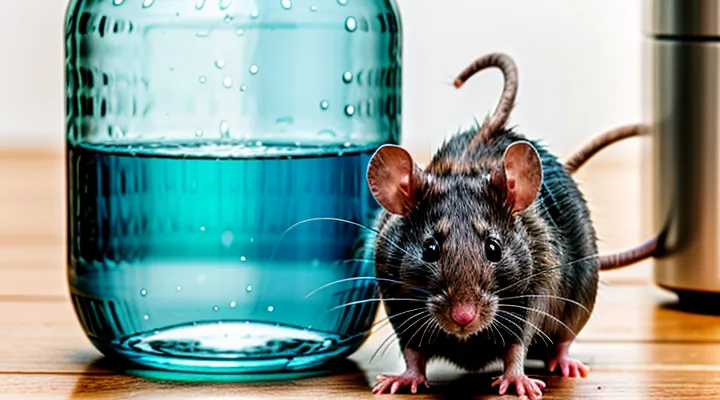
«Understanding Your Rat's Hydration Needs»
«Importance of Water for Rat Health»
Water is essential for maintaining physiological balance in rats. Adequate intake supports thermoregulation, nutrient transport, and waste elimination. Dehydration quickly impairs kidney function, reduces blood volume, and lowers immune responsiveness, increasing susceptibility to disease.
Insufficient hydration also affects behavior: lethargy, reduced exploration, and loss of appetite often accompany mild fluid deficits. When a rat avoids a water bottle, the underlying cause is frequently linked to discomfort or perceived contamination, which can exacerbate the health risks described above.
Key factors influencing a rat’s willingness to drink:
- Bottle design that creates excessive suction pressure or leaks, causing strain on the tongue and facial muscles.
- Stagnant or dirty water, which may develop biofilm or unpleasant odor.
- Placement of the bottle near food or bedding that restricts access or introduces scent interference.
- Ambient temperature extremes that alter water temperature, making it less appealing.
Addressing these issues restores proper hydration and mitigates health complications. Recommended actions include selecting low‑suction bottles with smooth spouts, cleaning the water daily, positioning the bottle at rat‑level away from food, and providing water at room temperature. Monitoring fluid consumption through bottle weight or visual observation ensures the animal receives the volume required for optimal physiological function.
Recognizing the critical role of water eliminates one of the primary barriers to bottle use, thereby supporting overall rat health and preventing the cascade of problems associated with dehydration.
«Recognizing Dehydration Symptoms»
«Physical Signs»
Rats that decline a water bottle display distinct physical indicators that reveal underlying issues. Observation of these signs allows rapid diagnosis and corrective action.
«Physical Signs» commonly include:
- Reduced body weight measured over successive days.
- Dull, unkempt fur with loss of sheen.
- Sunken eyes and recessed nasal bridge.
- Lethargic posture, reluctance to explore the cage.
- Dry, cracked skin around the whisker pads.
- Abnormal respiratory rate, shallow breaths.
- Persistent grooming of the mouth or nose, suggesting irritation.
Each symptom reflects a specific physiological stressor. Rapid weight loss and dull coat suggest dehydration or inadequate nutrition. Sunken eyes and recessed nasal bridge indicate fluid deficit. Lethargy and shallow breathing point to possible metabolic imbalance or infection. Dry skin and excessive grooming often result from irritation caused by a contaminated bottle tip or inappropriate water temperature.
Addressing the problem requires eliminating the source of the physical distress. Replace the water bottle with a clean, sterilized unit; verify that the sipper tip functions smoothly and does not create a vacuum. Adjust water temperature to match ambient conditions, avoiding overly cold or warm liquid. Supplement the diet with moist foods to boost fluid intake while the rat adapts to the new bottle. Monitor weight and coat condition daily; improvements should appear within 48–72 hours. If signs persist, consult a veterinarian to rule out underlying disease.
«Behavioral Changes»
Rats may stop using a water bottle when their routine or environment changes, indicating a shift in motivation, stress level, or perception of safety. A sudden alteration in cage layout, introduction of unfamiliar scents, or a malfunctioning bottle tip can trigger avoidance behavior. The animal may associate the bottle with discomfort, contamination, or predation risk, leading to reduced fluid intake.
Observing the pattern of refusal provides clues about underlying behavioral adjustments. Persistent avoidance often coincides with signs such as increased grooming, nesting in elevated areas, or heightened alertness. These indicators suggest that the rat perceives the drinking apparatus as a potential threat rather than a resource.
Effective interventions focus on restoring confidence in the water source and minimizing stressors:
- Verify bottle integrity; replace worn or cracked tips to ensure a smooth flow.
- Position the bottle at a height consistent with the rat’s natural drinking posture, avoiding excessive elevation.
- Clean the bottle regularly with mild, non‑odoriferous detergent to eliminate residual scents.
- Introduce a familiar object, such as a piece of nesting material, near the bottle to create a sense of security.
- Gradually re‑introduce the bottle after a short period of deprivation, allowing the rat to associate the device with successful hydration.
Monitoring fluid consumption after adjustments confirms whether the behavioral change has been reversed. Consistent intake levels indicate that the rat has regained confidence in the water bottle, reducing the risk of dehydration and supporting overall health.
«Common Reasons for Water Bottle Refusal»
«Bottle Related Issues»
«Improper Functionality»
Improper functionality of a water bottle frequently prevents rodents from accessing liquid. Mechanical defects, leakage, or inappropriate dispensing mechanisms create a barrier that the animal perceives as unsafe or ineffective.
Typical malfunction sources include:
- Blocked nozzle caused by dried feed residue or mineral buildup.
- Excessive pressure that forces water out too quickly, producing splashing and deterring approach.
- Inadequate seal allowing air bubbles, resulting in intermittent flow.
- Incorrect bottle orientation that places the drinking port below the rat’s reach.
Resolution steps:
- Disassemble the bottle, clean the nozzle and internal tubing with warm soapy water, then rinse thoroughly.
- Inspect the seal for cracks; replace if damage is evident.
- Adjust the dispensing valve to a lower pressure setting, ensuring a steady drip rather than a stream.
- Position the bottle horizontally or at a slight upward angle so the drinking port aligns with the cage floor.
Routine maintenance—weekly cleaning, periodic pressure checks, and verification of proper alignment—prevents recurrence of improper functionality and restores reliable water intake.
«Unfamiliarity with Nipple Drinkers»
Rats frequently reject water bottles that use a nipple mechanism because the device does not match their previous drinking experiences. The nipple presents a narrow opening that requires precise positioning and suction, whereas rats are accustomed to open reservoirs where they can lap water with their tongues.
Unfamiliarity appears as prolonged sniffing, tentative touches, and complete avoidance. Sensory expectations focus on visible water surface and easy access; the concealed flow of a «nipple drinker» conflicts with these expectations, leading to refusal.
Effective habituation follows a structured progression:
- Place a familiar open water dish beside the bottle for several days, allowing the rat to observe the bottle without pressure to drink.
- Introduce a shallow trough attached to the bottle, creating a visible water surface while retaining the nipple’s function.
- Reduce the trough depth gradually, encouraging the rat to shift its focus to the nipple tip.
- Offer a small amount of flavored water through the nipple to increase attraction during the final transition.
- Monitor intake daily; if avoidance persists, verify nipple integrity and adjust placement height to align with the rat’s natural drinking posture.
Consistent exposure combined with incremental modifications eliminates the barrier created by unfamiliarity, enabling the rat to accept the nipple‑based water source reliably.
«Water Quality and Temperature»
Water quality directly influences a rat’s willingness to drink. Contaminants such as chlorine, heavy metals, or residual disinfectants create an aversive taste and may cause gastrointestinal irritation. Stagnant water promotes bacterial growth and biofilm formation, further decreasing palatability. Low mineral balance can also deter intake, as rats are sensitive to changes in ion concentrations.
Temperature affects fluid viscosity and perceived freshness. Water below 10 °C feels overly cold, reducing licking frequency; above 25 °C accelerates bacterial proliferation and produces an unpleasant odor. Maintaining a stable temperature within the 15–20 °C range optimizes comfort and encourages regular consumption.
Practical measures eliminate quality‑related refusals:
- Replace water daily; use a bottle with a narrow spout to limit exposure to air.
- Install a carbon filter or treat tap water with a dechlorinating agent before filling the bottle.
- Store the bottle in a shaded area to prevent temperature spikes.
- Employ a glass or stainless‑steel container to avoid plastic leaching and to facilitate thorough cleaning.
- Monitor water temperature with a simple thermometer; adjust ambient conditions or use a small heating pad for colder environments.
Implementing these steps restores acceptable water quality and temperature, thereby increasing the likelihood that the rat will resume normal drinking behavior.
«Environmental Factors»
«Stress and Anxiety»
Rats exhibit a strong aversion to water bottles when they experience elevated «Stress and Anxiety». Physiological stress hormones increase heart rate and induce hypervigilance, causing the animal to avoid unfamiliar or potentially threatening objects. A water bottle represents a novel element that can trigger a fear response, especially after handling, cage changes, or exposure to loud noises. The resulting anxiety reduces motivation to approach the bottle, leading to dehydration risk.
Key mechanisms linking stress to drinking avoidance include:
- Activation of the hypothalamic‑pituitary‑adrenal axis, releasing corticosterone that suppresses thirst drive.
- Heightened sensory sensitivity, making the sound of liquid movement or the sight of the bottle appear alarming.
- Learned association between the bottle and previous negative experiences, such as accidental spillage or restraint.
Mitigation strategies focus on reducing the rat’s perceived threat and normalizing drinking behavior:
- Gradual habituation: place the bottle in the cage for short periods, progressively extending exposure while monitoring interaction.
- Environmental enrichment: provide nesting material, shelters, and consistent lighting to lower baseline anxiety.
- Gentle handling: use calm, slow movements during cage cleaning to minimize stress spikes.
- Alternative water sources: introduce a shallow dish alongside the bottle for a transitional period, allowing the rat to choose the less intimidating option.
- Pharmacological support: administer low‑dose anxiolytics under veterinary guidance when chronic stress persists despite environmental modifications.
Implementing these measures restores confidence in the water bottle, reestablishes regular fluid intake, and prevents health complications associated with dehydration.
«Cage Placement and Accessibility»
The positioning of a rat’s enclosure directly influences its willingness to use a drinking apparatus. If the bottle is placed too high, too low, or at an awkward angle, the animal may perceive the task as physically demanding and avoid it. Additionally, obstructions such as bedding, enrichment items, or cage bars can block the tube, preventing a clear line of access. Ensuring a straight, unobstructed path from the rat’s typical activity zone to the opening of the «water bottle» eliminates unnecessary effort.
Key considerations for optimal placement include:
- Height alignment with the rat’s natural reach, typically a few centimeters above the cage floor.
- Horizontal orientation that allows the tube to protrude without bending or touching bedding.
- Placement opposite a frequently used corner or platform, encouraging regular visitation.
- Clearance of surrounding objects to maintain a clear line of sight and movement.
Regular inspection of the cage layout prevents accidental changes that could impede access. Adjusting the bottle’s position after cleaning or rearranging enrichment items restores optimal conditions. When the enclosure provides a straightforward, comfortable route to the drinking source, the rat’s reluctance diminishes and consistent hydration resumes.
«Competition from Other Rats»
Rats may reject a water bottle when the presence of peers creates a competitive environment. The pressure of «Competition from Other Rats» can trigger avoidance behavior, especially in colonies with established dominance hierarchies.
Dominant individuals often monopolize limited resources, forcing subordinates to seek alternative drinking sites. Subordinate rats perceive the bottle as a contested zone, leading to reduced visitation and eventual refusal to use it.
Mitigating the effect of inter‑rat competition involves altering resource accessibility:
- Install two or more bottles at equal distances from nesting areas, ensuring each rat can access water without direct confrontation.
- Position bottles on separate walls or levels to minimize line‑of‑sight encounters between dominant and subordinate individuals.
- Provide supplemental water stations such as shallow dishes or drip dispensers, reducing reliance on a single bottle.
- Observe social interactions during initial introduction of new bottles; relocate or add additional bottles if aggressive displacement occurs.
By distributing water sources and reducing direct competition, rats are more likely to resume regular drinking from bottles, restoring hydration stability within the colony.
«Health and Behavioral Issues»
«Dental Problems»
Dental problems create oral discomfort that can deter a rat from using a bottle. Painful pressure on the incisors makes the act of licking the bottle tip unpleasant, leading to reduced fluid intake.
Common issues include overgrown incisors, misaligned teeth, and periodontal infection. Overgrown incisors may extend beyond the jaw, contacting the bottle rim and causing pressure on sensitive gum tissue. Misalignment prevents proper sealing of the tongue against the bottle opening, reducing suction efficiency. Periodontal infection produces swelling and pain that discourage the animal from approaching the bottle.
When a rat experiences any of these conditions, drinking behavior changes rapidly. The animal may turn to alternative sources such as wet food or water dishes, or may stop drinking altogether, risking dehydration.
Effective interventions:
- Conduct a visual examination of the teeth at least once a month; look for elongation or misalignment.
- Perform regular trimming of overgrown incisors using appropriate rodent dental tools; ensure cuts are smooth to avoid further irritation.
- Treat infections with veterinary‑prescribed antibiotics and anti‑inflammatory medication.
- Provide a soft‑spouted bottle or a shallow water dish to reduce pressure on the teeth during drinking.
- Adjust diet to include hard foods that naturally wear down incisors, balancing with fresh vegetables for hydration.
Monitoring water consumption after each intervention confirms whether the dental issue has been resolved. Persistent refusal despite corrective measures warrants a veterinary assessment to rule out deeper oral pathology.
«Pain or Discomfort»
Rats may reject a water bottle when the act of drinking causes pain or discomfort. Oral injuries, such as ulcerated incisors or inflamed gums, create sharp sensations that deter the animal from inserting its snout into the bottle. Improper bottle placement can generate pressure on the whiskers or muzzle, producing chronic irritation. Inadequate bottle design—excessive flow rate, rough spout, or misaligned sipper—may also produce abrasive contact, leading to tissue soreness.
Observable indicators of discomfort include hesitation before approaching the bottle, frequent grooming of the facial area, abnormal head tilting, and reduced overall activity. Persistent refusal to drink, coupled with signs of dehydration, signals that pain is likely interfering with normal hydration behavior.
To identify the source of pain, follow a systematic assessment: examine teeth for overgrowth or lesions; inspect the muzzle and whisker region for abrasions; test the bottle’s flow by gently applying pressure to the sipper; and observe the rat’s posture while attempting to drink. Veterinary consultation is advised when lesions or dental abnormalities are detected.
Effective interventions:
- Replace the bottle with a low‑flow model featuring a smooth, rounded spout.
- Adjust the bottle height to align with the rat’s natural drinking posture, minimizing whisker contact.
- Trim overgrown incisors under veterinary supervision to eliminate bite‑induced trauma.
- Apply a topical antiseptic to minor abrasions and monitor healing.
- Administer appropriate analgesics prescribed by a veterinarian to alleviate acute pain.
Implementing these measures removes the painful stimulus, restores normal drinking behavior, and prevents dehydration‑related complications.
«Preference for Other Water Sources»
Rats often exhibit a clear preference for water that mimics natural conditions. Freshly flowing water, ambient temperature close to body heat, and the absence of metallic or plastic taste contribute to acceptance. When these criteria are unmet, the animal may ignore a static bottle and seek alternative sources.
Key factors influencing preference include:
- Temperature: water cooler than room temperature encourages drinking; excessively cold or warm water reduces interest.
- Movement: slight agitation or drip creates the perception of freshness.
- Material: glass or ceramic containers impart fewer off‑flavors compared to plastic.
- Odor: residual cleaning agents or scented bedding can deter consumption.
If a rat consistently avoids a bottle, the most direct remedy is to align the offered water with the animal’s innate expectations. Practical steps are:
- Adjust water temperature to approximately 20‑25 °C.
- Introduce a gentle drip mechanism or a shallow trough that allows surface movement.
- Replace plastic bottles with glass or stainless‑steel alternatives.
- Rinse containers thoroughly with water only, avoiding scented detergents.
- Provide a secondary source, such as a small ceramic dish, to encourage trial and establish a habit.
Implementing these measures restores regular hydration without relying on coercive techniques.
«Effective Solutions and Strategies»
«Addressing Bottle Functionality»
«Testing the Water Bottle»
Rats may reject a water bottle for reasons that become apparent only after systematic evaluation of the delivery system. The first stage of resolution involves a dedicated assessment known as «Testing the Water Bottle». This assessment confirms that the apparatus functions correctly and does not present barriers to consumption.
The procedure comprises several distinct checks:
- Visual inspection of the bottle for cracks, cloudiness, or residue that could deter intake.
- Verification of the sipper tip orientation, ensuring that it hangs freely and does not obstruct the rat’s access.
- Measurement of water temperature; temperatures below 15 °C or above 30 °C often reduce palatability.
- Confirmation of a secure seal to prevent leaks that alter pressure and impede the rat’s ability to draw fluid.
- Observation of water flow by gently squeezing the bottle; a steady, audible drip indicates proper functioning.
- Evaluation of placement height relative to the cage floor; optimal positioning aligns the tip with the rat’s natural drinking posture.
If any irregularity is identified, corrective action follows immediately: replace damaged components, adjust tip angle, stabilize temperature, or reposition the bottle. Re‑testing after each adjustment validates the effectiveness of the modification.
Successful completion of «Testing the Water Bottle» eliminates equipment‑related obstacles, allowing the animal to resume normal hydration behavior.
«Adjusting Bottle Height»
Rats often reject water bottles when the spout is positioned too low for comfortable access. Low placement forces the animal to bend its neck excessively, creating a sense of vulnerability and reducing the likelihood of drinking. Aligning the bottle at an appropriate height eliminates this obstacle and encourages regular hydration.
Key considerations for optimal bottle height:
- Position the spout at the rat’s shoulder level when it stands on its hind legs; this allows a natural, relaxed posture.
- Ensure the bottle’s base rests securely on the cage floor to prevent tipping while the spout remains elevated.
- Adjust height gradually after any cage rearrangement; sudden changes can cause hesitation.
- Verify that the spout remains unobstructed by bedding, toys, or nesting material.
Implementation steps:
- Measure the distance from the cage floor to the rat’s shoulder while it stands upright.
- Raise the bottle until the spout aligns with this measurement, using a sturdy holder or adjustable bracket.
- Observe the rat for at least 30 minutes; if drinking resumes, maintain the setting. If refusal persists, reassess spout angle and potential leakage.
Properly calibrated bottle height removes physical strain, promotes natural drinking behavior, and supports overall health.
«Considering Bottle Type Alternatives»
Rats may reject a water bottle when the delivery mechanism does not match their natural drinking behavior. Inadequate tip design, excessive pressure, or material taste can discourage consumption, leading to dehydration and health complications.
Alternative bottle designs address these issues:
- «gravity‑fed» bottles with low‑pressure flow, allowing gentle sipping.
- «sipper» bottles equipped with narrow stainless‑steel tips that mimic natural troughs.
- «ceramic» containers offering neutral taste and easy sterilization.
- «plastic» bottles with smooth, wide openings for easy access but requiring frequent cleaning to prevent biofilm buildup.
- «drip‑free» systems that prevent leakage and maintain consistent water levels.
Selection criteria focus on tip diameter, material safety, cleaning frequency, and placement height. A tip narrower than 2 mm reduces spillage while encouraging repeated licks. Stainless steel and ceramic surfaces resist bacterial colonization; plastic components should be BPA‑free. Positioning the bottle at the rat’s shoulder height aligns with natural head posture, minimizing strain.
Implementation steps:
- Install a chosen alternative in the habitat.
- Monitor water consumption for 24–48 hours, recording volume taken.
- Compare intake levels against baseline data from the rejected bottle.
- Rotate to a different design if consumption remains below the species‑specific threshold.
Iterative testing of bottle types, guided by these parameters, resolves refusal behavior and ensures reliable hydration.
«Improving Water Appeal»
«Offering Multiple Water Sources»
Rats often reject bottle dispensers because the narrow spout limits airflow, creates excessive suction, or positions the water at an uncomfortable height. When the animal cannot access water easily, it may seek alternative hydration sources elsewhere in the enclosure.
«Offering Multiple Water Sources» addresses this issue by providing several accessible options. Multiple points of water delivery reduce competition, accommodate individual preferences, and simulate natural foraging conditions. The variety encourages regular drinking and eliminates reliance on a single, potentially problematic dispenser.
Practical implementation includes:
- Placing a shallow ceramic bowl at floor level for easy sipping.
- Adding a stainless‑steel dish with a low rim to accommodate larger individuals.
- Maintaining a drip‑free water tray that can be refilled daily.
- Rotating the location of each container to prevent stagnation and to distribute scent cues evenly.
- Monitoring consumption by weighing containers or observing wetness of bedding.
Providing several clean, readily reachable water sources eliminates the rat’s hesitation to drink from a bottle, promotes consistent hydration, and supports overall health.
«Ensuring Fresh and Clean Water»
Rats exhibit a strong aversion to water that appears stale, cloudy, or carries unfamiliar odors. Their natural instinct drives them to seek sources that signal safety and purity; any deviation triggers avoidance behavior, which can explain refusals to drink from a bottle.
Key elements that determine water quality include:
- source cleanliness, free from chemicals or contaminants;
- storage conditions that prevent temperature fluctuations;
- bottle material that resists bacterial adhesion;
- regular removal of biofilm that forms on interior surfaces;
- absence of strong scents or flavor additives.
Practical measures to maintain «Ensuring Fresh and Clean Water» are:
- replace water at least once every 24 hours;
- rinse the bottle with warm water and a mild, residue‑free detergent before each refill;
- sterilize the bottle weekly using a dilute bleach solution or a dishwasher cycle at high temperature;
- choose bottles made of stainless steel or glass rather than plastic to reduce leaching;
- install a charcoal or sediment filter on the water supply to eliminate impurities.
Consistent application of these steps promotes regular drinking, supports normal physiological functions, and enhances the reliability of experimental observations involving rodents.
«Experimenting with Temperature»
Temperature of the water directly influences a rat’s willingness to drink from a bottle. Cold water may be perceived as uncomfortable, while excessively warm water can reduce palatability and increase the risk of bacterial growth. Adjusting temperature within an optimal range encourages consistent fluid intake and eliminates refusal behavior.
A systematic experiment should follow these steps:
- Prepare three identical water bottles, each filled with water at a distinct temperature: cold (4 °C), ambient (22 °C), and warm (30 °C).
- Measure intake over a 24‑hour period for each bottle, recording volume consumed and frequency of drinking bouts.
- Rotate bottle positions daily to control for side preference.
- Maintain constant ambient conditions (lighting, humidity, cage enrichment) throughout the trial.
Data analysis typically reveals a peak intake at ambient temperature, with reduced consumption at both lower and higher extremes. If the rat consistently avoids the bottle, verify that the water source is free of contaminants and that the bottle’s sipper tip operates smoothly.
To resolve refusal, implement the following corrective actions:
- Set water temperature to the identified optimal range (≈20–25 °C).
- Use insulated bottle holders to prevent rapid temperature fluctuations.
- Periodically refresh water to avoid stagnation, especially when warm temperatures are employed.
Monitoring post‑adjustment intake confirms the effectiveness of temperature modulation as a practical solution for encouraging drinking behavior.
«Environmental and Behavioral Adjustments»
«Minimizing Stressors»
Rats may reject a water bottle when environmental or procedural stressors interfere with natural drinking behavior. Identifying and reducing these stressors creates conditions that encourage bottle use.
Common stressors include:
- Presence of unfamiliar scents or chemicals near the bottle.
- Excessive noise or vibrations from equipment.
- Inconsistent bottle placement that disrupts territorial familiarity.
- Sudden changes in lighting or temperature gradients.
- Handling or observation that induces anxiety.
Mitigation strategies:
- Clean all surfaces with neutral, non‑toxic agents; allow drying time before re‑introducing the bottle.
- Locate the bottle in a quiet corner, away from ventilation fans or loud devices.
- Secure the bottle at a fixed height and position; maintain this arrangement throughout the study.
- Provide gradual acclimation: initially offer water from a shallow dish, then transition to the bottle over several days.
- Minimize direct visual contact during feeding periods; use opaque barriers if necessary.
Monitoring indicators such as reduced grooming, stable body weight, and regular bottle interaction confirms successful stress reduction. Continuous assessment ensures that any emerging stressor is addressed promptly, maintaining reliable water intake.
«Gradual Introduction to New Bottles»
Rats often reject a fresh water dispenser because the device introduces unfamiliar sensory cues. Residual odors from previous containers, altered nozzle geometry, and different flow pressure can trigger neophobia, leading the animal to avoid the source entirely. The refusal may also stem from a mismatch between the rat’s learned drinking behavior and the mechanics of the new bottle.
«Gradual Introduction to New Bottles» mitigates these factors by aligning the transition with the animal’s established routine. The process follows a stepwise schedule:
- Retain the original bottle for a baseline period, confirming consistent consumption.
- Place the new bottle alongside the familiar one, allowing simultaneous access. Observe a shift in preference without removing the known source.
- Replace a portion of the liquid in the original bottle with water from the new container, equalizing taste and scent cues.
- Reduce the volume of the original bottle incrementally, encouraging the rat to rely more on the new dispenser.
- After the animal consistently drinks from the new bottle, discontinue the old device entirely.
Each stage should span several days, depending on the rat’s response rate. Monitoring intake volume daily ensures the transition does not compromise hydration. Adjustments—such as adding a familiar substrate inside the new bottle’s nozzle or matching the flow rate to the previous model—further support acceptance. Implementing this systematic approach restores reliable water access while minimizing stress caused by abrupt equipment changes.
«Positive Reinforcement Techniques»
Rats may ignore a water bottle when the device presents an unfamiliar texture, an unpleasant sound, or a perceived threat. Conditioning the animal to associate the bottle with a rewarding outcome eliminates hesitation and encourages regular hydration.
«Positive reinforcement techniques» rely on delivering a desirable stimulus immediately after a target behavior. The approach strengthens the likelihood of the behavior reoccurring without inducing stress. In the context of drinking, the reward must be directly linked to the act of contacting or using the bottle.
- Present a small, palatable treat (e.g., a droplet of fruit juice) on the bottle tip each time the rat touches the nozzle.
- Use a clicker or gentle tap as a marker signal exactly when the rat makes contact, followed by the treat within one second.
- Gradually reduce the treat volume while maintaining the marker, allowing the rat to internalize the bottle as a source of reward.
- Incorporate brief, daily sessions in which the bottle is placed in a neutral area, minimizing competing stimuli such as strong odors or loud vibrations.
Consistent timing of the reward prevents association with unrelated actions. Monitoring intake levels confirms that the rat adopts the bottle as its primary water source. Adjusting treat type or marker intensity addresses individual preferences and accelerates learning.
Applying «positive reinforcement techniques» transforms the water bottle from a potential stressor into a predictable, rewarding element of the rat’s environment, ensuring reliable hydration without coercion.
«When to Seek Professional Help»
«Persistent Refusal and Dehydration»
The phenomenon of «Persistent Refusal and Dehydration» signals a breakdown in the rat’s normal hydration routine. When a rat consistently avoids a water bottle, fluid intake drops sharply, leading to weight loss, reduced activity, and impaired thermoregulation. Early detection relies on visual monitoring of water bottle levels, observation of licking behavior, and assessment of skin elasticity.
Common contributors include:
- Bottle design flaws: narrow spouts, excessive pressure, or slippery surfaces deter licking.
- Water quality issues: strong odors, contamination, or inappropriate temperature discourage consumption.
- Environmental stressors: loud vibrations, abrupt lighting changes, or overcrowding create anxiety that suppresses drinking.
- Physiological conditions: dental problems, oral ulcers, or respiratory infections reduce the ability to access the bottle.
Effective remediation follows a systematic approach:
- Verify bottle functionality by testing flow rate with a pipette; replace defective units immediately.
- Replace water with fresh, filtered supply at room temperature; add a mild flavoring agent (e.g., a few drops of apple juice) only when necessary to stimulate interest.
- Relocate the bottle to a quiet corner, ensuring the spout is positioned at the rat’s natural head height.
- Conduct a health check to rule out oral lesions or systemic illness; provide analgesics or antibiotics as indicated by veterinary assessment.
- Introduce an alternative hydration source, such as a shallow dish, while the bottle issue is resolved; monitor transition back to bottle use.
Consistent application of these measures restores normal fluid intake, prevents the progression to severe dehydration, and supports overall well‑being. Regular inspection of bottle integrity and water quality remains essential for long‑term prevention.
«Signs of Illness or Injury»
When a rat stops drinking from a bottle, health problems often precede the behavior. Recognizing physical cues prevents prolonged dehydration and guides corrective action.
Typical indicators of disease or trauma include:
- Reduced activity, sluggish movements, or prolonged resting periods;
- Noticeable weight loss or a visible decrease in body mass;
- Abnormal posture such as a hunched back or a tucked tail;
- Discharge from eyes, nose, or ears, indicating infection;
- Visible wounds, swelling, or limping, suggesting injury;
- Excessive grooming of a single area, which may mask pain or skin irritation;
- Changes in feces or urine, such as diarrhea, blood, or reduced output.
If any of these signs appear, immediate steps are:
- Separate the affected animal to reduce stress and limit exposure to cage mates;
- Inspect the water bottle for blockages, leaks, or contamination; replace with a clean, functional unit if necessary;
- Maintain ambient temperature within the species‑appropriate range to avoid hypothermia;
- Contact a qualified veterinarian for diagnostic testing and treatment, including antibiotics, analgesics, or wound care;
- Monitor fluid intake closely after intervention, noting any improvement or persisting refusal.
Addressing the underlying health issue resolves the drinking refusal and restores normal hydration patterns. Continuous observation of «Signs of Illness or Injury» remains essential for early detection and effective management.
«Consulting a Veterinarian»
A rat that stops drinking from a bottle signals a possible health problem. Dehydration can develop quickly, leading to weight loss, organ strain, and reduced immune function. Immediate professional evaluation prevents escalation.
Veterinary assessment distinguishes between equipment failure, environmental stress, and underlying disease. Physical examination reveals signs such as sunken eyes, skin elasticity loss, or abnormal posture. Oral inspection checks for dental overgrowth, ulcers, or blockage that may impede water intake. Blood analysis determines electrolyte balance and infection markers. Imaging studies identify internal abnormalities when necessary.
The veterinarian may prescribe subcutaneous fluids, adjust diet, treat infections, or perform dental trimming. Follow‑up appointments monitor recovery, adjust treatment, and verify that the water delivery system functions properly.
Key actions for the caretaker
- Observe water bottle for leaks, clogs, or incorrect positioning.
- Record drinking frequency, urine output, and any behavioral changes.
- Contact a veterinarian specializing in small mammals at the first sign of reduced intake.
- Bring a sample of the rat’s water and bedding to the appointment for laboratory testing.
- Implement the veterinarian’s recommendations promptly, including fluid therapy or environmental modifications.
Consultation ensures accurate diagnosis, targeted treatment, and restoration of normal hydration patterns.