
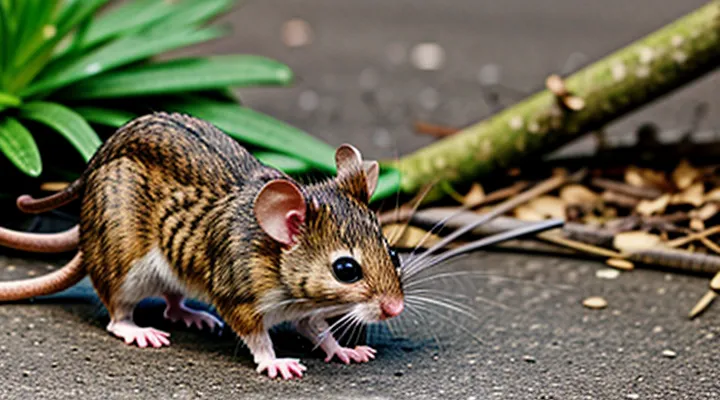
Understanding the Mouse Problem
Common Signs of Infestation
Droppings and Urine Trails
Droppings and urine trails provide the most reliable evidence of mouse activity. Fresh feces appear as small, dark pellets about the size of a grain of rice, often found along walls, behind appliances, and within concealed spaces. Urine marks are invisible but leave a distinct scent detectable with specialized tools such as UV flashlights or scent‑detection dogs. Both indicators reveal routes, nesting sites, and population density, allowing professionals to target interventions precisely.
Key observations for effective assessment:
- Pellet size and color indicate species and health status.
- Concentration of droppings signals high‑traffic corridors.
- Wet or fresh deposits suggest recent activity and active foraging.
- Urine residue, when illuminated, outlines travel pathways and entry points.
Accurate interpretation of these signs directs the selection of control methods, from bait placement to exclusion techniques, and informs ongoing monitoring to verify eradication success.
Gnaw Marks and Damage
Gnaw marks are the most immediate evidence of mouse activity. Teeth of Mus musculus produce clean, parallel incisions on soft materials such as wires, plastic, and cardboard, while leaving characteristic V‑shaped notches on harder surfaces like wood and metal. The depth of a bite typically ranges from 2 mm to 5 mm, reflecting the animal’s continuous growth cycle and need to sharpen incisors.
Damage caused by mice extends beyond visible chewing. Primary concerns include:
- Electrical failures caused by severed insulation or stripped conductors.
- Structural compromise from gnawed joist supports, leading to sagging floors or weakened framing.
- Contamination of stored food and packaging, resulting in spoilage and potential health hazards.
- Degradation of insulation materials, increasing fire risk and reducing energy efficiency.
Professional pest‑control operators rely on gnaw‑mark patterns to locate infestations, identify entry points, and select appropriate mitigation techniques. For instance, detection of V‑shaped wood damage near wall cavities indicates concealed nesting sites, prompting the use of targeted bait stations and exclusion sealing. In environments with extensive wiring, electricians coordinate with rodent specialists to replace compromised cables and install rodent‑resistant conduit.
Effective mitigation combines accurate assessment of gnaw‑induced damage with methodical intervention. Accurate identification of chew signatures accelerates response time, minimizes repair costs, and prevents recurrence.
Unusual Noises
Unusual noises often serve as the first indicator that a mouse infestation is present, prompting the involvement of rodent control specialists. Scratching sounds behind walls, intermittent squeaks in ceiling voids, and faint rustling in insulation point to active burrowing or nesting activity. These acoustic signatures differ from ordinary building sounds by their irregular timing and high-pitched frequency range.
Professional pest‑removal teams rely on acoustic detection to locate hidden colonies before deploying traps or bait stations. Portable ultrasonic detectors amplify the frequencies typical of mouse movement, allowing technicians to pinpoint entry points, wall voids, and concealed pathways. Sound‑based surveys reduce the need for invasive demolition, concentrating intervention efforts on verified hotspots.
Key unusual noises and their operational implications:
- Irregular scratching – suggests active gnawing on structural members; indicates proximity to structural damage.
- High‑pitched squeaking – denotes vocal communication between individuals; often occurs near nesting sites.
- Soft rustling in insulation – reveals foraging activity; signals the presence of food caches.
- Intermittent thumping – results from mice moving through ceiling joists; signals potential access routes for traps.
Risks Associated with Mice
Health Hazards and Diseases
Mouse‑control professionals encounter a range of health hazards directly linked to rodent presence and the methods used to eliminate them. Contact with mouse droppings, urine, saliva, and nesting material introduces pathogens, while handling of traps and baits exposes workers to chemical toxins. Bites and scratches add a mechanical injury risk.
Common diseases transmitted by mice include:
- Hantavirus pulmonary syndrome – inhalation of aerosolized rodent excreta.
- Lymphocytic choriomeningitis virus – exposure to contaminated secretions.
- Salmonellosis – ingestion of food or water tainted by fecal matter.
- Leptospirosis – contact with urine‑contaminated surfaces.
- Plague (Yersinia pestis) – rare, associated with flea bites from infested rodents.
Mitigation strategies focus on personal protection and procedural controls. Mandatory use of gloves, masks, and disposable coveralls prevents direct contact with contaminants. Decontamination protocols require thorough cleaning of work areas and equipment after each operation. Training programs emphasize safe handling of toxic baits, proper disposal of carcasses, and recognition of early disease symptoms. Integration of preventive pest‑management techniques reduces rodent populations, thereby lowering exposure frequency for technicians.
Property Damage and Contamination
Mice infiltrate structures, gnawing insulation, wiring, and structural timber. The resulting breaches can trigger electrical failures, increase fire risk, and compromise building integrity. Damage often remains hidden until secondary problems, such as short circuits or weakened supports, emerge.
Contamination originates from urine, feces, and saliva deposited along travel routes. These secretions introduce pathogens that contaminate food supplies, surfaces, and air ducts. Persistent exposure may lead to foodborne illnesses, respiratory issues, and allergic reactions.
Professional rodent-management teams employ a systematic approach to mitigate both damage and contamination:
- Conduct thorough inspections to locate gnaw marks, nesting sites, and droppings.
- Implement exclusion techniques, sealing entry points with steel wool, caulk, or metal flashing.
- Deploy targeted baiting or trapping to reduce population density.
- Perform sanitization using EPA‑approved disinfectants, focusing on areas with visible contamination.
- Recommend structural repairs, replacing compromised insulation, wiring, or wood components.
Effective remediation restores safety, preserves property value, and prevents recurrence. Ongoing monitoring and maintenance of exclusion barriers are essential components of a sustainable control program.
Professional Mouse Control
Exterminators and Pest Control Specialists
Initial Assessment and Inspection
The first stage of any mouse‑control operation involves a systematic assessment of the premises. Inspectors verify the presence of rodents, determine the extent of activity, and identify conditions that support infestation.
During the walk‑through, professionals look for visual cues such as droppings, gnaw marks, nesting material, and live captures. They trace movement paths to locate high‑traffic corridors and potential harborage zones.
Data collection focuses on three elements: species verification, population density, and structural vulnerabilities. Inspectors note entry points, gaps in building envelope, and food sources that may attract mice.
The findings are recorded in a concise report that outlines immediate corrective actions, long‑term prevention strategies, and recommended control techniques. The report serves as the basis for selecting appropriate devices, bait placements, and follow‑up schedules.
Key components of the initial assessment:
- Visual inspection for evidence of activity
- Mapping of travel routes and nesting sites
- Identification of entry points and structural deficiencies
- Estimation of infestation level using standardized rating scales
- Documentation of findings and formulation of control recommendations
Treatment Plans and Strategies
Effective mouse control begins with a systematic treatment plan that aligns assessment, intervention, and verification. Professionals start by conducting a site inspection to identify entry points, population density, and activity patterns. Data from visual sightings, droppings, and tracking stations inform the selection of appropriate control measures.
Intervention strategies fall into three categories: chemical, mechanical, and biological. Each option targets specific infestation levels and environmental constraints.
- Chemical control: Apply rodenticides in tamper‑proof bait stations, rotate active ingredients to prevent resistance, and adhere to safety regulations for non‑target species.
- Mechanical control: Install snap traps, electronic devices, or live‑catch traps in high‑traffic zones, position them perpendicular to walls, and replace or reset promptly after capture.
- Biological control: Encourage natural predators such as barn owls or feral cats, and consider the use of rodent‑specific pathogens where legally permitted.
Follow‑up procedures verify the efficacy of the chosen methods. Scheduled inspections reassess rodent activity, adjust bait placement, and seal newly discovered ingress points. Documentation of each step creates a record for compliance audits and facilitates continuous improvement of the management program.
Baiting and Trapping Methods
Bait selection determines the effectiveness of any mouse‑control operation. Professionals favor attractants that combine palatability with odor resistance, ensuring longevity in variable environments. Common choices include:
- Peanut butter or emulsified nut spreads, offering high fat content and strong scent.
- Commercial rodent gels containing synthetic pheromones, designed for rapid ingestion.
- Whole grains or dried fruit, used when targeting mice accustomed to natural foraging.
Each bait type is matched to the target population’s dietary preferences and the deployment setting, whether indoor pantry or outdoor storage area.
Trap mechanisms fall into two primary categories: snap devices and live‑capture units. Snap traps employ a spring‑loaded bar that delivers instantaneous lethality, minimizing suffering and preventing escape. Live traps consist of enclosed chambers with a trigger that seals the entry point once the mouse enters, allowing relocation under controlled conditions. Professional practice dictates regular inspection, proper placement along established runways, and compliance with local wildlife regulations.
Integration of bait and trap requires strategic positioning. Evidence shows optimal placement adjacent to walls, near concealed entry points, and within 10‑20 cm of known gnawing activity. Combining multiple bait varieties on a single device reduces bait aversion and increases capture rates.
Maintenance protocols include immediate disposal of captured rodents, sanitation of trap surfaces with disinfectant, and periodic replacement of bait to preserve potency. Adherence to these procedures sustains high performance and prevents secondary infestations.
Exclusion and Sealing Entry Points
Effective rodent control hinges on preventing access. Professionals begin by identifying all potential ingress routes, then apply durable barriers to eliminate them.
- Seal gaps around utility penetrations with steel wool and silicone caulk.
- Install metal flashing over foundation cracks and foundation walls.
- Fit door sweeps to the bottom of exterior doors, ensuring a tight seal.
- Repair or replace damaged window screens with fine mesh.
- Apply expanding foam to voids in the attic, roof, and crawl spaces, followed by a protective coating.
- Close openings around vent pipes and chimney flues with stainless‑steel collars.
Each measure creates a continuous physical barrier, reducing the likelihood that mice can enter a structure. Regular inspection and maintenance of these seals sustain long‑term exclusion.
Follow-up and Monitoring
Effective mouse control does not end with the initial capture or extermination. Continuous observation confirms whether the intervention achieved lasting results and identifies any resurgence before it becomes a full‑scale infestation.
Professionals employ systematic follow‑up procedures. Typical steps include:
- Inspection of trapping sites within 24‑48 hours after deployment.
- Verification of trap success rates by counting captured specimens and noting empty devices.
- Examination of structural entry points for new activity, such as gnaw marks or droppings.
- Documentation of environmental factors—temperature, humidity, food availability—that influence rodent behavior.
- Scheduling of subsequent visits at weekly or bi‑weekly intervals, adjusted according to infestation severity.
Monitoring data guide decisions on whether to reinforce barriers, replace bait, or modify sanitation practices. Accurate records enable rapid response, reduce repeat infestations, and validate the efficacy of the chosen professional method.
Wildlife Control Operators
When to Call Wildlife Control
Mice infestations that threaten structural integrity, food safety, or health require professional wildlife control. When rodents damage insulation, chew wiring, or contaminate stored goods, immediate assistance prevents costly repairs and disease transmission.
Signs that professional intervention is necessary
- Continuous droppings in kitchens, pantries, or storage areas.
- Audible activity after dark despite traps or bait stations.
- Gnaw marks on furniture, appliances, or building components.
- Evidence of nesting material such as shredded paper or fabric.
- Rapid population growth observed over a few weeks.
Scenarios where DIY methods fall short
- Access points hidden behind walls, ceilings, or crawl spaces.
- Large colonies occupying multiple rooms or levels.
- Presence of protected wildlife species that share the same habitat.
- Persistent re‑infestation after multiple trap placements.
- Requirement for safe chemical applications in occupied residences.
Delaying professional help increases the risk of fire hazards from chewed wiring, escalates food loss, and heightens exposure to allergens and pathogens carried by mouse urine and feces.
Choosing a qualified wildlife control provider involves verifying licensing, confirming insurance coverage, requesting references, and ensuring the use of integrated pest management practices that combine exclusion, sanitation, and targeted removal.
Humane Removal Techniques
Humane removal of mice relies on capture devices that allow live release, combined with preventive measures that block entry and deter re‑infestation. Professional pest controllers and trained homeowners use these methods to avoid lethal outcomes while maintaining effective control.
- Live‑catch traps equipped with bait chambers; animals are retrieved promptly and released at a distance from the property.
- Structural exclusion: sealing gaps, installing door sweeps, and reinforcing vents to eliminate access points.
- Natural repellents such as peppermint oil or ultrasonic emitters; applied according to manufacturer guidelines to create an environment mice avoid.
- Habitat modification: removing food sources, reducing clutter, and maintaining clean storage areas to lower attraction.
Execution requires regular monitoring of trap placement, immediate release of captured mice, and documentation of sealed entry points. Follow‑up inspections confirm that exclusion measures remain intact and that no new activity appears. The combination of live capture, environmental alteration, and ongoing assessment provides a sustainable, ethical solution for mouse management.
DIY Mouse Control Methods
Trapping Techniques
Snap Traps
Snap traps are mechanical devices that kill rodents instantly by applying a rapid, high‑force spring action to a metal bar. The bar pivots over a baited platform; when a mouse contacts the trigger, the spring releases, delivering a lethal blow to the neck or spine. Construction typically involves stainless‑steel components, a wooden or plastic base, and a removable snap‑plate for easy cleaning.
Professional pest‑control operators prefer snap traps for indoor infestations where quick elimination and minimal chemical exposure are priorities. Technicians position traps along established runways, near walls, and behind objects where mice seek shelter. Deployment follows a systematic grid pattern, ensuring coverage of all potential entry points and feeding zones.
Key advantages include:
- Immediate kill, reducing suffering and disease transmission.
- No reliance on poison, eliminating secondary poisoning risks.
- Low cost per unit and reusable after proper sanitation.
- Compatibility with a variety of baits (peanut butter, grain, commercial attractants).
Limitations involve the need for regular inspection, potential for non‑target captures, and reduced effectiveness in cluttered environments where mice cannot reach the trigger. Proper maintenance—removing dead specimens, resetting the spring, and replacing bait—maintains trap efficacy.
Effective placement guidelines:
- Set traps perpendicular to the wall, with the trigger facing the expected travel direction.
- Space traps 1–2 feet apart in high‑traffic corridors.
- Use multiple baits to accommodate different mouse preferences.
- Wear gloves when handling traps to prevent scent transfer.
- Dispose of captured rodents in sealed containers, following local health regulations.
Live Traps
Live traps are devices that capture mice without killing them, allowing for humane removal. Professionals in rodent management prefer them when relocation, animal welfare compliance, or pest‑free certification are required.
Construction varies, but common designs include:
- Wire‑mesh cages with a trigger plate that closes a door when the mouse enters.
- Plastic containers equipped with a hinged lid and a bait platform.
- Multi‑catch units that hold several individuals before needing emptying.
Effective deployment follows a systematic approach:
- Assessment – Identify activity zones through droppings, gnaw marks, or infrared monitoring.
- Placement – Position traps along walls, behind appliances, and near known entry points; mice travel close to surfaces.
- Baiting – Use high‑fat attractants such as peanut butter, sunflower seeds, or dried fruit; apply a pea‑size amount to the trigger area.
- Inspection – Check traps at least once daily; record captures to gauge infestation density.
- Release – Transport captured mice at least 2 kilometers from the property or to a designated wildlife sanctuary; release in suitable habitat during daylight to reduce predation risk.
Maintenance includes cleaning traps with mild detergent after each use, inspecting for rust or broken hinges, and replacing worn bait plates. Regulations in many jurisdictions require documentation of capture numbers and disposal methods, especially in food‑handling establishments.
Advantages of live traps over lethal alternatives:
- Compliance with animal‑welfare policies.
- Ability to monitor population trends through individual counts.
- Reduced risk of secondary poisoning from rodenticides.
Limitations involve higher labor intensity, the necessity for frequent monitoring, and potential stress to captured animals. Professionals balance these factors by integrating live traps with exclusion techniques, such as sealing entry points and habitat modification, to achieve long‑term control.
Glue Traps
Glue traps consist of a flat board coated with a non‑drying adhesive. The adhesive remains tacky for weeks, allowing a mouse that steps onto the surface to become immobilized. The design eliminates the need for moving parts or baits, reducing maintenance for the operator.
When a mouse contacts the board, its paws and tail adhere instantly, preventing escape. The trap does not kill the animal immediately; death results from exhaustion, dehydration, or injury. This mechanism contrasts with snap or electronic devices that deliver rapid lethal force.
Field studies report capture rates between 60 % and 80 % in controlled environments, comparable to snap traps when placed along established runways. Glue traps retain captured rodents for up to 14 days, simplifying collection for disposal or laboratory analysis.
Safety considerations include:
- Placement away from food preparation areas to avoid accidental contact with humans.
- Installation at least 12 inches above floor level in multi‑story buildings to prevent non‑target wildlife access.
- Use of protective gloves during handling to prevent skin adhesion.
- Immediate removal of trapped rodents to reduce suffering and prevent secondary contamination.
Professional pest controllers employ glue traps primarily for monitoring infestations and confirming activity levels. Protocols require rotating trap locations weekly, documenting capture counts, and integrating findings with broader eradication strategies such as exclusion and baiting.
Regulatory agencies in several jurisdictions classify glue traps as restricted devices due to animal welfare concerns. Compliance mandates labeling, training certification, and disposal procedures that meet local health codes. Failure to adhere to these regulations can result in fines or loss of licensure.
Repellents and Deterrents
Natural Repellents
Natural repellents are a non‑chemical option employed by pest‑control specialists and homeowners alike to deter mice without direct contact. Their effectiveness relies on sensory aversion; rodents avoid strong odors, tastes, or textures that signal danger or uninhabitable conditions.
Common natural agents include:
- Peppermint oil: concentrated extracts emit a volatile scent that interferes with rodents’ olfactory receptors.
- Clove oil: contains eugenol, a compound toxic to mice in high concentrations and repellent at lower levels.
- Citronella: volatile terpenes create an environment mice find hostile.
- Dryer sheets: scented fabric releases chemicals that discourage rodent activity.
- Ammonia: vapour mimics predator urine, prompting avoidance.
Application methods vary. Professionals typically soak cotton balls in essential oils and place them in concealed entry points, wall voids, and known travel routes. Home users may spray diluted solutions on baseboards, under appliances, and around food storage. For sustained effect, reapplication every one to two weeks compensates for volatilization.
Limitations are notable. Natural repellents do not eliminate existing infestations; they only reduce the likelihood of entry or re‑entry. Effectiveness diminishes in well‑ventilated spaces, and some substances may cause irritation to humans or pets. Consequently, experts often combine repellents with structural exclusion, trapping, and sanitation to achieve comprehensive mouse management.
Electronic Repellents
Electronic repellents are devices that emit ultrasonic or electromagnetic frequencies intended to deter rodents without chemicals or traps. They operate by producing sounds above 20 kHz, which are inaudible to humans but uncomfortable for mice, or by generating electromagnetic fields that disrupt the nervous system of small mammals.
Key characteristics include:
- Frequency range: 20–30 kHz (ultrasonic) or 0.3–10 MHz (electromagnetic).
- Power source: mains‑connected or battery‑operated, with typical output of 5–15 W.
- Coverage area: 200–400 sq ft per unit, depending on model and placement.
Professional pest‑control operators select electronic repellents for specific scenarios: empty warehouses, food‑processing facilities, and residential units where chemical use is restricted. Devices are installed near entry points, wall voids, and known nesting sites; spacing follows manufacturer guidelines to avoid frequency overlap and ensure uniform field distribution.
Effectiveness studies show variable results. Controlled experiments report a 30–60 % reduction in mouse activity within 48 hours, while field trials in commercial settings achieve up to 80 % decline when combined with exclusion measures. Success correlates with proper device placement, regular maintenance, and integration into a broader integrated pest‑management (IPM) plan.
Limitations include habituation—mice may adapt to constant frequencies after several weeks—and reduced efficacy in cluttered environments where sound waves are absorbed. Regular rotation of frequency settings or supplemental use of physical barriers mitigates these issues.
In summary, electronic repellents provide a non‑lethal, low‑maintenance option for professionals seeking to control mouse populations, especially where chemical interventions are undesirable. Their optimal use requires strategic deployment, periodic monitoring, and coordination with other control methods.
Prevention Strategies
Sanitation and Food Storage
Sanitation and proper food storage form the foundation of any rodent‑control program. Reducing food sources and eliminating harborage directly limits mouse activity, allowing professionals to focus on trapping, baiting, and exclusion measures.
Effective sanitation includes:
- Immediate removal of food crumbs and spills from floors, countertops, and equipment.
- Regular cleaning of waste containers; lids must seal tightly and containers should be emptied daily.
- Routine inspection and cleaning of ventilation ducts, ceiling tiles, and hidden corners where debris accumulates.
- Prompt repair of water leaks; moisture attracts rodents and supports their nesting material.
Food‑storage protocols require:
- Sealing all bulk items in airtight, rodent‑proof containers made of metal or heavy‑wall plastic.
- Storing dry goods at least six inches above the floor and away from walls to prevent gnawing access.
- Rotating inventory to avoid prolonged exposure of expired products, which become attractive to mice.
- Labeling and dating all stored items for quick identification and removal of compromised goods.
Pest‑control specialists integrate these practices with their technical methods. After establishing a sanitary environment, they deploy traps and bait stations in identified activity zones, then monitor for signs of re‑infestation. Exclusion work—sealing gaps, installing door sweeps, and reinforcing structural openings—completes the cycle, ensuring that reduced food availability and clean conditions remain effective long‑term.
Sealing Cracks and Openings
Sealing cracks and openings is a fundamental step in preventing rodent intrusion. Professionals such as licensed pest controllers and property maintenance teams assess structures for gaps that provide access to mice, then apply appropriate barriers to eliminate entry points.
Typical sealing materials include:
- Acrylic or silicone caulk for narrow seams around windows, doors, and utility penetrations.
- Expanding polyurethane foam for larger voids in foundations and exterior walls.
- Steel wool or copper mesh packed into holes before applying sealant to deter chewing.
- Metal flashing or sheet metal for covering gaps around vents, HVAC ducts, and pipe sleeves.
Application procedure follows a consistent sequence:
- Identify all potential entry points through visual inspection and probing tools.
- Clean surfaces to remove dust, debris, and loose material.
- Insert reinforcement (steel wool or mesh) where chewing risk is high.
- Apply sealant or foam, ensuring full coverage and a smooth finish.
- Allow curing time as specified by the product manufacturer before exposing the area to normal use.
Effective sealing reduces the need for chemical baits and traps, lowers infestation risk, and supports long‑term mouse management strategies. Regular inspections and maintenance of sealed areas sustain protection against future incursions.
Choosing the Right Approach
Factors to Consider
Severity of Infestation
The seriousness of a mouse problem determines the response strategy. Low‑level activity, such as occasional droppings or occasional sightings, typically warrants simple traps and preventive measures. Moderate infestation, indicated by frequent droppings, gnaw marks, and multiple sightings across several rooms, requires a combination of snap traps, bait stations, and sealing of entry points. Severe infestation, characterized by widespread droppings, damage to wiring or insulation, audible activity at night, and sightings in most areas of a building, calls for professional intervention and integrated pest‑management plans.
Professional assessors classify severity using observable criteria:
- Evidence density: count of droppings per square foot.
- Damage scope: number of compromised structures (e.g., wiring, insulation, food storage).
- Population indicators: number of live captures or sightings over a set period.
- Health risk: presence of pathogens or allergens linked to rodent activity.
Choosing an appropriate method depends on the classification. Light cases may be resolved with homeowner‑installed snap traps and exclusion techniques. Moderate cases often combine multiple trap types, strategic bait placement, and thorough sealing of openings. Severe cases demand licensed exterminators, who deploy rodenticides, electronic devices, and ongoing monitoring to eliminate the colony and prevent recurrence.
Budget and Resources
Effective mouse management requires clear financial planning and allocation of assets. Professional services typically charge a base fee for inspection, ranging from $75 to $150, followed by hourly rates of $50 to $100 for trap placement, monitoring, and follow‑up visits. Additional expenses include bait and trap consumables, usually $0.20 to $0.50 per unit, and specialized equipment such as ultrasonic devices ($30–$120 each) or sealed bait stations ($15–$25 per station). Contracts for ongoing protection often incorporate a monthly retainer of $40 to $80, covering routine inspections and replenishment of supplies.
Do‑it‑yourself (DIY) approaches reduce labor costs but shift spending to equipment purchase and material consumption. A starter kit containing snap traps, live‑catch traps, and bait may cost $20 to $40. Reusable traps amortize over multiple infestations, while disposable glue boards incur recurring expenses of $0.10 to $0.30 per board. Safety gear—gloves, masks, and protective eyewear—adds $5 to $15 per set. For larger facilities, bulk procurement of traps and bait can lower unit costs by 10–20 %.
Resource allocation must consider labor time, material turnover, and waste disposal. Professional teams allocate trained technicians to each site, typically dedicating 30–45 minutes for initial setup and 15 minutes per subsequent visit. DIY operators should plan for at least 1 hour of monitoring per week in high‑risk areas, with additional time for trap maintenance and data logging. Proper disposal of captured rodents and used consumables incurs fees ranging from $0.05 to $0.10 per item when contracted through waste management services.
Budget optimization strategies include:
- Comparing per‑square‑foot costs between contracted services and self‑managed programs.
- Negotiating volume discounts for bait and traps with suppliers.
- Implementing preventive measures—sealing entry points, maintaining sanitation—to reduce repeat interventions.
- Scheduling regular audits to verify effectiveness and adjust spending accordingly.
A comprehensive budget should integrate fixed costs (equipment purchase, contract fees) and variable costs (consumables, labor hours). Tracking expenditures against infestation metrics enables data‑driven decisions and ensures that financial resources support sustained mouse control outcomes.
Personal Preferences
Personal preferences shape the choice between hiring pest‑control specialists and employing do‑it‑yourself techniques for mouse management. Individuals who value guaranteed results and minimal effort typically select licensed exterminators, relying on certified chemicals, bait stations, and systematic inspections. Those who prioritize cost savings, direct involvement, or limited exposure to chemicals favor traps, repellents, and habitat modification they can implement themselves.
Common preference categories include:
- Professional services: scheduled visits, integrated pest‑management plans, legal compliance.
- DIY traps: snap traps, live‑capture cages, electronic devices, placed in high‑traffic pathways.
- Chemical deterrents: low‑dose rodenticides, scented powders applied in concealed areas.
- Preventive measures: sealing entry points, removing food sources, maintaining clean environments.
Decision factors often involve budget constraints, risk tolerance, and desired speed of elimination. Selecting a method aligns with each person’s assessment of these variables, resulting in distinct approaches to mouse control.
Integrating Professional and DIY Methods
Integrating professional and DIY approaches creates a flexible mouse‑control system that adapts to infestation severity, property type, and budget constraints. Professionals bring expertise in species identification, habitat analysis, and access to regulated baits, while do‑it‑yourself tactics allow rapid deployment of traps and preventive measures in low‑risk areas.
Effective integration begins with a thorough inspection. Identify entry points, nesting sites, and food sources; record locations where droppings or gnaw marks appear. Use this data to decide which zones require licensed exterminators—typically large, concealed spaces such as wall voids or commercial kitchens—and which zones can be managed with snap traps, glue boards, or ultrasonic devices.
When hiring professionals, request a detailed action plan that includes:
- Placement of tamper‑proof bait stations in inaccessible zones
- Application of rodent‑resistant sealants on identified entry points
- Follow‑up monitoring schedule for at least three weeks
Simultaneously, implement DIY measures in accessible areas:
- Set snap traps at least 12 inches from walls, aligned with mouse runways
- Replace food storage containers with rodent‑proof lids
- Maintain a clutter‑free environment to eliminate hiding places
Combining these elements reduces reliance on chemical baits, limits exposure to non‑target species, and shortens the time to eradication. Regular review of trap captures and professional reports ensures adjustments are made promptly, maintaining control effectiveness over the long term.