
Historical Context and Domestication
Origins of Laboratory Rats
The domestic white rat used in biomedical research descends from the brown‑tailed Norway rat (Rattus norvegicus), a species native to Eurasia. Wild populations spread from the steppes of Central Asia to Europe and North America during the 18th and 19th centuries, following expanding human settlements and grain storage facilities.
Colonial trade routes facilitated the introduction of R. norvegicus into ports such as London and New York, where the animals adapted to urban environments. Selective breeding programs initiated in the early 1900s isolated individuals with calm temperament, rapid growth, and genetic uniformity. These programs produced the first standardized laboratory strains, which were subsequently distributed to research institutions worldwide.
Key developments in the establishment of laboratory rats:
- 1906: First inbred strain (Wistar) developed in the United States.
- 1915: Establishment of the Sprague‑Dawley outbred colony in the United Kingdom.
- 1920s–1930s: Expansion of breeding colonies in Europe and Asia, emphasizing pathogen‑free status.
- 1950s: Introduction of genetic markers to facilitate hereditary studies.
The resulting white laboratory rat exhibits a stable genotype, predictable physiology, and suitability for controlled experiments, making it a cornerstone of modern biomedical research.
Evolution as a Research Tool
The white laboratory rat serves as a standard model for investigating evolutionary mechanisms in controlled settings. Its short generation time, well‑characterized genome, and ease of maintenance enable systematic manipulation of selective pressures.
Researchers employ evolutionary concepts by applying directed selection, inducing genetic drift, and performing cross‑population comparisons. Selective breeding programs generate lines with specific phenotypic traits, while population bottlenecks simulate natural drift. Whole‑genome sequencing across divergent strains reveals adaptive mutations and conserved pathways.
These approaches yield several advantages:
- High reproducibility of experimental outcomes due to uniform genetic background.
- Direct relevance to human biomedical studies, because many physiological processes are conserved.
- Capability to test hypotheses about adaptation, gene‑environment interactions, and evolutionary constraints.
Evolutionary methodology also supports the development of disease models. By introducing mutations that mimic human pathogenic variants, scientists create rat strains that replicate disease progression, facilitating drug testing and therapeutic validation. Comparative analyses between wild‑type and evolved lines uncover genetic determinants of traits such as metabolism, behavior, and immune response.
Overall, the integration of evolutionary theory with the white laboratory rat provides a powerful framework for dissecting biological complexity, advancing translational research, and refining experimental design.
Key Characteristics
Physical Attributes
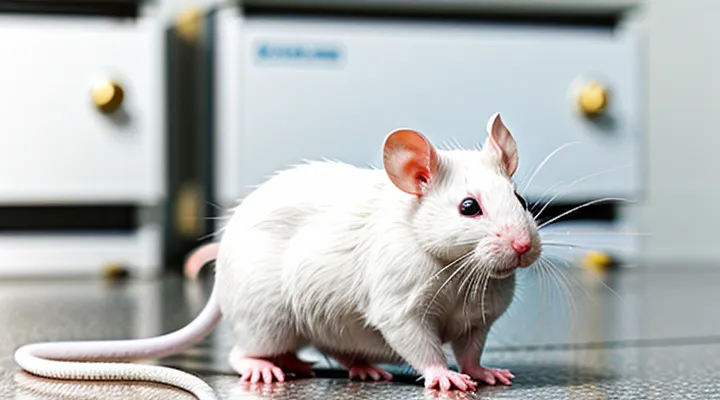
The albino laboratory rat exhibits a distinct set of physical characteristics that facilitate its widespread use in scientific research. Adult individuals typically weigh between 250 and 300 g, with a body length of 20–25 cm excluding the tail, which adds an additional 15–20 cm. The coat is uniformly white, lacking pigmentation, and the skin is pinkish due to underlying vasculature. Eyes are red (blood‑shot) because of the absence of melanin, providing a clear view of the ocular fundus for ophthalmic studies. Ears are proportionally large, thin, and covered with sparse hair, enhancing auditory sensitivity.
Key morphological parameters include:
- Body mass: 250–300 g (average); variation reflects age, sex, and diet.
- Cranial dimensions: skull length 2.0–2.5 cm; pronounced nasal bones support olfactory research.
- Limb structure: forelimbs and hindlimbs of equal length, enabling efficient locomotion in cages and mazes.
- Tail: elongated, tapering, and highly flexible, serving as a balance aid.
- Fur density: low; facilitates temperature regulation and easy grooming.
Skeletal composition is characterized by a relatively light bone mass, which reduces stress on joints during repetitive testing. Muscle fibers are predominantly fast‑twitch, contributing to rapid movement and response times. The integumentary system lacks melanocytes, resulting in heightened susceptibility to ultraviolet radiation, a factor considered when designing housing conditions.
These attributes collectively define the physical profile of the white laboratory rat, providing a standardized baseline for comparative studies across biomedical disciplines.
Size and Weight
White laboratory rats typically exhibit a body length of 20–25 cm, measured from the nose to the base of the tail. Tail length adds an additional 15–20 cm, resulting in a total length of approximately 35–45 cm. Adult individuals weigh between 250 g and 350 g, with males generally reaching the upper end of this range and females occupying the lower end.
Size and weight are influenced by genetic strain, age, and husbandry conditions. Common strains such as Sprague‑Dawley and Wistar display the following approximate metrics:
Nutrition, cage density, and environmental enrichment can cause deviations of up to ±15 % from the baseline figures. Regular monitoring of body mass provides a reliable indicator of health status and experimental suitability.
Coat and Pigmentation
The coat of the white laboratory rat appears uniformly pink‑white, lacking visible melanin. Hair shafts are fine, glossy, and reflect minimal light, which facilitates precise visual assessment in phenotypic studies.
Genetic control of this phenotype involves homozygosity for the recessive albino allele (c). The c allele disrupts the tyrosinase enzyme, preventing conversion of tyrosine to melanin. Consequently, melanocytes remain present but non‑functional, resulting in an absence of pigment throughout the integument.
Pigmentation details include:
- Absence of eumelanin and pheomelanin in hair, skin, and eyes.
- Pink ocular sclera and iris due to underlying vascular tissue.
- Reduced ultraviolet absorption, rendering the skin more susceptible to photic damage.
These coat and pigmentation traits make the white rat a preferred model for:
- Dermatological research requiring a clear baseline of pigment‑free skin.
- Ophthalmic investigations where lack of ocular pigment eliminates light‑scattering artifacts.
- Immunological studies that benefit from the ease of visualizing subcutaneous injections against a light‑colored background.
Physiological Features
The albino laboratory rat, a widely employed rodent in biomedical research, exhibits a set of physiological traits that facilitate controlled experimental conditions. Its genetic uniformity and predictable growth patterns underpin reproducibility across studies.
Typical adult body mass ranges from 250 g to 350 g, with a length of 20–25 cm measured from nose to base of the tail. Growth curves show a rapid increase during the first six weeks, after which weight gain stabilizes.
Reproductive physiology is characterized by a 4‑day estrous cycle, a gestation period of approximately 21 days, and average litter sizes of 8–12 pups. Post‑natal development reaches weaning at 21 days, and sexual maturity is attained around 8 weeks.
Metabolic characteristics include a basal metabolic rate of 0.9 kcal g⁻¹ day⁻¹, efficient glucose utilization, and a high tolerance for fasting up to 12 hours without significant hypoglycemia. Liver enzyme activity mirrors human hepatic function, supporting pharmacokinetic modeling.
Sensory systems are adapted for laboratory environments:
- Vision: limited color discrimination, predominance of rod photoreceptors.
- Olfaction: heightened detection of volatile compounds, facilitating behavioral assays.
- Auditory range: 1 kHz–80 kHz, allowing response to ultrasonic stimuli used in communication studies.
Thermoregulatory mechanisms maintain core temperature around 37 °C through brown adipose tissue activation and peripheral vasoconstriction. Hematological parameters—hemoglobin concentration 13–15 g dL⁻¹, hematocrit 40–45 %—provide baseline values for disease models.
Reproductive Cycle
The albino laboratory rat reaches sexual maturity at 6–8 weeks for females and 8–10 weeks for males. Reproductive competence coincides with the onset of regular estrous cycles.
The estrous cycle lasts 4–5 days and consists of four distinct phases:
- Proestrus – follicular development, rising estradiol levels.
- Estrus – ovulation, peak luteinizing hormone surge.
- Metestrus – formation of the corpus luteum, progesterone increase.
- Diestrus – luteal phase, maintenance of progesterone until cycle restart.
Gestation persists for 21–23 days, after which litters of 6–12 pups are typical. A postpartum estrus may occur within 24 hours, enabling rapid successive breeding.
Breeding schedules rely on precise timing of estrus detection, often through vaginal cytology, to synchronize mating and minimize variability in experimental outcomes.
Lifespan
The average lifespan of a white laboratory rat under optimal conditions ranges from 18 to 24 months, with a median of approximately 20 months.
Genetic background, housing density, temperature, humidity, diet composition, and pathogen exposure significantly modify longevity. Strains such as Sprague‑Dawley and Wistar typically achieve the upper end of the range, whereas outbred stocks may exhibit greater variability.
In conventional animal facilities, environmental control extends life expectancy compared with feral counterparts, which rarely exceed 12 months due to predation, competition, and limited nutrition.
Practical considerations for researchers include:
- Scheduling of longitudinal studies to align with the expected decline in physiological parameters after the 18‑month mark.
- Implementation of health monitoring programs to detect early signs of disease that could truncate lifespan.
- Adjustment of breeding cycles to maintain a stable age distribution within the colony.
Accurate knowledge of lifespan parameters enhances experimental design, data interpretation, and animal welfare management.
Genetic Homogeneity
Genetic homogeneity in the albino laboratory rat results from the systematic use of inbred strains. Inbred colonies are established through successive sibling matings, producing animals that are nearly genetically identical across generations. Closed breeding programs prevent the introduction of external alleles, preserving a uniform genetic background.
The uniform genome offers several experimental advantages:
- Consistent baseline physiology reduces inter‑subject variability.
- Enhanced statistical power allows detection of subtle treatment effects.
- Predictable pharmacokinetic and toxicological responses facilitate dose‑response modeling.
Conversely, reduced genetic diversity imposes constraints:
- Limited representation of population heterogeneity may diminish translational relevance.
- Fixed susceptibility to strain‑specific pathologies can confound disease‑model studies.
- Potential accumulation of deleterious recessive alleles may affect colony health.
Researchers must balance the reproducibility afforded by «genetic homogeneity» against the need for broader genetic representation when designing studies.
Common Strains and Their Applications
Wistar Rats
Wistar rats are an established albino strain derived from the original Wistar Institute colony in the early 20th century. Their genetic background is outbred, providing a degree of phenotypic variability useful for studies requiring heterogeneous populations. Standard body weight for adult males ranges from 250 to 300 g, while females typically weigh 200 to 250 g. The coat is pure white, eyes are pink (due to lack of pigment), and the species exhibits a calm temperament, facilitating handling and repeated sampling.
Physiological traits include a well‑characterized endocrine profile, predictable growth curves, and a robust immune system. Metabolic rate aligns with that of other albino rats, making Wistar specimens suitable for nutritional and pharmacokinetic investigations. Reproductive performance is high; females reach sexual maturity at 6–8 weeks and produce litters of 6–12 pups under standard housing conditions.
Common applications in biomedical research comprise:
- Toxicology assessments, where dose‑response relationships are evaluated across a genetically diverse cohort.
- Behavioral experiments, including learning, memory, and anxiety paradigms, benefiting from the strain’s moderate activity levels.
- Cardiovascular studies, particularly those investigating hypertension models through dietary or pharmacological manipulation.
- Immunology research, leveraging the strain’s consistent antibody responses for vaccine development and disease‑challenge trials.
- Nutritional science, focusing on diet‑induced obesity, diabetes, and metabolic syndrome.
Maintenance requirements emphasize a controlled environment: temperature 20–24 °C, humidity 45–55 %, a 12‑hour light/dark cycle, and access to autoclaved chow and water. Cage enrichment with nesting material and shelters reduces stress‑induced variability. Regular health monitoring detects common pathogens such as Mycoplasma pulmonis and Cunninghamella spp., which can compromise experimental outcomes.
In summary, Wistar rats provide a reliable platform for a broad spectrum of scientific inquiries, combining manageable husbandry, well‑documented biological parameters, and suitability for both acute and chronic study designs.
Sprague Dawley Rats
Sprague Dawley rats represent a widely employed strain of white laboratory rodents. Originating from a 1925 cross of outbred stock, the strain has been maintained as an outbred population, preserving genetic heterogeneity while offering consistent phenotypic traits.
Physical attributes include a smooth, albino coat, average body weight of 250–300 g for adult males and 200–250 g for females, and a lifespan of 2–3 years under standard housing conditions. The strain exhibits rapid growth, high reproductive efficiency, and a calm temperament that facilitates handling.
Genetically, Sprague Dawley rats are characterized by:
- Outbred status, providing broad genetic diversity
- Low baseline aggression, reducing stress‑induced variability
- High fecundity, with litter sizes often exceeding 10 pups
- Well‑documented baseline physiological parameters (e.g., blood chemistry, organ weights)
Research applications rely on these features. Common uses encompass:
- Toxicology screening and safety assessment
- Pharmacokinetic and pharmacodynamic investigations
- Neurological and behavioral testing (e.g., learning, memory, pain models)
- Metabolic studies, including obesity and diabetes research
- Immunology and vaccine efficacy trials
Advantages of the strain include reproducible baseline data across laboratories, ease of breeding, and a robust response to a wide range of experimental manipulations. The outbred nature enhances relevance to heterogeneous human populations in translational studies.
Limitations involve inherent genetic variability, which may obscure subtle genotype‑phenotype relationships, and reduced suitability for studies requiring defined genetic mutations or knockout models. Selection of Sprague Dawley rats should therefore align with experimental goals that prioritize phenotypic consistency and broad physiological relevance.
Long-Evans Rats
Long‑Evans rats are an outbred strain commonly employed in biomedical research. They possess a distinctive brown‑black coat, pigmented eyes, and a robust body size that distinguishes them from albino laboratory strains. Genetic variability within the colony provides a model that more closely mimics natural populations, enhancing the relevance of experimental outcomes.
Physiological attributes include a stable baseline of cardiovascular and metabolic parameters, moderate aggression levels, and reliable performance in learning and memory tasks. Their auditory and visual systems are fully functional, enabling precise assessment of sensory processing.
Typical research applications are:
- Neuroscience investigations of cortical plasticity and neurodegeneration.
- Behavioral studies involving maze navigation, operant conditioning, and social interaction.
- Pharmacological testing of analgesics, anxiolytics, and metabolic agents.
- Toxicology assessments that require a genetically heterogeneous subject pool.
Breeding practices emphasize controlled outbreeding to maintain heterogeneity while preventing inbreeding depression. Standard housing conditions involve enriched environments, regular health monitoring, and standardized diet to reduce variability unrelated to experimental variables.
Long‑Evans rats complement albino laboratory rats by offering an alternative phenotypic profile, thereby broadening the scope of translational research and improving the generalizability of findings.
Nude Rats and Immunodeficiency Models
Nude rats are athymic, hairless variants of the standard white laboratory rat. The genetic deletion of the Foxn1 gene results in an absent thymus, leading to severe T‑cell deficiency. The phenotype includes a smooth skin surface, increased susceptibility to infection, and a reduced capacity for mounting adaptive immune responses.
Immunodeficiency models extend beyond athymic strains. Commonly employed lines include severe combined immunodeficient (SCID) rats, Rag1‑/‑ and Rag2‑/‑ knockouts, and cytokine‑receptor deficient strains. These models exhibit deficiencies in both humoral and cellular immunity, providing a platform for studies requiring minimal host immune interference.
Applications of nude and immunodeficient rats encompass:
- Human tumor xenografts for preclinical oncology testing.
- Engraftment of human hematopoietic stem cells to investigate hematopoiesis.
- Evaluation of viral pathogenesis without confounding adaptive immunity.
- Assessment of gene‑therapy vectors in a permissive host environment.
Advantages include reproducible engraftment rates, well‑characterized genetics, and compatibility with standard laboratory infrastructure. Limitations involve heightened infection risk, the necessity for sterile housing, and the inability to study immune‑mediated mechanisms directly.
Ethical Considerations in Research
Animal Welfare Regulations
The albino laboratory rat, a standard model in biomedical research, is subject to comprehensive animal welfare regulations that govern its housing, handling, and experimental use. These regulations ensure that experimental protocols meet defined standards of humane treatment while preserving scientific validity.
Key regulatory frameworks include:
- The Animal Welfare Act, which establishes baseline requirements for care, housing, and veterinary oversight.
- The Guide for the Care and Use of Laboratory Animals, providing detailed recommendations on environmental enrichment, cage size, and nutrition.
- EU Directive 2010/63/EU, mandating the three‑Rs principle—replacement, reduction, refinement—and specifying criteria for humane endpoints.
Specific requirements for the common laboratory rat are:
- Housing that provides adequate space, bedding, and nesting material to support natural behaviors.
- Environmental enrichment such as chew blocks, tunnels, and shelters to reduce stress.
- Routine health monitoring, including veterinary examinations and pathogen surveillance.
- Definition of humane endpoints based on observable signs of pain or distress, with immediate intervention.
- Personnel training covering species‑specific handling techniques and welfare considerations.
Compliance is overseen by institutional committees (e.g., IACUC), regular inspections, and mandatory record‑keeping of animal numbers, procedures, and welfare assessments. Adherence to these regulations protects animal well‑being and upholds the integrity of scientific research.
3Rs Principle: Replacement, Reduction, Refinement
The 3Rs framework guides ethical conduct in experiments involving the albino laboratory rat, emphasizing systematic alternatives, efficient design, and humane handling.
• Replacement: when feasible, adopt in‑vitro models, computational simulations, or lower‑order organisms to avoid the use of the rodent altogether.
• Reduction: apply statistical power analysis, shared data repositories, and cross‑study collaborations to minimize the number of individuals required while preserving scientific validity.
• Refinement: implement refined housing conditions, analgesic protocols, and minimally invasive techniques to lessen discomfort and improve welfare throughout the study.
Adherence to these principles aligns experimental practice with regulatory expectations, enhances reproducibility, and supports responsible stewardship of the species commonly employed in biomedical research.
Ethical Review Boards
Ethical Review Boards evaluate research protocols that involve the white rat commonly employed in biomedical investigations. Their mandate includes safeguarding animal welfare, ensuring scientific validity, and complying with legal standards.
Key responsibilities comprise:
- Verification that experimental objectives cannot be achieved with alternative methods or species.
- Assessment of procedures for pain mitigation, anesthesia, and humane endpoints.
- Confirmation that housing, nutrition, and enrichment meet established welfare guidelines.
- Review of investigator qualifications and training in animal handling.
Evaluation criteria focus on:
- Scientific justification, including hypothesis clarity and relevance to human or veterinary health.
- Adherence to the three‑Rs principle—replacement, reduction, refinement.
- Risk–benefit analysis, weighing potential animal distress against anticipated knowledge gain.
- Compliance with institutional, national, and international regulations.
Board decisions shape study design by requiring protocol modifications such as dose adjustments, timing of invasive procedures, or incorporation of non‑invasive monitoring. Approved protocols must contain detailed monitoring plans and contingency measures for unforeseen adverse events. Continuous oversight includes interim reviews and final reporting to confirm that all stipulated conditions were met throughout the research lifecycle.
Major Research Areas Utilizing White Laboratory Rats
Neuroscience and Behavioral Studies
The albino laboratory rat serves as a primary model in neuroscience and behavioral investigations. Its genetic uniformity, rapid maturation, and well‑documented neuroanatomy provide a reliable foundation for experimental replication and data comparison across laboratories.
Key attributes that support its widespread adoption include:
- Consistent brain morphology facilitating precise stereotaxic surgery.
- High reproductive rate enabling large cohort generation.
- Established baseline behavioral repertoire, such as exploratory activity, learning curves, and anxiety‑related responses.
- Compatibility with a broad spectrum of neuropharmacological agents and transgenic modifications.
Researchers employ the species to explore neural circuitry underlying cognition, memory formation, and emotional regulation. Techniques such as in‑vivo electrophysiology, functional imaging, and optogenetics rely on the animal’s amenability to chronic implantation and behavioral training. Behavioral paradigms—maze navigation, conditioned fear, and operant conditioning—yield quantifiable metrics that translate to human neuropsychiatric conditions.
Ethical standards governing the use of these rodents emphasize refinement of experimental protocols, reduction of animal numbers through power analysis, and replacement where feasible. Continuous refinement of housing conditions, enrichment strategies, and handling procedures enhances data reliability and animal welfare.
«The albino rat remains an indispensable instrument for dissecting the neurobiological substrates of behavior».
Learning and Memory
The albino laboratory rat serves as a primary model for investigating the neural mechanisms underlying learning and memory. Its well‑documented behavioral repertoire, rapid maturation, and genetic uniformity enable reproducible experiments across diverse paradigms.
Learning processes are typically assessed through tasks such as maze navigation, operant conditioning, and object recognition. Performance metrics—including latency, error rate, and response accuracy—provide quantitative indices of acquisition, consolidation, and retrieval phases. The species’ capacity for spatial learning is especially pronounced, reflecting robust hippocampal function.
Memory research exploits the rat’s susceptibility to pharmacological manipulation. Administration of NMDA‑receptor antagonists, cholinergic agents, or protein synthesis inhibitors yields predictable alterations in short‑term and long‑term retention. These interventions clarify molecular pathways, such as synaptic plasticity and gene expression, that support memory formation.
Key advantages of this model include:
- High reproducibility of behavioral outcomes across laboratories.
- Compatibility with invasive techniques (electrophysiology, optogenetics, in‑vivo imaging).
- Established genetic strains permitting targeted gene knock‑out or transgenic studies.
Collectively, the white laboratory rat provides a rigorous platform for dissecting cognitive processes, translating findings to broader neuroscientific contexts, and informing therapeutic strategies for memory‑related disorders.
Neurological Disorders
The albino laboratory rat serves as a principal model for investigating neurological disorders because of its well‑documented neuroanatomy, reproducible behavior, and genetic uniformity. Its brain size permits precise stereotaxic surgery, while its rapid breeding cycle ensures sufficient sample sizes for statistically robust studies. Physiological parameters such as cerebral blood flow and neurotransmitter metabolism align closely with human patterns, facilitating translational relevance.
Key applications in neurodegenerative and neurodevelopmental research include:
- Induction of Parkinsonian lesions via 6‑hydroxydopamine to examine dopaminergic neuron loss.
- Administration of amyloid‑β peptides to model Alzheimer‑type pathology and assess cognitive deficits.
- Genetic manipulation (e.g., CRISPR‑mediated knock‑in of human disease genes) to explore hereditary forms of epilepsy.
- Exposure to neurotoxic agents such as methylmercury for studying developmental neurotoxicity and behavioral outcomes.
Data derived from these models contribute to the identification of therapeutic targets, validation of pharmacological interventions, and elucidation of disease mechanisms. The rat’s compatibility with advanced imaging modalities—magnetic resonance spectroscopy, positron emission tomography, and functional MRI—enables longitudinal monitoring of disease progression and treatment response. Consequently, the albino laboratory rat remains indispensable for bridging preclinical findings to clinical application in neurology.
Pharmacology and Toxicology
The albino laboratory rat serves as a standard model for evaluating drug absorption, distribution, metabolism, and excretion. Its well‑documented physiology enables reproducible pharmacokinetic measurements, while its genetic uniformity reduces inter‑subject variability.
In toxicological investigations, the species provides reliable data on acute, sub‑chronic, and chronic exposure outcomes. Studies frequently assess organ‑specific accumulation, dose‑response relationships, and biomarkers of injury. The animal’s size permits serial blood sampling and repeated non‑invasive imaging, facilitating longitudinal assessments of toxic effects.
Common applications include:
- Determination of median lethal dose (LD₅₀) for new chemicals.
- Screening of hepatotoxic and nephrotoxic potential of candidate compounds.
- Evaluation of teratogenic risk through gestational exposure protocols.
- Investigation of neurobehavioral toxicity using standardized motor and cognitive tests.
Regulatory guidelines often reference data derived from this model when establishing safety margins for human use. The extensive historical database supports comparative risk assessment across diverse chemical classes.
Drug Efficacy Testing
The albino laboratory rat serves as a primary model for assessing the therapeutic potential of new compounds. Its well‑characterized genome, predictable metabolic pathways, and uniform physiological responses enable reproducible measurement of pharmacodynamic outcomes.
Key biological attributes include:
- Rapid maturation and short lifespan, allowing multiple dosing cycles within a single study.
- High degree of genetic homogeneity in inbred strains, reducing inter‑subject variability.
- Established baseline data for cardiovascular, neurological, and endocrine parameters, facilitating comparison across treatment groups.
Operational considerations enhance experimental efficiency. Standardized housing conditions, ease of handling, and relatively low maintenance costs support large‑scale screening programs. Compliance with ethical guidelines is maintained through refined husbandry practices and validated refinement protocols.
Drug efficacy testing typically addresses several core objectives:
- Determination of dose‑response relationships by measuring behavioral or biochemical endpoints after controlled administration.
- Evaluation of target engagement through biomarker quantification in blood or tissue samples.
- Assessment of acute and chronic toxicity, including organ‑specific effects and mortality rates.
- Investigation of pharmacokinetic profiles, encompassing absorption, distribution, metabolism, and excretion parameters.
Data derived from the albino rat model inform subsequent phases of drug development, guiding dose selection, safety margins, and therapeutic index calculations before transition to higher‑order species.
Safety Assessment
The white laboratory rat is a standard model for toxicological and pharmacological evaluation. Safety assessment of this species involves systematic examination of potential hazards associated with experimental procedures, housing conditions, and test substances. Regulatory guidelines require documentation of animal health status, genetic background, and environmental parameters before initiating studies.
Key components of a comprehensive safety evaluation include:
- Health monitoring: routine veterinary examinations, pathogen screening, and observation of clinical signs.
- Environmental control: temperature, humidity, ventilation, and light cycles maintained within specified ranges.
- Substance administration: verification of dosage accuracy, route of exposure, and formulation stability.
- Data integrity: standardized recording of adverse events, mortality, and clinical pathology results.
Risk mitigation strategies focus on minimizing stress, preventing cross‑contamination, and ensuring humane endpoints. Validation of protocols through pilot studies establishes baseline responses, facilitating interpretation of toxicological outcomes. Documentation of all safety measures supports compliance with institutional animal care and use committees and international regulatory frameworks.
Biomedical Research
The albino laboratory rat serves as a fundamental model in biomedical investigations due to its genetic uniformity, rapid reproductive cycle, and well‑characterized physiology. Researchers exploit these attributes to generate reproducible data across diverse experimental paradigms.
Key applications include:
- Toxicology assessments, where dose‑response relationships are established through controlled exposure studies.
- Pharmacokinetic and pharmacodynamic evaluations, enabling precise measurement of drug absorption, distribution, metabolism, and excretion.
- Neuroscience research, employing behavioral tests and electrophysiological recordings to elucidate mechanisms of learning, memory, and neurodegeneration.
- Immunology experiments, facilitating the study of innate and adaptive immune responses through infection models and vaccine trials.
- Genetic manipulation projects, such as transgenic and knockout lines, which provide insight into gene function and disease pathology.
Standardized housing conditions, defined diet formulations, and rigorous health monitoring further enhance data reliability. Integration of the albino rat into preclinical pipelines accelerates translation of findings from bench to bedside, supporting the development of therapeutic interventions and safety evaluations.
Cancer Research
The albino laboratory rat serves as a standard model for oncology investigations because of its well‑documented genome, reproducible physiology, and ease of handling. Its uniform coat color simplifies visual assessment of tumor development, while its size permits precise surgical manipulation and longitudinal imaging.
Key attributes that support cancer research include:
- Genetic uniformity, enabling consistent response to carcinogens and therapeutic agents.
- High reproductive rate, providing large cohorts for statistical power.
- Compatibility with syngeneic tumor lines, allowing study of immune interactions without rejection.
- Suitability for xenograft implantation, facilitating evaluation of human tumor behavior in a live host.
Researchers exploit these features to explore mechanisms of tumor initiation, progression, and metastasis. Experimental designs frequently involve chemically induced carcinogenesis, transgenic models expressing oncogenes, or implantation of tumor fragments to assess drug efficacy. The species’ rapid growth and short lifespan accelerate data collection, reducing the time needed to translate findings to clinical settings.
Data derived from studies using this rodent model inform target validation, biomarker discovery, and preclinical safety assessments. By providing a reproducible platform, the albino laboratory rat enhances the reliability of comparative oncology and contributes to the development of novel anticancer therapies.
Metabolic Disorders
The albino laboratory rat serves as a primary model for investigating metabolic disturbances. Its physiology closely mirrors human energy balance mechanisms, allowing precise assessment of disease onset and progression. Genetic uniformity and rapid growth facilitate reproducible experiments across laboratories.
Metabolic disorders frequently examined with this species include:
- Obesity resulting from high‑fat diet exposure, characterized by increased adipose tissue mass and altered leptin signaling.
- Type 2 diabetes mellitus induced by dietary manipulation or genetic modifications, presenting hyperglycemia, insulin resistance, and pancreatic β‑cell dysfunction.
- Dyslipidemia manifested as elevated plasma triglycerides and cholesterol, providing a platform for testing lipid‑lowering agents.
- Non‑alcoholic fatty liver disease, where hepatic steatosis develops in response to caloric excess, enabling evaluation of steatohepatitis pathways.
Key experimental advantages stem from the rat’s well‑documented metabolic profile, ease of surgical and sampling procedures, and compatibility with longitudinal imaging techniques. Standardized protocols for diet composition, glucose tolerance testing, and serum biomarker analysis ensure data comparability. Consequently, the white laboratory rat remains indispensable for preclinical validation of therapeutic strategies targeting metabolic pathology.
Cardiovascular Studies
White laboratory rats serve as a primary model for cardiovascular research because their physiology closely mirrors that of humans in several key aspects. The species exhibits a well‑documented baseline of heart rate, blood pressure, and vascular reactivity, facilitating reproducible experimental outcomes.
Researchers exploit these rodents to investigate:
- Hypertensive mechanisms through genetic manipulation or pharmacological induction;
- Atherosclerotic development by feeding high‑fat diets and monitoring lipid accumulation;
- Cardiac remodeling after myocardial infarction using surgically created lesions;
- Endothelial function via isolated vessel assays and nitric‑oxide signaling studies.
The animal’s small size allows for precise surgical interventions, while its rapid breeding cycle ensures sufficient sample sizes for statistically robust trials. Moreover, the extensive genomic resources available for this strain enable the identification of candidate genes involved in cardiovascular pathology.
Physiological monitoring benefits from established telemetry systems that record real‑time electrocardiograms and arterial pressure without restraining the animal. Data obtained from these recordings support the evaluation of drug efficacy, dosage optimization, and safety profiling.
Integration of white laboratory rat models with advanced imaging techniques—such as high‑resolution ultrasound and magnetic resonance imaging—provides detailed insights into cardiac structure and function over longitudinal studies. This combination enhances translational relevance, bridging preclinical findings to clinical applications.
Overall, the species’ adaptability, well‑characterized cardiovascular baseline, and compatibility with modern experimental tools make it indispensable for elucidating heart disease mechanisms and testing therapeutic interventions.
Advantages and Limitations as a Model Organism
Benefits of Using White Rats
White laboratory rats, particularly the albino strain, provide a reliable platform for biomedical research. Their genetic homogeneity minimizes variability among experimental subjects, facilitating precise measurement of treatment effects.
- Consistent physiological parameters enable accurate baseline comparisons.
- High reproductive rate reduces time required to maintain colony sizes.
- Well‑documented behavioral profiles support studies in neuroscience and pharmacology.
- Compatibility with a wide range of experimental protocols simplifies methodological integration.
- Lower acquisition and housing costs improve budget efficiency for large‑scale projects.
Genetic Manipulability
The albino laboratory rat is renowned for its high genetic manipulability, a quality that underpins its extensive application in biomedical research. Its genome is well‑characterized, and the species exhibits a short generation time, facilitating rapid propagation of engineered alleles. Established embryonic stem cell lines and efficient pronuclear injection protocols enable the creation of transgenic and knockout models with precision.
Key techniques supporting genetic alteration include:
- CRISPR‑Cas9 mediated genome editing, offering targeted modifications with minimal off‑target effects.
- Zinc‑finger nuclease and TALEN approaches, providing alternative strategies for site‑specific DNA cleavage.
- Conditional allele systems such as Cre‑loxP, permitting temporal and tissue‑specific gene control.
These methods, combined with the rat’s physiological similarity to humans, allow researchers to investigate disease mechanisms, evaluate therapeutic interventions, and explore gene function in a system that balances experimental tractability with translational relevance.
Ease of Handling and Breeding
The white laboratory rat exhibits a docile temperament that simplifies routine manipulation. Low aggression levels reduce the risk of bites, allowing researchers to secure animals with minimal restraint. Rapid habituation to handling procedures shortens acclimation periods and enhances data consistency.
- Calm response to grasping and tail‑pinching
- Minimal vocalization or escape attempts during routine procedures
- Compatibility with automated handling systems
Reproductive performance further contributes to experimental efficiency. High fecundity, short gestation (approximately 21 days), and large litter sizes (6–12 pups) enable rapid colony expansion. Early sexual maturity (5–6 weeks) permits frequent breeding cycles, while the species tolerates a broad range of environmental conditions, decreasing the need for specialized housing.
- Large litters reduce the number of breeding pairs required
- Short inter‑birth intervals accelerate population turnover
- Robust health under standard laboratory conditions minimizes veterinary interventions
These characteristics ensure a stable, readily available supply of test subjects, supporting reproducible research outcomes across diverse biomedical fields.
Well-Characterized Physiology
The common white laboratory rat possesses a physiology that has been extensively documented through decades of research. Baseline values for body weight, heart rate, blood pressure, respiratory frequency, and thermoregulation are available for animals of various ages and sexes, enabling precise comparisons across experimental conditions.
Key physiological parameters include:
- Cardiovascular metrics: systolic and diastolic pressures, cardiac output, and electrocardiographic patterns.
- Metabolic indicators: glucose tolerance, insulin sensitivity, basal metabolic rate, and lipid profiles.
- Reproductive data: estrous cycle timing, fertility rates, and gestational outcomes.
- Neurobehavioral markers: locomotor activity, pain thresholds, and learning‑memory performance.
- Immunological status: leukocyte counts, cytokine production, and antibody responses.
These well‑characterized attributes support the rat’s use in pharmacological screening, toxicology assessment, and disease modeling. Consistency of physiological baselines reduces variability, allowing researchers to attribute observed effects directly to experimental interventions rather than to intrinsic biological fluctuations.
Challenges and Criticisms
The white laboratory rat, widely employed as a model organism, faces several persistent challenges that affect experimental reliability and ethical acceptability.
• Genetic drift and spontaneous mutations accumulate in long‑term colonies, reducing genotype stability and complicating comparisons across laboratories.
• Physiological responses to stressors differ markedly between strains, leading to variable outcomes in behavioral and pharmacological studies.
• Housing conditions, including cage enrichment and lighting cycles, can alter metabolic and immune parameters, introducing uncontrolled confounders.
• Translational relevance remains limited; many findings in rodents fail to predict human responses, prompting criticism of overreliance on this species for drug development.
• Reproducibility concerns arise from insufficient reporting of animal provenance, husbandry details, and experimental protocols, undermining confidence in published results.
• Ethical scrutiny intensifies as public awareness of animal welfare grows, demanding stricter justification for use and implementation of the 3Rs (replacement, reduction, refinement).
Addressing these issues requires rigorous standardization of breeding programs, transparent documentation of environmental variables, and increased integration of alternative models where feasible.
Translational Gaps to Humans
The albino rodent model remains a cornerstone of biomedical investigation because of its reproducible physiology, well‑characterized genome, and ease of handling. Despite these advantages, substantial discrepancies arise when extrapolating findings to human biology, creating translational gaps that compromise predictive validity.
Key sources of disparity include:
- Genetic divergence – differences in gene copy number, regulatory elements, and single‑nucleotide polymorphisms affect disease pathways and drug metabolism.
- Metabolic variation – distinct enzyme activity profiles alter pharmacokinetics, leading to dose‑response mismatches.
- Immune system dissimilarities – divergent cytokine networks and cell‑surface receptors modify inflammatory and immunotherapeutic outcomes.
- Environmental context – housing conditions, diet, and microbiome composition differ markedly from human habitats, influencing phenotype expression.
- Behavioral and neurocognitive gaps – species‑specific sensory processing and stress responses limit the relevance of behavioral assays.
Mitigation strategies focus on aligning rodent data with human biology:
- Development of humanized strains that incorporate specific human genes or genomic regions.
- Integration of multi‑omics profiling to identify conserved molecular signatures across species.
- Implementation of parallel in vitro human cell systems to validate in vivo rodent results.
- Standardization of environmental variables, including diet composition and microbiota modulation, to reduce extraneous variability.
Addressing these «Translational Gaps» enhances the reliability of preclinical evidence, fostering more accurate prediction of clinical efficacy and safety.
Species-Specific Differences
White laboratory rats exhibit pronounced inter‑strain variability that influences experimental outcomes. Genetic background determines metabolic rate, immune responsiveness, and neurobehavioral traits. For example, the albino Sprague‑Dawley strain shows higher susceptibility to diet‑induced obesity, whereas the Wistar strain displays greater resilience to stress‑related hormonal fluctuations.
Key species‑specific distinctions include:
- Reproductive parameters – gestation length varies by ±1 day among common strains; litter size ranges from 8 to 14 pups.
- Sensory perception – visual acuity is reduced in albino lines due to lack of melanin, while pigmented strains retain near‑wild‑type vision.
- Pharmacokinetics – hepatic enzyme activity differs, affecting drug metabolism; cytochrome P450 isoforms are up‑regulated in the Long‑Evans strain relative to the Fisher 344 strain.
- Behavioral profiles – exploratory activity is higher in the Brown Norway strain, whereas the Rattus norvegicus domesticus strain exhibits lower anxiety‑like responses in elevated plus‑maze tests.
Understanding these differences is essential for selecting appropriate models, interpreting data, and ensuring reproducibility across laboratories.