
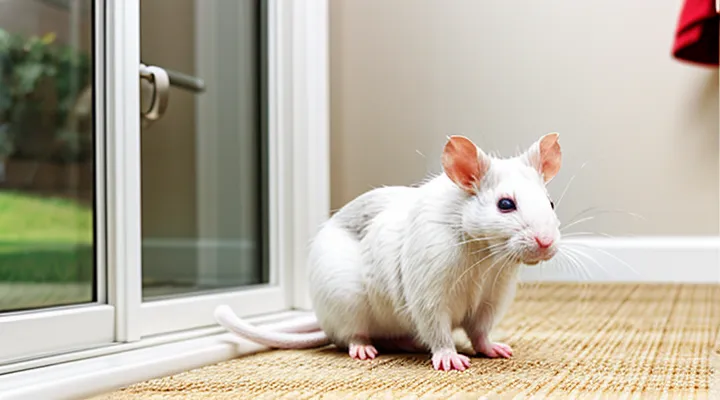
Anatomy and Physiology of the White Domestic Rat
Physical Characteristics
Size and Weight
The white domestic rat typically reaches a head‑body length of 20–25 cm, with the tail adding an additional 15–20 cm. Adult weight varies between 250 g and 350 g, although individuals bred for research may fall outside this range. Males generally exceed females by 10–20 g, reflecting modest sexual dimorphism.
Factors influencing size and weight include:
- Age: newborns weigh 5–7 g; rapid growth occurs during the first eight weeks, after which weight gain slows.
- Nutrition: high‑protein diets accelerate growth, while calorie restriction reduces final body mass.
- Genetics: selective breeding for specific traits can produce rats as light as 150 g or as heavy as 500 g.
- Health status: disease or stress can cause weight loss of up to 30 % of normal adult mass.
Measurements taken under standardized laboratory conditions show a strong correlation (r ≈ 0.92) between body length and weight, allowing reliable estimation of one metric from the other.
Fur Color and Texture
White domestic rats kept as pets display a distinct coat that is uniformly pale, ranging from bright white to a soft off‑white hue. The coloration results from the lack of melanin, producing a pink or red eye appearance in true albinos and a lighter, sometimes slightly creamy, shade in rats bred for a white coat without full albinism. Minor pigment spots may occur on the ears, tail, or paws, but the dominant visual impression remains a solid, light background.
The fur itself is short, fine, and densely packed, giving the animal a smooth, velvety feel. The hair shafts lie close to the skin, reducing drag and facilitating efficient thermoregulation. Texture remains consistent across the body, with slightly longer, softer hairs around the neck and flank regions that enhance tactile sensitivity. Regular grooming maintains coat integrity; excessive shedding or a coarse texture can indicate health issues such as dermatological infections or nutritional deficiencies.
Key aspects of coat appearance:
- Uniform pale coloration, typically pure white or creamy white
- Pink or red irises in fully albino individuals
- Short, fine, densely arranged hair fibers
- Soft, slightly longer guard hairs on neck and flanks
- Consistent texture throughout the body, indicating proper health
These characteristics provide a reliable visual marker for breed identification and health assessment in pet rat populations.
Tail Features
The white domestic rat possesses a tail that is proportionally long, typically matching the body length or extending slightly beyond it. The tail is covered with fine, sparse hair, giving it a smooth appearance, while the ventral side is often hairless and exhibits a pinkish hue due to underlying blood vessels. Muscular control allows the tail to flex, providing balance during rapid movement and climbing.
Key characteristics include:
- Length: 10–15 cm, comparable to the combined head‑body measurement.
- Diameter: 0.5–1 cm, tapering toward the tip.
- Surface texture: Sparse dorsal hair; ventral skin is smooth and moist.
- Coloration: Predominantly pink or light gray, reflecting the animal’s overall coat color.
- Sensory function: Numerous mechanoreceptors detect pressure and vibration, contributing to spatial awareness.
- Thermoregulation: Vascularized skin assists in dissipating heat, especially in warm environments.
Variations may arise from genetics, age, or health status. A healthy tail displays uniform coloration, flexible movement, and absence of lesions. Swelling, ulceration, or loss of hair may indicate injury or disease, warranting veterinary assessment.
Eye and Ear Characteristics
The white domestic rat displays distinctive ocular and auditory anatomy that supports its status as a widely used laboratory model.
Its eyes are proportionally large, providing a wide field of vision. The cornea is clear, and the iris exhibits a pale pink to red hue due to the lack of pigmentation. Pupils are round and reactive, constricting rapidly under bright light and dilating in low illumination. The retinal architecture consists of a high density of rod cells, enhancing sensitivity to dim conditions, while cone cells are fewer, reflecting limited color discrimination. Tear production is moderate, maintaining corneal moisture without excessive secretion.
Auditory structures are adapted for high-frequency detection. External ears (pinnae) are small, rounded, and covered with fine fur, reducing noise interference. The ear canal leads to a well‑developed tympanic membrane that vibrates efficiently. Middle‑ear ossicles are robust, transmitting sound waves to the inner ear with minimal loss. The cochlea contains an expanded basal turn, allowing detection of frequencies up to 80 kHz, far beyond human hearing range. Vestibular apparatuses are proportionally large, contributing to precise balance and rapid locomotion.
Key characteristics:
- Large, clear eyes with a pink/red iris and reactive pupils
- Retina dominated by rods, optimized for low‑light vision
- Small, fur‑covered pinnae minimizing external noise
- Strong tympanic membrane and middle‑ear bones for efficient sound transmission
- Cochlear specialization for ultrasonic frequencies (up to 80 kHz)
- Enlarged vestibular system supporting agile movement
These ocular and auditory traits enable the white domestic rat to navigate complex environments, respond quickly to stimuli, and serve effectively in sensory research.
Internal Systems
Digestive System
The white domestic rat possesses a compact digestive tract adapted for omnivorous feeding. The system processes a wide range of nutrients while maintaining high turnover rates essential for rapid growth and reproduction.
Key anatomical components include:
- Oral cavity with incisors and molars designed for gnawing and grinding.
- Esophagus lined with stratified squamous epithelium, facilitating swift bolus transport.
- Stomach divided into fundus and pyloric regions, secreting hydrochloric acid and pepsin for protein denaturation.
- Small intestine (duodenum, jejunum, ileum) featuring villi and microvilli that expand absorptive surface area.
- Pancreas delivering digestive enzymes (amylase, lipase, proteases) and bicarbonate to neutralize gastric acidity.
- Liver producing bile for lipid emulsification; bile ducts connect to the duodenum.
- Large intestine (caecum, colon, rectum) housing fermentative microbes that degrade fiber and synthesize short‑chain fatty acids.
Physiological traits reflect efficiency:
- Gastric emptying occurs within 30–45 minutes after ingestion, enabling frequent feeding cycles.
- Intestinal transit time averages 3–4 hours, balancing nutrient absorption with waste elimination.
- Enzyme activity peaks at body temperature (~38 °C), supporting rapid substrate breakdown.
- Caecal fermentation contributes up to 15 % of daily caloric intake from otherwise indigestible carbohydrates.
Dietary management for laboratory or pet populations emphasizes balanced protein (15–20 % of diet), moderate fat (5–10 %), and fiber (5 %) levels to sustain optimal gut health and prevent dysbiosis. Continuous monitoring of feed composition and waste output provides reliable indicators of digestive performance in this species.
Respiratory System
The respiratory system of the common laboratory rat (Rattus norvegicus) consists of a nasal cavity, trachea, bronchi, and paired lungs. Air enters through the nares, passes the highly vascularized olfactory epithelium, and is warmed and humidified before reaching the larynx. The trachea, supported by C‑shaped cartilage rings, divides into primary bronchi that branch into secondary and tertiary bronchi, forming a bronchial tree that distributes air throughout the lung parenchyma.
Lung architecture includes a dense network of alveolar sacs surrounded by a thin interalveolar septum. The septal barrier, composed of type I and type II pneumocytes, facilitates gas exchange while maintaining surface tension through surfactant production. Pulmonary capillaries closely appose alveolar walls, allowing diffusion of oxygen into arterial blood and removal of carbon dioxide.
Key physiological parameters:
- Resting respiratory rate: 70–115 breaths per minute.
- Tidal volume: approximately 0.2 mL per gram of body weight.
- Minute ventilation: 150–200 mL kg⁻¹ min⁻¹.
Regulatory mechanisms involve chemoreceptor detection of arterial pCO₂ and pO₂, triggering adjustments in ventilation via the brainstem respiratory centers. The diaphragm and intercostal muscles provide the primary contractile force for inspiration; relaxation of these muscles generates passive expiration.
Common respiratory pathologies observed in this species include bacterial pneumonia, viral infections (e.g., Sendai virus), and chronic obstructive changes induced by prolonged exposure to irritants. Histological examination often reveals inflammatory infiltrates, alveolar edema, and epithelial hyperplasia.
Understanding these anatomical and functional characteristics is essential for interpreting experimental outcomes that involve respiratory physiology, toxicology, or disease models in this rodent species.
Circulatory System
The circulatory system of the white laboratory rat consists of a four‑chambered heart, a closed network of arteries, veins, and capillaries, and blood containing erythrocytes, leukocytes, platelets, and plasma. The left ventricle generates systemic pressure, while the right ventricle supplies pulmonary circulation. Arterial walls are thick and elastic, allowing rapid pulse propagation; venous walls are thinner, facilitating blood return to the heart aided by skeletal muscle contractions.
Key physiological parameters include:
- Resting heart rate: 300–400 beats min⁻¹.
- Mean arterial pressure: 80–100 mm Hg.
- Cardiac output: approximately 0.15 L min⁻¹ per kilogram of body mass.
- Blood volume: 6–7 % of body weight.
Regulatory mechanisms involve autonomic nervous control, baroreceptor feedback, and hormonal modulation (e.g., renin‑angiotensin system). The capillary exchange surface area, averaging 0.5 m² per gram of tissue, supports efficient nutrient delivery and waste removal across all organ systems.
Nervous System
The white domestic rat possesses a highly developed nervous system that supports rapid sensory processing, precise motor coordination, and complex behavioral patterns. Central structures include a proportionally large cerebral cortex, well‑differentiated hippocampus, and extensive basal ganglia, enabling sophisticated learning and memory functions. The brainstem contains distinct nuclei governing autonomic regulation, while the cerebellum exhibits dense Purkinje cell layers for fine‑tuned motor control.
Peripheral components consist of a dense network of myelinated and unmyelinated fibers that transmit signals between the central nervous system and the body. Sensory ganglia house cell bodies for tactile, nociceptive, and proprioceptive afferents, whereas spinal cord ventral horns contain motor neurons that innervate skeletal musculature. Autonomic ganglia mediate sympathetic and parasympathetic pathways, influencing visceral organ activity.
Key anatomical and functional features:
- Cerebral cortex: expanded layers II–VI, high neuron density, prominent barrel fields for whisker input.
- Hippocampus: well‑organized CA1–CA3 regions, robust neurogenesis in the dentate gyrus.
- Cerebellum: extensive foliation, elevated Purkinje cell count, precise timing of motor output.
- Spinal cord: enlarged dorsal columns for somatosensory transmission, thick ventral roots for motor output.
- Peripheral nerves: mixed bundles with high conduction velocity, abundant Schwann cell support.
These characteristics make the white laboratory rat a valuable model for neurophysiological research, pharmacological testing, and studies of neural development and disease.
Behavioral Traits and Temperament
Social Behavior
Group Dynamics
White domestic rats form stable social groups that exhibit a clear dominance hierarchy. The hierarchy is established through brief aggressive encounters, after which subordinate individuals accept lower rank and reduce confrontational behavior. Dominant rats gain priority access to food, nesting sites, and preferred resting positions, while subordinates adjust their activity patterns to avoid conflict.
Communication within the group relies on multimodal signals. Ultrasonic vocalizations accompany aggressive or affiliative interactions, providing rapid feedback on intent. Scent marking with glandular secretions reinforces individual identity and rank, allowing members to recognize each other without direct contact. Tactile grooming serves both hygienic and affiliative functions, strengthening bonds between compatible partners.
Key aspects of group dynamics include:
- Hierarchical structuring through brief, decisive contests.
- Ultrasonic and olfactory signaling for status and recognition.
- Reciprocal grooming that reduces stress and promotes cohesion.
- Spatial segregation where dominant rats occupy central nest zones.
- Reproductive suppression of lower‑ranking females in crowded colonies.
These mechanisms enable white domestic rats to maintain organized colonies, optimize resource distribution, and minimize prolonged aggression, thereby supporting overall health and reproductive efficiency.
Communication Methods
White domestic rats employ a multimodal communication system that enables rapid information exchange within colonies. Vocal output, tactile cues, chemical signals, and visual displays each convey specific messages about social status, threat perception, and environmental conditions.
Rats produce audible squeaks and chirps ranging from 1 kHz to 10 kHz. Low‑frequency calls accompany aggression or distress, while higher‑frequency chirps signal excitement or contact seeking. These sounds are emitted through the larynx and travel several meters in typical housing environments.
Ultrasonic emissions extend beyond the human hearing range, reaching 20–80 kHz. Frequency‑modulated sweeps accompany mating behavior, territorial marking, and mother‑infant bonding. Playback experiments demonstrate that conspecifics respond with immediate approach or avoidance, confirming the functional relevance of these frequencies.
Chemical communication relies on pheromones released from the anal gland, urine, and saliva. Volatile compounds encode information about reproductive state, individual identity, and dominance hierarchy. Detection occurs via the vomeronasal organ, triggering behavioral adjustments such as increased grooming or aggression.
Tactile interaction occurs through direct body contact, grooming, and whisker‑mediated exploration. Grooming exchanges reinforce social bonds and reduce stress. Whisker contact provides spatial feedback during navigation and facilitates recognition of familiar individuals.
Visual cues include ear position, tail posture, and body orientation. Flattened ears and a lowered tail indicate submission, whereas erect ears and a raised tail signal alertness or aggression. Rapid body shifts convey threat levels without vocalization.
Key communication methods
- Audible vocalizations (squeaks, chirps) – convey distress, excitement, social intent.
- Ultrasonic calls – mediate mating, territorial, and maternal interactions.
- Pheromonal signals – transmit reproductive status, identity, hierarchical rank.
- Tactile grooming and whisker contact – strengthen social bonds, provide spatial information.
- Visual postures – express dominance, submission, and alertness.
Intelligence and Trainability
Problem-Solving Abilities
White laboratory rats demonstrate rapid acquisition of spatial tasks, indicating robust problem‑solving capacity. In maze experiments, subjects reach criterion performance within a few sessions, retain the solution after delays, and adapt quickly when the goal location is altered.
Performance metrics reveal flexibility:
- Reversal learning: rats abandon a previously reinforced path and select an alternative route after a single error.
- Detour solving: when a direct path is blocked, individuals explore peripheral routes and persist until the obstacle is bypassed.
- Novel object manipulation: rats learn to push, pull, or lift objects to obtain hidden food, adjusting grip and force based on object weight.
Tool‑use trials confirm the ability to incorporate external items into problem‑solving strategies. In a water‑escape task, rats retrieve a floating platform by dragging a weighted stick into the water, demonstrating causal reasoning and motor planning.
Social contexts enhance learning efficiency. Observers acquire maze solutions after watching a demonstrator, reducing trial numbers by up to 70 %. This transmission persists across generations of naïve individuals, indicating that problem‑solving knowledge can be culturally propagated within rat colonies.
Learning Capabilities
White domestic rats with a white coat are widely used in scientific research due to their high adaptability and robust cognitive performance. Their neural architecture supports rapid acquisition of new tasks, making them exemplary subjects for studying learning processes.
Key learning capabilities include:
- Operant conditioning: swift response to reinforcement schedules, enabling precise measurement of reward‑based behavior.
- Spatial navigation: efficient use of distal cues in maze environments, reflecting strong hippocampal function.
- Social learning: observation of conspecifics leads to replication of problem‑solving strategies without direct reinforcement.
- Habituation: rapid decrease in response to repeated non‑threatening stimuli, indicating efficient sensory filtering.
- Discrimination learning: ability to differentiate between subtle variations in visual, auditory, or olfactory cues.
These capacities allow researchers to model memory formation, decision‑making, and neuroplasticity with high reproducibility. The combination of sensory acuity and flexible cognition positions the white domestic rat as a reliable indicator of learning mechanisms across mammalian species.
Activity Patterns
Nocturnal vs. Diurnal Habits
The albino laboratory rat exhibits a predominantly nocturnal activity pattern. Peak locomotion, foraging, and social interactions occur during the dark phase, with activity levels three to five times higher than during daylight. Light exposure suppresses movement, leading to reduced exploration and grooming.
Key characteristics of nocturnal behavior include:
- Elevated wheel-running and open‑field activity between 18:00 and 06:00.
- Increased consumption of standard chow and water during night hours.
- Heightened responsiveness to olfactory and auditory cues in low‑light conditions.
- Predominant use of shelter and nesting material throughout daylight.
When forced into a diurnal schedule—by reversing the light‑dark cycle or providing continuous illumination—rats adjust their circadian rhythm but display measurable physiological stress. Diurnal adaptation results in:
- Lower overall activity, with peak movements shifted to the light period but reduced in magnitude.
- Decreased food intake and slower weight gain compared to nocturnal counterparts.
- Altered hormone secretion patterns, notably reduced melatonin peaks and elevated corticosterone during the day.
- Impaired performance in learning tasks that rely on visual cues, reflecting reduced visual acuity under bright conditions.
Comparative summary:
| Aspect | Nocturnal (natural) | Diurnal (forced) |
|---|---|---|
| Activity level | High, concentrated at night | Moderate, dispersed daytime |
| Feeding pattern | Night‑focused, larger meals | Daytime, smaller, fragmented meals |
| Hormonal rhythm | Robust melatonin surge at night | Attenuated melatonin, elevated daytime corticosterone |
| Stress indicators | Baseline corticosterone | Elevated corticosterone, increased heart rate variability |
| Cognitive performance | Optimal in maze tasks under low light | Diminished in visually dependent tasks |
Understanding these distinctions informs experimental design, housing conditions, and welfare protocols for research involving white domestic rats. Adjusting light cycles to align with the species’ innate nocturnality minimizes stress and preserves physiological integrity.
Play Behavior
The white domestic rat exhibits a distinct repertoire of play that emerges shortly after weaning and peaks during the juvenile period. Play activities are observable in both solitary and group settings and serve as a reliable indicator of welfare and neurological development.
Typical play behaviors include:
- Chasing and rapid darting across the cage floor
- Wrestling bouts involving reciprocal biting, rolling, and pinning
- Object manipulation such as biting, tossing, and carrying small items
- Tunnel exploration and mock‑burrowing that mimic natural foraging
Play frequency declines with age, stabilizing at low levels in adulthood. Environmental factors that enhance play expression comprise ample space, enrichment objects, and stable social groups. Conversely, high stocking densities, lack of stimuli, or chronic stress suppress play engagement.
Researchers quantify rat play using standardized ethograms, video recordings, and scoring systems that record bout duration, frequency, and intensity. Data derived from these measures inform studies on learning, memory, and the impact of pharmacological agents on social behavior.
Overall, play behavior in the white domestic rat provides a measurable window into the animal’s cognitive and emotional state, supporting both humane husbandry practices and experimental validity.
Health and Lifespan Considerations
Common Health Issues
Respiratory Illnesses
White domestic rats commonly used in research and as pets exhibit specific respiratory vulnerabilities that reflect their anatomical and physiological traits. The compact skull, short nasal passages, and high metabolic rate create conditions conducive to pathogen colonization and airway inflammation.
Clinical presentation includes nasal discharge, audible wheezing, labored breathing, and reduced activity. Early detection relies on visual assessment of respiratory effort and auscultation for abnormal sounds. Laboratory confirmation typically involves culture of nasal swabs, polymerase chain reaction testing, or radiographic imaging to identify underlying agents.
Common respiratory pathogens affecting these rodents are:
- Mycoplasma pulmonis – chronic infection, often accompanied by otitis media and sinusitis.
- Streptococcus pneumoniae – acute pneumonia with rapid onset of fever and lethargy.
- Sendai virus – highly contagious, causing interstitial pneumonia and secondary bacterial infections.
- Pseudomonas aeruginosa – opportunistic infection in immunocompromised individuals, leading to severe bronchopneumonia.
Preventive measures emphasize environmental control: maintain humidity between 40‑60 %, ensure proper ventilation, and keep cage bedding dry. Quarantine new arrivals for at least two weeks, and implement routine health screening to reduce carrier prevalence. Antibiotic therapy should be guided by susceptibility testing; empirical use of tetracyclines or macrolides may be appropriate for mycoplasmal infections, while beta‑lactam agents are effective against many bacterial pneumonias.
Management of affected rats includes supportive care—temperature regulation, humidified oxygen, and nutritional supplementation—to promote recovery. Monitoring should continue for at least three weeks post‑treatment to detect relapse or secondary complications.
Tumors and Cancers
The albino laboratory rat serves as a primary model for studying neoplastic processes. Its genetic uniformity and well‑characterized physiology enable reproducible observations of tumor development, progression, and response to therapeutics.
Spontaneous tumor incidence in this strain includes:
- Mammary adenocarcinomas, frequently observed in females after six months of age.
- Hepatocellular carcinoma, associated with chronic exposure to hepatotoxins.
- Pulmonary adenomas, appearing in both sexes as a function of age.
- Lymphomas, arising primarily in the thymus and spleen of older individuals.
Experimental induction of cancers relies on established protocols:
- Chemical carcinogens (e.g., N‑nitrosodiethylamine, methylcholanthrene) administered via diet or injection to provoke organ‑specific tumors.
- Genetic manipulation, such as transgenic expression of oncogenes (e.g., KRAS, MYC) or knockout of tumor suppressor genes (e.g., p53), to generate genetically defined neoplasms.
- Radiation exposure, delivering targeted doses to induce sarcomas or gliomas.
Key biological attributes that affect tumor biology in this model include:
- Short lifespan, allowing rapid observation of tumor latency and survival outcomes.
- High reproductive rate, facilitating large cohort studies with statistical power.
- Well‑documented immunological profile, supporting investigations of immunotherapy and tumor‑immune interactions.
Data derived from the albino domestic rat have informed risk assessment, drug screening, and mechanistic insights applicable to human oncology. Continuous refinement of dosing regimens, imaging techniques, and molecular endpoints enhances the translational relevance of findings obtained from this species.
Dental Problems
The white domestic rat possesses continuously growing incisors that require constant wear through gnawing. Failure to maintain proper tooth length leads to a range of dental disorders.
Typical dental conditions include:
- Malocclusion, where incisors fail to meet correctly
- Overgrown incisors, resulting in curvature or protrusion
- Crown fractures caused by hard objects
- Periodontal disease affecting the supporting structures
- Abscess formation secondary to tooth injury
Primary contributors are inadequate chewing material, genetic predisposition, and dietary imbalances. Soft diets reduce natural abrasion, while excessive calcium or vitamin D can alter enamel integrity.
Observable signs consist of difficulty eating, weight loss, drooling, facial swelling, and abnormal head posture. Progressive cases may produce visible tooth elongation or visible cracks.
Veterinary assessment relies on oral examination, radiography, and, when necessary, sedation to evaluate tooth length and root health. Treatment protocols involve trimming overgrown incisors, extracting fractured teeth, and administering antibiotics for infections. Analgesics and supportive nutrition are essential during recovery.
Preventive measures focus on providing sufficient chewable objects, maintaining a high-fiber diet, and conducting regular oral inspections. Early identification of abnormal tooth growth reduces the likelihood of severe complications.
Lifespan and Longevity
Average Lifespan
White domestic rats that are bred for laboratory or pet use typically live between two and three years under optimal conditions. In controlled environments, most individuals reach the upper end of this range, with a median lifespan of roughly 2.5 years.
Key factors influencing longevity include:
- Genetic background: albino strains often exhibit slightly shorter lifespans than pigmented varieties.
- Housing quality: clean cages, adequate ventilation, and enrichment reduce stress‑related mortality.
- Nutrition: balanced diets rich in protein and essential vitamins support healthy growth and organ function.
- Health care: routine veterinary checks and prompt treatment of respiratory or gastrointestinal infections extend life expectancy.
In wild populations, average lifespan drops dramatically, rarely exceeding six months due to predation, disease, and resource scarcity.
Factors Affecting Lifespan
White pet rats typically live between two and three years, but individual longevity varies widely due to multiple interacting factors.
- Genetic background – Inbred lines often exhibit shorter lifespans than outbred populations because of reduced genetic diversity and the prevalence of hereditary disorders.
- Nutrition – Balanced diets rich in protein, essential fatty acids, vitamins, and minerals support organ function and immune competence; excessive fat or low‑quality feed accelerates metabolic disease.
- Housing conditions – Adequate space, proper ventilation, and clean bedding reduce exposure to pathogens and respiratory stressors. Overcrowding and high humidity increase infection risk.
- Health management – Routine veterinary examinations, timely vaccinations, and prompt treatment of injuries or illnesses prevent complications that can truncate life expectancy.
- Stress levels – Chronic stress from loud noises, frequent handling by unfamiliar people, or predator cues triggers cortisol release, impairing immune response and hastening age‑related decline.
- Reproductive status – Breeding females experience higher mortality rates due to gestational strain and lactation demands; neutered individuals generally enjoy longer, healthier lives.
- Environmental enrichment – Access to chewable objects, tunnels, and opportunities for social interaction promotes mental stimulation, reducing stereotypic behaviors that correlate with reduced lifespan.
Optimizing these variables through careful breeding selection, high‑quality nutrition, stable environments, and proactive health care extends the average lifespan of white domestic rats and improves overall welfare.
Genetics and Breeding
Genetic Origins
Albinism in Rats
Albinism in rats results from mutations that disrupt melanin synthesis, most commonly in the tyrosinase gene. The mutation blocks the enzymatic conversion of tyrosine to melanin, producing a phenotype lacking pigment.
Rats with albinism display:
- Pure white coat
- Pink or red irises due to visible blood vessels
- Heightened sensitivity to light because retinal pigmentation is absent
These characteristics affect visual acuity; albino individuals often exhibit reduced contrast detection and slower adaptation to changes in illumination. Exposure to ultraviolet radiation can cause skin lesions and increase the risk of ocular cataracts.
Inheritance follows an autosomal recessive pattern. Two carriers produce a 25 % probability of albino offspring per litter, while carriers themselves appear phenotypically normal. Colony management requires genotyping or visual screening to maintain desired ratios and to avoid inadvertent proliferation of the trait when it interferes with experimental protocols.
In biomedical research, albino rats serve as models for studies of vision, dermatology, and genetic disorders involving melanin pathways. Their lack of pigment simplifies certain imaging techniques and facilitates the assessment of drug effects on ocular structures.
Selective Breeding Practices
Selective breeding of white domestic rats focuses on stabilizing the albino phenotype while enhancing desirable physical and behavioral traits. Breeders employ controlled matings to reinforce the recessive allele responsible for lack of pigment, ensuring successive litters display the characteristic pink eyes and white coat. Genetic testing confirms the presence of the tyrosinase mutation, eliminating carriers that could introduce pigmentation anomalies.
The breeding program emphasizes three core objectives:
- Uniform coat coloration – pairings are chosen to produce offspring with consistent fur tone, minimizing stray gray or brown patches.
- Body conformation – selection favors a balanced skeletal structure, moderate size, and well‑developed musculature, aligning with standards used in laboratory and pet markets.
- Temperament – individuals exhibiting calm, inquisitive behavior are retained, while aggressive or excessively shy rats are excluded.
Health management integrates pedigree analysis to avoid inbreeding depression. Coefficient of inbreeding (COI) calculations guide pair selection, maintaining COI below 6 % in most programs. Regular health screenings detect common issues such as dwarfism, cataracts, and respiratory infections, allowing breeders to remove affected lines promptly.
Record‑keeping is mandatory. Detailed logs capture parentage, litter size, phenotypic observations, and genetic test results. This documentation supports traceability, facilitates compliance with animal welfare regulations, and provides data for ongoing refinement of breeding strategies.
By adhering to these practices, breeders produce white rats that meet stringent visual, structural, and behavioral criteria while preserving overall vitality and genetic diversity.
Common Breeds and Varieties
Standard Rat
The standard rat serves as the reference model for describing the attributes of the white domestic variety. Its anatomical structure includes a robust skull, sharp incisors, and a flexible spine that enables rapid locomotion. Muscular development supports strong forelimb grip, while the tail provides balance during climbing.
Physiological traits comprise a high metabolic rate, efficient thermoregulation, and a well‑developed olfactory system. Reproductive capacity is notable, with a gestation period of approximately 21 days and litter sizes ranging from six to twelve offspring. Growth curves show steady weight gain, reaching adult mass between 250 g and 350 g under standard laboratory conditions.
Behavioral patterns are characterized by:
- Strong exploratory drive in novel environments
- Social hierarchy formation within groups
- Consistent nocturnal activity peaks
- Rapid habituation to repeated stimuli
Genetic composition is homogeneous across laboratory colonies, providing a stable baseline for comparative studies. The genome is fully sequenced, facilitating targeted gene manipulation and phenotypic analysis.
Environmental requirements include controlled temperature (20–24 °C), humidity (45–55 %), and a diet of balanced pellets supplemented with fresh water. Housing standards mandate enrichment items to promote natural foraging and nesting behaviors, reducing stress and enhancing experimental reliability.
Dumbo Rat
The Dumbo rat is a distinctive phenotype of the white domestic rat, recognized primarily by its unusually large, low‑set ears that give the animal a “floppy‑ear” appearance. This morphological trait results from a spontaneous mutation affecting cartilage development in the auricular region.
- Ear size: approximately double the length of typical white rat ears; cartilage is softer, allowing a pendulous position.
- Coat: albino, pink‑eyed, with a smooth, short fur covering the entire body.
- Skull: slightly broader cranial vault to accommodate enlarged auditory structures.
- Tail: standard length and taper, identical to that of conventional white laboratory rats.
Genetically, the Dumbo phenotype is autosomal recessive; homozygous individuals express the ear enlargement, while heterozygotes appear phenotypically normal. The mutation does not interfere with other major developmental pathways, allowing normal growth rates and reproductive performance comparable to standard white rats.
Behaviorally, Dumbo rats exhibit typical rodent activity patterns: nocturnal foraging, social grooming, and exploratory behavior. Auditory sensitivity is marginally reduced due to altered ear morphology, but does not affect overall health or suitability for most experimental protocols.
In biomedical research, Dumbo rats serve as a visual marker for genetic studies, breeding programs, and phenotypic screening. Their conspicuous ear phenotype simplifies identification of genotype in mixed colonies, reducing handling time and error rates during experimental procedures.
Hairless Rat
The hairless rat represents a distinct phenotype within the population of white domestic rats, distinguished by the absence of a protective fur coat. This condition results from a genetic mutation affecting keratin development, producing a smooth, exposed skin surface.
Physical traits include:
- Minimal to no visible fur, exposing pink or pigmented skin.
- Increased susceptibility to temperature fluctuations; thermoregulation relies on external heat sources.
- Pronounced vascularization of the skin, giving a reddish hue in areas with thin epidermis.
- Slightly altered body weight distribution due to reduced insulation.
Health considerations focus on preventing dermal irritation and infection. The exposed skin requires regular cleaning to remove debris and moisture buildup. Topical emollients can maintain skin integrity, while environmental humidity should be controlled to avoid excessive dryness or fungal growth.
Care protocols demand:
- Ambient temperature maintained between 22 °C and 26 °C.
- Bedding composed of low‑dust, non‑abrasive material.
- Daily inspection for lesions, with immediate treatment of any breaches.
- Nutritional supplementation with omega‑3 fatty acids to support skin health.
Reproductive aspects differ from fur‑bearing counterparts. The mutation follows an autosomal recessive inheritance pattern; breeding pairs must both carry the allele to produce offspring displaying the hairless trait. Litter sizes tend to be slightly smaller, and neonatal mortality can increase if thermal conditions are not optimal.
In research settings, hairless rats serve as valuable models for dermatological studies, wound healing, and transdermal drug delivery. Their transparent skin permits direct observation of vascular and cellular responses without the confounding factor of fur. Consequently, they provide a streamlined platform for experiments requiring precise monitoring of cutaneous processes.
Care and Husbandry Peculiarities
Housing Requirements
Cage Size and Enrichment
A white domestic rat requires a cage that provides sufficient horizontal space for movement, climbing, and exploration. Minimum floor dimensions of 100 cm × 60 cm accommodate a single adult, while a pair needs at least 120 cm × 80 cm. Height should reach 45–60 cm to allow the placement of vertical structures such as ladders and platforms.
The cage floor must be solid or covered with a safe, absorbent substrate; wire flooring alone can cause foot injuries. Bar spacing should not exceed 12 mm to prevent escape and entrapment. Secure locks and sturdy construction are essential for safety.
Enrichment enhances physical health and mental stimulation. Effective items include:
- Multi‑level platforms and ramps constructed from untreated wood or acrylic.
- chew‑resistant toys (e.g., wooden blocks, natural fiber ropes) to satisfy gnawing instinct.
- tunnels and PVC tubes of appropriate diameter for burrowing behavior.
- hanging hammocks or fabric pads positioned at varying heights.
- foraging opportunities such as scatter‑fed pellets or hidden treats within puzzle containers.
Regular rotation of enrichment objects prevents habituation. Clean all accessories weekly, replace worn items promptly, and monitor the cage for signs of stress or injury. Maintaining these standards supports optimal wellbeing for the species.
Bedding Materials
Bedding serves as the primary substrate for a white domestic rat’s enclosure, influencing hygiene, thermoregulation, and comfort. Appropriate selection reduces the risk of respiratory irritation, minimizes waste accumulation, and supports natural digging behavior.
Common options include:
- Paper‑based bedding – high absorbency, low dust, biodegradable; ideal for sensitive respiratory systems.
- Aspen shavings – moderate absorbency, low aromatic oils compared with pine; suitable for odor control but produces more particulate matter.
- Hemp fibers – excellent moisture wicking, minimal dust, renewable; relatively costly but long‑lasting.
- Corncob pellets – high absorbency, compact storage; may fragment into fine particles that can irritate the nasal passages.
- Coconut husk (coir) – breathable, low dust, natural antifungal properties; slower to absorb liquid, requiring frequent changes.
Selection criteria:
- Dust content – keep airborne particles below 0.5 mg/m³ to prevent respiratory inflammation.
- Absorbency rate – aim for a minimum of 30 g water per 100 g material to control humidity.
- Chemical neutrality – avoid aromatic oils and synthetic fragrances that can trigger allergic responses.
- Ease of cleaning – materials that clump when wet simplify spot cleaning and reduce enclosure turnover time.
- Cost efficiency – balance upfront expense with replacement frequency; high‑absorbency products often extend change intervals.
For optimal welfare, combine a low‑dust, high‑absorbency base (paper or hemp) with a secondary layer of coarser substrate (aspen or coconut husk) to encourage nesting while maintaining cleanliness. Regular monitoring of odor, moisture, and bedding integrity ensures the environment remains conducive to health and natural behavior.
Dietary Needs
Nutritional Requirements
The white laboratory rat requires a diet that supplies energy, growth, reproduction, and maintenance of physiological functions. Formulated rodent chow meets these needs when it contains appropriate proportions of macronutrients and essential micronutrients.
- Protein: 18–22 % of diet, derived from casein, soy, or fish meal; provides amino acids for tissue synthesis.
- Fat: 4–6 % of diet, sources include soybean oil and lard; supplies essential fatty acids and concentrates calories.
- Carbohydrate: 50–55 % of diet, primarily corn starch and wheat flour; serves as the primary energy substrate.
- Fiber: 4–5 % of diet, supplied by cellulose or beet pulp; promotes gastrointestinal motility and cecal fermentation.
- Vitamins: A, D3, E, K, B‑complex (including thiamine, riboflavin, niacin, B6, B12, folic acid, pantothenic acid), and choline; prevent deficiency disorders and support metabolic pathways.
- Minerals: calcium, phosphorus, magnesium, potassium, sodium, chloride, iron, zinc, copper, manganese, selenium; maintain electrolyte balance, bone integrity, and enzymatic activity.
- Water: unrestricted access to clean, fresh water; essential for digestion, thermoregulation, and excretion.
Feeding schedules typically involve ad libitum access to solid feed, allowing self‑regulation of intake. For breeding colonies, increased protein (up to 24 %) and energy density support gestation and lactation. Juvenile rats benefit from a diet with higher digestible protein to accommodate rapid growth. Monitoring body weight and feed consumption ensures nutritional adequacy and early detection of health issues.
Acceptable Foods
The white domestic rat requires a balanced diet that supplies protein, carbohydrates, fats, vitamins, and minerals. Commercial rodent pellets formulated for laboratory or pet rats constitute the primary source of nutrition, delivering consistent nutrient ratios and minimizing deficiencies.
Acceptable foods include:
- Commercial rat pellets (standard or fortified varieties)
- Fresh vegetables: carrots, broccoli, peas, spinach, kale, bell peppers, cucumber
- Fresh fruits in moderation: apple (seedless), banana, blueberries, melon, pear
- Protein supplements: cooked chicken, boiled egg, low‑fat yogurt, mealworms (live or dried)
- Whole grains: oatmeal, brown rice, whole‑wheat pasta, quinoa
- Small amounts of nuts and seeds: unsalted peanuts, pumpkin seeds, sunflower seeds
Feeding guidelines: provide pellets daily, supplement with fresh produce 2–3 times per week, limit fruit to 10 % of total intake, and ensure water is available at all times. Remove uneaten fresh food within a few hours to prevent spoilage.
Environmental Enrichment
Toys and Activities
The white domestic rat benefits from a variety of enrichment items that stimulate its natural behaviors and support physical health.
- Chew blocks made of untreated wood or compressed hay satisfy the animal’s constant need to gnaw, prevent dental overgrowth, and encourage muscular activity in the jaw.
- Tunnels and PVC pipes create three‑dimensional pathways that promote exploration, improve spatial awareness, and provide opportunities for climbing and hiding.
- Hanging ropes, sisal toys, and fabric braids enable grasping and pulling motions, fostering forelimb coordination and strengthening tendons.
Interactive play sessions enhance mental sharpness. Simple games such as target training with a small wooden ball, or teaching the rat to navigate a maze for a food reward, develop problem‑solving skills and reinforce the bond with the caretaker.
Rotating the selection of toys every few days prevents habituation, maintains curiosity, and reduces stress. All items should be inspected regularly for wear, cleaned with mild soap, and replaced when damaged to ensure safety and hygiene.
Social Interaction
White domestic rats (Rattus norvegicus) exhibit complex social structures that facilitate group cohesion and individual wellbeing. Their interactions are governed by a hierarchy, communication signals, and cooperative behaviors that maintain stability within colonies.
In established groups, a dominant individual asserts priority through aggressive displays, such as upright posturing and rapid lunges. Subordinate members respond with retreat or submissive grooming, reinforcing the rank order without constant conflict.
Communication relies on multiple modalities:
- Olfactory cues: Scent marks deposited on bedding and objects convey identity, reproductive status, and territorial boundaries.
- Vocalizations: High‑frequency ultrasonic calls signal alarm, distress, or social invitation, while low‑frequency chirps accompany affiliative contact.
- Tactile contact: Mutual grooming and huddling provide thermoregulation, stress reduction, and reinforce social bonds.
Cooperative activities include:
- Alloparental care: Non‑breeding adults assist in nest construction, pup retrieval, and litter hygiene.
- Resource sharing: Food items are often distributed among group members, especially during periods of scarcity.
- Collective exploration: Groups disperse together when investigating novel environments, reducing individual predation risk.
Social isolation triggers measurable physiological changes, such as elevated corticosterone levels and altered immune function, highlighting the necessity of interaction for health maintenance. Reintroduction after prolonged separation typically involves a gradual acclimation process, during which dominant individuals reestablish hierarchy and subordinate rats adjust behavior accordingly.
Overall, the social dynamics of white domestic rats are characterized by hierarchical organization, multimodal communication, and cooperative behaviors that collectively support colony resilience and individual fitness.
Grooming and Hygiene
Self-Grooming Behavior
Self‑grooming in the white domestic rat is a highly organized series of movements that maintain coat condition, skin health, and thermoregulation. The animal initiates grooming with a rapid head‑to‑body sweep, using its forepaws to clean the face, ears, and whiskers. This phase is followed by a systematic progression along the dorsal surface, where the rat employs alternating forepaw strokes to remove debris and distribute natural oils. Hind‑limb grooming targets the ventral area and the perianal region, ensuring hygiene and reducing parasite load.
Key elements of the behavior include:
- Frequency: Rats groom several times daily, with increased activity during the dark phase when they are most active.
- Duration: Individual grooming bouts last from 30 seconds to several minutes, depending on environmental conditions and stress levels.
- Sequence: The pattern follows a stereotyped order—face → head → fore‑body → back → hind‑body → tail → perianal area—to maximize efficiency.
- Physiological impact: Grooming stimulates cutaneous blood flow, promotes skin turnover, and facilitates thermoregulatory adjustments by spreading secreted sebum across the fur.
Environmental enrichment, such as nesting material and chew objects, supports natural grooming rhythms. Disruption of grooming cycles often signals health issues, including dermatological infections, ectoparasite infestations, or neurological impairment. Monitoring grooming frequency and completeness provides a reliable, non‑invasive indicator of overall well‑being in the albino pet rat.
Owner Assistance
White pet rats with a pure coat require specific environmental and nutritional management to maintain health and wellbeing. Proper enclosure design, diet selection, and regular health monitoring form the foundation of responsible care.
The coat’s lack of pigment makes it more susceptible to sunlight‑induced skin irritation. Provide a shaded area within the cage, use low‑intensity lighting, and avoid direct exposure to natural light. Replace bedding weekly to prevent dust accumulation that can irritate the delicate skin.
These rats exhibit high social activity and curiosity. Offer a variety of enrichment objects—tunnels, chew toys, and climbing structures—to satisfy exploratory behavior. Interact daily with gentle handling to reinforce trust and reduce stress.
Common health concerns include respiratory infections and dental overgrowth. Schedule quarterly veterinary examinations, monitor breathing sounds, and inspect teeth for sharp edges. Supply a constant source of chewable material such as untreated wood blocks to promote natural tooth wear.
Owner actions:
- Clean cage and accessories with mild, unscented disinfectant; rinse thoroughly.
- Provide a balanced diet of high‑quality rodent pellets, fresh vegetables, and occasional protein treats.
- Ensure water is available in a sealed bottle; change daily.
- Observe for changes in activity level, grooming, or appetite; record observations for veterinary review.
- Rotate enrichment items weekly to prevent habituation.
Consistent application of these practices supports the physical condition and behavioral health of a white domestic rat, reducing the likelihood of preventable ailments and enhancing the animal‑owner relationship.