
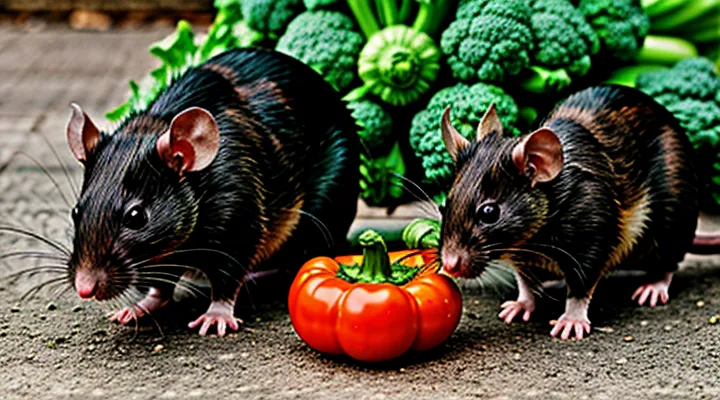
The Rat's Diet: An Overview
Rats thrive on a varied diet that combines protein sources, grains, fruits, and vegetables. Protein supplies muscle maintenance, while grains provide carbohydrates for energy. Fresh produce contributes essential vitamins, minerals, and dietary fiber that support digestion and overall health.
Vegetables offer low‑calorie nutrition, fiber, and micronutrients. Incorporating them helps prevent obesity and promotes gut motility. Choose options that are non‑toxic, low in oxalates, and free of pesticide residues.
- Carrots, sliced or grated
- Bell peppers (all colors)
- Broccoli florets
- Zucchini, raw or lightly steamed
- Spinach, in limited amounts
- Cucumber, seedless
- Kale, chopped
- Sweet potato, cooked and unseasoned
Avoid vegetables that contain harmful compounds or cause digestive upset:
- Raw potatoes and green potato skins (solanine)
- Tomato leaves and stems (solanine)
- Onions, garlic, and leeks (irritants)
- Rhubarb leaves (oxalic acid)
- Avocado flesh (persin)
Provide fresh water daily and introduce new vegetables gradually to monitor tolerance. A balanced regimen that mixes safe vegetables with protein, grains, and occasional fruit ensures optimal health for pet rats.
Safe Vegetables for Rats
Leafy Greens
Spinach: Benefits and Precautions
Spinach is frequently listed among the vegetables suitable for pet rats because it supplies a range of nutrients that complement a standard grain‑based diet. The leaf material is low in calories, high in moisture, and delivers essential vitamins and minerals that support overall health.
Benefits
- Rich source of vitamin A, which contributes to eye function and immune response.
- Provides vitamin K for blood clotting and bone metabolism.
- Supplies folate, aiding cellular division and tissue repair.
- Contains iron and calcium, supporting hemoglobin formation and skeletal strength.
- Offers dietary fiber that promotes gastrointestinal motility.
Precautions
- Oxalate content can interfere with calcium absorption; limit servings to small portions a few times per week.
- Sodium levels may be elevated in commercially packaged spinach; prefer fresh, washed leaves.
- Pesticide residues pose a risk; thorough rinsing or using organic produce reduces exposure.
- Excessive intake can cause loose stools; monitor stool consistency after introduction.
- Introduce gradually, observing the rat for signs of aversion or digestive upset.
When incorporated correctly, spinach enhances a rat’s diet without replacing the core nutritional foundation of pellets and protein sources. Offer no more than a half‑leaf per adult rat, three times weekly, and ensure the vegetable is clean and fresh. This approach maximizes benefits while minimizing potential health concerns.
Kale: Nutritional Value
Kale is a leafy green frequently included among safe vegetable options for pet rats because it supplies a broad spectrum of nutrients essential for growth, immune function, and metabolic health. The plant’s composition supports the dietary requirements of rodents without excessive caloric load.
- Vitamin A (β‑carotene): promotes vision and epithelial integrity.
- Vitamin C: antioxidant, aids in collagen synthesis.
- Vitamin K: necessary for blood clotting and bone metabolism.
- Folate (vitamin B9): supports DNA synthesis and red blood cell formation.
- Calcium: contributes to skeletal strength; levels are moderate compared with other leafy greens.
- Iron: facilitates oxygen transport.
- Fiber: improves gastrointestinal motility and microbiota balance.
- Potassium and magnesium: maintain electrolyte equilibrium.
Rats benefit from the high vitamin content, which compensates for the limited synthesis of certain nutrients in their bodies. The fiber fraction encourages regular bowel movements and helps prevent constipation. However, kale contains oxalates that can interfere with calcium absorption when fed in large quantities. To avoid mineral imbalance, limit servings to 1–2 grams per 100 grams of body weight and rotate with other low‑oxalate greens. Monitoring for signs of urinary crystals is advisable when kale is a regular component of the diet.
Romaine Lettuce: Hydration
Romaine lettuce provides a high water content, typically 95 % of its weight, making it an effective source of hydration for pet rats. The moisture helps maintain fluid balance, supports kidney function, and reduces the need for additional water intake.
Key hydration benefits of romaine lettuce include:
- Rapid absorption: The crisp, leafy texture allows rats to ingest and digest water quickly.
- Electrolyte contribution: Small amounts of potassium and magnesium accompany the water, assisting in electrolyte regulation.
- Temperature regulation: Consuming cool, moist leaves can lower body temperature during warm conditions.
When offering romaine lettuce, present fresh, washed leaves in small portions to avoid overfeeding. Remove any wilted or damaged sections, as they may harbor bacteria. Incorporate the lettuce as part of a balanced diet that also contains protein, fiber, and other vegetables.
Other Safe Leafy Options
Rats tolerate a variety of leafy greens beyond the most common lettuce types. All greens should be fresh, thoroughly washed, and free from pesticides or chemical sprays.
- Romaine lettuce, green leaf lettuce, and butterhead lettuce provide fiber and modest vitamins.
- Kale offers calcium, vitamin C, and antioxidants; serve in small portions to avoid digestive upset.
- Collard greens and mustard greens supply iron and potassium; introduce gradually.
- Arugula delivers a mild peppery flavor and vitamin K; limit to avoid excessive oxalic acid.
- Spinach is safe in limited amounts because of its oxalate content; a few leaves once or twice a week suffice.
- Swiss chard, bok choy, and beet greens contribute magnesium and folate; feed in moderation.
- Dandelion greens, turnip greens, and watercress are nutrient‑dense; include occasionally.
- Fresh parsley and cilantro can be offered as flavor enhancers; keep portions small to prevent toxicity.
When adding these greens, start with a handful per rat per day and observe for any signs of diarrhea or loss of appetite. Rotate varieties to provide balanced nutrition and prevent boredom. Avoid iceberg lettuce, which lacks nutritional value and may cause gastrointestinal distress.
Root Vegetables
Carrots: A Healthy Treat
Carrots are among the vegetables that rats can safely consume, offering a source of vitamins, minerals, and dietary fiber. The root provides beta‑carotene, which the animal converts to vitamin A, supporting vision and immune function. Additional nutrients include potassium, vitamin K, and small amounts of vitamin C.
- Beta‑carotene → vitamin A
- Potassium
- Vitamin K
- Dietary fiber
- Small quantity of vitamin C
When offering carrots, present them raw, washed thoroughly to remove soil and pesticide residues. Cut into bite‑size pieces no larger than a quarter of an inch to prevent choking. Introduce the vegetable gradually, observing the rat’s reaction for signs of digestive upset.
Limit intake to approximately one to two teaspoons per day for an adult rat. Excessive consumption may lead to soft stools or an imbalance of calcium and phosphorus. Combine carrots with a varied selection of other approved vegetables to maintain a balanced diet.
Sweet Potatoes: Cooked Only
Sweet potatoes are a safe vegetable for pet rats only when they are cooked. Raw tubers contain compounds that are difficult for rats to digest and may cause gastrointestinal irritation. Cooking breaks down these substances, making the flesh suitable for consumption.
Cooked sweet potatoes provide fiber, beta‑carotene, vitamin C, and potassium, contributing to a balanced diet. A typical serving for an adult rat should not exceed a quarter of a teaspoon per day, adjusted for size and overall diet composition.
Preparation guidelines:
- Boil, steam, or bake the sweet potato until soft; avoid frying or adding oil.
- Remove the skin, which can be tougher to digest.
- Cool the cooked flesh to room temperature before offering.
- Cut into small, bite‑size pieces to prevent choking.
Cautions:
- Do not give raw sweet potato or its leaves, as they contain potentially harmful oxalates.
- Avoid sweet potatoes seasoned with salt, sugar, or spices.
- Limit frequency to prevent excessive sugar intake, which can lead to obesity or dental issues.
Beets: Moderation is Key
Beets can be included in a rat’s diet, but only in small quantities. The root supplies vitamin C, potassium, and fiber, while the leafy tops add calcium and iron.
Excessive beet consumption may lead to digestive upset, elevated blood sugar, and accumulation of oxalates, which can strain the urinary system. Raw beets retain most nutrients; cooking reduces sugar content but also diminishes some vitamins. Processed products, such as canned beets with added salt or sugar, should be avoided.
Guidelines for serving beets to rats:
- Wash thoroughly; peel if the skin is dirty.
- Offer no more than a ¼‑inch cube of raw beet or a similar-sized piece of cooked beet per feeding.
- Limit to two servings per week.
- Remove any leaves that appear wilted or discolored before serving.
- Observe the rat for signs of diarrhea or changes in urine; discontinue if symptoms appear.
Cruciferous Vegetables
Broccoli: Small Amounts
Broccoli can be included in a rat’s diet, but only in limited quantities. A few small florets, roughly 1–2 grams per 100 g of body weight, provide vitamin C, fiber, and potassium without overwhelming the animal’s digestive system.
- Offer raw or lightly steamed pieces; avoid heavy cooking that destroys nutrients.
- Remove any tough stems, as they are difficult for rats to chew.
- Introduce broccoli gradually, monitoring for signs of gas or diarrhea.
Feeding broccoli more than once or two times per week may cause gastrointestinal upset due to its high fiber and glucosinolate content. Use it as a supplement to a balanced diet of pellets, fresh greens, and occasional fruits. Regular observation ensures the vegetable remains a safe, beneficial addition.
Cauliflower: Cooked and Limited
Cauliflower can be included in a rat’s diet, but only when it is cooked and offered in small amounts. Cooking removes raw cauliflower’s natural compounds that may cause digestive irritation, making it safer for the animal’s gastrointestinal tract.
- Serve only steamed or boiled cauliflower; avoid added salt, butter, or seasonings.
- Limit portions to 1–2 teaspoons per serving, no more than twice a week.
- Ensure the vegetable is cool before offering it to prevent burns.
- Observe the rat for any signs of gas, bloating, or loose stools; discontinue if symptoms appear.
These guidelines keep cauliflower a supplemental treat rather than a staple, preventing nutritional imbalance while providing occasional variety.
Brussels Sprouts: Potential for Gas
Rats can safely consume many vegetables, but Brussels sprouts require careful handling because they contain compounds that may cause excessive intestinal gas.
Brussels sprouts provide fiber, vitamin C, and potassium, all of which support rat health. However, they also contain raffinose and glucosinolates, sugars that gut bacteria ferment, producing carbon dioxide, methane, and hydrogen. In small quantities, the gas is manageable; larger portions can lead to bloating, discomfort, and disrupted digestion.
To reduce gas risk when feeding Brussels sprouts to rats, consider the following practices:
- Offer only 5–10 % of the total diet weight in raw or lightly steamed sprouts.
- Steam briefly (2–3 minutes) to break down raffinose without destroying nutrients.
- Introduce sprouts gradually, monitoring for signs of abdominal distension or altered stool consistency.
- Pair with low‑fiber vegetables such as cucumbers or zucchini to balance overall fiber intake.
When these guidelines are followed, Brussels sprouts can be a nutritious addition without causing significant gastrointestinal upset.
Other Acceptable Vegetables
Bell Peppers: All Colors
Bell peppers are a safe vegetable option for pet rats, regardless of whether they are green, red, yellow, or orange. All color varieties share a similar nutrient profile and can be incorporated into a rat’s diet without risk of toxicity.
The peppers provide high levels of vitamin C, moderate amounts of vitamin A, and a range of antioxidants that support immune function and eye health. Their crisp texture also supplies dietary fiber, which aids digestion and promotes regular bowel movements.
Feeding guidelines:
- Wash the pepper thoroughly to remove pesticide residues.
- Remove stems and seeds before offering the flesh.
- Cut the flesh into bite‑size pieces, approximately ½ inch cubes.
- Introduce a small portion (one or two cubes) to observe tolerance.
- Limit daily intake to no more than 5 % of the rat’s total food volume to maintain a balanced diet.
Regular inclusion of bell peppers, alongside a varied selection of other vegetables, contributes to a nutritionally complete feeding regimen for rats.
Zucchini: Versatile and Safe
Zucchini is a suitable vegetable for pet rats. It provides moisture, fiber, and a modest amount of vitamins A and C, supporting digestive health and immune function. The flesh is soft enough for small rodents to chew without causing dental strain.
When offering zucchini, present it raw or lightly steamed; cooking should not exceed five minutes to preserve nutrients. Remove seeds if they appear large, as they may pose a choking hazard. Slice the vegetable into bite‑size pieces, roughly ½ cm thick, to facilitate handling.
Feeding guidelines:
- Offer 1–2 cm³ of zucchini per rat daily, adjusting volume according to the animal’s size and activity level.
- Introduce the vegetable gradually, observing for any signs of gastrointestinal upset.
- Rotate zucchini with other approved vegetables to ensure a balanced diet.
Zucchini’s low calorie content makes it safe for regular inclusion without risk of obesity. Its high water content also helps maintain hydration, especially when fresh water supplies are limited. Regular monitoring confirms that rats tolerate the vegetable well, confirming its status as a versatile and safe dietary option.
Cucumber: High Water Content
Cucumber is a viable option for rat diets because its composition is dominated by water, typically 95 % of its weight. The high moisture level supports hydration, especially when fresh water sources are limited, and contributes to a light, low‑calorie intake that aligns with the metabolic needs of small rodents.
Nutritional profile includes small amounts of vitamin K, vitamin C, and potassium, while lacking significant fat or protein. This makes cucumber an occasional supplement rather than a primary nutrient source.
Feeding considerations:
- Offer only fresh, washed slices; remove any bruised or wilted sections.
- Limit portions to ¼ – ½ inch thick pieces, no more than two small slices per day for an average‑sized pet rat.
- Avoid canned or pickled cucumbers, which contain added salts and preservatives that can stress renal function.
- Monitor for signs of diarrhea; excessive water intake from cucumber may upset gut balance in some individuals.
Incorporating cucumber alongside other approved vegetables provides variety, promotes hydration, and helps maintain a balanced dietary regimen for pet rats.
Green Beans: Raw or Cooked
Green beans are a viable vegetable choice for pet rats, offered either raw or lightly cooked. Both forms supply fiber, vitamins A and C, and modest protein, contributing to a balanced diet.
Raw green beans retain the highest vitamin content but present a crisp texture that can challenge small teeth. Thorough washing removes surface pesticides; cutting into bite‑size pieces reduces choking risk. Rats accustomed to raw vegetables generally accept small, unseasoned segments without difficulty.
Cooked green beans become softer, easing mastication for younger or dental‑compromised rats. Steaming or blanching for 2–3 minutes preserves most nutrients while eliminating raw fiber hardness. Avoid butter, salt, or sauces; serve plain, cooled portions.
Feeding recommendations:
- Offer 1–2 small pieces (about ½ inch) per rat per day.
- Alternate raw and cooked servings to provide texture variety.
- Introduce gradually; monitor for digestive upset such as loose stools.
- Discard uneaten beans after 30 minutes to prevent spoilage.
Consistent inclusion of green beans, within the broader range of safe vegetables, supports digestive health and nutritional diversity for rats.
Vegetables to Avoid or Feed with Caution
Toxic Vegetables
Onions and Garlic: Absolute No-Go
Onions and garlic are toxic to pet rats and must be excluded from their diet. Both belong to the Allium family and contain thiosulfates that interfere with hemoglobin function. Ingesting even small amounts can trigger hemolytic anemia, characterized by rapid breakdown of red blood cells, leading to weakness, jaundice, and potentially fatal outcomes. The compounds also irritate the gastrointestinal lining, causing vomiting, diarrhea, and abdominal pain.
Symptoms to watch for after accidental exposure include:
- Pale or yellowish mucous membranes
- Lethargy and reduced activity
- Dark urine or blood in stool
- Loss of appetite
There is no safe threshold; cumulative exposure increases risk. If a rat shows any of the listed signs, immediate veterinary care is required. Substitute safe vegetables—such as carrots, bell peppers, broccoli, and cucumber—to provide nutritional variety without the hazards associated with Allium species.
Rhubarb: Oxalic Acid Concerns
Rhubarb contains high levels of oxalic acid, a compound that binds calcium and can cause kidney stones or metabolic disturbances in rodents. When ingested in large quantities, oxalic acid reduces the absorption of essential minerals and may lead to hypocalcemia, muscle tremors, or lethargy. The plant’s leaves concentrate the greatest amount of oxalic acid; even the stalks retain enough to pose a risk if fed regularly.
Safe inclusion of rhubarb in a rat’s diet requires strict limitation:
- Offer only a very small piece of cooked stalk (no more than 1 g for a 200 g adult rat) once a month.
- Avoid raw rhubarb; cooking reduces oxalic acid content by up to 30 %.
- Exclude all leaves and any part of the plant that appears wilted or discolored.
- Monitor the animal for signs of discomfort, reduced activity, or changes in urine color after exposure.
Given the potential for toxicity, many rodent nutrition experts recommend substituting lower‑oxalate vegetables such as carrots, broccoli, or bell peppers for regular feeding. If rhubarb is provided, it should be treated as an occasional treat rather than a staple component of the diet.
Avocado: Persin Toxicity
Avocado contains persine, a fungicidal toxin present in the fruit’s skin, pit, leaves, and bark. Persine interferes with cellular respiration and can cause rapid cardiac failure in small mammals. Laboratory studies demonstrate that doses as low as 0.1 mg persine per kilogram of body weight produce measurable heart muscle damage in rats. Clinical signs after accidental ingestion include:
- Labored breathing
- Irregular heartbeat
- Lethargy progressing to collapse
These effects appear within hours and may be fatal without veterinary intervention. The edible flesh of ripe avocado has a lower persine concentration, yet even small amounts can accumulate to toxic levels in a rat’s diet. Because rats have a high metabolic rate and limited ability to detoxify persine, any inclusion of avocado in their food regimen is unsafe.
For owners seeking vegetable options for pet rats, replace avocado with low‑risk choices such as carrots, broccoli, cucumber, and bell pepper. If a rat consumes avocado, observe for the symptoms listed above and contact a veterinarian immediately. Early treatment with supportive care improves survival chances, but prevention remains the most reliable strategy.
Vegetables to Feed in Moderation
Corn: High in Starch
Corn is a viable vegetable choice for pet rats because it supplies a substantial amount of starch, which serves as a rapid energy source. The starch content supports active metabolism and can complement the protein and fiber typically found in a rat’s diet.
When offering corn, keep the following guidelines in mind:
- Provide only fresh or frozen kernels; avoid canned corn with added salt or sugar.
- Limit portions to a few kernels per day to prevent excess calorie intake.
- Remove any husk or cob fragments that could pose a choking hazard.
- Introduce corn gradually to monitor for digestive upset.
Corn should be considered an occasional supplement rather than a staple, balanced with leafy greens, root vegetables, and a high‑quality pellet base to ensure nutritional completeness.
Mushrooms: Species-Specific Toxicity
Mushrooms are not universally suitable for rat consumption; toxicity varies by species. Safe varieties such as white button (Agaricus bisporus), cremini, and portobello contain low levels of compounds that rats can digest without adverse effects. These mushrooms provide modest protein and fiber, making them occasional supplements to a balanced diet.
Conversely, several wild and cultivated species pose significant risks. Amanita phalloides (death cap) and Amanita muscaria (fly agaric) contain amatoxins and muscimol, respectively, which cause hepatic failure and neurotoxicity in rodents. Gyromitra esculenta (false morel) harbors gyromitrin, a metabolite that converts to monomethylhydrazine, leading to seizures and organ damage. Certain Lactarius and Russula species produce sesquiterpenes that trigger gastrointestinal distress.
Rats metabolize some toxins differently from humans, but the presence of species‑specific poisonous compounds remains a primary concern. When introducing mushrooms, limit portions to a few small pieces of a verified safe species and observe for signs of distress such as lethargy, loss of appetite, or abnormal stool.
Examples of safe mushrooms
- White button (Agaricus bisporus)
- Cremini (Agaricus bisporus)
- Portobello (Agaricus bisporus)
- Oyster (Pleurotus ostreatus)
Examples of toxic mushrooms
- Death cap (Amanita phalloides)
- Fly agaric (Amanita muscaria)
- False morel (Gyromitra esculenta)
- Certain Russula and Lactarius spp. with known toxins
Avoid feeding unidentified or wild-collected mushrooms. Confirm species identity through reputable sources before offering any mushroom to a rat.
Eggplant: Solanine Content
Eggplant (Solanum melongena) is a member of the nightshade family and contains the glycoalkaloid solanine. Solanine concentrations vary within the plant: skin typically holds 20–30 mg per 100 g, flesh contains 5–10 mg per 100 g, and the leaves and stems may exceed 100 mg per 100 g. In rats, the acute toxic dose of solanine is reported at approximately 40–50 mg per kilogram of body weight. An adult laboratory rat weighing 250 g would therefore reach toxicity after ingesting roughly 10–12 g of pure solanine.
Considering the average solanine levels in edible eggplant tissue, a 250 g rat could safely consume up to about 150 g of peeled, cooked eggplant without approaching the toxic threshold. Excessive intake of raw eggplant, especially skin or unripe fruit, raises the risk of solanine exposure and should be avoided.
Key points for safe feeding
- Skin solanine: 20–30 mg / 100 g
- Flesh solanine: 5–10 mg / 100 g
- Toxic dose for rats: 40–50 mg / kg body weight
- Safe portion for a 250 g rat: ≤ 150 g of peeled, cooked eggplant
Providing only the peeled, cooked portion and limiting frequency minimizes solanine risk while allowing rats to benefit from the vegetable’s nutrients.
Raw Potatoes: Solanine Risk
Raw potatoes contain solanine, a glycoalkaloid that is toxic to rodents. Solanine concentrations increase in tubers that are green, sprouted, or have damaged skin. When a rat consumes raw potato tissue with significant solanine, the compound interferes with cell membranes and inhibits cholinesterase activity, leading to gastrointestinal upset, neurological disturbances, and, in severe cases, death.
Key indicators of solanine poisoning in rats:
- Vomiting or diarrhea
- Lethargy and loss of coordination
- Muscle tremors or seizures
- Decreased appetite and weight loss
Cooking reduces solanine levels but does not eliminate the toxin completely; thorough peeling and removal of any green or sprouted sections are necessary to lower risk. For safe vegetable inclusion in a rat’s diet, raw potatoes should be excluded entirely, and only well‑cooked, peeled potatoes may be offered in limited quantities.
Preparing Vegetables for Your Rat
Washing and Cleaning
Properly cleaning vegetables before offering them to pet rats prevents ingestion of pesticides, soil, and harmful bacteria. Rinse each item thoroughly under running water, then scrub firm produce with a vegetable brush to remove surface residues. Peel soft or delicate vegetables when possible, as their skins may retain contaminants that are difficult to remove.
- Place vegetables in a colander and run cold water over them for at least 30 seconds.
- Use a clean, food‑grade brush to scrub carrots, cucumbers, and similar produce.
- For leafy greens, separate leaves and submerge them in a bowl of water, agitating gently before draining.
- Pat dry with a paper towel or a clean cloth to eliminate excess moisture that can promote mold.
After cleaning, store vegetables in a sealed container in the refrigerator and discard any that show signs of spoilage. Provide fresh, clean water daily and avoid reusing wash water for other purposes. This routine ensures that the vegetables remain safe and nutritious for the rats.
Cutting and Portioning
When offering vegetables to pet rats, the way the produce is prepared determines acceptance, digestion, and safety. Proper cutting reduces choking risk, encourages natural foraging behavior, and allows precise control of nutrient intake.
Cut vegetables into bite‑size pieces that a rat can grasp with its front paws. Aim for dimensions of ½ to ¾ inch (1.3–2 cm) on the longest side. Smaller pieces are suitable for dense vegetables such as carrots, while firmer items like broccoli florets can be left slightly larger to promote chewing.
Portion sizes should reflect a rat’s daily vegetable allowance, typically 10–15 % of its total diet by weight. For a 300‑gram adult rat, this translates to 30–45 grams of fresh vegetables per day, divided into two or three feedings. Over‑feeding can cause digestive upset and dilute essential nutrients.
Guidelines for cutting and portioning
- Wash thoroughly to remove pesticides and soil residues. Rinse under running water; a brief soak in a diluted vinegar solution (1 %) can enhance cleanliness.
- Trim tough ends (e.g., carrot tops, celery ribs) to prevent splintering.
- Slice uniformly using a sharp chef’s knife or kitchen shears; uneven pieces may lead to uneven consumption.
- Separate raw and cooked vegetables. Lightly steam dense vegetables (e.g., sweet potato) for 3–4 minutes to soften fibers without destroying vitamins.
- Store portions in airtight containers in the refrigerator for no more than 48 hours. Discard any wilted or discolored pieces to avoid mold growth.
- Introduce new cuts gradually; monitor the rat for signs of hesitation or gastrointestinal distress.
By adhering to these preparation standards, owners ensure that vegetables are both palatable and nutritionally beneficial for their rodents.
Cooking Methods for Certain Vegetables
Rats tolerate many vegetables, yet cooking improves digestibility and reduces microbial risk. Use gentle heat, avoid seasoning, and serve at room temperature.
- Carrots – steam 4–5 minutes until tender; raw pieces remain acceptable but may cause dental wear.
- Broccoli – blanch 2 minutes, then cool quickly; overcooking destroys glucosinolates that support gut health.
- Spinach – sauté lightly in a non‑stick pan for 2 minutes; excessive heat depletes iron and folate.
- Zucchini – grill briefly (1–2 minutes) to soften fibers; raw slices are safe if washed thoroughly.
- Sweet potato – bake at 180 °C for 20 minutes, then mash; boiling removes excess sugars but may lessen vitamin A content.
Preparation steps common to all vegetables: wash under running water, trim ends, cut into bite‑size pieces, and allow to cool before offering. Avoid oil, butter, salt, or spices; these additives can harm rat metabolism. Provide only a small portion (approximately one teaspoon per 100 g body weight) to prevent digestive upset.
Integrating Vegetables into a Balanced Diet
Frequency of Vegetable Offerings
Rats tolerate a variety of vegetables, but these foods should complement a staple diet of high‑quality pellets and occasional protein. Treat them as supplemental nutrition, not a primary source.
A safe daily limit is 10 % of the rat’s total intake by weight. For a typical adult rat consuming 20 g of pellets, this translates to roughly 2 g of fresh vegetables each day. Offer vegetables in small portions, split into two feedings if desired, to encourage steady intake and reduce waste.
- Leafy greens (e.g., romaine lettuce, kale, spinach): 1 – 2 times per week, no more than 0.5 g per feeding.
- Crunchy vegetables (e.g., carrots, bell peppers, cucumber): 2 – 3 times per week, 0.5 – 1 g per feeding.
- Starchy roots (e.g., sweet potato, beet): 1 time per week, ≤0.5 g per feeding.
- Herbs (e.g., parsley, cilantro): occasional garnish, ≤0.2 g per feeding.
Monitor the rat’s stool and weight. If stools become loose or weight drops, reduce vegetable frequency or quantity. Rotate varieties to prevent nutrient excess and maintain interest. Consistency in offering schedule supports digestive health while providing enrichment.
Combining with Pelleted Food
Combining fresh vegetables with a standard pellet diet enhances nutritional balance for pet rats. Pellets provide a consistent source of protein, fiber, and essential vitamins, while vegetables contribute additional micronutrients, hydration, and texture variety. Mixing the two reduces monotony and encourages natural foraging behavior.
When integrating vegetables, follow these guidelines: offer a small portion (1–2 teaspoons) per rat daily; introduce one new vegetable at a time; wash thoroughly to remove pesticides; serve raw or lightly steamed without added salts or oils; remove uneaten produce after 30 minutes to prevent spoilage.
Suitable vegetables include:
- Carrot slices
- Broccoli florets
- Bell pepper strips
- Zucchini cubes
- Spinach leaves (in limited amounts)
- Cucumber rounds
- Kale pieces (sparingly)
- Green beans
Avoid overloading the diet with high‑water or high‑sugar vegetables such as watermelon or corn. Excess moisture can dilute pellet intake, while sugary produce may cause digestive upset. Monitor weight and stool consistency; adjust portions if rats show signs of diarrhea or reduced appetite. Regularly rotate vegetables to maintain a diverse nutrient profile while keeping the core pellet ration stable.
Monitoring Your Rat's Response
When introducing new vegetables to a pet rat, observe the animal’s immediate and short‑term reactions. Look for changes in eating behavior within the first few minutes: rapid consumption suggests acceptance, while hesitation or refusal may indicate aversion or an unpleasant taste.
Track physical responses over the next 24 hours. Note stool consistency, urine volume, and any signs of gastrointestinal upset such as diarrhea, bloating, or reduced activity. Record body weight before and after the trial period; a stable or increasing weight confirms that the vegetable is being tolerated.
Behavioral cues provide additional information. Increased grooming, normal play, and alert posture denote comfort. Conversely, excessive scratching, lethargy, or aggressive biting of the food item may signal irritation or toxicity.
Maintain a simple log:
- Date and time of feeding
- Vegetable type and portion size
- Amount eaten (full, partial, none)
- Observed physical signs (e.g., stool, urine)
- Behavioral notes (e.g., activity level, grooming)
Review the log after several days to identify patterns. If adverse signs persist, discontinue the offending vegetable and revert to a known safe diet. Introduce any new vegetable gradually, increasing the portion by no more than 10 % of the rat’s daily food intake each day.
Regular monitoring ensures that the chosen vegetables support health without causing digestive distress or nutritional imbalance.