
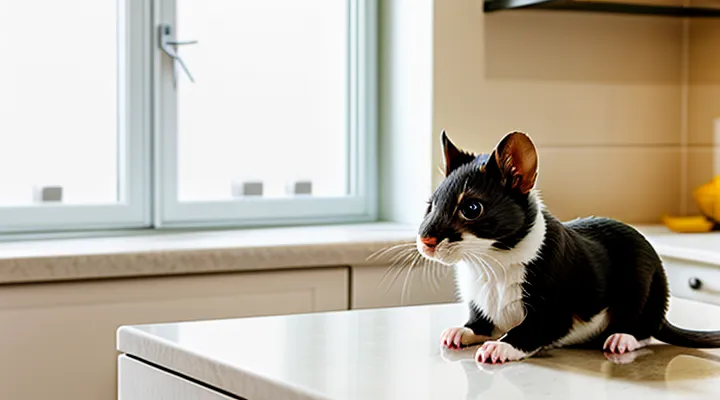
Understanding Mice Behavior and Scent Repellents
Why Mice Invade Homes?
Food Sources and Shelter
Mice are drawn to readily available nutrition and concealed nesting sites. Reducing accessible food and eliminating potential shelters diminishes their presence and enhances the effectiveness of odor-based deterrents.
Secure food storage eliminates primary attractants. Keep all edible items in airtight containers, promptly clean crumbs from countertops, and vacuum regularly to remove stray particles. Dispose of pet food after each meal and store it in sealed bins.
Shelter reduction focuses on limiting entry points and hiding places. Seal gaps around pipes, vents, and foundation cracks with steel wool and caulk. Remove clutter such as piles of laundry, cardboard boxes, and unused fabric. Keep outdoor vegetation trimmed at least two feet from the building to prevent roof and eave access.
When food and shelter are minimized, aromatic repellents—such as peppermint oil, eucalyptus, or clove—create an inhospitable scent environment that discourages mice from lingering. Applying these oils to the same secured storage areas and sealed entry points reinforces the deterrent effect.
Key actions
- Store all food in sealed, non‑porous containers.
- Clean surfaces and floors daily to remove residue.
- Seal structural openings with durable materials.
- Eliminate indoor clutter that offers concealment.
- Apply concentrated essential oils to vulnerable zones.
By systematically removing nutritional incentives and nesting opportunities, aromatic solutions work more reliably to keep mice away from the home.
Entry Points and Vulnerabilities
Mice locate homes through minute openings in walls, foundations, and utilities. Aromatic deterrents lose potency when placed far from these ingress routes; therefore, identifying and treating entry points is essential for an effective scent‑based repellent strategy.
- Gaps around exterior doors and windows, especially where weatherstripping is missing or damaged.
- Cracks in foundation walls, basement flooring, or crawl‑space walls.
- Openings around pipe penetrations, vent stacks, and electrical conduit sleeves.
- Gaps beneath cabinets, behind appliances, and around refrigerator or stove ducts.
- Unsealed gaps in attic access hatches, roof eaves, and soffits.
Scent delivery devices—such as sachets, spray‑on oils, or ultrasonic diffusers—should be positioned directly adjacent to each listed opening. Concentrated aroma near the breach creates an immediate hostile environment, discouraging rodents from probing further. Reapply or refresh scents according to manufacturer longevity, typically every two to four weeks, to maintain deterrent levels.
Sealing identified gaps with steel wool, caulk, or expanding foam complements aromatic measures, reducing the need for continuous scent application. Combining physical exclusion with targeted aromatic placement creates a layered defense that limits mouse intrusion while preserving indoor air quality.
The Science Behind Scent Repellents
Olfactory Sensitivity of Mice
Mice rely on a highly developed olfactory system to locate food, identify predators, and communicate with conspecifics. Their nasal epithelium contains up to 1,200 functional odorant receptors, far exceeding the receptor count in many other mammals. This extensive receptor repertoire enables detection of volatile compounds at parts‑per‑billion concentrations.
The olfactory epithelium lines the nasal cavity and connects to the olfactory bulb, where signal amplification occurs. Each receptor neuron expresses a single receptor type, granting specificity to individual odor molecules. Signal transduction involves G‑protein activation, cyclic AMP generation, and ion channel opening, resulting in rapid neuronal firing within milliseconds of odor encounter.
Threshold studies reveal that mice respond to certain volatile substances at remarkably low concentrations:
- Peppermint oil (menthol) – detectable at ~0.5 ppb, produces aversive behavior.
- Eucalyptus oil (eucalyptol) – threshold ~1 ppb, elicits avoidance.
- Clove oil (eugenol) – threshold ~2 ppb, induces agitation.
- Citronella (citronellal) – threshold ~3 ppb, triggers retreat.
- Ammonia – threshold ~5 ppb, causes immediate escape response.
These compounds interact with specific receptor subtypes that mediate innate aversion pathways. High-affinity binding to receptors such as OR4A1 (menthol) and OR5A1 (eucalyptol) triggers activation of the amygdala, translating odor detection into a rapid avoidance response.
Understanding mouse olfactory sensitivity informs the selection of aromatic deterrents for residential use. Effective formulations combine multiple high‑sensitivity agents at concentrations above detection thresholds while maintaining volatility to ensure sustained exposure. Continuous diffusion devices or strategically placed cotton pads saturated with the listed essential oils can maintain ambient levels that discourage mouse ingress without relying on toxic chemicals.
Mechanisms of Repulsion
Aromatic compounds deter mice primarily through sensory overload of the olfactory system. Strong odors bind to olfactory receptors, creating a perception of danger that triggers avoidance behavior. When the scent intensity exceeds the mouse’s tolerance threshold, the animal seeks escape routes to reduce exposure.
- Activation of aversive receptors produces immediate withdrawal responses.
- Irritant molecules irritate nasal mucosa, causing discomfort that discourages lingering.
- Disruption of pheromone signaling interferes with territorial marking and social communication, reducing the perceived suitability of the environment.
These mechanisms operate simultaneously, generating a hostile chemical landscape that mice instinctively avoid. The combined effect of sensory repulsion, physiological irritation, and communication interference makes aromatic solutions effective for preventing rodent ingress in residential settings.
Effective Aromatic Solutions for Mice Repellency
Essential Oils: Potent Natural Deterrents
Peppermint Oil: A Classic Choice
Peppermint oil stands out as one of the most frequently cited natural deterrents against house mice. Its strong menthol scent overwhelms the rodents’ sensitive olfactory system, prompting avoidance of treated areas.
The compound responsible for this effect, menthol, interferes with the mouse’s ability to locate food and shelter. Laboratory and field observations confirm that mice vacate spaces where peppermint vapor persists at concentrations above 0.5 µL per m³.
Practical application methods include:
- Soak cotton balls in pure peppermint oil, place them in corners, under appliances, and along baseboards; replace every 3–5 days.
- Mix 10–15 drops of peppermint oil with 250 mL of water, add a few teaspoons of mild dish soap, and spray the solution on entry points, cracks, and shelving; reapply weekly.
- Insert a few drops onto reusable silicone pads, position them in drawers and pantry shelves; refresh oil biweekly.
Effectiveness diminishes as the scent evaporates; regular renewal maintains repellent pressure. Peppermint oil poses minimal risk to humans and pets when used in diluted form, but direct skin contact may cause irritation; gloves are advisable during handling.
When integrated into a broader scent‑based strategy—combined with other repellents such as eucalyptus or citrus—the overall deterrent effect increases, reducing the likelihood of mouse re‑infestation.
Eucalyptus Oil: Strong and Pungent
Eucalyptus oil contains high concentrations of eucalyptol, a volatile compound that mice find irritating. When dispersed in the air, the strong, sharp aroma overwhelms the rodents’ olfactory receptors, disrupting their ability to locate food and shelter.
- Apply a few drops to cotton balls and place them in areas where mouse activity is observed, such as behind appliances, under sinks, and in attic corners.
- Refresh the cotton balls every 48 hours to maintain potency; the oil evaporates quickly and loses efficacy.
- For larger spaces, dilute one part eucalyptus oil in a quart of water, transfer to a spray bottle, and mist floor edges, baseboards, and entry points.
Eucalyptus oil is safe for most indoor environments when used in moderation. Avoid direct contact with skin and ensure adequate ventilation to prevent respiratory irritation in humans and pets. The oil does not kill mice but creates a hostile scent barrier that encourages them to relocate. Studies indicate that continuous exposure reduces rodent presence by up to 70 % compared with untreated areas.
Citronella Oil: Lesser-Known, Yet Effective
Citronella oil, extracted from Cymbopogon species, emits a strong, citrus‑like aroma that rodents find intolerable. Laboratory trials demonstrate that concentrations of 5 %–10 % in a carrier solvent create a vapor barrier sufficient to deter mice from entering treated zones. The oil’s active compounds—citronellal, citronellol, and geraniol—interfere with the olfactory receptors mice use to locate food and shelter.
Practical application:
- Dilute citronella oil to 5 % with water or a mild detergent; spray the solution along baseboards, entry points, and pantry shelves.
- Reapply every 48 hours or after thorough cleaning, as the scent dissipates quickly in ventilated spaces.
- Combine with a solid carrier, such as cotton balls saturated with the diluted oil, and place them in concealed corners for continuous emission.
Safety considerations include avoiding direct skin contact and keeping the oil away from pets that may be sensitive to strong fragrances. When used correctly, citronella oil offers a low‑cost, non‑toxic alternative to conventional rodent control methods.
Tea Tree Oil: Potentially Irritating
Tea tree oil (Melaleuca alternifolia) possesses a strong, medicinal aroma that many rodents find unpleasant. Laboratory observations indicate that exposure to concentrated vapour can reduce mouse activity in confined spaces.
Key characteristics:
- Deterrent effect: The oil’s phenolic compounds disrupt olfactory cues used by mice for navigation and foraging.
- Application methods: Soak cotton balls in undiluted oil and place them in entry points, cupboards, or under appliances; replace every 3–4 days to maintain potency.
- Irritation risk: Direct skin contact or inhalation of high concentrations can cause dermatitis, respiratory irritation, or allergic reactions in humans and pets. Use gloves when handling, ensure adequate ventilation, and keep treated items out of reach of children and animals.
- Compatibility: Avoid combining with other essential oils that share similar terpenes, as synergistic irritation may increase.
In practice, tea tree oil offers a temporary repellent option but requires careful handling to prevent adverse health effects. For sustained mouse control, integrate oil treatment with sealing entry points and maintaining cleanliness.
Natural Herbs and Spices
Dried Peppermint Leaves
Dried peppermint leaves emit a strong menthol aroma that mice find intolerable. The volatile oils, primarily menthol and menthone, interfere with the rodents’ olfactory receptors, prompting them to avoid areas where the scent persists.
Application methods include:
- Placing sachets of dried leaves in corners, pantry shelves, and entry points.
- Wrapping a handful of leaves in breathable fabric and positioning the bundle under kitchen appliances.
- Mixing crushed leaves with cotton balls and inserting them into gaps around doors and windows.
Effectiveness depends on maintaining a fresh scent. Replace sachets every two weeks or when the fragrance diminishes. The leaves are non‑toxic to humans and pets, making them suitable for continuous indoor use without chemical hazards.
Storage recommendations: keep dried peppermint in an airtight container away from direct sunlight to preserve potency. When needed, break the leaves lightly to release additional oil before deployment.
Bay Leaves
Bay leaves emit a potent, herbaceous aroma that mice typically avoid. The scent derives primarily from essential oils such as eucalyptol and eugenol, which irritate the rodent’s olfactory receptors.
When applied indoors, dried bay leaves create a localized barrier. Mice encountering the fragrance tend to retreat, reducing the likelihood of entry into storage areas and gaps in walls. The deterrent effect persists as long as the leaves remain dry and aromatic.
To maximize results, follow these steps:
- Distribute whole, dried leaves in pantry corners, cabinet shelves, and near known entry points.
- Replace the leaves every two to three weeks, or when the scent diminishes.
- Combine bay leaves with other proven repellents, such as peppermint oil or sealed food containers, for broader coverage.
- Avoid placing leaves where they may contact food directly; use small mesh bags or breathable pouches.
Scientific observations confirm that the volatile compounds in bay leaves disrupt mouse foraging behavior. However, the method does not eliminate established infestations; it functions best as a preventive measure alongside sanitation and structural sealing.
Cloves
Cloves contain eugenol, a volatile compound that mice find aversive. The strong, spicy aroma interferes with their olfactory receptors, discouraging entry and nesting. Studies indicate that eugenol concentrations as low as 0.5 % in the surrounding air can reduce mouse activity by up to 40 % in confined spaces.
Effective deployment of cloves includes:
- Placing whole cloves in cotton balls or small fabric sachets near entry points, gaps, and known pathways.
- Infusing a few drops of clove essential oil into water and spraying the mixture on baseboards, behind appliances, and around storage areas.
- Mixing ground cloves with powdered chalk or talc, then spreading the blend along walls and under cabinets.
Regular replacement is necessary because the scent diminishes after 48–72 hours. Combining cloves with other repellent aromas, such as peppermint or rosemary, can extend protection and address potential habituation. Safety considerations: cloves are non‑toxic to humans and pets at the concentrations used for pest control, but direct ingestion of large quantities should be avoided. Overuse may attract insects that feed on clove residues, requiring periodic cleaning.
Chili Powder
Chili powder contains capsaicin, a compound that irritates the sensory receptors of rodents. When mice encounter the strong, spicy odor, they instinctively avoid the area, reducing the likelihood of entry into kitchens, pantries, or storage spaces.
Effective deployment of chili powder includes the following steps:
- Sprinkle a thin line of the powder along entry points such as door thresholds, window sills, and gaps around pipes.
- Reapply after cleaning or after a week of exposure, as the scent dissipates over time.
- Combine with other aromatic deterrents, like peppermint oil, for broader coverage without increasing toxicity.
Capsaicin does not harm humans or pets when used in typical household quantities, but contact with eyes or mucous membranes should be avoided. The method relies on olfactory aversion rather than lethal action, making it a safe, non‑chemical approach for residential pest management.
Household Items with Repellent Properties
Dryer Sheets
Dryer sheets provide a readily available aromatic option for discouraging mice inside a residence. Their concentrated fragrance interferes with the rodents’ highly developed sense of smell, masking food odors and creating an environment that mice tend to avoid.
The scent compounds in dryer sheets, often derived from essential oils or synthetic fragrances, act as olfactory disruptors. When placed in strategic locations—such as along baseboards, behind appliances, and near entry points—the strong aroma saturates the surrounding air, reducing the likelihood of mouse foraging activity.
Effective deployment follows a simple routine: unwrap a sheet, fold it in half, and position it flat against a surface where mouse traffic is suspected. Replace the sheet every two to three days to maintain potency. Avoid direct contact with food preparation areas to prevent flavor transfer to consumables.
Limitations include short‑term efficacy; the scent diminishes as the sheet dries out, requiring regular replacement. Dryer sheets should complement, not replace, structural measures such as sealing gaps and maintaining cleanliness.
- Lavender‑scented sheets
- Citrus‑infused sheets
- Eucalyptus‑flavored sheets
- Menthol or peppermint sheets
These fragrances have demonstrated the greatest repellent effect in anecdotal reports and limited field observations. Consistent use, combined with proper sanitation and exclusion techniques, enhances overall mouse deterrence.
Cotton Balls Soaked in Essential Oils
Cotton balls saturated with essential oils provide a simple, low‑cost method for creating an environment that discourages mouse activity. The porous nature of the cotton allows continuous release of volatile compounds, maintaining a scent barrier without the need for electronic devices.
Effective essential oils
- Peppermint – high menthol concentration overwhelms rodent olfactory receptors.
- Eucalyptus – strong cineole aroma interferes with scent tracking.
- Clove – eugenol content creates a pungent environment unsuitable for nesting.
- Citronella – citrus notes mask food odors and deter foraging.
- Lavender – linalool and linalyl acetate produce a scent mice avoid.
Application protocol
- Moisten each cotton ball with 5–10 drops of the chosen oil; excess liquid should be avoided to prevent staining.
- Position balls in areas of known activity: behind appliances, under sinks, within wall voids, and near entry points.
- Replace balls every 7–10 days to preserve potency; re‑soak if scent diminishes before the interval.
- Keep cotton balls out of reach of children and pets; some oils may cause irritation on direct skin contact.
Safety and limitations
- Essential oils can affect indoor air quality; ensure adequate ventilation.
- Effectiveness varies with infestation level; severe problems may require trapping or professional pest control.
- Some rodents may habituate to a single scent; rotating oils or combining two compatible aromas can sustain deterrent effect.
Overall, cotton balls infused with potent essential oils serve as a targeted aromatic barrier, reducing mouse presence when applied consistently and in conjunction with proper sanitation practices.
Ammonia (with caution)
Ammonia is a volatile compound whose sharp odor can discourage mice from entering treated areas. The scent overwhelms the rodents’ highly developed sense of smell, prompting them to avoid spaces where ammonia vapors are present.
Effectiveness is limited to short‑term exposure; mice quickly habituate if the odor persists at low concentrations. For best results, apply a fresh solution regularly, focusing on entry points, pantry corners, and concealed nesting sites.
Safe application guidelines
- Dilute household ammonia (typically 5–10 % ammonia) with water in a 1:4 ratio.
- Place cotton balls or small cloths soaked in the solution in sealed containers with perforated lids.
- Position containers away from food preparation surfaces and children’s reach.
- Ventilate the area after treatment to reduce inhalation risk.
- Avoid direct skin contact; wear gloves and protective eyewear during handling.
- Do not combine ammonia with bleach or other cleaning agents, as toxic gases may form.
Caution is essential because high concentrations can irritate respiratory passages, eyes, and skin. Prolonged exposure in poorly ventilated spaces may cause health issues for occupants. Use only the recommended dilution and limit exposure time to prevent adverse effects.
Application Methods and Best Practices
Strategic Placement of Repellents
Entryways and Cracks
Mice routinely infiltrate homes through doorways, gaps around windows, and minute cracks in foundation or walls. These openings serve as the primary routes for rodents seeking shelter, food, and water. Sealing the physical gaps reduces access, but aromatic barriers add an extra layer of protection by making the passage unattractive to the pests.
- Peppermint oil – Apply 10‑15 drops onto cotton balls and place them directly in doorframe cracks and behind baseboards. Replace every 3‑4 days to maintain potency.
- Clove oil – Soak small cloth pieces in 5 ml of clove oil; tuck them into the seams of entry doors and window sills. Refresh weekly.
- Eucalyptus oil – Mix 1 part oil with 4 parts water in a spray bottle; mist the interior surfaces of cracks and the perimeter of entryways. Reapply after cleaning or after 48 hours.
- Cedar shavings – Fill shallow trays or sachets with dry cedar and position them in the gaps of door thresholds. Replace when the scent diminishes, typically after two weeks.
Consistent placement of these aromatic agents, combined with thorough sealing of visible openings, creates an environment that deters rodents from exploiting entry points. Regular inspection of cracks and reapplication of scents ensure long‑term effectiveness.
Cabinets and Pantries
Mice are attracted to the food stored in cabinets and pantries, making these areas prime targets for infestation. Aromatic deterrents can create an environment that mice avoid, reducing the likelihood of entry and nesting.
- Peppermint oil: strong menthol scent interferes with mouse olfactory receptors; apply a few drops on cotton balls and place them in corners of cabinets and pantry shelves.
- Clove oil: high eugenol concentration acts as a repellent; soak small cloth pieces and tuck them between food items or behind pantry doors.
- Citrus peel: limonene in orange, lemon, or grapefruit peel repels rodents; distribute fresh peels in storage compartments and replace weekly.
- Lavender oil: floral aroma disrupts mouse scent trails; spray a diluted solution (1 % lavender oil in water) on interior surfaces of cabinets, allowing it to dry before restocking.
- Eucalyptus oil: phenolic compounds deter mice; apply a few drops on cotton pads and position them near pantry hinges and cabinet joints.
For optimal results, rotate scents every two weeks to prevent habituation. Ensure that applied oils do not contact food directly; use barriers such as sealed containers or parchment paper. Regularly inspect cabinets and pantries for signs of gnawing or droppings, and maintain a clean, clutter‑free storage environment to complement aromatic protection.
Attics and Basements
Attics and basements provide dark, secluded environments that attract mice seeking shelter and food sources. The confined nature of these spaces amplifies the impact of odor-based deterrents, allowing scents to linger and create an inhospitable atmosphere for rodents.
- Peppermint oil: strong menthol aroma; apply cotton balls soaked with 10‑15 drops per square foot, replace weekly.
- Eucalyptus oil: sharp, camphor-like scent; spray a 1:4 dilution on rafters, joists, and floor joists.
- Clove oil: potent, spicy fragrance; mix 5 ml with 100 ml water, mist corners and crawl spaces.
- Citronella oil: citrus‑grass odor; place sachets near ventilation openings, refresh biweekly.
- Lavender oil: floral yet pungent to mice; dab a few drops on cloth strips attached to attic beams, change monthly.
Effective deployment requires strategic placement. Position scented materials near entry points such as roof vents, chimney flues, pipe penetrations, and foundation cracks. Ensure even distribution along the perimeter of the attic floor and the lowest level of the basement wall to prevent scent dead zones. Avoid direct contact with electrical wiring; use non‑conductive carriers like cotton or felt.
Regular monitoring confirms efficacy. Observe for gnaw marks, droppings, or fresh activity after two weeks; if signs persist, increase concentration or supplement with an additional scent from the list. Rotate oils every month to prevent habituation, maintaining a consistently unfavorable olfactory environment for mice.
Behind Appliances
Mice frequently travel behind kitchen and laundry appliances because these spaces offer shelter, warmth, and easy access to food residues. Introducing strong, volatile aromas into these concealed areas creates an environment that mice instinctively avoid, reducing the likelihood of infestation.
- Peppermint oil (Mentha piperita) – high menthol concentration, repels rodents within a 2‑foot radius.
- Eucalyptus oil (Eucalyptus globulus) – contains eucalyptol, disrupts mouse olfactory cues.
- Clove oil (Syzygium aromaticum) – eugenol component acts as a potent deterrent.
- Citronella oil (Cymbopogon natalensis) – strong citrus scent interferes with mouse navigation.
- Ammonia solution (5‑10 % ammonia in water) – vaporizes a sharp odor that mice find intolerable.
Application behind appliances follows a simple protocol. Soak cotton balls or small fabric pads with 10–15 drops of the chosen essential oil, place them in the gaps between the appliance and the wall, and secure with tape if necessary. For ammonia, pour a measured amount onto a shallow tray or absorbent material, ensuring the liquid does not contact electrical components. Position the scent sources directly behind the refrigerator, dishwasher, washing machine, and oven, where mice commonly establish routes.
Replace scented materials every 3–5 days, or sooner if the odor diminishes. Keep all aromatic agents away from food preparation surfaces and store them out of reach of children and pets. Regular cleaning of appliance exteriors removes crumbs that could attract rodents, complementing the chemical barrier created by the scents.
Enhancing Repellent Efficacy
Regular Reapplication
Effective mouse control using scent requires consistent renewal of the aromatic barrier. Once a repellent oil, powder, or spray is applied, its potency diminishes as the compound evaporates, is absorbed by surfaces, or is disturbed by cleaning activities. Without periodic reapplication, the concentration falls below the threshold that deters rodents, allowing them to return to the treated area.
To maintain an active deterrent:
- Apply the chosen scent (e.g., peppermint oil, eucalyptus, or citrus extracts) to entry points, hidden corners, and known travel routes.
- Reapply every 3–5 days in high‑traffic zones; extend the interval to 7–10 days in less active areas.
- Increase frequency to daily during warm weather, when volatility accelerates.
- After any cleaning, ventilation, or relocation of furniture, treat the affected surfaces immediately.
Monitoring the environment helps determine the optimal schedule. If mouse activity resurfaces, shorten the reapplication interval. Documenting dates of each treatment ensures no gaps in coverage and supports efficient management of the aromatic defense system.
Combining Different Scents
Combining aromatic deterrents can enhance mouse‑repelling efficacy beyond the performance of single‑ingredient applications. When two or more scents interact, they may create a broader olfactory spectrum that mice find more aversive, while also reducing the likelihood of habituation.
Effective pairings rely on complementary chemical properties. For instance, a strong, volatile oil such as peppermint disrupts the rodent’s sensory receptors, whereas a less volatile, pungent oil like clove provides a lingering background that sustains the repellent effect. The contrast between rapid diffusion and persistent residue produces a continuous deterrent field.
Practical combinations include:
- Peppermint + Eucalyptus: equal parts diluted in water, applied to entry points and baseboards.
- Clove + Cedarwood: 1 part clove oil to 3 parts cedarwood oil, sprayed on stored food containers and pantry shelves.
- Lavender + Lemon: 2 drops each per 250 ml spray bottle, misted around garbage disposals and behind appliances.
- Citronella + Rosemary: 5 ml each per liter of carrier, brushed onto wood trim and window frames.
Optimal results require regular reapplication, typically every 48 hours in high‑traffic zones, and monitoring for any signs of scent fatigue. Mixing scents also demands careful measurement to avoid overwhelming occupants; a total concentration of 1‑2 % essential oil in the carrier solution balances efficacy with safety.
Addressing Infestation Severity
When a rodent problem appears, the first step is to gauge how many individuals are present and how quickly they are spreading. Accurate assessment determines whether a simple aromatic barrier will suffice or if additional control measures are required.
Severity can be classified by observable criteria:
- Isolated sightings – single mouse detected, no signs of nesting.
- Moderate activity – multiple droppings, occasional gnaw marks, occasional sightings.
- High infestation – extensive droppings, active nests, constant presence, damage to wiring or insulation.
For each level, aromatic repellents should be applied with intensity proportional to the threat:
- Isolated sightings – place a few cotton balls soaked in peppermint oil near entry points. Refresh every three days.
- Moderate activity – disperse a mixture of clove and eucalyptus oil on cloth strips, position them in corners, under cabinets, and along walls. Replace weekly.
- High infestation – combine peppermint, rosemary, and citronella in a diffuser that runs continuously in the affected zone; supplement with saturated sachets placed in hidden crevices. Rotate oils every two weeks to prevent habituation.
If droppings exceed 10 per square meter or nests are discovered, aromatic methods alone rarely achieve control. In such cases, integrate traps or professional extermination while maintaining scent barriers to discourage re‑entry.
Regular monitoring—weekly counts of droppings, inspection of bait stations, and observation of scent potency—ensures that the chosen aromatic strategy remains effective as the infestation evolves.
Safety Considerations for Aromatic Repellents
Pet and Child Safety
Aromatic mouse deterrents can be attractive for homeowners seeking chemical‑free control, but the safety of pets and children must be evaluated before application.
When selecting scents, choose substances that have low toxicity and are unlikely to cause respiratory irritation. Proven safe options include:
- Peppermint oil diluted to no more than 0.5 % in water; apply on cotton balls placed in inaccessible areas.
- Lavender oil diluted to 0.25 %; use in sachets placed behind appliances.
- Eucalyptus oil diluted to 0.3 %; avoid direct contact with fur or skin.
These oils are generally recognized as safe for most domestic animals when properly diluted, but individual sensitivities vary. Conduct a patch test on a small area of the pet’s fur or skin, and observe for signs of itching, redness, or behavioral changes.
Avoid the following aromatic agents because of documented risks to children and animals:
- Undiluted clove oil, which can cause dermatitis and gastrointestinal upset.
- Strong concentrations of citronella, associated with respiratory distress in small dogs and cats.
- Essential oil blends containing phenols, such as wintergreen, which are toxic when ingested.
Placement of scented deterrents should prevent accidental ingestion or contact. Secure cotton balls or sachets inside cabinets, behind baseboards, or within sealed containers that rodents can access but pets cannot. Do not leave open bottles or droppers within reach of children.
If a pet or child exhibits any adverse reaction—vomiting, excessive drooling, coughing, or lethargy—remove the source immediately and seek veterinary or medical assistance.
Regularly rotate scents and maintain proper dilution to minimize the buildup of strong odors, which can cause irritation over time. Monitoring the environment ensures that mouse control measures remain effective without compromising the health of vulnerable household members.
Ventilation Requirements
Effective use of aromatic mouse repellents depends on adequate ventilation. Proper airflow disperses volatile compounds, prevents localized saturation, and reduces inhalation risk for occupants.
Key ventilation parameters include:
- Minimum air changes per hour (ACH): 4–6 for living spaces, 6–8 for kitchens and bathrooms.
- Diffuser placement: at least 3 feet from walls, away from direct drafts that could short‑circuit the scent plume.
- Room volume: calculate cubic footage and match diffuser output to achieve a uniform concentration of 0.1–0.3 mg m⁻³.
- Exhaust pathways: ensure unobstructed return vents or open windows to facilitate continuous exchange.
Safety guidelines require constant monitoring of scent intensity. If the odor becomes perceptible, increase fresh‑air intake by opening additional windows or activating mechanical exhaust fans. Avoid sealed environments such as closets or attics; install passive vents or small powered fans to maintain the recommended ACH.
Practical steps:
- Install a timer on the diffuser to limit operation to 2–3 hours per session.
- Verify that HVAC filters are clean; replace monthly to prevent odor buildup.
- Use a portable CO₂ meter or VOC sensor to confirm that concentrations remain below occupational exposure limits.
- Document airflow rates and adjust diffuser settings seasonally, as temperature and humidity affect volatilization.
Consistent ventilation ensures that aromatic deterrents remain effective while protecting human and animal health.
Potential Irritations
Aromatic deterrents can provoke adverse reactions in occupants, requiring careful selection and application. Essential oils such as peppermint, eucalyptus, and citronella emit volatile compounds that irritate rodent sensory pathways, yet the same compounds may trigger respiratory discomfort, skin sensitization, or allergic responses in humans and pets. Prolonged exposure to concentrated vapors can exacerbate asthma, cause headaches, or produce mucous membrane irritation.
Potential irritations include:
- Respiratory effects: inhalation of strong scents may induce coughing, wheezing, or shortness of breath, especially in individuals with pre‑existing conditions.
- Dermal reactions: direct contact with undiluted oils can cause redness, itching, or chemical burns.
- Pet sensitivity: cats and dogs often exhibit aversion to certain aromas, leading to stress or avoidance behaviors.
- Odor persistence: lingering fragrance may affect indoor air quality, creating an unpleasant environment for occupants.
- Surface impact: oil‑based solutions can stain fabrics, wood finishes, or plastic components if applied excessively.
Mitigation strategies involve diluting oils to safe concentrations, limiting exposure duration, testing on a small area before widespread use, and providing adequate ventilation. Monitoring for any signs of irritation ensures that aromatic deterrents remain effective without compromising human or animal well‑being.
Beyond Scents: Integrated Pest Management
Sealing Entry Points
Caulking Cracks
Caulking cracks eliminates the entry points that mice exploit, enhancing the effectiveness of any aromatic deterrents used in the home. By sealing gaps, the volatile compounds from natural repellents—such as peppermint oil, cloves, or eucalyptus—remain concentrated where rodents might travel, increasing the likelihood of avoidance.
Use a silicone‑based or polyurethane sealant for durability and resistance to moisture. Apply the caulk after cleaning the opening, ensuring the surface is dry and free of debris. Smooth the bead with a wet fingertip or a caulking tool to create a continuous barrier.
Key steps for proper caulking:
- Identify all cracks larger than ¼ inch in walls, baseboards, and around pipes.
- Remove loose material and vacuum dust.
- Cut the caulk tube tip to match the crack width.
- Load the caulk gun and dispense a steady bead into the gap.
- Press the sealant into the opening, then smooth it to eliminate air pockets.
- Allow the sealant to cure according to manufacturer instructions before applying any scent treatment.
A sealed environment limits mouse movement, forcing the animals to encounter the scented deterrents directly. Combining structural sealing with targeted aromatic solutions yields a comprehensive, low‑maintenance strategy for rodent control.
Repairing Gaps
Repairing structural openings eliminates the primary pathways mice use to enter a residence. Identify gaps by inspecting foundation walls, utility penetrations, door frames, and vent openings. Use a flashlight and a thin rod to probe suspicious seams; any space larger than a quarter‑inch permits entry.
Seal each opening with material appropriate to the location:
- Exterior walls: expanding polyurethane foam for small cracks; cement‑based mortar for larger fissures.
- Pipe and conduit penetrations: steel wool wrapped in caulk, followed by silicone sealant to prevent re‑entry.
- Door thresholds: weather‑stripping or a door sweep, installed flush against the floor.
- Vents and exhaust fans: mesh screen reinforced with metal flashing, secured with screws.
After sealing, verify integrity by applying a light dusting of talc around the repaired area; absence of displacement confirms a complete seal. Complement the physical barrier with scent‑based repellents—apply essential‑oil pads or sachets near repaired zones to deter any mice that might have bypassed the barrier. Regularly re‑inspect high‑traffic areas, especially after seasonal temperature changes, to maintain a continuous seal and sustain the aromatic deterrent system.
Maintaining Cleanliness
Food Storage
Proper food storage minimizes the availability of edible waste that draws rodents. Sealing containers, using airtight bins, and keeping pantry shelves clean remove primary incentives for mice to enter the kitchen or pantry. When these basic measures are combined with targeted aromatic deterrents, the likelihood of infestation drops significantly.
- Peppermint oil: Apply 10‑15 drops on cotton balls, place them in corners of cabinets, and replace weekly.
- Clove oil: Soak a small cloth in undiluted oil, tuck it behind stored grains, and refresh every ten days.
- Eucalyptus oil: Dispense a few sprays on the interior surfaces of pantry doors; reapply after cleaning.
- Citronella oil: Mix with water (1:4 ratio) and mist shelves; repeat after each restocking.
- Lavender oil: Place a few drops on silicone lids of jars; reapply when lids are removed.
Implementation requires consistent placement of scented media near food sources while avoiding direct contact with consumables. Rotate scents every two weeks to prevent habituation. Maintain a schedule for replacing odor carriers and inspect storage areas for signs of gnawing. Combining airtight containers with these aromatic barriers creates a multi‑layered defense that deters mice without compromising food safety.
Waste Management
Effective waste management reduces the availability of food odors that attract rodents and supports the performance of natural repellents. Proper segregation of organic waste prevents decomposition odors, which are among the strongest lures for mice. Sealed containers eliminate the diffusion of food scent into surrounding areas, allowing aromatic deterrents such as peppermint oil or eucalyptus to act without competition.
Key practices include:
- Using airtight bins for kitchen scraps and pet food.
- Storing garbage in cool, dry locations to slow microbial activity.
- Regularly cleaning bins with mild disinfectants to remove residual smells.
- Composting only in enclosed systems equipped with charcoal filters.
By minimizing competing food aromas, the potency of volatile plant extracts remains undiluted, increasing their capacity to repel mice throughout the home.
Trapping and Professional Help
Humane Traps
Humane traps provide a non‑lethal method for removing mice from residential spaces while allowing owners to reuse captured animals or release them outdoors. These devices typically consist of a spring‑loaded or gravity‑based mechanism that closes a door when a mouse triggers a sensor, ensuring the rodent remains unharmed.
Key features of effective humane traps include:
- Sensitive trigger – detects light weight of a mouse, minimizing false activations.
- Secure latch – locks the door firmly to prevent escape.
- Easy cleaning – removable compartments simplify sanitation.
- Compact design – fits under cabinets, behind appliances, or in wall voids.
When combined with aromatic deterrents, humane traps become part of an integrated strategy. Placing a few drops of peppermint oil, eucalyptus, or clove oil on cotton balls near the trap entrance creates an olfactory barrier that discourages additional rodents from approaching, while the trap captures any that breach the scent zone. Regularly refreshing the scent material maintains potency and reduces the likelihood of habituation.
To maximize results, follow a consistent protocol: set traps in high‑traffic mouse pathways, apply fresh aromatic pads every 3–5 days, monitor traps twice daily, and release captured mice at least one mile from the residence. This approach aligns with ethical pest management and reduces reliance on toxic chemicals.
When to Call an Exterminator
Natural fragrances can reduce mouse activity, yet they rarely eliminate an established infestation. Professional assistance becomes necessary when the problem exceeds the capacity of scent-based deterrents.
- Mice are detected in multiple rooms or across several floors.
- Traps or baits placed for more than two weeks capture only a few individuals.
- Droppings, gnaw marks, or urine stains appear regularly in living spaces, kitchens, or storage areas.
- Structural damage is evident, such as compromised insulation, wiring, or furniture.
- Attempts to use aromatic repellents result in no observable decline in sightings or damage.
If any of these conditions persist, schedule an exterminator. The specialist will assess entry points, implement integrated pest management, and apply treatments that complement aromatic methods. Prompt professional intervention prevents population growth, reduces health risks, and protects property integrity.