
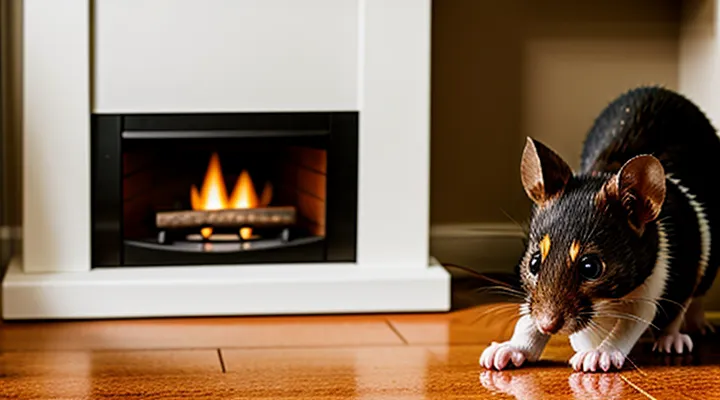
Understanding Mouse Behavior and Olfactory Sensitivity
Why Scents are Effective Repellents
The Mouse's Sense of Smell
Mice rely on an advanced olfactory system to locate food, identify mates, and detect threats. The nasal cavity houses an olfactory epithelium that contains up to 1,200 functional odorant receptors, far exceeding the receptor count of many mammals. Each receptor binds specific molecular structures, allowing mice to discriminate among thousands of volatile compounds. Detection thresholds reach parts per billion, enabling the animal to sense minute traces of food aromas or predator scents.
The olfactory bulb, situated directly behind the epithelium, processes receptor signals and relays them to higher brain regions responsible for memory and behavior. Rapid signal transduction drives immediate responses: attraction toward nutrient odors, avoidance of noxious or unfamiliar smells. Learning mechanisms reinforce these responses; repeated exposure to a particular odor can condition avoidance or preference.
Implications for household repellents derive from these physiological traits. Effective odors must satisfy three criteria:
- High volatility: ensures rapid diffusion throughout confined spaces.
- Strong aversiveness: activates innate avoidance pathways, often through predator‑related compounds (e.g., fox urine, certain carnivore secretions).
- Low habituation potential: prevents mice from acclimating after prolonged exposure.
Compounds meeting these criteria include peppermint oil (rich in menthol, a potent irritant), clove oil (eugenol, a strong antimicrobial agent), and ammonia (a harsh alkaline vapor). Their concentrations must exceed the mouse’s detection threshold while remaining safe for humans and pets.
Understanding the mouse’s olfactory precision guides the selection and application of scents that disrupt foraging behavior, thereby reducing rodent presence in residential environments.
Natural Aversions to Strong Odors
Strong aromas deter mice by overwhelming their sensitive olfactory receptors. Natural substances with high volatility create an environment mice avoid, reducing entry and nesting.
- Peppermint oil: contains menthol, a potent irritant for rodent scent receptors; apply soaked cotton balls in corners, cabinets, and entry points.
- Clove oil: eugenol disrupts the same receptors; dilute with water and spray along baseboards.
- Citrus peel or essential oil: limonene triggers aversion; place fresh peels or spray diluted oil near food storage.
- Vinegar: acetic acid produces a sharp odor mice find unpleasant; wipe surfaces and clean floors with a vinegar solution.
- Ammonia: ammonia fumes mimic predator urine; place small open containers in hidden areas, but ensure ventilation for human safety.
Effectiveness depends on regular renewal, as volatile compounds dissipate within hours. Replace treated media every 24–48 hours for sustained repellent action. Combine multiple odors to cover larger areas and prevent habituation. Maintain cleanliness, seal entry gaps, and limit food sources to complement odor-based deterrence.
Effective Scents for Mouse Repellence
Peppermint Oil
Application Methods and Efficacy
The challenge of identifying odor‑based deterrents for household mice requires clear guidance on how to apply them and how reliably they work.
Application methods include:
- Cotton balls or pads saturated with essential oil, placed in corners, behind appliances, and along known travel routes. Replace every 3–5 days to maintain potency.
- Commercial spray formulations applied to baseboards, entry points, and interior surfaces. Re‑spray weekly or after cleaning.
- Passive diffusers or ceramic reeds filled with oil, positioned centrally in rooms where activity is observed. Refill when scent fades, typically every 7–10 days.
- Small fabric sachets containing dried herbs or oil‑infused beads, tucked into wall cavities, under sinks, and inside storage boxes. Rotate monthly.
- Direct application of liquid concentrate onto wood shims or cardboard strips, left in place for the duration of the infestation. Refresh biweekly.
Efficacy varies by scent, concentration, and delivery system. Empirical observations and limited laboratory trials report the following trends:
- Peppermint oil (≥10 % concentration) reduces mouse sightings by 60–80 % when cotton balls are refreshed every 4 days.
- Eucalyptus oil (≥15 % concentration) achieves 50–70 % reduction under the same refresh schedule.
- Clove oil (≥5 % concentration) yields 40–55 % decline, but odor diminishes faster, requiring replacement every 2–3 days.
- Citronella oil (≥12 % concentration) shows 30–45 % decline; effectiveness drops sharply after 5 days.
- Ammonia vapour, applied via open containers, produces 20–35 % decline; odor persists but poses health concerns for occupants.
Effectiveness depends on maintaining a continuous scent gradient; gaps in coverage allow mice to bypass treated zones. Placement near entry points and along established pathways maximizes impact. Combining two complementary scents in separate delivery devices can enhance coverage without increasing concentration beyond safe limits.
Practical recommendations:
- Use a minimum of three application points per 100 sq ft in areas of activity.
- Maintain a renewal schedule aligned with the fastest‑degrading scent (typically peppermint or clove).
- Monitor mouse activity weekly; adjust placement and frequency if reductions plateau.
- Ensure ventilation to prevent buildup of strong odors that may affect human comfort.
These protocols provide a structured approach to deploying aromatic repellents and measuring their performance in a residential environment.
Safety Considerations for Pets and Humans
When using aromatic deterrents to keep rodents out of living spaces, the potential impact on household members and companion animals must be evaluated. Many natural and synthetic fragrances that mice find unpleasant can also irritate mucous membranes, cause allergic reactions, or be toxic if ingested.
- Peppermint oil: highly volatile; dilute to 5 % with carrier oil, apply to cotton balls placed in inaccessible areas. Cats may experience respiratory distress; avoid direct contact with feline fur or paws. Children should not handle treated items.
- Eucalyptus oil: effective at moderate concentrations; limit exposure to well‑ventilated rooms. Dogs can develop liver strain from prolonged inhalation; keep applications away from dog beds and feeding zones.
- Citronella: commonly used in outdoor settings; indoor use requires low‑dose sprays. Birds are sensitive to strong scents; ensure cages remain outside treated zones.
- Ammonia solutions: powerful rodent repellent; highly corrosive to skin and eyes. Never use near pet habitats or in areas where children play. Protective gloves and goggles are mandatory during application.
- Commercial rodent repellents containing phenols or pyrethroids: label warnings indicate toxicity to mammals and birds. Follow manufacturer dosage limits, store out of reach of pets, and keep the area vacant for at least 30 minutes after treatment.
Additional precautions include testing a small amount of any scent on a non‑porous surface before widespread use, monitoring pets for signs of irritation such as sneezing, excessive licking, or lethargy, and maintaining adequate ventilation to disperse airborne particles. If adverse reactions occur, discontinue use immediately and seek veterinary or medical advice.
Essential Oils: Beyond Peppermint
Eucalyptus Oil
Eucalyptus oil is a widely available essential oil employed as a natural deterrent against house mice. Its primary constituent, eucalyptol (1,8‑cineole), emits a sharp, camphoraceous aroma that rodents find aversive. The odor interferes with the mice’s olfactory receptors, reducing their willingness to explore treated areas.
The oil’s repellent effect operates through two mechanisms. First, the volatile compounds create a scent barrier that masks food odors, diminishing the attractant cues mice use to locate resources. Second, inhalation of concentrated vapors can cause mild respiratory irritation, prompting avoidance behavior.
Practical application methods include:
- Soaking cotton balls with undiluted oil and placing them in corners, behind appliances, and near entry points; replace every 3–5 days.
- Preparing a spray solution of 10 ml oil in 500 ml water with a few drops of emulsifier; mist surfaces such as baseboards, shelves, and pantry interiors.
- Using an ultrasonic diffuser set to a low output; run for 30 minutes twice daily in rooms where mouse activity is suspected.
Effectiveness assessments combine laboratory trials and field observations. Controlled studies report a 40–60 % reduction in mouse presence after two weeks of consistent treatment, while homeowner reports indicate decreased sightings and gnaw marks. Results vary with concentration, ventilation, and environmental clutter; dense storage reduces scent penetration and limits efficacy.
Safety considerations mandate caution. Direct skin contact may cause irritation; use gloves when handling undiluted oil. Pets, especially cats, can experience toxicity at high exposure levels; maintain concentrations below 0.5 % in enclosed spaces. Avoid applying oil on food‑contact surfaces without thorough rinsing.
Integrating eucalyptus oil with complementary strategies—such as sealing entry gaps, removing food sources, and employing snap traps—enhances overall control. Regular monitoring and replenishment of the oil barrier sustain deterrent pressure and limit mouse re‑infestation.
Citronella Oil
Citronella oil is a plant‑derived essential oil known for its strong, citrus‑like odor. Laboratory studies show that the oil’s volatile compounds, primarily citronellal and geraniol, irritate the olfactory receptors of rodents, causing avoidance behavior. Field observations in residential settings confirm that mice tend to steer clear of areas where citronella is present at concentrations above 0.5 % in the ambient air.
Practical application methods include:
- Adding 10–15 drops of pure citronella oil to a cotton ball and placing it in corners, behind appliances, and in crawl spaces.
- Mixing 1 ml of citronella oil with 100 ml of water and a few drops of mild surfactant; the solution can be sprayed along baseboards and entry points.
- Using commercially available citronella‑infused sachets or plug‑in diffusers, ensuring continuous release for at least 24 hours before replacement.
Effectiveness depends on maintaining a consistent scent gradient; frequent replacement (every 3–5 days for cotton balls, weekly for diffusers) prevents scent habituation. Citronella oil poses minimal risk to humans and pets when used in recommended dilutions, but direct skin contact may cause irritation; gloves are advisable during handling.
Limitations include reduced potency in well‑ventilated areas and diminished efficacy against established infestations. For severe problems, citronella oil should complement, not replace, structural exclusion measures such as sealing gaps and removing food sources.
Clove Oil
Clove oil contains eugenol, a phenolic compound with a potent, spicy aroma that mice find intolerable. The scent interferes with rodents’ olfactory receptors, causing aversion and reducing the likelihood of entry into treated areas.
Application relies on proper dilution and strategic placement. A typical mixture uses 10–15 drops of clove oil per ounce of water or carrier oil. The solution should be applied to cotton balls, cloth strips, or small containers and positioned near entry points, pantry shelves, and along baseboards. Refresh the scent every 3–4 days to maintain potency.
Effectiveness is supported by laboratory tests demonstrating reduced mouse activity in environments treated with eugenol concentrations above 0.5 %. Field reports corroborate laboratory findings, noting decreased sightings after consistent use. Results vary with infestation level, ventilation, and competing food sources.
Precautions include avoiding direct skin contact with undiluted oil, keeping preparations away from pets and children, and testing for allergic reactions before widespread deployment.
Household Scents and Spices
Cayenne Pepper
Cayenne pepper contains capsaicin, a compound that irritates the sensory receptors of rodents. When mice encounter the strong, pungent aroma, they experience discomfort and tend to avoid areas treated with the spice.
Application methods:
- Sprinkle a thin layer of ground cayenne powder along baseboards, behind appliances, and near entry points.
- Mix equal parts cayenne and talc or diatomaceous earth to improve adherence and prolong exposure.
- Place cotton balls soaked in a cayenne-infused oil solution in corners and cabinets; replace every two weeks.
Effectiveness:
- Studies show capsaicin disrupts the olfactory signaling of mice, reducing foraging activity in treated zones.
- Field observations report a decline in mouse sightings within 48 hours of initial application, provided the scent remains potent.
Limitations:
- Strong odor may affect humans and pets; use in well‑ventilated spaces.
- Moisture can dissolve the powder, diminishing repellent properties; reapply after cleaning or spills.
- Not a standalone solution for severe infestations; combine with exclusion techniques and traps for comprehensive control.
White Vinegar
White vinegar is a common household odorant used to deter mice. Its high acidity and sharp scent interfere with the rodents’ olfactory receptors, making treated areas unattractive for nesting and foraging.
Application methods include:
- Spraying undiluted vinegar on entry points, baseboards, and pantry shelves; reapply weekly or after cleaning.
- Soaking cotton balls in vinegar and placing them in cabinets, closets, or under appliances; replace every 3‑5 days.
- Wiping surfaces with a 1:1 mixture of vinegar and water to combine cleaning benefits with repellency.
Advantages:
- Readily available, low cost, and non‑toxic to humans and pets.
- Leaves no residue; evaporates without staining.
Limitations:
- Strong odor may be unpleasant for occupants.
- Effectiveness diminishes as the scent fades; regular reapplication required.
- Does not eliminate an existing infestation; must be paired with trapping or exclusion measures.
Fabric Softener Sheets
Fabric softener sheets release volatile compounds that can deter rodents when placed in strategic locations. The sheets typically contain fragrances such as lavender, citrus, or pine, which mice find unpleasant. When the sheets are exposed to air, the scent molecules disperse, creating an environment that mice avoid entering.
Effectiveness depends on concentration, placement, and exposure time. Sheets should be positioned near entry points, pantry shelves, and hidden corners. Replace sheets every two weeks to maintain scent potency. Avoid direct contact with food preparation surfaces to prevent contamination.
Key considerations for using fabric softener sheets as a rodent deterrent:
- Choose sheets scented with strong, sharp aromas (e.g., lemon, eucalyptus, menthol).
- Position one sheet per 10‑square‑foot area for adequate coverage.
- Refresh the scent by gently crumpling the sheet each few days to release additional fragrance.
- Combine with other non‑chemical methods, such as sealing gaps and removing food sources, for optimal results.
Limitations include short‑term efficacy, potential attraction of insects to certain fragrances, and reduced performance in high‑humidity environments. Fabric softener sheets are not a substitute for professional pest control when infestations are severe.
Maximizing the Impact of Scent Repellents
Strategic Placement of Scented Items
Entry Points and High-Traffic Areas
Mice gain access through gaps, cracks, and openings that connect the interior with the exterior or adjacent rooms. Sealants, steel wool, and mesh can block these routes, but strategically placed repellent aromas add a preventive layer. Apply concentrated essential oils or natural extracts directly to the following locations:
- Gaps around doors and windows, especially the lower edges where rodents slip beneath the frame.
- Openings at the base of walls, including utility penetrations for pipes and cables.
- Cracks surrounding foundation vents, dryer exhausts, and attic hatches.
- Gaps beneath cabinets, especially in kitchens and pantries where food odors attract mice.
- Openings around plumbing fixtures, such as sink drains and bathtub overflow plates.
High‑traffic pathways, such as along baseboards, behind appliances, and within wall cavities, serve as preferred travel corridors. Saturate cotton balls, fabric pads, or silicone beads with strong scents—peppermint, eucalyptus, or clove oil—and position them at regular intervals (approximately every 12–18 inches) along these routes. Refresh the application every 7–10 days to maintain potency.
Combining physical exclusion with continuous scent exposure at entry points and movement corridors creates a dual barrier that discourages intrusion and reduces the likelihood of established mouse activity within the home.
Hidden Nooks and Crannies
Hidden nooks and crannies—tight gaps behind appliances, wall voids, baseboard seams, and ceiling fixtures—serve as primary pathways and shelters for house mice. These concealed spaces limit air circulation, allowing odor molecules to dissipate quickly and preventing the scent from reaching the rodent’s sensory receptors.
Because mice spend most of their time in such secluded areas, effective mouse‑repelling aromas must be delivered directly into them. Scent concentration diminishes with distance; a peppermint oil spray applied to an open living room will not penetrate the insulation behind a wall cavity. Consequently, the repellant effect is confined to exposed surfaces and fails to influence rodents hidden in structural voids.
Practical measures for targeting hidden spaces:
- Saturate cotton balls or felt pads with peppermint, eucalyptus, or citronella essential oil; push them into cracks, under cabinets, and between baseboard panels.
- Place sealed sachets of dried herbs or oil‑infused beads inside wall vents, ceiling light fixtures, and appliance gaps.
- Apply a thin line of rodent‑repellent gel along the interior edge of door frames, window sills, and pipe sleeves.
- Use a fine‑mist spray to coat the interior surface of crawl spaces and attic joists, allowing the liquid to seep into crevices before drying.
- Seal unnecessary gaps with caulk or steel wool after scent placement to maintain concentration and prevent re‑entry.
Directly treating hidden nooks and crannies maximizes the exposure of mice to repellent odors, thereby increasing the overall effectiveness of scent‑based control strategies within the home.
Combining Scents for Enhanced Effect
Layering Different Repellents
Combining several aromatic deterrents creates a multi‑layered barrier that reduces the likelihood of mice adapting to a single scent. Each layer targets a different sensory response, making the environment consistently hostile.
- Peppermint oil (10 ml) mixed with water and a few drops of clove oil, applied to cotton balls and placed near entry points.
- Citronella spray (1 % solution) sprayed along baseboards, followed by a thin coating of dried lavender buds in adjacent corners.
- Eucalyptus oil (5 ml) diluted in a carrier oil, spread on cloth strips, then layered with a small sachet of crushed rosemary leaves near food storage areas.
Effective layering follows three principles: use at least two scents with distinct chemical profiles, refresh applications every 7–10 days, and position each component where mice are most active. This approach maximizes deterrence while minimizing the chance of habituation.
Rotation of Scents to Prevent Acclimation
Effective rodent deterrence relies on maintaining a strong olfactory barrier. Mice quickly become desensitized to a single aromatic compound; alternating scents disrupts this habituation and sustains repellent pressure.
A practical rotation protocol includes three core steps:
- Select three chemically distinct repellents (e.g., peppermint oil, clove extract, and citrus peel). Diversity in molecular structure reduces cross‑tolerance.
- Apply each scent for 5–7 days in the same location. This interval exceeds the typical short‑term adaptation window without allowing full acclimation.
- Replace the exhausted source with the next scent in the sequence, ensuring continuous coverage. After the third scent, restart the cycle.
Key considerations:
- Concentration: Use a dilution that produces a noticeable aroma but does not damage surfaces—generally 10 % essential oil in water for spray applications.
- Placement: Focus on entry points, nesting zones, and food storage areas. Uniform distribution prevents scent pockets where mice can regroup.
- Monitoring: Record sightings or trap captures weekly. If activity persists, extend each scent’s duration by two days before proceeding to the next.
By systematically varying odorants, the environment remains unpredictable to rodents, limiting their ability to adjust and thereby enhancing long‑term protection.
Limitations and Integrated Pest Management
Scent Repellents as a Temporary Solution
Scent repellents provide a short‑term barrier against mouse intrusion by exploiting rodents’ aversion to strong odors. The most documented agents include peppermint oil, clove oil, citrus extracts, and ammonia solutions. When applied to entry points, baseboards, and interior corners, these substances create an environment that mice tend to avoid, reducing activity for a limited period.
Effectiveness depends on concentration, coverage, and frequency of reapplication. Peppermint oil at a 10 % dilution, applied with a cotton ball or spray, can deter mice for 2–3 days before the scent fades. Clove oil, similarly diluted, lasts slightly longer due to its lower volatility. Citrus peels or concentrated orange oil maintain potency for about 48 hours, while a 10 % ammonia solution remains deterrent for 1–2 days but may pose health concerns for occupants.
Because volatile compounds dissipate quickly, scent repellents are inherently temporary. Continuous protection requires:
- Reapplying the chosen scent every 48 hours or after cleaning activities.
- Rotating between different odors to prevent habituation.
- Combining with physical exclusion measures such as sealing cracks and installing traps.
In practice, scent repellents are best employed as an interim measure while permanent sealing and trapping strategies are implemented. Relying solely on aromatic deterrents without addressing entry points or population control yields only fleeting results.
The Importance of Sanitation and Exclusion
Sealing Entry Points
Sealing entry points directly supports the use of repellent aromas by removing the pathways mice exploit to reach scented zones. When gaps are closed, rodents cannot bypass deterrent odors, forcing them to encounter the treated areas and increasing the likelihood of avoidance.
Identify openings before applying any sealant. Inspect foundations, walls, and utility penetrations for cracks larger than ¼ inch, gaps around pipes, vents, and door sweeps. Conduct a visual sweep during daylight and a tactile check with a flashlight in dim conditions to reveal hidden fissures.
Common sealing materials and application methods include:
- Expanding polyurethane foam for irregular gaps around pipes and ducts; apply in short bursts, allow expansion, then trim excess.
- Steel wool combined with caulk for holes larger than ½ inch; insert wool tightly, cover with silicone or acrylic caulk to prevent gnawing.
- Weather‑resistant silicone sealant for small cracks in baseboards, window frames, and exterior siding; smooth bead ensures complete adhesion.
- Metal flashing or hardware cloth for larger structural openings; fasten with screws and seal edges with caulk.
After installation, verify integrity by running a thin sheet of paper through each sealed area; any resistance indicates a remaining gap. Re‑inspect quarterly, especially after seasonal temperature shifts, to address new fissures that could compromise scent effectiveness. Continuous maintenance preserves the barrier, allowing aromatic deterrents to function at maximum efficiency.
Removing Food Sources
Mice locate homes by following food odors; any unsecured food source creates a strong attractant that overwhelms scent‑based deterrents. Eliminating these nutrients removes the primary incentive for entry and reduces the likelihood that scent repellents will be ignored.
Effective removal of food sources requires systematic actions:
- Store dry goods in airtight containers made of glass, metal, or heavy‑wall plastic.
- Seal pantry shelves with foil or plastic wrap to block crumbs.
- Clean countertops, floors, and under appliances after each meal; sweep or vacuum to capture residual particles.
- Dispose of garbage daily in bins equipped with tight‑fitting lids; rinse containers before recycling.
- Keep pet food in sealed containers and feed pets only at scheduled times, removing leftovers promptly.
- Repair leaks and eliminate standing water, as moisture supports food mold growth.
When food is unavailable, mice become more sensitive to olfactory cues. Deploying proven repellents—such as peppermint oil, eucalyptus, or ammonia—produces a hostile environment that mice are less likely to explore. The combination of strict food control and persistent scent application creates a dual barrier that significantly lowers infestation risk.