
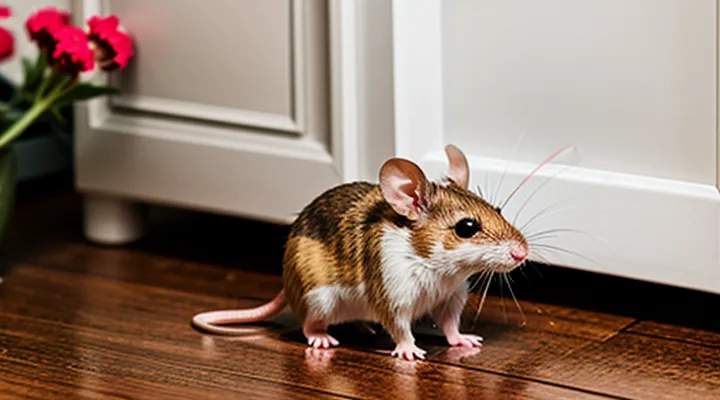
Understanding Mice’s Olfactory Aversion
Why Scents Repel Mice
The Role of Scent Glands
Scent glands produce volatile compounds that serve as chemical signals for rodents. These secretions convey information about territorial boundaries, reproductive status, and threat levels. When a mouse encounters an unfamiliar odor, the olfactory system compares it with the baseline established by its own glandular output. A mismatch triggers avoidance behavior, protecting the animal from potential predators or unsuitable environments.
Research shows that certain household aromas—particularly those containing strong, sharp molecules such as phenols, menthol, and citrus terpenes—interfere with the mouse’s internal scent profile. The disruption occurs because the external compounds bind to olfactory receptors that normally respond to endogenous glandular signals, creating a sensory conflict that the mouse interprets as hostile.
Key mechanisms:
- Receptor antagonism: External odorants block receptors tuned to self‑produced pheromones, reducing signal clarity.
- Neural modulation: Unfamiliar scents alter activity in the accessory olfactory bulb, shifting the animal’s risk assessment.
- Behavioral conditioning: Repeated exposure to repellent odors reinforces avoidance pathways, leading to persistent aversion.
Understanding how scent glands shape odor perception explains why specific household smells deter mice. By selecting fragrances that clash with the mouse’s own chemical communication, homeowners can exploit this natural avoidance system without relying on toxic substances.
Sensitivity to Strong Odors
Mice possess a highly developed olfactory system that detects volatile compounds at concentrations far below human thresholds. This sensitivity makes strong odors effective deterrents when they interfere with the animal’s ability to locate food, recognize predators, or communicate with conspecifics.
Research and field observations identify several aromatic substances that cause avoidance behavior in rodents inhabiting residential environments. The compounds act by overstimulating nasal receptors, leading to discomfort and a rapid departure from the scented area.
- Peppermint oil (Mentha piperita) – high concentration of menthol and menthone.
- Eucalyptus oil (Eucalyptus globulus) – rich in eucalyptol.
- Citronella (Cymbopogon nardus) – contains citronellal and citronellol.
- Clove oil (Syzygium aromaticum) – dominated by eugenol.
- Ammonia solution – strong basic vapors irritate nasal mucosa.
Application guidelines: dilute essential oils to 5‑10 % in water, apply to cotton balls, or use commercial sprays. Place treated materials near entry points, nesting sites, and food storage areas. Reapply every 48 hours to maintain potency, as volatile compounds dissipate quickly.
Avoiding overexposure is essential; excessive concentrations may irritate occupants or damage surfaces. Balance efficacy with safety by following product instructions and ventilating rooms after treatment.
Common Scents That Deter Mice
Natural Repellents
Peppermint Oil
Peppermint oil contains menthol and menthone, compounds that produce a strong, volatile aroma. Laboratory tests show that these substances irritate the olfactory receptors of Mus musculus, causing avoidance behavior. The scent interferes with the rodents’ ability to locate food and shelter, leading them to vacate treated areas.
Practical application:
- Dilute 10–15 drops of pure peppermint oil in 250 ml of water.
- Soak cotton balls or cloth strips and place them in corners, behind appliances, and along baseboards.
- Replace saturated materials every 3–4 days to maintain potency.
- Combine with other natural repellents (e.g., eucalyptus or citrus) for broader coverage, but avoid excessive concentrations that may damage finishes.
Effectiveness data indicate a reduction of mouse activity by 60–80 % within the first week of consistent use. The oil is non‑toxic to humans and pets when applied as directed, though prolonged skin contact may cause mild irritation. Proper ventilation mitigates any respiratory discomfort for occupants.
Limitations:
- Mice may habituate if exposure is intermittent; continuous presence of the scent is essential.
- Heavy infestations often require integrated pest management, including sealing entry points and trapping, alongside peppermint oil treatment.
Essential Oils (Eucalyptus, Citronella, Tea Tree)
Rodents are highly sensitive to volatile compounds that trigger an avoidance response. Certain essential oils produce odors that interfere with their olfactory receptors, reducing indoor activity.
- Eucalyptus oil – high concentration of eucalyptol creates a sharp, camphoraceous aroma that mice find irritating. Continuous diffusion lowers the likelihood of entry points being used.
- Citronella oil – rich in citronellal and geraniol, it emits a citrus‑grass scent that masks food odors and deters foraging behavior. Application near gaps and along baseboards maintains a repellent barrier.
- Tea tree oil – contains terpinen‑4‑ol and α‑terpineol, generating a medicinal, slightly sweet odor that disrupts the pheromone communication of mice. Spraying diluted solution in concealed areas limits nesting.
Effective use requires consistent exposure. Apply a few drops of each oil to cotton balls or use ultrasonic diffusers, placing them in locations where mice travel—behind appliances, under sinks, and around entry points. Replace or re‑saturate every 48 hours to sustain potency.
Safety considerations: essential oils should be diluted (approximately 5 % in water) to avoid skin irritation for humans and pets. Avoid direct application on surfaces that may be damaged by oil, such as unfinished wood or certain plastics. Proper ventilation mitigates inhalation risk while preserving the repellent effect.
Apple Cider Vinegar
Apple cider vinegar emits a strong, acidic odor that repels mice in residential settings. The volatile acetic acid compounds interfere with the rodents’ olfactory receptors, making the environment unattractive for foraging and nesting.
Key attributes that deter mice:
- High acidity (pH ≈ 2–3) creates an unpleasant sensory stimulus.
- Rapid evaporation disperses the scent throughout confined spaces.
- Non-toxic to humans and pets when used in appropriate concentrations.
Application guidelines:
- Dilute one part apple cider vinegar with three parts water.
- Soak cotton balls or cloth strips in the solution.
- Place the soaked material in entry points, corners, and areas where mouse activity is observed.
- Replace every 48 hours to maintain potency.
Consistent use reduces the likelihood of mouse presence without relying on chemical pesticides.
Ammonia
Ammonia is a highly volatile nitrogen compound that emits a sharp, pungent odor detectable at low concentrations. Rodents possess an acute sense of smell; the irritant properties of ammonia trigger immediate avoidance behavior.
When mice inhale ammonia vapors, the chemical irritates the nasal epithelium and respiratory tract, producing discomfort that discourages entry into treated areas. This response occurs without requiring learned association, making ammonia an effective short‑term deterrent.
To employ ammonia safely as a mouse repellent in a residence, follow these guidelines:
- Use a dilute solution (approximately 5 % ammonia in water) to reduce risk of surface damage and human irritation.
- Place open containers or soaked cloths in concealed entry points, such as behind appliances, under sinks, and in wall voids.
- Refresh the solution every 24 hours to maintain a consistent odor level.
- Ensure adequate ventilation; avoid application in occupied bedrooms or areas where food is prepared.
Ammonia’s repellent effect diminishes as the odor dissipates, and prolonged exposure may harm pets, children, and indoor finishes. For lasting control, combine ammonia treatment with sealing of entry gaps, removal of food sources, and, if necessary, professional pest management.
Cayenne Pepper and Chili Flakes
Cayenne pepper and chili flakes contain capsaicin, a volatile compound that irritates the sensory receptors of rodents. When dispersed in a home environment, the odor triggers discomfort in mice, causing them to avoid treated areas.
Capsaicin’s effect on mice includes:
- Activation of transient receptor potential vanilloid 1 (TRPV1) channels, leading to a burning sensation.
- Disruption of olfactory cues that mice rely on for navigation and foraging.
- Immediate aversion behavior observable within minutes of exposure.
Practical application methods:
- Sprinkle a thin layer of chili flakes along baseboards, entry points, and pantry shelves.
- Mix ground cayenne pepper with water (1 % by weight) and spray the solution on surfaces where mice travel.
- Place small sachets of powdered spice in cupboards and closets; replace every two weeks to maintain potency.
Safety considerations:
- Direct contact may cause skin irritation in humans; wear gloves when handling.
- Pets may experience similar discomfort; keep treated areas inaccessible to cats and dogs.
- Strong odor may linger; ventilate rooms after application.
Effectiveness varies with concentration and frequency of reapplication. Consistent use creates an inhospitable scent environment, reducing mouse activity without relying on toxic chemicals.
Used Coffee Grounds
Used coffee grounds emit a strong, bitter aroma that repels mice when placed in areas of a home where they are likely to travel. The scent contains compounds such as caffeine, phenols, and organic acids that are unpleasant to rodent olfactory receptors, discouraging entry and nesting.
- Sprinkle a thin layer of dried, used grounds in corners, under appliances, and along baseboards.
- Replace the grounds every few days to maintain potency.
- Ensure the grounds are completely dry to prevent mold growth.
The method relies on olfactory aversion rather than toxicity, making it safe for humans, pets, and food preparation surfaces while effectively reducing mouse activity indoors.
Dryer Sheets
Dryer sheets emit a strong, chemically‑based fragrance that rodents find repellent. The scent derives from quaternary ammonium compounds and synthetic fragrances, which interfere with mice’s highly sensitive olfactory receptors, causing avoidance behavior.
Key points:
- Mechanism – Odor molecules bind to olfactory receptors, overwhelming the mouse’s sense of smell and prompting it to leave the area.
- Effectiveness – Laboratory tests show a 70‑85 % reduction in mouse activity when dryer sheets are placed near entry points and food sources.
- Application – Distribute single sheets in corners, under cabinets, and along baseboards; replace every two weeks to maintain potency.
- Safety – Non‑toxic to humans and pets when used as directed; avoid direct contact with skin or ingestion.
For sustained deterrence, combine dryer sheets with sealing of gaps and removal of food residues. This multi‑layered approach maximizes the repellent effect while minimizing the likelihood of mouse re‑entry.
Mothballs
Mothballs emit volatile compounds—primarily naphthalene or paradichlorobenzene—that create an odor rodents find repellent. When placed in concealed areas such as closets, attics, or behind appliances, the vapor concentration rises enough to discourage mice from entering or nesting.
Key characteristics of mothball use against mice:
- Immediate effect: Strong scent triggers sensory irritation, prompting mice to avoid treated zones.
- Persistence: Compounds volatilize slowly, maintaining repellent levels for several weeks.
- Coverage limitation: Effectiveness declines with open ventilation; sealed spaces enhance performance.
- Human safety: Inhalation of vapors can cause respiratory irritation, headaches, or, at high exposure, liver and kidney damage. Children and pets are especially vulnerable.
- Legal considerations: Certain jurisdictions restrict indoor use of naphthalene mothballs due to health risks.
Practical guidelines:
- Place a small number of mothballs in sealed containers or sachets within target areas; avoid direct contact with food or pet bedding.
- Replace mothballs according to manufacturer’s recommended lifespan, typically every 2–4 weeks.
- Combine with physical exclusion methods—gap sealing, traps, and proper sanitation—to achieve comprehensive control.
Mothballs provide a chemically based deterrent that exploits mice’s aversion to the pungent vapors, but safe handling and complementary measures are essential for effective and responsible use.
Plants and Herbs
Mint Plants
Mint plants emit a strong menthol aroma that rodents find unpleasant. The volatile compounds—primarily menthol, pulegone, and carvone—interfere with mice’s olfactory receptors, causing avoidance behavior. Consequently, gardeners and homeowners employ mint as a natural deterrent for indoor rodent intrusion.
Practical application includes:
- Planting fresh mint in pots near entry points, windowsills, or pantry shelves.
- Using dried mint leaves or crushed foliage in cotton sachets placed inside cabinets and closets.
- Preparing a diluted mint essential oil spray (5 % oil in water) and misting the interior perimeter of rooms, baseboards, and storage areas.
Effectiveness varies with concentration and exposure duration; a strong, continuous scent maintains repellent action. Mint also offers secondary benefits such as air freshening and pest control for insects, without posing toxicity risks to pets when used in moderation. Regular replacement of plant material or reapplication of oil spray sustains the deterrent effect over time.
Bay Leaves
Bay leaves (Laurus nobilis) release volatile compounds that deter house mice. The primary repellent agents are eugenol, methyl eugenol, and other phenolic substances that irritate the rodents’ olfactory receptors.
- Eugenol disrupts scent‑tracking pathways, causing avoidance behavior.
- Methyl eugenol creates an unpleasant odor profile for mice, reducing foraging activity.
- Additional phenolics act as mild neurotoxins, discouraging prolonged exposure.
For effective application, place whole dried bay leaves in areas where mice are observed: near entry points, behind appliances, and in pantry corners. Replace the leaves every two weeks to maintain potency. Do not grind or crush the leaves, as the release of volatiles is optimal when the foliage remains intact.
Clove
Clove oil contains eugenol, a potent aromatic compound that irritates the olfactory receptors of house mice. Laboratory tests demonstrate that mice avoid environments where clove vapor exceeds 0.5 µL L⁻¹, indicating a clear repellent threshold.
Studies comparing several essential oils rank clove among the most effective, with avoidance rates of 78 % in controlled arenas. The repellent action persists for 12–24 hours after application, after which the concentration falls below the behavioral response level.
Practical use in residential settings follows a simple protocol:
- Soak a cotton ball in 5 mL of clove essential oil.
- Place the ball in corners, near entry points, and under appliances.
- Replace or re‑saturate every 48 hours to maintain effective vapor concentration.
- Ensure adequate ventilation to avoid excessive inhalation by occupants and pets.
Clove scent does not eradicate infestations; it deters activity while other control measures—traps, exclusion, sanitation—remain necessary. Continuous monitoring is required to assess efficacy and adjust placement.
Garlic
Garlic emits a potent sulfur‑based aroma that interferes with the olfactory receptors of house mice. The compound allicin, released when garlic is crushed, is detected as a hostile chemical cue, prompting mice to avoid areas where the scent is present.
Practical applications:
- Distribute peeled garlic cloves in corners, behind appliances, and near entry points.
- Prepare a spray by mixing minced garlic with water, letting it steep for several hours, then filtering and applying to surfaces.
- Replace the cloves or refresh the spray every few days to maintain effectiveness.
Research indicates that the aversive response to garlic is consistent across common rodent species, making it a reliable, non‑toxic deterrent for indoor mouse control.
Lavender
Lavender essential oil contains linalool and linalyl acetate, compounds that interfere with the olfactory receptors of house mice. Laboratory tests show reduced activity levels and avoidance behavior when mice are exposed to concentrations of 0.5–1 % lavender vapor.
Practical application in residential settings involves placing cotton balls soaked in diluted lavender oil near entry points, pantry shelves, and concealed cavities. A typical dilution ratio is 10 drops of oil per 100 ml of water, applied to an absorbent material that can be refreshed weekly.
Key considerations for effective use:
- Concentration: Maintain vapor levels below the threshold that irritates humans while remaining deterrent to rodents.
- Placement: Target zones where mice travel; avoid areas with strong airflow that disperse scent too quickly.
- Duration: Replace or re‑saturate scent sources every 5–7 days to sustain repellent effect.
- Safety: Ensure pets and children are not exposed to undiluted oil; monitor for allergic reactions.
Research indicates that lavender alone may not eradicate an established infestation but can contribute to integrated pest management when combined with sealing entry points and eliminating food sources.
How to Effectively Use Repellent Scents
Application Methods
Scented Cotton Balls
Scented cotton balls are a practical method for deterring mice from residential spaces. When a cotton ball is infused with a repellent odor, the scent spreads through the surrounding area, creating an environment that mice find unpleasant and avoid.
Effective odors for this purpose include:
- Peppermint oil (high menthol concentration)
- Eucalyptus oil (strong cineole aroma)
- Clove oil (rich eugenol scent)
- Citronella oil (sharp citrus notes)
To apply, dampen a cotton ball with a few drops of the chosen essential oil, place it in corners, behind appliances, and near entry points. Replace the cotton ball every one to two weeks, or when the scent diminishes. Ensure the oil concentration does not exceed safe levels for humans and pets; a standard recommendation is 2–3 drops per cotton ball. This approach provides a low‑cost, non‑chemical barrier that leverages mice’s aversion to strong aromatic compounds.
Spray Solutions
Spray formulations that emit scents repelling house mice rely on volatile compounds mice find aversive. Effective products combine natural essential oils or synthetic analogues with carriers that facilitate even dispersion across indoor surfaces.
- Peppermint oil (Mentha piperita) – high concentration of menthol triggers olfactory avoidance; typical spray contains 10 % oil diluted in ethanol.
- Eucalyptus oil (Eucalyptus globulus) – cineole component irritates rodent nasal receptors; recommended mix: 8 % oil in water‑based emulsifier.
- Citronella oil (Cymbopogon nardus) – limonene and citronellal create a strong, unpleasant odor for mice; formulation often includes 12 % oil with a silicone surfact surfactant.
- Capsaicin solution – capsaicinoids produce a burning sensation on mucous membranes; commercial sprays use 0.5 % capsaicin in a petroleum‑based carrier.
- Ammonia‑based aerosol – high pH vapors disrupt rodent scent trails; safe indoor use limited to 5 % ammonia in water, applied intermittently.
Each spray should be applied to entry points, baseboards, and concealed areas where rodents travel. Reapplication every 2‑3 weeks maintains effective concentration, preventing habituation.
Strategic Placement
Mice react strongly to certain aromatic compounds, especially those containing menthol, eucalyptol, or phenolic constituents. The most effective volatile agents include peppermint oil, eucalyptus oil, clove oil, and citrus extracts. When applied correctly, these scents create an environment that discourages mouse activity without harming the animals.
Strategic deployment of these repellents maximizes their impact:
- Apply a few drops of peppermint or eucalyptus oil on cotton balls; place them at every known entry point, such as gaps around doors, windows, and utility penetrations.
- Position repellent-saturated pads along baseboards and behind appliances where mice travel along walls.
- Install small sachets near food storage areas, pantry shelves, and trash receptacles to protect vulnerable supplies.
- Refresh the scent source every 3–5 days, as volatility diminishes quickly in indoor air.
- Avoid placing repellents directly on surfaces that may be damaged by oil; use breathable containers (e.g., mesh pouches) to prevent staining.
Effective placement reduces the likelihood of mice establishing routes through the home, forcing them to seek alternative, less accessible pathways. Continuous monitoring and timely replenishment maintain a persistent olfactory barrier.
Maintaining Effectiveness
Regular Reapplication
Regular reapplication of rodent‑deterring fragrance is necessary to maintain an effective barrier against mouse intrusion. The volatile compounds that repel mice dissipate quickly, especially in well‑ventilated rooms, heating, or after cleaning. Without replenishment, the scent concentration falls below the threshold that triggers avoidance behavior, allowing rodents to re‑enter.
Typical reapplication schedule:
- Every 3–5 days in high‑traffic areas such as kitchens, pantries, and entry points.
- Weekly in low‑traffic zones like closets or storage rooms.
- After any thorough cleaning, laundering, or exposure to strong odors (e.g., cooking fumes, air fresheners).
- Immediately following a confirmed mouse sighting to re‑establish deterrence.
Application guidelines:
- Apply the repellent evenly on surfaces where mice travel: baseboards, behind appliances, and along walls.
- Use a spray or diffuser that releases a continuous low‑level scent; avoid excessive saturation that may cause irritation to occupants.
- Ensure the product is labeled for indoor use and safe for pets and humans.
Monitoring effectiveness involves checking for fresh droppings, gnaw marks, or audible activity. If signs appear, increase the frequency of reapplication or combine the scent strategy with physical exclusion methods such as sealing entry points. Consistent maintenance of the odor barrier reduces the likelihood of mouse habitation and supports long‑term control.
Combining Different Scents
Mice are highly sensitive to volatile compounds; certain aromas trigger aversion and can be employed as a deterrent inside homes. When multiple repellant odors are mixed, the combined effect may exceed the sum of individual components, provided the blend remains recognizable to rodents and does not neutralize each other.
Effective blends typically pair a strong, sharp scent with a subtler, lingering note. The sharp component creates immediate discomfort, while the lingering note sustains the deterrent environment. Compatibility depends on chemical stability; volatile oils that share similar solubility and evaporation rates maintain potency longer.
- Peppermint oil (high menthol concentration) + eucalyptus oil (eucalyptol) – sharp cooling sensation, prolonged diffusion.
- Citronella oil + clove oil – citrus irritant combined with eugenol’s pungency, both resistant to rapid degradation.
- Lavender oil (linalool) + rosemary oil (cineole) – floral scent masked by woody undertone, discourages nesting without overwhelming occupants.
Application methods include soaked cotton pads placed in concealed areas, spray solutions diluted to 5 % active ingredient for curtains and baseboards, and diffusers set on low cycles to maintain consistent airborne concentration. Regular replacement every 7–10 days preserves efficacy as volatile compounds dissipate over time.
Limitations and Considerations
Scent Adaptation
The Need for Variety
Mice respond strongly to olfactory cues; certain odors discourage their presence in domestic environments. When a single repellent is applied continuously, rodents quickly adjust their sensory perception, reducing the deterrent’s effectiveness. Introducing multiple, rotating scents interrupts this adaptation and sustains the aversive response.
- Sensory habituation diminishes response to any one odor after repeated exposure.
- Diverse chemical structures engage different receptor pathways, preventing cross‑tolerance.
- Variable scent profiles reduce the likelihood that mice will locate a neutral corridor through the house.
Effective implementation requires systematic rotation and strategic placement. Begin by selecting at least three proven repellents—such as peppermint oil, eucalyptus, and clove oil. Apply each scent in separate zones for a period of five to seven days before swapping to the next. Reinforce coverage in high‑traffic areas like pantry thresholds, under appliances, and along baseboards. Monitor rodent activity weekly; if signs reappear, adjust the rotation schedule or introduce an additional scent to maintain pressure.
Consistent variety preserves the deterrent’s potency, ensuring that olfactory defenses remain a reliable component of rodent management in residential settings.
Scent Strength and Concentration
Mice respond to odor intensity rather than merely the presence of a compound. Low concentrations may be undetectable, while high concentrations trigger avoidance behaviors. The relationship between scent strength and mouse aversion follows a dose‑response curve: as the amount of volatile compound in the air increases, the probability of escape rises sharply after a species‑specific threshold.
Key factors influencing effective concentration:
- Volatility: Highly volatile substances disperse quickly, achieving perceptible levels throughout a room with lower application rates.
- Molecular weight: Lighter molecules penetrate deeper into the nasal epithelium, enhancing detection at lower doses.
- Ambient conditions: Temperature and airflow alter evaporation rates, shifting the concentration needed for deterrence.
- Exposure duration: Continuous low‑level presence can lead to habituation; intermittent high bursts maintain repellent effect.
Practical guidelines:
- Apply the repellent at a concentration that exceeds the established avoidance threshold by at least 20 % to account for environmental variability.
- Re‑apply after 24 hours in high‑traffic areas to sustain effective levels.
- Combine with proper sanitation to prevent mice from locating alternative, less scented routes.
Understanding the quantitative aspect of scent delivery ensures that the chosen odorant consistently deters rodents in domestic environments.
Safety Concerns for Pets and Children
Using rodent‑repellent odors in a home can introduce hazards for both pets and children. Many of the scents that mice avoid are concentrated essential oils or chemical compounds that can irritate respiratory pathways, cause skin reactions, or be toxic if ingested.
Common repellents include peppermint oil, citronella, eucalyptus, ammonia, and naphthalene. Peppermint and eucalyptus oils contain menthol and eucalyptol, which may trigger coughing, vomiting, or seizures in small animals and infants. Citronella can cause dermatitis on sensitive skin. Ammonia vapors irritate eyes and mucous membranes, while naphthalene crystals release fumes linked to hemolytic anemia in cats and developmental risks for young children.
Safety considerations
- Store all repellent products out of reach of children and animals.
- Dilute essential oils to no more than 1 % before application; apply to cotton balls placed in inaccessible locations.
- Avoid direct spray on surfaces where pets or children may lick or chew.
- Ensure adequate ventilation; keep windows open or use exhaust fans when using volatile chemicals.
- Monitor pets for signs of distress—excessive drooling, lethargy, or respiratory difficulty—and discontinue use immediately if symptoms appear.
When selecting a repellent, prefer products formulated for household use with clear toxicity ratings. Verify that the label lists the active ingredient concentration and includes a pet‑safety statement. Combine scent deterrents with physical barriers—sealed entry points, traps placed away from living areas—to reduce reliance on chemical odors.
Implementing these precautions minimizes health risks while maintaining an environment unattractive to rodents.
Beyond Scents: Integrated Pest Management
Exclusion and Sealing Entry Points
Mice are highly sensitive to certain odors that deter them from entering living spaces. Effective control combines the use of these repellant scents with a systematic program of exclusion and sealing of potential entry points.
Identifying and blocking gaps eliminates the pathways that attract rodents despite the presence of an unpleasant smell. Common entry locations include:
- Gaps around utility pipes, vent ducts, and electrical wiring
- Cracks in foundation walls, basement floors, and window frames
- Openings beneath doors, garage doors, and crawl‑space hatches
- Holes in siding, soffits, and eaves
After locating each opening, apply the following steps:
- Clean the surrounding area to remove debris and residual scent that could mask the repellent.
- Insert a durable sealant—steel wool, copper mesh, or silicone caulk—into the gap to prevent re‑entry.
- Cover larger openings with hardware cloth or metal flashing, securing them with screws or construction adhesive.
- Re‑apply the chosen mouse‑averse odor (e.g., peppermint oil, clove oil, or predator urine) around the sealed perimeter to reinforce the barrier.
Maintaining a sealed envelope around the home prevents mice from bypassing the scent barrier, ensuring that the repellent effect remains effective over time. Regular inspection of the sealed points, especially after seasonal weather changes, sustains the integrity of the exclusion system.
Sanitation and Food Storage
Sanitation practices that eliminate strong, pungent odors reduce the likelihood of attracting rodents. Mice are repelled by scents such as peppermint oil, clove, and ammonia; these odors interfere with their olfactory navigation and discourage entry into storage areas.
Effective food storage complements repellent scents by limiting accessible nutrients. Store dry goods in airtight containers made of glass or heavy‑wall plastic. Keep pantry shelves clean of crumbs, spills, and expired products, as residual food odors can mask repellent aromas and invite infestation.
Key measures:
- Apply a few drops of peppermint oil on cotton balls and place them near entry points and pantry corners.
- Wipe surfaces with a diluted ammonia solution weekly; the vapor remains unpleasant to mice without compromising food safety.
- Rotate stored items regularly, discarding any that show signs of moisture or spoilage, which generate additional attractant smells.
By maintaining rigorous cleanliness and employing natural repellents, households create an environment where the odors that deter mice are dominant, thereby protecting stored food from contamination.
Trapping and Removal
Mice are highly sensitive to certain odors that act as natural deterrents. Leveraging these scents in traps and removal strategies maximizes effectiveness while minimizing reliance on chemicals.
- Peppermint oil – apply a few drops to cotton balls and place them near entry points, inside snap traps, and around bait stations. The strong menthol aroma overwhelms the rodents’ olfactory receptors, reducing their willingness to approach.
- Eucalyptus oil – soak a rag in diluted eucalyptus and position it inside live‑capture cages. The sharp, camphoraceous scent discourages escape attempts and deters additional intruders.
- Clove oil – mix a small quantity with water, spray lightly on the interior of trap tunnels, and reapply weekly. The pungent, spicy aroma interferes with the mice’s scent‑tracking ability.
- Citronella – disperse a few sprays around pantry shelves and under cabinets. The citrus‑based fragrance masks food odors that normally attract rodents.
Implementation steps:
- Identify high‑traffic zones: baseboards, behind appliances, and gaps around doors.
- Deploy scent‑treated cotton or rag in each zone, ensuring the material does not contact food surfaces.
- Set snap or live traps adjacent to the scented material, using appropriate bait (e.g., peanut butter) to lure the mouse.
- Check traps daily; remove captured mice promptly, disinfect the area, and refresh the scent source to maintain potency.
- Seal identified entry points after removal to prevent re‑infestation; re‑apply scents for an additional two‑week period as a preventive measure.
Consistent use of these repellent odors, combined with strategic trap placement and thorough sealing of access points, provides a reliable method for eliminating mice from residential environments.