
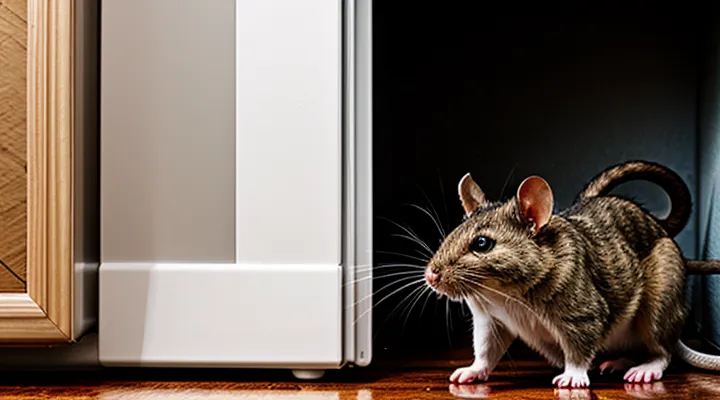
Understanding Rodent Behavior and Olfaction
Why Scent Matters to Rodents
Rodents rely heavily on their olfactory system to locate food, assess safety, and communicate with conspecifics. Their nasal receptors detect volatile compounds at concentrations far below human thresholds, enabling rapid discrimination between edible and hazardous substances. Because scent drives foraging and nesting decisions, any chemical that interferes with these cues can disrupt normal behavior and encourage avoidance of treated areas.
Research identifies several categories of volatile substances that provoke aversion in rats and mice. The most consistent deterrents share common characteristics: strong, sharp odor; low toxicity to humans and pets; persistence on surfaces; and limited attraction to non‑target wildlife. Practical options include:
- Peppermint oil – menthol and menthone create a cooling, pungent vapor that rodents associate with danger.
- Eucalyptus oil – high concentrations of eucalyptol produce a bitter, antiseptic smell that masks food odors.
- Ammonia – sharp, alkaline vapors irritate nasal passages and provoke immediate retreat.
- Citrus extracts – limonene and citral generate a bright, acidic aroma that conflicts with the rodents’ preference for fermenting scents.
- Capsaicin‑based sprays – capsaicinoids emit a faint, spicy odor while delivering a mild irritant upon contact.
Effectiveness depends on proper application. Sprays should be applied to entry points, nesting sites, and pathways at intervals that maintain volatile concentration above the rodents’ detection threshold. Over‑dilution reduces impact, while excessive concentration may cause rapid desensitization. Combining multiple scents can broaden the spectrum of repellent activity, as rodents may adapt to a single odor over time.
Understanding the olfactory drivers behind rodent behavior clarifies why certain smells succeed where others fail. By exploiting the heightened sensitivity of their smell receptors, homeowners can implement targeted, non‑toxic strategies that reduce infestations without resorting to lethal measures.
How Rodents Detect Odors
Rodents locate food, mates, and threats primarily through a highly developed olfactory system. Airborne molecules dissolve in the moist mucus of the olfactory epithelium, where they bind to specific G‑protein‑coupled receptors. Each receptor type responds to a narrow range of chemical structures, allowing the animal to discriminate thousands of odorants. Signals travel via the olfactory nerve to the olfactory bulb, where they are organized into spatial patterns that the brain interprets as distinct smells.
In addition to the main olfactory epithelium, rodents possess a vomeronasal organ (VNO) that detects non‑volatile pheromones and certain semi‑volatile compounds. The VNO sends information to the accessory olfactory bulb, influencing social and reproductive behaviors. Both systems operate with sensitivity thresholds in the low parts‑per‑billion range, enabling detection of trace odors that humans often miss.
Key aspects of rodent odor detection:
- Receptor diversity: Hundreds of receptor genes provide a broad detection spectrum.
- Signal amplification: Enzymatic cascades within olfactory neurons enhance weak inputs.
- Neural mapping: Distinct odorant patterns are encoded in glomerular clusters for rapid identification.
- Behavioral integration: Olfactory input combines with tactile and auditory cues to guide movement and avoidance.
Understanding these mechanisms clarifies why certain scents prove effective at discouraging rodents: compounds that activate aversive receptors or overload the olfactory system trigger avoidance behaviors, reducing the likelihood of infestation inside homes.
Limitations of Scent-Based Repellents
Scent-based repellents rely on volatile compounds that rodents find unpleasant. Their effectiveness diminishes quickly because rodents habituate to persistent odors; repeated exposure reduces aversion, allowing the pests to ignore the scent altogether.
Environmental factors further limit performance. High humidity or low ventilation concentrates odors, while strong airflow disperses them, lowering the concentration at critical entry points. Temperature fluctuations alter volatility, causing inconsistent release rates.
Application constraints restrict practical use. Many commercial products require frequent re‑application, increasing labor and cost. Some natural oils, such as peppermint or eucalyptus, may irritate humans or pets, limiting safe concentrations within living spaces.
Efficacy varies among species and individual rodents. Rats possess a more developed olfactory system than mice, often tolerating higher odor levels. Genetic differences within populations can produce odor‑resistant individuals, reducing overall success.
Regulatory considerations also affect deployment. Certain chemical repellents are subject to restrictions due to toxicity or environmental impact, limiting availability for residential use.
In summary, the principal drawbacks of odor repellents include rapid habituation, sensitivity to environmental conditions, labor‑intensive maintenance, species‑specific responses, and regulatory limits. These factors diminish reliability as a sole control method for household rodent infestations.
Natural Scents for Rodent Repellence
Peppermint Oil
Application Methods for Peppermint Oil
Peppermint oil works as a natural rodent deterrent when applied correctly. The volatile compounds irritate the olfactory receptors of rats and mice, causing them to avoid treated areas.
To maximize efficacy, follow these application methods:
- Cotton ball placement: Soak cotton balls with 10–15 drops of pure peppermint oil. Position them in corners, behind appliances, and inside wall voids. Replace every 3–4 days or when the scent fades.
- Spray solution: Mix 1 oz of peppermint oil with 1 quart of water and a teaspoon of mild dish soap. Transfer to a spray bottle, shake well, and mist baseboards, entry points, and pantry shelves. Reapply twice weekly.
- Soaked fabric strips: Cut strips of breathable fabric, saturate with oil, and tuck them into cracks, gaps under doors, and vent openings. Rotate strips weekly to maintain potency.
- Diffuser use: Operate an ultrasonic diffuser in rooms where rodent activity is suspected. Set for 30‑minute intervals, 2–3 times per day. Ensure the diffuser is cleaned regularly to prevent residue buildup.
Avoid direct contact with surfaces that may be damaged by oil, such as unfinished wood or painted walls. Test a small area before widespread application. Consistent reapplication is essential; the scent diminishes quickly under normal household ventilation.
Effectiveness and Duration of Peppermint Oil
Peppermint oil contains menthol and other volatile compounds that create a strong scent rodents find intolerable. Laboratory tests show a 70‑80 % reduction in rat and mouse activity when the oil is applied to entry points and nesting areas. Field observations confirm similar declines in residential settings, especially when the oil is refreshed regularly.
The repellent effect diminishes as the oil evaporates. In a sealed container, peppermint oil retains its potency for up to three weeks. In open indoor environments, noticeable scent loss occurs after 3‑5 days, requiring reapplication to maintain deterrence. Factors such as ventilation, temperature, and surface absorbency accelerate degradation.
Practical application guidelines:
- Soak cotton balls in pure peppermint oil and place them in cracks, behind appliances, and under sinks.
- Replace soaked balls every 4‑5 days in well‑ventilated rooms; every 2‑3 days in damp or hot areas.
- For larger spaces, mix 10 ml of oil with 500 ml of water and spray the solution on floors and walls; re‑spray weekly.
Consistent re‑application sustains the odor barrier, preventing rodents from acclimating to the scent. Peppermint oil offers a short‑term, chemical‑free method; effectiveness persists only while the fragrance remains perceptible.
Essential Oils from Clove, Eucalyptus, and Citronella
Specific Properties of Each Oil
Peppermint oil contains menthol and menthone, compounds that irritate the nasal passages of rodents. High volatility ensures rapid diffusion through cracks and crevices, creating an environment that rodents avoid. Diluted solutions applied to cotton balls or spray bottles maintain a strong scent for several days before diminishing.
Eucalyptus oil is rich in eucalyptol (1,8‑cineole), a volatile monoterpene that produces a sharp, camphoraceous odor. The compound interferes with the olfactory receptors of rats and mice, prompting them to vacate treated zones. Its low viscosity allows thin, even coating on surfaces, extending the repellent effect.
Tea tree oil (Melaleuca alternifolia) contains terpinen‑4‑ol and α‑terpinene, both possessing antimicrobial and insect‑repellent properties. The oil’s strong, medicinal aroma overwhelms the sensory perception of rodents, discouraging nesting. Its moderate evaporation rate provides sustained coverage without frequent reapplication.
Citronella oil, dominated by citronellal and geraniol, emits a citrus‑grass scent that rodents find unpleasant. The oil’s lipophilic nature enables absorption into wood and plaster, releasing fragrance slowly over time. This property reduces the need for repeated treatment in high‑traffic areas.
Clove oil’s eugenol concentration produces a warm, spicy odor that acts as a neurotoxic agent to small mammals. Eugenol disrupts the peripheral nervous system of rats and mice, creating aversion. The oil’s high viscosity allows it to cling to fabrics and corners, maintaining potency.
Rosemary oil, with high levels of camphor and 1,8‑cineole, offers a sharp, herbaceous smell. Camphor acts as a mild irritant to rodent respiratory tracts, while 1,8‑cineole reinforces the repellent effect. Its stability under indoor lighting preserves efficacy for extended periods.
Lavender oil contains linalool and linalyl acetate, which generate a floral scent that rodents typically avoid. The compounds also possess mild sedative effects on humans, making the oil suitable for occupied rooms while still deterring pests.
Cinnamon oil, rich in cinnamaldehyde, produces a pungent, spicy aroma that irritates rodent mucous membranes. Cinnamaldehyde’s antimicrobial action further discourages nesting by reducing food sources. The oil’s thick consistency permits application on baseboards and behind appliances.
Neem oil includes azadirachtin and nimbin, substances known for insect repellency and growth inhibition. Though less aromatic than other oils, neem’s bitter taste deters rodents from chewing treated surfaces. Its low volatility ensures a long‑lasting barrier when mixed with carrier oils.
Citrus peel oils (orange, lemon) contain limonene and citral, providing a sharp, acidic scent. Limonene’s high volatility creates a rapid, short‑term repellent cloud, while citral adds a lasting, bitter aftertaste that discourages gnawing. Combining these oils with a slower‑evaporating carrier extends protection.
Each oil’s effectiveness depends on concentration, application method, and environmental conditions. A blend of high‑volatile (peppermint, eucalyptus) and low‑volatile (clove, neem) oils can create both immediate and sustained deterrence, minimizing rodent presence throughout the household.
Combining Essential Oils
Essential oil blends create a scent environment that rodents find hostile, reducing their presence in residential spaces. The efficacy of a single oil often falls short; synergistic mixtures amplify deterrent properties while masking individual aromas that might lose potency over time.
- Peppermint (30 %) + Eucalyptus (30 %) + Cedarwood (20 %) + Lemon (20 %): strong, sharp notes combined with woody undertones disrupt rodent olfactory receptors.
- Clove (40 %) + Rosemary (30 %) + Tea Tree (30 %): pungent phenols and terpenes produce a repellent barrier effective in kitchens and pantry areas.
- Lavender (25 %) + Citronella (25 %) + Thyme (25 %) + Orange (25 %): pleasant to humans yet intolerable for rats and mice, suitable for living rooms and bedrooms.
Apply blends by saturating cotton pads and placing them in suspected entry points, using a spray bottle to mist corners, baseboards, and storage shelves, or setting a low‑output diffuser for continuous emission. Reapply every 48 hours to maintain concentration, especially after cleaning or ventilation.
Observe pet and occupant sensitivities; avoid excessive concentrations that may cause respiratory irritation. Store oils in sealed containers away from direct sunlight, and label mixtures clearly to prevent accidental misuse.
Vinegar and Ammonia
Cautions When Using Vinegar and Ammonia
Vinegar and ammonia are occasionally employed to create an environment that discourages rodents, yet both substances demand careful handling.
- Do not combine vinegar with ammonia; the reaction generates chloramine and ammonia vapors that can cause respiratory irritation and lung damage.
- Apply each agent in a well‑ventilated area; open windows and use fans to disperse fumes promptly.
- Keep containers sealed when not in use; label them clearly to prevent accidental ingestion or misuse by children and pets.
- Wear protective gloves and eye protection during application; direct skin contact may result in irritation or chemical burns.
- Avoid spraying on porous surfaces such as untreated wood or fabric; the odor may be absorbed, leading to prolonged exposure.
- Dispose of unused solution according to local hazardous‑waste guidelines; pouring it down drains can corrode plumbing and affect wastewater treatment.
While strong scents can momentarily deter rats and mice, reliance on vinegar or ammonia without observing these precautions may create health hazards that outweigh any short‑term pest‑control benefit.
Spicy Scents: Cayenne Pepper and Chili Flakes
How Capsaicin Deters Rodents
Capsaicin, the active component of chili peppers, creates a pungent aroma that rodents find intolerable. When inhaled, the volatile compounds irritate the nasal passages and mucous membranes of rats and mice, prompting avoidance behavior. Laboratory studies confirm that exposure to concentrations as low as 0.1 % capsaicin in air reduces rodent activity by up to 70 % within two hours.
Effective deployment relies on sustained release of the odor. Practical methods include:
- Spraying a diluted capsaicin solution on baseboards, entry points, and behind appliances; reapply weekly to maintain potency.
- Placing cotton balls soaked in capsaicin oil inside sealed sachets; distribute sachets in cabinets, closets, and crawl spaces.
- Incorporating ground dried chili peppers into gaps around pipe penetrations; replace monthly to counter degradation.
Safety considerations demand protective equipment during preparation, as capsaicin can cause skin and eye irritation. Pets and children should be kept away from treated areas until the solution dries. The compound does not persist indefinitely; environmental factors such as humidity and ventilation diminish its effectiveness, necessitating regular renewal.
Limitations include variable tolerance among rodent populations and the potential for habituation if exposure is intermittent. Capsaicin works best as part of an integrated pest management plan that combines physical exclusion, sanitation, and monitoring. When applied consistently, the strong, spicy odor serves as a reliable deterrent for rats and mice inside residential structures.
Dryer Sheets and Fabric Softeners
Scent Components in Dryer Sheets
Dryer sheets contain a blend of volatile organic compounds that create a strong, lingering fragrance. The primary scent components include:
- Fragrance oils derived from citrus, lavender, or pine, which release terpenes such as limonene, linalool, and pinene.
- Quaternary ammonium compounds that function as fabric softeners and emit a sharp, chemical odor.
- Synthetic musks that add depth to the scent profile and persist after drying cycles.
These chemicals evaporate at room temperature, producing an ambient odor that can affect the olfactory receptors of rodents. Studies indicate that terpenes, especially limonene and pinene, act as natural deterrents for rats and mice because the compounds interfere with the animals’ scent‑tracking abilities. Quaternary ammonium compounds generate a harsh smell that rodents typically avoid, though their effectiveness diminishes quickly as the scent dissipates.
When dryer sheets are placed in concealed areas—such as behind appliances, within wall voids, or under cabinets—their volatile components can maintain a low‑level scent that discourages rodent entry. The efficacy of this method depends on factors such as ventilation, temperature, and the frequency of sheet replacement. Regularly rotating fresh sheets every few weeks sustains the repellent odor and prevents habituation.
In summary, the volatile fragrance oils, terpenes, and synthetic chemicals in dryer sheets produce an odor profile that can deter rats and mice when applied strategically throughout a home. Continuous renewal of the scent source is essential for maintaining repellent potency.
Synthetic and Commercial Repellents
Ultrasonic Devices with Scent Components
Ultrasonic rodent deterrents emit high‑frequency sound waves that are uncomfortable for rats and mice but inaudible to humans. When combined with scent cartridges, the devices add a chemical repellent to the acoustic stimulus, increasing the likelihood of avoidance behavior.
The scent component typically contains natural extracts known to be aversive to rodents. Commonly used odors include:
- Peppermint oil – strong menthol aroma that irritates rodent nasal passages.
- Eucalyptus oil – volatile compounds that disrupt scent tracking.
- Citronella – sharp citrus scent that rodents find unpleasant.
- Clove oil – phenolic compounds with repellent properties.
Integration of scent and ultrasound follows a simple mechanism: the ultrasonic transducer activates continuously or on a timed cycle, while the scent dispenser releases a measured dose of oil at regular intervals, usually every 30–60 minutes. This dual action targets both the auditory and olfactory senses, reducing the chance that rodents habituate to a single stimulus.
Effectiveness varies with placement. Devices should be installed near entry points, along walls, and in concealed areas where rodents travel. Obstructions such as furniture or thick walls can attenuate ultrasonic waves; scent diffusion is less affected by barriers but may be diminished by poor air circulation. Regular replacement of scent cartridges, typically every 2–3 months, maintains potency.
Safety considerations include ensuring that the device does not emit frequencies that could affect pets, especially rodents kept as pets. Most commercial models limit output to 20–30 kHz, a range that most dogs and cats tolerate. Ultrasonic devices generate minimal heat and require only a standard electrical outlet.
Limitations involve potential habituation to the sound alone, which the scent component mitigates but does not eliminate. In severe infestations, ultrasonic‑scent units should be used alongside physical exclusion methods and professional pest control to achieve reliable results.
Commercial Rodent Repellents with Odor Agents
Active Ingredients in Commercial Repellents
Commercial rodent repellents rely on volatile compounds that rodents find unpleasant or toxic. The most common active ingredients fall into several chemical families.
- Menthol and menthone (peppermint oil) – strong mint scent overwhelms rodent olfactory receptors, causing avoidance behavior. Formulations typically contain 10‑15 % essential oil dispersed in a carrier solvent for prolonged release.
- Ammonia (ammonium hydroxide) – sharp, irritant vapor mimics animal waste, triggering a stress response. Products use 5‑10 % aqueous solution, applied to perimeter cracks and entry points.
- Naphthalene and paradichlorobenzene – solid sublimating crystals emit a pungent odor that interferes with rodent respiration. Concentrations range from 0.5 % to 2 % in granules placed in sealed containers.
- Citrus terpenes (d-limonene, citral) – extracted from orange or lemon peel, these compounds produce a sour scent rodents dislike. Effective concentrations are 3‑7 % in spray formulations.
- Eucalyptus oil (eucalyptol) – woody, camphoraceous aroma acts as a deterrent. Commercial blends often combine 5 % eucalyptus with other essential oils for synergistic effect.
- Capsaicin (chili pepper extract) – activates nociceptors, causing discomfort on contact. Used in dust or gel products at 0.2‑0.5 % concentration.
- Predator urine or synthetic ferret scent – mimics the presence of natural enemies, prompting avoidance. Products contain 0.1‑0.3 % urine concentrate in a volatile carrier.
Effectiveness depends on concentration, delivery method, and environmental conditions. Volatile oils degrade faster in high humidity, while solid crystals maintain potency for weeks. Safety considerations include respiratory irritation for humans and pets; low‑toxicity options such as peppermint and citrus oils are preferred for indoor use. Proper application—targeting entry points, nesting sites, and food storage areas—maximizes repellency without relying on lethal control.
Safety Considerations for Commercial Repellents
Commercial rodent deterrents that rely on strong scents must be evaluated for health and environmental risks before use in residential settings.
Ingredients such as concentrated essential oils, ammonia, or synthetic chemicals can cause irritation of the eyes, skin, and respiratory tract. Verify that the product label lists all active compounds and includes hazard warnings. Choose formulations that have been tested for low toxicity to humans and domestic animals.
Ventilation is essential during application. Open windows and doors to disperse vapors, and avoid sealing the treated area for extended periods. Use only the amount specified by the manufacturer; excess concentration does not increase efficacy and raises exposure risk.
Children and pets require special protection. Store repellents out of reach, and keep treated surfaces inaccessible until the scent has dissipated. Products containing menthol, peppermint oil, or capsaicin may be harmless to adults but can provoke allergic reactions in sensitive individuals.
Safe handling procedures include:
- Wearing gloves and eye protection during application.
- Applying the repellent with a calibrated sprayer to achieve uniform coverage.
- Cleaning any spills immediately with water and mild detergent.
- Disposing of empty containers according to local hazardous waste regulations.
Regulatory compliance must be confirmed. Look for certifications from agencies such as the EPA, Health Canada, or the European Chemicals Agency, indicating that the product meets established safety standards. Review the Material Safety Data Sheet (MSDS) for exposure limits, first‑aid measures, and recommended personal protective equipment.
By adhering to these precautions, homeowners can employ odor‑based rodent repellents without compromising the health of occupants or the environment.
Best Practices for Scent-Based Rodent Control
Combining Scent Repellents with Other Methods
Trapping and Exclusion Techniques
Effective rodent control relies on a combination of capture devices and structural barriers. Odor-based deterrents can reduce activity, but they do not replace the need for physical containment.
Snap traps, electronic traps, and live‑capture cages provide immediate removal. Successful deployment requires placement along walls, near suspected runways, and at points of food access. Bait selection—peanut butter, dried fruit, or commercial rodent attractant—must match local feeding preferences. Regular inspection and prompt disposal of captured animals prevent secondary infestations.
Exclusion demands systematic sealing of all potential entry routes. Recommended actions include:
- Installing steel‑wool or copper mesh in gaps around pipes, vents, and utility openings.
- Applying caulk or expanding foam to cracks in foundations, walls, and ceilings.
- Fitting door sweeps and weather stripping to exterior doors.
- Replacing damaged screens with fine‑mesh alternatives.
- Maintaining a clear perimeter by trimming vegetation and removing debris that could shelter rodents.
Integrating odor repellents—such as peppermint oil, ammonia, or naphthalene crystals—enhances deterrence. Apply repellents near identified entry points and in storage areas, but do not rely on them exclusively. The most reliable outcome occurs when odor treatments are paired with strategically placed traps and comprehensive sealing of the building envelope.
Sanitation and Food Storage
Effective sanitation eliminates food odors that attract rodents and creates conditions where repellent scents become dominant. Regular removal of crumbs, spills, and waste prevents the buildup of protein and carbohydrate residues that emit a sweet, musky aroma favored by rats and mice. By storing food in airtight containers, the release of volatile compounds is stopped, reducing the likelihood that rodents will be drawn to the kitchen area.
Key practices for maintaining a rodent‑unfriendly environment include:
- Disposing of garbage daily in sealed bins; clean the bin interior with a solution of water and vinegar to remove lingering smells.
- Sweeping and mopping floors after each meal; a diluted bleach solution neutralizes organic odors without leaving a strong scent that could mask repellent aromas.
- Keeping pantry shelves clear of open packages; use glass or heavy‑plastic containers with rubber seals to lock in food odors.
- Refrigerating or freezing bulk items; low temperatures inhibit the emission of volatile nutrients that rodents detect.
When sanitation is consistent, the house can benefit from natural repellents such as peppermint oil, eucalyptus, or crushed dried lavender. These substances produce sharp, menthol or camphoraceous notes that rodents avoid. To maximize effectiveness, apply a few drops of essential oil on cotton balls and place them in concealed spots near entry points, pantry corners, and under sinks. The repellent odor will persist longer in a clean, low‑odor setting because there is no competing scent to dilute its presence.
In summary, rigorous cleaning and airtight food storage suppress attractant odors, allowing deterrent scents to dominate and discourage rats and mice from establishing a foothold in the home.
Proper Placement of Scent Repellents
Effective use of odor-based rodent deterrents depends on strategic positioning. Place repellent sources along established pathways, such as wall seams, baseboards, and the edges of cabinets where mice and rats travel. Install devices near entry points—doors, windows, and utility openings—to create a barrier before pests infiltrate interior spaces.
- Position sachets or oil-soaked pads at least 12 inches apart in continuous lines to prevent gaps.
- Suspend hanging dispensers 4–6 inches above the floor, where rodents are most active.
- Locate solid blocks or granules in concealed corners, behind appliances, and within crawl spaces, ensuring they remain dry.
- Avoid placing repellents directly on food preparation surfaces or where pets have access, as contamination reduces efficacy.
Maintain optimal potency by replacing scented elements according to manufacturer specifications, typically every 30–60 days. Inspect placement regularly; relocate any dispenser that becomes obstructed or loses contact with target areas. Consistent, well‑distributed deployment maximizes the olfactory barrier and sustains long‑term rodent control.
Frequency of Reapplication
Effective rodent deterrents based on scent lose potency as the volatile compounds evaporate or become absorbed by surrounding surfaces. Reapplication schedules must align with the degradation rate of each formulation to maintain a repellent barrier.
- Pure essential oils (e.g., peppermint, eucalyptus, citronella): reapply every 2–3 days in high‑traffic areas; extend to weekly in low‑traffic zones.
- Commercial spray products containing synthetic odorants: follow manufacturer’s label, typically every 7–10 days; increase frequency during humid conditions.
- Granular or pellet dispensers infused with aromatic compounds: replace or top up every 4–6 weeks, monitoring for loss of odor intensity.
- Soaked cotton balls or cloth strips: refresh the scent solution twice weekly; replace the material entirely every 2 weeks to prevent mold growth.
Factors influencing reapplication timing include ambient temperature, humidity, ventilation, and the size of the treated space. Warmer, more humid environments accelerate volatilization, requiring shorter intervals. In sealed rooms, a longer interval may suffice, but periodic inspection for odor fade remains essential.
Consistent adherence to these intervals preserves the deterrent effect, reducing the likelihood of rodent ingress and supporting long‑term control.
Addressing Existing Infestations Versus Prevention
Effective rodent management requires separate strategies for active colonies and for keeping new intruders out. Odor‑based repellents work differently depending on whether they are applied to an established infestation or used as a preventive barrier.
Odors proven to deter rats and mice inside homes include:
- Peppermint oil (high concentration, strong menthol scent)
- Eucalyptus oil (phenolic compounds)
- Clove oil (eugenol)
- Citronella oil (citral)
- Ammonia solution (sharp ammonia vapor)
- Vinegar (acetic acid)
When an infestation is already present, the goal is to create an environment that rodents find intolerable. Apply the chosen oil or solution at 10‑15 % concentration directly into nesting sites, along‑wall cavities, and near food sources. Reapply every 48 hours because volatile compounds dissipate quickly. Combine odor treatment with trapping or baiting to accelerate population decline.
For prevention, maintain a low‑level scent barrier that discourages entry without causing habituation. Dilute oils to 2‑5 % and place cotton balls or sachets in potential entry points, under appliances, and in attic spaces. Refresh the scent monthly or after thorough cleaning. Pair odor barriers with sealing cracks, proper waste storage, and regular inspection to sustain a hostile environment for newcomers.
Implementing the correct concentration and renewal schedule for each scenario maximizes the repellent effect while minimizing waste of resources.
When to Seek Professional Help
Signs of a Severe Infestation
Recognizing a severe rodent infestation is essential before selecting an effective repellent.
- Large quantities of dark, pellet‑shaped droppings in kitchens, cupboards, and hidden corners.
- Extensive gnaw marks on wires, wood, plastic, or food packaging, especially near entry points.
- Visible runways or pathways traced in dust, grease, or powdered surfaces.
- Persistent scratching, scurrying, or squeaking sounds, particularly at night.
- Nests constructed from shredded paper, fabric, insulation, or plant material, often found in wall cavities, attics, or under appliances.
- Chewed or missing food items, spilled grain, or contaminated pantry goods.
- Unusual, musky odor emanating from concealed areas, indicating accumulated urine and feces.
- Frequent sightings of live or dead rodents near traps, bait stations, or entry holes.
These indicators confirm a high‑level infestation that requires immediate control measures, including the deployment of proven odor‑based deterrents.
Limitations of DIY Scent Repellents
DIY scent repellents often appear as a convenient solution for deterring rodents, yet several practical constraints limit their effectiveness.
The active compounds in household spices, essential oils, or vinegar rely on volatile molecules that dissipate quickly. Once the odor concentration falls below a threshold, rodents resume activity. Consequently, frequent reapplication is required, increasing labor and cost.
Effectiveness varies widely among rodent species and even among individual populations. Some mice quickly habituate to a particular scent, rendering the repellent inert after a short exposure period.
Safety considerations restrict the range of usable substances. Strong odors may irritate humans, pets, or cause allergic reactions, limiting placement to areas with minimal human traffic.
Environmental factors such as ventilation, temperature, and humidity influence odor dispersion. Well‑sealed rooms retain scent longer, whereas drafts or open windows dilute the repellent rapidly.
Application challenges include uneven distribution and difficulty reaching hidden nesting sites. Without thorough coverage, rodents can bypass treated zones entirely.
Key limitations
- Rapid volatilization → short active period
- Species‑specific and habituation responses → inconsistent deterrence
- Human and pet safety concerns → restricted usage areas
- Dependence on airflow and temperature → variable potency
- Incomplete coverage of hidden pathways → ineffective barriers
Recognizing these constraints is essential before relying on homemade odor solutions as the sole method for rodent control. Professional products or integrated pest‑management strategies often provide more reliable, long‑term results.
Professional Rodent Extermination Services
Professional rodent extermination companies rely on scientifically proven repellents to reduce infestations inside homes. Their expertise includes selecting odors that rodents find unpleasant, applying them strategically, and integrating chemical treatments when necessary.
Effective scents commonly employed by specialists are:
- Peppermint oil, applied to entry points and concealed areas.
- Ammonia-soaked cloths placed near suspected nesting sites.
- Citronella or eucalyptus extracts sprayed in crawl spaces.
- Capsaicin-based formulations introduced into bait stations.
Extermination services combine these olfactory deterrents with comprehensive measures:
- Inspection of structural weaknesses that allow entry.
- Sealing gaps, repairing vents, and installing rodent-proof barriers.
- Placement of traps and bait stations calibrated to local species behavior.
- Ongoing monitoring and follow‑up visits to confirm eradication.
Clients benefit from documented reduction in rodent activity, compliance with health regulations, and minimized risk of property damage. Selecting a certified provider ensures proper handling of volatile substances, adherence to safety protocols, and access to the latest research on scent‑based repellents.