
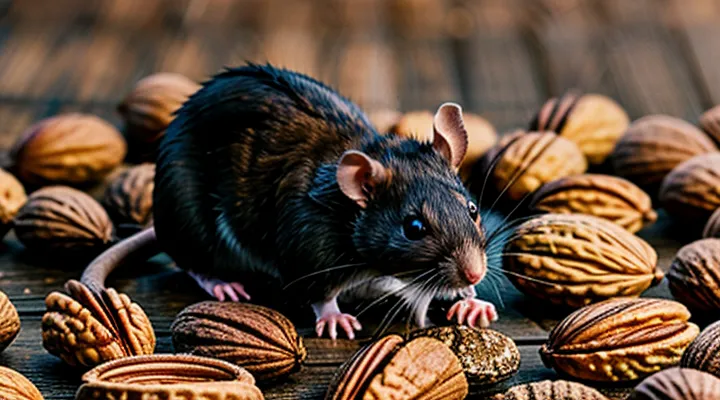
Understanding Rat Dietary Needs
Essential Nutrients for Rats
Protein Requirements
Pet rats require approximately 18–20 % protein in their daily diet to support growth, tissue repair, and immune function. Commercial rodent feeds typically meet this requirement, but supplemental foods can enhance variety and enrichment when chosen carefully.
Nuts offer a concentrated protein source, yet they also contain high levels of fat and calories. Selecting nuts with a favorable protein-to-fat ratio and low risk of choking is essential for safe inclusion.
- Almonds (unsalted, blanched, finely chopped): 21 % protein, moderate fat; safe in small portions.
- Peanuts (unsalted, roasted, crushed): 25 % protein, high fat; acceptable when limited to a few kernels.
- Cashews (unsalted, raw, minced): 18 % protein, moderate fat; safe in minute amounts.
- Hazelnuts (unsalted, ground): 15 % protein, high fat; can be offered sparingly.
- Pistachios (unsalted, shelled, chopped): 20 % protein, high fat; suitable only as occasional treat.
Do not feed rats macadamia nuts, walnuts, or pecans; these contain toxins or excessive fat that can cause digestive upset and obesity. Avoid flavored, salted, or honey‑roasted varieties, as added seasonings are harmful.
Limit nut supplementation to no more than 5 % of total caloric intake, roughly one to two teaspoons per week for an adult rat. Introduce nuts gradually, monitor for digestive changes, and remove any uneaten pieces to prevent mold growth. Consistent adherence to these guidelines ensures that nuts contribute protein without compromising health.
Fat Considerations
Nuts provide concentrated energy, primarily from fat, which can quickly exceed a rat’s dietary requirements. Excessive fat leads to weight gain, hepatic lipidosis, and reduced lifespan. A balanced rat diet should obtain roughly 5–10 % of calories from fat; any single food item contributing more than this proportion must be limited.
Typical rodent maintenance diets contain about 3–5 % fat. When nuts are introduced, total daily fat intake should not surpass the upper limit of the recommended range. Monitoring body condition and adjusting portion size are essential to avoid caloric overload.
- Almonds (raw, unsalted): ~14 g fat per ounce (≈40 % of calories)
- Walnuts: ~18 g fat per ounce (≈70 % of calories)
- Pecans: ~20 g fat per ounce (≈78 % of calories)
- Hazelnuts: ~15 g fat per ounce (≈57 % of calories)
- Cashews: ~12 g fat per ounce (≈50 % of calories)
- Peanuts (unshelled, unsalted): ~14 g fat per ounce (≈41 % of calories)
Low‑fat options such as peanuts and almonds can be offered sparingly, while high‑fat nuts like walnuts and pecans should be reserved for occasional treats. A typical safe serving for an adult rat is no more than ¼ tsp (about 0.5 g) of any nut per day, adjusted downward for younger or overweight individuals.
Implement a feeding schedule that limits nut exposure to 2–3 times weekly, ensures the primary diet remains grain‑based, and includes regular weight checks. Adjust portions promptly if the rat shows signs of increased adiposity or reduced activity.
Fiber and Carbohydrates
Nuts provide a notable source of dietary fiber and easily digestible carbohydrates, both of which influence a rat’s gastrointestinal health and energy balance. High‑fiber nuts help maintain regular bowel movements and support the growth of beneficial gut bacteria, while excessive simple sugars can lead to weight gain and blood‑glucose spikes.
- Almonds: approximately 12 % fiber, low‑moderate carbohydrate content; safe in small, unsalted portions.
- Hazelnuts: about 9 % fiber, moderate carbs; suitable when offered sparingly.
- Walnuts: 7 % fiber, higher fat than carb load; acceptable in limited amounts, focus on fiber benefit.
- Pistachios: 10 % fiber, higher simple sugars; can be given occasionally, monitor carbohydrate intake.
- Peanuts (technically legumes): 8 % fiber, moderate carbs; safe if unsalted and free of mold.
Nuts with very low fiber and high simple carbohydrate levels—such as sweetened or honey‑glazed varieties—should be avoided because they provide minimal digestive benefit and increase the risk of obesity and metabolic disturbances. Raw, unsalted nuts without added flavorings present the most reliable fiber and carbohydrate profile for occasional rat enrichment.
Safe Nuts for Rats
Almonds
Preparation Guidelines for Almonds
Almonds can be included in a rat’s diet when prepared correctly, offering protein, vitamin E, and healthy fats without introducing harmful additives.
- Use only raw, unsalted almonds; avoid roasted, flavored, or oil‑coated varieties.
- Rinse each almond under cool water to eliminate surface dust.
- Soak almonds in fresh water for 4–6 hours; this softens the texture and reduces phytic acid.
- After soaking, pat dry with a clean cloth and cut into pieces no larger than ¼ inch to prevent choking.
- Store prepared pieces in an airtight container in the refrigerator; discard any that develop mold or an off odor.
Limit servings to a maximum of one teaspoon (approximately 2–3 grams) per 100 grams of body weight, offered no more than twice a week. Excessive almond intake can cause gastrointestinal upset or contribute to obesity due to high fat content.
Monitor the rat for signs of intolerance, such as loose stools or reduced activity, and discontinue use if symptoms appear. Proper preparation and controlled portions keep almonds a safe occasional supplement within a balanced rodent diet.
Nutritional Benefits of Almonds
Almonds provide a dense source of protein, healthy fats, and essential micronutrients that can support the overall health of pet rats when offered in moderation.
Key nutrients include:
- Vitamin E, an antioxidant that helps protect cell membranes.
- Magnesium, which contributes to muscle function and nervous system stability.
- Riboflavin (vitamin B2) and niacin (vitamin B3), both involved in energy metabolism.
- Fiber, which aids digestive regularity.
The high monounsaturated‑fat content supplies a concentrated energy source, while the presence of phytosterols can contribute to cholesterol balance. Almonds also contain trace amounts of calcium and iron, supporting bone development and oxygen transport.
When integrating almonds into a rat’s diet, observe the following guidelines:
- Offer only unsalted, raw or dry‑roasted almonds; avoid varieties with added sugars or flavorings.
- Limit portions to a few slivered pieces per week, as excess fat may lead to obesity or gastrointestinal upset.
- Monitor individual tolerance; some rats may exhibit sensitivity to the oxalate content, which can affect kidney function.
Providing almonds intermittently, alongside a balanced staple diet of grains, vegetables, and protein, can enrich nutrient intake without compromising safety.
Peanuts
Raw vs. Roasted Peanuts
Raw peanuts provide a high‑protein source for rats, containing approximately 25 % protein, 45 % fat and 15 % carbohydrates. The fat is predominantly unsaturated, offering essential fatty acids, while the protein includes amino acids required for growth and tissue repair. Raw nuts retain natural enzymes that aid digestion, but they may also harbor aflatoxins or bacterial contaminants if not stored properly.
Roasted peanuts differ mainly in moisture content and potential additives. Dry‑roasting removes water, concentrating calories and fat. Heat can degrade some heat‑sensitive vitamins, such as vitamin E, and may produce low levels of acrylamide, a compound of concern in rodent diets. Commercially roasted peanuts often include salt, oil, or flavorings; these additives increase sodium intake and may introduce unhealthy fats.
Safety considerations for rats:
- Choose unsalted, unflavored peanuts; avoid varieties with added sugars, spices, or preservatives.
- Limit portions to 1–2 % of body weight per week; excessive fat can cause obesity and hepatic lipidosis.
- Store raw peanuts in a cool, dry environment to prevent mold growth; discard any nuts with visible discoloration or odor.
- For roasted peanuts, favor dry‑roasted without oil; test a small amount first to monitor for digestive upset.
Both raw and roasted peanuts can be offered as occasional treats, not as staple nutrition. Consistent provision of a balanced pellet diet remains essential for optimal health.
Potential Allergies in Rats
Rats can develop allergic reactions to certain nuts, which may compromise their health and obscure assessments of nut safety. Recognizing symptoms early prevents escalation. Common signs include sneezing, nasal discharge, watery eyes, skin redness or swelling, excessive scratching, and gastrointestinal upset such as vomiting or diarrhea. In severe cases, respiratory distress or anaphylaxis may occur, requiring immediate veterinary intervention.
Allergic potential varies among nut species. The following list identifies nuts most frequently associated with rat hypersensitivity:
- Peanuts – high protein content, frequent allergen in rodents.
- Almonds – contain amygdalin, which can trigger immune responses.
- Walnuts – rich in tannins that may provoke skin irritation.
- Cashews – possess urushiol-like compounds linked to contact dermatitis.
- Pistachios – occasional reports of respiratory irritation.
Nuts generally considered low risk for allergic reaction include:
- Hazelnuts – low incidence of reported hypersensitivity.
- Macadamia nuts – minimal documented allergic cases, though high fat content warrants moderation.
When introducing a new nut, follow a structured exposure protocol: offer a single, small piece (approximately ¼ teaspoon) and observe the rat for 24‑48 hours. Record any abnormal behavior or physical changes. If the animal tolerates the nut without adverse effects, gradually increase the portion while maintaining daily monitoring.
Veterinary allergy testing, such as serum IgE assays, can confirm specific sensitivities. Owners should consult a veterinarian before adding nuts to a rat’s diet, especially if the animal has a history of skin or respiratory issues.
Overall, careful selection, incremental introduction, and vigilant observation mitigate the risk of nut‑related allergic reactions in pet rats.
Walnuts
Portion Control for Walnuts
Walnuts provide beneficial fats and protein for pet rats, but excessive amounts can lead to obesity, digestive upset, and elevated calorie intake. Limit servings to prevent health issues while still offering nutritional variety.
- Standard serving: ¼ teaspoon of shelled walnut flesh per adult rat, once or twice a week.
- Weight‑based adjustment: Rats under 150 g receive ⅛ teaspoon; rats over 200 g may receive up to ½ teaspoon.
- Preparation: Remove skins and chop finely to reduce choking risk and improve digestibility.
- Frequency: No more than two servings weekly; alternate with other safe nuts such as almonds, hazelnuts, or peanuts to maintain balanced nutrient exposure.
Monitor body condition after each feeding. Any sudden weight gain, loose stools, or reduced activity warrants immediate reduction or cessation of walnut portions.
Omega-3 Fatty Acids
Omega‑3 fatty acids contribute to cardiovascular health, neural function, and inflammation control in rats. When selecting nuts as a source, the focus must be on species that provide measurable amounts of α‑linolenic acid (ALA) without introducing excessive fat or toxins.
- Walnuts (Juglans regia): Highest ALA content among common pet‑safe nuts; limit to ¼ – ½ gram per 100 g body weight per week.
- Hazelnuts (Corylus avellana): Low ALA, safe in small quantities; suitable for occasional supplementation.
- Almonds (Prunus dulcis): Minimal ALA, safe; best used as a protein‑rich adjunct rather than an omega‑3 source.
- Pecans (Carya illinoinensis): Moderate ALA; restrict to the same portion limits as walnuts to avoid excess calories.
- Macadamia nuts (Macadamia integrifolia): Negligible ALA; generally discouraged for rats due to high saturated fat.
Feeding recommendations: introduce any nut gradually, observe for digestive upset, and maintain total nut intake below 5 % of the overall diet. Combine nuts with a balanced pellet base that already supplies essential fatty acids, ensuring the rat receives a complete nutrient profile.
Potential issues: high‑fat nuts can precipitate obesity and hepatic lipidosis if over‑fed. Raw nuts may contain anti‑nutritional factors such as phytic acid; roasting at low temperature reduces these compounds without destroying ALA. Store nuts in airtight containers, refrigerated, to prevent mold and aflatoxin development, which poses a serious health risk.
In summary, walnuts provide the most reliable omega‑3 source for rats, while other nuts serve as low‑risk, supplementary options when managed within strict portion limits.
Cashews
Moderation is Key
Nuts can enrich a rat’s diet, providing protein, healthy fats, and essential vitamins, but they must be offered sparingly. Overuse leads to weight gain, digestive upset, and imbalanced nutrient intake, which can shorten lifespan and increase disease risk.
Safe nuts when limited to a few pieces per week include:
- Almonds (unsalted, unroasted, broken into small fragments)
- Cashews (plain, unsalted)
- Peanuts (unsalted, without shells)
- Hazelnuts (unsalted)
- Pistachios (unsalted, peeled)
Nuts that should be avoided or given only on rare occasions because of high fat content, potential toxins, or choking hazards:
- Macadamia nuts – excessive fat, risk of pancreatitis
- Walnuts – contain tannins that may irritate the gastrointestinal tract
- Brazil nuts – large size, high selenium levels can be toxic
- Salted or flavored nuts – added sodium and seasonings can harm renal function
Guidelines for moderation:
- Limit total nut servings to no more than 5 % of the daily caloric intake.
- Offer nuts as occasional treats, not as a staple.
- Monitor body condition after each feeding; adjust portions if weight increases.
- Provide fresh water immediately after nut consumption to aid digestion.
- Store nuts in airtight containers to prevent mold growth, which produces mycotoxins dangerous to rodents.
Applying these limits ensures rats receive the nutritional benefits of nuts without compromising health.
Fat Content of Cashews
Cashews contain a high proportion of fat, averaging 44 g of total fat per 100 g of edible portion. Saturated fatty acids account for approximately 7 g, monounsaturated fats about 23 g, and polyunsaturated fats roughly 14 g. The caloric density of this nut is close to 553 kcal per 100 g, largely derived from its lipid content.
For laboratory or pet rats, the elevated fat level poses several risks:
- Excessive caloric intake can accelerate weight gain and predispose to obesity.
- High saturated fat may strain hepatic metabolism and increase cholesterol synthesis.
- The dense energy load can disrupt normal feeding patterns, leading to reduced consumption of essential fiber and protein sources.
Because rats naturally regulate their intake of high‑fat foods, occasional, minimal portions of cashews are unlikely to cause acute toxicity. However, regular inclusion of cashews in a rat’s diet is inadvisable due to the potential for chronic metabolic disturbances. If cashews are offered, limit the serving to no more than 0.5 g per 100 g of body weight and monitor body condition closely.
Hazelnuts
Benefits of Hazelnuts
Hazelnuts rank among the nuts considered safe for pet rats when offered in moderation. Their natural composition supplies nutrients that support rodent health without introducing toxic compounds.
- High‑quality protein contributes to muscle maintenance.
- Monounsaturated fats provide energy and assist in skin and coat condition.
- Vitamin E acts as an antioxidant, protecting cells from oxidative stress.
- B‑vitamin complex, especially B6 and folate, supports metabolic functions.
- Dietary fiber promotes gastrointestinal motility and microbiome diversity.
- Minerals such as magnesium, phosphorus, and copper aid bone development and enzymatic activity.
To incorporate hazelnuts safely, present unsalted, unflavored kernels in small pieces no larger than a quarter of a rat’s body length. Limit intake to one to two kernels per week, adjusting for overall diet composition. Remove shells completely to prevent dental injury and choking. Combine with a balanced pellet base, fresh produce, and occasional protein sources for a complete nutrition plan.
Regular monitoring of body condition and fecal output confirms tolerance. Hazelnuts, when managed responsibly, enhance dietary variety and deliver measurable health benefits to rats.
Shell Removal
Nuts can be a nutritious occasional treat for pet rats, but the hard outer covering often presents hazards. The shell’s sharp edges may cause oral injuries, while the fibrous layer can impede digestion and increase the risk of impaction. Removing the shell eliminates these dangers and allows rats to access the nutrient‑dense kernel more easily.
Shell removal also reduces the caloric load contributed by the husk, preventing unintended weight gain. The exposed kernel provides a clearer source of healthy fats, protein, and vitamins, supporting optimal growth and immune function.
Effective shell‑removal techniques
- Manual peeling: Use a small, clean knife or your fingers to separate the shell from the kernel. This method works best with soft‑shelled varieties such as peanuts and almonds.
- Blanching: Submerge nuts in boiling water for 30–60 seconds, then transfer to an ice bath. The heat loosens the shell, allowing it to be slipped off with minimal effort.
- Grinding: For harder shells, briefly pulse nuts in a food processor to crack the outer layer, then separate the fragments by hand or sieve.
- Commercially shelled nuts: Purchase pre‑shelled options from reputable pet‑food suppliers to ensure consistent quality and safety.
After shells are removed, store the kernels in an airtight container within the refrigerator to preserve freshness and prevent mold growth. Serve a measured portion—typically no more than a quarter of a nut per day—to maintain a balanced diet and avoid excess fat intake.
Nuts to Avoid and Why
Macadamia Nuts
Toxicity Concerns
Rats can ingest nuts, but each variety presents distinct toxicity risks that must be assessed before offering them as treats.
- Almonds (unsalted, raw) – low in toxins; high fat content requires limited portions.
- Peanuts (plain, unsalted) – protein‑rich; aflatoxin contamination possible, so purchase fresh, store in a cool dry place.
- Cashews (unsalted, raw) – moderate fat; safe in small amounts, avoid roasted varieties with added oils or seasonings.
- Hazelnuts (plain) – safe when offered sparingly; monitor for mold growth.
Nuts that pose toxicity concerns include:
- Macadamia nuts – contain unknown compounds that can cause lethargy and gastrointestinal upset in rodents.
- Pistachios (salted or roasted) – high sodium levels can lead to dehydration and kidney strain.
- Walnuts (especially bitter or moldy) – tannins and mycotoxins may damage liver and kidneys.
- Brazil nuts – excessive selenium can result in toxicity symptoms such as hair loss and nail brittleness.
Additional factors influencing safety:
- Seasonings and coatings – any added salt, sugar, or spices introduce harmful substances; only plain nuts are acceptable.
- Portion control – nuts are calorie‑dense; a single half‑inch piece per day suffices for an adult rat.
- Freshness – rancid fats and mold produce toxins; discard nuts with off‑odors or visible discoloration.
- Allergies – individual rats may react to specific nuts; observe for swelling, itching, or respiratory distress after first exposure.
Symptoms of Macadamia Nut Poisoning
Macadamia nuts contain compounds that can cause acute toxicity in rats. Ingestion typically leads to a rapid onset of clinical signs that may progress within hours.
- Vomiting or regurgitation
- Diarrhea, sometimes with blood
- Lethargy and reduced activity
- Tremors or muscle twitching
- Ataxia and difficulty maintaining balance
- Rapid or irregular heartbeat
- Elevated body temperature
- Loss of appetite and weight loss
- Seizure activity in severe cases
- Sudden death if untreated
Observation of any combination of these signs after a rat has accessed macadamia nuts warrants immediate veterinary intervention. Early treatment, including fluid therapy and supportive care, improves prognosis, but prognosis declines sharply once neurological symptoms dominate. Avoidance of macadamia nuts is the most reliable preventive measure for rat owners evaluating nut safety.
Brazil Nuts
High Selenium Levels
Rats require a balanced diet; excessive selenium can cause toxicity, leading to hair loss, liver damage, and reduced fertility. When selecting nuts for rat consumption, identify varieties with selenium concentrations that exceed safe thresholds and avoid them.
Nuts with notably high selenium content include:
- Brazil nuts (average 544 µg per nut, far above the recommended limit of 55 µg per day for rats)
- Macadamia nuts (approximately 2–3 µg per gram, higher than many other nuts)
- Hazelnuts (around 1.5 µg per gram, moderate risk if offered in large quantities)
For safe feeding, limit nut portions to amounts that keep total selenium intake below the species‑specific tolerable upper intake level. Prefer nuts with low selenium levels, such as peanuts, almonds, and walnuts, and provide them sparingly as treats rather than staple foods. Regular monitoring of a rat’s health and adjusting nut offerings accordingly ensures nutritional adequacy without selenium toxicity.
Potential Health Risks
Rats can tolerate many nuts, but several health hazards limit safe inclusion in their diet. High‑fat nuts increase caloric intake, promoting obesity, hepatic lipidosis, and pancreatitis. Excessive fat also strains the digestive system, leading to diarrhea and nutrient malabsorption.
Mold‑contaminated nuts may contain aflatoxins, potent carcinogens that impair liver function and suppress immunity. Even fresh nuts can develop mycotoxins if stored improperly, creating a hidden toxicity risk.
Sodium and added salts, common in flavored or roasted nuts, elevate blood pressure and accelerate kidney damage. Salty nuts should be avoided entirely.
Certain nuts possess compounds that are toxic or irritating to rodents. For example, raw almonds contain amygdalin, which can release cyanide in the gut; excessive consumption may cause respiratory distress and metabolic acidosis. Walnuts and pecans contain tannins and phytic acid, which interfere with mineral absorption and can provoke gastrointestinal irritation.
A concise risk summary:
- Caloric overload: obesity, liver disease, pancreatitis.
- Mycotoxin exposure: aflatoxin, ochratoxin, liver and immune impairment.
- Sodium excess: hypertension, renal strain.
- Specific toxin content: cyanogenic glycosides (almonds), tannins/phytic acid (walnuts, pecans).
To minimize these risks, offer only small, fresh, unsalted, unroasted nuts, and rotate varieties to prevent overreliance on any single type. Regular veterinary monitoring ensures early detection of nut‑related health issues.
Other Potentially Harmful Nuts
Unsalted and Unseasoned Nuts
Unsalted and unseasoned nuts can be a nutritious supplement for pet rats when offered in moderation. They provide protein, healthy fats, vitamins, and minerals that support growth, coat health, and energy levels. However, not all nuts are appropriate, and portion control is essential to prevent obesity and digestive upset.
Safe options include:
- Almonds (raw, unsalted) – rich in vitamin E and magnesium; limit to a few small pieces per week.
- Cashews (raw, unsalted) – source of copper and zinc; offer no more than one half‑nut daily.
- Pistachios (raw, unsalted, shells removed) – contain antioxidants and fiber; give one or two kernels a few times per month.
- Walnuts (raw, unsalted) – provide omega‑3 fatty acids; restrict to one half‑nut weekly.
- Hazelnuts (raw, unsalted) – supply vitamin B6 and folate; limit to one small piece weekly.
Nuts to avoid or treat with caution:
- Peanuts – often salted or roasted with oil; high in fat and may contain aflatoxins.
- Macadamia nuts – contain a toxin that can cause weakness and lethargy in rodents.
- Pecans and Brazil nuts – very high in fat; risk of pancreatitis if over‑fed.
Preparation guidelines:
- Use only raw, unsalted, and unseasoned nuts.
- Remove shells, skins, and any residual debris.
- Cut nuts into bite‑size pieces to reduce choking risk.
- Introduce a new nut gradually, observing for signs of diarrhea or allergic reaction.
- Store nuts in an airtight container in a cool, dry place to prevent rancidity.
Overall, unsalted and unseasoned nuts serve as an occasional treat that can enhance a rat’s diet, provided the selection is limited to the safe varieties listed and portion sizes remain modest.
Choking Hazards
Rats can enjoy nuts as a protein‑rich treat, but the size and shape of each piece create a choking risk. Small, intact nuts such as whole almonds, hazelnuts, or macadamia kernels often exceed the diameter of a rat’s throat and must be altered before offering.
- Break nuts into fragments no larger than ¼ inch (6 mm) across.
- Remove hard shells and skins that could fragment into sharp pieces.
- Avoid whole pistachios, walnuts, and Brazil nuts; even when split, their irregular contours can lodge in the airway.
- Prefer soft, easily chewable varieties like unsalted peanuts, cashews, or sunflower seeds, provided they are sliced into bite‑size pieces.
- Discard any nut that is stale, moldy, or contains visible cracks, as these increase the chance of splintering.
Monitoring during feeding is essential. If a rat pauses or makes abnormal breathing sounds, remove the food immediately and check the oral cavity. Regularly inspect the cage for dropped nut fragments that could be swallowed later. By limiting nut portions to appropriately sized pieces and selecting softer options, owners minimize choking hazards while still providing nutritional benefits.
Best Practices for Feeding Nuts to Rats
Frequency and Quantity
Treats vs. Staples
Nuts can be part of a pet rat’s diet, but they belong in different categories depending on nutritional impact. Treats provide variety and enrichment, while staples must meet the animal’s basic dietary requirements without causing health problems.
Suitable nuts for occasional feeding include:
- Unsalted almonds (small pieces, low in sodium).
- Plain, raw peanuts (limited to a few kernels, moderate protein).
- Shelled, unsalted pistachios (tiny portions, acceptable fat content).
- Raw, unsalted cashews (very small amounts, balanced micronutrients).
These options contain manageable fat levels, lack added salts, and do not introduce known toxins when offered sparingly.
Nuts that should not form a regular component of the diet:
- Macadamia nuts (high saturated fat, risk of liver stress).
- Walnuts (high omega‑6 ratio, potential aflatoxin contamination).
- Hazelnuts (elevated caloric density, possible mold growth).
- Salted or flavored varieties of any nut (excess sodium, artificial additives).
These foods exceed recommended fat percentages, increase obesity risk, and may contain harmful substances.
Feeding guidelines:
- Offer treat-sized portions (no more than ¼ teaspoon per rat) once or twice a week.
- Ensure nuts are plain, unsalted, and free of coatings.
- Monitor weight and behavior after each introduction; adjust or discontinue if adverse signs appear.
- Maintain a balanced staple diet of high‑quality rodent pellets, fresh vegetables, and limited fruit.
Adhering to these practices keeps nut consumption safe while providing enrichment without compromising overall health.
Calorie Density
Nuts vary widely in calorie density, a critical factor when selecting safe treats for pet rats. High‑calorie nuts can quickly exceed a rat’s daily energy requirement, leading to weight gain and metabolic disorders. Therefore, understanding the energy content per gram helps determine appropriate portion sizes.
Typical calorie densities (kilocalories per gram) for common nuts are:
- Almonds: 5.8 kcal/g
- Peanuts: 5.7 kcal/g
- Cashews: 5.5 kcal/g
- Walnuts: 5.2 kcal/g
- Hazelnuts: 5.1 kcal/g
- Pistachios: 5.5 kcal/g
- Macadamia nuts: 7.2 kcal/g
A healthy adult rat requires roughly 15–20 kcal per day. Providing a treat that supplies more than 10 % of this total (1.5–2 kcal) can disrupt energy balance. Consequently, safe serving guidelines are:
- Almonds, peanuts, cashews, walnuts, hazelnuts, pistachios: ¼ teaspoon (≈0.5 g) per day, delivering 2.5–3 kcal.
- Macadamia nuts: ⅛ teaspoon (≈0.2 g) per day, delivering 1.5 kcal.
Portion control mitigates the risk of obesity while allowing rats to benefit from the protein, healthy fats, and micronutrients present in nuts. Regular monitoring of body condition and adjusting portions accordingly ensures that nut treats remain a supplemental, not a primary, component of the diet.
Preparation Methods
Shelling and Chopping
When offering nuts to pet rats, remove shells and cut pieces to prevent choking and digestive issues.
Safe nuts after proper preparation include:
- Unsalted, raw almonds, halved and lightly toasted.
- Raw, unsalted peanuts, shelled and chopped into ½‑inch pieces.
- Unsalted, raw hazelnuts, shelled and sliced thinly.
- Unsalted, raw walnuts, shelled and diced into small cubes.
Preparation steps:
- Verify that nuts are free of salt, seasoning, or added oils.
- Use a clean, sharp knife to slice or dice nuts into pieces no larger than a rat’s head.
- Discard any remaining shells, skins, or fragments that could cause injury.
- Store prepared nuts in an airtight container in the refrigerator for up to one week.
Limit nut servings to no more than 10 % of a rat’s total diet to avoid excess fat and calories. Regularly monitor the animal for signs of gastrointestinal distress after introducing new nuts.
Soaking and Sprouting (Optional)
Soaking or sprouting nuts before offering them to rats improves digestibility and lowers antinutrient levels. The process softens the kernel, making it easier for small jaws to chew and for digestive enzymes to access nutrients.
Benefits include reduced phytic acid, decreased tannin content, and activation of beneficial enzymes. These changes can lessen the risk of gastrointestinal upset and enhance the bioavailability of vitamins and minerals.
Safe nuts for this optional preparation method:
- Almonds (unsalted, raw)
- Peanuts (unsalted, raw)
- Walnuts (unsalted, raw)
- Cashews (unsalted, raw)
- Hazelnuts (unsalted, raw)
Steps for soaking and sprouting:
- Rinse nuts thoroughly under cold water.
- Place nuts in a non‑reactive container; cover with filtered water at a 1:2 ratio.
- Soak for 8–12 hours at room temperature; change water once midway.
- Drain and rinse; transfer to a clean tray or jar.
- Cover loosely to allow airflow; keep at 20–25 °C for 24–48 hours, rinsing twice daily.
- After sprouting, rinse one final time and pat dry before serving.
Safety considerations: limit nut intake to no more than 5 % of total daily calories; discard any nuts showing mold, foul odor, or discoloration; avoid roasted, salted, or flavored varieties. Regular monitoring ensures the diet remains balanced and healthy.
Observation and Monitoring
Allergic Reactions
Rats can develop immune responses to certain tree and seed nuts, leading to symptoms that may compromise health. Recognizing these reactions is essential when selecting nut options for pet rodents.
Common indicators of a nut‑related allergy in rats include:
- Swelling of the face, ears, or paws
- Rapid breathing or wheezing
- Persistent scratching or excessive grooming of the mouth area
- Diarrhea or vomiting
- Lethargy and loss of appetite
Nuts most frequently associated with allergic responses are:
- Peanuts
- Almonds
- Cashews
- Brazil nuts
- Hazelnuts
These items contain proteins that can trigger hypersensitivity in susceptible individuals. Even small quantities may provoke a reaction, so they should be excluded from a rat’s diet.
Nuts that are generally considered low‑risk for allergic events are:
- Unsalted, unroasted sunflower seeds (in moderation)
- Plain pumpkin seeds
- Small amounts of unsalted, raw pecans for rats without prior exposure
Introduce any new nut gradually and observe the animal for the signs listed above. If symptoms appear, discontinue the nut immediately and consult a veterinarian. Monitoring and careful selection reduce the likelihood of allergic complications while allowing occasional, safe nut treats.
Digestive Upset
Nuts can be a valuable source of protein, healthy fats, and vitamins for pet rats, but only when selected carefully. Certain varieties are prone to causing digestive upset, manifested by loose stools, bloating, or reduced appetite. Understanding which nuts are safe and how to introduce them minimizes health risks.
Safe options include:
- Almonds (unsalted, unroasted, in small pieces) – low in sugar, high in vitamin E; limit to 1 g per week.
- Walnuts (plain, without shell) – rich in omega‑3 fatty acids; offer no more than ½ gram weekly.
- Pistachios (shelled, unsalted) – provide protein and fiber; restrict to a few halves per month.
- Hazelnuts (plain) – contain antioxidants; serve as an occasional treat, not exceeding ¼ gram weekly.
Nuts that commonly trigger gastrointestinal disturbance:
- Peanuts (especially salted or roasted) – high in sodium and oil, leading to diarrhea.
- Macadamia nuts – elevated fat content can overwhelm the rat’s digestive capacity.
- Brazil nuts – large size and high selenium levels increase risk of bloating and stool irregularities.
- Any nut with added flavorings, sugars, or coatings – additives irritate the intestinal lining.
To prevent upset, follow these guidelines:
- Offer only a small, measured portion; excess fat overwhelms the rat’s short digestive tract.
- Introduce a new nut type gradually, observing stool consistency for 48 hours.
- Keep nuts dry and free from mold; spoiled nuts introduce harmful bacteria that aggravate the gut.
- Provide fresh water continuously to aid digestion and reduce constipation risk.
If a rat exhibits persistent loose stool, abdominal swelling, or loss of appetite after nut consumption, discontinue the treat immediately and consult a veterinarian. Early intervention prevents dehydration and more serious gastrointestinal complications.