
Introduction
The Concept of «Intelligence» in Animals
The concept of «intelligence» in animals refers to the capacity to acquire, process, and apply information to solve problems, adapt to environments, and exhibit flexible behavior. Scientific discourse distinguishes between raw learning speed, memory retention, social cognition, and tool use, each measured by controlled experiments and ethological observation.
Assessment methods include:
- Operant conditioning tasks that quantify learning curves.
- Maze navigation tests that evaluate spatial memory and problem‑solving.
- Social interaction paradigms that measure empathy, cooperation, and communication.
- Innovation challenges that record spontaneous tool creation or novel problem resolution.
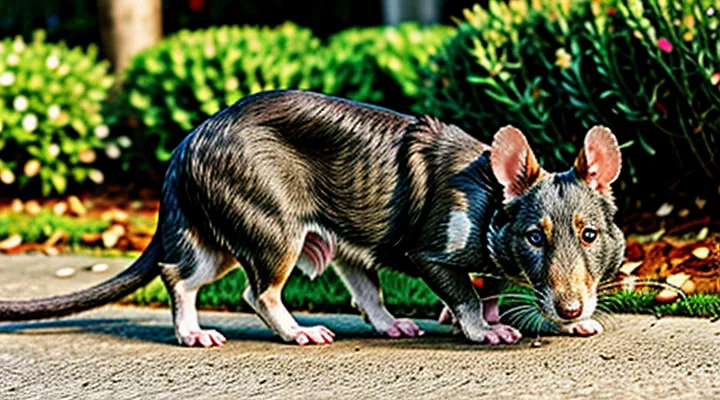
Rats demonstrate rapid associative learning, high adaptability in maze environments, and notable exploratory behavior. Their olfactory acuity supports complex scent‑based problem solving, while their capacity for social learning enables transmission of foraging techniques within colonies.
Dogs exhibit advanced social cognition, including sensitivity to human gestures, vocal cues, and intentionality. Training studies reveal sustained memory for commands and the ability to infer human emotional states. Canine problem‑solving often involves collaborative strategies and the interpretation of visual signals.
Comparative analysis shows that rats excel in tasks emphasizing rapid learning and spatial navigation, whereas dogs outperform in socially mediated problem solving and interspecies communication. The divergent strengths reflect evolutionary pressures shaping each species’ cognitive architecture, informing the broader debate on relative mental prowess.
Why Compare Rats and Dogs?
Comparative studies of rats and dogs provide insight into mammalian cognition, behavioral flexibility, and neurobiological mechanisms. Researchers select these species because they represent distinct evolutionary pathways, social structures, and sensory specializations, enabling a multidimensional assessment of intelligence.
Key motivations for juxtaposing these animals include:
- Model relevance – Rats serve as standard laboratory models for learning, memory, and neuropharmacology; dogs offer a companion species with advanced social cognition and problem‑solving abilities.
- Evolutionary contrast – Divergent domestication histories create a natural experiment for examining how selective pressures shape cognitive traits.
- Translational value – Findings inform veterinary care, human psychiatric research, and artificial intelligence algorithms that mimic animal learning strategies.
- Methodological robustness – Parallel testing protocols (e.g., maze navigation, object discrimination, social cue interpretation) allow direct performance comparison while controlling for environmental variables.
By evaluating performance across shared tasks, scientists can delineate which aspects of cognition are conserved, which are species‑specific, and how environmental enrichment influences intellectual development. This comparative framework advances a comprehensive understanding of mammalian intelligence without reliance on anecdotal observation.
Cognitive Abilities of Rats
Problem-Solving Skills
Maze Navigation
Rats excel in maze navigation through rapid learning of spatial cues and efficient utilization of whisker‑mediated tactile feedback. Their hippocampal circuitry supports swift formation of cognitive maps, allowing adaptation after a single exposure to a new layout. Performance metrics typically show rats achieving over 80 % correct choices within the first five trials of a simple T‑maze, with error rates decreasing logarithmically as trials progress.
Dogs demonstrate competence in maze tasks that incorporate olfactory and visual landmarks. Their larger brain size and extended prefrontal regions facilitate integration of multi‑modal information, yet initial trial performance often lags behind rodents. In complex mazes featuring multiple decision points, dogs reach comparable accuracy after approximately 15–20 trials, reflecting reliance on repeated reinforcement rather than immediate spatial abstraction.
Key factors influencing comparative outcomes:
- Sensory modality dominance (tactile/whisker vs. olfactory/visual)
- Hippocampal plasticity versus prefrontal integration
- Trial number required for asymptotic performance
- Species‑specific motivation (food reward for rats, social reward for dogs)
Overall, maze navigation data indicate that rats achieve higher efficiency in spatial learning tasks, while dogs display broader adaptability when additional sensory cues are present. This distinction informs assessments of problem‑solving aptitude across the two species.
Operant Conditioning
Operant conditioning provides a framework for evaluating problem‑solving abilities in mammals. The method relies on reinforcement or punishment to modify the frequency of a behavior, allowing researchers to quantify learning speed, flexibility, and memory retention.
In comparative studies, rats typically undergo lever‑press or maze tasks where food pellets serve as positive reinforcement. Dogs often engage in clicker training or obedience trials, with treats or praise functioning as rewards. Both species respond to schedules of reinforcement, yet distinct patterns emerge:
- Acquisition rate – Rats reach criterion performance in fewer trials when the task involves simple motor responses; dogs require more repetitions for complex chain behaviors.
- Extinction resistance – Dogs maintain learned responses longer after reinforcement cessation, indicating stronger persistence.
- Generalization – Rats readily transfer a learned rule to novel contexts, whereas dogs excel at applying a rule across varied stimuli when cues are salient.
- Cognitive flexibility – Dogs shift more efficiently between competing tasks after a change in reinforcement contingencies; rats display higher sensitivity to subtle changes in reward magnitude.
These observations suggest that each species exhibits strengths aligned with different aspects of intelligence. Operant conditioning reveals rapid procedural learning in rats, while dogs demonstrate superior adaptability and sustained performance under variable reinforcement. The technique thus clarifies that intelligence cannot be reduced to a single metric; it comprises multiple competencies that manifest differently in rodents and canines.
Memory and Learning
Spatial Memory
Spatial memory refers to the ability to encode, store, and retrieve information about the position of objects and routes within an environment. This cognitive function serves as a primary indicator when evaluating the navigational competence of different species.
Rats demonstrate high precision in laboratory mazes. In the Morris water maze, subjects locate a hidden platform using distal cues, achieving consistent reductions in latency over repeated trials. The radial arm maze reveals rapid acquisition of arm‑entry sequences, with error rates dropping below 10 % after a few sessions. These results illustrate a strong reliance on hippocampal place cells for fine‑grained spatial mapping.
Dogs exhibit proficiency in larger‑scale navigation. Field trials involving hidden food caches assess the ability to remember landmark configurations across distances of several meters. Object‑location tests in indoor arenas show that canines retain positional information for periods extending beyond one hour, adjusting routes when obstacles are introduced. Performance depends on a combination of visual landmarks and olfactory cues.
Comparative data indicate that rats excel in tasks requiring detailed, short‑range mapping, while dogs outperform in environments demanding integration of distant landmarks and flexible route planning. The former relies on dense hippocampal circuitry; the latter incorporates broader cortical networks supporting spatial abstraction.
The disparity in spatial memory strategies contributes to differing profiles of problem‑solving abilities, informing broader assessments of relative intelligence between these mammals.
Long-Term Retention
When evaluating cognitive capacity, long‑term retention provides a measurable indicator of how information persists beyond immediate experience.
Rats demonstrate robust retention in spatial and procedural tasks. Studies using radial arm mazes reveal memory traces lasting several months, supported by hippocampal neurogenesis and synaptic consolidation. Conditioning experiments show that a single exposure to an aversive stimulus can influence behavior for weeks, indicating durable associative memory.
Dogs exhibit extended retention of complex commands and episodic‑like memories. Training protocols report maintenance of obedience cues for up to a year without reinforcement. Observational data indicate that dogs recall specific events, such as the location of hidden objects, after prolonged intervals, reflecting integration of contextual cues and emotional salience.
Comparative analysis highlights distinct retention profiles:
- Duration: rats retain simple spatial patterns for months; dogs preserve multifaceted commands for a year or more.
- Complexity: rat memory often involves binary outcomes (e.g., correct arm choice); dog memory incorporates sequences of actions and contextual details.
- Ecological relevance: rat retention aligns with foraging efficiency; dog retention supports social cooperation and task execution.
These differences suggest that while both species possess long‑term memory capabilities, dogs tend to maintain more elaborate information over longer periods, contributing to their higher performance in tasks requiring sustained, flexible recall.
Social Intelligence
Cooperation and Empathy
Rats demonstrate cooperation through coordinated foraging and problem‑solving tasks. When a barrier blocks access to food, individuals that have learned to pull a rope together achieve the goal faster than solitary attempts. Empathy‑like responses appear when a rat observes a conspecific in distress; the observer often approaches and displays increased grooming or attempts to free the trapped partner, indicating affective resonance.
Dogs exhibit cooperation primarily with humans, responding to cues such as pointing, gaze direction, and vocal commands. Their ability to synchronize actions with owners enables joint activities like fetch or obstacle navigation. Empathy manifests in physiological and behavioral adjustments: dogs increase heart‑rate variability and adopt soothing postures when owners display sadness, suggesting attunement to human emotional states.
Key comparative observations:
- Rats rely on peer‑mediated cooperation; dogs prioritize inter‑species collaboration.
- Empathic behavior in rats is limited to conspecifics; dogs extend empathy to humans and other species.
- Both species improve task efficiency through cooperative strategies, yet dogs display broader contextual flexibility due to domestication pressures.
Communication Methods
Rats and dogs employ distinct communication systems that reflect their ecological niches and social structures. Evaluating these systems provides insight into the relative cognitive capacities of each species.
Rats rely primarily on:
- Ultrasonic vocalizations that convey emotional states and coordinate group movements.
- Tail and whisker positioning to indicate alertness or aggression.
- Scent marking through urine and glandular secretions for territory demarcation and individual identification.
- Tactile contact, especially nose‑to‑nose interactions, to reinforce social bonds.
Dogs utilize:
- A broad vocal range, including barks, whines, and growls, each associated with specific intentions such as warning, request, or excitement.
- Facial expressions, notably ear and eye movements, to signal submission, dominance, or curiosity.
- Body posture, from tail wagging to crouching, to communicate readiness for play or threat assessment.
- Olfactory cues, including pheromone detection, to gather information about other animals and the environment.
The rat’s reliance on high‑frequency sounds and chemical signals suggests advanced processing of temporal and spectral data, while the dog’s extensive use of visual and auditory cues indicates sophisticated multimodal integration. These divergent communication strategies underscore different evolutionary solutions to social interaction and problem solving, contributing to the broader assessment of intelligence across the two species.
Cognitive Abilities of Dogs
Problem-Solving Skills
Object Permanence
Object permanence describes the understanding that an entity continues to exist when it is not currently perceived. This cognitive skill emerges in mammals after basic sensory and motor development and serves as a benchmark for evaluating mental representations of the external world.
Research employing hidden‑object tasks shows that dogs reliably locate a concealed item after delays of up to several minutes, indicating a mature level of object permanence. Rats succeed in short‑delay trials but display reduced performance when the interval exceeds a few seconds, suggesting a more limited capacity.
Key observations:
- Dogs navigate around obstacles that temporarily block visual access to a target, adjusting their behavior based on the expectation that the target remains present.
- Rats exhibit anticipatory reaching in brief occlusion scenarios but often revert to exploratory searching when the occlusion period is extended.
- Neurophysiological recordings reveal sustained activity in the prefrontal cortex of dogs during delayed‑response tasks, whereas rat prefrontal activity diminishes more rapidly.
These findings imply that the degree of object permanence varies between the two species, providing insight into their comparative cognitive abilities. The stronger performance of dogs in sustained object‑absence conditions aligns with broader evidence of advanced problem‑solving and social cognition, while the more transient object‑ permanence observed in rats reflects a different adaptive strategy focused on immediate environmental cues.
Understanding Human Cues
Rats and dogs differ in how they decode human signals, a factor that directly influences assessments of their relative cognitive abilities. Both species respond to vocal tone, hand movements, facial expressions, and eye direction, yet the mechanisms and outcomes vary.
Key human cues and typical animal responses include:
- Vocal tone: Dogs adjust behavior according to calm or urgent speech; rats show heightened activity with high‑pitched sounds.
- Hand gestures: Dogs follow pointing or sweeping motions; rats rely on proximity and movement speed rather than precise direction.
- Facial expression: Dogs read relaxed versus tense faces, modifying approach or avoidance; rats react mainly to overall facial orientation, not subtle emotional cues.
- Gaze direction: Dogs track eye contact to infer intent; rats detect head orientation but rarely maintain eye contact.
Neurobiological evidence supports these behavioral patterns. Canine studies reveal activation of the prefrontal cortex during human gesture interpretation, while rodent research highlights amygdala involvement when processing vocal stress signals. The disparity in cortical engagement suggests that dogs possess a broader repertoire for interpreting complex human communication, whereas rats excel in rapid, stimulus‑driven responses.
Consequently, the capacity to understand and act upon human cues constitutes a measurable component in evaluating the intelligence of each species. Dogs demonstrate extensive flexibility across diverse cues, whereas rats exhibit specialized, efficient reactions to limited signal sets. This distinction informs the broader comparative analysis of cognitive performance between the two animals.
Memory and Learning
Associative Learning
Associative learning, the process by which an organism links a neutral stimulus with a biologically significant event, provides a clear metric for evaluating the cognitive capacities of rats and dogs. In laboratory settings, rats rapidly acquire conditioned responses in classical paradigms such as tone‑food pairings, often achieving criterion performance within fewer trials than dogs. Dogs, however, excel in operant conditioning tasks that require discrimination of complex visual cues and delayed reinforcement, reflecting their adaptability to human‑directed training.
Key observations include:
- Rats demonstrate high acquisition speed for simple stimulus‑response associations; performance stabilizes after approximately 10–12 pairings.
- Dogs require more repetitions for basic conditioning but display superior retention over extended intervals, maintaining learned responses after weeks without reinforcement.
- In tasks involving variable schedules of reinforcement, dogs adjust response rates more flexibly, suggesting advanced processing of probabilistic cues.
- Both species exhibit extinction when the predictive relationship is removed, yet dogs show slower extinction curves, indicating stronger persistence of learned associations.
Neurobiological evidence supports these behavioral patterns. The rat hippocampus and amygdala show rapid synaptic plasticity during early phases of conditioning, while canine studies reveal extensive involvement of the prefrontal cortex during complex operant tasks. These differences align with species‑specific ecological demands: rodents rely on swift detection of food‑related cues, whereas canids benefit from sustained learning of social signals and commands.
Overall, associative learning highlights complementary strengths: rats possess rapid formation of simple associations, whereas dogs demonstrate robust retention and flexibility in more intricate learning environments. This duality informs comparative assessments of intelligence across the two species.
Command Recognition
Command recognition represents a core indicator of cognitive flexibility in both rodents and canines. In rats, recognition relies on associative learning within operant chambers, where a specific auditory cue triggers a conditioned response such as lever pressing. Neural substrates involve the dorsal striatum and prefrontal cortex, which encode stimulus‑response mappings with rapid acquisition after minimal trials. In dogs, command recognition typically occurs in a social context, with auditory commands linked to human gestures and expectations. The canine brain engages the temporal cortex and limbic structures, facilitating integration of vocal cues with reward expectations derived from human interaction.
Key comparative aspects:
- Learning speed: rats achieve reliable command discrimination after fewer repetitions than dogs, reflecting heightened sensitivity to controlled reinforcement schedules.
- Generalization: dogs display broader generalization across varied acoustic qualities and speaker identities, indicating robust auditory processing in naturalistic environments.
- Retention: canine subjects retain command associations over extended periods with intermittent reinforcement, whereas rat performance declines more sharply without continuous reinforcement.
The divergent strategies underscore distinct evolutionary pressures. Rodents optimize rapid, stimulus‑bound learning for survival in dynamic habitats, while canines prioritize flexible interpretation of human commands to support cooperative tasks. Command recognition thus provides a measurable dimension for evaluating intelligence differences between the two species.
Social Intelligence
Human-Animal Bond
The human‑animal bond refers to the reciprocal relationship that develops through interaction, attachment, and shared experiences. This connection shapes expectations, emotional investment, and the interpretation of animal behavior.
Dogs exhibit strong affiliative tendencies, readily forming attachments with owners, responding to vocal cues, and displaying cooperative problem‑solving. Rats, while capable of social interaction, tend to establish bonds within conspecific groups and show limited engagement with humans unless habituated through repeated handling.
Perceived intelligence often correlates with the depth of the bond. Owners who experience frequent eye contact, joint activities, and responsive communication with dogs may attribute higher cognitive abilities to the species. In contrast, the more cautious nature of rats can lead to underestimation of their problem‑solving skills, despite evidence of maze navigation and learning.
Key factors influencing the assessment of cognition through the human‑animal bond:
- Frequency of direct interaction
- Responsiveness to human cues
- Emotional reciprocity
- Context of training or enrichment activities
Understanding these elements clarifies why the bond can bias judgments about the relative mental capacities of rats and dogs.
Pack Dynamics and Communication
Pack dynamics in canids revolve around hierarchical organization, coordinated movement, and vocal signaling. Dominance hierarchies reduce conflict by assigning clear roles; subordinate members defer to leaders during foraging and territory patrol. Synchronous locomotion, such as line formation, optimizes energy expenditure and enhances predator detection. Acoustic cues, including bark patterns and growls, convey distance, intent, and individual identity, enabling rapid response to threats.
Rodents exhibit group structures that differ markedly from canine packs. Colonies of rats display fluid social networks with frequent role shifts; dominance is established through brief aggressive encounters rather than sustained rank. Chemical communication dominates: pheromonal traces mark pathways, signal reproductive status, and alert conspecifics to danger. Tactile interactions, such as grooming, reinforce affiliative bonds but lack the long‑range vocal repertoire of dogs.
Key contrasts in communication mechanisms:
- Vocal range: dogs employ diverse bark, howl, and whine spectra; rats rely on ultrasonic vocalizations with limited audible bandwidth.
- Signal propagation: canine calls travel several meters, supporting coordination across open spaces; rat ultrasonic calls attenuate quickly, favoring close‑range coordination.
- Hierarchical clarity: canine packs maintain stable, visible hierarchies; rat colonies possess more egalitarian, context‑dependent structures.
These differences influence problem‑solving strategies. Canine pack coordination facilitates collective hunting and coordinated obstacle navigation, reflecting advanced social cognition. Rat colonies rely on rapid information exchange through scent and brief vocal bursts, supporting efficient resource exploitation in dense environments. The contrasting communication systems illustrate distinct evolutionary solutions to group living, informing assessments of comparative intelligence.
Comparing Specific Intelligence Metrics
Brain Size vs. Cognitive Function
Rats and dogs differ markedly in absolute brain mass, yet the relationship between size and mental capacity requires careful analysis. The average rat brain weighs approximately 2 g, whereas a medium‑sized dog brain reaches 70–80 g. Relative to body weight, the rat brain represents about 2 % of its mass, while the dog’s brain constitutes roughly 0.3 % of its body weight. This disparity illustrates that absolute size does not directly predict cognitive performance.
Cognitive assessments reveal distinct strengths for each species. Comparative studies employ tasks such as maze navigation, object discrimination, and social cue interpretation. Key findings include:
- Maze efficiency: rats solve complex mazes after fewer trials, indicating rapid spatial learning.
- Object permanence: dogs demonstrate superior understanding of hidden objects in delayed‑retrieval tests.
- Social signaling: dogs respond accurately to human gestures, whereas rats rely on olfactory cues for conspecific communication.
Neuroanatomical data support functional divergence. The rat cerebral cortex exhibits dense neuronal packing, enabling high‑resolution processing within a compact structure. Dogs possess an expanded prefrontal cortex, facilitating executive functions and complex problem solving. Both species display specialized adaptations rather than a linear scaling of intelligence with brain volume.
Consequently, brain size alone cannot determine comparative intelligence. Rats excel in tasks demanding swift spatial reasoning and sensory discrimination, while dogs outperform in social cognition and flexible problem solving. The interplay of neural architecture, ecological niche, and evolutionary pressures shapes the observed cognitive profiles.
Adaptability and Environmental Impact
Rats exhibit rapid physiological and behavioral adaptation to diverse habitats, from urban sewers to agricultural fields. Their short reproductive cycle and high litter size enable swift population adjustments when resources fluctuate. Dogs display adaptability through learned behaviors and social integration with humans, allowing occupation of domestic, working, and rescue environments. Their longer gestation and lower litter numbers result in slower demographic response to environmental changes.
Environmental impact differs markedly between the two species. Rats contribute to seed dispersal and soil aeration but also act as vectors for pathogens and cause structural damage in buildings. Their omnivorous diet leads to competition with native wildlife and occasional predation on small vertebrates. Dogs, when managed responsibly, provide pest control and assist in conservation tasks; however, unmanaged feral populations can overhunt wildlife, introduce parasites, and generate waste that contaminates ecosystems.
Key comparative observations:
- Reproductive speed: rats > dogs, leading to faster population expansion.
- Habitat range: rats thrive in both natural and human‑made niches; dogs rely on human support for most habitats.
- Direct ecological pressure: rats exert pressure through disease transmission and food competition; dogs exert pressure primarily via predation by feral individuals and waste accumulation.
- Human‑mediated effects: dogs’ environmental footprint is largely shaped by ownership practices; rat impact is largely self‑propagating.
Sensory Perception and its Role in Cognition
Olfactory Intelligence
Rats possess a highly developed olfactory epithelium, with up to 1 500 olfactory receptors per square millimeter. Their nasal cavity is proportionally larger relative to head size, allowing airflow that maximizes odorant contact. Neural pathways from the olfactory bulb to the piriform cortex account for rapid discrimination of complex scent mixtures, supporting tasks such as food location and predator avoidance.
Dogs exhibit an extensive olfactory system, featuring approximately 300 million receptors and a brain region dedicated to scent processing that is 40 times larger than that of a comparable carnivore. This anatomical advantage enables detection limits in the parts‑per‑trillion range, facilitating roles in tracking, explosive detection, and medical diagnostics.
Key comparative points:
- Receptor count: rats ≈ 10 million, dogs ≈ 300 million.
- Detection threshold: rats ≈ 10⁻⁶ g/L, dogs ≈ 10⁻⁹ g/L.
- Training duration for specific scent tasks: rats ≈ weeks, dogs ≈ months.
- Typical working lifespan in scent‑related duties: rats ≈ 2 years, dogs ≈ 8–10 years.
Both species excel in odor discrimination, yet dogs outperform rats in absolute sensitivity and sustained training outcomes. Rats demonstrate quicker learning curves for simple odor cues, making them suitable for laboratory assays where rapid turnover is essential. The choice between the two depends on the required detection threshold, operational timeframe, and environmental constraints.
Auditory Processing
Auditory processing constitutes a fundamental component of an animal’s perceptual system, directly influencing learning, communication, and environmental interaction.
Rats possess a hearing range extending from approximately 200 Hz to 80 kHz, enabling detection of ultrasonic vocalizations used in social signaling. Their auditory cortex exhibits rapid temporal resolution, supporting precise discrimination of brief sound bursts. Behavioral assays demonstrate efficient sound‑location abilities in complex acoustic environments, relying on binaural cues processed within the inferior colliculus.
Dogs exhibit a hearing span roughly between 40 Hz and 45 kHz, with heightened sensitivity to frequencies prevalent in human speech. The auditory pathway features enlarged cochlear nuclei and specialized cortical areas that facilitate discrimination of tonal patterns and directional cues. Training studies reveal robust command recognition, reflecting integration of auditory input with associative memory circuits in the prefrontal cortex.
Comparative assessment highlights distinct advantages:
- Frequency coverage: rats detect higher ultrasonic frequencies; dogs excel within the human vocal range.
- Temporal precision: rats achieve finer resolution for brief sounds; dogs display superior pattern recognition for complex vocalizations.
- Neural specialization: rats allocate more cortical territory to ultrasonic processing; dogs allocate resources to speech‑related discrimination.
Overall, auditory processing capabilities align with each species’ ecological demands, providing measurable indicators of cognitive proficiency without invoking broader judgments of superiority.
Factors Influencing Intelligence Assessments
Research Methodologies
Research into comparative cognition of rodents and canines relies on systematic designs that control for species‑specific behavior, sensory capacities, and motivational states. Experimental protocols typically involve operant conditioning chambers where subjects learn to discriminate stimuli for food rewards, allowing measurement of learning speed, error rates, and retention. Parallel testing environments ensure that differences in spatial layout or apparatus complexity do not bias outcomes.
Data collection employs several complementary approaches:
- Behavioral assays such as maze navigation, problem‑solving tasks, and object discrimination, recorded with high‑resolution video for precise movement analysis.
- Physiological monitoring including electroencephalography and heart‑rate variability, providing insight into arousal and stress responses during cognitive challenges.
- Neuroimaging techniques like functional magnetic resonance imaging (fMRI) or positron emission tomography (PET) that map brain activation patterns associated with specific tasks.
Statistical analysis follows a hierarchical framework. Mixed‑effects models accommodate repeated measures within individuals while accounting for inter‑subject variability. Bayesian inference offers probabilistic estimates of intelligence metrics, facilitating direct comparison between species despite differing sample sizes.
Validity assessment incorporates both internal and external dimensions. Internal validity is strengthened by random assignment of subjects to task conditions and blinding of experimenters to species identity during data coding. External validity is addressed through replication across diverse breeds of dogs and strains of rats, as well as translation of laboratory findings to naturalistic settings such as home environments or outdoor enclosures.
Species-Specific Biases
Species‑specific biases shape assessments of rodent and canine cognition. Researchers often design tasks that align with a dog’s olfactory and social strengths, while neglecting the tactile and exploratory preferences of rats. Consequently, performance metrics favor dogs, creating an illusion of superior intellect.
Key sources of bias include:
- Test environments built for quadrupedal, domesticated animals, limiting rat mobility and motivation.
- Reward systems emphasizing treats familiar to dogs, whereas rats respond to different stimuli such as grain pellets or novelty.
- Interpretation frameworks that prioritize social learning, a domain where dogs excel, over maze navigation, a strength of rats.
Neurobiological comparisons reveal divergent brain structures: canine prefrontal cortex development supports complex problem‑solving, while rat hippocampal specialization underlies spatial memory. Evaluations that ignore these specializations misrepresent each species’ cognitive profile.
Mitigation strategies require balanced experimental designs: parallel tasks adapted to sensory modalities, equivalent motivational incentives, and analysis criteria reflecting species‑specific abilities. Applying such controls reduces bias, enabling a more accurate determination of relative problem‑solving capacities.
Individual Variation within Species
Individual variation in cognition determines how reliably a species can be judged as more intelligent than another. Differences among members of the same species generate overlapping performance ranges that obscure simple rankings.
Rats exhibit a broad spectrum of problem‑solving ability. Some individuals navigate complex mazes after a single trial, while others require repeated exposure to achieve comparable results. Variation correlates with factors such as early enrichment, genetic line, and age. Consequently, a highly trained rat can outperform many conspecifics in tasks measuring spatial memory and operant conditioning.
Dogs display pronounced intra‑species diversity driven by breed selection, training history, and social environment. Certain breeds excel in obedience and scent detection, whereas others show superior social reasoning with humans. Even within a single breed, individuals differ markedly in learning speed, memory retention, and adaptability to novel problems. These differences arise from genetic predispositions, exposure to varied stimuli, and health status.
Key influences on individual cognitive performance:
- Genetic background (strain, breed, lineage)
- Early environmental enrichment (social interaction, stimulation)
- Age and developmental stage
- Training intensity and methodology
- Physical health and sensory acuity
Because individual variation creates overlapping competence levels, any direct comparison of overall intelligence between rats and dogs must account for these internal disparities. Rankings that ignore intra‑species differences risk misrepresenting the true cognitive capacities of each animal.
The Verdict on «Smarter»
Nuances of Animal Intelligence
The comparison of rodent and canine cognition reveals distinct evolutionary adaptations. Rats excel in spatial navigation, demonstrated by rapid mastery of maze configurations and efficient use of distal cues. Their working memory supports flexible route adjustments after brief exposure to novel environments. Dogs display advanced social cognition, responding to human gestures, vocal commands, and emotional cues with high reliability. This ability stems from prolonged co‑evolution with humans, fostering sensitivity to intent and facial expressions.
Problem‑solving approaches differ markedly. Rats employ trial‑and‑error strategies, optimizing solutions through repeated attempts and reinforcement learning. Dogs incorporate observational learning, often replicating tasks demonstrated by humans or conspecifics after a single demonstration. This capacity for imitation extends to complex sequences such as opening containers or retrieving objects.
Communication mechanisms illustrate further nuance. Rats emit ultrasonic vocalizations that convey affective states and coordinate group behavior, yet their signal repertoire remains limited in semantic content. Dogs produce a broad vocal and body‑language spectrum, capable of conveying specific requests, warnings, and affiliative signals to both humans and other dogs.
Memory systems also contrast. Rats maintain robust episodic‑like memory, recalling specific events and their contexts for extended periods. Dogs demonstrate strong associative memory, linking particular stimuli with outcomes, which underpins training success and habit formation.
Key distinctions can be summarized:
- Spatial learning: rats > dogs
- Social learning: dogs > rats
- Vocal complexity: dogs > rats
- Episodic memory: rats > dogs
- Associative memory: dogs > rats
These nuances illustrate that intelligence in animals is multidimensional, with each species exhibiting strengths aligned with ecological niches and domestication histories. The assessment of rat versus dog cognition must therefore consider domain‑specific performance rather than a single metric of “smartness”.
The Importance of Context
When comparing the problem‑solving abilities of rats and dogs, the surrounding conditions shape every measurement. A behavior observed in a laboratory maze cannot be directly transferred to a household setting without adjusting for environmental variables.
Key variables that determine the outcome include:
- Habitat demands (urban versus rural, confined versus open spaces)
- Sensory priorities (olfactory dominance in rats, visual and auditory cues in dogs)
- Training protocols (operant conditioning versus command‑based reinforcement)
- Evaluation criteria (latency, error rate, adaptability)
Each factor modifies the observed performance. For example, a rat navigating a scent‑rich arena may complete tasks faster than a dog, yet the same dog excels when tasks involve complex social cues. Ignoring these differences leads to misleading conclusions about relative cognition.
Scientific reports stress that contextual alignment is necessary for valid comparison. One study notes, «Measurements obtained under divergent conditions produce incomparable indices of intelligence». Adjusting experimental design to match the natural strengths of each species yields a clearer picture of their problem‑solving capacities.