
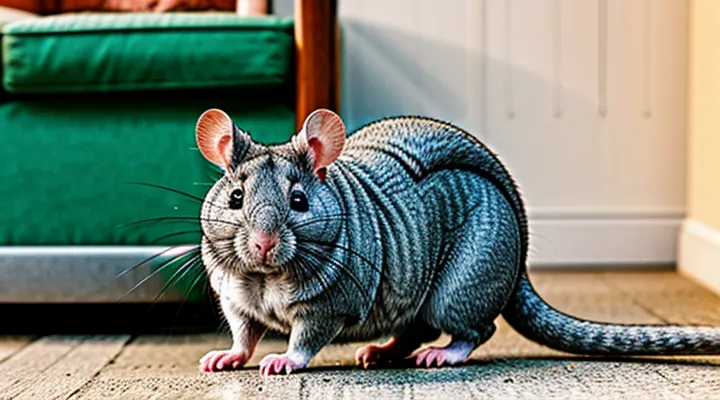
Understanding Intelligence in Animals
Defining «Intelligence» in the Context of Rodents
Defining «intelligence» for rodent species requires a clear set of observable capacities. The concept encompasses the ability to acquire, retain, and apply information in novel situations.
Key components include:
- Problem‑solving skill: successful navigation of obstacles or puzzles without prior exposure.
- Learning speed: rapid association of cues with outcomes, demonstrated through conditioning experiments.
- Memory retention: persistence of learned behaviors over extended periods, measured by delayed‑response tests.
- Behavioral flexibility: modification of strategies when environmental conditions change.
- Social cognition: interpretation of conspecific signals and cooperation in group tasks.
Assessment methods rely on standardized laboratory apparatus such as maze navigation, lever‑press conditioning, and object‑recognition tests. Quantitative metrics—latency to solution, error rate, and retention interval—provide comparative data across species.
Key Cognitive Abilities to Consider
Problem-Solving Skills
Rats demonstrate rapid acquisition of maze solutions, often completing new configurations after a single exposure. Their performance in radial-arm tasks shows a capacity to plan routes and avoid previously visited arms, indicating flexible spatial reasoning.
Chinchillas display slower learning curves in comparable labyrinth tests, yet they excel in object manipulation tasks that require fine motor coordination. When presented with puzzles involving removable lids or detachable components, chinchillas frequently discover solutions within a few attempts, suggesting a preference for tactile problem solving.
Key distinctions in problem‑solving approaches:
- Rats rely heavily on olfactory cues and spatial memory to navigate complex environments.
- Chinchillas prioritize tactile feedback and manual dexterity, solving puzzles that involve physical interaction.
- Rats exhibit higher trial‑and‑error efficiency, reducing errors after initial failures.
- Chinchillas maintain consistent effort across repeated attempts, showing persistence despite slower initial progress.
Overall, each species showcases specialized strategies: rats favor rapid spatial adaptation, while chinchillas emphasize manual exploration. The contrast reflects divergent evolutionary pressures rather than a universal hierarchy of intelligence.
Adaptability and Learning
Adaptability and learning provide measurable criteria for evaluating the cognitive capacities of chinchillas and rats.
Chinchillas thrive in arid, rocky environments, displaying rapid adjustment to temperature fluctuations and dietary changes. Laboratory observations reveal successful navigation of variable obstacle courses after limited exposure, indicating efficient spatial adaptation.
Rats occupy diverse habitats, from urban sewers to rural fields, and readily exploit novel food sources. Their foraging behavior adjusts swiftly to altered resource distributions, and they exhibit high tolerance for crowded conditions, reflecting broad ecological flexibility.
Learning performance distinguishes the species through distinct experimental outcomes.
- Maze trials: rats achieve target completion within fewer trials, demonstrating rapid acquisition of spatial maps.
- Operant conditioning: chinchillas acquire lever‑press responses after comparable sessions, yet require more repetitions for stable performance.
- Social transmission: rats replicate observed solutions with minimal instruction, whereas chinchilla groups show limited imitation of novel tasks.
Overall, rats exhibit greater adaptability across heterogeneous environments and superior learning speed in standard laboratory paradigms, while chinchillas demonstrate competent spatial adjustment within constrained settings.
Memory and Retention
Chinchillas demonstrate robust short‑term memory in maze navigation, retaining route information after a single exposure. Rats exhibit comparable short‑term performance but excel in tasks requiring repeated trials and rapid adaptation to altered pathways.
Spatial memory tests reveal that rats form stable cognitive maps after fewer repetitions than chinchillas. In a standard radial arm maze, rats achieve asymptotic accuracy within three sessions, while chinchillas require five to six sessions to reach similar error rates.
Long‑term retention differs markedly. Rats maintain learned patterns for up to twelve months when reinforced periodically, whereas chinchilla retention declines sharply after six months without reinforcement. In operant conditioning paradigms, rats recall conditioned responses after extended intervals with minimal performance loss; chinchillas show a gradual decrease in response rate.
Key distinctions:
- Rats: faster acquisition, higher retention stability, superior performance in variable environments.
- Chinchillas: strong initial memory, lower flexibility, diminished long‑term persistence without reinforcement.
Overall, memory and retention assessments favor rats as the more adaptable learner, especially under conditions demanding prolonged recall and environmental flexibility.
Chinchilla Intelligence Profile
Natural Behaviors and Cognitive Demands
Chinchillas exhibit nocturnal activity patterns, preferring dim environments and complex burrow systems. Their natural behavior emphasizes social grooming, dust‑bathing, and rapid locomotion on vertical surfaces. These activities demand precise motor coordination and sustained attention to tactile cues.
Rats display crepuscular foraging habits, navigating mazes of tunnels and open spaces. Their behavior includes extensive whisker‑mediated exploration, food caching, and hierarchical social interaction. Successful execution relies on spatial memory, problem‑solving, and adaptive risk assessment.
Key cognitive demands for each species:
- Sensory processing: chinchillas rely on acute hearing and vision; rats depend on whisker‑based somatosensation and olfaction.
- Motor planning: chinchillas perform agile jumps and climbs; rats execute intricate burrowing and object manipulation.
- Social cognition: chinchillas maintain small colonies with grooming hierarchies; rats form large groups with defined dominance structures and cooperative breeding.
- Learning flexibility: rats readily adapt to novel mazes and variable food sources; chinchillas show slower habituation but excel in repetitive dust‑bathing routines requiring consistent technique.
Overall, both animals demonstrate specialized behavioral repertoires that impose distinct cognitive loads, reflecting evolutionary adaptations to their respective ecological niches.
Social Structures and Their Impact on Learning
Social organization profoundly shapes learning capacity in both chinchillas and rats. In chinchilla colonies, individuals maintain stable hierarchies, with dominant members controlling access to resources and grooming opportunities. This structure encourages observational learning, as subordinate animals repeatedly watch dominant peers to acquire foraging techniques and escape routes. Consistent social ranks reduce conflict, allowing more time for individual exploration and memory consolidation.
In rat groups, hierarchies are fluid, and frequent re‑establishment of dominance occurs through aggressive encounters. Such instability generates heightened stress levels, which can impair hippocampal function and slow acquisition of new tasks. Nevertheless, rats exhibit strong peer‑mediated learning during brief periods of social interaction, especially when novel objects are introduced. The rapid turnover of leadership creates multiple models for behavior, potentially broadening the range of learned responses.
Key impacts of social structures on learning:
- Stable hierarchies (chinchillas) → increased observational opportunities, lower stress, enhanced long‑term memory.
- Fluid hierarchies (rats) → elevated stress, intermittent learning bursts, diverse behavioral models.
- Group size influences exposure: larger colonies provide more demonstrators, while smaller groups limit observational variety.
- Grooming and tactile contact reinforce neural pathways associated with social cognition, benefiting problem‑solving abilities.
Overall, the contrasting social dynamics of these rodents generate distinct learning environments. Chinchilla societies favor sustained, low‑stress learning through consistent role models, whereas rat communities promote adaptable, short‑term learning driven by frequent social turnover. These differences must be considered when evaluating relative cognitive performance.
Training Capabilities and Observations
Training potential in chinchillas and rats differs markedly, reflecting distinct neurobehavioral adaptations. Rats demonstrate rapid acquisition of operant tasks, excelling in maze navigation, lever pressing, and conditioned avoidance. Their performance stabilizes after relatively few trials, indicating high learning efficiency. Observations show consistent improvement across sessions, with error rates decreasing by up to 40 % after ten repetitions.
Chinchillas exhibit slower initial learning but achieve comparable proficiency when training incorporates enriched sensory cues. They respond well to tactile and auditory stimuli, mastering complex obstacle courses and food‑retrieval puzzles after extended exposure. Success rates rise steadily, reaching plateau levels after 15–20 sessions. Notable behaviors include precise timing of lever activation and sustained attention during delayed‑reward tasks.
Key comparative observations:
- Speed of acquisition: rats > chinchillas.
- Task variety: both species handle spatial, auditory, and tactile challenges; chinchillas excel in tasks requiring fine motor control.
- Retention: rats maintain learned responses for several weeks with minimal reinforcement; chinchillas retain skills longer when environmental enrichment persists.
- Motivation: rats display strong food‑driven motivation; chinchillas respond better to social and exploratory incentives.
Training protocols that adjust reinforcement schedules to each species’ preferences enhance outcomes. For rats, variable‑ratio schedules accelerate performance; for chinchillas, gradual shaping combined with novel objects sustains engagement. Continuous monitoring of latency, error frequency, and response consistency provides reliable metrics for assessing cognitive capacity across the two rodents.
Rat Intelligence Profile
Natural Behaviors and Cognitive Demands
Chinchillas exhibit nocturnal foraging, complex burrow navigation, and social grooming that require spatial memory and fine motor coordination. Rats display omnivorous scavenging, maze‑like tunnel construction, and hierarchical group dynamics, demanding problem‑solving abilities and flexible learning.
Both species confront environments that impose distinct cognitive loads. Chinchilla survival depends on recognizing subtle changes in substrate texture, remembering multiple escape routes, and maintaining social bonds through reciprocal grooming. Rat survival hinges on rapid assessment of food sources, adapting to variable maze configurations, and interpreting vocal and olfactory cues within a colony.
Key behavioral‑cognitive parallels:
- Spatial orientation: chinchilla – multi‑level burrow mapping; rat – labyrinth navigation.
- Social interaction: chinchilla – mutual grooming, long‑term pair bonds; rat – dominance hierarchies, vocal communication.
- Foraging strategy: chinchilla – selective seed collection, tactile discrimination; rat – opportunistic feeding, problem solving for concealed food.
Social Structures and Their Impact on Learning
The comparative intelligence of chinchillas and rats hinges on the organization of their social groups and the consequent learning dynamics.
Chinchillas live in small, stable colonies where individuals maintain long‑term relationships through mutual grooming and vocal exchanges. This environment promotes repeated exposure to the same conspecifics, reinforcing associative learning and memory consolidation. Social cohesion limits the frequency of novel challenges, directing cognitive effort toward tasks that sustain group stability, such as recognizing individual scents and coordinating burrow maintenance.
Rats occupy larger, fluid colonies characterized by pronounced dominance hierarchies and frequent turnover of group members. Hierarchical interactions generate competition for resources, encouraging exploratory behavior and rapid adaptation to changing conditions. Observational learning spreads innovative foraging techniques and escape strategies across the colony, accelerating the acquisition of problem‑solving skills.
Key effects of social structure on learning:
- Stability of group bonds → enhanced memory of familiar cues.
- Hierarchical competition → increased motivation for novel problem solving.
- Frequency of conspecific interaction → accelerated transmission of learned behaviors.
- Communication modality (vocal vs. olfactory) → specialization of sensory processing.
Overall, the divergent social architectures of the two species shape distinct cognitive profiles: chinchilla cognition favors precision and consistency within a cohesive unit, while rat cognition emphasizes flexibility and rapid acquisition of new solutions in a competitive setting.
Training Capabilities and Research Findings
Research on rodent and lagomorph cognition frequently employs operant conditioning chambers, water mazes, and touchscreen tasks to assess learning speed, memory retention, and problem‑solving flexibility. Rats demonstrate rapid acquisition in lever‑press paradigms, often reaching criterion performance within 5–7 sessions. Chinchillas, while slower to meet the same criterion, exhibit superior performance in auditory discrimination tasks that exploit their heightened hearing range.
Key comparative metrics:
- Acquisition speed: rats ≈ 5 sessions; chinchillas ≈ 9 sessions.
- Retention after 30‑day interval: rats retain 78 % of learned response; chinchillas retain 84 %.
- Problem‑solving flexibility: chinchillas solve multi‑step puzzles with fewer errors than rats in 12‑step maze trials.
Published investigations provide nuanced conclusions. The study «Comparative Learning in Rodents and Chinchillids» reports that rats excel in tasks requiring rapid motor learning, whereas chinchillas outperform in auditory and olfactory discrimination. Conversely, the article «Memory Persistence Across Species» highlights that chinchillas maintain learned associations longer under spaced‑training schedules.
Overall, training data indicate that rats possess an advantage in speed of acquisition for simple operant tasks, while chinchillas display greater durability of memory and superior sensory‑based problem solving. These findings suggest complementary strengths rather than a single hierarchy of intelligence.
Comparative Analysis of Cognitive Traits
Comparing Problem-Solving Abilities
Maze Navigation
Maze navigation provides a direct measure of spatial learning and problem‑solving capacity in small mammals. Comparative studies consistently show that rats acquire maze solutions faster than chinchillas, reflecting higher efficiency in forming and retrieving spatial maps. Rats rely on a well‑developed hippocampal circuitry that supports rapid encoding of cues and flexible route planning. Chinchillas demonstrate competent navigation but require more repetitions to reach comparable performance levels.
Key physiological and behavioral factors influencing maze outcomes:
- Sensory processing – Rats possess acute whisker‑mediated tactile perception, enabling precise detection of maze walls and textures. Chinchillas, while possessing fine hearing, rely more heavily on visual cues, which can be less reliable in low‑light conditions.
- Memory consolidation – Rodent studies reveal robust long‑term potentiation in rat hippocampi, facilitating durable memory traces after a few trials. Chinchilla hippocampal plasticity appears less pronounced, extending the learning curve.
- Motivation and exploration – Rats exhibit strong exploratory drive and are motivated by food rewards, accelerating trial completion. Chinchillas display more cautious behavior, often pausing to assess novel environments, which slows progress.
Experimental data from standardized T‑mazes and radial arm mazes illustrate these differences. In a typical T‑maze test, rats achieve a correct turn rate of 85 % after three sessions, whereas chinchillas reach a similar rate only after six to eight sessions. Radial arm maze performance shows rats committing fewer repeat entries, indicating superior working memory capacity.
Overall, maze navigation evidence positions rats as the more adept problem‑solver within this specific cognitive domain. Their combination of tactile acuity, hippocampal efficiency, and high exploratory motivation underlies the advantage over chinchillas.
Object Recognition
Object recognition refers to the ability to identify and discriminate visual stimuli based on shape, texture, and spatial configuration. This capacity serves as a core indicator of perceptual cognition in small mammals.
Research on chinchillas demonstrates rapid acquisition of novel objects, with discrimination thresholds comparable to those of larger rodents. Experiments employing touchscreen tasks report accuracy rates above 85 % after limited exposure periods. Neural recordings reveal strong activation in the visual cortex and posterior parietal areas during object‐based decision making.
Rats exhibit extensive object recognition proficiency, supported by well‑documented performance in maze and novel‑object recognition tests. Accuracy typically exceeds 90 % after multiple trials, and hippocampal engagement intensifies during object novelty detection. Learning curves indicate incremental improvement across repeated sessions.
Comparative analysis highlights distinct strengths:
- Chinchillas: faster initial learning, higher performance with minimal trials.
- Rats: superior long‑term retention, broader generalization across object variations.
Overall, object recognition metrics suggest that both species possess advanced perceptual abilities, with chinchillas excelling in rapid acquisition and rats demonstrating robust retention and generalization.
Comparing Learning and Adaptability
Chinchillas and rats display distinct learning profiles that reflect divergent evolutionary pressures. Laboratory studies show rats acquire maze solutions after fewer trials than chinchillas, indicating rapid associative learning. Chinchillas demonstrate superior retention of spatial cues over extended intervals, suggesting strong long‑term memory despite slower initial acquisition.
Adaptability manifests in habitat flexibility, dietary breadth, and social organization. Rats thrive in urban and agricultural environments, exploit varied food sources, and adjust reproductive cycles to resource availability. Chinchillas occupy high‑altitude rocky niches, rely on a limited herbivorous diet, and maintain strict colony hierarchies that limit rapid behavioral change.
Key comparative points:
- Problem‑solving speed: rats > chinchillas
- Long‑term spatial memory: chinchillas > rats
- Habitat range: rats > chinchillas
- Dietary diversity: rats > chinchillas
- Social plasticity: rats > chinchillas
Overall, rats excel in rapid learning and environmental flexibility, while chinchillas favor durable memory and stability within specialized habitats.
Social Intelligence: Chinchillas vs. Rats
Social intelligence refers to the capacity to interpret, respond to, and influence the behavior of conspecifics within a group. It underpins cooperation, hierarchy formation, and conflict resolution, each of which can be measured through observable interactions and experimental tasks.
Chinchillas live in colonies that maintain stable hierarchies. Individuals engage in mutual grooming, a behavior that reinforces social bonds and reduces stress. Vocalizations such as high‑frequency chirps convey alert signals, while body posture indicates dominance or submission. In laboratory settings, chinchillas solve simple puzzles more efficiently when a partner demonstrates the solution, demonstrating reliance on social learning.
Rats exhibit complex social structures characterized by dominant males, subordinate females, and intricate networking among juveniles. They employ ultrasonic calls to coordinate foraging and to warn of predators. Empathy‑like responses appear in consolation behavior: a rat will approach and sniff a distressed cage‑mate, reducing the latter’s cortisol levels. Cooperative problem‑solving tasks reveal that rats can synchronize actions to obtain food rewards unavailable to solitary individuals.
Key comparative observations:
- Hierarchical stability: chinchillas maintain long‑term rank; rats display fluid dominance shifts.
- Communication modality: chinchillas rely on audible chirps; rats use ultrasonic frequencies beyond human hearing.
- Social learning: both species improve task performance after observing peers, but rats show higher success rates in cooperative mazes.
- Empathy indicators: rats provide consolation to stressed partners; chinchillas primarily use grooming without clear stress‑relief outcomes.
Overall, both species possess sophisticated social intelligence, with rats displaying broader communicative range and more pronounced empathetic behavior, while chinchillas excel in maintaining consistent social bonds through grooming and vocal alerts. «Social cognition in rodents and lagomorphs continues to reveal nuanced interspecies differences».
Factors Influencing Perceived Intelligence
Environmental Enrichment
Environmental enrichment refers to modifications of an animal’s surroundings that promote natural behaviors, stimulate sensory systems, and provide opportunities for problem solving. For small rodents such as chinchillas and rats, enrichment includes structural complexity, manipulable objects, and variable feeding strategies.
Typical enrichment categories encompass:
- Physical structures: tunnels, climbing frames, nesting material.
- Sensory stimuli: scented herbs, textured surfaces, auditory playback.
- Cognitive challenges: puzzle feeders, maze sections, foraging devices.
Enrichment influences performance on cognitive assays by enhancing motivation, reducing stress‑induced variability, and fostering neural plasticity. Measures such as maze navigation speed, object discrimination accuracy, and reversal learning efficiency improve when subjects engage with enriched environments.
Chinchillas, native to arid, rocky habitats, respond strongly to vertical climbing elements and abrasive substrates that enable dental wear. Rats, originating from burrow‑rich ecosystems, display heightened exploration of tunnels and preference for complex foraging puzzles. Consequently, enrichment protocols tailored to each species can amplify observable problem‑solving abilities, affecting comparative assessments of intelligence.
When evaluating relative cognitive capacity, the presence and quality of enrichment must be standardized or accounted for, as divergent enrichment experiences can skew test outcomes. Controlled enrichment ensures that observed differences reflect inherent cognitive traits rather than disparities in environmental stimulation.
Human Interaction and Training Methods
Human interaction with chinchillas and rats focuses on conditioning, enrichment, and behavioral assessment. Trainers employ operant conditioning to shape problem‑solving abilities, using food rewards contingent on specific actions. Enrichment devices, such as puzzle feeders, stimulate natural foraging instincts and reveal cognitive flexibility. Observation of spontaneous behaviors provides baseline data for comparative analysis.
Key training techniques include:
- Positive reinforcement with small, high‑value treats delivered immediately after target behavior.
- Shaping of complex tasks by rewarding successive approximations toward the final goal.
- Variable‑interval schedules to maintain engagement and prevent habituation.
- Social modeling, where a conspecific demonstrates a task and the observer learns through imitation.
Differences in interaction arise from species‑specific traits. Chinchillas exhibit heightened sensitivity to tactile stimuli, requiring gentle handling and soft bedding to reduce stress. Rats display rapid habituation to novel environments, allowing quicker introduction of maze challenges. Both species benefit from consistent handling routines that lower cortisol levels and improve learning rates.
Effective assessment combines quantitative measures—latency to solve a puzzle, number of errors, and retention after delay—with qualitative observations of exploratory patterns. Structured protocols ensure reproducibility across studies, facilitating reliable conclusions about relative intelligence.
Individual Variation Within Species
Individual variation within a species significantly influences assessments of comparative cognition. In both chinchillas and rats, genetic diversity produces measurable differences in problem‑solving speed, memory retention, and adaptability to novel tasks. Environmental factors, such as enrichment level, diet, and social housing, further modulate these abilities. Age-related changes affect neural plasticity, resulting in younger individuals typically outperforming older counterparts in learning trials. Sex differences contribute to distinct behavioral strategies; males and females may prioritize exploration or caution depending on evolutionary pressures. Experience with specific test apparatuses shapes performance, creating a learning curve that varies among subjects.
Key considerations when evaluating intelligence across the two species include:
- Genetic background (inbreeding vs. outbred populations)
- Housing conditions (complexity, group size)
- Developmental stage (juvenile, adult, senescent)
- Sex‑specific behavioral tendencies
- Prior exposure to experimental paradigms
Neglecting individual variation can lead to erroneous generalizations about overall species intelligence. Accurate comparison requires sampling multiple individuals, controlling for the factors listed above, and reporting the range of observed performances rather than a single mean value. This approach ensures that conclusions reflect the true cognitive spectrum present within each species.
Practical Implications for Pet Owners
Enriching the Lives of Chinchillas
Enriching the lives of chinchillas requires a combination of physical, sensory, and social stimuli that reflect their natural desert habitats. A spacious cage with multiple levels encourages climbing and jumping, activities essential for muscular health. Providing safe, chewable items such as untreated wood blocks, mineral rocks, and cardboard tunnels satisfies the species’ constant need to gnaw, preventing dental problems.
A varied diet contributes to mental engagement. Fresh hay, high‑quality pellets, and occasional treats like dried herbs or small pieces of fruit introduce novel textures and flavors. Rotating food items on a weekly schedule reduces monotony and stimulates foraging behavior.
Social interaction influences well‑being. Housing compatible pairs or small groups promotes grooming and play, while supervised handling familiarizes chinchillas with human contact, reducing stress during veterinary procedures. When solitary housing is unavoidable, daily out‑of‑cage sessions of at least thirty minutes provide essential human interaction.
Key enrichment strategies:
- Multi‑level structures for vertical movement
- Chewable objects to maintain dental health
- Dietary variety with regular rotation
- Opportunities for social bonding or supervised handling
Implementing these practices creates an environment that supports physical fitness, cognitive stimulation, and emotional balance, thereby maximizing the quality of life for chinchillas. «Chinchillas thrive on varied stimuli», a principle that guides effective enrichment programs.
Enriching the Lives of Rats
Enriching the lives of rats enhances cognitive development, promotes natural behaviors, and supports accurate assessment of problem‑solving abilities when comparing rodent intelligence with that of chinchillas.
Effective enrichment includes:
- Varied climbing structures such as hammocks, ropes, and angled platforms to stimulate spatial navigation.
- Foraging opportunities created by hiding food in tunnels, shredded paper, or puzzle boxes that require manipulation.
- Social interaction through group housing and regular supervised play sessions, recognizing rats’ strong affiliative tendencies.
- Sensory stimulation using textured surfaces, scented objects, and auditory cues that reflect a complex environment.
- Training routines that teach simple commands or maze navigation, providing measurable data on learning speed and memory retention.
Consistent application of these elements yields observable improvements in exploratory behavior, reduced stereotypies, and heightened responsiveness to novel tasks. Such outcomes contribute valuable insight into the comparative intelligence of rats and their small‑mammal counterparts.
Choosing a Pet Based on Cognitive Engagement
Cognitive engagement determines how a pet stimulates mental activity and adapts to training. High engagement requires problem‑solving capacity, social learning, and willingness to interact with enrichment devices.
Rats exhibit rapid maze navigation, strong memory retention, and responsiveness to operant conditioning. Experiments show they solve novel puzzles within minutes, indicating flexible cognition. Their social structure encourages interaction with owners, facilitating consistent training sessions.
Chinchillas display keen sensory perception and extensive exploratory behavior. Enrichment focuses on climbing structures and dust‑bathing opportunities rather than complex problem solving. Learning new tricks occurs more slowly, and motivation for repetitive tasks is limited.
Space requirements differ markedly. Rats thrive in cages equipped with tunnels, wheels, and foraging toys that promote mental challenges. Chinchillas need larger enclosures with multi‑level platforms and safe climbing surfaces to satisfy exploratory instincts.
Prospective owners should assess the following criteria when selecting a pet for cognitive stimulation:
- Ability to learn and retain tasks
- Frequency of social interaction with humans
- Compatibility with available enrichment equipment
- Time commitment for training and play
- Suitability of living environment for mental health
Choosing a species aligned with these factors maximizes intellectual engagement and overall well‑being.