
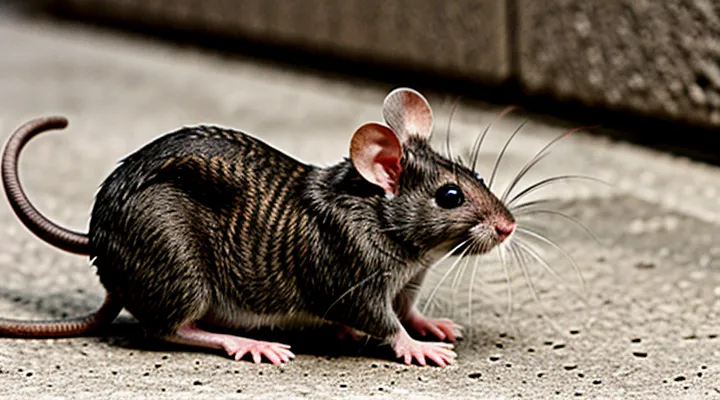
Introduction to Pet Rodents
General Considerations for Owning Small Pets
When evaluating a rat versus a mouse as a companion, the decision rests on several objective factors that apply to all small‑pet owners.
- Lifespan: rats typically live 2–3 years; mice average 1–2 years. Longer life expectancy increases long‑term commitment.
- Space requirements: both species need a secure enclosure, but rats require a larger floor area to accommodate higher activity levels. Minimum dimensions of 18 × 12 inches per rat and 12 × 8 inches per mouse are standard.
- Enrichment: rats benefit from complex toys, tunnels, and climbing structures; mice thrive with wheels, chew blocks, and hideouts. Adequate stimulation prevents stereotypic behaviors.
- Diet: both consume commercially prepared pellets supplemented with fresh fruits, vegetables, and occasional protein. Rats tolerate a broader variety of foods, while mice are more sensitive to dietary changes.
- Health monitoring: common ailments include respiratory infections, skin lesions, and dental overgrowth. Rats are prone to tumors; mice more frequently develop ear mites. Regular veterinary checks are advisable.
- Social needs: both species are social, but rats form stronger bonds with human handlers and conspecifics. Mice can be housed in same‑sex groups but may exhibit aggression if overcrowded.
- Cost: initial setup (cage, bedding, accessories) is comparable; ongoing expenses differ slightly, with rat feed generally priced higher than mouse feed.
Understanding these parameters enables a factual comparison without reliance on subjective preference. The optimal choice aligns with the owner’s capacity to meet the specific care demands outlined above.
Comparing Rats and Mice: Key Differences
Size and Lifespan
Physical Characteristics
Rats and mice differ markedly in size, body proportions, and external features, factors that directly affect handling, enclosure requirements, and health monitoring.
-
Rats
- Length: 18–25 cm (body) plus a tail of similar length.
- Weight: 250–500 g, with males generally heavier.
- Fur: dense, coarse to silky, color variations include black, brown, white, and agouti.
- Tail: thick, hairless, scales visible, useful for balance.
- Teeth: continuously growing incisors, require gnawing material.
- Lifespan: 2–3 years under proper care.
- Sensory organs: large ears, well‑developed whiskers for tactile navigation.
-
Mice
- Length: 6–10 cm (body) with a tail of 5–10 cm.
- Weight: 15–30 g, males slightly larger.
- Fur: fine, soft, colors include white, brown, gray, and mixed patterns.
- Tail: slender, fully hairless, often pink or dark‑pigmented.
- Teeth: similar continuously growing incisors, but smaller mandible.
- Lifespan: 1–2 years, slightly shorter than rats.
- Sensory organs: proportionally large ears relative to head, prominent whiskers for spatial awareness.
These physical distinctions influence suitability for various pet‑keeping environments and dictate specific care protocols.
Average Lifespan
Pet rats typically live longer than pet mice. The average lifespan of a domesticated rat ranges from 2 to 3 years, with many individuals reaching 3 years when provided optimal nutrition, enrichment, and veterinary care. In contrast, pet mice commonly survive 1 to 2 years; a well‑managed mouse may approach the upper limit, but mortality rates increase sharply after the first year.
- Rats: 2–3 years (occasionally up to 4 years under exceptional conditions)
- Mice: 1–2 years (rarely exceeding 2.5 years)
Lifespan variability depends on genetics, diet quality, housing hygiene, and disease prevention. Regular health monitoring and a balanced diet of commercial rodent pellets supplemented with fresh vegetables extend longevity for both species. Environmental stressors, such as overcrowding or inadequate temperature control, shorten life expectancy, particularly in mice, which are more sensitive to fluctuations.
Social Behavior and Temperament
Rat Socialization
Rats thrive on interaction with their own species and with humans; regular social contact prevents stress‑induced behaviors such as excessive grooming, aggression, or self‑injury. A well‑socialized rat will explore its environment confidently, accept handling, and exhibit clear communication signals, making it a more reliable companion than a solitary mouse.
Effective socialization strategies include:
- Introducing a second rat of similar age and temperament within the first week of life to establish a stable pair bond.
- Providing daily gentle handling sessions of 5–10 minutes, using calm movements and offering treats to reinforce positive associations.
- Enriching the cage with tunnels, climbing structures, and chewable items to encourage cooperative play and reduce territorial disputes.
- Observing vocalizations, body posture, and scent marking to assess comfort levels; adjust interaction intensity if signs of fear or dominance appear.
Consistent application of these practices yields rats that readily adapt to new environments, respond predictably to commands, and maintain health through reduced cortisol levels. Consequently, the social nature of rats offers a distinct advantage for owners seeking an interactive and manageable pet.
Mouse Socialization
Mouse socialization determines how well a mouse adapts to human interaction and cohabitation with other mice, directly influencing its suitability as a companion animal. Unlike rats, which naturally form larger, stable colonies, mice display more limited group cohesion and heightened territoriality. Consequently, successful socialization requires deliberate handling and environmental management.
Effective handling begins with daily, brief sessions using gentle, consistent motions. Introduce the mouse to a secure hand‑holding position, allowing it to explore the palm before attempting to lift. Repetition over several weeks reduces stress responses and fosters trust. When multiple mice are present, follow a structured introduction protocol: place individuals in adjacent cages for visual contact, then allow supervised, short-duration free‑range interactions in a neutral enclosure. Observe for signs of aggression—chasing, biting, or excessive vocalizations—and separate any animals that display persistent hostility.
Enrichment supports social development and mitigates solitary tendencies. Provide a variety of tactile objects (e.g., nesting material, tunnels, chewable items) to encourage exploration and reduce boredom. Rotate items weekly to maintain novelty. Adequate space—minimum 0.5 sq ft per mouse—prevents crowding, which can exacerbate aggression.
Key practices for mouse socialization:
- Daily 5–10 minute hand‑taming sessions.
- Gradual visual exposure before physical contact in multi‑mouse households.
- Neutral arena for initial group interactions, monitored for aggression.
- Diverse enrichment rotated regularly.
- Minimum cage space of 0.5 sq ft per animal.
By adhering to these protocols, owners can maximize a mouse’s readiness for human companionship, providing a clearer basis for comparing its pet potential against that of a rat.
Human Interaction Potential
Rats and mice differ markedly in the ways they engage with owners. Rats display strong social bonds, recognize individual faces, and respond to vocalizations, making them highly interactive companions. They readily learn simple tricks, such as navigating mazes or pressing levers for treats, and they often seek physical contact, including grooming and gentle nibbling. Their larger size facilitates handling, allowing owners to hold them securely for extended periods without causing stress.
Mice exhibit social behavior within groups but are generally more skittish toward humans. They can differentiate between familiar and unfamiliar voices, yet they rarely approach for direct interaction. Training capacity is limited; mice may learn to navigate obstacle courses but seldom perform operant tasks on cue. Their small stature restricts handling time, as prolonged contact can induce anxiety.
Key comparative points:
- Social recognition: Rats > Mice
- Trainability: Rats > Mice
- Tolerance for handling: Rats > Mice
- Affectionate behaviors: Rats > Mice
Overall, rats provide a broader range of direct, responsive interaction, while mice offer limited, primarily observational engagement.
Intelligence and Trainability
Cognitive Abilities of Rats
Rats demonstrate advanced learning capacity, rapidly acquiring new tasks through operant conditioning and maze navigation. Studies show they can associate specific cues with rewards after fewer trials than many other rodents, indicating efficient information processing.
Memory performance in rats extends to both short‑term and long‑term domains. Spatial memory, assessed with the radial arm maze, persists for weeks, while object recognition memory remains stable after minimal exposure. Their ability to recall sequences of events supports complex behavioral planning.
Problem‑solving skills appear in tasks that require tool use or obstacle removal. Rats manipulate levers, push levers, and unscrew caps to obtain food, reflecting flexibility in adapting strategies when initial attempts fail.
Social cognition includes recognizing individual conspecifics, interpreting vocalizations, and responding to hierarchical cues. Rats emit ultrasonic calls that convey emotional states, and they adjust grooming and nesting behavior based on group dynamics.
Sensory discrimination encompasses tactile, olfactory, and auditory domains. Rats differentiate textures, distinguish between closely related odors, and detect frequency variations beyond human hearing, enabling nuanced environmental interaction.
Collectively, these cognitive traits provide rats with a level of interaction and trainability that often surpasses that of mice, influencing the decision to keep a rat as a companion animal.
Cognitive Abilities of Mice
Mice demonstrate rapid acquisition of spatial tasks, solving mazes after only a few trials. Their ability to remember the location of food sources persists for several days, indicating short‑term and long‑term memory capacities comparable to those of small rodents used in laboratory research.
Problem‑solving skills appear in operant conditioning experiments where mice learn to press levers or manipulate objects to obtain rewards. Adaptation to novel environments occurs within minutes, showing flexibility in behavioral strategies.
Social cognition includes recognition of conspecifics through scent and ultrasonic vocalizations. Mice can observe and replicate simple actions performed by cage mates, evidencing basic forms of observational learning.
Key cognitive characteristics relevant to companion animal considerations:
- Fast learning of simple cause‑effect relationships
- Retention of spatial information for multiple days
- Ability to adjust behavior after brief exposure to new setups
- Recognition of individual peers and basic social hierarchies
- Limited but present capacity for imitation of observed actions
Compared with rats, mice generally exhibit lower problem‑solving speed and less complex social structures, yet their cognitive profile remains sufficient for interactive enrichment and training within a household setting.
Training Opportunities
Rats demonstrate a capacity for complex training that exceeds that of mice. They respond reliably to clicker cues, can learn to navigate obstacle courses, and are able to perform tricks such as retrieving small objects. Their social nature encourages repeated interaction, which reinforces learned behaviors and accelerates skill acquisition.
Mice possess limited trainability. They can be conditioned to associate a sound with a food reward, but their short attention span and solitary tendencies restrict the depth of training. Typical achievements include simple target pressing and basic maze navigation.
Training potential comparison
-
Rats
- Clicker conditioning: consistent response to audible signals.
- Trick repertoire: roll over, spin, fetch.
- Problem‑solving: puzzle boxes, lever presses for delayed rewards.
- Social reinforcement: interaction with owner strengthens learning.
-
Mice
- Auditory cue association: limited to food‑based reinforcement.
- Maze performance: basic navigation without advanced problem‑solving.
- Minimal trick execution: rare, usually limited to paw‑pressing.
Effective training requires regular, short sessions, positive reinforcement, and a secure environment. Rats thrive under these conditions, while mice show modest improvement only with highly structured, repetitive protocols. Consequently, for prospective owners seeking extensive training opportunities, rats present a markedly superior option.
Care Requirements
Housing and Enclosure Needs
Rats require a spacious cage with a minimum floor area of 100 sq inches per animal; a single‑rat enclosure should measure at least 20 × 12 inches, while multiple rats need proportionally larger floors. Mice thrive in smaller spaces, but each mouse still benefits from a minimum of 75 sq inches; a typical one‑mouse cage can be 10 × 10 inches, with additional room for group housing.
Both species need solid flooring; wire bases can cause foot injuries. Provide deep, absorbent bedding such as paper‑based or untreated wood shavings, replacing it weekly to control odor and moisture. Rats appreciate thicker layers (2–3 inches) for nesting, whereas mice require a thinner layer (1–2 inches) to maintain mobility.
Enrichment items are essential for mental health. Rats favor chew toys, tunnels, and climbing structures; they also use hammocks and platforms. Mice benefit from wheels, hideouts, and climbing ropes. Rotate accessories regularly to prevent habituation.
Cleaning schedule:
- Rats: spot‑clean daily, full cage change weekly.
- Mice: spot‑clean daily, full cage change every 4–5 days.
Ventilation must be adequate; cages with mesh sides allow airflow while preventing escape. Secure lids are mandatory for both, as both species are adept escape artists. Use lockable latches for safety.
In summary, rats need larger, sturdier enclosures with ample bedding depth and robust enrichment, while mice succeed in more compact cages with lighter bedding and a focus on climbing accessories. Proper cage dimensions, materials, and maintenance protocols ensure health and behavioral wellbeing for either pet.
Dietary Habits
Pet rats require a higher caloric intake than pet mice because of larger body mass and faster growth. A balanced rat diet consists of commercially prepared rodent pellets that provide protein (18‑20 %), fat (5‑7 %), fiber, vitamins, and minerals. Fresh vegetables such as broccoli, carrots, and leafy greens should supplement pellets daily; fruit can be offered sparingly due to sugar content. Rats benefit from occasional protein treats like boiled egg or mealworms, but these must not exceed 10 % of total intake.
Pet mice have lower energy demands. High‑quality mouse-specific pellets, containing 15‑18 % protein and 4‑6 % fat, meet daily requirements. Fresh greens (e.g., kale, spinach) and a limited amount of fruit (e.g., apple slices) provide essential nutrients. Protein treats should be rare; a few insects or a small piece of cooked chicken once a week suffice. Over‑feeding can quickly lead to obesity in mice.
Both species need constant access to clean water. Water bottles with stainless‑steel sipper tubes prevent contamination and reduce spillage. Replace water daily and sanitize bottles weekly.
Key differences in dietary management:
- Portion size: Rats consume 1‑2 tablespoons of pellets per day; mice require ½‑1 tablespoon.
- Feeding frequency: Rats can eat ad libitum from a bowl; mice perform better with small portions offered 2‑3 times daily to prevent hoarding and spoilage.
- Food sensitivity: Mice are more prone to dental issues from hard foods; soft, chopped vegetables reduce risk. Rats tolerate a broader range of textures.
Monitoring body condition score and adjusting portions prevents health problems. Regularly inspect fur, activity level, and stool consistency as indirect indicators of nutritional adequacy.
Health Considerations and Common Ailments
Rats and mice present distinct health profiles that affect suitability as companion animals. Both species are prone to respiratory infections, but rats exhibit a higher incidence of bacterial pneumonia, while mice more commonly develop viral bronchiolitis. Dental overgrowth occurs in both; however, rats’ incisors grow faster, requiring regular monitoring and provision of chewable materials.
Nutritional disorders differ. Rats are susceptible to obesity when fed high‑fat diets, leading to hepatic lipidosis. Mice tend toward hypoglycemia under calorie restriction, which can precipitate seizures. Adequate diet formulation must match species‑specific metabolic rates.
Skin conditions are frequent. Rats often develop ulcerative pododermatitis on the feet, especially in cage environments lacking soft bedding. Mice frequently show alopecia linked to ectoparasite infestations such as mouse mites. Routine inspection and appropriate substrate reduce these risks.
Parasitic and vector‑borne diseases include:
- Rat‑borne: Leptospira spp., Seoul hantavirus, ectoparasite fleas.
- Mouse‑borne: Pinworm (Syphacia obvelata), mouse adenovirus, ectoparasite mites.
Vaccination is not standard for either species; preventive care relies on strict hygiene, quarantine of new arrivals, and regular veterinary health checks. Early detection of respiratory distress, dental malocclusion, or skin lesions enables timely intervention and improves overall welfare.
Grooming and Hygiene
Rats and mice demand distinct grooming and hygiene routines that affect their suitability as companions. Understanding these differences prevents health problems and reduces caretaker workload.
Rats possess dense fur that accumulates oil and debris. Regular grooming includes:
- Weekly brushing with a soft‑bristle brush to remove loose hair and prevent matting.
- Monthly inspection of the coat for skin lesions or parasites; immediate treatment if found.
- Trimming of overgrown whiskers only when they interfere with feeding or navigation.
Nail management for rats is straightforward. Their nails grow slowly; a gentle clip every six weeks maintains a safe length and avoids self‑injury.
Cage hygiene for rats requires:
- Daily removal of soiled bedding and food scraps.
- Full substrate change at least once a week to control odor and bacterial growth.
- Disinfection of water bottles and food dishes weekly with a mild, non‑toxic solution.
Mice have finer fur that sheds less but produces more dander. Grooming tasks differ:
- Minimal brushing; a light comb once a month suffices to keep coat clean.
- Frequent checks for ear wax buildup, which can impede hearing; clean with a cotton swab if necessary.
- Nails are sharper relative to body size; clipping every four to five weeks prevents scratching of cage mates or owners.
Cage maintenance for mice emphasizes moisture control:
- Daily spot cleaning of droppings and wet spots to prevent fungal growth.
- Complete bedding replacement every four to five days, as mice produce more urine relative to cage volume.
- Use of absorbent, dust‑free substrate reduces respiratory irritation.
Both species benefit from routine health monitoring. Visual inspection of eyes, skin, and fur each week identifies early signs of infection. Prompt veterinary consultation when abnormalities appear preserves animal welfare and owner satisfaction.
Advantages of Owning a Pet Rat
Deeper Bonds with Owners
Rats typically exhibit greater capacity for forming lasting attachments with human caretakers than mice. Their larger brain-to-body ratio supports more sophisticated social cognition, enabling recognition of individual voices, scents, and routines. Consequently, rats often respond to their owners with approach behaviors, such as seeking contact, following, and vocalizations that signal anticipation of interaction.
Mice display social interest primarily within their own species, and their interactions with humans are generally limited to brief investigative sniffing. Their brief attention span and heightened wariness reduce the likelihood of sustained engagement, making deep relational development uncommon.
Key factors influencing bond depth:
- Cognitive complexity – Rats process environmental cues and human signals more extensively.
- Training receptivity – Rats learn tricks and respond to clicker conditioning, reinforcing mutual interaction.
- Emotional expressiveness – Rats emit varied ultrasonic chirps that correlate with contentment, anxiety, or excitement, offering owners clearer feedback.
- Physical tolerance – Rats tolerate handling for longer periods, allowing extended contact sessions.
Overall, the physiological and behavioral traits of rats create conditions conducive to stronger, more nuanced relationships with owners, whereas mice remain more solitary and less responsive to prolonged human companionship.
Larger and More Robust
Rats surpass mice in overall body mass and structural sturdiness. Adult rats typically weigh 300–500 g and measure 20–25 cm in length, whereas adult mice average 20–30 g and 7–10 cm. The greater musculature and bone density of rats confer resistance to minor injuries and support more vigorous activity.
- Weight: rats 10–20× heavier than mice
- Length: rats 2–3× longer than mice
- Bone robustness: rat skeletal structure tolerates higher impact forces
- Energy reserves: larger body stores allow longer periods without food
The size advantage influences enclosure requirements, handling techniques, and health monitoring. A rat’s larger cage must accommodate increased space for exercise, while its sturdier frame permits gentle restraint for veterinary examinations. Conversely, a mouse’s diminutive form demands finer instrumentation and heightened vigilance against hypothermia. Owners seeking a pet capable of withstanding occasional mishandling or minor falls will find the rat’s robustness more suitable.
Less Prone to Hiding
Rats and mice differ markedly in their visibility to owners. When a pet is kept in a cage with regular interaction, rats typically remain on the floor or in open corners, seeking contact and exploring the environment. Their natural curiosity drives them to investigate new objects, reducing the frequency of retreat into secluded areas.
Mice display a contrasting pattern. Their instinctual wariness leads them to seek shelter under bedding, inside tunnels, or behind enrichment items. Even with gentle handling, they often retreat to hidden spots before approaching a human hand.
Key observations:
- Rats spend a larger proportion of active time in open spaces; studies record up to 70 % of their activity occurring on the cage floor.
- Mice allocate the majority of their activity to concealed zones; observations show 60–80 % of movement occurring under cover.
- Social interaction with rats is facilitated by their willingness to remain visible, whereas mice require more coaxing to emerge from hiding.
These behavioral tendencies affect the ease of observation, handling, and enrichment planning for each species. Understanding the propensity to hide informs decisions about cage design, lighting, and the amount of direct interaction needed to maintain a healthy pet.
Advantages of Owning a Pet Mouse
Smaller Footprint and Space Requirements
When evaluating the spatial demands of a small rodent companion, the primary factor is the cage footprint required for a healthy environment.
- A mouse needs a minimum floor area of approximately 0.2 square feet (about 30 × 30 cm). A single‑mouse enclosure can be a compact plastic bin or a small wire cage, fitting easily on a desk or shelf.
- A rat requires at least 0.5 square feet (around 45 × 45 cm) per adult. Even the smallest acceptable rat cage is larger than typical mouse habitats and often demands a dedicated floor space.
The difference stems from each species’ body size and activity level. Mice are roughly half the length of rats and occupy less vertical space, allowing higher density in limited areas. Rats, being larger and more active, benefit from additional room for climbing, exploration, and exercise.
Consequently, a mouse presents a more compact option for owners with restricted living quarters, while a rat necessitates a larger, dedicated area to meet welfare standards.
Lower Initial Cost
Rats generally require a larger cage, which increases the upfront expense. A suitable enclosure for a mouse can be as small as a 10‑gallon tank, while a rat needs at least a 20‑gallon habitat. The price difference for cages typically ranges from $30 to $80.
- Purchase price: pet store listings show rats costing $15‑$25 each, mice $5‑$10 each.
- Bedding: a single rat consumes roughly twice the amount of wood shavings per week compared with a mouse, leading to higher monthly supply costs.
- Food: rat pellets are sold in larger bags priced about $10‑$12 per pound; mouse pellets are often $6‑$8 per pound.
- Accessories: rat owners usually add chew toys and tunnels that are larger and more expensive; mouse accessories are smaller and cheaper.
Overall, the initial outlay for a mouse is typically 30‑40 % lower than that for a rat, factoring in enclosure, animal cost, and basic supplies.
Fascinating Group Dynamics
Rats thrive in complex hierarchies, forming stable dominance orders that reduce conflict. Mature males establish clear ranks, while females cooperate in nesting and pup care. This organization creates predictable behavior, allowing owners to anticipate reactions during handling and training.
Mice display fluid social structures, with frequent changes in dominance and less pronounced cooperation. Male mice often engage in territorial aggression, and females may exhibit solitary nesting preferences. Their social instability can lead to unpredictable interactions, especially when multiple individuals share a cage.
Key differences influencing pet suitability:
- Hierarchical stability: rats > mice
- Cooperative nesting: rats > mice
- Aggression levels: mice > rats (especially males)
- Trainability: rats > mice
Owners seeking consistent social patterns and easier management should prioritize rats, whereas those comfortable with variable dynamics may consider mice.
Factors to Consider Before Choosing
Time Commitment
Rats require daily interaction to maintain social health and mental stimulation. Typical routine includes cage cleaning, food and water replenishment, and several short handling sessions. Average commitment ranges from 15 to 30 minutes per day, with occasional longer periods for enrichment activities such as puzzle toys or supervised out‑of‑cage exploration.
Mice also need regular care, but their social needs are less demanding. Daily tasks consist of spot‑cleaning, checking food and water supplies, and brief handling for health checks. Expected time investment falls between 5 and 15 minutes per day, with occasional additional time for providing nesting material or a small play area.
Time comparison
- Cage maintenance: rat – 5 min; mouse – 3 min
- Feeding and watering: rat – 3 min; mouse – 2 min
- Social interaction/handling: rat – 7–20 min; mouse – 2–5 min
- Enrichment setup: rat – 5–10 min (periodic); mouse – 2–4 min (periodic)
Overall, rats demand a higher daily time commitment than mice, primarily due to their greater need for social engagement and environmental enrichment.
Financial Investment
When assessing a companion animal through a financial lens, the decision hinges on measurable expenses and expected returns over the animal’s life span.
- Purchase price: rats typically command a higher initial cost than mice.
- Feeding: rats require larger portions of specialized diet; mice consume less, reducing monthly outlays.
- Veterinary care: both species need routine health checks, yet rats are prone to respiratory issues that may increase treatment frequency.
- Housing: cage size for rats must accommodate greater activity space, raising material and maintenance costs.
- Longevity: rats live 2–3 years, mice 1–2 years; longer lifespan spreads fixed costs across more months, improving cost efficiency.
Return on investment includes non‑monetary benefits such as companionship and stress reduction, which research quantifies as productivity gains. A rational choice balances total cost of ownership against these quantified benefits, favoring the species that delivers higher net value within the owner’s budget constraints.
Personal Preferences and Lifestyle
Choosing between a rat and a mouse as a companion hinges on how the animal fits into daily routines, living space, and personal expectations.
Rats generally require larger enclosures, more frequent interaction, and longer commitment due to a lifespan of two to three years. Their social nature makes them suitable for owners who can dedicate several minutes each day to handling and play. Rats tolerate moderate noise and produce a mild odor that can be managed with regular cleaning.
Mice occupy smaller cages, thrive on brief, high‑energy play sessions, and live around one to two years. They are less demanding of space and can be kept in apartments where floor area is limited. Mice emit a stronger scent and are more prone to escape attempts, demanding vigilant cage security.
Factors to evaluate:
- Time availability: Rats need daily, longer handling periods; mice accept shorter, sporadic interaction.
- Living environment: Rats favor spacious habitats; mice fit compact setups.
- Allergy considerations: Both species shed dander, but mice often trigger stronger reactions in sensitive individuals.
- Noise tolerance: Rats are relatively quiet; mice produce higher-pitched squeaks that may disturb light sleepers.
- Commitment length: Rats offer a longer companionship window; mice provide a shorter, less intensive experience.
- Maintenance effort: Rats require weekly deep cleaning; mice benefit from more frequent spot cleaning to control odor.
Aligning these criteria with personal lifestyle determines which small rodent best complements the household.