
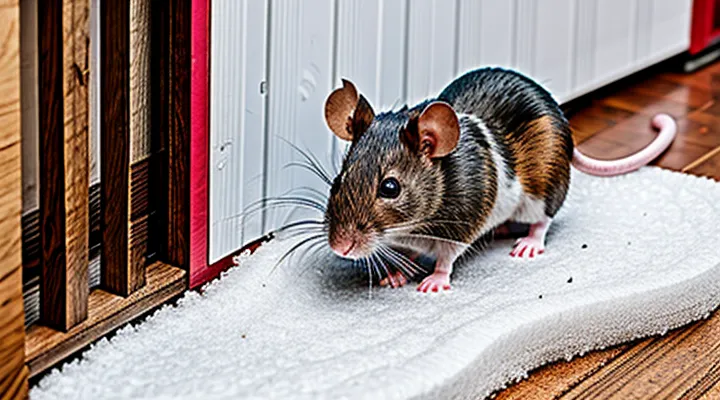
Understanding Rodent Behavior and Insulation
Why Rodents are Attracted to Certain Materials
Food and Nesting
Insulation that contains or resembles food sources invites rodents, while materials that lack edible residues reduce the likelihood of infestation. Fibrous products derived from natural fibers, such as untreated cotton or wool, can retain dust, oil, and small particles that rodents may consume. Synthetic foams and mineral wool, when manufactured without organic binders, present no nutritional value and therefore do not serve as a food supply.
Nesting behavior also influences rodent attraction. Materials that are soft, pliable, and easily shredded enable mice and rats to construct nests quickly. Rigid, non‑fibrous insulation—such as closed‑cell spray foam, rigid polyisocyanurate boards, or glass fiber batts with foil backing—provides thermal resistance without offering a manipulable substrate for nest building.
Buyer guidelines:
- Choose insulation with a high fire‑rating and a non‑organic matrix (e.g., closed‑cell spray foam, polyisocyanurate, or foil‑faced rigid board).
- Verify that the product is free of added starches, cellulose, or other organic additives.
- Prefer dense, smooth surfaces that resist gnawing; avoid loose-fill cellulose or untreated natural fibers.
- Confirm that the manufacturer’s specifications list rodent‑resistant properties or include a pest‑deterrent coating.
Selecting insulation that eliminates food cues and resists nest formation creates an environment that discourages mouse and rat activity, supporting long‑term structural integrity.
Shelter and Warmth
Insulation that protects a building from heat loss also creates a barrier against rodent entry. Materials with high thermal resistance maintain interior temperature while limiting gaps that rodents could exploit for shelter.
Rodents are drawn to insulation that offers food, easy chewing, and nesting pockets. Organic fibers, such as cellulose or wool, provide both nutrition and a soft structure, encouraging habitation. Moisture‑rich or loosely packed insulation creates cavities where rodents can hide and breed.
Buyer recommendations focus on products that eliminate these incentives:
- Closed‑cell spray foam: non‑organic, adheres to surfaces, fills voids, resists gnawing.
- Rigid polyisocyanurate boards: smooth surface, low moisture absorption, no edible components.
- Mineral wool with a foil or plastic facing: inorganic core, barrier layer prevents nesting.
- Aerogel blankets: ultra‑light, non‑fibrous, maintains shape under pressure, deters chewing.
When selecting insulation, verify the following specifications:
- Composition free of cellulose, cotton, or other natural fibers.
- Density sufficient to prevent compression and gap formation.
- Moisture resistance rating (Mold‑Resistant or Water‑Resistant).
- Compatibility with rodent‑proof sealing tapes or caulks for seams.
Choosing these materials reduces the likelihood that mice or rats will use insulation as shelter, while preserving the intended thermal performance.
Common Entry Points and Prevention
Rodent intrusion typically begins at structural gaps that provide direct access to interior spaces. Openings around utility penetrations, such as electrical conduit, plumbing stacks, and HVAC ducts, create pathways for mice and rats. Gaps beneath doors, around window frames, and between foundation walls and slabs also serve as common entry points. Cracks in siding, damaged soffits, and unsealed attic vents further increase vulnerability.
Effective prevention requires sealing all identified openings and reinforcing barriers. Use stainless‑steel mesh or copper flashing to cover gaps larger than ¼ inch, ensuring durability against gnawing. Apply expanding polyurethane foam or low‑odor caulk to minor cracks, focusing on areas where insulation meets structural components. Install door sweeps and weatherstripping on exterior doors, and verify that window casings are tightly fitted. Reinforce vent covers with rodent‑proof screens and inspect roof eaves for loose or missing flashing.
Key entry points and corresponding countermeasures
- Utility penetrations – wrap with metal mesh, seal with rodent‑grade foam.
- Door and window gaps – attach sweeps, replace damaged weatherstripping.
- Foundation cracks – fill with high‑strength sealant, install perimeter barrier.
- Attic and roof vents – fit copper or steel screens, check for loose fittings.
- Siding and soffit openings – replace damaged sections, add metal flashing.
Insulation Types and Rodent Resistance
Insulation Materials That Deter Rodents
Mineral Wool Insulation
Mineral wool insulation consists of densely packed fibers made from basalt or slag. The composition contains no organic material, eliminating a food source that attracts rodents. Its coarse texture and high temperature resistance discourage mice and rats from gnawing or nesting within the material.
Compared with cellulose, fiberglass, and foam products, mineral wool offers a physical barrier rather than a consumable substrate. Cellulose, derived from recycled paper, provides a readily available nutrient for rodents. Foam insulation can emit odors that draw pests, while fiberglass lacks the structural hardness that deters chewing. Mineral wool’s inert mineral base and rigid density make it the least appealing option for rodent intrusion.
Buyer recommendations:
- Choose products with a density of at least 3 lb/ft³; higher density limits cavity space for nesting.
- Verify that the insulation is installed with sealed joints and vapor barriers to prevent gaps.
- Prefer brands that certify the material as rodent‑resistant through independent testing.
- Ensure that the installation includes metal or mesh studs in wall cavities, as mineral wool alone does not block larger entry points.
- Check for fire‑rated ratings; mineral wool’s fire resistance adds safety without increasing pest attraction.
Selecting mineral wool that meets these criteria provides effective thermal performance while minimizing the risk of mouse and rat activity.
Foam Board Insulation
Foam board insulation consists of rigid panels made from polystyrene, polyisocyanurate, or extruded polystyrene. The material is dense, non‑porous, and contains no organic components that rodents can chew for nutrition.
Rodents are drawn to insulation that offers food, scent, or a soft nesting surface. Fibrous batts, cellulose, and natural fibers emit odors and provide fibers that mice and rats can shred and use for burrows. These characteristics make such products prone to infestation.
Foam board’s inert polymer composition lacks edible material and emits no attractive odors. The smooth, hard surface resists gnawing, and sealed joints limit access points. Consequently, foam board is among the least likely insulation types to invite mouse or rat activity.
Recommendations for purchasers seeking rodent‑resistant insulation
- Select closed‑cell foam board (polyisocyanurate or extruded polystyrene) rather than open‑cell variants.
- Choose panels with a minimum thickness of ½ inch; thicker panels increase structural resistance to gnawing.
- Verify that the product includes a foil or polymer facing that adds a moisture barrier and deters chewing.
- Install panels with overlapping seams and apply a compatible sealant or tape to close gaps.
- Secure edges with metal or plastic trim to prevent rodents from inserting teeth.
- Prefer reputable manufacturers that provide a warranty covering pest‑related damage.
By adhering to these criteria, buyers can minimize the risk of rodent intrusion while maintaining effective thermal performance.
Polyisocyanurate (Polyiso)
Polyisocyanurate (Polyiso) offers a closed‑cell structure that limits food sources and nesting spaces for rodents. The rigid foam’s high density reduces the likelihood of burrowing, and the foil‑faced surface creates a barrier that mice and rats find difficult to chew through.
Thermal performance of Polyiso remains stable in the presence of rodents because the material does not absorb moisture, which otherwise attracts pests. Its low permeability prevents insects from establishing colonies within the insulation cavity.
Buyer considerations for rodent‑resistant applications:
- Choose boards with a foil or reinforced facing to increase physical deterrence.
- Verify that the product meets ASTM C578 for dimensional stability; higher stability correlates with reduced gaps that pests exploit.
- Select thickness that meets or exceeds the required R‑value for the climate zone; thicker boards provide additional mechanical resistance.
- Confirm compatibility with existing framing and vapor‑barrier systems to avoid creating voids where rodents could hide.
Installation guidelines:
- Seal all joints with approved tape or sealant to eliminate entry points.
- Install insulation tightly against studs and joists, avoiding gaps larger than ¼ inch.
- Use stainless‑steel fasteners when attaching boards in high‑pest areas to prevent gnawing.
- Apply a secondary rodent‑proofing layer, such as metal mesh, in vulnerable regions (e.g., attics, crawl spaces).
These practices ensure that Polyiso delivers both energy efficiency and a reduced risk of rodent infestation, providing a reliable choice for homeowners seeking pest‑resistant insulation solutions.
Expanded Polystyrene (EPS)
Expanded Polystyrene (EPS) is a lightweight, closed‑cell foam composed of 98 % air. It provides thermal resistance, moisture barrier, and dimensional stability for walls, roofs, and foundations.
Rodents avoid EPS because its smooth, non‑porous surface offers no grip for gnawing. The material contains no organic nutrients, limiting its appeal as food. Low moisture content further reduces the likelihood of infestation.
Buyer recommendations
- Choose EPS with a density of at least 1.5 lb/ft³; higher density reduces the chance of chewing.
- Verify the product’s R‑value matches the required thermal performance for the project.
- Select boards with factory‑applied foil or polymer film on exposed faces to protect against UV degradation.
- Ensure all joints are sealed with compatible adhesive or tape to eliminate gaps that rodents could exploit.
- Purchase from manufacturers that provide fire‑rating certifications (e.g., Class 1 or 2).
Potential limitations include susceptibility to UV damage without protective coating, limited structural load capacity, and the need for a vapor barrier in humid environments. Proper installation and protective measures mitigate these concerns while maintaining EPS’s resistance to mouse and rat attraction.
Extruded Polystyrene (XPS)
Extruded Polystyrene (XPS) is a closed‑cell foam with a dense, uniform structure that resists gnawing and nesting by mice and rats. The material’s smooth surface and low moisture absorption create an environment that lacks the food sources and tactile cues rodents seek in typical insulation such as cellulose or fiberglass.
Key characteristics that deter rodents:
- High compressive strength prevents burrowing.
- Water‑repellent surface limits mold growth, removing a potential food source.
- Absence of organic fibers eliminates material that rodents can chew for nutrition.
For purchasers seeking rodent‑resistant insulation, consider the following guidelines:
- Verify product density; XPS panels with a minimum of 1.5 lb/ft³ provide sufficient hardness to discourage gnawing.
- Ensure the foam is coated with a compatible vapor barrier; this preserves moisture resistance and maintains structural integrity.
- Confirm that the manufacturer supplies a fire‑rated version when required by local building codes.
- Check for certifications such as ASTM C578 (Standard Specification for XPS) to guarantee consistent quality.
- Plan installation with sealed joints and tape‑wrapped seams; continuous barriers eliminate gaps that rodents could exploit.
When installing XPS, apply adhesive approved for foam boards, press panels firmly to achieve a uniform seal, and use mechanical fasteners where necessary to prevent displacement. After placement, inspect edges and corners for any exposed foam, and cover them with a rodent‑proof sheathing material if additional protection is desired.
Overall, XPS delivers the structural rigidity, moisture control, and non‑organic composition that make it one of the most effective insulation choices for minimizing rodent intrusion while meeting thermal performance requirements.
Spray Foam Insulation
Spray foam insulation provides a continuous barrier that limits entry points for rodents. Closed‑cell formulations expand to fill cavities, creating a dense, airtight seal that mice and rats cannot easily gnaw through. Open‑cell variants are softer, allowing some compression, but still reduce visible gaps that attract pests.
Key characteristics that deter rodents:
- High density (typically 1.8–2.0 lb/ft³) resists chewing.
- Minimal surface texture eliminates footholds.
- Expansion fills cracks, eliminating hidden pathways.
- Chemical composition is unpalatable to rodents.
Buyer recommendations:
- Select closed‑cell spray foam for areas prone to infestation; it offers superior rigidity and moisture resistance.
- Verify that the product meets ASTM C1029 or equivalent standards for density and fire safety.
- Insist on professional installation to ensure complete coverage and proper curing.
- Avoid low‑cost, low‑density foams marketed for temporary use; they lack the structural integrity needed to deter pests.
- Combine spray foam with steel mesh or metal flashing at vulnerable joints for added protection.
When integrated with proper sealing of doors, windows, and utility penetrations, spray foam insulation reduces the likelihood of mouse and rat activity inside walls and attics.
Insulation Materials That Attract Rodents
Fiberglass Insulation
Fiberglass insulation is composed of fine glass fibers bonded with a resin binder. The material lacks organic nutrients, making it unattractive to mice and rats. Rodents prefer food sources, nesting materials such as cellulose, and warm, soft substances; fiberglass does not meet these criteria.
When selecting fiberglass products for rodent‑free installations, consider the following factors:
- Density and R‑value: Higher density batts provide fewer gaps, reducing entry points. A minimum R‑value of R‑13 for walls and R‑30 for attics balances thermal performance with structural integrity.
- Faced vs. unfaced: Faced batts include a vapor barrier that can deter rodents from chewing, but the barrier must be installed correctly to avoid moisture trapping.
- Installation method: Properly cut and snugly fit batts between studs and joists eliminates voids that rodents could exploit. Seal seams with approved insulation tape.
- Fire rating: Choose products with a Class A fire rating; the fire‑resistant additives also increase hardness, further discouraging chewing.
Maintenance recommendations:
- Inspect attic and crawl‑space insulation annually for signs of displacement or damage.
- Repair any gaps in the building envelope—especially around vents, utility penetrations, and foundation cracks—to prevent rodent entry.
- Keep stored insulation away from food waste, compost, or other attractants that could lure pests.
Overall, fiberglass insulation, when installed with attention to density, vapor barriers, and sealing, offers a reliable option for homeowners seeking thermal efficiency without encouraging rodent activity.
Cellulose Insulation
Cellulose insulation consists mainly of recycled paper fibers treated with fire‑retardant chemicals such as borates. The material is dense, fills cavities tightly, and does not provide the soft, chewable texture that attracts rodents.
Rodents are drawn to insulation that offers easy access, warmth, and a food source. Cellulose’s high density and chemical additives deter gnawing; the borate treatment is toxic to insects and discourages mammals from nesting. Compared with fiberglass or foam, cellulose presents fewer entry points because it is blown in, creating a continuous barrier that limits gaps.
Recommendations for purchasers
- Verify that the installer uses a certified cellulose product with a minimum of 5 % borate additive.
- Insist on thorough cavity sealing before blowing in cellulose to eliminate gaps around pipes, wiring, and vent openings.
- Request a moisture‑control assessment; excess humidity can weaken the material and increase the likelihood of rodent intrusion.
- Choose a reputable contractor with documented experience in pest‑resistant installations.
- Confirm that the finished wall cavity meets or exceeds the recommended R‑value for the climate zone, ensuring thermal efficiency without compromising pest resistance.
Cellulose insulation, when applied correctly and combined with proper sealing, offers a practical solution for homeowners seeking an effective barrier that does not invite mice or rats.
Cotton Batts
Cotton batts are a natural, breathable insulation option that does not emit the chemical odors that often draw rodents. Their organic composition lacks the synthetic fibers and resins that mice and rats find appealing for nesting. Because cotton fibers are not treated with strong adhesives, pests cannot easily cling to the material, reducing the likelihood of infestation.
When selecting cotton batts, consider the following criteria:
- Density: Choose products with a minimum density of 2.5 lb/ft³; higher density limits the gaps rodents can exploit.
- Moisture resistance: Opt for batts with a vapor barrier or hydrophobic treatment to prevent dampness, which attracts rodents.
- Installation method: Use a tight-fitting, staggered pattern and seal seams with approved tape to eliminate entry points.
- Certification: Verify that the insulation meets ASTM C665 standards for fire safety and has a UL rating indicating rodent resistance.
Buyers should prioritize manufacturers that provide third‑party test results demonstrating low rodent activity in field trials. Verify that the product is free from added plasticizers or insecticides, which can compromise indoor air quality. Selecting cotton batts that meet these specifications offers an effective, rodent‑averse insulation solution for residential and commercial projects.
Factors Beyond Insulation Material
Proper Installation Techniques
Sealing Gaps and Cracks
Sealing gaps and cracks eliminates entry points that attract rodents, making insulation more effective. Tight joints prevent mice and rats from nesting behind or within the material, reducing the likelihood of damage and contamination.
When selecting insulation, buyers should verify that the installation plan includes comprehensive sealing. Recommended actions:
- Inspect walls, ceilings, and floors for openings larger than ¼ inch; rodents can squeeze through much smaller spaces.
- Apply silicone‑based caulk or expanding foam to fill irregular gaps around pipes, vents, and electrical conduits.
- Use metal‑clad mesh or steel wool for larger voids where foam may be insufficient.
- Choose products with built‑in adhesive strips that bond to framing, ensuring a continuous barrier.
- Verify that the installer backs up sealing with a vapor‑retardant layer to prevent moisture buildup, which can also lure pests.
Materials that maintain flexibility in temperature fluctuations, such as low‑temperature silicone, resist cracking over time, preserving the seal’s integrity. Insulation manufacturers that provide pre‑treated panels with edge‑seal technology simplify the process and lower the risk of post‑installation gaps.
Regular inspection after installation identifies any new cracks caused by settling or movement. Promptly resealing these areas sustains the rodent‑proof environment and extends the lifespan of the insulation system.
Avoiding Voids
When selecting insulation that discourages rodents, eliminate any gaps that could become hidden pathways. Continuous coverage prevents mice and rats from nesting in concealed spaces, which reduces the likelihood of infestation.
Insulation materials that expand to fill cavities—such as spray‑foam or dense cellulose—create a solid barrier that leaves no room for entry. Rigid board products must be cut precisely to fit studs and joists, then sealed with appropriate tape or caulk. Ensure all seams, joints, and penetrations around pipes, wiring, and vents receive the same treatment.
Buyer checklist for avoiding voids:
- Choose products that expand or compress to fill irregular shapes.
- Verify that the manufacturer’s specifications include a recommended sealing method.
- Inspect installation sites for missed corners or gaps before finishing walls.
- Apply rodent‑proof sealant to all edges and penetrations after insulation is in place.
- Request a post‑installation inspection to confirm that no voids remain.
By prioritizing complete coverage and meticulous sealing, buyers secure insulation that does not attract mice or rats and maintain the integrity of the building envelope.
Pest Control Measures
Baits and Traps
When selecting insulation that discourages rodent activity, the choice of baits and traps directly influences the effectiveness of a prevention strategy.
Baits that minimize attraction to mice and rats should be low‑odor, protein‑free formulations. Commercial products labeled “non‑attractive” or “rodent‑neutral” typically contain inert fillers such as cellulose or mineral oil, which reduce scent cues that guide pests toward insulation seams. Avoid sweet or grain‑based baits, as they increase the likelihood of rodents seeking the material.
Traps must combine reliability with safety for occupants. Snap traps constructed from hardened steel provide immediate mortality and prevent repeated visits to the insulated area. Electronic traps deliver a high‑voltage shock, eliminating the need for manual disposal. Live‑capture cages are suitable where humane removal is required, but they demand frequent monitoring to avoid stress‑induced escape. Placement should target concealed gaps, junctions between joists, and any openings where insulation contacts structural elements.
Buyer criteria for baits and traps include:
- Proven low‑scent composition (verified by independent laboratory testing).
- Certification meeting local pest‑control regulations.
- Durable construction resistant to corrosion in humid environments.
- Secure mounting mechanisms that prevent accidental activation by non‑target species.
Purchasers should verify product data sheets, request third‑party efficacy reports, and prioritize models with documented success in settings where insulation is present. Consistent application of these guidelines reduces the probability that rodents will be drawn to, or remain within, insulated structures.
Professional Extermination
Professional extermination services provide a critical layer of protection when selecting building insulation that discourages rodent activity. Trained technicians assess structural vulnerabilities, identify entry points, and apply targeted control measures that complement the physical properties of rodent‑resistant insulation.
Effective integration of extermination and insulation follows a systematic approach:
- Conduct a thorough inspection of walls, ceilings, and crawl spaces to locate gnaw marks, droppings, and potential gaps.
- Seal identified openings with steel wool, caulk, or expanding foam before installing insulation.
- Apply rodent‑deterrent treatments, such as bait stations or perimeter sprays, in accordance with local regulations.
- Install insulation materials that lack fibers or textures attractive to mice and rats, ensuring a smooth surface that reduces nesting opportunities.
- Schedule follow‑up visits to verify that the infestation remains controlled and that the insulation retains its protective qualities.
Choosing an extermination provider with certification and documented success rates reduces the likelihood of re‑infestation. Professionals who employ integrated pest management (IPM) prioritize non‑chemical interventions, reserve pesticide use for confirmed activity, and maintain detailed records of all actions taken.
Buyers should request a written plan outlining inspection findings, sealing methods, treatment types, and warranty terms. Confirm that the exterminator coordinates with insulation installers to guarantee seamless execution and long‑term rodent deterrence.
Building Maintenance
Regular Inspections
Regular inspections are a fundamental part of maintaining insulation that does not invite mice or rats. They verify that the material continues to meet the specifications promised at purchase and that no new entry points have formed.
Inspections should be conducted at least twice a year—once in the spring, once in the fall—and after any major renovation, roof repair, or water intrusion incident. Additional checks are advisable when signs of rodent activity appear in the building.
Key items to examine during each visit:
- Surface condition: look for chewed fibers, exposed edges, or torn seams.
- Gaps and seams: ensure all joints remain sealed; any opening larger than ¼ inch can serve as an entry point.
- Moisture levels: damp insulation attracts rodents; verify that no leaks or condensation are present.
- Adjacent structures: inspect wiring conduits, plumbing penetrations, and vent openings for proper sealing.
- Evidence of pest activity: droppings, gnaw marks, or nesting material indicate a breach.
Documenting findings supports warranty claims and informs future buyer decisions. Prompt repair of identified issues preserves the insulation’s rodent‑deterrent properties and extends its service life.
Landscape Management
Effective landscape management can reduce the likelihood that rodents will seek shelter behind or within building insulation. Proper site grading directs water away from foundations, eliminating moist soil that attracts mice and rats. Removing dense ground cover, such as tall grasses and weeds, limits hiding places and discourages burrowing near the structure. Maintaining clear zones around the perimeter—typically 2‑3 feet of trimmed vegetation—creates a visual barrier that rodents avoid.
Insulation materials that resist rodent intrusion share specific characteristics. They are dense, non‑fibrous, and lack gaps that allow chewing. The following options meet those criteria and are recommended for homeowners concerned about pest‑free walls:
- Closed‑cell spray foam: rigid, airtight, and difficult for rodents to gnaw.
- Rigid polyisocyanurate boards: smooth surface, high compressive strength, minimal chewability.
- Mineral wool (rock wool) with a dense, bonded core: non‑organic, less appealing to gnawing rodents.
- Foil‑faced insulated panels: metal layer deters chewing and provides a moisture barrier.
When selecting insulation, verify that the product specifications include rodent‑resistance testing or certifications. Combine the chosen material with landscape practices that eliminate food sources, such as regular removal of fallen fruit, seed heads, and compost piles placed near the building envelope. Seal all exterior gaps—including those around utility penetrations and roof eaves—to prevent rodents from accessing interior spaces.
Integrating these landscape strategies with the appropriate insulation type creates a comprehensive defense against mouse and rat infestations, enhancing building durability and indoor comfort.
Choosing the Right Insulation: Buyer's Guide
Assessing Your Specific Needs
Climate Considerations
When selecting rodent‑resistant insulation, climate dictates material performance and pest behavior. In hot, humid regions, cellulose and natural fibers absorb moisture, swell, and emit a scent that draws mice and rats. Foam‑based products such as closed‑cell spray polyurethane maintain structural integrity despite humidity, limiting food sources for rodents. In cold, dry climates, fiberglass remains dry and unattractive, but its loose fibers can be gnawed if exposed. Rigid mineral wool, resistant to moisture and heat, retains shape across temperature extremes, reducing gaps that rodents could exploit.
Key climate‑related factors to evaluate:
- Moisture level – high humidity encourages mold and odor; choose water‑impermeable insulation.
- Temperature swings – materials that expand or contract create seams; select products with low thermal expansion.
- Ventilation – well‑ventilated spaces reduce condensation, limiting conditions that entice rodents.
- Local rodent activity – regions with year‑round rodent populations require materials that do not provide nesting material.
Recommendations based on climate zones:
- Tropical and subtropical – closed‑cell spray foam or rigid mineral wool; both resist moisture and lack edible fibers.
- Temperate with seasonal humidity – dense fiberglass with vapor barriers; ensure seams are sealed to prevent rodent entry.
- Arid and semi‑arid – rigid mineral wool or high‑density foam; both stay dry and provide a solid barrier.
- Cold continental – high‑density fiberglass combined with a vapor‑retarder; maintain dryness to avoid attracting pests.
When installing, verify that all joints are sealed with rodent‑proof tape or sealant, regardless of climate. Proper installation eliminates the small cavities that rodents exploit, ensuring the chosen insulation remains effective throughout the year.
Budget Constraints
When a limited budget restricts insulation selection, the primary goal remains preventing rodent intrusion while staying within cost parameters. Evaluate materials based on price per square foot, durability, and the likelihood of attracting mice or rats.
- Fiberglass batts: low initial cost, but require a vapor barrier to deter pests; additional barrier adds expense.
- Mineral wool: moderately priced, dense structure resists gnawing; may replace separate pest barrier, reducing overall spend.
- Closed‑cell spray foam: higher upfront price, yet creates a seamless seal that eliminates gaps rodents could exploit, potentially lowering long‑term maintenance costs.
- Rigid foam boards (polyiso, EPS): inexpensive and easy to install; combine with metal mesh or wire mesh to block entry points without significant price increase.
Cost‑saving tactics include:
- Prioritize insulation that integrates pest resistance, eliminating the need for separate rodent‑proofing products.
- Purchase in bulk to obtain volume discounts, especially for batts and boards.
- Apply self‑adhesive foil or metal flashing around vulnerable seams instead of specialized rodent‑deterrent membranes.
- Schedule installation during off‑season periods when contractor rates are reduced.
Balancing price against performance ensures the chosen solution does not compromise on rodent deterrence while adhering to financial limits.
Consulting with Professionals
Insulation Contractors
Insulation contractors are the primary point of contact for homeowners seeking rodent‑resistant thermal barriers. Their expertise determines whether the chosen material will remain unattractive to mice and rats throughout its service life.
Materials that discourage rodent activity include dense mineral wool, closed‑cell spray foam, and rigid foam boards formulated with pest‑deterrent additives. These products lack the soft, fibrous texture that rodents favor for nesting, and they present a barrier that is difficult to chew through. When installed correctly, they also eliminate gaps that could serve as entry points.
Contractors ensure effectiveness by sealing all seams, applying foam or sealant around penetrations, and verifying that insulation layers are continuous. Proper installation eliminates voids where rodents could hide, and it integrates the insulation with the building envelope to create a unified defense.
Buyer recommendations:
- Confirm that the contractor holds relevant licenses and insurance.
- Request documentation of the specific insulation type and any rodent‑deterrent additives used.
- Insist on a detailed installation plan that addresses seam sealing and gap reduction.
- Verify that the contractor follows manufacturer guidelines for material thickness and coverage.
- Obtain a post‑installation inspection report confirming that all potential entry points have been sealed.
Pest Control Experts
Pest‑control professionals assess insulation primarily for its propensity to harbor rodents. Their evaluations focus on material composition, density, and surface texture, which influence gnawing behavior and nesting preferences.
Materials that lack fibrous content and present a smooth, hard surface deter mice and rats. Polyurethane foam, closed‑cell spray foam, and rigid mineral wool meet these criteria. Polyurethane expands to fill gaps without leaving voids that rodents can exploit. Closed‑cell spray foam creates a continuous barrier resistant to chewing. Rigid mineral wool, when installed with sealed seams, offers thermal performance without the loose fibers that attract nesting.
Buyers seeking rodent‑resistant insulation should consider the following actions:
- Choose products labeled as “rodent‑deterrent” or “chew‑resistant.”
- Verify that installation includes sealed joints and no exposed edges.
- Opt for insulation with a minimum density of 2 lb/ft³ for spray foam applications.
- Request professional installation to ensure complete coverage and eliminate gaps.
- Combine insulation with structural sealing measures such as steel mesh or caulk around entry points.
By selecting dense, non‑fibrous insulation and ensuring meticulous installation, consumers reduce the likelihood of mouse and rat intrusion while maintaining energy efficiency.
Long-Term Cost-Benefit Analysis
Energy Efficiency vs. Rodent Prevention
Insulation selection often forces a balance between thermal performance and the likelihood of rodent intrusion. Materials that excel at reducing heat loss may also present appealing nesting sites or food sources for mice and rats, while those that deter pests can fall short on energy efficiency.
Closed‑cell spray foam delivers some of the highest R‑values per inch, creating an airtight barrier that minimizes heat transfer. Its dense, rigid structure resists gnawing, but the expanding foam can trap moisture if not installed correctly, potentially attracting rodents seeking shelter in compromised areas.
Cellulose insulation, composed of recycled paper treated with fire retardants, offers moderate R‑values and excellent coverage of irregular cavities. The organic base is attractive to rodents, especially when moisture accumulates, leading to increased nesting activity.
Fiberglass batts provide reliable R‑values and are inexpensive, yet the loose fibers can be chewed or used as bedding. Properly sealed joints reduce exposure, but gaps remain vulnerable to entry.
Mineral wool (rock or slag wool) combines high thermal resistance with a coarse texture that deters gnawing. Its inorganic composition resists combustion and does not serve as a food source, making it a strong candidate for pest‑resistant applications.
Buyer recommendations
- Choose closed‑cell spray foam for maximum R‑value and inherent rodent resistance; ensure professional installation to avoid moisture traps.
- Opt for mineral wool when budget permits a balance of energy efficiency and pest deterrence; seal all seams to eliminate entry points.
- If cellulose is preferred for environmental reasons, apply a vapor barrier and reinforce the surrounding framing to limit nesting opportunities.
- Use fiberglass only in well‑sealed, inaccessible cavities; supplement with metal or plastic mesh to block rodent access.
Selecting insulation that prioritizes both thermal performance and rodent prevention reduces energy costs while protecting structural integrity.
Durability and Lifespan
Durable, long‑lasting insulation reduces the need for frequent replacement, which in turn limits opportunities for rodents to infiltrate walls and attics. Materials that maintain structural integrity for many years also resist gnawing, moisture, and compression—conditions that encourage mouse and rat activity.
- Closed‑cell spray foam – retains shape for 20 + years; resistant to chewing and water intrusion; provides seamless barrier that eliminates gaps.
- Rigid polyurethane panels – service life of 25–30 years; dense composition deters gnawing; offers high compressive strength.
- Mineral wool (rock or slag) with reinforced binder – lifespan of 30+ years; fibers are unpalatable to rodents; retains thermal performance even after minor compression.
- Foil‑backed fiberglass batts – effective for 15–20 years; foil layer creates a smooth surface that rodents find difficult to bite through.
When evaluating products, prioritize the following criteria:
- Compression resistance – higher resistance means the material will not collapse under weight, preserving a barrier that rodents cannot easily breach.
- Moisture tolerance – materials that do not degrade when exposed to humidity prevent the softening that encourages gnawing.
- Manufacturer warranty – warranties extending beyond 15 years indicate confidence in durability and longevity.
- Installation integrity – proper sealing of seams and edges is essential; even the most durable insulation fails if gaps remain.
Selecting insulation with proven durability and an extended lifespan directly contributes to a rodent‑free environment while delivering consistent thermal performance over decades.