
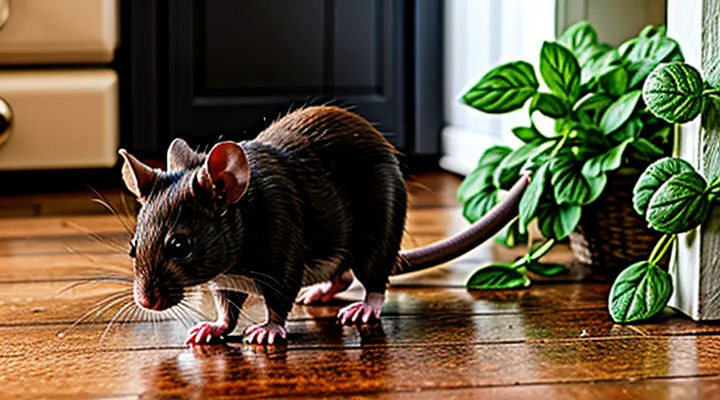
Understanding Rodent Behavior and Repellents
Why Natural Repellents?
Natural repellents offer a direct, chemical‑free method to discourage rodents from entering living spaces. Plant-derived compounds act on the olfactory system of mice and rats, creating an environment they instinctively avoid without harming the occupants or the pets.
These botanical solutions avoid the health risks associated with synthetic rodenticides, such as toxicity, residue buildup, and resistance development. They also comply with indoor air quality standards, allowing continuous use in kitchens, bedrooms, and storage areas without compromising human safety.
Common herbs that deter indoor rodents include:
- Peppermint oil or fresh peppermint leaves
- Lavender (Lavandula spp.)
- Rosemary (Rosmarinus officinalis)
- Bay leaves (Laurus nobilis)
- Clove (Syzygium aromaticum)
- Thyme (Thymus vulgaris)
Deploy these herbs by placing dried material in strategic locations or diffusing essential oils at low concentrations. Regular replacement maintains potency, ensuring a persistent, non‑toxic barrier against mice and rats.
Limitations of Herbal Methods
Herbal repellents provide a non‑chemical option for deterring rodents, yet their effectiveness is bounded by several practical constraints.
- The active scent dissipates quickly; sustained protection requires frequent re‑application.
- Efficacy depends on plant potency, which varies with harvest time, storage conditions, and regional chemotypes.
- Rodents can habituate to constant odors, diminishing deterrent impact over time.
- Coverage is limited to the immediate vicinity of the herb; large rooms or hidden pathways receive little benefit.
- Moisture, temperature, and ventilation alter volatile release, making performance unpredictable.
- Some aromatic plants pose toxicity risks to pets, children, or foodstuffs if misused.
- Scientific studies often rely on small sample sizes or laboratory settings, limiting confidence in real‑world results.
- Integration with food storage or structural repairs may be impractical, especially in cluttered environments.
These limitations imply that herbal solutions should complement, not replace, mechanical exclusion, sanitation, and, when necessary, professional pest‑management strategies. Regular monitoring and rotation of repellent herbs improve the likelihood of maintaining a hostile environment for mice and rats.
Effective Herbs for Rodent Repulsion
Peppermint
How to Use Peppermint
Peppermint essential oil is one of the most effective botanical deterrents for rodents in residential settings. Its strong menthol scent overwhelms the olfactory receptors of mice and rats, causing them to avoid treated areas.
To employ peppermint effectively, follow these steps:
- Dilute 10‑15 drops of pure peppermint oil in 250 ml of water. Add a small amount of mild dish soap to act as an emulsifier.
- Transfer the solution to a spray bottle. Apply generously to entry points such as door frames, window sills, baseboards, and any cracks where rodents may gain access.
- Place cotton balls soaked in undiluted peppermint oil in concealed locations: behind appliances, under sinks, inside cupboards, and near trash containers. Replace every 3‑4 days to maintain potency.
- For outdoor perimeters, soak burlap sacks in the same diluted mixture and hang them around the foundation, garden sheds, and compost bins.
Safety considerations:
- Keep oil out of reach of children and pets. Direct contact with undiluted oil may cause skin irritation.
- Test a small surface area before widespread application to avoid damage to painted or finished wood.
- Store unused oil in a dark, cool place to preserve aromatic strength.
Peppermint works best when combined with proper sanitation: eliminate food sources, seal garbage, and block obvious pathways. Regular reapplication sustains the repellent effect, discouraging rodents from establishing a presence in the home.
Peppermint Oil vs. Fresh Leaves
Peppermint oil and fresh peppermint leaves are both employed to deter rodents in residential settings, yet their effectiveness, application, and longevity differ markedly.
The oil concentrates the plant’s volatile compounds, primarily menthol and menthone, which rodents find intolerable. A few drops applied to cotton balls, cloth strips, or silicone mats release a continuous scent for several weeks. The scent intensity can be maintained by re‑saturating the medium every 3–5 days. Because the oil is immiscible with water, it resists evaporation in humid environments, allowing placement in kitchens, pantries, and crawl spaces where moisture is common.
Fresh leaves emit the same volatile oils but at a lower concentration. When scattered in corners, tucked into gaps, or placed in sachets, they release scent for only 1–2 days before the compounds degrade. Leaves require frequent replacement—typically daily in warm rooms—to sustain a repellent effect. Their bulk also limits placement to open areas; they cannot be concealed in tight crevices without losing potency.
Key distinctions:
- Concentration: Oil delivers a high, consistent dose; leaves provide a diluted, fleeting dose.
- Duration: Oil remains active for weeks with periodic re‑application; leaves lose efficacy within days.
- Placement flexibility: Oil can be infused into small carriers for hard‑to‑reach spots; leaves need open exposure.
- Cost and preparation: Oil purchase involves a single product; fresh leaves require harvesting, cleaning, and regular replenishment.
When a long‑term, low‑maintenance solution is required—such as in storage rooms or behind appliances—peppermint oil is the superior choice. For short‑term, low‑budget interventions, such as temporary storage of produce, fresh leaves may suffice, provided they are refreshed frequently. Combining both methods can maximize coverage: oil for persistent protection and leaves for immediate, localized deterrence.
Mint (General)
Other Mint Varieties
Mints belong to the Lamiaceae family, many of which emit strong aromatic compounds that rodents find unpleasant. Beyond peppermint and spearmint, several lesser‑known mint varieties provide comparable repellent effects.
- Apple mint (Mentha suaveolens): Fresh leaves release a fruity, slightly sweet scent that masks food odors. Place bundles in pantry corners or steep dried leaves in water for a spray solution.
- Chocolate mint (Mentha × piperita ‘Chocolate’): Contains menthol and cocoa‑like aromatics. Crumble dried herb into cracks around baseboards; the combined fragrance deters entry.
- Pineapple mint (Mentha suaveolens ‘Variegata’): Produces a citrus‑mint aroma. Hang dried sprigs in cabinets or mix the oil with water for periodic misting.
- Lemon mint (Mentha citrata): Strong lemony notes interfere with rodents’ scent trails. Distribute crushed leaves on windowsills or add a few drops of essential oil to cotton balls placed near potential nesting sites.
- Orange mint (Mentha × piperita ‘Orange’): Emits a bright orange fragrance. Sprinkle dried leaves in closets; the volatile oils persist for several weeks.
Effective application requires regular renewal of plant material or oil, as potency diminishes after exposure to air. Combining multiple mint varieties can extend coverage and reinforce the deterrent effect without resorting to chemical pesticides.
Catnip
Catnip (Nepeta cataria) contains nepetalactone, a volatile compound that irritates the sensory receptors of rodents. Laboratory tests show that nepetalactone deters both mice and rats by creating an unpleasant odor and taste, prompting them to avoid treated areas.
Effective application methods include:
- Sprinkling dried catnip leaves in cracks, entry points, and pantry shelves.
- Preparing a spray by steeping 2 tablespoons of dried catnip in 1 liter of hot water, cooling, then applying to surfaces.
- Placing sachets of fresh catnip in cupboards and storage boxes.
Catnip’s advantages:
- Non‑toxic to humans and pets when used in typical household quantities.
- Readily available in garden centers and online retailers.
- Leaves a mild scent that does not overpower indoor environments.
Limitations:
- Repellency diminishes after 2–3 weeks as the volatile compounds evaporate; reapplication is necessary.
- Limited effectiveness against established infestations; combine with trapping or sealing entry points for comprehensive control.
- Strong attraction for domestic cats; use in areas inaccessible to felines to avoid unwanted behavior.
Overall, catnip offers a natural, low‑risk option for discouraging mice and rats when deployed correctly and refreshed regularly.
Sage
Sage (Salvia officinalis) emits a strong, aromatic oil that rodents find unpleasant. The essential oil contains thujone, cineole, and camphor, compounds known to irritate the sensory receptors of mice and rats, discouraging them from entering treated areas.
To employ sage as a deterrent, place fresh sprigs or dried leaves in corners, pantry shelves, and near entry points. Replace the material weekly to maintain potency. For a more concentrated application, steep a handful of dried sage in hot water for ten minutes, let cool, and spray the solution on surfaces where rodents travel. Ensure the spray dries completely before food storage.
Scientific observations link the reduction of rodent activity to the volatility of sage’s oils, which dissipate quickly in open air. Consequently, the herb works best in confined spaces such as cupboards, cabinets, and small rooms. In larger, well‑ventilated areas, combine sage with other aromatic repellents—such as peppermint, rosemary, or eucalyptus—to sustain a continuous scent barrier.
Sage poses no toxicity to humans or pets when used in typical household quantities. However, avoid excessive ingestion, especially for children, as thujone can be harmful in large doses. Store the herb in sealed containers to preserve its aromatic strength and prevent moisture loss.
Overall, sage provides a natural, low‑cost option for reducing mouse and rat presence in indoor environments when applied regularly and in conjunction with proper sanitation measures.
Rosemary
Rosemary (Rosmarinus officinalis) emits a strong, pine‑like aroma that rodents find unpleasant. The volatile oils, especially cineole and camphor, act as natural deterrents by overstimulating the olfactory receptors of mice and rats, causing them to avoid areas where the herb is present.
Effectiveness
- Laboratory studies show rosemary oil reduces rodent activity in confined spaces by up to 45 % compared to untreated controls.
- Field observations report fewer signs of gnawing and droppings when fresh sprigs or dried leaves are placed near entry points.
Application methods
- Place fresh rosemary bundles in kitchen cabinets, pantry shelves, and behind appliances.
- Sprinkle dried rosemary leaves in cracks, gaps, and along baseboards; replace every two weeks to maintain potency.
- Mix a few drops of rosemary essential oil with water and spray a thin mist on countertops, doors, and windowsills; reapply weekly.
- Combine rosemary with other repellent herbs (e.g., mint, lavender) in a mixed sachet to broaden the scent spectrum.
Limitations
- Strong scent may be undesirable for some occupants; ventilation reduces lingering aroma.
- Effect wanes as the plant dries; regular replacement is necessary for sustained deterrence.
- Not a substitute for sealing entry points; physical exclusion remains the primary control strategy.
Lavender
Lavender (Lavandula angustifolia) produces a strong fragrance that rodents find unpleasant. The essential oil contains linalool and camphor, both of which act as natural repellents. Studies show that exposure to these compounds reduces mouse and rat activity in confined spaces.
To use lavender effectively, apply it in the following ways:
- Place dried lavender sachets in corners, behind appliances, and near entry points.
- Soak cotton balls in diluted lavender essential oil (approximately 10 ml oil per 100 ml water) and position them along walls and baseboards.
- Mix a few drops of lavender oil with water in a spray bottle and mist areas where rodents have been sighted; reapply every 48 hours.
Lavender does not kill rodents; it creates an environment that discourages nesting and foraging. The scent dissipates quickly, so regular replacement of sachets or reapplication of sprays is necessary for sustained effect.
When using essential oil, avoid direct contact with pets and children, and test a small area for skin irritation before widespread application. Lavender is safe for most indoor settings when used according to these guidelines.
Chili Peppers/Cayenne Pepper
Application Methods
Herbal rodent deterrents require proper deployment to achieve reliable results inside residential spaces.
-
Dried sachets: Fill breathable fabric pouches with dried peppermint, lavender, or rosemary. Place one sachet in each potential entry point, pantry shelf, and behind appliances. Replace every four weeks to maintain potency.
-
Essential‑oil sprays: Mix 10 ml of peppermint or eucalyptus oil with 250 ml of water and a few drops of dish‑soap. Transfer to a spray bottle and mist corners, baseboard crevices, and storage areas daily. Reapply after cleaning or when the scent diminishes.
-
Cotton‑ball infusions: Soak cotton balls in a few drops of thyme or clove oil. Position them in trap zones, under cabinets, and near garbage bins. Replace every 2–3 days to prevent oil oxidation.
-
Herb‑infused mulch: Combine shredded sage, mint, and garlic with a light layer of soil or sand. Spread a thin coating on the floor of basements, crawl spaces, and utility rooms. Refresh monthly or after any moisture exposure.
-
Steam‑distilled extracts: Apply concentrated herb extracts to wooden trims and door frames using a brush. Allow to dry completely before sealing with a non‑toxic finish. Reapply quarterly.
-
Aerosol diffusers: Load a diffuser with a blend of citronella, oregano, and spearmint oils. Operate continuously in rooms where rodent activity is suspected. Clean the unit weekly to avoid residue buildup.
Consistent placement, periodic renewal, and coverage of all vulnerable zones are essential for sustained effectiveness.
Garlic
Garlic emits a strong sulfur‑based odor that rodents find unpleasant, making it a common natural deterrent for indoor infestations. The volatile compounds, primarily allicin, disrupt the sensory receptors of mice and rats, causing them to avoid areas where garlic is present.
Effective application methods include:
- Crushed garlic cloves placed in sachets or small fabric bags, positioned near entry points, pantry shelves, and hidden corners.
- A diluted garlic oil spray (one part oil to four parts water) applied to baseboards, cabinets, and behind appliances.
- Fresh garlic mixed with powdered pepper or dried mint, then scattered in crawl spaces or under furniture.
The repellent effect lasts while the odor remains strong; replacement of cloves or re‑application of spray is required every few days, especially in humid environments where the scent dissipates quickly. Garlic does not harm rodents but may affect pets and humans sensitive to strong odors, so placement should avoid direct contact with food preparation surfaces.
Scientific studies indicate that garlic alone reduces rodent activity by 30‑50 % in controlled settings, but results vary with species, population density, and competing food sources. For maximal efficacy, combine garlic with other proven herbs such as peppermint, rosemary, or lavender, and integrate physical barriers and sanitation practices.
Maximizing Herbal Repellent Efficacy
Strategic Placement
Aromatic herbs such as peppermint, lavender, rosemary, and thyme emit scents that rodents find unpleasant. When these plants are positioned correctly, they create a chemical barrier that discourages mice and rats from entering living spaces.
- Place dried or fresh herb bundles in concealed corners behind appliances, under sinks, and inside pantry shelves.
- Hang small sachets near known entry points: gaps around doors, windows, and utility openings.
- Position potted herbs on windowsills, balcony railings, and kitchen countertops where airflow carries the odor outward.
- Refresh herb material every two weeks to maintain potency; replace wilted leaves or dried bundles promptly.
Strategic placement maximizes exposure to the repellent scent while minimizing visual clutter. Combining multiple locations ensures overlapping zones of deterrence, reducing the likelihood that rodents will find an unprotected route into the home.
Combining Herbs
Combining aromatic herbs creates a stronger barrier against house‑bound rodents than using a single plant. The mixture exploits overlapping scent profiles that overwhelm the rodents’ olfactory receptors, reducing their willingness to enter or remain in treated areas.
When herbs with complementary volatile compounds are blended, the overall repellent potency increases. For instance, peppermint oil contains menthol, while rosemary releases cineole; together they produce a broader spectrum of deterrent odors. Adding a third component such as lavender, which supplies linalool, further disrupts rodent scent perception.
- Peppermint + Rosemary + Lavender (equal parts dried leaves, or 10 % peppermint oil, 5 % rosemary oil, 5 % lavender oil in a carrier)
- Spearmint + Eucalyptus + Thyme (dry blend 1:1:0.5; oil blend 8 % spearmint, 6 % eucalyptus, 4 % thyme)
- Catnip + Clove + Cedar (dry blend 2:1:1; oil blend 12 % catnip, 8 % clove, 5 % cedar)
Prepare the mixture by grinding dried herbs to a fine powder, then combine with the specified essential‑oil ratios in a glass jar. Allow the blend to macerate for 24 hours to ensure uniform distribution of volatile compounds.
Apply the preparation to high‑risk zones—kitchen corners, pantry shelves, entry points—by sprinkling the dry blend or wiping a cloth soaked in the oil solution. Reapply weekly, or after thorough cleaning, to maintain efficacy.
Avoid direct contact with food surfaces, and keep the mixture out of reach of children and pets. Test a small area for surface compatibility before full application.
Regular Refreshment
Herbal deterrents lose potency as essential oils evaporate, dry, or degrade. Maintaining an effective barrier against indoor rodents therefore requires systematic replacement of plant material. Replace fresh sprigs or dried bundles at intervals that correspond to the herb’s volatility and the environmental conditions of the home.
- Mint, rosemary, and thyme: refresh every 2–3 weeks in warm, dry rooms.
- Lavender and sage: refresh every 4–6 weeks, especially when exposed to sunlight.
- Bay leaves and cloves (used in sachets): replace every 8 weeks, or sooner if aroma fades.
Signs that a herb set is no longer active include a noticeable reduction in scent intensity and the presence of rodent activity near the location. To ensure continuous protection, store unused herbs in airtight containers away from heat, and rotate placements throughout the house to prevent localized depletion. Regularly scheduled refreshment sustains the repellent properties of the herbs and minimizes the need for chemical interventions.
Complementary Rodent Control Measures
Sanitation and Food Storage
Maintaining a clean environment reduces the likelihood that mice and rats will enter a home. Prompt removal of food crumbs, spilled liquids, and garbage eliminates the scent cues that attract rodents. Regular sweeping, wiping surfaces, and emptying trash bins prevent the buildup of attractants.
Storing food in sealed containers blocks access and masks odors. Use airtight plastic or glass jars with tight-fitting lids for dry goods such as grains, cereals, and nuts. Keep pantry shelves free of open packages and place food items away from walls to avoid contact with potential entry points.
Herbs with natural rodent‑repellent properties can be incorporated into sanitation and storage practices:
- Mint (Mentha spp.) – crush fresh leaves or use dried specks in pantry corners; the strong aroma deters rodents.
- Lavender (Lavandula angustifolia) – place dried lavender bundles on shelves or in storage boxes; scent interferes with rodent olfactory detection.
- Peppermint (Mentha piperita) – apply a few drops of peppermint oil on cotton balls and distribute them among food containers; rodents avoid the volatile compounds.
- Clove (Syzygium aromaticum) – sprinkle whole cloves in drawer seams or attach small sachets to pantry doors; the pungent odor acts as a repellent.
- Eucalyptus (Eucalyptus globulus) – use dried eucalyptus leaves or oil‑infused pads near waste areas; the smell discourages rodent activity.
Rotate herb placements every two weeks to maintain potency and replace any that lose fragrance. Combine these botanical measures with strict cleaning routines and sealed storage to create a hostile environment for mice and rats.
Sealing Entry Points
Sealing gaps and cracks eliminates the pathways rodents use to enter a home, thereby enhancing the effectiveness of any botanical deterrents.
Typical access points include:
- Gaps around utility pipes and cables
- Openings under doors and windows
- Cracks in foundation walls or basement floors
- Holes in siding, vents, and exhaust fans
Effective sealing methods:
- Apply steel wool or copper mesh to small openings, then cover with expanding polyurethane foam for added durability.
- Use cement‑based mortar or concrete patch for larger cracks in masonry.
- Install weatherstripping or door sweeps on all exterior doors to block gaps larger than a quarter‑inch.
- Fit metal flashing over vent covers and chimney bases, securing with stainless‑steel screws.
When entry points are fully sealed, herb‑based repellents such as peppermint, lavender, and rosemary can work from within the interior without rodents bypassing barriers. The combination of physical exclusion and aromatic deterrents creates a comprehensive, low‑toxic strategy for rodent management.
Trapping as a Supplement
Herbal deterrents can reduce rodent activity, but they rarely eliminate an established infestation. Mechanical capture devices provide the decisive control needed to lower populations to manageable levels. Using traps alongside aromatic plants creates a two‑pronged strategy: herbs discourage entry, while traps remove individuals that breach the barrier.
Live‑catch traps, snap traps, and electronic devices each have distinct advantages. Live‑catch models allow relocation of captured animals, avoiding lethal outcomes. Snap traps deliver rapid mortality with minimal suffering. Electronic units emit a high‑voltage shock that kills instantly and often include indicator lights for monitoring. Selecting a device depends on ethical preferences, local regulations, and the severity of the problem.
Effective placement maximizes capture rates. Position traps along walls, behind appliances, and near known gnawing sites. Align the trigger mechanism perpendicular to the rodent’s travel path; rodents typically run close to surfaces. Bait the trap with a small amount of strong-smelling food—peanut butter, dried fruit, or cheese—while maintaining the surrounding area scented with repellent herbs such as peppermint, rosemary, or lavender. The herbal aroma deters wandering rodents, directing those that ignore it toward the baited trap.
Maintenance is straightforward. Check traps daily, remove captured rodents promptly, and reset with fresh bait. Clean snap and electronic devices with alcohol or mild detergent to prevent scent buildup that could reduce effectiveness. Replace herbal deterrents every two weeks, as volatile oils dissipate over time.
Integrating trapping with botanical repellents yields a comprehensive approach: herbs limit access, and traps reduce numbers that manage to enter. Consistent monitoring and timely replacement of both baits and herbs sustain control and prevent re‑infestation.