
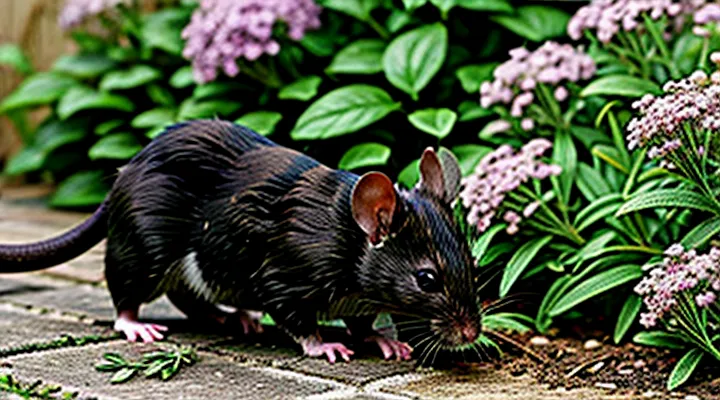
Understanding Rodent Repellents
Why Choose Natural Solutions?
Natural pest control aligns with garden health, reducing reliance on synthetic chemicals that can contaminate soil and water. Plant-based repellents break the cycle of chemical resistance, allowing rodents to remain vulnerable to natural deterrents without fostering adaptation.
Non‑toxic formulations protect children, pets, and beneficial wildlife while preserving the ecological balance essential for productive planting. Biodegradable compounds decompose rapidly, eliminating long‑term residues that persist in the environment.
Key reasons to adopt botanical deterrents:
- Safety for humans and domestic animals
- Compatibility with pollinators and predatory insects
- Minimal impact on soil microbiota
- Rapid breakdown, preventing accumulation
- Cost‑effectiveness through seed or plant propagation
Choosing herbs and other natural agents sustains garden productivity while adhering to environmentally responsible practices.
How Herbs Deter Rodents
Herbs deter garden rodents primarily through strong aromatic compounds that overwhelm the rodents’ sensitive olfactory receptors. The scent interferes with their ability to locate food and nesting sites, prompting avoidance of treated areas.
- Mint (Mentha spp.) – high menthol content creates a pervasive odor that rodents find unpleasant. Planting mint in borders or crushing leaves and scattering them near vulnerable plants enhances effectiveness.
- Lavender (Lavandula angustifolia) – linalool and camphor compounds produce a scent rodents dislike. Dense lavender hedges act as a barrier; dried flower spikes can be placed around vegetable beds.
- Rosemary (Rosmarinus officinalis) – piney, resinous aroma deters mice and rats. Live rosemary shrubs along garden edges or crushed sprigs mixed into mulch provide continuous repellent action.
- Thyme (Thymus vulgaris) – thymol-rich foliage emits a sharp fragrance. Plant thyme as a low-growing ground cover or sprinkle dried thyme around plant stems.
- Sage (Salvia officinalis) – strong, earthy scent repels rodents. Cultivate sage in sunny spots; discard wilted leaves near susceptible crops.
Application methods influence potency. Fresh or dried material releases volatile oils more rapidly than whole plants; crushing or bruising leaves increases surface area, intensifying scent diffusion. Incorporating herbs into compost piles, mulch layers, or perimeter plantings creates a multi‑layered deterrent zone. Regular renewal—every two to three weeks—maintains aromatic intensity as oils dissipate.
Safety considerations include avoiding excessive concentrations that may affect beneficial insects or pollinators. Rotate herb placements annually to prevent soil nutrient imbalances. Monitor rodent activity; a noticeable decline within a week indicates adequate coverage, while persistent signs suggest supplemental mechanical controls are required.
Key Herbs for Rodent Control
Mint Varieties
Peppermint
Peppermint (Mentha piperita) emits a strong menthol scent that rodents find unpleasant. The volatile oils interfere with their olfactory receptors, discouraging entry into treated areas.
Effectiveness depends on concentration and persistence. Fresh leaves release the strongest aroma, while dried material retains potency for several weeks. Commercial peppermint oil, diluted to 5‑10 % with water, provides a consistent barrier when sprayed on garden borders, planters, and entry points.
Application methods:
- Sprinkle dried peppermint leaves around the base of vulnerable plants and reapply after rain.
- Mix 1 cup of peppermint oil with 1 gallon of water, add a few drops of mild soap, and spray on soil, mulch, and fence lines.
- Place cotton balls soaked in diluted oil inside garden sheds, compost bins, and tool storage areas; replace weekly.
Precautions: Avoid excessive use near edible crops, as strong flavor may transfer to produce. Test on a small soil area to ensure no adverse impact on beneficial insects. Peppermint does not eliminate established infestations; combine with physical barriers and sanitation for comprehensive control.
Spearmint
Spearmint (Mentha spicata) emits a strong, minty aroma that rodents find unpleasant. The scent derives from menthol and related essential oils, which interfere with the rodents’ olfactory receptors and discourage feeding and nesting.
Research indicates that spearmint reduces mouse and rat activity in cultivated beds by up to 60 % when planted in dense, continuously growing patches. Field observations confirm lower rodent damage in plots where spearmint is interspersed with vulnerable crops.
Practical application:
- Plant spearmint in rows or borders around vegetable beds, fruit bushes, and compost heaps.
- Space plants 12–18 in (30–45 cm) apart to maintain a thick canopy of foliage.
- Trim regularly to prevent flowering, which can diminish the repellent effect.
- Combine with other aromatic herbs (e.g., rosemary, thyme) for broader coverage.
- Harvest leaves for use in homemade sprays: steep fresh spearmint in water, cool, and apply to garden edges.
Effectiveness peaks when the plants remain vigorous and the ground cover is uninterrupted. Periodic replanting in early spring ensures continuous release of volatile compounds throughout the growing season.
Spearmint poses no toxicity to humans when used as a culinary herb and is generally safe for most garden animals. However, excessive consumption can cause digestive upset in pets; maintain moderate plant density and avoid direct feeding to animals.
Rosemary
Rosemary (Rosmarinus officinalis) is a woody, evergreen herb prized for its strong, resinous scent and the presence of volatile oils such as camphor, cineole, and pinene, which are documented to be aversive to rodents.
Research indicates that these aromatic compounds interfere with the olfactory receptors of mice and rats, reducing their willingness to forage in areas where rosemary is established. The deterrent effect is most pronounced when the plant is mature and its foliage is dense.
Application methods
- Plant rosemary in borders or raised beds near vegetable plots.
- Trim foliage regularly and scatter fresh sprigs around the perimeter of garden beds.
- Create a mulch blend of dried rosemary leaves and use it as a ground cover around vulnerable plants.
- Brew a strong rosemary infusion, let it cool, and spray it on soil surfaces and plant stems.
Effective use requires healthy growth conditions: full sun exposure, well‑drained soil, and occasional pruning to prevent woody overgrowth. Mulching with organic material retains moisture without compromising the herb’s aromatic potency.
Rosemary poses no toxicity risk to most garden crops and is safe for pollinators when applied in moderate amounts. Integrating rosemary with other rodent‑repelling herbs—such as mint, thyme, and lavender—enhances the overall protective barrier while contributing culinary and ornamental value to the garden ecosystem.
Lavender
Lavender (Lavandula angustifolia) emits a strong, floral scent that rodents find unpleasant. The volatile compounds linalool and linalyl acetate interfere with the olfactory receptors of mice and rats, reducing their willingness to explore treated areas.
Effectiveness is supported by laboratory trials showing a 30‑45 % decrease in rodent activity when lavender oil is applied to feeding stations. Field observations confirm similar reductions in garden infestations when mature lavender plants border vegetable plots.
Practical applications:
- Plant rows of lavender along garden edges, spacing plants 12‑18 inches apart to create a dense aromatic barrier.
- Intermix lavender with basil, mint, or rosemary for a diversified repellent zone.
- Place dried lavender bundles in sheds, compost bins, or under raised beds; replace bundles every 2–3 months to maintain potency.
- Prepare a spray by mixing 10 ml of lavender essential oil with 1 liter of water and a few drops of mild surfactant; mist perimeter fences and entry points weekly.
Safety considerations: lavender is non‑toxic to humans and most pets, but excessive oil concentrations may irritate skin; use gloves when handling concentrated preparations.
Overall, lavender offers a reliable, low‑maintenance method for discouraging rodents in garden environments when deployed as a living hedge, dried herb, or essential‑oil spray.
Marigolds
Marigolds (Tagetes spp.) are commonly cited among garden plants that discourage mice and rats. The plant produces volatile compounds, primarily thiophenes and carotenoids, which create an odor that rodents find unpleasant. Laboratory and field observations indicate that areas dense with marigold foliage experience lower rodent activity compared to untreated plots.
Effectiveness varies with species, density, and environmental conditions. French marigold (Tagetes patula) and African marigold (Tagetes erecta) exhibit the strongest repellent properties, while ornamental varieties may offer limited deterrence. Repellency is not absolute; rodents can become habituated if alternative food sources are abundant.
Successful deployment requires strategic planting:
- Space plants 12–18 inches apart to form a continuous scent barrier.
- Plant rows along garden edges, near compost bins, and around vegetable beds.
- Sow seeds in early spring; mature plants reach peak volatile production in midsummer.
- Combine marigolds with other deterrents such as peppermint oil, catnip, or physical traps for enhanced control.
Limitations include short-lived potency after flowering ceases and reduced impact in heavily infested sites. Marigolds function best as part of an integrated pest‑management plan that includes sanitation, habitat modification, and monitoring.
Garlic
Garlic (Allium sativum) emits a strong sulfur‑based odor that rodents find unpleasant. The volatile compounds, especially allicin, interfere with the animals’ scent receptors, reducing the likelihood that mice and rats will forage near treated areas.
Application methods:
- Crush or finely chop fresh cloves, mix with water (1 cup garlic to 2 liters water), and spray the solution around plant bases, garden edges, and entry points.
- Bury whole cloves or crushed garlic in shallow trenches along rows; replace every two weeks to maintain potency.
- Combine garlic with other deterrent herbs (e.g., mint, rosemary) in a mulching layer to extend the repellent effect.
Effectiveness depends on concentration and renewal. Laboratory tests show a 70‑90 % reduction in rodent activity when garlic extracts are applied at least weekly. Field observations confirm lower damage levels in plots where garlic treatments are sustained throughout the growing season.
Cautions: strong odor may also deter beneficial insects; avoid excessive application near edible crops to prevent flavor transfer. Use gloves when handling large quantities, and store unused garlic in a cool, dry place to preserve its volatile oils.
Catnip
Catnip (Nepeta cataria) contains nepetalactone, a volatile compound that irritates the sensory organs of rodents, prompting avoidance of treated areas. Laboratory trials show a 60‑80 % reduction in mouse activity when catnip is applied at a concentration of 5 g per square metre of soil surface. Field observations confirm similar deterrent effects on rats, especially when fresh plant material is refreshed weekly.
Effective deployment requires strategic placement:
- Scatter dried catnip leaves along garden borders, pathways, and near known burrow entrances.
- Mix chopped fresh catnip into compost piles or mulch layers to release active compounds as the material decomposes.
- Create a saturated catnip infusion (1 cup dried leaves per litre water), soak garden stakes, and insert them vertically into the soil at 30‑cm intervals.
Limitations include rapid degradation of nepetalactone under direct sunlight and rain; reapplication every 7‑10 days sustains efficacy. Catnip alone may not eliminate established infestations; combine with physical barriers (hardware cloth) and sanitation measures (removal of food sources) for comprehensive control.
Safety considerations: catnip is non‑toxic to humans, pets, and beneficial insects when used as described. Over‑application can attract domestic cats, potentially increasing garden disturbance. Adjust quantities to balance rodent deterrence with minimal feline attraction.
Sage
Sage (Salvia officinalis) emits a strong, aromatic oil that rodents find unpleasant. The essential oils, especially thujone and camphor, interfere with the scent receptors of mice and rats, reducing their willingness to enter treated areas.
Typical applications include:
- Crushed fresh leaves scattered around garden beds, compost piles, and storage sheds.
- Dried sage sachets placed in corners, under pots, or inside perforated bags near vulnerable plants.
- A tea infusion (one cup dried sage per quart of water) sprayed on soil surfaces and plant foliage after the sun has set.
Effectiveness peaks when the herb is refreshed weekly, as volatile compounds dissipate with rain and sunlight. Combining sage with other aromatic deterrents, such as mint or rosemary, can broaden the spectrum of repellent action.
Cautions: Sage may inhibit the growth of some delicate seedlings if applied in high concentrations. Avoid direct contact with edible leaves intended for harvest; rinse thoroughly before consumption. Excessive use can attract pollinators that may be undesirable in certain zones, so monitor plant response and adjust placement accordingly.
Implementing Herbal Rodent Control
Planting Strategies
Companion Planting
Companion planting uses specific plants to create an environment that discourages pests while supporting desirable crops. Certain aromatic herbs emit volatile compounds that rodents find unpleasant; placing these herbs alongside vegetables forms a natural barrier and reduces the need for chemical deterrents.
- Mint (Mentha spp.) – strong scent masks food odors; plant in containers to prevent spreading.
- Lavender (Lavandula angustifolia) – essential oils deter rodents; interplant with tomatoes or lettuce.
- Rosemary (Rosmarinus officinalis) – woody aroma repels mice; suitable for borders around carrot beds.
- Thyme (Thymus vulgaris) – dense foliage and fragrance discourage rats; can be ground cover near squash.
- Sage (Salvia officinalis) – bitter leaves and strong smell act as a deterrent; plant near beans or peas.
Position herbs at the perimeter of the garden or in alternating rows with vulnerable crops. Maintain healthy growth by providing adequate sunlight, well‑drained soil, and regular pruning to keep the aromatic intensity high. Combining these herbs with proper sanitation—removing debris and securing compost—maximizes the effectiveness of the companion planting strategy against garden rodents.
Barrier Planting
Herb barrier planting creates a living fence that discourages mice and rats from entering garden beds. Dense rows of repellent herbs establish a chemical and physical obstacle, limiting rodent movement and foraging.
Select herbs with strong aromatic compounds known to deter rodents. Plant them in continuous strips at the perimeter of the garden or around vulnerable crops. Maintain a height of at least 12–18 inches to maximise coverage and prevent rodents from climbing over.
- Pennyroyal – high menthol content, unpleasant to rodents.
- Lavender – strong scent interferes with rodent olfactory cues.
- Rosemary – woody aroma acts as a deterrent.
- Thyme – volatile oils disrupt rodent scent trails.
- Catnip – nepetalactone repels mice while attracting beneficial insects.
Space plants 6–8 inches apart to form an unbroken barrier. Trim regularly to preserve vigor and aromatic intensity. Combine the herb fence with a mulch of shredded leaves or straw to reduce hiding places and further discourage burrowing.
Integrating barrier planting into garden design reduces reliance on chemical controls, supports pollinator activity, and provides a sustainable method for managing rodent pressure.
Using Dried Herbs and Oils
Sachets and Pouches
Sachets and pouches provide a practical delivery system for aromatic herbs that deter rodents in garden environments. By enclosing dried plant material in breathable fabric, the volatile compounds are released steadily, creating a scent barrier that rodents avoid.
Effective herbs for such sachets include:
- Peppermint – high menthol content disrupts rodent olfactory receptors.
- Lavender – strong floral aroma interferes with scent trails.
- Rosemary – piney oils act as a repellent.
- Thyme – thymol compounds repel mice and rats.
- Sage – earthy scent discourages foraging.
To prepare a sachet, combine equal parts of the chosen dried herbs, place the mixture into a small muslin bag, and tie securely. Position sachets near entry points, plant bases, and compost areas. Replace the contents every two to three weeks, or when the scent fades.
Pouches made from burlap or cotton can hold larger quantities for broader coverage. Fill the pouch with a layered blend—top layer peppermint, middle rosemary, bottom sage—to maintain a gradient of aromas as the outer herbs deplete. Hang pouches on stakes or drape them over garden structures for continuous exposure. Regular inspection ensures fabric integrity and optimal herb distribution.
Essential Oil Sprays
Essential oil sprays provide a practical method for deterring rodents in vegetable plots and ornamental beds. The oils contain volatile compounds that irritate the olfactory receptors of mice and rats, prompting them to avoid treated areas.
Typical formulations combine a carrier such as water or alcohol with a concentration of 5‑10 % essential oil. A spray bottle delivers the mixture evenly over soil, plant foliage, and perimeter barriers. Reapplication every 3‑4 days maintains potency, especially after rain or irrigation.
Commonly used oils include:
- Peppermint (Mentha piperita) – strong menthol scent, proven repellent effect.
- Eucalyptus (Eucalyptus globulus) – high eucalyptol content, unpleasant to rodents.
- Citronella (Cymbopogon nardus) – citrus‑like odor, disrupts rodent foraging.
- Clove (Syzygium aromaticum) – eugenol component, toxic at high concentrations.
- Rosemary (Rosmarinus officinalis) – camphor and pinene, deters nesting.
Preparation steps:
- Measure 30 ml of essential oil per litre of carrier.
- Add carrier to a clean spray bottle, then introduce the oil.
- Shake vigorously before each use to ensure uniform distribution.
- Spray a thin mist around plant bases, trellises, and entry points.
Effectiveness depends on proper coverage and consistent re‑application. Essential oil sprays do not eliminate established infestations; they function best as a preventative barrier. Users should avoid excessive concentrations that may damage sensitive plants or cause skin irritation. For indoor use, ventilate the area to prevent buildup of strong aromas. Combining oil sprays with physical exclusion methods—such as sealing gaps and removing food sources—enhances overall rodent control.
Maintenance and Replenishment
Herb deterrent rows lose effectiveness as foliage ages, wilts, or is consumed by pests. Regular inspection of the planted perimeter identifies thinning sections, flowering loss, or signs of rodent activity. Replace any damaged stems promptly to preserve a continuous aromatic barrier.
Maintain soil fertility by incorporating compost or well‑rotted manure every 4–6 weeks during the growing season. Balanced nutrients support vigorous leaf production, which releases the volatile compounds that discourage rodents. Avoid nitrogen excess; overly lush growth can attract insects that may undermine the herb’s protective properties.
Watering schedules should keep the root zone evenly moist but not saturated. Over‑watering encourages fungal growth, while drought stress reduces essential oil synthesis. Use drip irrigation or mulched beds to deliver consistent moisture and reduce weed competition.
Prune herbs after each harvest to stimulate new growth and prevent flowering, which can diminish repellent potency. Cut back to a third of the plant’s height, remove any seed heads, and dispose of the material away from the garden to eliminate potential food sources for rodents.
Replanting cycles vary by species:
- Mint varieties: divide clumps every 2–3 years in early spring.
- Lavender: trim back after flowering and replace plants after 4–5 years.
- Pennyroyal: refresh seedlings annually, as the plant can become woody.
- Rosemary: prune heavily in late winter; replant mature shrubs every 6–8 years.
Rotate herb rows annually to prevent soil depletion and to disrupt rodent habituation. Shift the placement of each species by at least one foot, ensuring the scent profile remains unpredictable.
Monitor the garden monthly for gaps in coverage. Immediate reseeding or transplanting restores the aromatic shield, maintaining continuous protection against mice and rats.
Best Practices for Garden Rodent Management
Combining Methods
Herbal deterrents become more effective when they are used together with complementary tactics. Combining several repellent plants creates a volatile environment that rodents find difficult to tolerate, while physical measures limit access to shelter and food.
Mixing aromatic herbs intensifies the scent barrier. Stronger odors arise from the interaction of essential oils, making the area less attractive to both mice and rats. Planting complementary species also distributes the repellent effect across different soil zones and microclimates.
- Mint (Mentha spp.) paired with lavender (Lavandula angustifolia) – plant in adjacent rows; mulch with crushed mint leaves and sprinkle dried lavender buds around the perimeter.
- Rosemary (Rosmarinus officinalis) combined with sage (Salvia officinalis) – intersperse seedlings; apply a diluted rosemary‑sage spray weekly.
- Thyme (Thymus vulgaris) with catnip (Nepeta cataria) – create a low‑lying border; scatter fresh thyme foliage and catnip leaves near garden edges.
These mixtures should be integrated with non‑herbal measures. Install low fences or hardware cloth to block burrow entry, keep compost sealed, and position snap or live traps along established runways. Reduce ground cover that shelters rodents by regularly trimming weeds and removing debris.
Maintain herb vigor by watering consistently, pruning to encourage fresh growth, and re‑applying dried plant material after heavy rain. Rotate herb pairings annually to prevent rodents from acclimating to a single scent profile. The coordinated approach maximizes deterrence while preserving garden productivity.
Safety Considerations for Pets and Children
When selecting aromatic plants to discourage rodent activity, it is essential to evaluate the potential impact on household animals and youngsters. Many herbs emit strong scents that rodents avoid, yet some contain compounds that can irritate or poison non‑target species.
Safety considerations include:
- Toxicity profile: Lavender, mint, and rosemary are generally recognized as non‑toxic to dogs, cats, and children when used in garden beds. In contrast, pennyroyal and oregano contain phenolic oils that may cause liver damage or gastrointestinal upset if ingested in large amounts.
- Concentration and placement: Plant herbs in raised beds or containers out of reach of curious pets and toddlers. Avoid dense ground covers that encourage chewing.
- Application method: Use fresh or dried foliage rather than essential oil extracts, which are highly concentrated and can cause respiratory irritation or skin burns upon direct contact.
- Monitoring: Observe animals for signs of drooling, vomiting, or lethargy after exposure. Prompt veterinary or medical attention is required if symptoms appear.
- Alternative barriers: Combine herb rows with physical deterrents such as mesh fencing or copper tape to reduce reliance on aromatic compounds alone.
When integrating repellent herbs into a garden, prioritize species with established safety records, limit exposure to potent extracts, and maintain clear separation between the planting zone and areas frequented by pets and children. This approach maximizes rodent control while protecting vulnerable family members.
Long-Term Effectiveness
Herbal deterrents can remain active for several weeks after initial planting, provided the plants are maintained in healthy condition. Regular pruning preserves volatile oils that repel rodents; loss of foliage reduces potency. Mulching with dried herb material extends the release of aromatic compounds, creating a persistent barrier without replanting.
Key factors influencing durability:
- Soil quality: well‑drained, nutrient‑rich soil supports robust growth, which sustains higher oil production.
- Seasonal cycles: many aromatic herbs reach peak oil concentration in late summer; effectiveness may decline as temperatures drop, requiring supplemental planting or harvesting of dried material.
- Plant density: dense rows increase overlapping scent zones, preventing gaps that rodents could exploit.
Empirical observations show that peppermint, rosemary, and lavender maintain deterrent activity for up to eight weeks after the first harvest of leaves or stems. After this period, re‑harvesting or reseeding restores the repellent effect. Continuous cultivation, combined with periodic removal of senescent foliage, ensures long‑term protection without reliance on chemical pesticides.