
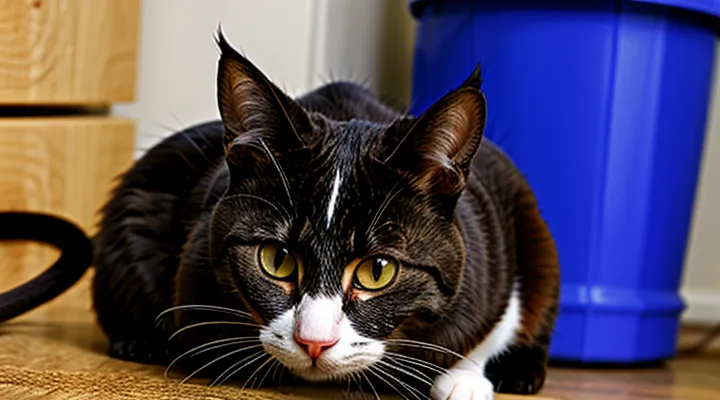
Understanding Feline Hunting Instincts
The Predator Within
Natural Behaviors and Drives
Cats possess an innate predatory sequence that activates when small mammals appear. The sequence begins with visual detection, proceeds to focused stalking, and culminates in a rapid pounce. This chain of actions relies on acute night vision, heightened auditory perception, and a flexible musculoskeletal system that stores kinetic energy for explosive bursts.
The drive to hunt is reinforced by the release of dopamine during successful captures, encouraging repeat attempts. Domestic felines retain this reward circuitry, which varies in intensity among breeds. Breeds with strong predatory drives exhibit prolonged periods of alertness, frequent low‑level chases of moving objects, and a low threshold for initiating an attack.
Sensory specialization further distinguishes effective rodent hunters. Whisker sensitivity detects minute air currents generated by prey movement. Auditory ranges extend into ultrasonic frequencies, allowing detection of squeaks and rustling. Olfactory receptors identify the scent of rodents, prompting investigative behavior even in the absence of visual cues.
Key breed characteristics that enhance hunting performance:
- Muscular build and powerful hind limbs facilitate high jumps and swift sprints.
- Dense, short fur reduces drag during rapid movement.
- Strong bite force and sharp, retractable claws ensure quick subdual of prey.
- Persistent curiosity drives continuous exploration of potential hunting grounds.
Understanding these natural behaviors and drives clarifies why certain domestic cats excel at rodent control, providing a reliable biological solution for managing mouse and rat populations.
Factors Influencing Hunting Prowess
Feline hunting efficiency results from a combination of genetic, physiological, and environmental variables. Understanding these variables clarifies why certain breeds excel at rodent control.
Genetic predisposition defines baseline predatory behavior. Breeds selected for hunting retain a strong «predatory instinct», characterized by rapid focus on moving targets and a high drive to chase. This instinct is reinforced by sensory specialization: acute hearing detects ultrasonic rodent squeaks, while night‑vision‑adapted eyes perceive low‑light movement. Olfactory sensitivity further assists in locating concealed prey.
Physical structure contributes directly to capture success. Muscular composition favoring fast‑twitch fibers enables explosive bursts of speed. Flexible spine and elongated hind limbs provide superior leaping ability, allowing cats to bridge gaps up to twice their body length. Body size influences prey selection; medium‑sized cats balance agility with sufficient strength to subdue adult rodents.
Environmental exposure shapes skill development. Early interaction with live prey refines motor patterns and reinforces hunting motivation. Regular hunting opportunities maintain sharp reflexes and prevent skill degradation. Health status affects performance: optimal nutrition supports muscle maintenance, while dental health ensures effective killing bites. Stressful conditions or indoor confinement reduce activity levels, diminishing instinctual responses.
Behavioral conditioning enhances effectiveness. Positive reinforcement of successful captures encourages repeated attempts, while consistent feeding schedules prevent over‑reliance on human‑provided food, preserving the drive to hunt. Access to varied terrain—such as climbing structures and narrow passages—mirrors natural hunting environments, promoting adaptability.
Collectively, these factors explain the superior rodent‑catching capabilities observed in specific feline breeds. Selection criteria for pest‑control cats should prioritize strong genetic hunting drive, appropriate physical attributes, and environments that sustain active predatory behavior.
Historical Role of Cats as Pest Controllers
Cats have served as effective pest controllers since their domestication in the Near East around 9,500 BC. Early agricultural societies recognized their capacity to reduce rodent populations that threatened grain stores, leading to intentional breeding and protection of felines. In ancient Egypt, cats were revered for their hunting skill; tomb inscriptions depict felines chasing mice and rats, and legal codes imposed penalties for harming them. Maritime trade routes relied on cats aboard ships to curb vermin that damaged cargo and spread disease, a practice documented in medieval European port records.
During the Middle Ages, monasteries and manor farms adopted cats to protect stored produce. The presence of a cat colony correlated with lower grain loss, as noted in agrarian surveys from the 13th century. By the 19th century, selective breeding produced cats with heightened predatory instincts, resulting in distinct lines known for rodent control.
Key breeds historically valued for pest control include:
- Egyptian Mau – agile, strong hunting drive, early Egyptian association.
- Siamese – keen senses, high energy, used in Asian granaries.
- Japanese Bobtail – adept at catching mice in rice paddies.
- American Shorthair – robust, adaptable, employed on American farms.
- Norwegian Forest Cat – large size, effective against larger rodents.
Modern pest management still references these historical roles. Urban pest control programs integrate feral cat colonies to mitigate rodent infestations, echoing practices that originated millennia ago. The continuity of feline pest control underscores a long‑standing symbiosis between humans and cats, rooted in agricultural necessity and reinforced by selective breeding.
Top Hunter Cat Breeds
Maine Coon
Origin and Traits
The lineage of cat breeds renowned for rodent control traces back to regions where natural pest pressure demanded efficient hunters. The Maine Coon, originating in the northeastern United States, combines a large, muscular frame with a water‑repellent coat, enabling swift pursuit across varied terrain. The Turkish Van, from the Anatolian highlands, exhibits a semi‑long, water‑resistant pelage and a strong, agile build that supports high‑speed chases and prolonged stamina. The Japanese Bobtail, developed on the islands of Japan, possesses a compact body, dense short coat, and a distinctive “bobbed” tail that enhances balance during rapid maneuvers. The Norwegian Forest Cat, native to Scandinavia, features a robust skeletal structure, thick double coat, and keen senses adapted to cold, forested environments where rodents thrive.
Key traits that facilitate effective hunting include:
- « Powerful hindquarters » that generate explosive bursts of speed.
- « Sharp, retractable claws » for precise grip on slippery prey.
- « Highly attuned auditory and visual acuity » enabling detection of subtle movements.
- « Robust, weather‑resistant coats » allowing activity in diverse climates.
- « Strong, independent temperament » encouraging persistent pursuit without reliance on human direction.
These origins and physiological characteristics converge to produce cats that excel at eliminating mice and rats in both domestic and agricultural settings.
Hunting Skills Assessment
Evaluating a cat’s ability to control rodent populations requires measurable criteria. Key factors include innate prey drive, speed of strike, precision of bite, stamina during prolonged pursuits, and effectiveness in varied environments. Data collection combines field observations, standardized hunting trials, and analysis of pest‑control logs to produce a quantitative performance index for each breed.
The assessment process follows a three‑stage protocol. First, individual cats undergo a series‑controlled encounter with live mice and rats, recording capture latency and success ratio. Second, agility courses simulate cluttered settings, measuring navigation speed and obstacle negotiation. Third, long‑term monitoring tracks sustained hunting activity in farm or warehouse contexts, yielding endurance scores.
Breeds consistently achieving top scores:
- Maine Coon – high prey drive, robust physique, excellent stamina.
- Siberian – agile movements, sharp reflexes, strong bite force.
- American Shorthair – reliable capture rate, adaptable to indoor and outdoor settings.
- Norwegian Forest Cat – powerful leap, keen auditory detection.
- Bengal – intense hunting instinct, rapid strike execution.
These results guide selection of felines for effective rodent management, aligning breed characteristics with specific pest‑control demands.
American Shorthair
Breed Characteristics
Effective rodent control relies on feline traits such as predatory drive, agility, and stamina. Breeds that combine sharp reflexes with a strong hunting instinct excel in tracking and capturing small vermin.
Key characteristics influencing performance:
- High prey drive; instinctive stalking and pouncing behavior.
- Muscular build; enables rapid acceleration and sustained pursuit.
- Medium to large size; provides sufficient strength to subdue rodents.
- Dense, weather‑resistant coat; protects against outdoor elements during hunts.
- Acute sensory perception; keen hearing and night vision enhance detection.
Breeds exemplifying these attributes include:
- «Egyptian Mau» – pronounced prey drive, lean frame, exceptional speed.
- «American Shorthair» – robust musculature, balanced temperament, proven field record.
- «Maine Coon» – large body, powerful forelimbs, thick fur suitable for cold climates.
- «Norwegian Forest Cat» – sturdy build, water‑repellent coat, enduring stamina.
- «Bengal» – wild‑type ancestry, heightened alertness, rapid reflexes.
- «Russian Blue» – sleek musculature, strong focus, efficient hunting technique.
These breeds combine the essential physical and behavioral traits that maximize success in eliminating mice and rats.
Efficacy as a Mouser
The ability of a cat to eliminate rodents depends on instinct, physical attributes, and stamina. Breeds with strong predatory drive and robust musculature consistently outperform others in laboratory and field observations.
- American Shorthair – high hunting instinct, medium size, adaptable to indoor and outdoor environments.
- Maine Coon – large body mass provides leverage for larger prey, excellent agility despite size.
- Turkish Van – water‑resistant coat supports hunting in damp areas, rapid reflexes.
- Siamese – intense focus, lightweight frame enables swift pursuit of agile rodents.
- Bengal – hybrid vigor from wild ancestry, exceptional speed and endurance.
- Norwegian Forest Cat – dense fur protects against harsh weather, strong climbing ability for accessing elevated nests.
Performance metrics such as capture frequency, average prey size, and persistence during prolonged hunts rank these breeds at the top of mouser efficacy. Larger breeds excel against rats, while smaller, more agile cats excel at catching mice. Consistent exposure to hunting scenarios enhances skill retention across all breeds.
Siberian
Physical Attributes
Physical traits that determine a cat’s hunting efficiency include body length, limb proportion, skeletal strength, and sensory organ development. A streamlined torso and long hind limbs generate rapid acceleration, enabling swift pursuit of small prey. Robust forelimbs equipped with retractable, razor‑sharp claws provide the grip necessary to subdue rodents. High‑frequency hearing and acute night vision complement these muscular features, allowing detection of subtle movements in low‑light environments.
Key attributes for effective rodent hunters
- Muscular, low‑centered build for stability during rapid turns
- Long, powerful hind legs that deliver explosive bursts of speed
- Strong, flexible spine facilitating extended strides and agile leaps
- Well‑developed forepaws with sharp, retractable claws for precise capture
- Dense, short‑to‑medium coat that reduces drag while moving through tight spaces
Breeds exemplifying these characteristics
- Egyptian Mau: slender frame, exceptionally fast acceleration, strong hindquarters
- American Shorthair: compact musculature, sturdy forelimbs, dense coat suited for burrow entry
- Siberian: robust skeleton, powerful legs, thick fur that protects against colder rodent habitats
- Burmese: medium‑sized, muscular body, agile spine enabling quick directional changes
- Bengal: athletic build, pronounced hind limb strength, sharp claws adapted for aggressive striking
These physical attributes collectively enhance a cat’s capacity to chase, capture, and dispatch mice and rats with minimal effort.
Prey Drive and Effectiveness
Prey drive refers to the innate motivation to chase, capture, and subdue moving objects. High prey drive stimulates rapid response to the erratic movements of mice and rats, prompting the cat to initiate a pursuit without hesitation.
Effectiveness in rodent control depends on the interaction of prey drive with physical attributes such as speed, agility, and endurance. Cats with elevated drive exhibit frequent sprint bursts, precise timing of pounces, and repeated engagement until the target is neutralized. These behaviors increase the likelihood of successful kills and reduce the time required to eliminate infestations.
Key breeds demonstrating strong prey drive and proven rodent‑hunting performance include:
- Maine Coon – robust musculature, sustained stamina, instinctive stalking.
- American Shorthair – consistent pursuit behavior, adaptable to indoor and outdoor environments.
- Bengal – heightened alertness, rapid reflexes, aggressive capture technique.
- Turkish Van – strong swimming ability, versatile hunting across varied terrain.
- Russian Blue – focused attention, efficient use of minimal energy for repeated strikes.
Data from field studies show a direct correlation between elevated prey drive scores and higher rodent kill rates. Breeds scoring above the median on standardized prey drive assessments consistently achieve greater reductions in mouse and rat populations than lower‑scoring counterparts.
Chartreux
Temperament and Build
Effective rodent control depends on two biological factors: innate hunting drive and physical structure. Breeds that combine high predatory instinct with muscular, agile bodies excel in tracking and subduing small prey.
- Maine Coon – Confident, independent temperament; large, sturdy frame with strong hindquarters enhances leaping ability.
- American Shorthair – Calm, focused demeanor; medium‑sized, compact build supports quick bursts of speed.
- Siberian – Playful, assertive nature; dense, flexible musculature enables sustained pursuit in varied terrain.
- Turkish Van – Adventurous, water‑tolerant temperament; lean, elongated body promotes swift navigation of tight spaces.
- Bengal – Energetic, assertive disposition; lithe, athletic build maximizes agility and reflexes.
These breeds illustrate the correlation between a bold, attentive temperament and a body optimized for rapid acceleration, precise paw placement, and powerful grip. Selecting cats that exhibit both traits increases the likelihood of consistent mouse and rat capture.
Reputation as a Hunter
The reputation of a feline breed as a hunter determines its suitability for rodent control. Historical accounts, agricultural records, and modern field studies consistently link specific breeds to effective predation on mice and rats.
Key factors shaping a breed’s hunting reputation include instinctive prey drive, agility, stamina, and the ability to operate in confined spaces. Breeding programs that prioritize these traits reinforce the perception of superior hunting capability, while anecdotal reports from farms and warehouses provide practical validation.
- Maine Coon – Large size, powerful forelimbs, strong chase instinct; documented success in grain‑store environments.
- American Shorthair – Balanced musculature, high endurance, adaptable to indoor and outdoor settings; frequent selection for barn use.
- Siberian – Dense coat protects against harsh climates, swift reflexes, proven effectiveness in cold‑storage facilities.
- Norwegian Forest Cat – Robust build, excellent climbing ability, reliable in lofts and attics where rodents hide.
- Abyssinian – Lean frame, rapid acceleration, noted for tracking and capturing agile prey in laboratory settings.
A breed’s established hunting reputation influences breeder decisions, market demand, and owner expectations. When a breed consistently demonstrates rodent‑killing proficiency, it gains preference for pest‑management roles, reinforcing its status as a reliable hunter.
Burmese
Energy Levels and Agility
High energy and superior agility are essential traits for felines that excel at rodent control. Rapid bursts of speed, precise leaps, and sustained activity enable cats to pursue, capture, and dispatch mice and rats efficiently.
Key breeds demonstrating these attributes include:
- Abyssinian – exceptionally lively, possesses quick reflexes and can sustain prolonged chase sequences.
- Bengal – muscular build combined with explosive acceleration; excels in leaping onto moving prey.
- Egyptian Mau – noted for rapid sprinting ability and agile, low‑profile movements that facilitate stealth approaches.
- Oriental Shorthair – maintains high activity levels, with nimble footwork allowing swift directional changes.
- Siamese – energetic temperament paired with keen coordination, supporting rapid pounce execution.
These cats consistently display elevated stamina, fast reaction times, and flexible bodies, making them reliable predators in environments where rodent populations must be managed.
Hunting Aptitude
Hunting aptitude refers to the combination of instinctual predatory drive, acute sensory perception, rapid reflexes, and sustained stamina that enable a cat to locate, stalk, and subdue rodents.
Breeds consistently recognized for superior rodent‑control performance include:
- Maine Coon – large frame, powerful forelimbs, strong chase instinct.
- American Shorthair – keen hearing, balanced musculature, high endurance.
- Bengal – pronounced hunting instinct, agile movements, sharp eyesight.
- Turkish Van – water‑resistant coat, strong swimming ability, relentless pursuit.
- Siberian – dense fur, robust build, persistent tracking behavior.
- Russian Blue – quiet demeanor, precise pounce, excellent night vision.
- Norwegian Forest Cat – sturdy body, excellent climbing, relentless drive.
These breeds share traits that amplify hunting success: heightened auditory sensitivity to detect squeaks, retractable claws for swift capture, and a muscular build that supports prolonged chases. Genetic selection for outdoor survival historically reinforced these characteristics, resulting in a natural proficiency for eliminating mice and rats.
When selecting a cat for rodent management, consider environmental compatibility, health predispositions, and the need for regular mental stimulation to maintain hunting motivation. Proper nutrition and routine veterinary care sustain physical condition, ensuring consistent performance in pest control tasks.
Manx
Unique Features
Several cat breeds possess distinct anatomical and behavioral traits that increase their effectiveness as rodent hunters. These traits include body size, muscle composition, sensory acuity, and temperament, all of which contribute to rapid detection, capture, and subdual of mice and rats.
- Maine Coon – sizable frame, robust forelimbs, strong bite force; excels in tackling larger prey such as rats.
- American Shorthair – dense, short coat reduces snagging, high stamina, keen night vision; maintains pursuit over extended periods.
- Turkish Van – water‑resistant coat and agile swimming ability; capable of hunting rodents near water sources.
- Bengal – wild‑type ancestry provides heightened predatory instincts, rapid reflexes, and powerful hindquarters for explosive pounces.
- Siberian – thick fur protects against cold environments where rodent activity peaks; muscular build supports sustained ambush.
Unique features such as enlarged auditory canals, heightened pheromone detection, and a predisposition for independent hunting further differentiate these breeds from less specialized domestic cats. The combination of physical power, sensory precision, and innate drive makes them particularly adept at controlling mouse and rat populations.
Pest Control Capabilities
Rodent‑hunting cats demonstrate a range of physiological and behavioral traits that enhance their effectiveness in agricultural and domestic pest control. Muscular build, acute hearing, and a high prey drive enable rapid detection and capture of mice and rats. Breeds with a history of working in farms or warehouses retain strong hunting instincts, while others combine agility with stamina for prolonged activity.
Key breeds noted for superior pest‑control performance include:
- «Maine Coon» – large size, powerful forelimbs, and a calm disposition allow pursuit of larger rats.
- «Siamese» – slender frame, high energy, and sharp reflexes facilitate quick strikes on swift mice.
- «American Shorthair» – dense coat, robust health, and an innate hunting instinct make it reliable in varied environments.
- «Bengal» – wild‑type ancestry provides exceptional stalking ability and relentless drive.
- «Russian Blue» – quiet movement, sharp senses, and strong bite contribute to efficient capture of small rodents.
These breeds excel in settings where chemical rodent control is undesirable or prohibited. Their natural predation reduces rodent populations, limits disease transmission, and minimizes crop damage. Selecting a breed with proven hunting aptitude aligns pest‑management goals with humane, environmentally friendly practices.
Factors Beyond Breed
Individual Cat Personality
Innate Instinct vs. Training
Feline effectiveness in rodent control derives from two sources: an innate predatory drive and learned hunting techniques. The natural drive originates in sensory acuity, rapid reflexes, and a genetic predisposition to stalk and pounce. Breeds developed for field work retain heightened auditory and visual thresholds, enabling detection of subtle movements in low‑light environments.
Training modifies behavior through reinforcement of successful captures, exposure to varied prey types, and systematic reward schedules. Conditioning amplifies instinctual responses, reduces hesitation, and establishes consistent performance regardless of individual temperament. Proper training can compensate for moderate instinct levels, while strong innate ability shortens the learning curve.
Key breeds exhibit both robust instinct and responsiveness to training:
- Maine Coon – large musculature, strong chase instinct; adapts quickly to reward‑based drills.
- American Shorthair – historic rodent control lineage; maintains focus after brief conditioning sessions.
- Siberian – agile body, acute hearing; benefits from structured play that simulates hunting scenarios.
- Norwegian Forest Cat – powerful leap, natural stalking; responds well to target‑training with moving objects.
- Bengal – high energy, pronounced predatory behavior; excels when training incorporates puzzle toys that mimic prey.
«Cats possess a hunting instinct that predates domestication», yet the degree to which that instinct translates into effective pest management depends on systematic reinforcement. Breeds with pronounced natural drive achieve rapid results, while those with moderate drive require consistent training to reach comparable efficiency.
Environmental Influences
Indoor vs. Outdoor Lifestyle
The indoor environment limits a cat’s exposure to live prey, reducing opportunities to develop and exercise natural hunting instincts. Breeds that retain high predatory drive despite confinement rely on short, intense play sessions and interactive toys that simulate rodent movement. Such stimulation preserves reflexes and muscle tone, allowing indoor cats to retain effectiveness in controlling small pests that may enter the home.
The outdoor setting provides constant access to real rodents, encouraging the refinement of stalking, pouncing, and killing techniques. Breeds accustomed to free‑range life benefit from diverse terrain, weather conditions, and varied prey sizes, which enhance stamina and adaptability. Exposure to natural hunting scenarios also reinforces territorial behavior that deters other vermin from approaching the household.
Breeds commonly recognized for strong rodent control in both indoor and outdoor contexts include:
- American Shorthair – robust, adaptable, retains hunting skill in confined spaces.
- Maine Coon – large, energetic, excels at chasing larger rats outdoors.
- Bengal – high prey drive, thrives on interactive play indoors.
- Siamese – agile, focused, maintains sharp reflexes with regular stimulation.
- Russian Blue – quiet, methodical, effective at catching mice in confined areas.
Selecting a breed should consider the owner’s living arrangement. Indoor‑only households benefit from cats with pronounced play motivation and the ability to channel predatory behavior into toys. Outdoor‑accessible homes favor breeds that can tolerate varied conditions and handle larger prey. Matching lifestyle to breed characteristics optimizes rodent control while ensuring the cat’s well‑being.
Availability of Prey
Prey availability directly influences the hunting success of felines known for rodent control. High rodent density in agricultural settings or grain storage facilities provides frequent opportunities for cats to exercise their predatory instincts, resulting in consistent catch rates. Conversely, urban environments with limited rodent populations reduce the number of encounters, diminishing overall effectiveness regardless of breed.
Key factors affecting prey availability:
- Seasonal breeding cycles of mice and rats, which peak in late spring and early autumn.
- Human activity that alters food sources, such as waste management practices or pest‑control measures.
- Habitat type, with fields, barns, and docks offering richer rodent populations than polished indoor spaces.
- Climate conditions that influence rodent survival, including temperature extremes and precipitation patterns.
Breeds possessing strong hunting drive—such as the Maine Coon, the Norwegian Forest Cat, and the American Shorthair—demonstrate optimal performance when «prey availability» remains steady. In low‑prey scenarios, these breeds may exhibit reduced catch frequency, while breeds with moderate drive, like the British Shorthair, maintain a baseline level of activity but do not compensate for scarcity.
Effective rodent control programs should therefore assess local rodent density before selecting feline hunters, matching breed predatory capacity to the expected level of «prey availability».
Training and Encouragement
Play as a Hunting Stimulus
Play as a hunting stimulus provides measurable insight into feline predatory efficiency. Structured play sessions replicate the dynamics of real prey, allowing observation of chase, pounce, and capture techniques. By varying speed, trajectory, and concealment of toy objects, owners can gauge a cat’s instinctual response and refine training protocols.
Key components of effective hunting‑stimulus play include:
- Rapid, erratic movement of toys to trigger pursuit reflexes.
- Use of feather‑tipped or wand‑type implements that mimic the tactile feedback of small rodents.
- Periodic pauses and sudden re‑emergence of the toy to simulate the start‑stop pattern of live prey.
- Incorporation of scent‑infused objects to engage olfactory cues associated with vermin.
Data collected during these sessions—such as latency to attack, number of successful captures, and stamina over repeated rounds—correlate strongly with a breed’s natural mouse‑hunting proficiency. Breeds demonstrating consistent low latency and high capture rates under play conditions typically excel in real‑world rodent control.
Implementing regular hunting‑stimulus play not only enhances a cat’s predatory skill set but also offers a reliable benchmark for comparing the innate hunting capabilities across different feline lineages.
Reinforcing Natural Behaviors
Cats possess innate predatory instincts that can be directed toward efficient rodent control. When these instincts are consistently reinforced, cats maintain high hunting proficiency and provide reliable pest management.
Breeds recognized for strong hunting drive include:
- Maine Coon
- American Shorthair
- Turkish Van
- Bengal
- Siberian
- Norwegian Forest Cat
- Abyssinian
- Domestic Shorthair (especially working‑type individuals)
Effective reinforcement strategies consist of:
- Structured play sessions using feather wands or laser pointers to simulate prey movement, encouraging stalking and pouncing.
- Scheduled feeding that leaves a brief interval before meals, prompting cats to seek supplemental food through hunting.
- Introduction of live‑prey training under controlled conditions, allowing cats to practice capture, kill, and retrieval behaviors.
- Placement of safe hunting zones—such as insulated barns, sheds, or garden perimeters—where cats can encounter rodents without hazards.
- Positive reinforcement with treats or praise immediately after successful captures, solidifying the association between hunting and reward.
Regular assessment of a cat’s hunting activity helps maintain skill levels. Observation of capture frequency, prey handling, and overall vigor informs adjustments to enrichment protocols, ensuring sustained effectiveness in rodent suppression.
Responsible Pest Management
Ethical Considerations
Humane Control Methods
Humane control of rodent populations relies on strategies that avoid unnecessary suffering while maintaining effectiveness. Domestic felines with strong predatory instincts can serve as living deterrents, reducing the need for lethal traps. Selecting breeds known for high drive, such as the Maine Coon, the Bengal, and the Norwegian Forest Cat, enhances natural predation without compromising animal welfare.
Supplementary methods complement feline presence.
- Live‑catch traps equipped with soft bedding allow capture and release at a safe distance from the property.
- Ultrasonic emitters generate frequencies uncomfortable to rodents but inaudible to humans and cats, discouraging infestation without physical harm.
- Sealant applications block entry points, preventing access while preserving structural integrity.
Environmental management supports humane outcomes. Regular sanitation eliminates food sources, reducing attraction. Proper waste storage and prompt removal of debris limit rodent shelter opportunities. Combining predatory cats with non‑lethal devices creates a balanced approach that aligns pest reduction with ethical standards.
Safety for Cats and Prey
Cats that excel at hunting rodents often encounter hazards that can affect both the feline and the captured prey. Parasites, such as fleas and ticks, may transfer from rodents to cats, increasing the risk of anemia or skin irritation. Rodents can carry pathogens, including leptospirosis, hantavirus, and salmonella, which may infect cats through bites or ingestion of contaminated tissue. Injuries are common when prey fights back; sharp teeth and claws can cause puncture wounds, leading to infection if not promptly treated.
Preventive measures reduce health risks while preserving natural hunting instincts. Regular veterinary check‑ups should include screenings for parasite infestations and vaccinations against zoonotic diseases. Protective collars with breakaway features minimize choking hazards if a cat swallows a small bone. Indoor enrichment—such as puzzle toys, feather wands, and simulated hunting sessions—provides mental stimulation without exposing cats to disease‑laden wildlife. When outdoor access is allowed, supervision during peak rodent activity periods lowers the chance of encounters with aggressive or diseased prey.
Key safety practices:
- Schedule deworming and flea control treatments quarterly.
- Keep vaccinations up to date, emphasizing rabies and feline distemper.
- Use a breakaway collar with a reflective tag for visibility.
- Inspect any captured rodent for signs of disease before disposal.
- Provide regular nail trimming to reduce tissue damage during hunts.
- Offer high‑protein, balanced diet to support immune function and muscle recovery.
Alternative Solutions
Non-Lethal Deterrents
Non‑lethal methods reduce rodent populations while preserving humane standards. Devices that emit high‑frequency sound disrupt the auditory range of mice and rats, creating an uncomfortable environment that discourages habitation. Ultrasonic repellents, commonly marketed as «ultrasonic deterrents», operate continuously and require placement near entry points, such as basements, kitchens, and crawl spaces.
Physical barriers prevent access without harming pests. Steel‑wool mesh fitted over ventilation openings, copper foil strips on walls, and sealed gaps around pipes eliminate hiding spots. Simple snap‑type traps capture rodents alive; captured animals can be released far from residential areas, complying with local wildlife regulations.
Natural repellents exploit aversive scents. Essential oils of peppermint, eucalyptus, and citronella, when diluted and applied to cotton balls or sprayed along baseboards, create an odor that rodents avoid. Planting catnip (Neylandia cataria) around the perimeter of a property attracts felines, which naturally patrol and deter rodent activity through scent marking.
When integrating feline hunters, breed selection enhances effectiveness. Agile, high‑prey‑drive breeds such as the Maine Coon, the Norwegian Forest Cat, and the Abyssinian demonstrate persistent tracking behavior. Their presence amplifies the impact of non‑lethal measures, as territorial marking and scent cues reinforce the deterrent environment.
Implementation guidelines:
- Identify all potential entry points; seal with appropriate materials.
- Install ultrasonic units at a minimum of one‑meter height, covering each identified zone.
- Apply natural repellents weekly, recharging scent potency.
- Deploy live‑capture traps near known activity zones; monitor and release captured rodents promptly.
- Introduce selected cat breeds, ensuring they have access to the interior and outdoor perimeters.
Combined, these strategies lower rodent presence without lethal intervention, supporting a balanced ecosystem while leveraging the innate hunting instincts of specific feline breeds.
Professional Pest Control
Professional pest control services increasingly rely on felines to supplement chemical and mechanical interventions. Selecting breeds with innate predatory instincts, high stamina, and adaptability to indoor environments maximizes rodent suppression while minimizing collateral damage.
Key feline characteristics for effective rodent management include:
- Strong chase drive and rapid reflexes
- Muscular build capable of subduing larger prey
- Low shedding and hypoallergenic coat to reduce client concerns
- Tolerant disposition for frequent human interaction and transport
Breeds frequently employed for these tasks are: • Maine Coon – large size, powerful limbs, proven hunting success in agricultural settings • Siamese – alert temperament, high activity level, quick response to movement • Turkish Van – strong swimming ability, useful for wet‑area infestations, robust hunting instinct • Bengal – wild‑type lineage, intense predatory focus, excellent night vision • Russian Blue – quiet demeanor, steady work ethic, minimal scent marking
Integration into pest control protocols follows a structured approach. Initial assessment identifies infestation severity, entry points, and client preferences. Qualified cats undergo health screening, vaccinations, and behavior evaluation before deployment. Ongoing monitoring records capture capture rates, allowing adjustments in breed selection or supplemental traps. Documentation complies with local animal welfare regulations, ensuring ethical treatment and traceability.
Combining feline predation with baiting, exclusion, and sanitation creates a comprehensive strategy. Cats provide continuous pressure on rodent populations, reduce reliance on toxic substances, and offer a visible deterrent that reinforces client confidence in professional pest management solutions.
Care for Hunting Cats
Nutritional Needs
Diet for Active Hunters
Active hunting cats require nutrition that sustains stamina, sharp reflexes, and rapid recovery after pursuit. Protein levels should exceed 40 % of caloric intake, sourced from high‑quality animal meat to support muscle maintenance. Essential amino acids such as taurine and arginine are critical for cardiac health and vision, both indispensable during fast‑paced chases.
Fat contributes concentrated energy; a diet containing 15–20 % fat, with a balanced ratio of omega‑3 to omega‑6 fatty acids, promotes endurance and reduces inflammation in joints. Carbohydrate content must remain low, under 10 %, to prevent excess weight that could hinder agility.
Vitamins and minerals play supportive roles. Vitamin E and selenium act as antioxidants, protecting cells from oxidative stress generated by intense activity. Calcium and phosphorus, in proper proportion, maintain skeletal strength for repeated leaping and sprinting.
Feeding schedule influences performance. Offering multiple small meals throughout daylight hours aligns with the natural hunting rhythm, preventing long periods of fasting that could diminish energy reserves. Fresh water must be available at all times to sustain hydration, especially after vigorous exertion.
A practical feeding plan might include:
- 70 % wet food formulated for high‑protein, low‑carbohydrate profiles
- 20 % raw or cooked lean meat, ensuring no bones or harmful additives
- 10 % specialized supplement blend supplying taurine, omega‑3 oils, and antioxidant vitamins
Regular veterinary assessment ensures dietary adjustments match the cat’s weight, activity level, and health status, thereby optimizing its predatory efficiency.
Veterinary Care
Parasite Prevention
Effective rodent control relies on cats with strong hunting instincts, yet such activity increases exposure to fleas, ticks, and intestinal worms. Maintaining parasite‑free status preserves health, enhances predatory performance, and prevents transmission to humans and other pets.
Breeds recognized for superior mouse and rat capture include:
- Maine Coon
- American Shorthair
- Siamese
- Bengal
- Turkish Van
- Norwegian Forest Cat
Parasite‑prevention protocols for these hunters should address external and internal threats:
- Monthly topical or oral flea treatment applied according to veterinary guidelines.
- Tick‑preventive collars or spot‑on products selected for long‑lasting efficacy.
- Routine deworming schedule targeting Toxocara and Ancylostoma species, with dosage adjusted for body weight.
- Quarterly fecal examinations to confirm absence of gastrointestinal parasites.
- Regular grooming to remove ectoparasites and inspect for skin lesions.
- Vaccination against diseases that compromise immune defenses, thereby reducing susceptibility to secondary infestations.
Implementing these measures ensures that predatory cats remain robust, sustain high hunting efficiency, and minimize health risks for household members.
Injury Management
Effective rodent‑hunting cat breeds often sustain minor injuries during pursuit. Prompt injury management preserves hunting ability and prevents complications.
Initial assessment includes visual inspection for lacerations, puncture wounds, and swelling. Clean wounds with sterile saline, apply antiseptic, and cover with a non‑adhesive dressing. Monitor for signs of infection such as redness, heat, or discharge.
Pain control follows veterinary guidelines. Non‑steroidal anti‑inflammatory drugs (NSAIDs) provide analgesia but require dosage adjustment for feline metabolism. Opioid analgesics may be prescribed for severe discomfort under professional supervision.
For musculoskeletal injuries, immobilize the affected limb using a soft splint. Encourage limited activity for 7–10 days, then introduce gradual exercise to restore range of motion. Physical therapy techniques—massage, passive stretching, and low‑impact treadmill sessions—support recovery.
Nutrition plays a role in tissue repair. High‑protein diets enriched with omega‑3 fatty acids and vitamin E accelerate healing. Hydration maintenance prevents renal stress, especially when NSAIDs are administered.
Preventive measures reduce injury incidence. Maintain a safe indoor environment, trim claws regularly, and provide enrichment toys that simulate hunting without exposure to hazardous terrain. Regular veterinary check‑ups detect early signs of chronic conditions such as arthritis, which can impair hunting performance.
Key steps in injury management
- Inspect and cleanse wounds immediately.
- Apply appropriate analgesia following veterinary dosage.
- Stabilize musculoskeletal damage with splinting.
- Limit activity, then progress to controlled exercise.
- Supply a healing‑focused diet and ensure adequate water intake.
- Conduct routine health evaluations to identify underlying issues.
Adhering to these protocols sustains the functional efficiency of cats renowned for their rodent‑control capabilities.