
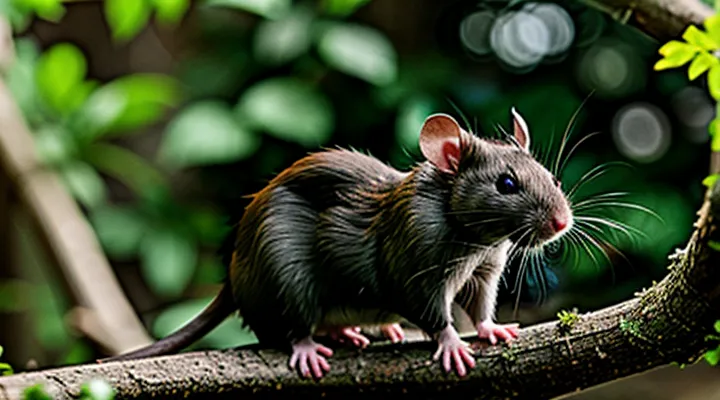
Understanding the Importance of Safe Branches for Pet Rats
Why Rats Need Chew Toys and Enrichment
Natural Chewing Instincts
Rats possess a strong natural urge to gnaw, which protects dental health and satisfies exploratory behavior. Continuous chewing prevents overgrowth of incisors and reduces stress, making appropriate chew objects essential for welfare.
Suitable branches must be non‑toxic, low‑resin, and free of mold or pesticides. Hardwood varieties generally meet these criteria because they are dense, less prone to splintering, and contain minimal harmful compounds.
- Oak (white, not red)
- Maple
- Birch
- Beech
- Apple (fruit tree)
- Pear
Softwoods can be offered cautiously; only those with low aromatic oils and minimal sap are advisable.
- Pine (young, untreated)
- Spruce (fresh, clean)
Branches that pose health risks should be excluded. Toxic compounds, excessive sap, or brittle texture can cause oral injury, liver damage, or gastrointestinal blockage.
- Cherry
- Cedar
- Redwood
- Cypress
- Any branch treated with chemicals, paint, or preservatives
When selecting chew sticks, follow these procedures: harvest from pesticide‑free areas, cut to a length that prevents accidental ingestion of large pieces, remove bark if it shows signs of decay, and sterilize by briefly steaming or baking at low temperature. Introduce new wood gradually and observe for signs of aversion or illness. Regular replacement ensures fresh material and reduces bacterial buildup.
Dental Health Benefits
Safe, untreated wood branches serve as natural chewing implements for pet rats, directly influencing dental health. Constant gnawing on appropriate branches wears down continuously growing incisors, preventing overgrowth that can impair eating and cause injury.
Dental health benefits include:
- Continuous enamel abrasion that maintains proper tooth length.
- Stimulation of periodontal circulation, reducing plaque accumulation.
- Natural texture that promotes balanced chewing patterns, avoiding excessive pressure on single teeth.
- Absence of synthetic materials that could cause abnormal wear or fractures.
Choosing suitable branches requires attention to species, moisture content, and lack of toxic compounds. Opt for fresh, pesticide‑free twigs from non‑hardwood trees such as apple, pear, or willow; avoid oak, pine, and any wood with resin or strong odors. Regularly inspect branches for mold or rot, replacing them promptly to sustain the dental advantages they provide.
Mental Stimulation and Boredom Prevention
Rats require constant mental engagement; without it they develop repetitive behaviors, loss of appetite, and reduced immune function. Enrichment items that demand problem‑solving, exploration, and chewing satisfy their innate curiosity and prevent boredom.
- Puzzle feeders that release treats when manipulated
- Multi‑level cages with tunnels, ladders, and platforms
- Rotating toys such as cardboard rolls, plastic balls, and wooden blocks
- Daily foraging sessions using shredded paper or herbivore‑safe vegetables
Branches serve as natural chew sources and climbing structures. Only untreated, pesticide‑free wood should be offered; toxic resins and oils in certain species cause respiratory irritation and liver damage. Safe options include:
- Apple or pear branches, freshly cut, free of bark flakes
- Willow twigs, flexible and low in tannins
- Birch or maple shoots, smooth and non‑aromatic
- Unpainted, kiln‑dried oak sticks, provided they are free of mold
Preparation steps: trim to appropriate length, remove sharp bark, wash with warm water, and dry completely before placement. Rotate branches weekly to maintain novelty and reduce wear.
Regular observation confirms effectiveness; active rats display frequent climbing, gnawing, and exploration, while signs of stress—excessive grooming or stereotypic circling—diminish. Adjust enrichment complexity and branch variety as the animal ages to sustain cognitive health.
Characteristics of Safe Branches
Non-Toxic Wood Species
Pet rats thrive when provided with chewable materials that are free of harmful chemicals. Selecting appropriate wood for branches and toys reduces the risk of toxicity and dental problems.
- Apple (Malus domestica) – soft, easy to gnaw, no known toxins.
- Pear (Pyrus communis) – similar properties to apple, widely available.
- Willow (Salix spp.) – flexible, encourages natural chewing behavior.
- Birch (Betula pendula) – smooth texture, non‑allergenic.
- Poplar (Populus spp.) – lightweight, does not splinter easily.
- Maple (Acer spp.) – hard enough to withstand chewing without breaking into sharp shards.
When using these woods, ensure they are:
- Untreated, free of paint, varnish, or sealants.
- Harvested from trees that have not been exposed to pesticides or herbicides.
- Free of mold, rot, or fungal growth.
Avoid species such as cedar, pine (certain varieties), oak, and walnut, which contain compounds that can irritate the respiratory system or cause liver damage. Regularly inspect branches for splintering; replace any damaged pieces promptly to maintain a safe environment for the rats.
Proper Preparation and Sterilization
When selecting woody material for a rodent enclosure, the first step is to verify that the species is non‑toxic and free of pesticides. After identification, each branch must undergo a strict preparation protocol to eliminate pathogens and chemical residues.
Preparation includes:
- Removing bark, leaves, and any visible insects.
- Cutting the branch into lengths appropriate for the cage size.
- Rinsing under running water to dislodge surface debris.
Sterilization methods suitable for small branches are:
- Boiling – submerge pieces in water at 100 °C for 10 minutes; cool before handling.
- Steam – expose to steam for 15 minutes in a pressure cooker; ensures deep penetration without warping.
- Chemical soak – immerse in a 10 % diluted bleach solution for 5 minutes, then rinse thoroughly with potable water; useful for dense wood that resists heat.
After sterilization, allow the material to dry completely in a well‑ventilated area. Store dried pieces in sealed containers to prevent re‑contamination before placement in the habitat. Following these steps guarantees that the branches introduced to a pet rat’s environment are both safe and hygienic.
Avoiding Treated or Contaminated Wood
Treated or contaminated wood poses a direct health threat to pet rats. Chemicals used in pressure‑treated lumber, such as chromated copper arsenate, can leach into a rat’s saliva and skin, causing irritation, organ damage, or acute poisoning. Similarly, wood that has been exposed to pesticides, industrial solvents, or mold carries toxins and microbial hazards that rats readily ingest while chewing.
Wood that should be excluded from a rat’s environment includes:
- Pressure‑treated pine, fir, or spruce
- Lumber stained, painted, or sealed with varnish
- Boards that have been in contact with chemicals, gasoline, or cleaning agents
- Wood showing visible mold, rot, or excessive moisture
Safe alternatives consist of untreated, natural hardwoods that lack toxic preservatives. Preferred choices are:
- Fresh, kiln‑dried hardwood such as maple, oak, or beech
- Untreated fruit tree branches (apple, pear, cherry) that have been rinsed and dried
- Natural, untreated bamboo sticks
When providing branches, inspect each piece for cracks, splinters, or signs of decay. Clean the wood with warm water, allow it to dry completely, and rotate the selection regularly to prevent bacterial buildup. By eliminating chemically treated or contaminated wood, owners ensure a non‑toxic chewing environment that supports the rat’s dental health and overall well‑being.
Identifying Safe Tree Branches
Commonly Safe Deciduous Trees
Apple Wood
Apple wood is a hardwood that yields smooth, dense branches with a subtle, sweet scent. The wood’s natural oils are low, reducing the risk of respiratory irritation for rodents. Branches harvested from mature apple trees are typically free of sap exudates that could attract insects or cause sticky residues.
When evaluating apple branches for pet rat enrichment, consider the following factors:
- Diameter: ½‑inch to 1‑inch thickness prevents breakage while allowing gnawing.
- Surface: Smooth bark minimizes splinters; any rough patches should be sanded or removed.
- Treatment: Only untreated, pesticide‑free wood qualifies; chemical preservatives compromise rat health.
- Freshness: Freshly cut branches retain moisture, supporting chewing activity without drying out too quickly.
Apple wood’s moderate hardness satisfies rats’ need to wear down their incisors, while its aromatic profile does not deter them. Provided the branches meet the criteria above, they represent a safe, natural addition to a rat’s habitat.
Pear Wood
Pet rats need chewable, non‑toxic branches to satisfy natural gnawing behavior and prevent dental problems. Safe options are hardwoods without resin, sap, or toxic compounds.
Pear wood meets these criteria. It is a dense hardwood, low in tannins, and free of bitter sap that can irritate a rat’s digestive tract. The grain is fine, reducing splinter risk, and the wood does not emit strong odors that could deter chewing.
Guidelines for offering pear branches:
- Select fresh, untreated branches from mature trees; avoid those exposed to pesticides or preservatives.
- Trim branches to 6–12 inches, ensuring a diameter of at least ½ inch to provide sturdy chewing material.
- Inspect each piece for cracks, rot, or loose bark; discard any compromised sections.
- Sterilize by baking at 250 °F (120 °C) for 30 minutes or by freezing for 24 hours to eliminate insects and mold.
Providing pear wood alongside other vetted hardwoods gives rats variety while maintaining a safe chewing environment.
Willow Wood
Willow wood is frequently chosen for constructing chewing branches for pet rats because it combines flexibility with low toxicity. The bark is thin, allowing easy gnawing, while the sap contains minimal levels of phenolic compounds that could harm small rodents.
The material meets essential safety criteria:
- Soft texture reduces the risk of dental injury.
- Natural fibers are digestible in small amounts, preventing gastrointestinal blockage.
- Absence of sharp splinters when the branch is fresh or lightly aged.
- Low allergen potential compared to hardwoods such as oak or pine.
When preparing willow branches for rats, follow these steps:
- Select fresh, pesticide‑free stems no larger than a pencil’s diameter.
- Trim off any dead or brittle sections with clean scissors.
- Rinse thoroughly under running water to remove surface debris.
- Optionally, soak the branch in a mild vinegar solution (1 %) for five minutes, then rinse again to diminish microbial load.
- Allow the branch to air‑dry completely before placing it in the cage.
Regular inspection is necessary; replace any branch that develops cracks, mold, or excessive wear. Properly maintained willow wood provides a safe, stimulating chew item that supports dental health and natural foraging behavior in pet rats.
Hazelnut Wood
Hazelnut wood is frequently considered by owners seeking safe chew material for their rats. The tree’s bark and small twigs are non‑toxic, contain low levels of tannins, and lack the sharp spines found on many other species. Rats can gnaw without risk of poisoning, and the wood’s moderate hardness encourages dental wear, helping maintain proper incisor length.
Key characteristics of hazelnut branches:
- Smooth bark reduces the chance of injury to paws and whiskers.
- Natural fibers break down into safe, digestible shavings when chewed.
- Seasonal availability provides fresh, green growth during spring and early summer, which is easier for young rats to bite.
- The wood resists rapid rot, minimizing mold formation when kept in a dry enclosure.
Potential concerns are limited to:
- Older, dry stems may become brittle and splinter, creating sharp fragments.
- If the tree has been treated with pesticides or herbicides, residues could be harmful; only untreated, organically grown hazelnut material should be used.
For optimal safety, select fresh, green twigs from untreated trees, trim them to an appropriate length (no longer than 4–5 inches), and inspect each piece for cracks before placing them in the cage. Regular replacement ensures the material remains hygienic and retains its structural integrity.
Commonly Safe Coniferous Trees
Pine Wood (untreated)
Untreated pine wood is frequently offered as a construction material for rat enclosures because it is readily available and inexpensive. The wood contains resinous compounds, primarily pine resin and terpene oils, which can irritate a rat’s respiratory system when the material is fresh or when dust is generated during cutting. Prolonged exposure to these volatile substances may lead to sneezing, nasal discharge, or mild respiratory distress.
Safety assessment of raw pine for pet rats includes the following points:
- Chemical content: Natural pine resin can cause irritation; the risk diminishes after the wood has been seasoned for several weeks in a well‑ventilated area.
- Dust generation: Sawdust and shavings from untreated pine produce fine particles that are easily inhaled; use a dust‑extraction system or wear a mask when processing the material.
- Structural integrity: Untreated pine softens over time, especially in humid environments, increasing the chance of splinter formation that could injure delicate paws or mouths.
- Mold susceptibility: Without treatment, pine readily absorbs moisture, creating conditions favorable for mold growth; mold spores are hazardous to rodent health.
When pine is fully seasoned, stored dry, and free of visible mold, it can serve as a temporary component of a rat habitat, such as a chew block or a structural support. However, for long‑term use, many experts recommend hardwoods (e.g., maple, birch) or safe softwoods that lack resinous oils, because they present fewer respiratory and dermatological risks.
Fir Wood (untreated)
Untreated fir wood is a viable option for pet rat enrichment because it lacks chemical treatments that could harm the animal’s respiratory system or digestive tract. The natural resin in fir provides a pleasant chewing surface, encouraging dental wear and mental stimulation without introducing toxic substances.
Key considerations for using untreated fir branches:
- Verify that the wood is free from mold, rot, or insect infestation; compromised material can introduce pathogens.
- Select branches with a diameter of ½–¾ inch, allowing easy grip while preventing excessive strain on small paws.
- Ensure the source is from a non‑treated, pesticide‑free environment; avoid wood from areas exposed to herbicides or industrial pollutants.
- Provide a single branch at a time to monitor the rat’s interaction and prevent over‑chewing that could lead to splintering.
- Replace the branch regularly, typically every two to three weeks, to maintain freshness and reduce bacterial buildup.
When incorporated correctly, untreated fir branches contribute to a safe and engaging habitat for rats, supporting natural chewing behavior while minimizing health risks.
Branches to Absolutely Avoid
Toxic Tree Species
Pet rats are vulnerable to a range of toxic tree species. Ingesting leaves, bark, or buds from these trees can cause liver failure, kidney damage, or death. Owners should exclude any branch from these plants when constructing a habitat or providing foraging material.
Commonly hazardous trees include:
- Yew (Taxus spp.) – contains taxine alkaloids that affect the cardiovascular system. All parts, especially the seeds and foliage, are lethal.
- Oleander (Nerium oleander) – rich in cardiac glycosides that disrupt heart rhythm. Even small amounts can be fatal.
- Sago palm (Cycas revoluta) – produces cycasin, a potent hepatotoxin. Seeds and leaves are especially dangerous.
- Poinsettia (Euphorbia pulcherrima) – milky sap contains diterpene euphorbols that irritate the gastrointestinal tract and may lead to severe vomiting.
- Rhododendron and Azalea (Rhododendron spp.) – contain grayanotoxins that cause hypotension, bradycardia, and respiratory distress.
- Mountain laurel (Kalmia latifolia) – leaves and twigs hold grayanotoxins similar to rhododendron, producing cardiac and nervous system effects.
- Lily of the valley (Convallaria majalis) – cardiac glycosides cause arrhythmias and can be lethal in small doses.
When selecting branches for enrichment, verify the botanical identity of each source. Avoid any material from the listed species and from unknown or wild-collected trees unless positively identified as non‑toxic. Opt for branches from safe genera such as apple, pear, willow, or pine, which lack known rat toxins. Regularly inspect enrichment items for signs of decay or mold, as secondary contaminants can also pose health risks.
Branches Treated with Pesticides or Chemicals
Branches that have been exposed to pesticides or other chemicals pose a clear health risk to pet rats. Residues can be ingested when the animal gnaws on the wood, absorbed through the mucous membranes of the mouth, or inhaled as dust settles on the fur. Toxic compounds may cause gastrointestinal irritation, liver damage, neurological symptoms, or acute poisoning, depending on the substance and exposure level.
Key concerns include:
- Persistent pesticide residues – chemicals such as organophosphates, carbamates, and pyrethroids remain on wood surfaces for weeks or months after application.
- Heavy‑metal contamination – treatments containing copper, arsenic, or zinc can accumulate in the rat’s body over time.
- Volatile organic compounds (VOCs) – solvents and preservatives release fumes that irritate respiratory passages and may impair immune function.
- Unidentified additives – commercial wood treatments often combine multiple agents, making it difficult to assess individual toxicity.
For safe enclosure enrichment, select only untreated, natural wood that is free from chemical processing. Verify that the source provides certification of chemical‑free status, or choose freshly cut, kiln‑dried timber that has not been painted, stained, or pressure‑treated. Regularly inspect branches for signs of decay or mold, which can also compromise health, and replace them promptly.
Branches from Roadsides or Unknown Sources
Branches collected from roadsides or unidentified locations present several hazards for pet rats. These items often carry residues of pesticides, herbicides, or industrial chemicals that can be absorbed through the animal’s skin or ingested when the rat gnaws. Toxic compounds may cause gastrointestinal distress, liver damage, or neurological symptoms, and even low‑level exposure can accumulate over time.
Typical contaminants found on such branches include:
- Pesticide sprays applied to nearby fields or lawns
- Heavy metals deposited from vehicle emissions or runoff
- Fungal growths, such as mold or mildew, thriving in damp, shaded environments
- Insecticides or rodenticides inadvertently transferred by passing wildlife
Physical risks also arise. Roadside wood may be splintered, broken, or coated with oil, posing puncture wounds or burns. Unidentified sources can harbor parasites, including mites or lice, which may infest the rat’s fur and spread to other cage mates.
To protect pet rats, only provide branches that meet the following criteria:
- Harvested from a known, pesticide‑free environment, such as a personal garden where chemicals are not used.
- Freshly cut, free of bark that is cracked, moldy, or damp.
- Thoroughly washed with safe, pet‑approved cleaners and rinsed to remove dust and debris.
- Dried completely to prevent mold development before offering to the animal.
When in doubt, discard any branch whose origin cannot be verified or that shows signs of contamination. Providing safe, clean chewing material reduces stress, supports dental health, and minimizes the risk of toxic exposure.
Sourcing and Preparing Branches
Where to Obtain Safe Branches
Personal Property
When evaluating branches as personal property for a pet rat enclosure, focus on material integrity, size, and chemical safety. Choose items that meet the following criteria:
- Hard, non‑tender wood such as maple, oak, or birch; avoid softwoods like pine or cedar that release irritants.
- Diameter of at least 1 inch to support the animal’s weight without breaking.
- Absence of treated finishes, paints, or preservatives that could leach toxins.
- Smooth bark or stripped surface to prevent splinters and injuries.
- Secure attachment points for placement within cages, ensuring the branch remains stable during climbing.
Document each branch in an inventory record, noting source, dimensions, and inspection date. Regularly inspect for cracks, mold, or wear, and replace any compromised pieces promptly. Maintaining a controlled list of approved branches protects the rat’s health and preserves the value of the property used for enrichment.
Trusted Nurseries
When selecting branches for a pet rat’s enclosure, the reliability of the plant supplier is paramount. A reputable nursery provides accurate species identification, ensures plants are cultivated without harmful chemicals, and offers transparent sourcing information. These factors reduce the risk of toxic exposure and structural hazards.
Key attributes of a trustworthy nursery include:
- Certification or affiliation with recognized horticultural organizations.
- Documentation of pesticide‑free cultivation methods.
- Availability of detailed plant care sheets confirming non‑toxicity to rodents.
- Consistent quality control procedures, such as regular testing for heavy metals or mold.
Choosing suppliers that meet these standards helps guarantee that the branches introduced into a rat’s habitat are both safe and durable. Verify the nursery’s reputation through customer reviews, industry awards, or direct inquiries about their cultivation practices before making a purchase.
Pet Stores (specialized chew toys)
Pet stores that focus on small‑animal supplies provide a reliable source of chew toys designed specifically for rats. These retailers typically stock products vetted for non‑toxicity, durability, and appropriate size, reducing the risk of injury or ingestion of harmful substances.
- Materials approved for rat chew toys include untreated hardwoods (e.g., apple, willow), natural fibers (e.g., sisal, hemp), and food‑grade plastics that lack BPA or phthalates.
- Toys must be sized to allow a rat to grasp and gnaw without becoming trapped; a diameter of 1–2 inches is optimal.
- Products labeled “for rodents” or “for rats” undergo testing for sharp edges and loose parts; avoid generic pet toys intended for larger species.
- Reputable chains often display certifications from animal‑health organizations or provide safety data sheets on request.
Staff at specialized pet stores can guide owners toward brands with consistent quality control, recommend rotation schedules to maintain novelty, and advise on cleaning protocols that preserve the integrity of the toys. Selecting chew items from these vetted sources contributes directly to the overall safety of a rat’s environment.
Steps for Preparing Branches
Cleaning and Scrubbing
When providing rodents with natural climbing elements, the material must be free of residues that could harm their digestive or respiratory systems. Wooden branches sourced from untreated hardwoods are the most reliable choice; they should be free of paints, stains, sealants, or preservatives that contain volatile organic compounds or heavy metals.
Cleaning procedures eliminate dust, mold spores, and potential contaminants:
- Rinse the branch under warm running water to remove loose debris.
- Submerge in a solution of one part white vinegar to four parts water for five minutes; vinegar acts as a natural antimicrobial without leaving harmful residues.
- Scrub gently with a soft-bristled brush, focusing on crevices where sap or fungal growth may accumulate.
- Rinse thoroughly with clean water to flush out any remaining vinegar.
- Air‑dry on a rack in a well‑ventilated area until completely moisture‑free; moisture encourages mold, which is unsafe for rodents.
Avoid commercial detergents, bleach, or scented cleaners, as chemical traces can linger on porous wood and be ingested. If the branch exhibits cracks, splinters, or excessive wear after cleaning, replace it promptly to prevent injury. Regular maintenance—cleaning every two to four weeks, depending on cage humidity and usage—keeps the climbing structures hygienic and suitable for small pet mammals.
Baking or Boiling for Sterilization
When offering wooden branches to pet rats, sterilization eliminates pathogens without compromising structural integrity. Two practical methods are dry heat (baking) and moist heat (boiling). Both achieve microbial reduction, but they differ in effect on texture, moisture content, and nutrient retention.
Baking involves placing branches on a tray and heating them in an oven at 180 °C (350 °F) for 30 minutes. The process removes surface moisture, hardens the wood, and destroys bacteria, fungi, and parasites. After cooling, branches remain dry, reducing the risk of mold growth during storage. However, prolonged exposure can cause cracking or splintering in fragile species.
Boiling consists of submerging branches in water at a rolling boil for 10 minutes, then draining and air‑drying them completely. Moist heat penetrates interior pores, eliminating deeper contaminants. The method preserves natural flexibility, which many rats prefer for gnawing. Excessive water absorption may lead to swelling; thorough drying is essential to prevent rot.
- Baking: dry, hard, low moisture; risk of brittleness if overcooked.
- Boiling: retains flexibility; requires careful drying to avoid mold.
Select the technique that matches the branch’s thickness and the rat’s chewing habits. Regularly inspect sterilized branches for splinters before offering them to the animals.
Proper Drying Techniques
Proper drying of branches intended for small rodent habitats is essential to prevent mold growth, bacterial contamination, and respiratory irritation. After cleaning branches with mild soap or a pet‑safe disinfectant, rinse thoroughly with clean water to remove residues. Place the branches on a clean, elevated surface where air can circulate freely; avoid stacking items that block airflow. Allow the material to dry for a minimum of 24 hours, checking that no damp spots remain before introducing it to the enclosure.
Key steps for safe preparation:
- Wash branches with lukewarm, mild soap; rinse until suds disappear.
- Submerge in a pet‑safe sanitizer (e.g., a diluted hydrogen peroxide solution) for 5–10 minutes.
- Rinse again with potable water to eliminate sanitizer traces.
- Arrange on a mesh rack or wire rack, ensuring each piece is spaced apart.
- Position the rack in a well‑ventilated area, away from direct sunlight to avoid warping.
- Verify complete dryness by touching several points; any moisture indicates the need for additional drying time.
Dry branches that remain damp after the initial period should be discarded, as persistent moisture can foster fungal spores harmful to the animal’s respiratory system. Once fully dry, inspect for splinters or sharp edges; sand or trim any hazardous points before placing the branches in the rat’s habitat. This systematic drying process ensures that the natural accessories remain safe, hygienic, and suitable for the pet’s environment.
Integrating Branches into Your Rat's Environment
Placement and Arrangement
Cage Placement Considerations
Choosing where to locate a rat cage influences the safety of any branches or perches provided. Place the cage on a stable surface that cannot be tipped or knocked over, preventing sudden falls that could injure the animal.
- Keep the cage away from direct sunlight; excessive heat can warp wooden branches and cause burns.
- Position the enclosure in a quiet area, distant from loud appliances or traffic that might startle rats and cause them to leap from perches.
- Ensure the room maintains a consistent temperature between 18‑24 °C (64‑75 °F); extreme cold can make branches brittle, increasing breakage risk.
- Avoid locations near open windows, doors, or vents that expose the cage to drafts, dust, or potential predators such as cats.
- Provide adequate ventilation without creating strong air currents that could dislodge branches.
- Install the cage at a height that allows easy human access for cleaning while keeping the rats out of reach from children or other pets.
Consider the lighting schedule: use a timed light source to mimic natural day‑night cycles, preventing rats from attempting to escape during darkness. Secure any branches to the cage frame with non‑toxic, rust‑free hardware; loose fittings may detach and become choking hazards.
Finally, routinely inspect the cage environment for signs of wear on branches, moisture accumulation, or mold growth. Replace compromised perches promptly to maintain a safe, enriching habitat for pet rats.
Different Branch Sizes and Shapes
Rats require branches that support their weight and allow comfortable movement. A branch must be thick enough to prevent crushing of the limbs and long enough to enable climbing without forcing the animal to jump between gaps.
- Minimum diameter: 1.5 cm (approximately 0.6 in) for adult rats; 1 cm (0.4 in) for juveniles.
- Maximum diameter: 4 cm (1.6 in) for adults; larger diameters reduce grip and increase the risk of slipping.
- Length: at least 20 cm (8 in) for a single segment; longer pieces should be supported at both ends to avoid sagging.
- Surface texture: natural bark or sand‑papered wood provides traction; smooth polished surfaces increase the chance of falls.
Branch shape influences stability and climbing ease. Straight sections allow uninterrupted ascent, while gentle curves accommodate natural arching of a rat’s spine. Sharp angles or abrupt forks create stress points that can cause injuries.
- Straight or slightly curved: optimal for continuous climbing.
- Mildly tapered ends: facilitate transition between branches of different diameters.
- Rounded forks with angles greater than 90°: safe for branching pathways.
- Sharp or jagged ends: must be trimmed or covered to eliminate puncture hazards.
When selecting branches, verify that the wood is untreated, free of pesticides, and free of mold. Secure each piece with non‑toxic wire or stainless‑steel clips to prevent movement during use. Following these dimensional and geometric criteria ensures that the branches provide a secure, stimulating environment for pet rats.
Monitoring and Maintenance
Regular Inspection for Wear and Tear
Regular inspection of branches used in rat enclosures prevents injuries caused by weakened or damaged structures. Examine each branch before placement and after each cleaning session. Look for cracks, splintered ends, and soft spots that can collapse under a rat’s weight.
Key inspection criteria:
- Surface integrity: no splinters, rough edges, or exposed bark that can cause cuts.
- Structural strength: no visible cracks, warping, or hollow sections.
- Attachment points: secure knots or fittings that do not loosen over time.
- Size and diameter: sufficient thickness to support a rat’s weight without bending.
Replace any branch that shows any of the listed deficiencies. Clean remaining branches with mild, non‑toxic solutions and dry thoroughly to avoid moisture‑induced rot. Store spare branches in a dry environment to preserve their durability.
Document inspection dates and findings in a simple log. Consistent record‑keeping ensures that wear patterns are identified early, allowing proactive replacement before hazards develop. This systematic approach maintains a safe climbing environment for pet rats.
Replacing Worn or Contaminated Branches
When a branch becomes frayed, splintered, or contaminated, it should be removed promptly to prevent injury or illness in pet rats. Worn surfaces can cause mouth injuries, while residues of chemicals, mold, or pests introduce health risks. Replacing such branches restores a clean, safe environment for chewing, climbing, and nesting.
Inspect each branch regularly. Look for:
- Visible cracks, splinters, or softened wood.
- Discoloration, mold, or fungal growth.
- Signs of pesticide or chemical treatment.
- Accumulated droppings or urine that cannot be cleaned thoroughly.
If any of these conditions are present, discard the branch. Choose replacements that meet the following criteria:
- Untreated hardwood, such as fresh apple, pear, or willow, harvested from pesticide‑free sources.
- Diameter between ½ inch and 1 inch to support the rat’s weight without breaking.
- Smooth, intact surface that resists splintering for at least several weeks of chewing.
- Free of bark that peels easily, which can become a choking hazard.
To replace a branch safely:
- Remove the compromised branch from the cage, handling it with clean gloves to avoid contaminating other items.
- Clean the cage interior with a mild, rat‑safe disinfectant; rinse and dry completely.
- Cut the new branch to the desired length, ensuring both ends are smooth and rounded.
- Sterilize the branch by briefly boiling (5 minutes) or baking at 250 °F (120 °C) for 15 minutes; let it cool.
- Position the branch securely, anchoring it to the cage frame or a sturdy chew toy to prevent wobbling.
- Observe the rats for a few hours to confirm they accept the new branch and show no signs of distress.
Regular rotation—introducing a fresh branch every 2–3 weeks—reduces wear accumulation and maintains novelty, supporting dental health and natural foraging behavior. Dispose of used branches in a sealed bag and discard them in a compost or waste bin away from pets.
Observing Rat Interaction and Safety
Observing how rats engage with climbing elements reveals which materials can be offered without risking injury or illness. Direct visual monitoring, supplemented by short video clips, captures bite patterns, grip strength, and preference shifts. Recording the duration of each interaction and noting any hesitation or avoidance provides quantitative data for evaluating branch safety.
Key factors to assess during observation include:
- Material composition: natural hardwoods free of chemical treatments, untreated bamboo, and high‑density polyethylene rods.
- Diameter range: 1‑2 cm for juvenile rats, 1.5‑2.5 cm for adults, allowing secure grasp without excessive strain.
- Surface texture: smooth enough to prevent splintering, yet offering slight roughness for traction.
- Structural integrity: no cracks, loose fibers, or detachable sections that could detach under load.
- Attachment method: screws or brackets that distribute weight evenly, eliminating wobble.
Typical safe options, based on repeated observation, are:
- Unfinished maple or oak dowels, sanded to remove splinters.
- Bamboo sticks cut to appropriate length, with ends capped to prevent sharp points.
- Commercial rat‑grade PVC tubes, reinforced with interior ribs for grip.
Continual vigilance for adverse signs is essential. Indicators such as rapid gnawing followed by abandonment, limping, hair loss near the contact site, or excessive salivation signal that a branch may be unsuitable. Immediate removal of the offending element, replacement with a verified safe alternative, and a brief health check prevent escalation.
Systematic observation, combined with strict adherence to material criteria, ensures that climbing structures support the physical well‑being of pet rats while encouraging natural exploratory behavior.
Addressing Common Concerns and Misconceptions
"Is All Pine Wood Safe?"
Distinguishing Untreated from Treated Pine
Pet rats frequently gnaw on wooden branches, making the distinction between raw pine and chemically processed pine essential for their health.
Untreated pine originates from freshly cut timber that has not undergone any preservative, pesticide, or fire‑retardant treatment. It retains a natural amber hue, a faint resinous aroma, and a porous bark surface that releases a subtle, sweet scent when chewed. The wood’s texture is soft enough for rats to bite through without splintering, and it contains only the natural compounds inherent to the species.
Treated pine exhibits alterations caused by industrial processes. It often appears glossy or coated, displays uniform coloration that may be darker or lighter than the natural shade, and emits a chemical odor detectable by a brief sniff. The bark may feel rigid, and the wood may contain residues of copper‑based preservatives, borates, or flame‑retardant additives that can irritate the gastrointestinal tract or cause toxic reactions when ingested.
To verify the status of a pine branch, follow these steps:
- Inspect the surface for paint, sealant, or a glossy finish.
- Smell the wood; a sharp, synthetic scent indicates treatment.
- Check for labeling or documentation from the supplier confirming “untreated” or “raw.”
- Perform a simple water test: untreated pine absorbs water within seconds, while treated wood repels it.
- Contact the vendor for a safety data sheet if uncertainty remains.
Selecting only branches that meet the untreated criteria eliminates exposure to harmful chemicals and supports safe chewing behavior for pet rats.
The Role of Sap and Resin
Sap and resin directly affect the suitability of tree limbs for pet rats. Fresh sap contains sugars and plant hormones that can ferment, creating a sticky surface that attracts insects and promotes bacterial growth. Resin, a viscous secretion, hardens into a protective coating but may contain terpenes and phenolic compounds toxic to small mammals. Both substances can cause oral irritation, digestive upset, or respiratory distress if ingested or inhaled.
When evaluating branches for a rat enclosure, consider the following criteria:
- Age of the wood – Mature, seasoned branches have minimal sap flow and reduced resin content.
- Surface condition – Smooth bark without visible exudates lowers the risk of ingestion.
- Species selection – Trees known for low resin production, such as maple or birch, are preferable to pine or fir, which exude high levels of sticky resin.
- Preparation method – Boiling or baking branches for at least 30 minutes destroys residual sap and volatile compounds.
- Inspection for mold – Sap residue creates a moist environment conducive to mold; any sign of fungal growth disqualifies the branch.
By systematically applying these guidelines, caretakers can identify branches that minimize exposure to harmful sap and resin, ensuring a safer chewing environment for pet rats.
"What About Branches from My Yard?"
Assessing Environmental Factors
When choosing branches for a pet rat’s enclosure, the first step is to evaluate the surrounding environment. Identify the origin of the wood and verify that it has not been treated with chemicals such as pesticides, preservatives, or paints. Untreated, natural wood reduces the risk of toxic exposure.
Examine the physical condition of each branch. Look for cracks, splinters, or loose bark that could cause injury. Branches should be sturdy enough to support the animal’s weight without bending or breaking under pressure.
Consider the size and shape of the branch. Diameter should be sufficient for the rat to grip comfortably, typically at least one centimeter across. Length must allow for climbing and nesting without extending beyond the cage’s limits.
Assess the cleanliness of the material. Wash branches with mild, pet‑safe soap and rinse thoroughly before placement. Allow them to dry completely to prevent mold growth, which can introduce respiratory hazards.
If possible, source branches from reputable suppliers who certify that their products are free from harmful substances and have undergone safety testing. Documentation of these standards provides an additional layer of assurance.
By systematically reviewing chemical treatment, structural integrity, dimensions, hygiene, and provenance, owners can ensure that the branches introduced into a rat’s habitat are both safe and suitable for natural behaviors.
Risk of Pests and Diseases
Pet rats require branches that do not introduce parasites or pathogens. Wooden branches harvested from outdoor environments often harbor insects, mold spores, and rodent‑borne bacteria. These organisms can cause respiratory infections, gastrointestinal upset, or ectoparasite infestations in captive rats.
To minimize health hazards, select branches that meet the following criteria:
- Sourced from indoor-grown or kiln‑dried timber, eliminating exposure to outdoor pests.
- Free of visible cracks, holes, or fungal growth, which indicate potential colonization by insects or mold.
- Unscented and untreated with chemicals such as pesticides, preservatives, or paints, which can be toxic when chewed.
- Cut to an appropriate diameter (approximately 1–2 cm) to prevent dental strain while allowing gnawing.
Even with careful selection, sanitizing branches before introduction is advisable. Effective methods include:
- Immersing the branch in a solution of 1 % hydrogen peroxide for 10 minutes, then rinsing thoroughly with clean water.
- Baking at 180 °C for 30 minutes to eradicate residual spores and insects.
- Freezing at –20 °C for 24 hours, which kills most ectoparasites without altering wood integrity.
After treatment, allow the branch to cool and dry completely to avoid moisture‑related mold development. Regularly inspect the branch for signs of degradation or new contamination, and replace it promptly if any issues arise. This protocol reduces the likelihood of pest‑related disease transmission while providing a safe, enriching gnawing material for pet rats.
"How Often Should I Replace Branches?"
Factors Influencing Replacement Frequency
When determining how often to replace items in environments deemed safe for pet rats, several variables must be examined. Durability of the material directly affects lifespan; biodegradable substrates such as shredded paper break down faster than synthetic fibers, requiring more frequent renewal. Accumulation of waste, including urine, feces, and shed fur, raises bacterial load; higher contamination levels mandate shorter intervals between replacements. The frequency of cleaning also influences wear; daily spot cleaning reduces overall buildup, extending the usable period of bedding and accessories. Rat activity patterns contribute to wear: species that gnaw extensively degrade wooden branches and chew toys more rapidly, shortening their service life. Ambient temperature and humidity accelerate decomposition of organic materials, prompting earlier replacement in warmer, moist conditions. Health status of the rats matters; animals with compromised immunity are more susceptible to pathogens, so a conservative replacement schedule is advisable. Finally, manufacturer specifications provide baseline recommendations based on testing; adhering to these guidelines ensures compliance with safety standards.
Key considerations for scheduling replacements:
- Material composition (organic vs. synthetic)
- Contamination level (visible soiling, odor)
- Cleaning routine (daily, weekly, monthly)
- Rat behavior (gnawing intensity)
- Environmental factors (temperature, humidity)
- Health requirements (immunocompromised individuals)
- Manufacturer guidance (recommended lifespan)
Balancing these factors yields a replacement timetable that maintains hygiene, prevents disease, and preserves the structural integrity of safe habitats for pet rats.
Signs of a Branch Needing Replacement
When evaluating wooden branches for a pet rat’s enclosure, regular inspection is essential to maintain safety and hygiene. The following indicators demonstrate that a branch should be removed and replaced.
- Cracks or splits that expose sharp edges, creating a risk of puncture wounds.
- Soft or spongy spots where the wood has begun to rot, which can collapse under the animal’s weight.
- Persistent dampness, mold, or fungal growth on the surface, indicating inadequate drying or contamination.
- Discoloration such as dark streaks or patches that differ from the natural grain, suggesting decay or chemical treatment.
- Loose bark or peeling layers that could detach and become a choking hazard.
- Unusual odors, especially sour or musty smells, that signal microbial activity.
- Excessive wear from chewing, leaving the branch thin or brittle, reducing structural integrity.
If any of these conditions are observed, the branch must be discarded promptly and substituted with a fresh, untreated piece of hardwood that meets the species’ chewing preferences. Continuous monitoring prevents injuries and promotes a clean, stimulating environment for the rat.