
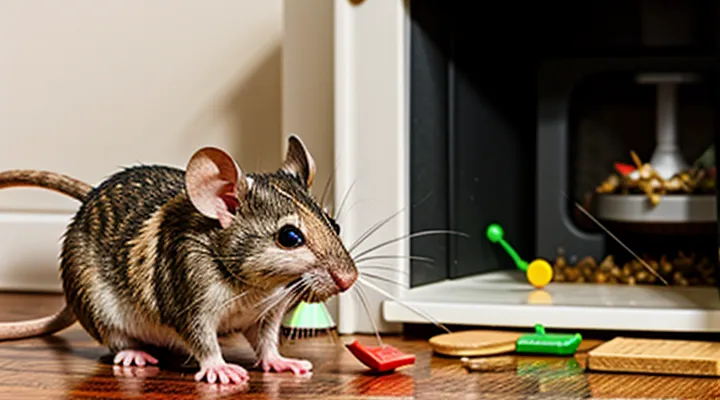
Understanding Mouse Behavior and Diet
Why Bait Choice Matters
Choosing the right bait determines whether a mouse encounters the trap and whether it stays long enough for the trigger to activate. Mice are opportunistic feeders, but they evaluate food based on scent, texture, and nutritional content. A weak or unfamiliar odor fails to attract, while a strong, appealing scent draws the rodent into the device.
- Scent potency – fresh, aromatic substances overcome the mouse’s cautious behavior.
- Taste and texture – soft, fatty items allow quick consumption, increasing contact time with the trigger.
- Availability – foods that are scarce in the surrounding environment become more attractive.
- Safety – non-toxic baits prevent accidental poisoning of pets or children.
- Non‑target deterrence – bait that mice prefer over insects or other animals reduces unintended captures.
Incorrect bait selection leads to reduced trap encounters, increased avoidance after initial contact, and lower overall control efficiency. Consistent use of a high‑appeal bait maximizes capture rates and shortens the time required to eliminate an infestation.
Common Mouse Food Preferences
Mice are opportunistic feeders, but their preferences cluster around a few high‑energy foods that trigger a strong response in a trap. Understanding these preferences allows you to choose bait that maximizes capture rates.
- Grains and seeds – wheat, oats, rice, and corn kernels provide carbohydrates and are among the most frequently consumed items. Their small size fits easily into standard trap chambers.
- Nuts and nut butters – peanuts, almonds, and especially peanut butter offer both fat and protein, creating a potent scent that draws mice from a distance.
- Fruit and sugary treats – apple slices, raisins, and dried fruit release natural sugars that appeal to the mouse’s craving for quick energy.
- Protein sources – bits of cooked chicken, cheese, or bacon provide amino acids and fats, attracting mice that have exhausted carbohydrate stores.
- Pet food – dry kibble, particularly those containing grain and meat, emits a strong aromatic profile that mice associate with a reliable food source.
When selecting bait, match the texture to the trap’s design. Soft, pliable substances such as peanut butter or softened cheese adhere to the trigger mechanism, preventing premature removal. Crumbly items like seeds may require a small amount of adhesive (e.g., a dab of petroleum jelly) to keep them in place. Rotate bait types every few days to prevent habituation; mice quickly learn to ignore a static scent.
Incorporating the most appealing foods—high‑carbohydrate grains, fatty nut butters, and protein‑rich morsels—creates a bait profile that aligns with common mouse dietary habits, increasing the likelihood of a successful catch in a household trap.
Top Baits for Home Mouse Traps
Peanut Butter: The Classic Choice
Why it Works
Effective mouse trap baits attract rodents by exploiting innate sensory preferences and physiological needs. The primary mechanisms are:
- Strong olfactory cues – Mice possess a highly developed sense of smell; volatile compounds from foods such as peanut butter, cheese, or dried fruit create a scent gradient that guides the animal toward the trap.
- High caloric density – Fats and sugars provide immediate energy, prompting rapid investigation and consumption. Peanut butter, chocolate, and sunflower seeds deliver concentrated calories in small quantities.
- Protein content – Essential amino acids satisfy dietary requirements, especially in breeding or growing populations. Items like cooked bacon or canned tuna fulfill this need.
- Moisture level – Slightly damp baits mimic natural food sources and stimulate the mouse’s thirst drive, increasing attraction.
- Texture and consistency – Sticky or pliable substances adhere to the trap’s trigger mechanism, ensuring the mouse contacts the release plate while attempting to extract the bait.
These factors interact with the mouse’s foraging behavior. When scent signals a high‑value food source, the animal approaches, assesses texture, and evaluates nutritional payoff. A bait that simultaneously delivers strong odor, rich energy, and appropriate moisture maximizes the probability of contact, thereby improving trap performance.
Application Tips
Select a bait that appeals to the target’s diet and sensory preferences. Peanut butter, dried fruit, and small pieces of cheese remain the most reliable options because they emit strong odor, maintain moisture, and adhere to the trap surface. For environments where food allergies are a concern, use unscented, protein‑rich rodent blocks or commercial lures formulated with synthetic attractants.
Apply the bait sparingly. A pea‑sized amount placed on the trigger mechanism prevents the mouse from dislodging the lure before activating the trap. Avoid over‑loading, which can allow the animal to chew around the bait without contacting the trigger. If using a sticky lure, spread a thin film across the trigger plate, ensuring the mouse must step onto the adhesive to reach the food.
Position traps along established travel routes. Place them perpendicular to walls, with the bait side facing the wall, because mice habitually run close to surfaces. Set traps in low‑light areas such as behind appliances, under cabinets, and near baseboards. Replace bait daily to preserve freshness and scent potency.
Maintain hygiene throughout the process. Wear disposable gloves when handling bait to avoid contaminating the trap with human scent. Dispose of used baits in sealed containers to prevent secondary infestations. Clean traps with mild detergent after each capture to eliminate residual odors that could deter further activity.
Nutella and Other Chocolate Spreads
Appeal to Mice
Mice are driven by strong olfactory cues, high‑energy nutrients, and moisture. A bait that satisfies these drives dramatically increases capture rates in domestic traps.
Mice detect volatile compounds at low concentrations, prefer sweet or protein‑rich substances, and seek foods that provide quick calories. They also favor textures that can be easily gnawed and items that retain freshness.
- Peanut butter – dense, aromatic, high in fat and protein.
- Chocolate – strong scent, sugar content, easy to break into small pieces.
- Sunflower seeds (shelled) – rich oil, crunchy texture, natural mouse favorite.
- Dried fruit (e.g., raisins) – sweet, chewy, retains moisture.
- Cheese (soft varieties) – strong dairy odor, high protein, readily consumed.
Effective presentation matters. Apply a thin layer of the chosen bait to the trap’s trigger mechanism to ensure contact. Replace bait daily to prevent desiccation or spoilage. Position traps along walls, behind appliances, or near known droppings, where mice habitually travel.
Best Practices for Use
Effective baiting begins with choosing attractants that match mouse dietary preferences and retain strong scent. Freshness is critical; stale or contaminated food loses potency within hours.
- Peanut butter – high fat content, strong aroma, adheres to trigger without slipping.
- Soft cheese – strong smell, pliable texture, easy to portion.
- Sunflower seeds (shelled) – natural rodent favorite, can be crumbled for better contact.
- Meaty jerky bits – protein source, strong scent, resistant to drying.
- Commercial rodent lures – formulated with attractants, consistent potency.
When applying bait, follow these practices:
- Apply a pea‑sized amount directly to the trigger mechanism; excess material may allow the mouse to remove bait without activating the trap.
- Ensure the trap is set on a stable, flat surface near walls, behind appliances, or in concealed pathways where rodent activity is observed.
- Position traps perpendicular to the wall, with the trigger facing the travel route; mice typically run close to edges.
- Avoid placing traps in areas with strong competing odors such as cleaning chemicals or strong spices, which can mask the bait scent.
- Wear disposable gloves during handling to prevent human scent transfer that deters rodents.
Check traps daily. Remove captured mice promptly, reset the device with fresh bait, and relocate traps if capture rates decline. Rotate bait types weekly to prevent habituation and maintain high attraction levels.
Cheese: Fact vs. Fiction
The Myth of Cheese
Cheese is frequently portrayed as the quintessential mouse lure, yet laboratory trials and field observations consistently rank it among the least successful options. Mice display a strong preference for high‑protein, high‑fat substances that emit strong scent cues; cheese lacks both the caloric density and olfactory potency required to trigger a feeding response.
- Peanut butter – dense, aromatic, and rich in protein and fat; attracts mice within seconds.
- Sunflower seed butter – similar texture to peanut butter, suitable for rodents with nut allergies.
- Cooked bacon bits – intense meat aroma, high fat content; maintains efficacy after brief refrigeration.
- Cereal grains (e.g., oats, wheat) – natural rodent diet component; effective when moistened with a small amount of oil.
- Commercial rodent bait blocks – formulated with precise ratios of protein, fat, and attractants; proven success rates exceed 80 % in controlled studies.
Empirical data indicate that cheese fails to sustain interest beyond a brief sniff, often being abandoned after an initial investigation. The myth likely persists due to cultural depictions rather than scientific evidence. For reliable trap performance, replace cheese with one of the proven attractants listed above.
When Cheese Might Work
Cheese can attract mice under specific conditions. Fresh, strong‑smelling varieties such as cheddar, Swiss, or blue cheese release volatile compounds that mice detect from a short distance. The scent works best when the trap is placed near a known foraging route, where mice have recently encountered dairy residues.
Effectiveness declines when:
- The cheese is aged and hard, reducing moisture and odor.
- Competing food sources are abundant in the area.
- The trap is set far from walls or corners, where mice typically travel.
When using cheese as bait, follow these steps:
- Cut a piece no larger than a pea; excess size encourages nibbling without triggering the trap.
- Attach the piece to the trigger mechanism with a small dab of peanut butter to prevent slipping.
- Position the trap with the bait facing the mouse’s entry point, aligning the trigger to the mouse’s natural approach angle.
- Replace the cheese after 24 hours or when it dries, because loss of scent reduces lure strength.
Cheese may be preferable in households where mice have shown a pattern of seeking dairy, especially in kitchens with limited alternative crumbs. In environments lacking strong dairy odors, synthetic or protein‑based baits typically outperform cheese.
Seeds and Grains
Type of Seeds to Use
Seeds are effective mouse bait because they combine high fat content, strong aroma, and a size that mice can easily grasp. Fatty oils release volatile compounds that attract rodents from a distance, while the compact shape allows secure placement on trap triggers.
- Sunflower seeds – rich in oil, produce a distinct scent, easy to attach with wax or adhesive.
- Pumpkin seeds – high in protein and fat, sturdy enough to stay on the trigger without crumbling.
- Peanut kernels – dense, aromatic, provide a strong olfactory cue; break into smaller pieces for precise placement.
- Safflower seeds – lower allergen risk, similar oil profile to sunflower, suitable for households with allergy concerns.
- Hemp seeds – contain omega‑3 fatty acids, emit a mild yet persistent odor, useful when other seeds prove ineffective.
Preparation should involve drying the seeds to prevent moisture from weakening the trap mechanism. Coat each seed lightly with a non‑toxic adhesive, such as petroleum jelly, to ensure it remains in contact with the trigger until captured. Position the bait at the rear of the trigger to encourage the mouse to push forward, securing a quick release.
Select seeds based on availability and the specific scent preferences observed in the infestation area. Consistent use of the recommended varieties maximizes capture rates while minimizing the need for frequent bait replacement.
How to Secure Them
Effective bait placement determines trap success. Loose food allows mice to snatch it without triggering the mechanism, reducing capture rates.
Typical attractants—peanut butter, cheese, dried fruit, or commercial rodent lures—are soft, sticky, or crumbly. Their texture makes them prone to shifting when a mouse contacts the trap.
Securing bait
- Apply a thin layer of adhesive (e.g., non‑toxic glue or a dab of petroleum jelly) to the trigger plate.
- Spread the selected attractant over the adhesive, forming a compact mound no larger than a pea.
- Press the bait firmly into the adhesive, ensuring all edges are sealed to the plate.
- Position the trap on a stable surface; avoid vibrations that could loosen the bait.
Additional precautions
- Replace the adhesive and bait after each capture or every 48 hours to prevent desiccation.
- Store unused bait in airtight containers to maintain potency.
- Inspect the trap before each set‑up; any residue buildup can interfere with the trigger’s sensitivity.
By immobilizing the attractant directly on the trigger, mice must apply sufficient pressure to release the trap, resulting in consistent performance.
High-Fat Meats and Pet Food
Attractiveness of Protein
Protein is the most compelling lure for house mice because their natural diet includes insects, seeds, and small vertebrates rich in amino acids. When a mouse encounters a scent that signals a high‑protein source, it investigates aggressively, increasing the likelihood of trap activation.
Key characteristics that make protein effective:
- Strong, volatile odor that disperses quickly in confined spaces.
- High nutritional value that satisfies the mouse’s short‑term energy needs.
- Texture that can be molded to fit the trap’s trigger mechanism without slipping.
Common protein baits and their relative performance:
- Peanut butter mixed with powdered cheese – combines fat and casein, producing a lingering aroma; consistently triggers captures.
- Dry cat or dog food – contains meat meal and fish meal; fragments cling to the trap trigger, encouraging repeated attempts.
- Cooked bacon or ham shavings – emit a smoky, savory scent; moisture may reduce stickiness, so dry the pieces before use.
- Commercial rodent attractants containing soy protein – formulated for stability; effectiveness varies with brand concentration.
Optimal deployment involves placing a pea‑sized amount directly on the trigger plate, ensuring the bait does not cover the mechanism entirely. Position traps along walls, behind appliances, and near known gnawing sites where mice travel. Replace bait every two to three days to maintain potency, especially in cooler environments where scent diffusion slows.
Overall, protein’s olfactory appeal and nutritional draw make it the superior choice for baiting domestic mouse traps.
Considerations for Use
When choosing bait for a household mouse trap, several practical factors determine success.
The bait’s aroma must be strong enough to attract rodents from a distance but not so overpowering that it deters them or alerts other occupants. Freshness matters; stale or contaminated material loses potency and may introduce mold or insects.
Safety considerations are paramount. Food‑grade items such as peanut butter, cheese, or dried fruit pose minimal health risk to humans and pets, while toxic substances like rodenticide‑infused bait require strict handling and placement out of reach of children and non‑target animals.
Placement influences effectiveness. Bait should be secured to the trap’s trigger mechanism to prevent premature removal, and positioned near known mouse pathways—along walls, behind appliances, or in concealed corners.
Environmental conditions affect bait performance. In humid areas, oily baits can become soggy, reducing scent dispersion; in dry climates, dry baits may crumble. Selecting a bait compatible with the local climate maintains consistent attractiveness.
Compatibility with trap type matters. Snap traps benefit from compact, adhesive baits that keep the mouse’s head on the trigger, whereas live‑capture traps may require larger, chewable pieces that encourage entry without immediate escape.
Key considerations for bait use
- Odor strength: Choose scents proven to lure mice (e.g., peanut butter, bacon, nuts).
- Freshness: Replace bait every 2–3 days or after any exposure to moisture.
- Safety: Use non‑toxic, food‑grade bait unless regulated poisons are required and secured.
- Placement: Position bait at the trap’s trigger, near wall edges, and in areas of recent activity.
- Climate compatibility: Match bait texture to humidity levels to preserve scent.
- Trap compatibility: Align bait size and consistency with the trap’s mechanism.
By addressing these variables, users can maximize trap efficacy while maintaining a safe indoor environment.
Baiting Techniques and Trap Placement
Proper Bait Application
Amount of Bait
The quantity of bait placed on a house mouse trap directly influences capture rates. A mouse can detect scent from a few millimeters away; excessive material masks the odor and reduces the trap’s appeal.
A compact portion concentrates scent, encourages quick contact, and leaves room for multiple traps to be set without competition for food. Overloading the trigger mechanism also increases the risk of premature release.
- Use a pea‑sized amount for solid baits such as cheese, peanut butter, or dried fruit.
- For liquid or semi‑liquid baits, apply a thin film no thicker than a dime.
- Position the bait at the far end of the trigger plate to ensure the mouse must step onto the mechanism.
- If multiple traps are deployed, keep each bait portion identical to maintain consistent attraction.
Common errors include spreading a large lump across the plate, using whole nuts or large fruit pieces, and reapplying bait after a single catch. These practices dilute scent, allow the mouse to nibble without activating the trap, and may attract non‑target pests.
Optimal bait amounts are small, concentrated, and consistently applied, maximizing scent potency while preserving trap functionality.
Securing the Bait
Securing the bait maximizes trap effectiveness by preventing premature removal and ensuring constant scent emission.
Use a small amount of attractant—peanut butter, nut butter, or soft cheese—applied directly to the bait platform. Excess material creates mess and encourages mice to gnaw around the edge rather than trigger the mechanism.
Anchor the bait with one of the following methods:
- Adhesive tack: a dab of non‑toxic glue or double‑sided tape holds soft bait in place without harming the mouse.
- Plastic wrap: wrap a thin film around the bait, leaving only the scent‑exposed surface exposed; the film adds structural support.
- Cotton or gauze: embed the attractant in a small piece of cotton, then secure the cotton with a paper clip or a tiny staple.
Place the secured bait at the trap’s trigger point, aligning it with the release bar so the mouse must touch the mechanism to access the food.
Avoid loose crumbs, large chunks, or liquid baits that can seep away from the trigger area. Regularly inspect the bait for dryness; replace with fresh material every 2–3 days to maintain potency.
By applying these techniques, the bait remains stable, the scent stays concentrated, and the mouse is compelled to interact with the trap’s activation system.
Strategic Trap Placement
Identifying Mouse Paths
Identifying the routes that mice travel through a residence is essential for placing the most effective lure in a trap. Mice follow established pathways that connect food sources, water, and shelter. Recognizing these paths allows the bait to be positioned where the rodent is most likely to encounter it, increasing capture rates.
Typical indicators of mouse movement include:
- Fresh droppings aligned in a line or clustered near walls
- Gnaw marks on baseboards, furniture, or wiring
- Grease or urine trails visible on surfaces
- Scraped or disturbed insulation in concealed areas
- Accumulated nesting material such as shredded paper or fabric
Observe the signs from the nearest entry point outward. Begin at the point where evidence appears most concentrated, then trace a line toward potential food sources. Place the lure directly on this line, preferably at a junction where multiple signs converge. Use a bait that matches the mouse’s dietary preferences—often high‑protein or high‑fat options—so that the scent draws the animal along the identified route.
Regularly reassess the environment. New signs may emerge as mice adjust their routes, requiring relocation of the lure to maintain optimal effectiveness.
Optimal Locations
Place traps where mouse activity is highest. Identify these zones by observing droppings, gnaw marks, or grease trails. Install baited devices along these pathways to increase capture rates.
- Along baseboards where walls intersect floors, especially in quiet corners.
- Near entry points such as garage doors, crawl‑space openings, and utility penetrations.
- Behind appliances that generate heat or food residues, including refrigerators, stoves, and dishwashers.
- Within cabinets or pantry shelves that store dry goods, focusing on the backmost sections.
- In concealed spaces like attics, crawl spaces, and under floor joists where rodents travel unseen.
Secure each trap on a stable surface to prevent displacement by the animal. Position bait so it is fully exposed yet not obstructed by debris. Replace or relocate traps promptly if they remain untouched for several days, as mice may shift to more favorable routes. Maintaining a systematic placement strategy maximizes bait effectiveness and reduces the time required to eliminate an infestation.
Baits to Avoid
Foods That Dry Out Quickly
When choosing bait for an indoor mouse trap, moisture content influences longevity. Foods that lose moisture rapidly become hard, less aromatic, and may fail to entice rodents after a short period.
- Dry cereal flakes
- Plain crackers or saltine biscuits
- Rice cakes (unsweetened)
- Corn chips (plain)
- Plain pretzel sticks
These items harden within hours, reducing surface area for scent diffusion. To maintain effectiveness, apply a small amount of a moist attractant—such as peanut butter, cheese spread, or a dab of canned tuna—directly onto the dry food. This combination supplies initial moisture for scent release while the dry component provides texture that mice can gnaw.
Replace the bait every 12‑24 hours in high‑traffic areas. Store unused portions in airtight containers to prevent premature drying. Using the described quick‑dry foods with a supplemental moist coating maximizes trap appeal while minimizing waste.
Unappealing Scents
Unappealing scents significantly reduce the likelihood of a mouse entering a home trap. Rodents possess a highly developed olfactory system; odors perceived as toxic, strong, or foreign trigger avoidance behavior. Consequently, bait that emits such smells fails to attract, even when paired with a high‑calorie food source.
Commonly rejected aromas include:
- Ammonia or bleach residues
- Citrus peel or essential oil concentrations above 5 %
- Strong spices such as cloves, cinnamon, or pepper in excessive amounts
- Artificial sweeteners with a bitter aftertaste (e.g., saccharin)
- Petroleum‑based products, including gasoline or kerosene
These substances activate sensory receptors associated with danger or spoilage. When present on or near bait, they mask the food’s natural odor, causing mice to bypass the trap entirely.
Effective bait formulation therefore requires the elimination of these deterrent compounds. Use fresh, low‑odor foods (e.g., peanut butter, oats, or soft cheese) and store them in airtight containers to prevent contamination. Testing a small sample of bait in a controlled area can confirm that no repellent scent is present before deployment in the trap.