
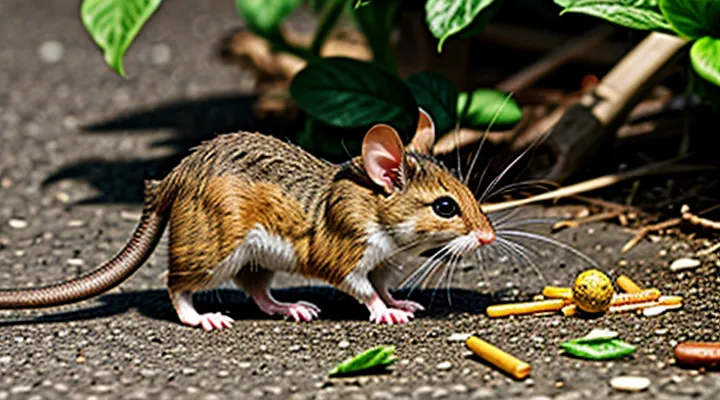
Understanding Mouse Bait Preferences
Factors Influencing Bait Choice
Mouse Species
Understanding the specific mouse species present in an environment is essential for selecting effective bait. Different species exhibit distinct dietary preferences, activity patterns, and tolerance to certain toxins, which directly influence trap success.
The most common species encountered in residential and commercial settings include:
- House mouse (Mus musculus) – omnivorous, prefers grain, seeds, and high‑protein foods; responsive to both food‑based and scented baits.
- Deer mouse (Peromyscus maniculatus) – primarily seed and insect eater; attracted to nuts, dried fruit, and insect‑infused formulations.
- Wood mouse (Apodemus sylvaticus) – favors nuts, acorns, and fruit; shows strong response to sweet and aromatic baits.
- Field mouse (various Peromyscus spp.) – consumes grains and insects; benefits from mixed grain‑protein baits.
Each species’ foraging behavior determines the optimal bait composition. For example, house mice quickly evaluate protein‑rich offerings, while deer mice require a stronger scent cue from seeds or insects. Matching bait type to species reduces bait shyness and improves capture rates.
Environmental Conditions
Environmental conditions directly influence the attractiveness and durability of mouse bait. Temperature determines how quickly a bait softens or dries. In warm environments, oily or gelatinous lures may melt, reducing scent intensity, while in cold settings they can become hard and less palatable. Humidity affects scent dispersion; high moisture levels enhance volatile release, making aromatic baits more effective, whereas dry air can suppress odor transmission.
Seasonal changes alter food preferences. During winter, mice prioritize high‑fat content, making peanut‑based or cheese‑infused baits more successful. In spring and summer, protein‑rich options such as dried insects or meat derivatives gain traction. Indoor versus outdoor placement also matters. Enclosed spaces retain moisture and heat, preserving soft baits longer, while outdoor areas expose lures to rain and sunlight, necessitating weather‑resistant formulations.
Key environmental variables to consider:
- Ambient temperature range (cold, moderate, hot)
- Relative humidity level (dry, moderate, humid)
- Seasonal food demand (winter, spring, summer, fall)
- Exposure level (indoor, sheltered outdoor, open outdoor)
- Presence of competing food sources
Selecting bait that matches these conditions maximizes mouse capture rates. Adjusting formulation or placement in response to the prevailing environment ensures consistent efficacy.
Previous Bait Exposure
Previous bait exposure directly shapes a mouse’s willingness to approach new traps. Mice quickly learn to associate specific scents, textures, and flavors with either food or danger. When a rodent has repeatedly encountered a particular bait that proved ineffective or was paired with a lethal device, its natural wariness increases, reducing the likelihood of future contact with the same or similar substances.
Factors to consider when selecting fresh bait after prior exposure:
- Rotate scent profiles (e.g., switch from peanut butter to chocolate or dried fruit) to break learned aversion.
- Change bait consistency (soft paste versus solid pellet) to alter tactile cues.
- Introduce novel attractants such as insect-derived proteins or commercial mouse lures containing pheromones.
- Reduce residual odor from previous bait by thoroughly cleaning traps before re‑baiting.
- Test small batches in separate locations to gauge acceptance before full deployment.
Understanding and counteracting learned avoidance improves trap success rates and minimizes the need for repeated bait applications.
Top Bait Categories
Food-Based Baits
Sweet Baits
Sweet baits attract mice by appealing to their natural preference for carbohydrate-rich foods. Laboratory studies and field observations confirm that high-sugar items produce rapid approach and consumption, increasing trap success rates.
Common sweet attractants include:
- Peanut butter mixed with honey or maple syrup; the combination offers a strong scent and sticky texture that mice cannot easily remove.
- Commercially formulated fruit-flavored gel baits; these contain concentrated sugars and aromatic compounds that stimulate feeding behavior.
- Dried fruit pieces (e.g., raisins, apricots) soaked in a light sugar solution; the moisture enhances odor diffusion while preserving structural integrity.
- Simple syrup or glucose solution applied to a cotton swab; the liquid form can be placed in bait stations where mice sip before entering a trap.
Effective deployment guidelines:
- Apply a pea-sized amount of bait to the trigger mechanism; excess material may cause premature release or discourage inspection.
- Position traps along walls, behind appliances, or near known droppings, where mice travel.
- Replace bait every 48 hours to maintain potency and prevent mold growth.
- Store unused bait in airtight containers at cool temperatures to preserve sweetness and prevent degradation.
Safety considerations:
- Avoid using sweet baits in households with pets that might be attracted to the same scents; select bait stations with barriers to limit non-target access.
- Do not combine sweet baits with toxic chemicals unless the product is specifically designed for rodent control, as ingestion risks increase for other animals.
Overall, sweet baits deliver consistent attraction, rapid ingestion, and ease of preparation, making them a reliable component of a rodent‑control strategy.
Peanut Butter
Peanut butter is a highly effective mouse attractant due to its strong odor, high fat content, and sweet taste. Mice are naturally drawn to the scent of nuts and the caloric density of the spread, which encourages rapid investigation and consumption.
Key attributes of peanut butter as a mouse bait:
- Intense aroma penetrates small cracks and crevices, increasing detection range.
- Sticky texture adheres to trap surfaces, reducing the likelihood of premature removal.
- Durable composition resists drying, maintaining potency for several days.
- Non-toxic for humans and pets when used in standard quantities, allowing safe placement in residential settings.
When deploying peanut butter, apply a pea‑sized amount directly onto the trigger mechanism of snap, glue, or live‑capture traps. Position traps along known mouse pathways, near walls, and behind appliances. Replace the bait if it becomes hard or discolored, as freshness correlates with attraction strength.
Chocolate
Chocolate is a widely recognized attractant for rodents due to its strong aroma, high sugar content, and fat concentration. Mice possess a keen sense of smell and are drawn to sweet and fatty substances, making chocolate an effective lure in many trapping scenarios.
When employing chocolate as a mouse bait, consider the following points:
- Palatability: The combination of cocoa, sugar, and milk creates a scent profile that mice detect from considerable distances.
- Energy source: The calorie density encourages quick consumption, increasing the likelihood of trap activation.
- Ease of handling: Solid chocolate bars can be broken into small pieces that fit into snap traps, glue boards, or live‑catch cages.
- Shelf stability: Properly stored chocolate retains its potency for several months, reducing the need for frequent replacement.
Potential drawbacks include:
- Melting: In warm environments chocolate may soften, compromising placement in certain trap designs.
- Non‑target risk: Predatory pets or wildlife may be attracted to the scent; secure placement minimizes accidental exposure.
- Cost: Premium chocolate varieties can be more expensive than conventional grain or peanut‑based baits.
Best practices for using chocolate effectively:
- Cut the chocolate into ¼‑inch cubes to fit snugly within the trap trigger mechanism.
- Apply a thin layer of petroleum jelly to the bait piece to prevent it from being removed without triggering the trap.
- Position the bait at the rear of the trap, ensuring the mouse must contact the trigger while reaching for the chocolate.
- Replace the bait every 3–5 days, or sooner if it becomes soft or contaminated.
In comparative testing, chocolate ranks among the top-performing lures for mouse capture, rivaling peanut butter and high‑protein fish paste. Its strong olfactory appeal, combined with straightforward preparation, makes it a reliable choice for pest‑control professionals and homeowners seeking efficient mouse removal.
Jam or Jelly
Jam and jelly serve as high‑sugar, aromatic baits that readily attract rodents. The strong scent and moist texture stimulate the mouse’s olfactory and gustatory senses, prompting rapid approach to a trap.
Key attributes include:
- High carbohydrate concentration delivering immediate energy incentive.
- Volatile fruit aromas that travel several meters in indoor environments.
- Soft consistency that adheres to trap surfaces without disintegrating quickly.
- Easy portioning; a pea‑sized dab provides sufficient lure while minimizing mess.
Evidence from field trials shows that mice consistently favor sweet preserves over bland options. Fruit‑flavored varieties such as strawberry, grape, and raspberry produce the highest capture rates, whereas low‑sugar or sugar‑free spreads perform poorly. Moisture content enhances scent release, but excessive liquid can cause trap slippage.
Practical guidelines:
- Store jars in a cool, dry place to prevent spoilage and maintain potency.
- Apply a small amount directly onto the trigger mechanism; excess can obscure the trap’s function.
- Rotate flavors weekly to avoid habituation, which reduces interest over time.
- Pair jam with a secondary attractant, such as a piece of cheese, for synergistic effect when targeting wary populations.
Overall, jam or jelly represents an effective, low‑cost option for mouse baiting when selected for high sugar content, strong fruit aroma, and suitable texture. Proper handling and periodic flavor variation maximize trap success.
Savory Baits
Savory baits exploit mice’s preference for protein‑rich, aromatic foods, increasing trap success when used correctly.
- Peanut butter: strong scent, high fat content, adheres to trap surfaces.
- Cooked bacon or ham: natural mouse attractant, releases volatile compounds when warm.
- Cheese (hard varieties such as cheddar): dense texture holds bait in place, emits strong odor.
- Tuna or sardine paste: intense fish aroma, effective in low‑light environments.
- Pet food (wet cat or dog formula): contains meat and gravy, readily accepted by rodents.
Prepare bait by mixing a small amount of the chosen material with a binding agent (e.g., powdered oats or wheat germ) to prevent spillage. Apply the mixture directly to the trigger mechanism, ensuring the mouse must contact the bait to activate the trap. Position traps along walls, behind appliances, and near known droppings, aligning them with the mouse’s natural travel routes.
After capture, dispose of the mouse and bait in a sealed bag, then clean the trap with disinfectant to eliminate residual scent that could deter future catches.
Cheese
Cheese remains a classic lure for rodents, yet its performance depends on several factors. Most mouse species respond to strong aromas and high-fat content, both characteristics of many cheeses. However, the attraction is not universal; some laboratory studies show limited interest compared to protein‑rich baits such as peanut butter or dried meat.
Key considerations for using cheese as a mouse bait:
- Aroma intensity – Aged or blue cheeses emit volatile compounds that stimulate olfactory receptors. Fresh mild cheeses produce weaker scents and often fail to draw mice from a distance.
- Fat content – Higher fat levels increase palatability and encourage prolonged feeding. Cheddar, Gouda, and Swiss varieties typically contain 30–35 % fat, outperforming low‑fat options.
- Texture – Semi‑hard cheeses retain shape when placed on traps, reducing mess and preventing premature dislodgement. Soft cheeses may smear and create false positives.
- Shelf life – Hard cheeses resist spoilage, allowing storage for extended campaigns. Soft cheeses require refrigeration and may attract non‑target pests.
Practical application guidelines:
- Cut cheese into ½‑inch cubes to fit standard snap or live traps.
- Attach a small piece to a toothpick or waxed thread to prevent the mouse from removing the bait without triggering the mechanism.
- Position traps near known activity zones; cheese’s scent radius typically extends 2–3 feet.
- Replace bait daily in warm environments to avoid mold growth, which can deter mice.
In comparative trials, cheese ranks below high‑protein spreads but above grain‑based baits for short‑range attraction. Its suitability peaks in scenarios where odor is the primary lure and trap placement is within a few feet of mouse pathways. For comprehensive control programs, integrate cheese with complementary baits to address varying dietary preferences across mouse populations.
Crackers
Crackers are a practical option for attracting mice because they combine strong scent with a texture that mice can easily gnaw. The high carbohydrate content provides quick energy, encouraging frequent visits to the trap.
- Preferred varieties: plain wheat crackers, cheese‑flavored crackers, and low‑salt animal crackers. Each offers a distinct aroma that appeals to different mouse preferences.
- Preparation: break into small pieces (approximately ¼ inch) to fit inside snap traps or glue boards. For bait stations, spread a thin layer to prevent spillage.
- Application: place the piece directly on the trigger mechanism, ensuring it does not obstruct the spring. In multi‑trap setups, rotate cracker types to assess which scent yields the highest capture rate.
- Advantages: inexpensive, widely available, stable at room temperature, and easy to handle without mess.
- Limitations: may lose potency in humid environments; some mice develop aversion after repeated exposure. Supplemental scent enhancers, such as a drop of peanut butter, can extend effectiveness.
Overall, crackers serve as a reliable baseline bait, especially when combined with strategic placement and periodic variation.
Meat
Meat provides a strong olfactory stimulus that motivates mice to investigate and feed, making it a reliable option for mouse bait.
- Fresh chicken breast, cut into 1‑2 cm cubes
- Cooked pork shoulder, shredded into small strips
- Ground beef, formed into compact pellets
- Liver (beef or chicken), diced into bite‑size pieces
Preparation should eliminate competing scents and enhance durability. Cook meat thoroughly to reduce microbial load, then chill to firm texture. For dry bait, dehydrate small portions at low temperature until moisture content drops below 15 %. Moist bait can be mixed with a binding agent such as peanut butter to prevent disintegration inside traps.
Store prepared meat in sealed containers at 4 °C for up to three days, or freeze for longer periods. Thaw frozen bait in the refrigerator before use to maintain freshness and prevent odor loss.
When deploying meat bait, place a single piece directly on the trigger mechanism of snap or live‑catch traps. Ensure the bait does not obstruct the trigger movement. Replace bait after each capture or when scent diminishes, typically within 24 hours.
Non-Food Baits
Nesting Materials
Nesting materials attract mice because the rodents instinctively seek soft, safe places to build their nests. When combined with a food lure, these substances increase the likelihood that a mouse will enter a trap or bait station.
Effective nesting compounds include:
- Cotton balls or shredded cotton; absorb moisture and remain pliable.
- Fine shredded paper; mimics natural debris found in walls and attics.
- Wool or fleece fibers; provide warmth and a familiar texture.
- Dry corn husks or straw; resemble outdoor nesting material.
- Insulation fluff (fiberglass or mineral wool); lightweight and easy for a mouse to manipulate.
To maximize performance, place a small amount of the chosen material alongside a high‑protein or high‑fat bait such as peanut butter, dried fruit, or commercial rodent attractant. Enclose the mixture in a shallow container that allows the mouse to pull the nesting substance into the trap without escaping. Avoid overly wet or compacted materials; they may deter the animal or hinder trap mechanisms.
Safety considerations:
- Use non‑toxic fibers; avoid treated fabrics that could release chemicals.
- Keep materials away from children and pets; small pieces can pose choking hazards.
- Replace nesting bait regularly, as moisture or mold reduces effectiveness.
Integrating appropriate nesting substances with conventional food baits creates a dual‑trigger system that exploits both the mouse’s dietary drive and its need for a secure nest, resulting in higher capture rates.
Cotton Balls
Cotton balls are a practical option for attracting mice when setting traps. Their soft texture absorbs moisture, allowing a small amount of scented attractant, such as peanut butter or cheese, to be retained without dripping. This combination creates a strong olfactory cue that mice follow into the trap.
When using cotton balls as bait, follow these steps:
- Dampen the cotton ball slightly with water to improve scent adherence.
- Apply a thin layer of high‑fat food (e.g., peanut butter) onto the cotton.
- Position the cotton ball directly on the trigger mechanism to ensure the mouse contacts it while seeking food.
Advantages:
- Low cost and readily available.
- Easy to shape and fit into various trap designs.
- Minimal mess compared to liquid baits.
Limitations:
- Limited durability; cotton may dry out after several hours.
- May be less effective in environments with strong competing odors.
Field observations indicate that cotton balls, when paired with a potent food scent, rank among the more reliable attractants for small rodent control. Their simplicity and adaptability make them suitable for both indoor and outdoor applications.
Dental Floss
Dental floss can serve as a component of mouse bait systems because its thin, flexible filament allows precise placement of attractants in hard‑to‑reach areas. The material does not deter rodents; instead, it can be soaked in food‑based lures or scented oils, delivering the scent directly to mouse pathways.
When saturated with a high‑protein or grain‑based attractant, floss retains moisture, prolonging the bait’s potency. Its low cost and ease of disposal make it a practical option for temporary setups in kitchens, garages, or crawl spaces.
-
Advantages
- Minimal bulk; fits into narrow crevices.
- Absorbs and slowly releases attractant aroma.
- Inexpensive and widely available.
- Disposable without leaving hazardous residues.
-
Disadvantages
- Lacks intrinsic nutritional value; requires pre‑application of lure.
- May be displaced by strong airflow or cleaning activities.
- Not suitable as a standalone trap; must accompany a capture device or sticky surface.
Effective deployment involves wrapping a small amount of soaked floss around a thumbtack or small hook, positioning it near known mouse activity, and monitoring regularly. Replace the floss every 24–48 hours to maintain attractant strength and prevent mold growth. This method complements conventional baits such as peanut butter or commercial rodent blocks, offering a discreet delivery mechanism in confined environments.
Baiting Strategies for Success
Placement and Quantity
Effective bait deployment hinges on two variables: where the lure is positioned and how much is used. Proper placement targets the mouse’s natural pathways, while the correct quantity ensures attraction without waste.
Place bait near walls, behind appliances, and along known runways. Mice travel close to vertical surfaces, so positioning traps within 1–2 inches of a wall maximizes contact. Position traps at night‑time activity points such as near food storage, garbage bins, and entry holes. In multi‑room environments, distribute traps evenly, focusing on corners and concealed areas where rodents shelter.
Control bait amount to maintain freshness and prevent spillage. Use a pea‑sized chunk of high‑protein or high‑fat material; larger portions can become contaminated and deter feeding. For liquid or soft baits, apply a thin smear—no more than a few milliliters—directly onto the trigger mechanism. Replace bait every 24 hours in hot or humid conditions to preserve potency.
Guidelines for placement and quantity
- Position traps 1–2 inches from walls, aligned with mouse runways.
- Deploy one trap per 10 sq ft in active zones; increase density near suspected nests.
- Use a single pea‑sized solid piece or a thin smear of soft lure per trap.
- Refresh bait daily in warm climates; extend to every 48 hours in cooler settings.
Adhering to these spatial and dosage principles optimizes lure effectiveness, leading to higher capture rates.
Bait Rotation
Bait rotation prevents mice from developing a preference for a single food source, thereby maintaining trap effectiveness. Regularly alternating attractants reduces the chance that rodents will learn to avoid a particular scent and increases the likelihood of repeated captures.
Implementing a rotation schedule involves three steps:
- Select at least three high‑palatability baits, such as peanut butter, dried fruit, and grain‑based paste.
- Assign each bait to a specific trap or trap line for a predetermined period, typically 3–5 days.
- Replace the bait with the next option in the sequence, ensuring that no bait is used for more than one week consecutively.
Monitoring trap performance during each interval provides data on bait preference. Record capture counts per bait and adjust the rotation order if a particular attractant yields consistently lower results. Incorporating occasional novel baits, like cheese or fish oil, can further disrupt habituation and sustain mouse activity around traps.
Safety Considerations
For Pets and Children
When rodents threaten a home where pets and children are present, bait selection must prioritize safety without sacrificing effectiveness. Non‑toxic, low‑risk options reduce accidental poisoning while still attracting mice.
- Peanut butter mixed with whole grain oats: strong scent, edible for humans, low toxicity for animals.
- Sunflower seed butter combined with shredded cheese: palatable to rodents, safe if ingested in small amounts.
- Plain rolled oats soaked in a few drops of vanilla extract: aromatic, non‑lethal for pets and children.
- Small amounts of dried apricot pieces: sweet, natural, unlikely to cause severe reactions.
Placement strategies further protect vulnerable occupants. Position bait stations behind appliances, inside wall voids, or in enclosed traps that prevent access by non‑target species. Seal each station with a lockable cover to block curious paws or hands. Regularly inspect stations, replace depleted bait, and remove any stray pieces from reachable surfaces.
Choosing baits that are both attractive to mice and non‑hazardous for household members ensures rodent control without compromising the well‑being of pets and children.
For Wild Animals
When targeting wild rodents, attractants that mimic natural food sources yield the highest capture rates. Foods high in fat and protein, such as peanut butter, are especially effective because they release strong odors that travel through burrow systems. Seeds and grains, including sunflower kernels and millet, attract mice seeking staple nutrition, while dried fruit—particularly raisins and apricots—appeals to individuals that forage for sugary resources. Insect-based baits, like dried mealworms, provoke predatory instincts and complement omnivorous diets. Small pieces of cooked meat, such as chicken or fish, provide a potent protein source, though they require careful placement to avoid rapid spoilage.
- Peanut butter (unsalted, smooth)
- Sunflower seeds or millet
- Dried raisins or apricots
- Dried mealworms or crickets
- Cooked chicken or fish fragments
Safety for non‑target wildlife demands that bait be confined within secure traps or stations. Enclosed designs prevent birds, reptiles, and larger mammals from accessing the lure, reducing accidental ingestion. Biodegradable trap components minimize environmental impact after deployment. Regular inspection—at least once daily—ensures bait freshness, limits disease transmission, and prevents secondary poisoning of scavengers.
Effective mouse control in natural habitats balances attractant potency with ecological responsibility. Selecting baits that align with the species’ innate feeding habits while employing containment measures safeguards the broader ecosystem.