
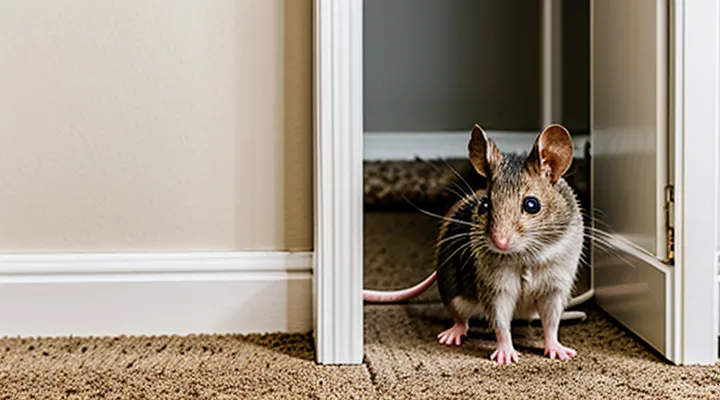
Understanding the Mouse Problem
Signs of Infestation
Droppings and Urine Smells
Droppings and urine odors indicate active rodent activity and pose health hazards that require prompt professional intervention. Mouse feces are small, dark, and often found near food sources, while urine leaves a lingering ammonia scent that can permeate walls, insulation, and upholstery. Both contaminants can transmit hantavirus, salmonella, and other pathogens; inhalation of dried droppings or aerosolized urine particles may cause respiratory irritation.
To address these contaminants, contact the following services:
- Licensed pest‑control companies: inspect the property, identify entry points, and implement exclusion and baiting strategies.
- Certified sanitation firms: perform thorough cleaning, disinfect surfaces, and safely dispose of contaminated materials in accordance with local health regulations.
- Municipal health department: provide guidance on reporting infestations, offer inspections, and may enforce remediation standards in rental units.
- Property‑management or landlord: responsible for arranging remediation in leased apartments; document requests in writing and retain copies of all communications.
When engaging professionals, request written confirmation of the methods used, safety data sheets for disinfectants, and a timeline for follow‑up inspections. Prompt removal of droppings and neutralization of urine odors reduces the risk of disease transmission and prevents further mouse activity.
Gnaw Marks and Damage
Mice leave characteristic gnaw marks on wood, plastic, and wiring, often visible near baseboards, cabinets, and appliance cords. Fresh bite edges appear smooth and shiny, while older marks darken and may show frayed material. Identifying these signs confirms an infestation and alerts residents to potential hazards.
Damage caused by rodents includes:
- Compromised electrical insulation, increasing fire risk.
- Breached structural wood, weakening walls and floors.
- Chewed insulation, reducing thermal efficiency.
- Torn fabric and upholstery, leading to costly replacements.
- Contaminated food storage, raising health concerns.
When gnaw marks appear, immediate action should involve specialists who can assess and remediate the problem. Reliable sources of assistance are:
- Licensed pest‑control companies with rodent‑management certifications.
- Building‑management offices that coordinate repairs and contractor access.
- Homeowners‑or‑renters insurance agents for coverage of property loss.
- Local health‑department inspectors for safety compliance and guidance.
Prompt consultation with these professionals prevents escalation, safeguards infrastructure, and restores habitability.
Scurrying Noises
Scurrying noises in walls, ceilings, or floorboards often signal the presence of mice. The sound typically occurs at night when rodents move between hiding spots and food sources. Detecting the exact location helps prioritize the next actions.
First, document the noise pattern and any visible signs such as droppings, gnaw marks, or disturbed food packaging. Then follow a structured approach to obtain professional assistance:
- Notify the property manager or landlord immediately; lease agreements usually require prompt reporting of pest issues.
- Request a licensed pest‑control service authorized by the building’s management. Certified technicians can inspect, set traps, and apply safe baits.
- Contact the local health department if the landlord fails to act; many municipalities enforce housing codes that mandate pest eradication.
- Consider a private rodent‑removal company if the infestation persists after the landlord’s intervention.
- Use reputable online directories (e.g., Angi, HomeAdvisor) to compare reviews and verify certifications before hiring independent contractors.
Throughout the process, keep written records of all communications, service reports, and invoices. These documents support any future disputes and ensure compliance with local housing regulations.
Risks Associated with Mice
Health Hazards
Mice in residential units introduce several serious health risks. They carry pathogens that can contaminate food and surfaces, leading to infections such as salmonellosis, hantavirus, and leptospirosis. Their urine and droppings contain proteins that trigger allergic reactions and asthma attacks, especially in children and the elderly. Parasites, including fleas and mites, may hitch a ride on rodents, spreading additional diseases. Persistent gnawing damages insulation and wiring, creating conditions favorable to mold growth, which further compromises indoor air quality.
Key health hazards
- Bacterial and viral infections from contaminated food and contact
- Allergic sensitization and asthma exacerbation due to urine, droppings, and dander
- Parasite transmission (fleas, mites, ticks)
- Secondary mold growth from structural damage
Addressing these hazards requires prompt professional intervention. Tenants should first inform the property manager or landlord, as many leases obligate owners to arrange pest control. If the response is inadequate, contact the local health department, which can inspect the dwelling and enforce remediation standards. Licensed exterminators provide safe, regulated eradication and can advise on sanitation measures. For disputes over responsibility, tenant‑rights organizations and legal aid services offer guidance and may intervene on behalf of occupants.
Resources for assistance
- Property management or landlord office – immediate notification and remediation request
- Municipal health department – inspection, compliance enforcement, health‑risk assessment
- Certified pest‑control firms – extermination, preventive sealing, sanitation advice
- Tenant‑rights advocacy groups – mediation, legal counsel, complaint filing
Timely engagement with these channels reduces exposure to disease, minimizes allergic reactions, and restores a safe living environment.
Property Damage
Mice infestation often leads to damage that threatens the structural integrity and habitability of a rental unit. Prompt action is essential to prevent escalation.
Landlords or property managers must be notified immediately. Their responsibilities include arranging professional extermination and assessing repairs. Documentation of the damage—photographs, written descriptions, and dates—provides a clear record for negotiations and insurance claims.
Tenants should also consider the following resources:
- Certified pest‑control companies: Verify licensing and request a written estimate that outlines treatment methods and follow‑up inspections.
- Homeowners or renters insurance providers: Report the incident, submit the damage inventory, and inquire about coverage for rodent‑related losses.
- Local health department: File a complaint if the infestation poses a public‑health hazard; the agency may conduct inspections and enforce remediation standards.
- Consumer protection agencies: Seek guidance on tenant rights and dispute resolution if the landlord fails to address repairs promptly.
When contacting any service, provide concise details: the extent of gnawing on wiring, insulation, cabinetry, or flooring; any signs of contamination such as droppings or urine stains; and the timeline of discovery. Clear communication accelerates response and minimizes further property degradation.
Immediate Actions and DIY Solutions
Trapping Methods
Snap Traps
Snap traps provide immediate, mechanical control of rodents in a dwelling. They are sold by hardware outlets, online marketplaces, professional pest‑control firms, and some community assistance programs.
- Large home‑improvement chains (e.g., Home Depot, Lowe’s) stock a range of models, from plastic to wooden designs.
- Online retailers (Amazon, Walmart.com) offer bulk packages and specialty bait options with rapid delivery.
- Licensed exterminators often keep snap traps for client use and can supply them during a service visit.
- Local housing authorities or tenant‑association resource centers may distribute traps at low or no cost for residents facing infestations.
When choosing a trap, prioritize a size that matches the target mouse, a secure spring mechanism, and a cover that protects non‑target occupants. Select bait that attracts mice—peanut butter, chocolate, or dried fruit—applied to the trigger platform.
Place traps along walls, behind appliances, and near suspected entry points. Position them perpendicular to the wall, with the trigger end facing the anticipated travel path. Check traps daily; dispose of captured rodents in sealed bags and replace bait as needed.
After eliminating visible activity, re‑inspect the apartment for signs of new entry. If recurrences appear, combine snap‑trap use with sealing of gaps, sanitation improvements, and consultation with a certified pest‑control provider for comprehensive management.
Live Traps
Live traps provide a humane option for residents dealing with mouse activity in a dwelling. These devices capture rodents without killing them, allowing for release away from the building. Proper use maximizes effectiveness and minimizes risk of repeated incursions.
When selecting a trap, consider size, material, and trigger mechanism. A standard wooden or plastic cage with a spring‑loaded door works for most house mice. Models equipped with a clear lid enable quick visual confirmation of capture.
To set a live trap correctly:
- Place bait—peanut butter, cheese, or dried fruit—on the trigger plate.
- Position the trap along walls, behind appliances, or near known droppings, as mice travel close to baseboards.
- Check the trap at least twice daily; prolonged confinement can cause stress or injury to the animal.
- Release captured mice at least one mile from the residence, preferably in a wooded or field area where they cannot return.
If personal effort does not resolve the problem, contact local pest‑control services that specialize in humane removal. Many municipal health departments also maintain hotlines for advice on trap placement and legal release distances. Professional technicians can inspect the property, identify entry points, and advise on exclusion measures that complement live‑trap use.
Glue Traps
Glue traps provide a rapid, low‑cost solution for apartment mouse infestations. They consist of a flat board coated with a strong adhesive that immobilizes rodents upon contact, allowing for immediate identification of activity zones.
The traps function best when positioned along established runways: behind appliances, near wall gaps, and in concealed corners. A single trap can capture several mice, but placement must be strategic to avoid accidental captures of non‑target species.
Pros
- Immediate visual confirmation of capture.
- No chemical residues left in the living space.
- Inexpensive and widely available.
Cons
- Captured rodents remain alive for an indeterminate period, raising humane concerns.
- Adhesive may adhere to pets, children, or household items if misused.
- Disposal requires careful handling to prevent secondary injuries.
Typical acquisition points
- Home‑improvement chains (e.g., Home Depot, Lowe’s)
- Pharmacy outlets (e.g., CVS, Walgreens)
- Online marketplaces (Amazon, eBay)
- Local pest‑control firms that sell consumer‑grade products
When a mouse problem persists despite trap usage, professional assistance becomes necessary. Licensed exterminators can assess structural entry points, recommend integrated pest‑management strategies, and ensure compliance with municipal regulations. Tenants may also contact building management, community housing offices, or public health departments for guidance on safe extermination practices and liability issues.
Safety measures include:
- Placing traps out of reach of children and pets, preferably inside sealed containers with small entry slots.
- Wearing disposable gloves during handling and disposal.
- Securing traps in a sealed bag before discarding in the trash.
- Verifying local ordinances, as some jurisdictions restrict the sale or use of adhesive traps for ethical or environmental reasons.
Repellents
Natural Repellents
Natural repellents provide an immediate, low‑cost option for tenants confronting rodent activity. Commonly available substances include peppermint oil, which rodents find irritating; crushed dried mint leaves placed near entry points; and a solution of water mixed with vinegar sprayed on surfaces. Cedar shavings, placed in cabinets or closets, emit a scent that deters mice without chemicals. A mixture of cayenne pepper and powdered garlic, sprinkled around holes and along baseboards, creates an environment mice avoid. These methods require regular renewal—typically every few days for oils and weekly for solid materials—to maintain effectiveness.
When natural measures prove insufficient, tenants should consult additional resources. Contact the building’s management to verify whether pest‑control services are covered by the lease. If the landlord does not provide assistance, local health‑department hotlines can direct residents to licensed exterminators who specialize in humane, environmentally friendly treatments. Community forums and neighborhood associations often share recommendations for reputable providers who respect natural‑repellent preferences. In cases where the infestation threatens health or safety, municipal pest‑control agencies may intervene under housing‑code regulations.
Combining DIY natural repellents with professional guidance maximizes the likelihood of a swift resolution while minimizing chemical exposure. Regular inspection of potential entry points, prompt reporting to property managers, and adherence to recommended application schedules create a comprehensive strategy for managing mouse presence in an apartment.
Electronic Repellents
Electronic repellents emit ultrasonic or electromagnetic frequencies intended to disrupt rodent behavior. The devices plug into standard outlets, require no chemicals, and operate continuously while powered.
When mice infest an apartment, electronic deterrents can be considered alongside professional pest‑control services, property‑management assistance, and local health‑department resources. Their primary advantages include silent operation, zero‑maintenance after installation, and compliance with rental‑agreement restrictions on toxic substances.
Effectiveness varies with species, layout, and interference from furniture or walls. Studies indicate limited impact on established colonies; devices are most successful in preventing new entries. Placement should cover high‑traffic zones such as kitchens, pantry shelves, and entry points behind appliances. Overlapping coverage zones improve signal reach.
Key points for acquiring and using electronic repellents
- Purchase from reputable hardware chains, home‑improvement stores, or certified online retailers.
- Verify that the product carries a CE, FCC, or equivalent certification, confirming compliance with safety standards.
- Request a warranty of at least one year; reputable brands provide technical support for malfunctioning units.
- Consult the building’s management office to ensure that the device does not conflict with existing electrical systems.
- Retain the receipt and model information when contacting a pest‑control professional for supplemental treatment, as they may recommend specific brands.
Electronic repellents should complement, not replace, comprehensive rodent‑management strategies that include sealing entry points, proper food storage, and regular sanitation. Combining these measures with professional advice yields the most reliable resolution to mouse activity in an apartment.
Sealing Entry Points
Identifying Gaps
Identifying gaps is essential for effective resolution when rodents infiltrate a residential unit. First, assess the information available to tenants. Frequently, lease agreements omit explicit clauses about pest control responsibilities, leaving occupants uncertain about who should initiate remediation. This omission creates a procedural gap that can delay action.
Second, evaluate local service options. Many neighborhoods lack licensed exterminators within a reasonable distance, forcing residents to rely on unverified providers. The absence of a vetted directory constitutes a market gap, increasing the risk of ineffective treatment.
Third, examine municipal support structures. City health departments often provide limited guidance, typically confined to generic sanitation advice. The scarcity of detailed response protocols for mouse sightings represents an institutional gap that hampers timely intervention.
Fourth, review insurance coverage. Standard renter policies rarely include pest‑related claims, and policy language seldom clarifies exclusions. This financial gap may leave tenants bearing the full cost of eradication.
Fifth, consider follow‑up mechanisms. After initial treatment, many tenants receive no systematic verification of success, leading to recurring infestations. The lack of a monitoring framework is a critical operational gap.
Addressing these deficiencies involves:
- Requesting explicit pest‑control clauses in lease negotiations.
- Compiling a verified list of nearby certified exterminators.
- Contacting local health officials to obtain detailed response guidelines.
- Consulting insurance agents about supplemental coverage for rodent control.
- Establishing a post‑treatment inspection schedule with the chosen service provider.
By systematically recognizing and bridging these gaps, occupants can secure prompt, accountable assistance and reduce the likelihood of persistent mouse activity.
Materials for Sealing
Sealing entry points eliminates the most common route rodents use to invade living spaces. Selecting the right material ensures durability and prevents future breaches.
- Steel wool (grade # 000) – compresses into gaps, resists gnawing.
- Copper mesh – flexible, withstands chewing, suitable for irregular openings.
- Expanding polyurethane foam – fills larger voids, hardens to a solid barrier.
- Acrylic or silicone caulk – seals cracks around windows, pipes, and baseboards.
- Sheet metal flashing – covers larger holes in walls or vents, secured with screws.
- Rodent‑proof cement or mortar – repairs damaged masonry, creates a hard, chew‑resistant surface.
Materials are available at:
- Local hardware or home‑improvement stores; staff can advise on appropriate gauges and sizes.
- Specialty pest‑control suppliers; often carry pre‑cut steel wool pads and reinforced mesh.
- Online marketplaces; provide bulk options and product specifications.
- Apartment management offices; may maintain an inventory for maintenance requests.
Professional pest‑control firms frequently include sealing in their service packages. They assess entry points, apply the most effective material, and verify the integrity of the seal. Contacting a licensed exterminator guarantees compliance with local housing regulations and offers a warranty on the work performed.
Professional Pest Control Services
When to Call an Exterminator
Severe Infestations
Severe mouse infestations demand immediate, professional intervention to protect health, property, and safety.
- Contact the building’s management or landlord first; they are typically responsible for structural repairs and may have contracts with licensed exterminators.
- Hire a certified pest‑control company that offers integrated pest‑management (IPM) services, guaranteeing thorough inspection, bait placement, and follow‑up treatments.
- Notify the local health department; many municipalities require pest problems to meet sanitation standards and can issue citations or provide guidance.
- Reach out to tenant‑rights organizations; they can advise on legal obligations, assist with documentation, and help negotiate remediation timelines.
- Consult a housing attorney if the landlord fails to act promptly; legal counsel can enforce compliance through written notices or court action.
Prompt coordination among these resources prevents further damage, reduces disease risk, and restores a livable environment.
Recurring Problems
Mice infestations often reappear because initial measures fail to address underlying conditions. Food remnants left unsecured, gaps around pipes, and cluttered storage create continuous attractants. Even after a professional treatment, rodents can exploit unnoticed entry points, leading to repeated sightings.
Common recurring issues include:
- Persistent food sources: crumbs, pet food, and improperly sealed containers.
- Structural vulnerabilities: cracks in walls, open vents, and unsealed utility openings.
- Inadequate sanitation: standing water, overflowing trash, and dirty dishware.
- Insufficient monitoring: lack of traps or inspection schedules after treatment.
To break the cycle, residents should contact the following resources:
- Building management or landlord: request a comprehensive inspection and repair of structural defects, enforce strict waste‑management policies, and ensure regular pest‑control contracts.
- Certified pest‑control firms: demand a follow‑up service plan that includes sealing entry points, placement of monitoring devices, and documentation of actions taken.
- Local health department: file a complaint if the landlord does not remediate hazards; the agency can conduct inspections and enforce housing codes.
- Tenant‑rights organizations: obtain guidance on legal obligations of landlords and assistance with dispute resolution if remediation is ignored.
Implementing a systematic approach—eliminating food attractants, repairing openings, and maintaining ongoing monitoring—prevents the same problem from resurfacing and reduces the need for repeated external assistance.
Ineffective DIY Attempts
Mice sightings often trigger a rush to self‑help solutions, yet many of those methods fail to reduce the problem. Simple traps placed without strategic positioning, ultrasonic devices that emit frequencies beyond the rodents’ hearing range, and homemade poison stations using food scraps typically produce limited results. Traps left in open areas allow mice to avoid them; ultrasonic emitters lose efficacy through walls and furniture; improvised poisons lack the dosage control required for reliable lethality and may pose safety hazards to residents and pets.
Ineffective interventions prolong infestation, increase the likelihood of structural damage, and elevate the risk of disease transmission. Repeated attempts that do not eradicate the colony often encourage mice to expand their activity, making subsequent control efforts more difficult and costly.
When DIY measures prove inadequate, the next step is to engage qualified assistance. Options include:
- Contacting the building’s management or landlord, who may have contracts with licensed pest‑control providers.
- Hiring a certified exterminator who can conduct thorough inspections, identify entry points, and apply approved eradication techniques.
- Consulting local health or housing authorities for guidance on mandatory pest‑control standards and possible subsidies.
- Seeking referrals from trusted neighbors who have successfully resolved similar issues.
Professional services combine expertise, appropriate equipment, and regulatory compliance, delivering a definitive resolution that ad‑hoc home remedies cannot achieve.
What to Expect from Professionals
Inspection Process
When rodents are detected in a rental unit, an organized inspection determines the appropriate source of assistance and the required remediation steps.
The inspection begins with a visual survey of all rooms, focusing on areas where mice are most likely to travel. Inspectors examine:
- Kitchen cabinets, pantry shelves, and behind appliances for gnaw marks, droppings, or shredded food packaging.
- Baseboards, wall voids, and ceiling corners for fresh gnaw holes or nesting material.
- Utility penetrations such as pipe sleeves, electrical conduits, and vent openings for gaps larger than ¼ inch.
- Exterior walls and windows for signs of entry, including weather‑stripping damage or cracked caulking.
Documentation of findings includes photographs, measurements of entry points, and a count of droppings or gnaw marks. This record supports the request for professional intervention and informs the landlord or property manager of the severity.
After the survey, the inspector contacts the responsible party:
- If the lease specifies that the landlord handles pest control, the tenant forwards the inspection report and requests immediate service.
- If the lease places responsibility on the tenant, the report guides the selection of a licensed exterminator, ensuring compliance with local health regulations.
- For situations where the building’s management refuses action, the tenant may present the documented evidence to a municipal housing authority or health department to trigger an official inspection.
The final stage involves sealing identified entry points. Recommended actions include:
- Installing steel wool or copper mesh in small gaps, then covering with caulk or expanding foam.
- Replacing damaged weather‑stripping around doors and windows.
- Repairing cracks in walls or foundation with appropriate mortar.
A thorough inspection, precise documentation, and clear communication with the responsible party streamline the process of obtaining effective rodent control for an apartment.
Treatment Options
When mice invade a living space, effective treatment begins with a clear understanding of available methods. Choosing the right approach depends on the severity of the problem, the building’s layout, and any health or safety regulations that apply.
Common options include:
- Snap traps – inexpensive, quick‑acting devices that kill rodents instantly. Placement near walls and known pathways maximizes success.
- Live‑catch traps – allow removal of mice without killing them. Requires prompt release far from the residence to prevent re‑entry.
- Bait stations – contain anticoagulant or non‑anticoagulant poison, sealed to protect children and pets. Regular monitoring and proper disposal of dead rodents are essential.
- Electronic traps – deliver a lethal shock, offering a humane and clean alternative to snap traps.
- Seal entry points – caulking, steel wool, or metal mesh block holes, cracks, and gaps that serve as access routes. This preventive step reduces future infestations.
- Professional extermination – licensed pest‑control firms apply integrated pest‑management (IPM) techniques, combining chemical treatments, trapping, and structural repairs. Their expertise ensures compliance with local regulations.
- Rodent‑proofing services – specialists assess the property, recommend modifications, and install barriers such as door sweeps and vent covers.
Where to obtain assistance:
- Local pest‑control companies, listed in regional business directories, provide on‑site evaluation and treatment plans.
- Municipal health or housing departments often maintain hotline numbers for reporting rodent sightings and can dispatch inspection teams.
- Tenancy advocacy groups may offer guidance on landlord responsibilities and legal recourse if the problem persists.
- Home‑improvement retailers sell traps, baits, and sealing materials, and many staff members can advise on appropriate products.
- Online platforms dedicated to pest management host forums where experienced users share proven tactics and product reviews.
Selecting a combination of these treatments, supported by qualified resources, yields the most reliable resolution to mouse activity in an apartment setting.
Prevention Strategies
Mouse activity in a dwelling signals a breach in sanitation or structural integrity. Addressing the issue before it escalates requires systematic prevention.
- Inspect walls, floors, and ceilings for gaps; apply steel wool, caulk, or expanding foam to block openings.
- Store pantry items in sealed containers; keep countertops free of crumbs.
- Dispose of food waste daily in tightly fitting bins; clean spills promptly.
- Reduce clutter that offers hiding places; maintain open floor space.
- Keep humidity below 50 % with dehumidifiers or proper ventilation; damp environments attract rodents.
- Install door sweeps and weather stripping to eliminate entry points at entryways.
- Use snap traps or electronic devices in monitored zones; replace bait regularly.
- Schedule quarterly inspections with a licensed pest‑control provider; request a written prevention plan.
When professional assistance becomes necessary, contact the property manager for building‑wide measures, engage a certified exterminator recognized by local health authorities, or consult the municipal housing department for resources on tenant‑right protections. Select providers with documented licenses, insurance, and positive compliance records.
Community and Building Management
Apartment Complex Policies
Reporting Procedures
When mice are discovered in a rental dwelling, the first step is to notify the property manager or landlord in writing. Include the date of observation, specific locations, and any damage noted. Keep a copy of the correspondence for future reference.
Next, contact a licensed pest‑control service. Request a written estimate and confirmation that the provider is authorized to operate in the building. If the landlord arranges treatment, obtain a copy of the service agreement and the scheduled date.
If the landlord fails to act within a reasonable timeframe—typically five to seven business days—escalate the issue to local housing or health authorities. Submit a formal complaint that contains:
- Tenant’s name and address
- Description of the infestation
- Copies of prior communications with the landlord
- Photographic or video evidence
The agency will assign an inspector, who will document findings and issue a compliance notice. Record the inspector’s reference number and any deadlines for remediation.
Finally, if the problem persists after official intervention, consider filing a civil claim for breach of habitability. Prepare a docket that includes all written exchanges, invoices from pest control, inspection reports, and a timeline of events. Submit the claim to the appropriate small‑claims court or housing tribunal.
Maintaining thorough records at each stage ensures accountability and facilitates resolution.
Shared Responsibilities
When mice infest a rental dwelling, responsibility does not rest on a single party. Tenants must report sightings promptly, keep food sealed, and maintain cleanliness to eliminate attractants. Landlords are obligated to provide a habitable environment, which includes timely pest‑control interventions and repairing structural entry points. Property managers coordinate inspections, schedule professional extermination, and document actions taken.
Effective resolution relies on coordinated effort:
- Tenant: immediate notification, proper waste disposal, sealing cracks.
- Landlord/property manager: arrange licensed exterminator, cover treatment costs as required by lease and local housing codes, verify repairs.
- Exterminator: conduct thorough inspection, apply appropriate control methods, provide follow‑up reports.
- Local health department (if needed): offer guidance, enforce compliance, may intervene when standards are not met.
Understanding each role ensures that the problem is addressed swiftly and legally, reducing recurrence and safeguarding the living environment.
Landlord Obligations
Pest Control Clauses in Leases
Lease contracts frequently include pest‑control provisions that define which party must address rodent problems. These clauses assign responsibility, outline response times, and specify acceptable treatment methods.
Typical elements of a pest‑control clause:
- Landlord obligation to maintain a habitably pest‑free environment.
- Tenant duty to report infestations promptly, often in writing.
- Specified timeframe for the landlord to arrange professional extermination (e.g., within 48 hours of notice).
- Requirement that the tenant cooperate with treatment procedures, such as preparing rooms or vacating temporarily.
- Stipulation that repeated violations may lead to lease termination or rent‑adjustment penalties.
When mice appear, a tenant should consult the lease, locate the relevant clause, and submit a written notification to the landlord or property manager. The notice should reference the specific provision, describe the infestation, and request action within the contract‑defined period. If the landlord fails to act, the tenant may invoke the clause’s enforcement mechanisms, which can include contacting local housing authorities, seeking remediation through a small‑claims court, or exercising any cure‑or‑quit rights detailed in the agreement.
Tenant Rights
Tenants are entitled to a dwelling that is free from health hazards, including rodent infestations. The lease and local housing codes obligate landlords to maintain structural integrity, seal entry points, and provide effective pest control. Failure to meet these standards violates the implied warranty of habitability.
When mice are discovered, tenants should:
- Notify the landlord in writing, describing the location, extent of the problem, and date of observation.
- Request a specific deadline for remediation, referencing the lease clause or applicable housing ordinance.
- Keep copies of all correspondence and photographs documenting the infestation.
If the landlord does not act within the stipulated period, tenants may contact external authorities:
- Local health department, which can inspect the unit and issue violation notices.
- Municipal building‑code enforcement agency, authorized to compel repairs and enforce penalties.
- Tenant‑rights organization or legal aid clinic for advice on filing complaints.
Should informal resolution fail, tenants may pursue formal remedies:
- File a complaint with the housing authority, prompting an official investigation.
- Withhold rent proportionally, provided the jurisdiction permits rent escrow for habitability breaches.
- Initiate a small‑claims lawsuit for damages, including costs of independent pest‑control services and any related property loss.
Understanding these rights enables tenants to act decisively, ensuring prompt eradication of rodents and preservation of a safe living environment.
Long-Term Prevention and Maintenance
Maintaining Cleanliness
Food Storage
Proper food storage is a primary measure to deter rodents in a dwelling. Sealed containers made of glass, metal, or heavy‑wall plastic prevent mice from accessing crumbs and odors that attract them. Store bulk items such as grain, cereal, and pet food in airtight bins with locking lids; discard any damaged packaging that cannot be resealed.
When a mouse infestation is confirmed, the first point of contact should be the property manager or landlord, who is typically responsible for arranging professional pest control. If the lease does not specify pest‑management duties, contact a licensed exterminator directly; reputable companies offer emergency inspection and treatment services. Local health departments provide guidance on safe food‑storage practices and may conduct inspections if the infestation threatens public health. Community resources such as neighborhood association offices or tenant‑rights organizations can advise on legal obligations and recommend vetted pest‑control providers.
Additional resources include:
- Consumer protection agencies that list certified pest‑control operators.
- University extension services offering free workshops on rodent‑proofing kitchens.
- Online portals of municipal housing authorities that publish guidelines for food storage standards.
Implementing airtight storage, removing stray food sources, and promptly involving the appropriate authority create a coordinated response that limits mouse activity and protects the integrity of the apartment’s food supplies.
Waste Management
Effective waste handling is a critical factor when dealing with rodent problems in a rental unit. Improperly stored food scraps or overflowing trash bins attract mice, making waste management the first line of defense.
- Use sealed, lidded containers for all food waste. Transfer kitchen refuse to a bin with a tight-fitting cover each night.
- Keep recycling bins clean and empty them regularly. Rinse containers to remove residue that could entice pests.
- Store compostable material in a separate, sealed container away from living spaces. Do not leave compost piles in balconies or hallways.
- Ensure building‑wide trash collection follows a strict schedule. Report missed pickups to the property manager promptly.
- Dispose of pet food and litter in airtight bags before discarding them in the designated waste stream.
If mice are already present, contact the following resources for professional assistance:
- Property management office – they are responsible for coordinating pest‑control services and can arrange immediate inspection.
- Local health department – many municipalities offer free or low‑cost rodent‑control programs and can provide guidance on proper waste disposal practices.
- Licensed pest‑control contractor – choose a certified provider with experience in multi‑unit dwellings; request documentation of treatment plans and follow‑up inspections.
- Community waste‑management agency – inquire about bulk‑trash removal services for discarded items that may harbor insects or rodents.
Maintain a routine of proper waste segregation, timely disposal, and sealed storage to reduce attractants. Combine these habits with swift engagement of the listed support channels to resolve rodent infestations efficiently.
Regular Inspections
Seasonal Checks
Seasonal inspections are a practical component of any strategy to address rodent incursions in a rental dwelling. By aligning maintenance tasks with the calendar, tenants and property managers can identify vulnerabilities before they attract mice, reducing the need for emergency interventions.
During spring, focus on sealing gaps that open as exterior walls dry and settle. Examine foundation cracks, vent openings, and the space beneath appliances for signs of wear. Verify that weather‑stripping on doors and windows remains intact, and replace any compromised material.
Summer conditions often encourage mice to seek shelter from heat. Inspect attic insulation for exposed wiring or damaged panels that create entry points. Check crawl‑space vents for debris that could block screens, and confirm that exterior lighting does not create a warm corridor toward the building.
Fall brings leaf accumulation and increased moisture, both of which can conceal entry routes. Clear gutters and downspouts to prevent water pooling near foundations. Examine exterior siding for loose boards or siding that has shifted due to seasonal expansion. Ensure that trash receptacles are sealed and positioned away from the building’s perimeter.
Winter tests the integrity of sealed openings as temperatures drop. Conduct a final sweep of potential entry sites, paying particular attention to chimney flues, dryer vents, and utility penetrations. Verify that any temporary weather barriers applied during colder months remain in place.
When inspections reveal damage or persistent activity, contact the appropriate resources: the property management office for repair coordination, a licensed pest‑control provider for professional treatment, or the local health department for guidance on compliance with housing standards. These channels offer specialized expertise and can expedite resolution, preventing the problem from escalating.
Vulnerable Areas
Mice exploit structural weaknesses and food sources, so identifying the most vulnerable sections of a flat is essential before contacting pest‑control services. These areas often reveal the extent of the problem and guide professionals to the most effective treatment points.
- Gaps around utility penetrations (pipes, cables, vent ducts)
- Openings at the base of walls, especially where plaster meets flooring
- Cracks in foundation or slab, particularly near exterior walls
- Unsheathed wiring or exposed conduit in closets and attics
- Unsealed openings under sinks, behind appliances, and around refrigerator coils
- Holes in door frames or window casings, including weather‑stripping gaps
Inspecting these locations for droppings, gnaw marks, or nesting material provides concrete evidence that supports a request for professional assistance. When these points are documented, pest‑control experts can prioritize sealing, bait placement, and monitoring, ensuring a comprehensive resolution.