
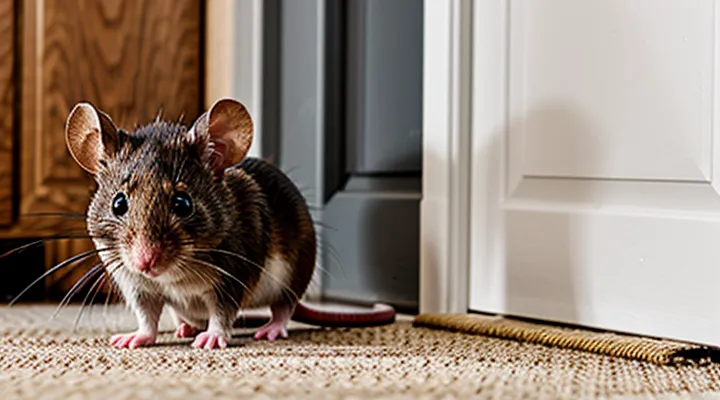
Understanding Mouse Invasions
Common Entry Points
Gaps in Foundations and Walls
Mice enter residential structures primarily through openings in foundations and walls. Cracks, gaps around utility penetrations, and poorly sealed joints create direct pathways from the exterior to interior spaces.
These openings arise from settlement of the building, moisture-induced movement of masonry, and inadequate installation of framing members. Over time, thermal expansion and contraction further enlarge existing fissures, allowing rodents to exploit the increased clearance.
Unsealed gaps permit not only entry but also provide shelter and nesting sites. Once inside, mice can travel along wall cavities, access attic insulation, and contaminate stored food, increasing health risks.
Prevention measures focus on eliminating the physical routes:
- Seal all visible cracks with hydraulic cement or appropriate sealant.
- Install metal flashing around pipe and conduit entries, securing with stainless‑steel screws.
- Apply expandable foam insulation to fill irregular voids around electrical boxes and vent openings.
- Install a continuous perimeter barrier of galvanized mesh, extending at least 6 inches below the finished grade.
- Conduct periodic inspections of foundation walls, especially after heavy rain or ground movement, to identify new openings promptly.
Implementing these steps reduces the likelihood of rodent intrusion and supports long‑term structural integrity.«Mice exploit any opening larger than a quarter inch».
Openings Around Pipes and Utilities
Openings around pipes, cables, and other utilities create direct pathways for rodents to infiltrate residential structures. Gaps often result from poor installation, aging building materials, or renovations that leave voids unsealed. Mice exploit these openings because they provide shelter, access to warmth, and a route to food sources throughout the home.
Typical sources of utility-related entry points include:
- Unfinished holes where water, gas, or electrical lines pass through walls, floors, or foundations.
- Gaps around vent pipes, dryer exhausts, and chimney flues that are not properly fitted with collars or flashing.
- Spaces around outdoor faucet connections and irrigation system components.
- Cracks surrounding sewer and storm‑drain lines that lack adequate sealing.
Preventive actions focus on eliminating the physical routes that attract rodents:
- Inspect all utility penetrations during routine maintenance; identify any gaps larger than a quarter of an inch.
- Apply steel wool, copper mesh, or high‑grade expanding foam to fill small openings; use metal flashing for larger gaps to prevent chewing.
- Install pipe collars or vent caps equipped with mesh screens to block entry while allowing ventilation.
- Seal exterior joints with silicone‑based caulk or weather‑resistant sealant, ensuring a continuous barrier around the perimeter of each pipe.
- Replace damaged conduit or pipe sleeves with rigid, rodent‑resistant materials such as PVC or metal conduit.
Regularly reviewing utility installations and promptly repairing identified deficiencies reduces the likelihood of mouse intrusion and supports overall pest‑management strategies.
Unsealed Windows and Doors
Unsealed windows and doors create direct pathways for rodents to enter residential interiors. Gaps as small as a quarter‑inch allow mice to squeeze through, especially when weather‑stripping deteriorates or installation leaves voids around frames.
Typical causes include aging sealant, improperly fitted casings, and damage from pests or weather. Inadequate maintenance permits cracks to expand, providing increasingly accessible entry points.
Preventive actions:
- Inspect all window and door frames quarterly for visible gaps or worn weather‑stripping.
- Replace deteriorated seals with durable, rodent‑resistant material such as silicone‑based caulk or metal flashing.
- Install compression strips on movable panels to ensure a tight closure when closed.
- Apply door sweeps that extend to the floor, eliminating the space beneath entryways.
- Seal exterior cracks around frames with expanding foam or masonry sealant to block hidden routes.
Securing these openings reduces indoor mouse activity, limits potential damage to insulation and wiring, and lowers the risk of contaminating food supplies. Regular attention to “unsealed windows and doors” therefore constitutes a fundamental element of effective rodent control.
Roof and Attic Access
Mice frequently exploit roof and attic openings to enter residential structures. Gaps around roof vents, eaves, chimneys, and soffits provide direct pathways, especially when weather conditions force rodents to seek shelter.
Typical vulnerabilities include:
- Unsealed or damaged flashing around skylights and dormers.
- Cracked or missing shingles that expose underlying sheathing.
- Open or poorly fitted attic access doors and pull‑down ladders.
- Gaps around utility penetrations, such as wiring, plumbing, and HVAC ducts.
Effective inspection involves:
- Conducting a visual survey from the exterior, focusing on roof perimeters and vent covers.
- Using a flashlight to examine interior attic joists for gnaw marks, droppings, or nesting material.
- Checking the condition of insulation for signs of displacement or contamination.
- Verifying that all attic entry points close securely and seal with weather‑resistant material.
Preventive actions include sealing all identified gaps with steel wool, caulk, or metal flashing; installing tight‑fitting attic access doors equipped with latch mechanisms; maintaining roof integrity through regular shingle replacement and flashing repairs; and positioning rodent‑proof vent covers. Continuous monitoring and prompt repair of any new openings reduce the likelihood of infestation.
Attractants for Mice
Food Sources
Mice are attracted to any accessible food source within a dwelling. Stored grains, cereals, and dried fruits provide high‑energy nourishment and are often kept in loosely sealed containers. Pet food left uncovered in bowls or cabinets offers a protein‑rich option that can sustain rodents for days. Small crumbs on countertops, under appliances, and behind furniture create a continuous supply of carbohydrates. Waste bins without tight lids release odors that draw mice from exterior environments. Bird seed stored in garages or sheds presents an additional caloric reserve, especially during winter months. Compost piles and kitchen scraps left in open containers supply moisture and nutrients, facilitating rapid population growth.
Preventive measures focus on eliminating these resources. All dry goods should be transferred to airtight containers made of metal or heavy‑wall plastic. Pet feeding stations must be removed after each meal, and stored food should be placed on elevated shelves away from walls. Daily cleaning of surfaces with a damp cloth removes residual particles that might otherwise accumulate. Waste containers require fitted lids and should be emptied regularly to reduce scent buildup. Bird seed storage must be confined to sealed boxes, and any indoor compost should be placed in a sealed bin with a tight‑fitting lid. Regular inspection of potential entry points, combined with immediate repair, prevents rodents from reaching remaining food supplies.
Unsealed Pantry Items
Unsealed pantry items provide easy access to food, creating a strong incentive for rodents to enter the kitchen. Food particles left exposed release scent trails that mice follow, and the lack of a barrier allows them to feed without obstruction. Continuous availability of edible material encourages repeated visits and can lead to infestation.
Preventive actions focus on eliminating direct food sources. Secure storage, regular cleaning, and proper waste management reduce the attractiveness of the pantry.
- Transfer dry goods to airtight containers made of metal or thick plastic.
- Inspect packages for damage before placing them on shelves.
- Clean spills immediately; sweep crumbs and wipe surfaces after each use.
- Rotate stock, using older items first to avoid prolonged exposure of stale food.
- Seal garbage bins with tight‑fitting lids and remove waste daily.
Implementing these measures removes the primary food incentive, decreasing the likelihood that mice will target the pantry area. Regular monitoring of storage conditions maintains a hostile environment for rodent activity.
Pet Food and Water
Pet feeding stations often become a primary food source for rodents that enter residential interiors. Open bags of dry kibble, spilled crumbs on countertops, and unsecured containers create an environment where mice can locate calories with minimal effort.
Access to fresh water amplifies the attraction. Bowls left unattended, dripping faucets, and condensation on pet dishes supply the moisture mice require for survival and reproduction. Continuous availability of both nutrients and hydration encourages persistent activity and population growth.
Preventive actions focus on eliminating easy access to nourishment and moisture:
- Store dry kibble in airtight containers made of metal or heavy‑wall plastic.
- Clean feeding areas after each meal; sweep crumbs and vacuum pet hair.
- Use automatic dispensers that release measured portions directly onto the floor, reducing waste.
- Replace open water bowls with sealed reservoirs that limit spillover.
- Inspect and repair leaking pipes, especially near pet zones.
- Position feeding stations away from walls and baseboards, reducing proximity to mouse pathways.
Managing «pet food» and «water» provisions reduces the likelihood that mice will establish a foothold in the house, supporting broader efforts to control rodent presence and prevent associated damage.
Crumbs and Spills
Crumbs and spills create a reliable food source for house‑bound rodents. Even small particles contain enough nutrients to sustain mice, while liquid residues provide hydration. The presence of these attractants increases the likelihood that mice will explore and occupy interior spaces.
Typical accumulation points include kitchen countertops, floor edges near dining areas, under appliances, and pantry shelves. Food fragments often settle in cracks, behind baseboards, and within the crevices of furniture. Moisture from spills can seep into wood or laminate, extending the period during which the area remains appealing.
Effective control measures focus on eliminating the attractants:
- Wipe surfaces immediately after meals; use a damp cloth to capture fine particles.
- Store dry goods in airtight containers; avoid open bags or boxes.
- Clean spills promptly; absorb liquids, then disinfect the area.
- Vacuum floors and edges daily; pay special attention to corners and under furniture.
- Inspect and seal gaps around countertops and cabinetry to prevent residue buildup.
Consistent application of these practices removes the nutritional incentive that draws mice into residential environments.
Water Sources
Mice require regular access to water; any leak or standing moisture in a residence creates a potential feeding site and encourages activity. Identifying and eliminating these sources reduces the likelihood of mouse presence.
- Leaking pipes beneath sinks or behind appliances
- Faulty faucet aerators that drip continuously
- Condensation accumulation on cold‑water lines or refrigeration units
- Pet water dishes left unattended for extended periods
- Damp basements or crawl spaces with poor ventilation
- Overfilled plant saucers that retain water overnight
Address each point promptly: repair pipe breaches, install faucet shut‑off devices, insulate cold‑water lines to prevent condensation, empty and clean pet dishes daily, employ dehumidifiers in humid areas, and use absorbent trays beneath plant pots. Eliminating accessible water deprives mice of a critical resource, thereby lowering the risk of intrusion.
Leaky Pipes and Faucets
Leaking pipes and faucets create a reliable water source that attracts mice seeking hydration. Continuous drips raise humidity levels, soften building materials, and generate audible cues that guide rodents toward the leak. Moisture also supports the growth of mold and insects, which further entices mice by expanding the food supply.
Mice exploit the crack between pipe joints, faucet bases, and surrounding walls to enter interior spaces. Small openings as narrow as a quarter-inch allow entry, while the constant presence of water reduces the risk of dehydration, increasing the likelihood of nesting nearby.
Prevention measures:
- Inspect all visible plumbing for drips; tighten connections and replace worn washers promptly.
- Install water‑tight seals around faucet bases and pipe penetrations using silicone or plumber’s tape.
- Employ leak‑detection devices that alert to moisture accumulation behind walls and under floors.
- Maintain low humidity by using dehumidifiers in basements and crawl spaces.
- Schedule regular professional inspections to identify hidden corrosion or joint failures.
Eliminating water leaks removes a primary attractant, reducing the probability of mouse activity within residential structures.
Pet Water Bowls
Pet water bowls can become a source of moisture that draws rodents into living spaces. When water spills onto floors, it creates damp areas that mice find attractive for drinking and for locating food residues. Bowls left open allow scent trails to spread, signaling a reliable water supply to wandering rodents.
Regular maintenance reduces this risk. Clean bowls daily, wipe surrounding floors, and dry any splashes immediately. Use bowls with secure lids or weighted bases to prevent tipping and leakage. Place bowls on non‑absorbent surfaces such as tile or sealed wood, avoiding carpeted or porous flooring where moisture can linger.
Prevention measures include:
- Selecting stainless‑steel or ceramic bowls that do not retain odors.
- Positioning bowls away from walls and cabinets where mice can hide.
- Inspecting bowls for cracks that might harbor insects or debris.
- Replacing water daily to eliminate stagnant conditions.
By limiting accessible water, the attraction for rodents diminishes, contributing to overall control of mouse activity within the home.
Shelter
Mice seek sheltered environments that provide protection from predators, temperature extremes, and disturbances. A shelter must offer darkness, limited traffic, and access to food sources.
Common shelter sites within residential structures include:
- Wall voids and ceiling insulation where gaps remain unsealed.
- Stored boxes, seasonal clothing, and cluttered basements that create hidden cavities.
- Appliances such as refrigerators or dishwashers with gaps between the unit and surrounding cabinetry.
- Attics containing exposed joists, insulation, and unused storage items.
Preventive actions focus on eliminating or securing these habitats:
- Seal cracks, gaps, and openings in walls, floors, and foundations with steel wool, caulk, or expanding foam.
- Reduce clutter by organizing stored items in sealed containers and maintaining clear pathways.
- Install vent covers and mesh on utility openings to block entry while preserving airflow.
- Regularly inspect insulation and roofing for damage; replace compromised sections promptly.
- Keep food storage areas clean; dispose of waste in sealed containers to remove attractants.
By systematically removing conducive shelter conditions, the likelihood of mouse presence within a dwelling diminishes significantly.
Clutter and Storage Areas
Clutter provides mice with concealed pathways, nesting sites, and easy access to food particles that accumulate in piles of paper, fabrics, or discarded packaging. The lack of clear boundaries in disorganized rooms prevents early detection of rodent activity, allowing infestations to expand before signs become obvious.
Storage areas such as basements, attics, and garages often contain stacked boxes, seasonal items, and open containers. These environments maintain stable temperatures and humidity levels, creating ideal conditions for breeding. Gaps around shelving, poorly sealed doors, and exposed wiring further facilitate entry and movement throughout the house.
Prevention measures:
- Maintain a regular cleaning schedule; remove debris, vacuum corners, and discard unused items promptly.
- Store belongings in sealed plastic containers with tight‑fitting lids; avoid cardboard boxes that can be gnawed.
- Elevate items off the floor; use shelving that allows inspection of the underside.
- Install weather‑stripping on doors and close any cracks in walls or flooring.
- Position traps or bait stations near storage zones, monitoring them weekly for activity.
Reducing clutter and optimizing storage organization eliminates shelter and food sources, directly limiting mouse attraction and supporting long‑term control.
Wall Voids and Attics
Wall voids provide concealed pathways that connect kitchens, storage rooms and exterior walls. Warmth, shelter from predators and proximity to food sources make these cavities ideal for rodent habitation. Structural gaps, unfinished insulation and unsealed penetrations allow mice to move freely within the building envelope.
Attics offer similar advantages: elevated temperature, dry environment and easy access to roof eaves, vents and chimneys. Mice exploit gaps around soffits, roof sheathing and utility lines to enter the attic space. Once inside, they can travel along joists, drop into lower wall cavities and reach stored provisions.
Prevention requires sealing entry points and reducing habitat suitability. Effective actions include:
- Inspecting and caulking all exterior cracks, including those around pipes, cables and vent pipes.
- Installing steel‑wool or copper mesh over openings larger than ¼ inch before applying sealant.
- Maintaining intact insulation; replace damaged batts and close gaps between studs.
- Fitting vent covers with fine mesh to prevent rodent passage while preserving airflow.
- Trimming vegetation away from the building foundation and roof eaves to eliminate climbing routes.
Regular monitoring of wall voids and attic conditions, combined with prompt repair of structural breaches, limits mouse colonisation and supports long‑term control.
Prevention and Control Strategies
Sealing Entry Points
Exterior Inspections
Exterior inspections constitute a primary defense against rodent intrusion. Identifying structural vulnerabilities before mice gain access reduces the likelihood of indoor infestations and limits damage to building fabric.
Typical entry points include gaps around utility penetrations, cracked foundation walls, unscreened vents, loose siding, and overgrown vegetation that contacts the roof. Each opening provides a route for small mammals seeking shelter and food.
• Examine foundation for cracks larger than ¼ inch and seal with appropriate filler.
• Verify that all utility lines (water, gas, electricity) are wrapped with metal flashing or caulked.
• Inspect vent covers, chimney crowns, and attic fans for missing screens; install steel mesh where needed.
• Check exterior doors for weatherstripping integrity; replace worn strips.
• Trim shrubs, trees, and vines to maintain a minimum clearance of 2 feet from the building envelope.
• Survey roof eaves and soffits for loose or deteriorated material; repair or replace promptly.
After detection, apply durable sealing materials, such as stainless‑steel mesh or cement‑based caulk, to close openings. Regular maintenance schedules—quarterly during warm months and bi‑annually in colder periods—ensure that newly formed gaps are addressed before mice can exploit them.
Interior Sealing Techniques
Effective interior sealing prevents rodent ingress by eliminating gaps through which mice travel. Sealing targets structural openings, utility penetrations, and material joints.
- Apply expanding polyurethane foam to gaps larger than ¼ inch, allowing the foam to fill irregular voids and harden to a durable barrier.
- Install stainless‑steel mesh or copper flashing over vent openings, chimney flues, and exhaust ducts; mesh size no larger than ¼ inch blocks rodent passage while maintaining airflow.
- Use silicone or acrylic caulk to seal cracks around window frames, door thresholds, and baseboards; caulk should be flexible to accommodate building movement.
- Fit metal or composite door sweeps to the bottom of interior doors leading to storage rooms or basements; sweeps must contact the floor continuously without gaps.
- Wrap pipe penetrations with metal flashing tape, overlapping layers to create a continuous seal; tape should be secured with corrosion‑resistant staples.
Inspect sealing materials regularly for wear, especially in high‑traffic areas and near heating equipment. Replace degraded caulk or foam promptly to maintain integrity. Combining these techniques reduces the likelihood of mouse presence within living spaces, supporting overall pest‑management strategies.
Eliminating Attractants
Food Storage Best Practices
Mice are drawn to unsecured food, which creates a direct pathway for infestation. Eliminating accessible nourishment removes a primary incentive for rodents to enter residential spaces.
- Store dry goods in containers that seal completely, such as heavy‑duty plastic or metal bins with gasketed lids.
- Keep perishable items refrigerated or frozen promptly after purchase.
- Position containers on shelves rather than on the floor; avoid direct contact with walls.
- Label each container with the purchase date and practice a first‑in, first‑out rotation to prevent spoilage.
- Clean storage areas regularly, removing crumbs, spills, and packaging debris.
- Separate bulk purchases from everyday supplies, using secondary containment to limit exposure.
- Inspect containers weekly for damage, replacing compromised seals without delay.
Additional safeguards include sealing cracks and gaps around cabinetry, installing door sweeps, and maintaining a tidy kitchen environment. Routine visual checks for droppings, gnaw marks, or nesting material provide early detection of rodent activity, allowing swift corrective action.
Waste Management
Improper disposal of food remnants creates attractive foraging sites for rodents. Accumulated crumbs, grease‑stained containers, and unsealed garbage emit odors that signal a reliable food source, encouraging mice to explore structural gaps and establish nests. Overfilled bins increase the likelihood of spillage onto floors and countertops, extending the food trail beyond the waste area.
Effective waste management reduces these incentives. Regular removal of trash prevents the buildup of scent cues. Sealing bags tightly and using containers with secure lids block access to contents. Positioning waste receptacles away from entry points limits the distance mice must travel to reach food.
Key preventive actions include:
- Emptying indoor bins daily or at least every 24 hours.
- Using metal or heavy‑plastic containers equipped with snap‑tight lids.
- Storing compost in sealed containers and disposing of it in external, rodent‑proof facilities.
- Cleaning any residue from bins and surrounding surfaces after each emptying.
- Inspecting and repairing cracks or gaps around waste storage areas to eliminate entry routes.
By maintaining a disciplined disposal routine and ensuring that waste containers are inaccessible, the primary attraction for mice inside residential spaces diminishes, supporting broader efforts to control rodent intrusion.
Moisture Control
Moisture attracts mice because water is essential for their survival. Areas with persistent dampness provide reliable hydration, encouraging rodents to explore and establish nests inside residential structures.
Common sources of excess moisture include:
- Leaking pipes or faucets
- Condensation on cold surfaces such as windows and walls
- Damp basements or crawl spaces
- Poorly sealed roofs or gutters that allow rainwater infiltration
Control measures focus on eliminating these water sources:
- Repair all plumbing leaks promptly
- Install or upgrade ventilation systems to reduce indoor humidity
- Deploy dehumidifiers in basements and other high‑moisture zones
- Ensure proper drainage around the foundation and seal cracks in walls and floors
- Use moisture‑resistant materials in renovation projects
Reducing indoor moisture limits the availability of water, discourages mouse activity, and lowers the risk of damage to insulation, electrical wiring, and stored food. «Mice require water to survive», and the removal of easy water access directly curtails their presence in homes.
Active Deterrence
Trapping Methods
Mice intrusion in residential spaces demands reliable control measures; trapping provides immediate population reduction and complements exclusion strategies.
Effective trapping methods include:
- Snap traps: spring‑loaded devices that deliver rapid lethal force; placement near walls, behind appliances, and along known runways maximizes contact.
- Electronic traps: battery‑powered units that emit a high‑voltage shock upon entry; they offer humane kill and easy disposal of carcasses.
- Live‑catch traps: cage‑style enclosures with baited entry points; allow relocation of captured rodents, requiring prompt release far from the property.
- Glue boards: adhesive surfaces that immobilize rodents; suitable for monitoring but less favored for humane considerations and disposal difficulties.
Selection criteria should consider target area size, required speed of action, and ethical preferences. Regular inspection of traps, timely resetting, and proper sanitation enhance overall effectiveness and prevent secondary health risks.
Snap Traps
Snap traps provide a rapid, mechanical solution for reducing indoor mouse populations. The device consists of a spring‑loaded bar that delivers a lethal force when the baited trigger is activated. Proper use requires attention to placement, bait selection, and safety precautions.
- Position traps along walls, behind appliances, and near entry points where rodents travel. Mice prefer concealed routes; placing traps perpendicular to the wall, with the trigger end facing the wall, maximizes contact.
- Use high‑protein baits such as peanut butter, dried meat, or cheese. Apply a pea‑sized amount to the trigger platform to encourage engagement without saturating the mechanism.
- Secure traps on stable surfaces to prevent accidental dislodgement. Keep away from children, pets, and non‑target wildlife; consider enclosed snap‑trap models with safety shields.
- Check traps daily. Remove dead rodents promptly, wearing gloves, and dispose of them in sealed bags. Reset or replace the trap after each capture to maintain continuous pressure on the infestation.
- Inspect surrounding areas for additional signs of activity—droppings, gnaw marks, or nesting material—and adjust trap density accordingly. A common guideline is one trap per 10 square feet of active zone.
Maintenance includes cleaning the trigger mechanism with mild soap and water to preserve spring tension. Replace worn springs or corroded parts to ensure consistent performance. When snap traps become ineffective, evaluate environmental factors such as food availability, structural gaps, or competing food sources that may reduce bait appeal.
Integrating snap traps with broader preventive measures—sealing entry points, storing food in airtight containers, and maintaining regular sanitation—creates a comprehensive strategy for limiting mouse intrusion within residential spaces.
Live Traps
Live traps offer a humane alternative to chemical control, capturing mice alive for later release. They eliminate the risk of secondary poisoning and reduce the presence of dead rodents that can attract predators or cause odor problems.
Typical live‑trap designs include:
‑ Wire‑cage traps that close when a mouse enters a baited chamber.
‑ Multi‑catch cages capable of holding several individuals before requiring emptying.
‑ Box‑style traps with a spring‑loaded door triggered by weight on a platform.
Effective deployment requires strategic placement. Position traps along walls, behind appliances, and near known entry points, because rodents travel close to vertical surfaces. Use attractive bait such as peanut butter, sunflower seeds, or dried fruit, and secure it on the trigger mechanism to ensure quick activation. Check traps daily; a captured mouse should be removed promptly to prevent stress or injury.
When releasing captured mice, transport them at least 100 meters from the residence, preferably into a wooded or field area where shelter is available. Follow local wildlife regulations regarding relocation. After each use, clean the trap with mild detergent, rinse thoroughly, and inspect for damage before redeploying. Regular maintenance preserves trap functionality and prolongs its service life.
Repellents
Repellents constitute a primary line of defense against rodent intrusion in residential spaces. Effective repellents exploit sensory aversion, disrupting the mouse’s ability to navigate, feed, or nest within the home.
- Ultrasonic devices emit high‑frequency sound waves beyond human hearing, creating an environment perceived as hostile. Placement near entry points, concealed spaces, and food storage areas maximizes coverage.
- Natural agents such as peppermint oil, cloves, or eucalyptus release volatile compounds that mice avoid. Application on cotton balls, cloth strips, or directly onto surfaces provides localized deterrence; reapplication every few days maintains potency.
- Chemical repellents, including rodent‑specific sprays and granules containing bittering agents or piperidine, act on taste receptors. Proper sealing of cracks and crevices before treatment prevents absorption into building materials.
- Predator‑scent products mimic the odor of natural enemies, such as fox urine or feline pheromones. Distribution along pathways and near potential nesting sites induces avoidance behavior.
Implementation guidelines require thorough inspection of the property to identify travel routes, nesting sites, and food sources. Repellents should be installed after sealing entry points and eliminating attractants; otherwise, effectiveness diminishes. Continuous monitoring for signs of activity—droppings, gnaw marks, or audible noises—guides repositioning or replacement of devices.
Safety considerations include avoiding direct contact with chemical formulations, ensuring ventilation when applying volatile oils, and verifying that ultrasonic units do not interfere with pets sensitive to high frequencies. Regular maintenance, including battery replacement and cleaning of scented materials, sustains the deterrent effect over time.
Natural Repellents
Mice infiltrate residential spaces seeking shelter and food; preventing their presence often relies on deterrents that do not involve chemicals. «Natural repellents» provide a low‑toxicity alternative, suitable for households with children or pets.
Effective natural options include:
- «Peppermint oil» applied on cotton balls or diluted for spray.
- «Cedar shavings» placed in attics, closets, and crawl spaces.
- «Clove oil» dispersed near entry points.
- «Ultrasonic devices» emitting frequencies uncomfortable for rodents.
- «Dryer sheets» positioned in cabinets and drawers.
Application guidelines:
- Saturate cotton pads with a few drops of «peppermint oil» and replace weekly.
- Layer cedar shavings 2–3 cm thick in vulnerable areas, refreshing quarterly.
- Mix 10 ml of «clove oil» with 250 ml water, spray around holes and gaps, repeat after rain.
- Install ultrasonic units according to manufacturer instructions, ensuring unobstructed coverage.
- Place dryer sheets in dark, enclosed spaces, swapping when fragrance fades.
Precautions:
- Verify that essential oils do not cause allergic reactions in occupants.
- Avoid excessive concentration of oils, which may damage painted surfaces.
- Confirm that ultrasonic devices operate within recommended power limits to prevent interference with electronic equipment.
Employing these strategies reduces mouse activity without resorting to hazardous substances, supporting a safer indoor environment.
Ultrasonic Devices
Ultrasonic devices emit high‑frequency sound waves that exceed the hearing range of humans but are audible to rodents. The waves create a discomfort zone that discourages mice from remaining in the area.
Effectiveness depends on several factors:
- Frequency: devices typically operate between 20 kHz and 65 kHz; higher frequencies increase discomfort but reduce transmission distance.
- Coverage area: manufacturers specify a radius; overlapping units are required for larger rooms.
- Placement: devices should be positioned on flat surfaces, away from walls and furniture that can block sound propagation.
- Continuous operation: intermittent use diminishes the deterrent effect as mice habituate to the pattern.
Limitations include:
- Limited penetration through solid materials; sound does not travel through walls, floors, or thick furniture.
- Habituation risk: prolonged exposure without variation may lead mice to ignore the signal.
- Inconsistent results in cluttered or multi‑level environments.
Best practices for integration into a comprehensive mouse‑control strategy:
- Conduct a thorough inspection to identify entry points and nesting sites.
- Seal gaps larger than 6 mm with steel wool, caulk, or metal mesh.
- Deploy ultrasonic units in each identified zone, ensuring overlap of coverage circles.
- Rotate device locations periodically to prevent habituation.
- Combine with traps or bait stations for immediate population reduction.
When properly installed and maintained, ultrasonic devices contribute to a reduction in mouse activity, particularly when used alongside physical exclusion methods and monitoring tools. Regular assessment of device functionality and environmental conditions ensures sustained efficacy.
Maintaining a Mouse-Free Home
Regular Cleaning and Decluttering
Regular cleaning eliminates food residues and shelter opportunities that attract rodents. Removing crumbs, spills, and improperly stored food reduces the attractant gradient that draws mice into living spaces. Daily wiping of countertops, sweeping of floors, and prompt disposal of garbage prevent accumulation of organic matter that can sustain small populations.
Decluttering creates an environment lacking concealed entry points and nesting sites. Organizing storage areas, sealing gaps in containers, and eliminating piles of unused items deny mice the protection needed for breeding. Effective practices include:
- Sorting and discarding items that have been unused for more than six months.
- Storing remaining belongings in sealed plastic bins with tight‑fitting lids.
- Keeping basements, attics, and crawl spaces free of cardboard boxes, fabric stacks, and debris.
Consistent application of these measures maintains a hostile setting for rodents, limiting their ability to establish footholds within the home.
Landscaping Considerations
Mice often exploit garden features that provide shelter, food, or easy access to a building’s foundation. Understanding how landscaping choices affect rodent activity helps reduce indoor infestations.
- Dense shrubbery or trees planted within a foot of the house creates continuous cover for mice to climb walls.
- Mulch piles deeper than four inches retain moisture and conceal nests, encouraging habitation.
- Accumulated leaf litter, compost, or debris near the foundation offers hiding places and food sources.
- Standing water in birdbaths, rain gutters, or low‑lying areas attracts insects, which in turn draw mice seeking prey.
- Gaps between siding, siding and foundation, or deteriorated caulking provide direct entry points.
- Ground cover such as low‑lying vines or ground‑hugging plants can conceal cracks and conceal movement toward the structure.
Preventive measures focus on eliminating these attractants and barriers:
Maintain a clear zone of at least one foot between vegetation and the exterior walls; regularly prune branches that overhang roofs or walls. Limit mulch depth to three inches and keep it at least six inches away from the foundation. Remove leaf litter, compost, and other debris weekly, especially during damp seasons. Ensure proper drainage to prevent standing water; clean gutters and direct runoff away from the house. Inspect and seal cracks, gaps, and openings in siding, foundation, and utility penetrations. Replace deteriorated caulking and install metal flashing where vines or ground cover meet the structure.
Integrating these landscaping practices creates an environment less conducive to mouse habitation, thereby reducing the likelihood of indoor intrusion.
Professional Pest Control
Professional pest control provides a systematic response to mouse activity inside residential structures. Trained technicians begin with a thorough inspection, identifying entry points, nesting sites, and signs of activity such as droppings, gnaw marks, and urine stains. The inspection phase establishes a baseline for targeted intervention and informs the selection of control methods.
Exclusion measures focus on sealing gaps larger than a quarter‑inch, installing metal flashing around utility penetrations, and repairing damaged foundation vents. These actions prevent further ingress and reduce the likelihood of re‑infestation.
Chemical control employs bait stations positioned along established travel routes. Bait stations are tamper‑resistant, limiting access by children and non‑target animals. Proper placement and regular replacement maintain efficacy while minimizing environmental impact.
Sanitation practices remove food sources that attract rodents. Recommendations include storing dry goods in airtight containers, promptly cleaning spills, and disposing of waste in sealed containers. Reducing attractants complements exclusion and chemical strategies.
Monitoring continues after initial treatment. Technicians use tracking powders, motion‑activated cameras, and periodic inspections to verify population decline. Adjustments to bait placement or additional sealing are made based on observed activity.
Key components of a professional program:
- Comprehensive inspection and documentation
- Structural exclusion of entry points
- Strategically placed bait stations
- Integrated sanitation guidance
- Ongoing monitoring and adaptive management
Effective pest control relies on coordinated application of these elements, delivering long‑term reduction of mouse presence within the home. «Professional expertise ensures that interventions comply with regulatory standards and protect occupant health».