
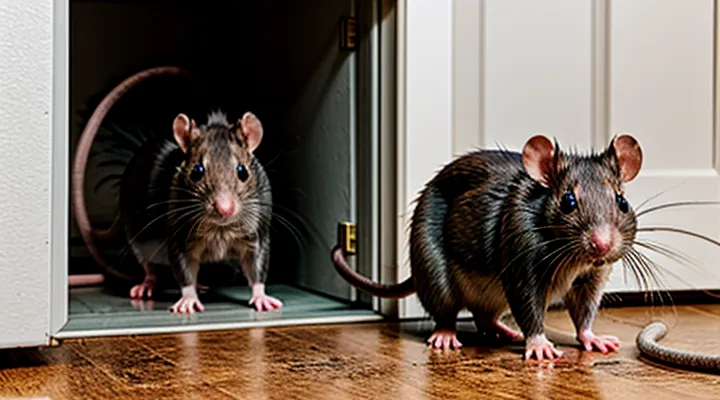
Understanding Rat Infestation in Private Homes
Common Entry Points
Gaps and Cracks in Foundations
Rats gain access to residential structures primarily through imperfections in the building’s foundation. Cracks wider than a quarter of an inch, gaps around utility penetrations, and deteriorated sealants provide entry points that rodents can exploit without detection.
Structural cracks develop from settlement, moisture movement, or thermal expansion. Horizontal fissures near the slab, vertical seams in block walls, and voids at the junction of the foundation and floor joists are especially vulnerable. Gaps around pipe sleeves, vent stacks, and cable conduits often lack proper flashing, creating continuous pathways from the soil to interior rooms.
Detection requires systematic inspection. Visual examination of the perimeter should focus on:
- Visible splits in concrete or masonry
- Areas where mortar has crumbled
- Openings around plumbing, electrical, and HVAC penetrations
- Signs of rodent activity such as gnaw marks, droppings, or burrows near the foundation
Remediation involves sealing and reinforcing identified openings. Effective measures include:
- Epoxy or hydraulic cement injection for small cracks
- Metal flashing or stainless‑steel mesh around pipe sleeves
- Expanding polyurethane foam for irregular gaps
- Installing a continuous concrete or masonry barrier at the foundation’s base
Regular maintenance prevents re‑entry. Periodic resealing of joints, prompt repair of water infiltration, and landscaping adjustments that keep soil away from the foundation wall reduce the likelihood of new cracks forming. By eliminating these structural vulnerabilities, homeowners substantially limit rat intrusion into private dwellings.
Unsealed Pipes and Utility Openings
Rats commonly infiltrate residential buildings through gaps in plumbing and other service penetrations. Unsealed pipes, especially those that run from the exterior to the interior, create direct pathways for rodents. When pipe sleeves, rubber gaskets, or metal collars are missing or deteriorated, rats can crawl inside the pipe cavity and emerge in kitchens, bathrooms, or utility rooms.
Typical entry points include:
- Openings around water supply lines where the pipe enters the wall or floor.
- Uncapped sewer or drainage pipes in basements and crawl spaces.
- Utility conduit sleeves that lack proper sealing around electrical, gas, or HVAC ducts.
- Gaps around vent stacks and chimney flues where pipe insulation is absent.
Once inside, rats travel along the pipe network to locate food, water, and shelter. Sealing these penetrations with appropriate materials—such as steel wool, silicone caulk, or metal flashing—prevents access and reduces the likelihood of infestation throughout the home. Regular inspection of all service openings is essential for maintaining a rodent‑free environment.
Damaged Roofs and Gutters
Rats frequently enter homes through openings created by compromised roofing and gutter systems. Cracked shingles, missing tiles, and broken flashing expose the attic to the exterior, allowing rodents to climb and gain access. When gutters detach or sag, they provide a direct path from eaves to the roof surface, facilitating movement toward entry points.
Damaged gutters also generate water overflow that erodes fascia boards and creates gaps around vent pipes and chimney stacks. These gaps become preferred routes for rats seeking shelter and food sources. Accumulated debris in malfunctioning gutters offers nesting material and attracts insects, which in turn draws rodents.
Typical indicators of rat activity linked to roof and gutter failure include:
- Gnaw marks on wooden rafters and fascia
- Droppings in attic insulation
- Chewed wire or electrical cables near roof penetrations
- Fresh burrows in gutter debris or under eaves
Prompt repair of roofing defects and restoration of proper gutter function remove the primary pathways and reduce the attractiveness of the structure to rodents. Regular inspection of roof seams, vent seals, and gutter attachment points is essential for maintaining a barrier against rat intrusion.
Open Doors and Windows
Open doors and windows serve as the most direct pathways for rats to enter a residence. Unsecured entry points allow rodents to move from outdoor environments into interior spaces without obstruction. Gaps around door frames, poorly fitted screens, and cracked glass create openings large enough for adult rats to pass through.
- A door left ajar for ventilation or convenience provides continuous access, especially during nighttime when rats are most active.
- Windows that lack tight seals or have broken screens let rats climb from nearby vegetation or eaves directly into rooms.
- Sliding doors and patio doors with worn weatherstripping fail to block small rodents, permitting repeated entry.
- Basement or cellar doors without proper thresholds enable rats to descend from ground level into utility areas.
Each of these weaknesses reduces the building’s defensive barrier, encouraging rats to explore interior rooms, kitchens, and storage areas where food and shelter are available. Securing doors and windows with functional locks, intact screens, and appropriate weatherstripping eliminates the primary routes rats exploit to infiltrate private homes.
Vents and Chimneys
Rats routinely exploit openings that connect the exterior to interior spaces, and vents and chimneys constitute two of the most accessible pathways.
Common vent types that serve as entry routes include:
- Dryer exhaust ducts lacking metal flaps or with loose connections.
- Bathroom and kitchen exhaust fans where the housing is not sealed.
- Attic and soffit vents with gaps around the frame or missing mesh.
- HVAC supply and return registers that are unfiltered or have deteriorated seals.
Chimneys provide a vertical conduit from roof to fireplace. Cracks in mortar, missing firebrick, and unprotected flue openings allow rats to climb the exterior wall, enter the flue, and descend into the hearth or adjacent rooms. Uncapped chimney tops and damaged chimney crowns further facilitate ingress.
Indicators of rodent activity in these structures are gnaw marks on vent covers, droppings collected in vent shafts, soot‑stained fur, and audible scratching from within the chimney during quiet periods.
Preventive actions focus on exclusion and maintenance: install metal vent caps with a fine mesh, repair or replace cracked vent housings, seal gaps with steel wool and caulk, fit chimney caps with predator‑proof screens, and schedule regular inspections to detect and repair structural damage.
Drainage Systems
Rats frequently exploit residential drainage networks because these systems provide shelter, moisture, and access to food sources.
The underground pipes, floor drains, and basement sump pits are especially attractive. Their dark, humid environment protects rodents from predators and extreme temperatures, while the constant flow of water creates a reliable supply for drinking and nest building.
Typical entry points include:
- Unsealed gaps around pipe penetrations in walls and floors.
- Cracked or deteriorated trap seals in floor drains.
- Open or poorly covered utility chutes that connect to the sewer line.
Inside the drainage system, rats travel through horizontal and vertical runs, using gravity to move between levels. They can emerge through floor drain grates, bathtub overflow openings, or any vent that is not properly screened.
Signs of rodent activity in drainage areas:
- Fresh droppings near drain covers or in pipe clean‑outs.
- Gnaw marks on plastic or rubber components of the system.
- Nests constructed from insulation, shredded paper, or debris found in sump pits.
- Unusual odors or rustling sounds when water is flowing.
Preventive measures focus on eliminating access and reducing attractiveness:
- Seal all pipe penetrations with steel wool or cement‑based caulk.
- Install metal mesh screens on floor drains, bathtub overflows, and utility chutes.
- Repair cracked traps and replace worn gaskets.
- Maintain proper drainage slopes to avoid standing water that could draw rodents.
Regular inspection of drainage infrastructure, combined with prompt repair of vulnerabilities, significantly lowers the likelihood that rats will colonize these hidden passages within a private residence.
Attracting Factors
Food Sources
Rats are attracted to residential environments primarily because of accessible food. The presence of consumable material determines the areas where they are most likely to be encountered.
- Unsealed garbage containers: waste that is not tightly closed provides a continuous supply of organic matter.
- Pet feeding stations: bowls left out overnight or food stored in cabinets without airtight seals serve as easy targets.
- Kitchen pantry items: grains, cereals, dried fruit, and nuts stored in permeable packaging invite foraging.
- Fresh produce: fruit, vegetables, and leftovers left on countertops or in fruit bowls decompose rapidly, creating strong olfactory cues.
- Crumbs and spills: residues on floors, tables, and appliances offer opportunistic feeding points.
- Compost bins and indoor recycling: organic waste collected in indoor containers supplies a moist, nutrient‑rich resource.
- Birdseed and feeder remnants: seeds scattered near windows or on balconies attract rodents seeking high‑energy food.
Each source creates a micro‑environment that encourages rats to establish pathways and nesting sites nearby. Eliminating or securing these food supplies reduces the likelihood of rodent activity throughout the home.
Unsecured Pantry Items
Rats are drawn to food sources that are easily accessible. When pantry items are left uncovered, the scent of carbohydrates, fats, and proteins spreads throughout the home, creating a reliable foraging trail. This trail guides rodents from entry points such as gaps under doors, utility openings, and roof eaves directly to the kitchen area.
Common unsecured items include:
- Bulk grains (rice, wheat, oats) stored in open sacks or boxes
- Breakfast cereals and granola left in their original packaging without resealable lids
- Pet food bowls and dry kibble left on countertops or in cabinets
- Nuts, seeds, and dried fruit placed on shelves without containers
- Spices and sugar in loosely closed containers
These products emit volatile organic compounds that rats detect at low concentrations. As the odor intensifies, rodents infiltrate cabinets, crawl spaces, and wall voids, using the pantry as a central hub for feeding and nesting.
Effective control relies on eliminating the attractant. Store all dry goods in airtight, rodent‑proof containers made of metal or heavy‑wall plastic. Seal pet food after each use and keep it on a raised platform away from walls. Clean spills immediately and discard expired products. By removing accessible food, the environment becomes unsuitable for rat activity, limiting their presence to exterior perimeters rather than interior storage areas.
Pet Food Bowls
Pet food bowls often become focal points for rodent activity inside residences. Rats are attracted to the scent of leftover food, moisture, and the warmth generated by feeding stations. When bowls are placed on the kitchen floor, near cabinets, or in a dedicated pet area, they create a predictable source of nourishment that rats can locate and exploit.
Typical locations where rats gather around pet food bowls include:
- Kitchen countertops or tiles directly beneath the bowl.
- Undersides of cabinets or pantry shelves where crumbs accumulate.
- Living‑room corners if the bowl is left on the floor for extended periods.
- Utility rooms or laundry areas where bowls are temporarily stored.
The presence of a bowl influences rat movement patterns. Rats will follow established runways from entry points such as cracks, vent openings, or gaps under doors to the bowl. Their activity often leaves droppings, gnaw marks, and urine stains around the feeding area, which can spread disease and contaminate other surfaces.
Mitigation measures focus on bowl management and environmental control:
- Use heavy, tip‑resistant bowls that limit spillage.
- Clean the feeding area after each meal, removing crumbs and moisture.
- Store dry pet food in sealed, rodent‑proof containers.
- Position bowls on elevated platforms or metal trays that are difficult for rats to climb.
- Seal potential entry points throughout the house, especially near the feeding zone.
By maintaining strict hygiene around pet food bowls and limiting their accessibility, homeowners reduce the likelihood that rats will establish a foothold in these interior spaces.
Garbage Bins
Garbage bins placed inside a residence provide a reliable food source, moisture, and shelter, making them focal points for rat activity. In kitchens, bins often sit near countertops where crumbs accumulate; in basements or utility rooms, larger containers hold waste from multiple sources, creating a continuous supply. Rats exploit gaps around bin lids, vent openings, and the space between the container and the floor, allowing entry into hidden areas such as wall voids and crawl spaces.
Open or poorly sealed lids enable rats to detect odors from a distance. Overflowing bins expose fresh waste, increasing the likelihood of foraging trips. Residual food particles clinging to the interior surface sustain rats overnight, encouraging repeated visits and the establishment of nesting sites nearby.
Preventive actions:
- Use bins with tight‑fitting, lockable lids.
- Position containers away from walls and eliminate gaps under them.
- Empty and clean bins daily; rinse with hot water to remove residues.
- Store bins in a well‑ventilated, dry area, preferably on a raised platform.
- Inspect seals regularly for wear and replace damaged components promptly.
Garden Produce
Garden produce left unattended inside a residence creates a food source that draws rats from the exterior environment. The scent of ripening fruit, vegetables, and discarded scraps permeates storage areas, prompting rodents to explore interior spaces in search of nourishment.
Typical interior locations where rats are encountered because of garden produce include:
- Kitchen pantry where canned and fresh vegetables are stocked
- Refrigerator or freezer compartments containing leftover fruit or salad greens
- Countertop fruit bowls left exposed overnight
- Garbage cans or compost containers placed in utility rooms
- Basement or cellar shelves used for bulk storage of root crops
- Laundry or utility closets where produce bags are temporarily stored
Preventive actions focus on controlling produce exposure: seal containers, refrigerate perishables promptly, dispose of organic waste in sealed bins, and maintain a clean environment free of food residues. These steps reduce attractant cues and limit the areas within a home where rats are likely to appear.
Water Sources
Rats require regular access to water, and domestic environments often provide multiple sources that attract them. Leaking fixtures create moist conditions that support rat activity. Dripping faucets, pipe joints, and faulty water heaters generate small, continuous pools that are easily unnoticed but sufficient for a rodent’s needs.
Sinks and bathtubs left with standing water after use become temporary reservoirs. Even brief periods of moisture in these locations can sustain rat presence, especially when drainage is slow or clogged.
Pet water dishes, if not refreshed daily, serve as reliable supplies. Bowls placed on the floor or near feeding stations are particularly vulnerable because rats frequent the same zones for food.
Household appliances such as dishwashers, washing machines, and humidifiers can leak internally or overflow during cycles. Condensation on cold surfaces, like the back of a refrigerator, also accumulates enough liquid to be exploited.
Outdoor elements that extend into the interior, such as rain gutters discharging onto decks or balconies, may channel water into crawl spaces and basements. These areas often lack regular inspection, allowing moisture to persist unnoticed.
Common indoor water sources that attract rats:
- Leaking pipes, faucets, and showerheads
- Standing water in sinks, bathtubs, and tubs
- Unchanged pet water bowls
- Appliance leaks (dishwasher, washing machine, refrigerator)
- Condensation on cold surfaces
- Overflow from gutters or external drainage entering interior spaces
Eliminating or regularly monitoring these sources reduces the likelihood of rat habitation within a residence.
Leaking Pipes
Leaking pipes generate moisture and water residues that attract rats seeking hydration and shelter. Persistent drips create damp environments ideal for nesting, while the constant flow can erode pipe joints, forming openings through which rodents enter.
Typical locations where pipe leaks facilitate rat activity include:
- Kitchen sink and dishwasher connections – frequent leaks near food preparation areas provide easy access to water and food scraps.
- Bathroom fixtures – leaking toilets, tubs, and showerheads create humid spaces beneath tiles and in wall cavities.
- Basement and utility rooms – aging supply lines often develop pinhole leaks, producing standing water that draws rats from outside.
- Crawl spaces and underfloor joists – concealed pipe failures accumulate moisture, allowing rats to establish hidden colonies.
- Wall cavities – cracked or corroded pipes within walls release water that softens insulation, enabling rats to travel between rooms.
Detecting leaks promptly reduces the attraction factor. Recommended actions:
- Inspect all visible pipe joints for corrosion, rust, or condensation.
- Use moisture meters to identify hidden damp spots behind walls and under floors.
- Repair or replace compromised sections with corrosion‑resistant materials.
- Seal gaps around pipe penetrations with steel wool and caulk to block entry points.
- Maintain proper drainage to eliminate standing water in basements and crawl spaces.
By eliminating sources of excess moisture, homeowners remove a primary incentive for rats to occupy interior spaces.
Pet Water Bowls
Pet water bowls placed in a private residence can become focal points for rodent activity. Rats are drawn to sources of moisture, and an unattended bowl provides a reliable supply. Positioning the bowl near walls, behind appliances, or in cluttered corners creates concealed pathways that rodents exploit.
Key considerations for minimizing rat attraction:
- Use stainless‑steel or ceramic bowls with tight‑fitting lids to prevent spillage.
- Elevate the bowl on a stand or shelf, keeping it away from floor level where rats travel.
- Clean the bowl daily; residues of food or urine increase scent cues for rodents.
- Store the bowl in a dry area when not in use, reducing the number of water sources available.
Common household locations where rats may encounter pet water bowls include:
- Kitchen cabinets or pantry shelves where bowls are stored alongside food.
- Utility rooms where bowls are left near washing machines or sinks.
- Basement corners where moisture accumulates and access is less monitored.
Implementing these measures reduces the likelihood that a water bowl will serve as a conduit for rat movement throughout the home. Regular inspection of the bowl and its surroundings helps detect early signs of rodent presence, such as gnaw marks or droppings, allowing prompt intervention.
Standing Water
Standing water creates an attractive environment for rats because it provides a reliable source of moisture and a place to wash food. In a private residence, standing water commonly occurs in the following locations:
- Kitchen sink basins left full of water after use.
- Bathroom tubs or shower trays that retain water between cleanings.
- Pet water dishes that are not refreshed regularly.
- Leaking pipes under sinks, behind appliances, or in basements.
- Indoor plant saucers that are not emptied.
Rats exploit these sites to hydrate, clean their fur, and store food. Access points such as gaps around pipes, cracked tiles, or open cabinet doors allow rats to move from the water source to other parts of the house, including storage rooms, attics, and wall voids. The presence of standing water also encourages the growth of insects and mold, which serve as additional food sources for rats, reinforcing their occupancy.
Mitigation measures:
- Eliminate excess water by drying sinks, tubs, and trays after each use.
- Repair all leaks in plumbing, roofing, and foundation.
- Replace pet bowls with spill‑proof designs and refill daily.
- Empty plant saucers or use absorbent trays that can be emptied easily.
- Seal gaps around pipes, vents, and entry points with steel wool or caulk.
Removing standing water deprives rats of a critical resource, reducing their likelihood of establishing nests and foraging routes within a home.
Shelter and Nesting Materials
Rats select concealed spaces that provide protection from predators and environmental extremes. Common shelter locations inside a residence include:
- Wall voids and cavities behind baseboards
- Ceiling joist spaces and attic insulation
- Under floorboards and crawl‑space openings
- Behind appliances such as refrigerators, stoves, and dishwashers
- Inside closets, especially where clothing or stored items create darkness
- Within wall voids surrounding plumbing and electrical conduits
These areas offer stable temperatures, limited disturbance, and easy access to food sources.
For nesting, rats gather readily available soft and fibrous materials to construct secure, insulated nests. Typical sources of nesting material found in homes are:
- Fabric scraps, towels, and worn clothing
- Paper products, including newspaper, cardboard, and shredded documents
- Insulation fibers, especially fiberglass or cellulose in walls and attics
- Pet bedding, such as straw or fleece blankets
- Natural debris brought in on shoes or pets, like dried leaves and twigs
By combining shelter sites with abundant nesting material, rats establish long‑term habitation zones throughout a private dwelling.
Clutter and Debris
Rats are drawn to accumulations of waste and disorganized material inside homes. Loose items provide shelter, concealment, and easy access to food remnants, creating a micro‑environment that supports nesting and foraging.
Typical sources of such attraction include:
- Stacks of newspapers, magazines, or cardboard left on the floor or in corners.
- Piles of unused clothing, linens, or towels stored in closets without regular cleaning.
- Discarded packaging, food containers, or broken appliances left in basements, garages, or attics.
- Accumulated pet bedding, litter, or stray crumbs beneath furniture.
These conditions reduce visibility for occupants, allowing rats to establish burrows or travel routes without disturbance. Regular removal of unnecessary objects, proper disposal of trash, and systematic organization of storage areas diminish the habitat suitability and limit rat activity throughout the dwelling.
Wall Voids and Attics
Rats exploit the hidden cavities of a residence, concentrating on wall voids and attic spaces where food, shelter, and escape routes converge.
Wall voids consist of the spaces between interior and exterior sheathing, insulation, and framing members. Rats enter through gaps around utility penetrations, poorly sealed windows, or damaged siding. Once inside, they travel along joists, using the voids to reach kitchens and storage areas. Indicators of activity include gnaw marks on wood, shredded insulation, droppings near baseboards, and faint scratching sounds within walls. Sealing entry points with steel wool and caulk, installing rodent‑proof vent covers, and maintaining intact insulation reduce the likelihood of infestation.
Attics provide elevated, warm environments with easy access from roof eaves, soffits, or chimney openings. Rats climb exterior structures, slip through unprotected vents, or exploit damaged roof decking. In the attic they build nests from insulation, debris, and fabric, and may damage wiring, ductwork, and stored items. Evidence includes chewed wiring, nesting material in corners, urine stains on beams, and audible movement. Preventive steps involve installing metal mesh on vents, trimming overhanging branches, repairing roof leaks, and regularly inspecting insulation for disturbance.
Common signs of rat presence in concealed areas
- Gnaw marks on structural timber
- Frayed or chewed insulation
- Small, dark droppings near entry points
- Persistent scratching or scurrying noises
- Unexplained electrical faults or burned wires
Effective control combines exclusion of entry routes, removal of food sources, and prompt removal of any established nests. Regular maintenance of wall and attic integrity is essential for long‑term protection against rodent intrusion.
Basements and Crawl Spaces
Rats commonly occupy the low‑lying zones of a residence, especially basements and crawl spaces. These areas provide shelter, stable temperatures, and easy access to water and food.
Basements offer several conditions that attract rodents: high humidity, stored provisions, and gaps around utility penetrations. Cracks in foundation walls, unsealed pipe sleeves, and deteriorated door sweeps serve as entry points. Once inside, rats can navigate through insulation, cardboard boxes, and clutter to establish nests.
Crawl spaces present similar incentives. Limited ventilation creates a damp environment, while gaps beneath flooring and at the perimeter allow rats to slip in from the ground. Open vents, uncovered joist bays, and exposed wiring supply both shelter and foraging routes. The confined nature of crawl spaces makes detection difficult until activity becomes evident.
Typical indicators of rat activity in these zones include:
- Fresh droppings on surfaces and in corners
- Gnaw marks on wood, plastic, or wiring insulation
- Chewed food packaging or stored goods
- Persistent odor of urine or ammonia
- Visible tracks in dust or debris
Effective control focuses on exclusion and sanitation. Seal foundation cracks with cement or steel mesh, install metal flashing around pipes, and fit door sweeps on basement entry doors. Install vent covers with fine mesh, maintain a dry crawl space by using a vapor barrier, and keep stored items off the floor. Regular inspections of both areas help identify breaches before infestations expand.
Signs of Rat Presence
Droppings
Rat droppings serve as a reliable sign of rodent activity. They are dark, cylindrical, ¼‑inch long, and have a pointed tip. Fresh pellets appear glossy; older ones become dry and crumbly.
Typical places where droppings are found inside a residence include:
- Kitchen cabinets and pantry shelves
- Behind refrigerators, stoves, and dishwashers
- Attic insulation and roof beams
- Basement corners and storage closets
- Wall voids and crawl‑space openings
- Near garbage cans and compost bins
- Under furniture and along baseboards
Droppings contain pathogens such as hantavirus, leptospirosis bacteria, and salmonella, posing direct health hazards through inhalation or contact. Their presence also indicates possible gnawing damage to wiring, insulation, and structural components.
Effective inspection involves wearing disposable gloves and a mask, using a UV flashlight to reveal hidden pellets, and documenting all findings. Removal should employ a damp cloth or disposable wipes, followed by thorough disinfection with an EPA‑registered rodent‑borne disease sanitizer. After cleaning, seal entry points and eliminate food sources to prevent recurrence.
Gnaw Marks
Rats leave unmistakable evidence through gnaw marks, which serve as reliable indicators of their presence inside a dwelling. The marks appear on any material that can be chewed, and their distribution reveals the pathways and nesting sites rats favor.
Common locations for gnaw marks include:
- Kitchen cabinets and pantry doors, where soft wood or plastic is readily accessible.
- Baseboards and molding, especially where gaps allow entry from walls or crawl spaces.
- Electrical wiring and conduit, because insulation provides a tempting, easy‑to‑cut surface.
- Furniture legs, especially wooden chairs and tables near food storage areas.
- Structural beams and joist holes, which rats use to travel between floors.
The physical characteristics of rat gnaw marks are distinctive. Teeth leave shallow, crescent‑shaped indentations roughly 1 cm deep, with parallel grooves that widen toward the outer edge. The cut surfaces are rough, lacking the clean, straight edges produced by mechanical tools. Fresh gnaw marks may show splintered material; older ones often display frayed fibers or powdery residue.
Identifying gnaw marks promptly enables targeted control measures. Inspecting the aforementioned areas during routine maintenance, looking for the described patterns, confirms rat activity without reliance on visual sightings. Once confirmed, sealing entry points, removing food sources, and applying appropriate rodent‑control methods reduce the risk of infestation.
Squeaking and Scratching Noises
Squeaking and scratching noises are common acoustic indicators of rodent activity within residential structures. The sounds arise from rats’ rapid gnawing on insulation, wiring, and wooden components, as well as from their movement across confined spaces.
Typical areas where these noises are detected include:
- Attic rafters and insulation layers
- Interior wall cavities, especially near plumbing stacks
- Crawl spaces beneath flooring systems
- Kitchen cabinets and pantry shelves
- Basement joists and support beams
The acoustic profile differs from insects or squirrels: rat squeaks are high‑pitched, brief, and often accompany continuous scratching that intensifies during nocturnal hours. Persistent, rhythmic scratching suggests active burrowing or nest construction, while intermittent squeaks may indicate solitary foraging.
Effective identification requires correlating sound location with physical signs such as gnaw marks, droppings, or urine stains. When noises are confirmed, sealing entry points, removing food sources, and deploying traps or professional extermination measures are essential to prevent structural damage and health hazards.
Nests
Rats construct nests inside residential structures to protect offspring and conserve body heat. Nesting sites are chosen for concealment, proximity to food, and easy access to entry points.
- Attics and roof voids, especially where insulation is loose or damaged.
- Wall cavities, including spaces behind drywall, baseboards, or paneling.
- Under floorboards or in crawl spaces where moisture accumulates.
- Behind appliances such as refrigerators, stoves, or washing machines, where heat and crumbs are present.
- In storage areas, including closets, garages, and sheds, particularly among cardboard boxes, fabric piles, or clutter.
Nests consist of shredded paper, fabric, insulation, dried vegetation, and food debris. Visible signs include gnawed materials, droppings, urine stains, and a distinct musky odor. Nest construction often coincides with increased rodent activity during colder months.
Early detection relies on regular inspection of the listed locations, looking for the described indicators. Sealing entry points, reducing clutter, and maintaining cleanliness diminish the attractiveness of potential nesting sites and interrupt the breeding cycle.
Tracks and Runways
Rats establish concealed pathways that connect food sources, nesting sites and exits. These routes, often called tracks or runways, consist of flattened debris, gnawed material and faint droppings. They are typically hidden in low‑traffic zones where the rodents can move undisturbed.
Common locations for these passages include:
- Under kitchen cabinets and pantry shelves, where crumbs accumulate.
- Behind appliances such as refrigerators, stoves and washing machines.
- Within wall cavities and ceiling voids, accessed through small gaps around pipes or wiring.
- Beneath floorboards and in crawl spaces, especially where insulation is present.
- Along baseboards and in the space between the wall and the floor, near utility lines.
Signs that a runway exists are subtle: parallel lines of urine stains, smoothened dust trails, and a concentration of gnaw marks. Identifying these indicators enables targeted sealing of entry points and removal of the concealed routes, disrupting the rats’ ability to travel freely throughout the residence.
Burrows Around the Foundation
Rats often establish burrows in the soil surrounding a home’s foundation. These tunnels provide shelter, access to food sources, and a protected route into the building.
Burrows are typically located:
- Directly against the exterior walls where moisture accumulates.
- In gaps between the foundation and landscaping elements such as mulch, flower beds, or retaining walls.
- Near utility penetrations, including water, gas, and electrical lines, which offer additional concealment.
Signs of active burrowing include fresh soil mounds, loose dirt near the perimeter, and gnawed vegetation. Chewed or displaced insulation, as well as gnaw marks on the foundation’s lower sections, indicate that rats are using the tunnels to enter interior spaces.
Preventive actions:
- Eliminate food and water sources outside the house; store garbage in sealed containers and fix leaking irrigation systems.
- Trim vegetation to create a clear zone of at least 18 inches between plants and the foundation.
- Seal cracks, gaps, and openings larger than ¼ inch with steel wool, cement, or metal flashing.
- Install a solid foundation barrier, such as a concrete apron extending 12 inches outward and 6 inches deep, to disrupt tunnel construction.
- Conduct regular inspections of the perimeter, focusing on soil piles and potential entry points.
Effective management of burrows around the foundation reduces the likelihood of rats infiltrating interior rooms, protecting structural integrity and health.
Prevention Strategies
Sealing Entry Points
Rats gain access to homes through openings that provide a clear path from the exterior to interior shelter. Typical entry points include gaps beneath exterior doors, cracks in foundation walls, openings around pipe and cable penetrations, unsealed vent covers, roof eaves, chimney flues, and damaged siding. Each aperture, however small, can accommodate a rodent’s body.
Effective exclusion requires a systematic approach:
- Inspect the building envelope for all visible gaps and hidden cracks.
- Prioritize openings larger than ¼ inch, as they permit easy entry.
- Apply steel wool or copper mesh to fill irregular gaps before sealing.
- Use silicone or polyurethane caulk to seal joints around windows, doors, and siding.
- Install hardware cloth (¼‑inch mesh) over larger openings, securing it with screws or nails.
- Fit door sweeps on all exterior doors, ensuring tight contact with the threshold.
- Cover vent openings with fine mesh screens that can withstand weather exposure.
- Seal utility penetrations with expanding foam, followed by a metal collar for durability.
- Repair damaged soffits, eaves, and roofing material to eliminate roof‑line access.
Materials that withstand rodent chewing and weathering include stainless steel mesh, aluminum flashing, cement‑based sealants, and heavy‑duty silicone. Regularly review the sealed areas, especially after seasonal weather changes, to maintain a barrier that prevents future infestations.
Eliminating Food and Water Sources
Rats are attracted to homes primarily by accessible food and water. Removing these resources cuts the incentive for entry and limits population growth.
- Store dry goods in sealed containers; metal or thick plastic lids prevent gnawing.
- Dispose of food waste immediately; use covered trash cans with tight‑fitting lids.
- Clean kitchen surfaces after each meal; eliminate crumbs and spills that serve as sustenance.
- Keep pet food in airtight containers; feed pets only at scheduled times and remove leftovers promptly.
- Repair leaking pipes, faucets, and roof gutters; eliminate standing water in sinks, basins, and bathtubs.
- Empty bird‑feeder trays and pet water bowls nightly if not in use; store them indoors when possible.
- Inspect and seal entry points around utility lines, vents, and foundation cracks; moisture behind walls also provides water sources.
Consistent elimination of edible and drinkable materials deprives rats of the basic necessities required for survival, thereby reducing the likelihood of their presence in a private residence.
Maintaining a Clean Environment
Rats are attracted to food residues, clutter, and moisture that accumulate in domestic spaces. A clean environment deprives them of shelter and sustenance, reducing the likelihood of their presence in kitchens, pantries, basements, and attics.
Effective sanitation measures include:
- Immediate removal of food scraps; store perishables in sealed containers.
- Daily sweeping and mopping of floors, especially near waste bins and appliance edges.
- Regular disposal of garbage in tightly sealed bags; keep exterior bins away from building openings.
- Elimination of standing water; fix leaks in pipes, faucets, and roof drainage.
- Organization of storage areas; keep boxes off the floor and maintain clear aisles.
- Routine inspection and cleaning of behind appliances, under sinks, and in crawl spaces.
Consistent application of these practices removes the resources rats need to survive, thereby limiting their intrusion into private residences.
Securing Trash Bins
Rats are drawn to food residues and odors that accumulate in household waste containers. Unsealed or poorly fitted bins allow scent to escape, creating a pathway for rodents to enter kitchens, basements, and storage areas.
Effective protection of trash receptacles includes:
- Selecting bins with tight‑closing lids that latch securely.
- Using containers made of thick plastic or metal to resist chewing.
- Positioning bins away from walls and appliances, leaving a clearance of at least 15 cm for inspection.
- Installing a secondary barrier such as a metal mesh or rigid lid over outdoor bins.
- Regularly cleaning the interior with a mild disinfectant to eliminate lingering smells.
Maintain the system by emptying bins daily, inspecting lids for damage, and replacing compromised units promptly. Consistent application of these measures reduces rodent attraction and limits their movement within a private residence.
Regular Inspections
Regular inspections are essential for identifying rat activity before infestations become visible. Early detection limits damage to structures, wiring, and stored food, and reduces health risks associated with rodent droppings.
Typical rat habitats inside a residence include:
- Attic insulation and beams
- Wall voids and crawl spaces
- Kitchen cabinets and pantry shelves
- Behind appliances such as refrigerators and stoves
- Basement storage areas and utility rooms
- Sewer and drain pipes near floor drains
Effective inspection routine:
- Conduct a visual survey monthly, focusing on the listed locations.
- Use a flashlight and mirror to examine dark corners, behind walls, and in ceiling spaces.
- Look for gnaw marks, droppings, urine stains, and nesting material.
- Set motion-activated cameras or tracking pads in high‑risk zones for continuous monitoring.
- Record findings in a log, noting date, location, and evidence type to track trends.
Maintaining this schedule reduces the likelihood of rats establishing permanent colonies and facilitates prompt remedial action when signs appear.
Dealing with an Infestation
Trapping Methods
Rats commonly infiltrate residential interiors through openings near food storage, water sources, and shelter. Typical entry points include gaps beneath doors, cracks in foundations, vent openings, and utility penetrations. Inside the house, they frequent kitchens, pantries, basements, attics, and wall cavities where they find food residues, warmth, and nesting material.
Effective control relies on selecting traps suited to the infestation level and the area of activity. The following methods provide reliable capture or elimination:
- Snap traps – spring‑loaded devices that deliver a rapid kill; placement near walls and along runways maximizes success.
- Live‑catch traps – cage‑style mechanisms that confine rodents unharmed; require frequent checking and humane release at a licensed disposal site.
- Electronic traps – battery‑powered units that administer a high‑voltage shock; useful in enclosed spaces where quick termination is desired.
- Glue boards – adhesive surfaces that immobilize rats; best reserved for secondary locations to avoid non‑target captures.
- Bait stations with rodenticides – sealed containers that dispense anticoagulant or neurotoxic poison; must be positioned out of reach of children and pets and monitored for regulatory compliance.
Proper deployment includes sealing entry points, removing food debris, and maintaining a clean environment to reduce attractants. Regular inspection of trap placements and prompt disposal of captured rodents prevent secondary infestations and reinforce long‑term control.
Baits and Rodenticides
Rats commonly infiltrate residential spaces through gaps in foundations, wall voids, attic insulation, and behind kitchen appliances. Effective control relies on strategically placed baits and rodenticides that target active foraging routes while minimizing exposure to non‑target species.
- Anticoagulant baits (e.g., bromadiolone, difenacoum) disrupt blood clotting; single‑dose formulations require careful placement in tamper‑resistant stations.
- Non‑anticoagulant baits (e.g., cholecalciferol, zinc phosphide) act through metabolic toxicity; useful where anticoagulant resistance is documented.
- Quick‑acting toxicants (e.g., bromethalin) cause rapid neuro‑disruption; appropriate for severe infestations but demand strict containment.
- Gel baits penetrate narrow crevices; ideal for cabinets and behind appliances where block baits cannot fit.
Placement guidelines:
- Identify high‑traffic zones: near droppings, gnaw marks, and food storage areas.
- Position stations 1–2 m apart along walls, behind baseboards, and within concealed voids.
- Secure stations to prevent children and pets from accessing the contents; use lockable containers where required by local regulations.
- Rotate bait types every 30 days to mitigate resistance development.
Safety considerations:
- Verify that the selected product is approved for indoor residential use by relevant authorities (e.g., EPA, local health departments).
- Follow label‑specified dosage; excess quantities increase risk of secondary poisoning.
- Maintain a clean environment: eliminate food spillage, store waste in sealed containers, and repair structural entry points to reduce bait avoidance.
Integrated pest management (IPM) enhances bait efficacy. Combine chemical control with exclusion measures, sanitation, and regular monitoring to achieve lasting rat suppression within a private dwelling.
Professional Pest Control Services
Rats are typically found in kitchens, basements, attics, crawl spaces, and wall cavities where food, water, and shelter are available. They exploit gaps around pipes, vents, and doors to enter and move throughout the structure.
Professional pest control services begin with a thorough inspection that identifies entry points, nesting sites, and signs of activity such as droppings, gnaw marks, and urine stains. Inspectors use flashlights, mirrors, and traps to locate hidden infestations.
After detection, technicians implement exclusion measures: sealing cracks, installing door sweeps, and repairing vent screens. These actions prevent further ingress and isolate existing rodents.
Sanitation recommendations accompany exclusion. Removing food residues, storing waste in sealed containers, and maintaining clean surfaces reduce attractants that sustain populations.
Control tactics include bait stations, snap traps, and electronic devices positioned in high‑traffic zones. Bait stations are placed behind appliances, under sinks, and along walls where rats travel. Traps are set near identified runways and inspected daily.
Monitoring continues after treatment. Technicians revisit the property to assess trap performance, replace consumables, and verify that exclusion remains intact. Documentation of findings and actions provides a record for future reference.
Engaging licensed professionals ensures compliance with safety regulations, proper handling of toxicants, and effective long‑term management of rat problems within residential environments.
Impact of Rats on Private Homes
Health Risks
Disease Transmission
Rats typically occupy concealed, warm, and moist areas within a residence. Common sites include:
- Attics and roof voids, where insulation provides shelter and temperature stability.
- Wall cavities and behind baseboards, offering easy access to structural gaps.
- Kitchen cabinets and pantry shelves, attracted by food residues and crumbs.
- Under sinks, especially in bathrooms, where pipes leak and create humidity.
- Crawl spaces and basements, where darkness and dampness prevail.
These environments facilitate direct and indirect disease transmission. Rats carry pathogens on their fur, saliva, urine, and feces. Contact with contaminated droppings can introduce bacteria such as Salmonella and Leptospira into the household. Aerosolized particles from dried urine may spread hantavirus and hemorrhagic fever agents. Bite wounds provide a route for Streptobacillus moniliformis and Yersinia pestis. Additionally, rats serve as hosts for ectoparasites—fleas, mites, and ticks—that transfer rickettsial diseases and plague bacteria to humans.
Effective control requires sealing entry points, maintaining dry conditions, and eliminating food sources. Prompt removal of rodent debris, combined with professional pest management, reduces the risk of pathogen exposure throughout the home.
Allergies and Asthma
Rats that enter residential dwellings introduce biological particles that act as potent allergens. Their urine, feces, saliva and shed skin cells contain proteins capable of provoking immune responses in sensitive individuals.
Common rat‑related allergens found inside a house include:
- Dried urine crystals that become airborne.
- Fecal pellets that disintegrate into dust.
- Saliva‑coated nesting material.
- Shed fur and dander.
Exposure to these substances can trigger asthma attacks, increase the frequency of wheezing, and intensify bronchial hyper‑responsiveness. Asthmatic patients may experience heightened symptoms after inhaling aerosolized rat proteins, especially during cleaning activities that disturb contaminated surfaces.
Effective control measures reduce allergen load and protect vulnerable occupants. Integrated pest management eliminates rodent presence, while thorough ventilation and HEPA filtration remove suspended particles. Regular deep cleaning of infested areas, combined with sealing of entry points, prevents re‑infestation and limits allergen accumulation.
Property Damage
Electrical Wiring Damage
Rats frequently infiltrate residential structures and target electrical systems. Their gnawing habit compromises insulation, exposing conductors and creating short‑circuit hazards. Damage typically occurs in locations where wiring is accessible and concealed, such as:
- Wall cavities behind baseboards and interior partitions
- Attic insulation surrounding ceiling joists and light fixtures
- Crawl spaces and underfloor voids where utility lines run
- Basement walls and ceiling joists near service panels
- Kitchen cabinets and pantry shelves where wiring powers appliances
Chewed wires lose structural integrity, increasing the risk of arcing, fire, and power outages. Early detection relies on visible gnaw marks, exposed copper, or intermittent electrical failures. Preventive measures include sealing entry points, installing rodent‑proof conduit, and conducting regular inspections of vulnerable wiring routes. Immediate repair of damaged conductors restores safety and prevents further degradation.
Structural Damage
Rats infiltrate residential structures through gaps in foundations, walls, roofs, and utility penetrations. Once inside, they target areas that provide shelter, food, and easy movement. Their gnawing habit compromises the integrity of building components, leading to costly repairs and safety hazards.
Typical locations of rat‑induced structural damage include:
- Basement walls and joists: gnawing weakens load‑bearing elements, increasing risk of collapse.
- Attic insulation and rafters: burrowing creates voids, reduces thermal performance, and damages supporting beams.
- Floor joists and subflooring: chew marks create gaps that allow further entry and compromise floor stability.
- Exterior cladding and siding: holes created for access permit additional pests and moisture intrusion.
- Plumbing and electrical conduits: chewing of pipes and wires results in leaks, short circuits, and fire hazards.
Prompt detection and sealing of entry points, combined with professional pest management, prevent further degradation of the house’s structural framework.
Contamination of Food and Surfaces
Rats that infiltrate residential environments introduce biological contaminants that directly affect stored food and household surfaces. Their excreta contain pathogens such as Salmonella, Leptospira and hantavirus, while saliva and urine leave residues capable of promoting bacterial proliferation. Contact between these secretions and consumables creates a rapid decline in food safety, often unnoticed until spoilage or illness occurs.
Typical contamination scenarios include:
- Droppings settling on pantry items, grain, or fresh produce, providing a medium for microbial growth.
- Urine droplets on countertops, cutting boards, or kitchen appliances, leaving nitrogen‑rich stains that attract insects and foster mold.
- Gnawed packaging that tears open sealed containers, exposing contents to airborne contaminants and rodent saliva.
- Rodent movement across surfaces, transferring hair, dander and parasites that can trigger allergic reactions or carry ectoparasites.
Detection relies on visual inspection for droppings, chew marks, and wet spots, coupled with routine swabbing of high‑risk areas for laboratory analysis. Prompt identification allows targeted cleaning, disinfection with EPA‑registered agents, and removal of contaminated food items to prevent further health hazards.