
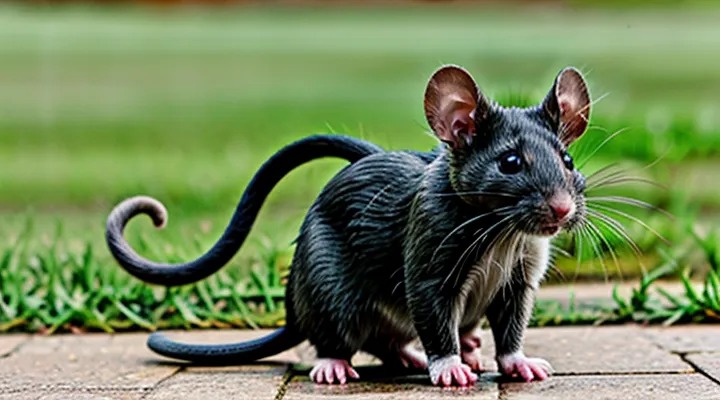
Understanding Domestic Rats
What Makes a Rat «Domestic»?
History of Rat Domestication
Domestication of rats dates back several millennia, beginning with their role as food sources and religious symbols in ancient Egypt. Archaeological evidence shows that Egyptian artisans kept small rodents for sacrifice and as offerings, indicating early human‑rat interaction beyond mere pest control.
During the Roman Empire, rats were occasionally kept in private collections for entertainment and curiosity. Literary references from the period describe the practice of training rats to perform simple tricks, suggesting an embryonic stage of companionship.
The Middle Ages saw a decline in intentional rat keeping, largely due to their association with disease. Nevertheless, feral populations persisted in urban environments, providing a reservoir for later domestication efforts.
The 19th century marked a turning point when European naturalists began capturing wild brown rats (Rattus norvegicus) for laboratory research. Selective breeding for docility and reduced aggression produced the first true domestic lines, most notably the “Fancy Rat” varieties that emerged in England and Germany.
Key milestones in the domestication timeline:
- 2500 BC – Egyptian ritual use of rats.
- 1st century AD – Roman private collections and basic training.
- 1800s – Scientific capture and breeding for laboratory use.
- 1860s – Development of “Fancy Rat” breeds in Europe.
- Early 1900s – Expansion of pet rat markets in North America and Europe.
- Mid‑20th century – Standardization of breed characteristics by enthusiast clubs.
Modern domestication focuses on selective breeding for temperament, coat color, and body shape. Breeders maintain genetic records to enhance traits such as sociability and reduced fear response, resulting in a diverse array of pet rat varieties used for companionship, exhibition, and continued scientific study.
Key Differences: Wild vs. Domestic Rats
Wild rats and domesticated rats differ in genetics, behavior, and care requirements. The former survive in natural habitats, while the latter have been selectively bred for traits favorable to human companionship and laboratory use.
- Genetic lineage: Wild species, such as Rattus norvegicus and Rattus rattus, retain alleles that support survival instincts; domestic strains exhibit reduced aggression and increased sociability.
- Temperament: Wild rats display heightened wariness, rapid flight responses, and territorial aggression. Domestic rats are generally docile, tolerant of handling, and exhibit play behaviors.
- Diet: Wild rats consume a varied diet of seeds, insects, and carrion, adapting to seasonal availability. Domestic rats rely on formulated pellets, fresh vegetables, and occasional treats, requiring balanced nutrition to prevent deficiencies.
- Lifespan: In the wild, average lifespan ranges from 6 months to 1 year due to predation and disease. Domestic rats commonly reach 2–3 years with proper veterinary care.
- Health management: Wild rats encounter parasites and pathogens naturally; domestic rats benefit from controlled environments, vaccination schedules, and regular health checks.
- Reproductive control: Wild populations experience uncontrolled breeding cycles. Domestic breeding programs apply selective pairing and timed litters to maintain desired phenotypes.
Understanding these distinctions guides responsible ownership, informs breeding strategies, and clarifies the relevance of domestic rats in scientific research compared with their wild counterparts.
Common Domestic Rat Breeds
Standard Rat
Physical Characteristics
Domestic rats exhibit a wide range of physical traits that distinguish each breed. Size varies from the diminutive Fancy Rat, typically 5–7 inches (12–18 cm) in body length, to the larger Dumbo rat, which can reach up to 9 inches (23 cm). Weight follows the same pattern, with most rats falling between 150–300 g, while larger breeds may exceed 350 g.
Coat texture and length differ markedly. Standard breeds possess a short, sleek coat that lies close to the skin, whereas the Hairless rat displays a sparse, fine layer of fuzz. Long-haired varieties, such as the Angora, develop a soft, flowing mane that requires regular grooming. Fur density also influences coloration; dense coats often mask underlying pigment patterns.
Coloration spans a spectrum of solid, patterned, and mixed hues. Common solid colors include black, white, and agouti, while patterned coats feature brindle, roan, and sable markings. Some breeds exhibit “blaze” or “hooded” patterns, where distinct patches appear on the head or shoulders. Pigmentation may affect eye color, with red-eyed rats typically associated with albino genetics.
Ear shape and size provide additional identification cues. The Dumbo rat is characterized by large, low-set ears that fold forward, creating a distinctive silhouette. In contrast, most other breeds have smaller, upright ears positioned near the top of the skull.
Tail length generally matches or slightly exceeds body length, but proportion varies. Long-tailed rats have slender, flexible tails that aid in balance, while short-tailed breeds, such as the Rex, possess a stubby, thick tail that contributes to a compact appearance.
Body conformation differs among breeds. The Standard rat features a streamlined, elongated torso with a moderate chest girth. The Rex breed displays a rounded, stocky build with a broader ribcage. Muscular development ranges from lean, agile forms to more robust, heavyweight structures.
Key physical characteristics can be summarized:
- Size: 5–9 inches body length; 150–350 g weight
- Coat: short, long, hairless, or dense
- Color: solid, patterned, mixed; eye pigment linked to coat
- Ears: small/upright or large/folded (Dumbo)
- Tail: proportionate to body, varying in length and thickness
- Body shape: streamlined versus stocky, breed‑specific
These attributes collectively define the appearance of domestic rat breeds and aid owners, breeders, and veterinarians in accurate identification and care planning.
Temperament and Care Needs
Domestic rats display a range of temperaments that correspond closely to their genetic lines, and each line carries specific care requirements. Understanding these connections helps owners provide environments that match the animal’s natural behavior and physiological needs.
The most prevalent categories are Standard, Dumbo, Rex, Hairless, and Satin. Standard rats, the foundation of most breeding programs, tend toward a balanced disposition—curious, sociable, and adaptable. Their coat demands routine grooming to prevent matting, and a diet rich in protein supports rapid growth. Dumbo rats, recognized by their low‑set ears, often exhibit heightened affection and a preference for close contact with handlers. Their ear structure makes them more susceptible to ear infections, so regular inspection and a dry habitat are essential. Rex rats possess a plush, curly coat that traps debris; daily brushing reduces skin irritation, and they benefit from a slightly lower ambient humidity to keep the fur from becoming damp. Hairless rats lack fur, resulting in increased sensitivity to temperature fluctuations; an enclosure maintained at 72‑78 °F with supplemental heating pads prevents hypothermia, while a high‑quality, low‑fat diet mitigates skin dryness. Satin rats feature a glossy, reflective coat that can become oily; weekly spot‑cleaning of the fur and a diet supplemented with omega‑3 fatty acids maintain coat health.
Key temperament traits and care actions can be summarized:
- Sociability – Most breeds thrive on daily interaction; lack of handling may lead to timidity.
- Activity level – Rats are nocturnal explorers; provide climbing structures, tunnels, and chew toys to satisfy instinctual foraging.
- Health monitoring – Regular checks of eyes, ears, and skin detect breed‑specific issues early.
- Environmental stability – Consistent temperature, humidity, and lighting reduce stress, especially for hairless and Rex varieties.
- Nutrition – A base of commercial rat pellets, complemented by fresh vegetables and occasional protein sources, supports growth and immune function across all breeds.
By aligning handling practices with each breed’s innate temperament and addressing the distinct physical requirements, owners can ensure optimal welfare and a harmonious relationship with their pet rats.
Fancy Rat
Top Echelon of Rat Breeds
The most distinguished domestic rat breeds combine striking appearance, predictable temperament, and robust health, making them preferred choices for exhibitors, researchers, and dedicated pet owners.
- Standard Fancy – Compact body, glossy short coat, wide color palette; temperament calm, suitable for handling; conforms to most show standards.
- Rex – Velvety, curly fur covering the entire body; medium size; gentle disposition; prized for unique texture in competition.
- Dumbo – Enlarged, low‑set ears that fold forward; short hair or hairless variants; sociable and curious; frequently selected for novelty exhibitions.
- Satin – Semi‑glossy, sleek coat that reflects light; slender frame; docile nature; valued for visual impact under bright lighting.
- Hairless – Absence of fur, exposing delicate skin; requires careful temperature control; generally friendly and inquisitive; sought after for research and specialty shows.
- Blaze – Distinctive white blaze on the head contrasting with darker body; short coat; confident and active; admired for striking facial pattern.
Selection of elite breeds hinges on three criteria: visual conformity to breed standards, predictable and manageable behavior, and resilience to common health issues. Breeds meeting all three criteria dominate competitive circuits and attract experienced caretakers seeking consistent performance and low maintenance.
Sub-Varieties and Distinctions
Domestic rats are classified into several primary breeds, each containing distinct sub‑varieties that differ in coat texture, coloration, ear placement, and body shape. Recognizing these nuances aids breeders, veterinarians, and hobbyists in accurate identification and care.
- Standard Fancy Rat – smooth, short fur; sub‑varieties include:
- Agouti – speckled brown and black pattern.
- Black – solid black pigmentation.
- Cinnamon – reddish‑brown hue.
- Blonde – pale, creamy coat.
- Dumbo Rat – enlarged, low‑set ears; sub‑varieties mirror those of the Standard but with ear‑related distinctions:
- Dumbo Agouti, Dumbo Black, Dumbo White, etc.
- Rex Rat – wiry, plush fur; sub‑varieties:
- Standard Rex, Dumbo Rex, Hairless Rex (partial hair loss).
- Hairless Rat – minimal fur; sub‑varieties based on skin pigmentation:
- Albino Hairless, Red Hairless, Black Hairless.
- Manx Rat – tailless or short‑tailed; sub‑varieties follow the same color categories as Standard rats.
- Satin Rat – glossy, satin‑like coat; sub‑varieties include Satin Agouti, Satin Black, Satin White.
Distinctions among these sub‑varieties extend beyond appearance. Coat texture influences grooming frequency: wiry Rex fur requires regular brushing, whereas hairless skin demands moisturization to prevent dryness. Ear size in Dumbo varieties alters susceptibility to ear infections, necessitating routine cleaning. Tail length affects balance and spinal health; Manx rats may need modified enclosure designs to compensate for reduced tail support.
Understanding each sub‑variety’s specific traits supports targeted health monitoring, appropriate environmental enrichment, and precise breeding strategies.
Dumbo Rat
Unique Ear Placement
Domestic rats display a range of ear positions that aid breed identification and influence auditory function. Standard laboratory and pet rats possess upright, laterally‑facing ears positioned midway along the skull, providing balanced sound capture. Certain ornamental breeds deviate from this norm:
- Dumbo rats – ears attach low on the skull and fold forward, creating a drooping silhouette; the cartilage is softer, which reduces the angle of sound entry.
- Hairless rats – ear placement mirrors the standard type, but the lack of fur makes the cartilage more visible and vulnerable to injury.
- Rex rats – ears remain upright but are covered with dense, curly fur that diminishes tactile feedback.
- Satin rats – ears are typical in height yet exhibit a glossy coat that can obscure fine details of ear pigmentation.
Ear placement also correlates with behavioral traits. Low‑set, floppy ears tend to be more sensitive to low‑frequency vibrations, while high, upright ears excel at detecting directional sounds. Breeders monitor ear cartilage integrity, as excessive folding can predispose animals to otitis or trauma. Proper grooming and environmental enrichment mitigate these risks, ensuring auditory health across all varieties.
Care Considerations for Dumbo Rats
Dumbo rats possess large, low‑set ears that can trap moisture and debris; regular inspection of the ear canal and gentle cleaning with a damp cotton swab prevent infections. Their short, dense fur requires weekly grooming to remove loose hair and reduce shedding, especially during seasonal molts.
A spacious cage with solid flooring protects delicate paws and supports the breed’s active nature. Provide multiple levels, tunnels, and chew‑safe toys to satisfy climbing instincts while preventing overcrowding. Bedding should be dust‑free, such as paper‑based or aspen, to avoid respiratory irritation.
Nutritional needs mirror those of other fancy rats but demand attention to calcium and vitamin D levels, which support bone development in the breed’s larger ears. Offer a balanced mix of commercial rat pellets, fresh vegetables, and occasional protein treats; limit sugary or fatty foods to maintain optimal weight.
Health monitoring focuses on ear health, dental wear, and respiratory function. Observe for signs of ear redness, discharge, excessive scratching, or wheezing; immediate veterinary consultation is advised if symptoms appear. Schedule quarterly dental checks to ensure incisors do not overgrow and cause discomfort.
Handling practices should be gentle and gradual. Support the rat’s hindquarters and avoid gripping near the ears to reduce stress. Short, calm interaction sessions build trust and minimize the risk of injury to both animal and caretaker.
Manx Rat
Tailless Trait
The tailless trait in domestic rats results from a recessive mutation that suppresses normal tail development. Rats possessing two copies of the gene display a markedly shortened or absent tail, a condition commonly referred to as “tailless” or “rattail.” This genetic variation is stable and can be reliably propagated through selective breeding.
Breeds that regularly exhibit the tailless characteristic include:
- Rattail (Buddha) rats – the most widely recognized tailless variety, known for a smooth, hairless tail stump.
- Himalayan tailless rats – combine the coloration pattern of Himalayan rats with the tailless gene.
- Satin tailless rats – display the glossy, satin coat alongside the shortened tail.
Key physiological implications of the mutation are limited to the absence of vertebrae supporting the tail. The rest of the skeletal structure remains unaffected, and locomotion does not differ significantly from tailed counterparts. However, the reduced tail may affect balance in extreme climbing situations, and the exposed stump can be prone to minor injuries if not monitored.
Breeding considerations require pairing two carriers or two tailless individuals to achieve a 25 % chance of producing tailless offspring per litter when both parents are heterozygous. Careful record‑keeping of lineage prevents accidental introduction of undesirable recessive traits that could compound health issues.
Health monitoring should focus on the tail stump, ensuring cleanliness and protection from abrasions. Routine inspection during grooming sessions helps detect early signs of infection or ulceration. Aside from tail‑related concerns, tailless rats share the same lifespan and disease profile as other domestic rats, provided they receive balanced nutrition and appropriate environmental enrichment.
Health Implications and Care
Domestic rats require vigilant health management because disease can spread rapidly within a colony. Owners should evaluate each animal’s condition daily, noting changes in activity, appetite, or grooming.
Common health issues include:
- Respiratory infections (e.g., Mycoplasma pulmonis)
- Skin parasites such as mites and lice
- Dental malocclusion leading to overgrown incisors
- Gastrointestinal disturbances, including diarrhea and constipation
- Tumors, particularly mammary adenomas in females
Certain breeds display heightened vulnerability:
- Hairless rats often develop skin lesions and are prone to temperature stress.
- Large‑bodied breeds such as the “Giant” may experience joint strain and cardiovascular overload.
- Color‑patterned varieties with white spotting can exhibit higher rates of deafness and ocular problems.
Effective care practices consist of:
- Providing a balanced diet rich in fiber, with limited sugary treats.
- Maintaining enclosure humidity between 40‑60 % and temperature around 68‑75 °F.
- Offering chewable objects to promote natural tooth wear.
- Conducting weekly cage cleaning, focusing on bedding replacement and water bottle sanitation.
- Scheduling quarterly veterinary examinations, including respiratory swabs and dental checks.
Early detection relies on consistent observation. Any sign of labored breathing, nasal discharge, hair loss, or abnormal feces warrants immediate professional assessment to prevent escalation and ensure the well‑being of the entire group.
Hairless Rat
Lack of Fur
Domestic rats exhibit a range of coat conditions, from dense fur to complete hairlessness. Hairless rats lack the protective layer of fur, a trait that distinguishes them from standard varieties and influences their appearance, sensory perception, and husbandry requirements.
The primary hairless breed used in home environments is the Rex mutation, often referred to as the “hairless rat.” This strain displays a smooth, almost naked skin surface, with occasional fine down that may appear after grooming. Other rare mutations, such as the “dilute” and “albino hairless,” share the same lack of fur but differ in coloration and eye pigmentation.
Key characteristics of hairless rats include:
- Temperature sensitivity – skin exposure causes rapid heat loss; ambient temperature should remain between 70 °F and 75 °F (21 °C–24 °C).
- Skin care – moisturization required to prevent dryness and cracking; mild, fragrance‑free ointments recommended.
- Increased susceptibility to injuries – lack of fur reduces protection against minor abrasions; enclosure materials must be smooth and free of sharp edges.
- Enhanced tactile perception – direct skin contact improves responsiveness to handling, making them suitable for educational demonstrations and sensory research.
- Shorter lifespan – average expectancy of 1.5–2 years, slightly lower than furred counterparts, largely due to heightened stress from environmental fluctuations.
Breeders and owners should implement the following management practices:
- Maintain stable humidity (40 %–60 %) to avoid skin dehydration.
- Provide nesting material that does not cling to skin; shredded paper or soft fleece are acceptable.
- Schedule regular health checks focusing on skin integrity, respiratory function, and temperature regulation.
- Limit exposure to drafts, direct sunlight, and sudden temperature changes.
Understanding the implications of hairlessness enables responsible selection of rat breeds for specific purposes, whether as companion animals, laboratory subjects, or exhibition specimens.
Special Care Requirements for Skin and Temperature
Rats possess delicate skin and a narrow thermoregulatory window; proper management prevents dermatitis, hair loss, and hypothermia. Each breed shares these physiological constraints, though coat length and density influence specific needs.
- Maintain ambient temperature between 68‑74 °F (20‑23 °C). Use a calibrated thermostat to avoid sudden drops, especially during winter.
- Provide a nest box with shredded paper or tissue; the material allows rats to construct insulating burrows and reduces skin exposure to drafts.
- Keep humidity at 40‑60 %. Excess moisture encourages fungal growth, while overly dry air can cause skin cracking.
- Limit direct sunlight and place the cage away from vents or heating elements that create temperature gradients.
- Inspect fur daily for signs of matting or parasites; gently separate tangled hair to restore airflow and prevent skin irritation.
- Apply a thin layer of veterinary‑approved barrier cream to areas prone to irritation, such as the neck and hindquarters, after cleaning.
- Offer fresh water at room temperature; avoid chilled water, which can lower core temperature during prolonged drinking sessions.
- Schedule regular veterinary examinations to monitor skin health and detect early signs of heat stress or hypothermia.
Consistent adherence to these parameters supports optimal dermal integrity and thermal stability across all domestic rat varieties.
Rex Rat
Curly Coat Texture
Curly‑coated rats exhibit a distinctive wave in each hair shaft, producing a soft, spring‑like appearance that differs markedly from the smooth, glossy coats of most domestic varieties. The texture results from a recessive gene that alters the shape of the hair follicle, causing each strand to bend and form a tight curl. Breeders identify the trait through visual inspection and genetic testing, confirming the presence of two copies of the curly allele.
Rats displaying this coat typically belong to the following breeds:
- Rex – characterized by a dense, velvety curl covering the entire body; often paired with other color patterns.
- Dumbo – may carry the curly gene in combination with oversized ears, creating a plush silhouette.
- Hairless – occasionally bred with curly individuals to produce a “curly‑hairless” phenotype, where sparse curls appear on the head and limbs.
Maintenance of a curly coat requires regular grooming to prevent matting. A soft‑bristle brush applied two to three times weekly removes loose fibers and distributes natural oils evenly. Over‑brushing can damage the delicate curls, so gentle strokes are essential. Moisture‑resistant bedding reduces the risk of dampness, which can cause the curls to flatten and increase susceptibility to skin irritation.
Health considerations specific to curly coats include a higher incidence of folliculitis and fungal infections if hygiene lapses occur. Routine health checks should focus on the skin’s condition, looking for redness, scaling, or abnormal odor. Prompt treatment with topical antiseptics or antifungal agents mitigates complications and preserves coat integrity.
Genetically, the curly trait follows an autosomal recessive inheritance pattern. Breeding two carriers (heterozygous individuals) yields a 25 % chance of producing offspring with the full curly phenotype, a 50 % chance of carriers, and a 25 % chance of normal‑coated progeny. Maintaining a breeding program that tracks carrier status minimizes unexpected coat outcomes and supports selective enhancement of the texture.
In summary, the curly coat texture defines a subset of domestic rats distinguished by a unique hair structure, specific grooming requirements, and identifiable genetic markers. Proper care and informed breeding practices ensure the health and visual appeal of these rats.
Coat Variations and Maintenance
Domestic rats display a range of coat types that influence grooming requirements and health considerations. Short‑haired varieties possess a sleek, dense fur that sheds minimally; regular brushing with a soft‑bristle brush removes loose hair and prevents matting. Long‑haired strains develop a flowing coat that accumulates debris; daily combing with a fine‑toothed comb is essential to avoid tangles and skin irritation. Curly‑haired specimens combine the texture of a short coat with occasional loose curls; weekly grooming with a gentle hand‑comb suffices, while periodic inspection for knot formation remains necessary. Hairless rats lack fur entirely; they demand meticulous skin care, including weekly cleansing with a mild, fragrance‑free cleanser and routine moisturizing to prevent dryness and dermatitis.
Coat coloration does not affect maintenance directly, but certain pigment patterns may hide dirt, requiring more frequent visual checks.
Key maintenance practices:
- Brushing frequency: short coats (2–3 times weekly), long coats (daily), curly coats (weekly), hairless (none).
- Tool selection: soft‑bristle brush for short coats, wide‑tooth comb for long coats, fine‑tooth comb for curly coats, soft cloth for hairless skin.
- Bathing: avoid regular immersion; use spot cleaning with damp cloth unless a professional recommendation specifies otherwise.
- Health monitoring: inspect ears, eyes, and skin during grooming sessions for signs of infection, parasites, or irritation; address issues promptly with veterinary guidance.
Adhering to these protocols ensures coat health, reduces shedding, and supports overall well‑being of domestic rats.
Satin Rat
Distinctive Sheen
The coat’s distinctive sheen serves as a primary visual marker when differentiating domestic rat varieties. Breeders and enthusiasts rely on the luster to identify specific genetic lines and to assess breed purity.
- Satin – exhibits a metallic, reflective surface that appears almost glass‑like; the sheen results from a single‑gene mutation affecting hair cuticle structure.
- Gloss – displays a high‑shine, smooth coat without the pronounced metallic quality of Satin; the shine is produced by a combination of dense fur and healthy skin oils.
- Dumbo (when paired with Satin) – retains the characteristic ear shape of the Dumbo line while the Satin gene adds a pronounced sheen to the fur.
The sheen originates from alterations in the hair’s microscopic layers. The Satin allele reduces the thickness of the cuticle, allowing light to penetrate deeper and reflect more uniformly. This genetic change does not affect coat length or texture but creates a noticeable iridescence under natural lighting.
Proper maintenance supports the sheen’s longevity. Regular grooming removes excess debris, preserving the reflective quality. A balanced diet rich in omega‑3 fatty acids promotes healthy skin secretions, enhancing gloss. Excessive bathing or harsh chemicals can diminish the luster by stripping natural oils.
Recognizing the presence and intensity of a distinctive sheen aids in breed classification, informs selective breeding strategies, and assists owners in providing appropriate care for rats with this visual trait.
Grooming and Health Notes
Domestic rats require regular grooming to maintain coat condition and prevent skin issues. Brushing once or twice weekly removes loose hair, reduces matting, and distributes natural oils. Short‑haired varieties benefit from a soft bristle brush, while long‑haired breeds need a finer comb to detangle without pulling. Nail trimming should occur every 2–3 weeks; overgrown claws can impair movement and cause foot injuries. Dental health demands constant access to chewable materials such as untreated wood blocks, as incisors grow continuously and must be worn down to avoid malocclusion.
Health monitoring complements grooming routines. Observe the coat for bald patches, excessive shedding, or parasites; any irregularity may indicate underlying disease. Check the eyes for discharge, the ears for wax buildup, and the skin for redness or sores. Respiratory health is vulnerable in densely furred breeds; maintain low humidity and proper ventilation to reduce the risk of respiratory infections. Regular weight checks help detect early signs of metabolic disorders; a sudden loss or gain of more than 10 % of body weight warrants veterinary assessment.
A concise care checklist:
- Brush or comb according to coat length, weekly.
- Trim nails every 2–3 weeks.
- Provide safe chew items for dental wear.
- Inspect coat, skin, eyes, and ears each grooming session.
- Keep habitat clean, dry, and well‑ventilated.
- Record body weight weekly; seek professional advice for abnormal changes.
Adhering to these grooming and health practices supports longevity and comfort across all domestic rat breeds.
Less Common and Emerging Breeds
Dwarf Rat
Smaller Size
Domestic rat varieties display a wide range of body dimensions, with several breeds distinguished by notably compact stature. These smaller specimens typically weigh between 150 g and 250 g and measure 8 cm to 11 cm in body length, excluding the tail. Their reduced size influences housing requirements, feeding schedules, and handling techniques, making them suitable for limited living spaces and owners seeking a more manageable pet.
- Dwarf Sprinter – average weight 160 g; body length 8 cm; tail proportionally short, enhancing agility.
- Miniature Hairless – weight 170 g; length 9 cm; skin without fur reduces grooming needs.
- Pocket Rex – weight 180 g; length 9.5 cm; velvety coat and compact frame.
- Lil’ Sphynx – weight 190 g; length 10 cm; hairless, muscular build.
- Compact Oriental – weight 200 g; length 10.5 cm; sleek profile, pronounced tail.
Smaller rats mature faster, reaching adult size by eight weeks, and often exhibit higher activity levels within confined enclosures. Their diet requires proportionally reduced portions of standard rat chow, supplemented with fresh vegetables to prevent obesity. Enclosure dimensions should provide at least 0.5 m² floor space per animal, with vertical elements to accommodate climbing despite limited body length. Handling protocols recommend gentle support at the base of the tail to avoid stress, as the reduced mass makes them more susceptible to accidental drops.
Overall, the compact size of these breeds offers practical advantages for urban dwellers and first‑time owners, while maintaining the characteristic intelligence and sociability of domestic rats.
Behavioral and Care Aspects
Domestic rats display distinct behavioral patterns that correlate with their genetic lineage. Active, inquisitive individuals thrive on environmental enrichment, while more docile strains prefer stable, low‑stimulus settings. Social interaction is critical; rats form hierarchical groups, and isolation can lead to heightened stress, manifested by excessive grooming, reduced appetite, or aggression.
Effective care begins with habitat design. A spacious cage with multiple levels and tunnels accommodates climbing and nesting instincts. Provide a solid base, avoid wire flooring, and ensure ventilation without drafts. Bedding should be absorbent, dust‑free, and changed regularly to prevent respiratory irritation.
Nutrition requires a balanced diet of high‑quality commercial rat pellets supplemented by fresh vegetables and occasional protein sources such as boiled egg or mealworms. Limit sugary treats, as they predispose to obesity and dental problems. Fresh water must be available at all times, preferably in a bottle with a stainless‑steel spout to reduce contamination.
Health monitoring includes weekly inspection of eyes, ears, and coat for signs of infection or parasites. Observe for abnormal discharge, lethargy, or changes in stool consistency. Schedule veterinary examinations at least twice yearly, focusing on dental checks, vaccination status, and parasite control.
Behavioral training reinforces positive habits. Use gentle handling to habituate rats to human contact; short, consistent sessions reduce fear responses. Reward desired actions with small food incentives, avoiding punitive measures that can damage trust. Enrichment toys—such as chew blocks, puzzle feeders, and safe nesting material—stimulate problem‑solving skills and prevent boredom‑induced stereotypies.
Routine cleaning maintains hygiene. Disassemble cage components weekly, clean with mild detergent, rinse thoroughly, and dry before reassembly. Spot‑clean droppings daily to control odor and bacterial growth. Rotate toys and rearrange the layout monthly to sustain novelty and encourage exploration.
Overall, attentive observation, appropriate environmental provision, balanced nutrition, and regular health checks constitute the core of responsible rat ownership, ensuring each breed’s unique temperament flourishes within a safe, supportive setting.
Bristle Coat Rat
Coarse Fur
Coarse fur distinguishes several domestic rat varieties from the smoother-coated types commonly seen in pet stores. The texture results from longer, thicker guard hairs interspersed with a denser undercoat, giving the animal a rougher appearance and a slightly bristled feel when handled.
Breeds that regularly exhibit this coat type include:
- Standard Rex – characterized by a velvety, slightly wiry coat that resists matting.
- Manx – known for a dense, coarse pelage that provides additional insulation.
- Hairless‑Rex mix – combines patches of coarse hair with bare skin, creating a unique tactile contrast.
Functional implications of coarse fur are straightforward. The thicker guard hairs protect skin from minor abrasions and help maintain body temperature in cooler environments. However, the texture can trap debris more readily than sleek coats, requiring regular grooming to prevent tangles and skin irritation.
Health considerations focus on coat maintenance. Routine brushing removes loose hairs and distributes natural oils, reducing the risk of folliculitis. In cases where the coat becomes overly matted, professional trimming may be necessary to preserve skin health and prevent secondary infections.
Overall, coarse fur serves as a distinguishing physical trait among specific rat breeds, influencing care routines, environmental suitability, and aesthetic appeal.
Rarity and Specific Needs
Domestic rats display a wide spectrum of rarity, ranging from widely available varieties to those produced in limited numbers by specialized breeders. Rare strains often result from selective breeding for unique coat colors, patterns, or body types, and they typically require more attentive management than common types.
- Lilac (or Lavender) rats – low‑frequency coat color; sensitive to temperature fluctuations, benefit from a stable ambient temperature of 68‑72 °F (20‑22 °C).
- Rex (curly‑haired) rats – uncommon fur texture; prone to skin irritation, need regular grooming with a soft brush and a hypoallergenic bedding such as paper pulp.
- Hairless rats – extremely scarce; lack of fur eliminates natural thermoregulation, demanding a heated enclosure, humidity control, and frequent skin moisturization with veterinarian‑approved ointments.
- Dumbo (large‑ear) rats – infrequently bred; enlarged ears increase susceptibility to ear infections, require weekly ear cleaning and a dry, well‑ventilated habitat.
- Satin rats – rare glossy coat; coat can become brittle if diet lacks essential fatty acids, necessitate a diet enriched with omega‑3 sources such as flaxseed oil.
Owners of these uncommon breeds must monitor health indicators more closely, maintain precise environmental parameters, and source nutrition tailored to each strain’s physiological traits. Veterinary consultation should be scheduled at least bi‑annually, with additional visits prompted by any signs of stress, skin issues, or respiratory discomfort. Proper record‑keeping of breeding lineage aids in anticipating hereditary concerns and supports responsible stewardship of scarce domestic rat populations.
Identifying Rat Breeds
Visual Cues and Characteristics
Ear Shape and Placement
Domestic rats display a range of ear morphologies that aid in breed identification and influence sensory capabilities. The primary variations involve shape, size, and placement relative to the skull.
Rounded ears are typical of the standard laboratory and fancy varieties. These ears present a smooth curvature, cover the entire auditory canal, and sit low on the head, providing protection against debris. Breeds such as the Standard Fancy and Albino Laboratory exhibit this form.
Pointed or angular ears appear in breeds selected for a more aggressive appearance. The apex of the ear extends outward, creating a sharper silhouette. Placement is often higher on the skull, granting a broader field of hearing. Notable examples include the Rex and Manx rats, where the elevated position complements their distinctive fur textures.
Large, floppy ears occur in the Hairless breed. The absence of dense fur allows the ears to droop slightly, reducing tension on the cartilage. This configuration enhances airflow and may improve thermoregulation.
A concise comparison:
- Rounded, low‑set – Standard Fancy, Albino Laboratory: protective, compact.
- Pointed, high‑set – Rex, Manx: extended auditory range, pronounced profile.
- Floppy, low‑tension – Hairless: increased ventilation, minimalist fur.
Ear placement also affects social signaling. Rats with ears positioned close together tend to convey calmness, while widely spaced ears can indicate heightened alertness. Understanding these ear characteristics supports accurate breed classification and informs handling practices.
Fur Type and Color
Domestic rats display a range of coat textures that differentiate breeds and influence grooming requirements. Standard fur presents a smooth, glossy surface typical of most laboratory and pet strains. Satin fur exhibits a finer, silk‑like sheen and requires regular brushing to prevent matting. Rex fur is characterized by a plush, velvety pile caused by a mutation that shortens guard hairs, resulting in a dense, soft appearance. Curly fur, produced by the “curls” gene, forms tight spirals that can obscure underlying color patterns. Hairless rats lack a protective coat entirely, exposing delicate skin that must be kept warm and moisturized.
Coloration among domestic rats follows genetic pathways that yield distinct pigmentations. Common phenotypes include:
- Agouti: banded hairs with a dark tip and lighter base, creating a speckled effect.
- Black: uniform melanin producing a deep, glossy black coat.
- White: lack of pigment, often accompanied by pink or ruby eyes.
- Brown: solid brown, ranging from light chestnut to dark chocolate.
- Cinnamon: reddish‑brown hue resulting from a specific pigment allele.
- Blue: diluted black, giving a slate‑gray appearance.
- Chocolate: muted brown with a softer tone than standard brown.
- Lilac: diluted chocolate, yielding a pale, pink‑tinged gray.
Some strains combine fur type and color, such as satin black or rex cinnamon, offering breeders a broad palette for selection. Genetic testing confirms lineage and helps maintain breed standards while preventing inadvertent health issues linked to certain coat traits.
Body Shape and Size
Domestic rats display a range of body configurations that correspond closely to their breed lineage. The overall silhouette is typically elongated, with a compact torso, short limbs, and a tapered tail. Muscle development varies: show‑quality lines emphasize a lean, well‑defined musculature, while pet‑oriented strains may present a slightly bulkier frame to enhance comfort and handling.
Size differences among popular varieties are measurable in both length and weight:
- Standard Fancy Rat – body length 8–10 in (20–25 cm); adult weight 300–500 g.
- Dumbo Rat – similar length to standard, but with broader, flattened ears that give a wider head profile; weight 350–550 g.
- Rex Rat – body length comparable to standard; weight 300–450 g; dense, curly coat adds apparent bulk without increasing mass.
- Hairless Rat – body length 7–9 in (18–23 cm); weight 250–400 g; lack of fur reduces perceived size, emphasizing skeletal structure.
- Giant Rat (e.g., Big‑Bite) – body length up to 12 in (30 cm); weight can exceed 800 g, reflecting selective breeding for larger stature.
Proportional traits remain consistent across the spectrum: a proportionate head‑to‑body ratio, a straight spine without pronounced curvature, and a tail length roughly equal to body length, providing balance and agility. Breed‑specific alterations—such as the Dumbo’s ear placement or the Rex’s coat texture—modify visual impression but do not fundamentally change the underlying skeletal framework.
Genetic Factors in Breed Identification
Understanding Rat Genetics
Rat genetics provides the framework for distinguishing domestic rat varieties. Genetic variation determines coat coloration, body size, fur texture, and behavioral tendencies, allowing breeders to predict outcomes and maintain breed standards.
Inheritance patterns follow Mendelian principles. Dominant alleles, such as the agouti (A) gene, produce a typical brown–black coat, while recessive alleles like albinism (c) require two copies to express a white phenotype. Co‑dominant interactions, for example the Himalayan (h) allele, produce temperature‑dependent coloration, yielding darker extremities on a lighter body.
Key genetic loci influencing domestic rats include:
- Coat color genes: A (agouti), a (non‑agouti), C (full color), c (albinism), h (Himalayan), s (Siamese), and p (pink-eyed dilution).
- Fur length genes: l (long hair) is recessive to L (short hair).
- Size genes: Dw (dwarf) is recessive; rats homozygous for Dw exhibit reduced body mass and shorter limbs.
- Behavioral genes: Certain alleles affect tameness and activity levels, though they are polygenic and influenced by environmental factors.
Selective breeding exploits these genes to produce distinct types, such as:
- Standard rats – typical size, short hair, agouti or black coat.
- Himalayan rats – temperature‑sensitive pigmentation, white body with dark points.
- Dwarf rats – homozygous Dw, markedly smaller stature.
- Long‑hair rats – homozygous l, producing a plush coat.
- Albino rats – homozygous c, yielding white fur and red eyes.
Understanding the genotype‑phenotype relationship enables breeders to design mating pairs that combine desired traits while minimizing undesirable recessive conditions, such as congenital cataracts linked to the c allele. Genetic testing, including PCR‑based screening, confirms carrier status and supports informed selection decisions.
Overall, rat genetics supplies the essential data for categorizing domestic varieties, guiding breeding programs, and preserving the integrity of each type.
Impact on Physical Traits
Domestic rat varieties exhibit distinct physical characteristics shaped by selective breeding. Size differences arise from lineage; larger strains such as the “Giant” display increased body mass and longer limbs, while “Standard” strains retain compact dimensions. Coat texture varies by breed: Rex rats possess wiry, curly fur due to a mutation affecting hair follicle structure; Satin rats exhibit glossy, reflective hair caused by altered melanin distribution; Hairless rats lack an external coat entirely, exposing delicate skin with reduced insulation. Ear morphology is altered in Dumbo rats, whose broad, low-set ears result from a genetic modification of cartilage growth, providing a flatter head profile. Tail length and thickness correlate with breed standards; Long-tailed varieties maintain proportional lengths, whereas “Short-tail” lines present truncated tails due to vertebral shortening. Facial features differ as well: “Round-face” rats develop a broader skull and reduced muzzle length, while “Pointed-face” lines retain elongated snouts. These physical traits reflect targeted genetic selection across domestic rat breeds, producing predictable variations in size, fur, ear, tail, and head morphology.
Choosing the Right Rat Breed
Factors to Consider Before Adoption
Temperament and Personality
Temperament varies considerably among pet rat breeds, influencing suitability for different owners and environments.
- Standard Fancy Rat – calm, adaptable, readily forms bonds with humans; tolerates handling by multiple people.
- Dumbo Rat – gentle, often more affectionate than other varieties; enjoys close contact and exhibits reduced aggression.
- Rex Rat – inquisitive, energetic, displays playful behavior; may require additional mental stimulation to prevent boredom.
- Hairless Rat – sensitive to temperature changes, yet displays a confident demeanor; seeks warmth from human contact.
- Crested Rat – observant, slightly more cautious; develops trust gradually but can become highly social once comfortable.
- Satin Rat – sleek, confident, frequently exhibits bold exploration; responds well to consistent training routines.
Individual personality traits are shaped by genetics, early socialization, and handling frequency. Rats raised with regular, gentle interaction typically show reduced fearfulness and increased willingness to engage. Conversely, limited exposure to humans often results in heightened skittishness and defensive responses. Consistent positive reinforcement strengthens desired behaviors across all breeds.
Health and Longevity
Domestic rats require attentive care to achieve optimal health and maximum lifespan. Lifespan averages between 2 and 3 years, with variations driven by genetics, environment, and husbandry practices.
Breed-specific longevity differs noticeably.
- Fancy (Standard) Rats: 2–3 years, occasional individuals reach 4 years.
- Dumbo Rats: 1.5–2.5 years, higher incidence of ear‑related infections reduces average.
- Hairless (Satin) Rats: 1.5–2 years, skin fragility increases susceptibility to dermatitis.
- Rex Rats: 2–3 years, comparable to standard rats when kept in stable conditions.
- Rex‑Dumbo hybrids: 1.5–2.5 years, health outcomes reflect combined traits of parent lines.
Common health concerns affect longevity across all varieties.
- Respiratory infections (e.g., Mycoplasma pulmonis).
- Dental malocclusion leading to weight loss.
- Tumors, particularly mammary and adrenal gland neoplasms.
- Gastrointestinal stasis caused by diet imbalance.
- Skin disorders in hairless and Dumbo types.
Management strategies that extend life expectancy include:
- Providing a high‑fiber, low‑fat diet with fresh vegetables and quality lab blocks.
- Maintaining humidity between 40 % and 60 % to prevent respiratory irritation.
- Conducting weekly health checks for early detection of nasal discharge, abnormal grooming, or weight changes.
- Ensuring chewable enrichment to promote proper tooth wear.
- Scheduling annual veterinary examinations with a practitioner experienced in rodent medicine.
Consistent application of these practices results in measurable improvements in both health status and lifespan for domestic rats.
Space and Time Commitment
Domestic rat varieties differ markedly in the space they require. Small‑to‑medium breeds, such as the Standard and Dumbo, thrive in cages measuring at least 2 ft × 1 ft × 1 ft, with additional floor space for tunnels and enrichment. Larger breeds, including the Giant and Hairless, need cages no smaller than 3 ft × 2 ft × 2 ft to accommodate their size and activity level. Multi‑rat households demand proportional increases; each additional animal adds roughly 0.5 sq ft of floor area to prevent overcrowding and stress.
Time commitment varies with breed temperament and care needs.
- Standard and Dumbo – Daily handling for 10–15 minutes, plus 20 minutes of cage cleaning and enrichment rotation.
- Giant – Handling sessions of 5–10 minutes due to size; grooming twice weekly requires 15 minutes; cage maintenance similar to smaller breeds but with larger substrate volume.
- Hairless – Daily skin checks and moisturizing for 5 minutes; handling 10 minutes; cage cleaning unchanged but humidity monitoring adds 5 minutes per week.
All breeds need weekly health inspections lasting 5 minutes per animal and a bi‑weekly deep clean of the enclosure, typically 30 minutes for standard cages and up to 45 minutes for larger setups. Consistent interaction and environmental enrichment are essential to prevent boredom and maintain welfare.
Matching a Breed to Your Lifestyle
Active vs. Laid-Back Breeds
Domestic rats fall into two behavioral categories that influence housing, enrichment, and handling: active breeds and laid‑back breeds.
Active breeds display high energy, rapid movement, and a strong curiosity for novel objects. They require extensive climbing structures, frequent out‑of‑cage time, and interactive toys to prevent stress. Typical examples include:
- Rex – dense, wavy coat; constant exploration, quick to learn tricks.
- Dumbo – large, low‑set ears; prefers climbing, enjoys complex tunnels.
- Satin – glossy coat; agile, often initiates play with cage mates.
Laid‑back breeds exhibit slower pacing, reduced climbing, and a preference for stable, comfortable resting spots. Their temperament suits owners who favor calm interaction and minimal daily reconfiguration of the environment. Representative breeds are:
- Standard (Short‑haired) – smooth coat; settles quickly, tolerates handling.
- Hairless (Nude) – lack of fur; seeks warm, secure hideaways, less prone to frantic activity.
- Manx – tailless; moves deliberately, enjoys gentle grooming sessions.
Choosing between these categories depends on the owner’s schedule, enclosure size, and desired level of engagement. Active rats thrive in spacious cages with vertical space, while laid‑back rats prosper in compact setups with ample bedding and soft nesting material. Matching temperament to lifestyle reduces stress for both animal and caretaker.
Socialization Needs of Different Breeds
Domestic rats display distinct socialization requirements that vary with breed characteristics. Recognizing these differences prevents stress, promotes health, and enhances interaction quality.
-
Standard (Short‑haired) Fancy Rats – Highly adaptable, they thrive on daily handling and exposure to multiple human voices. Minimum of 15 minutes of direct contact five days a week sustains confidence. Pairing with a compatible conspecific is recommended; solitary housing increases aggression risk.
-
Dumbo Rats – Large, low‑set ears reduce visual field, making them more cautious around sudden movements. Gentle, slow introductions and extended observation periods (10‑15 minutes) before full handling improve acceptance. Group housing remains essential; a stable cage‑mate hierarchy mitigates anxiety.
-
Hairless Rats (e.g., Rex, Satin) – Sensitive skin demands reduced friction during handling. Use soft, lint‑free gloves and limit sessions to 5‑10 minutes initially, extending as tolerance grows. Social contact with other rats remains a primary enrichment factor; isolation can trigger excessive grooming and skin lesions.
-
Rex Rats – Curly coat increases tactile stimulation needs. Provide varied textures (paper nests, wood blocks) alongside human interaction. Daily handling of 10‑12 minutes, combined with at least one cage‑mate, supports emotional stability.
-
Satin Rats – Shiny fur reflects light, making them more alert to environmental changes. Consistent routine, including predictable handling times, reduces startle responses. Pairing with a familiar rat prevents territorial disputes during social play.
Across all breeds, the following practices strengthen socialization:
- Initiate contact within the first two weeks of life; neonatal exposure accelerates habituation.
- Rotate handling techniques (cup, hand‑tuck, gentle chin support) to develop versatility.
- Incorporate enrichment objects that encourage group exploration, reinforcing social bonds.
- Monitor body language—flattened ears, tail twitch, vocal chirps—to assess comfort levels and adjust interaction intensity accordingly.
Adhering to breed‑specific guidelines ensures each rat maintains a balanced social environment, minimizing stress‑induced health issues and fostering reliable companionship.
Health and Care Across Breeds
General Health Considerations
Common Ailments
Domestic rats, whether fancy varieties or standard laboratory strains, share a set of health conditions that owners should recognize promptly. Respiratory infections, commonly caused by Mycoplasma pulmonis, present with sneezing, nasal discharge, and labored breathing; untreated cases may progress to pneumonia. Gastrointestinal disturbances, including enteritis and cecal impaction, manifest as reduced appetite, weight loss, and abnormal feces, often requiring dietary adjustment and supportive care. Skin problems such as pododermatitis, ringworm, and mite infestations appear as ulcerated foot pads, hair loss, or crusty lesions, demanding hygiene measures and targeted medication. Dental disease, particularly overgrown incisors, leads to difficulty eating and facial deformities; regular examination and trimming prevent severe malocclusion. Tumors, especially mammary adenomas and sarcomas, develop in older individuals, presenting as palpable masses that may require surgical removal or oncologic treatment.
Typical ailments
- Respiratory infection (Mycoplasma, pneumonia)
- Gastrointestinal upset (enteritis, cecal impaction)
- Skin disorders (pododermatitis, fungal, ectoparasite)
- Dental malocclusion (overgrown incisors)
- Neoplastic growths (mammary, soft‑tissue tumors)
Effective management relies on routine health checks, clean housing, balanced nutrition, and prompt veterinary consultation when symptoms arise. Early detection reduces morbidity and supports longevity across the diverse range of pet rat breeds.
Preventive Care
Preventive care for pet rats begins with a regular health assessment. Observe behavior, appetite, and coat condition daily; deviations often signal illness. Schedule a veterinary examination at least twice yearly to confirm normal weight, heart rate, and respiratory sounds.
A balanced diet reduces nutritional deficiencies. Offer a base of high‑quality laboratory rat pellets, supplement with fresh vegetables such as carrots, broccoli, and leafy greens. Limit sugary treats and avoid foods toxic to rodents, including chocolate, caffeine, and raw beans.
Environmental hygiene curtails disease. Clean the cage fully once a week, removing all bedding, then replace with fresh, absorbent material such as paper or aspen shavings. Spot‑clean droppings and wet areas daily to prevent ammonia buildup, which irritates respiratory tracts.
Parasite control requires routine inspection. Check the fur and skin for mites, fleas, or ticks; treat infestations promptly with veterinary‑approved ectoparasitic products. Conduct fecal examinations quarterly to detect intestinal worms, administering deworming medication when indicated.
Dental health is critical because rats’ incisors grow continuously. Provide chewable items—untreated wood blocks, mineral chews, or safe cardboard—to promote natural wear. Inspect teeth for overgrowth or malocclusion during each veterinary visit.
Grooming supports skin health. Trim overgrown toenails using small animal nail clippers, taking care to avoid the quick. Brush the coat gently to remove excess fur and reduce matting, especially in long‑haired breeds.
Handling techniques prevent injury. Support the rat’s body fully, avoid squeezing, and limit sessions to short intervals initially to reduce stress. Gradual habituation improves cooperation and reduces the risk of bites or fractures.
Vaccination is not routine for domestic rats, but research facilities may employ specific pathogen‑free (SPF) protocols. For pet owners, focus on the measures above to maintain a robust immune system and prolong lifespan.
Breed-Specific Health Concerns
Genetic Predispositions
Domestic rats display breed‑specific genetic predispositions that shape appearance, behavior, and health outcomes. Distinct allele combinations determine coat coloration, fur texture, body size, and temperament, while also influencing susceptibility to particular ailments.
- Coat color genes produce patterns such as agouti, albino, and harem; each pattern links to varying levels of melanin‑related skin sensitivity.
- Fur‑length mutations generate “hairless” or “rex” phenotypes; hairless individuals lack protective insulation and exhibit heightened risk of dermatitis and temperature stress.
- Skeletal mutations create the “Dumbo” ear structure; the altered cartilage increases vulnerability to ear infections and trauma.
- Size‑related genes, exemplified by “giant” and “miniature” lines, affect metabolic rate and joint stress, predisposing larger rats to osteoarthritic changes and smaller rats to hypoglycemia under caloric restriction.
- Neurobehavioral loci correlate with docility or aggression; breeds selected for calm temperament often carry alleles that reduce stress‑induced cortisol spikes, whereas more active lines show heightened exploratory drive.
Awareness of these genetic factors guides responsible breeding, health monitoring, and environmental enrichment. Selecting mates with complementary health profiles reduces the incidence of hereditary conditions, while tailored husbandry addresses the specific needs of each genotype.
Tailored Care Approaches
Domestic rat breeds vary in size, coat type, and activity level, which directly influences husbandry requirements. Recognizing these differences prevents health issues and promotes well‑being.
Effective care hinges on five factors: nutrition, habitat, grooming, social interaction, and preventive health. Adjust each factor to match the breed’s physical and behavioral traits.
-
Dwarf breeds (e.g., Sprague, Dumbo):
• Provide high‑calorie diets rich in protein to support rapid growth.
• Use compact cages with multiple climbing levels; limited floor space reduces stress.
• Monitor for obesity; adjust portions if weight gain exceeds 10 % per month. -
Long‑haired breeds (e.g., Rex, Satin):
• Offer a balanced diet low in excess fats; coat condition reflects nutritional health.
• Include a soft substrate to prevent matting; avoid wire flooring.
• Schedule daily grooming sessions to remove tangles and detect skin lesions early. -
Hairless breeds (e.g., Hairless Rat):
• Supply a diet enriched with essential fatty acids to maintain skin integrity.
• Maintain ambient temperature between 68–75 °F; provide heated hideaway to prevent hypothermia.
• Apply a mild, veterinarian‑approved moisturizer to prevent dryness; inspect for infections weekly. -
Standard‑size breeds (e.g., Standard Fancy):
• Offer a varied diet of pellets, fresh vegetables, and occasional protein treats.
• Provide a spacious enclosure with solid flooring, tunnels, and chew toys to satisfy exploratory instincts.
• Encourage group housing; observe hierarchy to avoid aggression. -
High‑energy breeds (e.g., Albino, Black):
• Increase protein content to sustain stamina; supplement with occasional insect protein.
• Install vertical climbing structures and exercise wheels sized for rat use.
• Conduct regular health checks for dental overgrowth, a common issue in active rats.
Tailoring each element of care to the specific breed eliminates generic pitfalls and creates an environment where domestic rats thrive.
The Future of Domestic Rat Breeds
Ongoing Breeding Efforts
Development of New Traits
Domestic rat breeding has produced a range of phenotypic variations through deliberate selection of genetic traits. Breeders manipulate alleles responsible for coat pigmentation, fur length, body mass, and behavioral disposition to expand the available repertoire of pet rats.
Selective breeding concentrates desirable mutations within a line. Repeated pairing of individuals displaying a target characteristic increases allele frequency, stabilizing the trait across generations. Outcrossing introduces genetic diversity, reducing inbreeding depression while preserving novel features. Advanced methods such as marker‑assisted selection and genome editing accelerate the fixation of specific genes, enabling precise control over morphology and temperament.
Current focus areas for new trait development include:
- Coat coloration – emergence of pastel shades, marbled patterns, and multi‑color mosaics through manipulation of the melanocortin‑1 receptor and dilution genes.
- Fur texture – production of curly, woolly, or hairless phenotypes by targeting keratin‑related loci.
- Size modulation – creation of dwarf or giant lines via growth‑factor pathways, yielding rats weighing under 80 g or exceeding 500 g.
- Temperament enhancement – selection for reduced aggression and heightened sociability by correlating behavioral scores with serotonin‑system polymorphisms.
- Health resilience – incorporation of alleles conferring resistance to common respiratory infections and neoplastic conditions, improving lifespan and welfare.
Each trait undergoes rigorous evaluation for stability, health impact, and compatibility with existing breed standards. Documentation of breeding records, phenotypic scoring, and genetic testing ensures that novel characteristics become reliable components of the domestic rat population.
Ethical Breeding Practices
Ethical breeding of domestic rats demands strict adherence to health‑focused selection, genetic diversity, and responsible caretaker involvement. Breeders must prioritize animals’ welfare over aesthetic preferences, ensuring that each mating pair is free of hereditary defects and that offspring receive appropriate veterinary care from birth.
Key practices include:
- Health screening of parents for common conditions such as respiratory infections, tumors, and metabolic disorders.
- Limiting inbreeding coefficients to maintain genetic variability and reduce the incidence of recessive traits.
- Providing enriched environments during gestation and early development to promote normal behavior and stress resilience.
- Recording lineage, health outcomes, and any interventions to enable transparent tracking of breed health trends.
Compliance with these standards protects the longevity of rat breeds, supports reliable research data, and upholds the moral responsibility of those who cultivate these companion animals.
Conservation of Unique Breeds
Maintaining Genetic Diversity
Domestic rat breeding programs must preserve a broad genetic pool to prevent inbreeding depression, maintain vigor, and retain breed-defining traits. Small founder populations, common in hobbyist settings, rapidly lose heterozygosity; systematic outcrossing counteracts this loss.
Effective measures include:
- Selecting breeding pairs from unrelated lines, confirmed by pedigree analysis or DNA testing.
- Introducing occasional individuals from external colonies that share the desired phenotype but possess distinct ancestry.
- Rotating sires and dams across multiple litters to avoid repeated use of a single high‑performing animal.
- Monitoring allele frequencies for markers linked to health and coat coloration, adjusting pairings when frequencies approach fixation.
Record-keeping is essential. Detailed logs of parentage, genetic tests, and phenotypic outcomes enable breeders to identify bottlenecks and plan corrective crosses. Regular health screenings detect recessive disorders that may emerge as diversity declines, prompting targeted introductions of clean genetic material.
Long‑term sustainability relies on collaboration among breeders. Sharing genetic data, exchanging surplus animals, and participating in coordinated breeding schemes expand the effective population size beyond any single household’s capacity, ensuring that the variety of domestic rat types remains robust for future generations.
Community Involvement
Community involvement shapes the understanding and care of domestic rat varieties through organized networks, public outreach, and collaborative projects. Local rat enthusiast groups host regular meetings where members exchange breeding records, discuss health protocols, and compare physical traits of different strains. These gatherings create a repository of practical knowledge that enhances breed identification and responsible ownership.
Volunteer-driven rescue organizations contribute to breed preservation by rehabilitating abandoned rats, assessing lineage, and rehoming animals to suitable environments. Their efforts include:
- Conducting health screenings and genetic testing to maintain breed integrity.
- Maintaining databases that track lineage, temperament, and common health concerns.
- Offering educational workshops for prospective owners on diet, housing, and social needs.
Educational initiatives extend beyond clubs. Schools and community centers host demonstrations that introduce children to the diversity of pet rat breeds, emphasizing proper handling and welfare standards. Such programs foster early appreciation for small‑animal care and encourage future participation in breeding societies.
Online forums and social media platforms enable continuous dialogue among global participants. Members post detailed photographs, measurement data, and breeding outcomes, allowing rapid verification of breed characteristics across regions. This digital exchange accelerates the dissemination of accurate information, reduces misinformation, and supports coordinated efforts to improve the overall health and stability of domestic rat populations.