
The Essentials: Housing and Bedding
Cage Requirements
Size and Bar Spacing
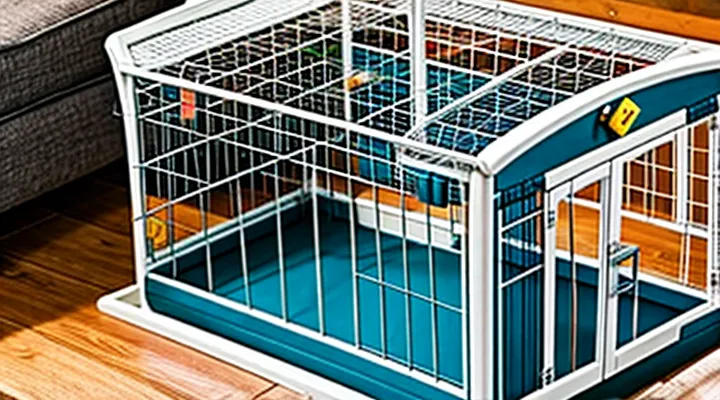
A rat’s enclosure must provide enough room for movement, exercise, and nesting. Minimum floor area should not fall below 2 sq ft per adult pair; larger groups require at least 3 sq ft per rat. Height of the cage should allow vertical climbing, with a minimum of 12 inches for a single rat and 18 inches for multiple occupants. Space calculations assume a solid base; wire floors reduce usable area and should be avoided.
- One adult rat: 2 sq ft floor, 12 inches high
- Two adult rats: 3 sq ft floor, 12 inches high
- Three or more rats: 4 sq ft floor, 18 inches high
Bar spacing directly affects safety. Gaps wider than ½ inch permit escape and expose rats to injury; gaps narrower than ¼ inch can cause paw entrapment. Stainless‑steel or coated wire with a ¼‑½ inch aperture meets both criteria. Horizontal bars should be spaced no more than 1 inch apart to prevent arching and facilitate climbing without excessive strain.
- Vertical bar aperture: ¼ – ½ inch
- Horizontal bar spacing: ≤ 1 inch
- Material: stainless steel or chew‑resistant coating
Adhering to these dimensions and bar specifications ensures a secure, comfortable environment that supports natural behaviors and reduces health risks.
Ventilation and Material
Effective airflow prevents respiratory problems and controls odor. Install a solid‑backed cage with a minimum of three air changes per hour. Use a wire mesh that allows free movement of air while protecting the rats from escape. Position the cage away from direct drafts and sealed windows to avoid temperature fluctuations.
Select cage components that resist corrosion, are easy to clean, and do not release harmful particles. Recommended materials include:
- Powder‑coated steel for the frame – durable, rust‑free, and sterilizable.
- High‑density polyethylene (HDPE) for water bottles and food containers – non‑porous and dishwasher safe.
- Stainless‑steel or acrylic nesting boxes – smooth surfaces reduce bacterial buildup.
- Reinforced polycarbonate panels for side walls – transparent, impact‑resistant, and compatible with ventilation slots.
When assembling the enclosure, ensure all joints are sealed with non‑toxic silicone to maintain structural integrity and prevent gaps that could trap moisture. Regularly inspect mesh for signs of wear; replace any sections showing rust or deformation. Cleaning cycles should involve hot water (≥ 60 °C) and a mild, chlorine‑free detergent, followed by thorough rinsing to remove residue. This regimen sustains a healthy environment and extends the lifespan of the cage materials.
Bedding Options
Safe Substrates
Choosing a substrate that does not pose health risks is essential for a rat enclosure. The material must be non‑toxic, dust‑free, and easy to replace.
- Paper‑based bedding (e.g., shredded paper, tissue) provides excellent absorbency, produces minimal dust, and can be composted after use.
- Aspen shavings are low in aromatic oils, unlike pine or cedar, reducing respiratory irritation. They offer good ventilation and are biodegradable.
- Hemp or coconut fiber pellets absorb moisture efficiently, break down slowly, and are safe when sourced without chemical additives.
- Recycled wood pulp pellets combine low dust generation with high absorbency; they must be free of binders or fragrances.
Avoid substrates that contain volatile compounds, such as pine or cedar shavings, because the oils can damage respiratory tissue. Clay‑based litters generate fine particles that settle in the nasal passages and should be excluded. Large wood chips may cause ingestion hazards and obstruct the gastrointestinal tract.
When selecting a substrate, verify that the product lists “dust‑free” or “low‑dust” specifications and that it is marketed for small rodents. Replace the bedding regularly—typically every 3–5 days—to prevent ammonia buildup and maintain a hygienic environment. Clean the cage floor with a mild, unscented detergent before adding fresh substrate to eliminate residual contaminants.
Unsafe Substrates to Avoid
Unsafe bedding materials compromise rodent health and cage hygiene. Loose fibers, toxic chemicals, and ingestible particles create respiratory irritation, gastrointestinal blockage, and environmental contamination.
- Soft wood shavings from pine or cedar (contain aromatic oils that irritate the respiratory tract).
- Straw or hay (high dust content, prone to mold growth, easily chewed and ingested).
- Paper pulp bedding with excessive dust or scented additives (induces allergic reactions).
- Corncob bedding (hard, abrasive, may splinter and cause oral injuries).
- Recycled carpet fragments or foam pieces (contain synthetic polymers, pose choking hazards).
- Cat litter made from clay or silica gel (sharp particles, toxic if ingested).
Avoiding these substrates eliminates preventable health issues, reduces cleaning frequency, and maintains a stable microenvironment for laboratory or pet rats. Selecting low‑dust, inert, and non‑chewable materials supports optimal welfare and experimental reliability.
Bedding Depth and Maintenance
Bedding must be thick enough to absorb urine, contain odors, and allow rats to build nests. A layer of 1.5–2 inches (4–5 cm) of absorbent material such as paper pulp, aspen shavings, or coconut fiber provides sufficient capacity while preventing the substrate from becoming compacted. Thinner layers increase the frequency of changes and risk exposure of the cage floor, which can lead to injuries.
Maintain bedding by following a regular schedule:
- Daily: Spot‑clean soiled spots, remove droppings, and check for wet patches.
- Every 2–3 days: Stir the bedding to redistribute moisture and prevent clumping.
- Weekly: Replace the entire substrate if it shows discoloration, strong odor, or excessive dampness.
- Monthly: Perform a deep clean of the cage, discarding all bedding, washing the enclosure with a mild, non‑toxic cleanser, and allowing it to dry completely before adding fresh material.
Consistent depth and diligent upkeep keep the environment hygienic, reduce respiratory risks, and support natural burrowing behavior.
Enrichment and Comfort: Food, Water, and Play
Food and Water Provision
Food Dishes and Placement
Choosing appropriate feeding containers is fundamental for a healthy rat enclosure. Ceramic or stainless‑steel dishes resist chewing, are dishwasher‑safe, and prevent bacterial growth. Each dish should hold at least 10 ml of liquid and 20 ml of dry food, allowing multiple rats to eat simultaneously without competition. Separate dishes for water, pellets, and fresh vegetables reduce cross‑contamination; a shallow water bottle with a metal sipper tube provides a leak‑proof alternative.
- Place water on the cage’s lower corner, away from bedding to prevent soaking.
- Position dry food dishes on the opposite side of the cage to encourage movement and exploration.
- Elevate fresh produce in a small, open dish above the bedding to keep it visible and reduce spoilage.
- Secure all dishes to the cage wall or use a weighted base to prevent tipping.
- Replace dishes weekly; clean with hot, soapy water and rinse thoroughly before refilling.
Water Bottles vs. Bowls
Providing clean, readily accessible water is essential for rodent health. Two common delivery methods are sealed water bottles and open water bowls; each presents distinct considerations.
A sealed bottle attaches to the cage wall with a metal spout. The spout dispenses water only when the rat licks it, reducing spillage and contamination. Bottles conserve space, allowing more room for nesting material and equipment. They protect water from bedding debris, limiting bacterial growth. However, bottles require regular inspection of the seal and occasional replacement of the spout to prevent leaks. Rats may struggle with the narrow opening if they have dental issues, and broken bottles can create sharp fragments.
An open bowl sits on the cage floor, offering unrestricted drinking. Bowls accommodate larger volumes, beneficial for groups with high water turnover. They are simple to clean—removable and dishwasher‑safe. Nevertheless, bowls are prone to tipping, especially in cages with active climbing, leading to wet bedding and mold risk. Bedding can contaminate the water, encouraging bacterial proliferation. Bowls also occupy floor space, potentially limiting enrichment placement.
Comparison
- Leak protection: Bottle > Bowl
- Ease of cleaning: Bowl > Bottle (no spout maintenance)
- Space efficiency: Bottle > Bowl
- Accessibility for dental problems: Bowl > Bottle
- Risk of contamination: Bowl > Bottle
Selecting the appropriate system depends on cage layout, number of occupants, and the owner’s willingness to perform routine maintenance. A hybrid approach—using a bottle for primary hydration and a shallow, stable dish for supplemental drinking—balances the strengths of both methods while mitigating their weaknesses.
Fresh Food and Treat Considerations
Fresh food supplies must be clean, pesticide‑free, and offered daily in quantities that a rat can consume within a few hours. Ideal vegetables include carrots, broccoli florets, spinach, and cucumber; fruits such as apple slices, berries, and banana are suitable in limited amounts because of high sugar content. Protein sources like cooked egg, plain yogurt, or a small piece of lean chicken provide essential amino acids and should be introduced gradually to monitor tolerance.
Treats serve as enrichment and should complement, not replace, the regular diet. Acceptable options are:
- Small pieces of unsalted nuts (e.g., almonds, walnuts) – no more than one or two per week.
- Commercial rat treats formulated without artificial colors or excessive sugar.
- Tiny portions of whole‑grain crackers or plain popcorn – occasional, low‑fat varieties only.
- Fresh herbs such as parsley or dill – a few leaves a day for scent stimulation.
Treat frequency must remain low; excessive indulgence leads to obesity and digestive upset. Always remove uneaten fresh items after a few hours to prevent spoilage and bacterial growth.
Hides and Shelter
Types of Hiding Spots
Providing a variety of secure hiding spots satisfies rats’ instinct to seek shelter, reduces stress, and encourages natural behaviors. Effective concealments combine durability, ease of cleaning, and appropriate dimensions for adult rats.
- Solid wooden log or driftwood piece, sanded smooth, offers a natural‑looking refuge and can be repositioned for environmental enrichment.
- Rigid PVC or acrylic tunnel, at least 2 inches in diameter, creates a dark passage that mimics burrows; choose models with removable caps for cleaning.
- Ceramic or plastic hideaway house, featuring a small entrance and solid walls, resists gnawing and can be placed on any cage level.
- Cardboard box or folded paper tube, sized to accommodate a rat’s body, provides a disposable, inexpensive option; replace regularly to maintain hygiene.
- Stack of shredded hay or paper bedding, loosely packed, forms a soft, absorbent nook that doubles as a foraging substrate.
- Small plant pot with a cut‑out opening, filled with non‑toxic foliage, introduces a semi‑natural retreat while adding visual interest.
Integrating several of these options throughout the enclosure ensures that rats can retreat whenever they feel vulnerable, promotes exploration, and supports overall health. Regular inspection and rotation of hiding spots prevent wear, maintain cleanliness, and keep the environment stimulating.
Placement for Security
Secure placement of components within a rat enclosure prevents escapes, protects equipment, and reduces stress for the animal. Position each element to eliminate gaps, restrict leverage points, and maintain a stable environment.
- Attach the latch or lock to the front door using a stainless‑steel screw, ensuring the screw head sits flush with the cage wall to avoid snags.
- Mount the water bottle on the side wall at a height of 2–3 inches above the cage floor; the holder should be bolted directly to the metal mesh to prevent wobble.
- Install the food dish on the opposite side of the cage, anchored with a small bracket that fits into the cage’s pre‑drilled holes, keeping the dish away from the cage’s corner where rats can push it out.
- Place chew‑proof enrichment items (e.g., wooden blocks, tunnel sections) at the cage’s interior corners, securing them with zip ties that thread through the mesh and lock onto the frame.
- Fit a secondary safety bar on the top of the cage, bolted to the upper rails, to block upward jumps and provide an extra barrier if the primary latch fails.
Locate the entire cage on a stable, level surface away from high‑traffic areas. Use a non‑slip mat beneath the cage to prevent sliding. Keep the cage away from windows or vents that could create drafts or temperature fluctuations, which might encourage attempts to escape. Regularly inspect all fasteners and replace any that show wear. Maintaining these placement practices ensures a secure, reliable habitat for pet rats.
Toys and Stimulation
Chew Toys for Dental Health
Chewing is the primary mechanism by which rats keep their incisors from over‑growing. Without regular abrasion, teeth can become misaligned, cause pain, and impair feeding. Providing appropriate chew items in a cage directly prevents these problems and supports overall oral health.
Effective chew toys possess hardness that matches the rodent’s dental enamel, yet they must yield enough to allow steady wear. Preferred materials include untreated wood blocks, natural mineral rocks, and dense plant fibers such as sisal rope. Each material offers a distinct texture that stimulates different chewing motions, encouraging comprehensive tooth filing.
When selecting chew objects, follow three criteria:
- Safety: Free of toxic chemicals, pesticides, or sharp splinters that could injure the mouth.
- Durability: Capable of lasting several weeks under constant gnawing, reducing the need for frequent replacement.
- Variety: A mix of shapes and textures prevents boredom and promotes consistent use.
Regular inspection is essential. Remove any pieces that have become cracked, softened, or contaminated with droppings. Replace worn items promptly to maintain a continuous source of abrasion.
Integrating a balanced assortment of chew toys into the enclosure creates a self‑maintaining system for dental health, reduces the risk of over‑grown incisors, and contributes to the rat’s overall well‑being.
Foraging Toys for Mental Engagement
Foraging toys provide rats with opportunities to search for hidden food, replicating natural behaviors and preventing boredom. The mental challenge of locating treats stimulates problem‑solving skills and encourages activity without additional space.
Effective foraging toys include:
- Cardboard tubes with small openings, filled with seed mixes or pellets.
- Plastic puzzle balls that release kibble when rolled.
- Wooden blocks drilled with cavities, sealed with removable caps.
- Fabric pouches stitched with a single slit, allowing gradual extraction of treats.
- PVC pipes capped at both ends, containing scattered snacks that require nudging to escape.
When selecting items, prioritize non‑toxic materials, smooth edges, and durability to withstand chewing. Introduce toys gradually; monitor the rat’s interaction for signs of stress or frustration. Replace worn components promptly to avoid ingestion of fragments.
Maintenance involves cleaning each toy with mild soap and hot water, rinsing thoroughly, and drying before reuse. Rotate the assortment weekly to sustain novelty and maintain engagement levels.
Climbing and Hammocks
Climbing structures give rats opportunities to exercise natural arboreal instincts while strengthening muscles and coordination. Wooden ladders, rope nets, and PVC tunnels should be anchored securely to the cage frame to prevent wobbling. Choose untreated, non‑toxic wood and natural fibers; avoid painted or chemically treated materials that could leach harmful substances.
Hammocks serve as elevated resting platforms that reduce pressure on joints and keep the enclosure floor clean. Fabric hammocks made from breathable cotton or fleece provide comfort, while silicone‑coated mesh hammocks offer easy cleaning and durability. Attach hammocks with stainless‑steel clips or zip ties, ensuring they support the rat’s weight without sagging.
Key considerations for both climbing and hammocks:
- Secure attachment points to cage bars or corners
- Materials free of pesticides, dyes, or adhesives
- Size appropriate for the rat’s body length plus a margin for movement
- Easy removal for regular cleaning and inspection
Regular inspection of joints, knots, and fabric seams prevents wear that could lead to injury. Replace damaged components promptly to maintain a safe, stimulating environment for the animal.
Exercise and Play Areas
Wheels and Their Safety
Choosing a wheel that matches a rat’s size and activity level reduces the risk of injury. A diameter of at least 10 inches (25 cm) allows a fully stretched stride; smaller wheels force arching of the back and can cause spinal stress. Solid‑surface wheels prevent foot entrapment, unlike mesh or rungs that can snag toes or tails.
Materials such as reinforced plastic or stainless steel resist cracking and corrosion, ensuring long‑term structural integrity. When plastic is used, verify that it is BPA‑free and rated for pet use; low‑quality polymers may shatter under continuous load.
Secure mounting is essential. Attach the wheel to the cage frame with stainless‑steel bolts and lock washers; avoid plastic clips that can loosen. Position the wheel away from corners and feeders to prevent collisions with food or bedding.
Regular maintenance prolongs safety. Inspect the rim weekly for cracks, warping, or loose spokes. Clean the surface with mild soap and water, rinsing thoroughly to remove residue that could attract rodents’ paws. Replace any wheel showing signs of wear before damage becomes severe.
Safety checklist for rat wheels
- Diameter ≥ 10 in (25 cm)
- Solid running surface, no gaps or rungs
- BPA‑free, pet‑grade plastic or stainless steel
- Stainless‑steel fasteners with lock washers
- Placement clear of food, water, and bedding
- Weekly inspection for structural damage
- Routine cleaning with mild detergent
Implementing these specifications ensures a wheel that promotes exercise while protecting rats from common hazards.
Tunnels and Tubes
Tunnels and tubes provide essential vertical and horizontal pathways that mimic a rat’s natural burrowing behavior. Incorporating a variety of these structures encourages exploration, improves agility, and reduces stress.
- Plastic tubes with smooth interiors prevent skin irritation and are easy to sanitize.
- Untreated hardwood tunnels offer chewable surfaces, supporting dental health.
- Flexible silicone tunnels can be shaped around existing cage elements, creating customized routes.
Select diameters between 1.5 in (3.8 cm) and 2 in (5 cm) to accommodate adult rats comfortably while restricting escape. Lengths should range from 12 in (30 cm) for short passages to 24 in (60 cm) for extended mazes. Position tunnels at varying heights: attach some to the cage lid for climbing, place others on the floor for ground-level navigation, and interlink several to form a network.
Secure all connections with cage-safe clips or zip ties; loose ends may become choking hazards. Avoid tunnels made from PVC or painted wood, as chemicals can leach into the environment. Replace damaged sections promptly to maintain structural integrity.
Clean tunnels weekly by soaking in warm, mild detergent, rinsing thoroughly, and air‑drying before reintroduction. Rotate tubes periodically to sustain novelty and prevent habituation.
Health and Hygiene Considerations
Cleaning Supplies
Safe Cleaning Solutions
Safe cleaning solutions are a non‑negotiable component of a healthy rat habitat. Residual food, urine, and bedding harbor bacteria that can cause respiratory and gastrointestinal problems; therefore, regular sanitation with rat‑compatible products protects both animals and owners.
- Diluted white vinegar (1 part vinegar to 4 parts water) neutralizes odors and kills most surface microbes.
- Unscented, enzymatic cleaners break down organic waste without leaving harmful residues.
- Mild dish soap (free of dyes and fragrances) mixed at 1 teaspoon per gallon of warm water removes grease and grime.
- Hydrogen peroxide (3 % solution) applied directly to stubborn stains eliminates mold spores; rinse thoroughly afterward.
Prepare each solution in a clean container, label clearly, and store away from chemicals that contain ammonia, bleach, or citrus oils, as these irritate a rat’s sensitive respiratory system. Apply the liquid with a soft cloth or sponge, scrub all cage surfaces, then rinse with warm water and allow complete drying before re‑adding bedding and accessories.
A practical cleaning schedule includes:
- Daily spot‑cleaning of soiled bedding and removal of uneaten food.
- Weekly full‑cage wash using the vinegar or enzymatic solution, followed by a thorough rinse.
- Monthly deep‑clean using hydrogen peroxide on corners and corners, then a final rinse and dry cycle.
Consistent use of the listed solutions maintains a sterile environment while avoiding toxic exposures, ensuring rats remain active and disease‑free.
Regular Cleaning Schedule
A consistent cleaning routine prevents odor buildup, disease, and stress for resident rats. Schedule cleaning tasks according to cage size, number of occupants, and diet composition.
- Daily: remove uneaten food, spot‑clean soiled bedding, refresh water bottle, and inspect for droppings or mold.
- Weekly: replace all bedding, wash food dishes and enrichment items with mild detergent, and disinfect cage surfaces with a rodent‑safe sanitizer.
- Monthly: deep‑clean the entire cage framework, examine structural components for wear, and rotate or replace toys to maintain stimulation.
Adhering to this timetable sustains a hygienic environment, supports healthy digestion, and reduces veterinary interventions. Adjust intervals if multiple rats share a cage or if a high‑fiber diet increases waste output. Regular monitoring ensures any deviation from the schedule is corrected promptly.
First Aid Kit Essentials
Basic Supplies for Emergencies
When a power outage, plumbing failure, or unexpected health issue occurs, a rat’s habitat must sustain basic needs without interruption. Prepare a compact emergency kit that can be placed inside the enclosure or stored nearby, ensuring the animals remain safe and comfortable until normal conditions resume.
- A sealed water bottle with a spare cap; replace the bottle if the original leaks or the seal fails.
- Pre‑measured portions of high‑quality rodent pellets or lab blocks, stored in airtight containers to prevent spoilage.
- Absorbent bedding such as paper‑based or aspen shavings, enough for at least 48 hours of use.
- A small, sturdy hideout or tunnel that can be quickly repositioned if the primary shelter becomes contaminated.
- Disposable cleaning pads and a mild, animal‑safe disinfectant for immediate spot cleaning.
- A basic first‑aid kit containing sterile gauze, antiseptic wipes, and a pair of tweezers for minor injuries.
Maintain the kit in a cool, dry location and rotate supplies every six months to avoid expiration. Verify that each component functions correctly—test water flow, check bedding integrity, and ensure the hideout remains stable. By keeping this emergency set ready, the rat’s environment remains functional and hygienic during unforeseen disruptions.
Expanding the Habitat: Advanced Setup Ideas
Multi-Level Setups
Ramps and Ladders
Ramps and ladders are critical for vertical movement in a multi‑level rat enclosure. They provide access to elevated platforms, nesting areas, and exercise wheels, reducing stress caused by forced climbing on unsuitable surfaces.
Materials should be sturdy, non‑toxic, and easy to clean. Preferred options include untreated hardwood, solid plastic, or metal coated with powder paint. Avoid reclaimed wood treated with chemicals or soft fabrics that can sag under weight.
Key dimensions affect safety and usability:
- Minimum width: 2 inches (5 cm) to accommodate the average adult rat without restriction.
- Length: no longer than 12 inches (30 cm) for a single ramp; longer spans require intermediate support.
- Incline angle: 30°–45° for ramps; steeper angles increase slip risk.
- Rung spacing on ladders: 0.5–0.75 inches (1.3–1.9 cm) to match a rat’s stride.
Installation guidelines:
- Secure each end to the cage frame with stainless‑steel screws or zip ties to prevent wobble.
- Position ramps near shelter zones so rats can retreat quickly after climbing.
- Align ladders parallel to cage walls to minimize collision with other accessories.
- Leave a clearance of at least 0.5 inches (1.3 cm) between the ramp surface and any vertical barrier.
Maintenance considerations:
- Clean surfaces weekly with mild, unscented soap and water; rinse thoroughly.
- Inspect for splintering, rust, or loose connections before each use.
- Replace components showing wear to avoid injury.
Integrating properly sized, durable ramps and ladders enhances exploration, exercise, and overall welfare in a rat habitat.
Platforms and Levels
Platforms and levels improve a rat’s environment by providing vertical space for climbing, nesting, and exercise. Properly designed structures prevent boredom, support natural behaviors, and reduce stress.
Materials should be chew‑safe, non‑toxic, and easy to clean. Common choices include untreated wood, solid plastic, and stainless‑steel bars. Each platform must be anchored securely to the cage frame to avoid wobbling.
- Solid wooden platforms, 1–2 cm thick, cut to fit the cage width; attach with stainless‑steel brackets.
- Plastic shelves with rounded edges; secure with cage‑side clips.
- Metal ladders or ramps, spaced 2–3 cm apart; mount at a gentle incline (15–20°) to facilitate climbing.
- Elevated hideouts, such as small wooden huts, placed on the highest platform for privacy.
Placement guidelines:
- Install a low platform (2–3 cm above the floor) for easy access and as a base for food dishes.
- Add a middle platform (5–7 cm high) to host water bottles and enrichment toys.
- Position a top platform (10–12 cm high) for nesting material and a retreat area.
Regular inspection ensures platforms remain stable and free of splinters or sharp edges. Clean each surface weekly with a mild, rodent‑safe disinfectant, then rinse thoroughly before returning bedding and accessories.
Themed Cages
Creative Decor Ideas
Creative decor transforms a rat enclosure into an engaging habitat that encourages exploration and mental stimulation. Selecting materials that are safe, chew‑resistant, and easy to clean ensures durability while enhancing visual appeal.
- Natural branches or untreated wooden dowels provide climbing structures and hideouts.
- Hollowed PVC tubes or cardboard tunnels create concealed pathways that mimic burrows.
- Stackable platforms made from solid acrylic or polycarbonate allow vertical territory use.
- Small, washable fabric hammocks or fleece pads serve as comfortable resting spots.
- Decorative stones, river rocks, or glazed ceramic tiles add texture and temperature regulation.
- Live or artificial plants secured in non‑toxic pots offer foliage without pesticide risk.
- Puzzle feeders or treat‑dispensing tubes integrate enrichment with feeding routines.
All items must be free of toxic paints, adhesives, or sharp edges. Regular inspection removes worn pieces that could become hazards. Cleaning protocols include rinsing removable accessories with mild soap and disinfecting with a diluted veterinary‑approved solution. Rotating decor elements weekly maintains novelty and prevents habituation, supporting sustained curiosity and activity levels.
Introducing New Items Safely
Quarantine and Cleaning New Additions
Quarantine new rodents before integration with the resident colony. Place each newcomer in a dedicated enclosure for at least fourteen days. Observe daily for signs of respiratory distress, skin lesions, or abnormal behavior. Record weight, food intake, and any symptoms; intervene promptly if abnormalities appear.
Cleaning procedures for the quarantine cage differ from routine maintenance. Remove all bedding, food, and water containers. Disassemble the cage, then soak components in a solution of one part white vinegar to three parts water for fifteen minutes. Rinse thoroughly, allowing each piece to air‑dry completely. Apply a pet‑safe disinfectant—such as a quaternary ammonium compound—according to the manufacturer’s contact time, then rinse again to eliminate residue.
After disinfection, reassemble the cage with fresh, low‑dust bedding and new accessories. Provide a small amount of enrichment that can be easily sanitized, such as a chew block or a paper tube. Ensure the environment remains at the appropriate temperature and humidity before introducing the rat.
Key steps for successful quarantine and cleaning:
- Isolate the animal in a separate enclosure for a minimum of two weeks.
- Conduct daily health checks and document observations.
- Strip the cage of all removable items.
- Soak in a vinegar‑water solution (1:3) for 15 minutes.
- Rinse and air‑dry all components.
- Apply a pet‑safe disinfectant, observe required contact time, then rinse.
- Reassemble with fresh bedding and sanitized enrichment.
Following this protocol minimizes pathogen transmission and maintains a hygienic environment for both new and existing rats.