
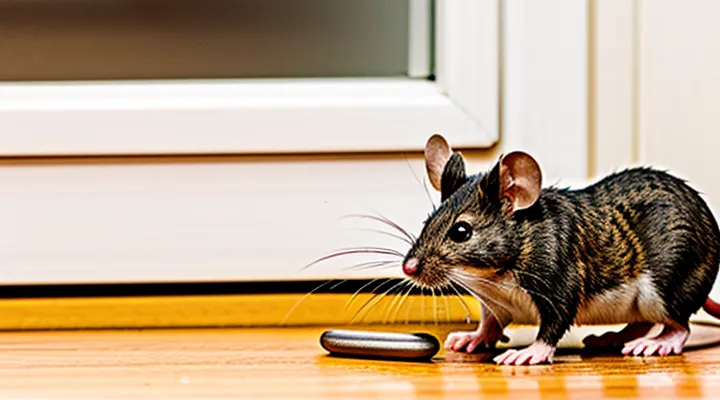
Understanding Mouse Behavior
Mouse Habits and Preferences
Why Mice Enter Homes
Mice invade residential structures primarily because homes provide the resources they require for survival and reproduction. Recognizing these motivations enables the design of more effective capture strategies.
- Readily available food: stored grains, pantry items, pet food, and crumbs create a constant supply.
- Shelter: walls, insulation, and clutter offer protection from predators and harsh weather.
- Water sources: leaky pipes, pet water bowls, and damp basements supply essential hydration.
- Warmth: heated interiors maintain a stable temperature, especially during colder months.
- Access points: gaps around doors, windows, utility lines, and foundation cracks allow entry.
- Proximity to outdoor habitats: gardens, fields, and garbage areas increase the likelihood of indoor intrusion.
Understanding the specific attractants present in a dwelling directs the placement of baited traps near food caches, water leaks, and known entry routes. Targeted deployment reduces mouse activity and improves capture rates.
Common Mouse Entry Points
Mice locate food and shelter by exploiting small openings that connect the exterior to interior spaces. Recognizing these pathways enables precise placement of bait and trapping devices, increasing capture efficiency.
- Gaps around plumbing and electrical pipes, typically ¼‑inch wide or larger
- Cracks in foundation walls, especially near crawl‑space vents
- Spaces beneath doors, including garage and exterior entry doors
- Unscreened utility openings, such as dryer vents and HVAC ducts
- Openings around windows, particularly where weather‑stripping is damaged
- Gaps in roof eaves, soffits, and attic insulation
- Holes in siding or brick mortar joints
- Openings around chimney flues and vent pipes
Inspect each potential entry point, measure dimensions, and seal with steel wool, copper mesh, or expanding foam. After sealing, position traps a few inches inside the sealed gap, where mouse activity concentrates, and use a high‑protein bait to draw the rodent into the device.
Mouse Activity Patterns
Mice are primarily nocturnal, emerging shortly after sunset and remaining active until pre‑dawn. Their peak foraging occurs between 10 p.m. and 2 a.m., when ambient light is low and predation risk decreases. Understanding this window allows placement of bait and trigger mechanisms at times when mice are most likely to investigate.
Activity concentrates along established runways that connect food sources, water, and nesting sites. Runways are typically 2–3 cm wide, follow walls, and avoid open floor space. Positioning a trap directly on a known runway or within a few centimeters of a wall maximizes encounter probability.
Mice establish a territory marked by urine and glandular secretions. These scent trails reinforce familiar pathways and attract conspecifics. Introducing a small amount of fresh mouse urine near bait can stimulate investigative behavior, while excessive scent may deter due to perceived competition.
Seasonal shifts affect movement patterns. In colder months, mice reduce travel distance, favoring interior walls and insulated corners. During warmer periods, activity expands outward, increasing use of external walls and entry points. Adjusting trap location to align with seasonal behavior improves capture rates.
Typical mouse behavior when encountering bait includes:
- Immediate sniffing of the scent source.
- Short, cautious probing with the snout.
- Rapid retreat if the surface feels unfamiliar or unstable.
- Re‑approach after a brief interval if the bait remains undisturbed.
Deploying traps that accommodate these steps—stable platform, unobtrusive design, and fresh, aromatic bait—leverages natural mouse activity patterns to increase capture efficiency.
Signs of a Mouse Infestation
Droppings and Urine Stains
Droppings and urine stains reveal precise mouse pathways, allowing placement of traps where rodents travel most frequently. The scent of fresh feces and urine triggers a territorial response, increasing the likelihood that a mouse will investigate the area and encounter the device.
Identify active routes by scanning for dark, pellet‑shaped droppings near walls, cupboards, or behind appliances. Follow the line of urine stains, which appear as darkened wood or discoloration on surfaces. Mark these locations before setting traps.
- Collect a small amount of fresh droppings with disposable gloves; place them directly on the trap trigger or in a concealed pocket adjacent to the bait.
- Moisten a cotton swab with urine from a captured mouse or a synthetic pheromone replicate; apply lightly to the trap surface to enhance scent intensity.
- Position the trap within 12–18 inches of the identified pathway, ensuring the droppings and urine scent are directed toward the entry point.
- Check traps after 12 hours; replace scent material if it appears dried or contaminated.
Using droppings and urine stains as olfactory cues aligns trap placement with the mouse’s natural foraging and marking behavior, thereby maximizing capture efficiency.
Gnaw Marks and Damage
Mice leave characteristic gnaw marks on materials they need to breach, providing reliable indicators of their presence and pathways. Identifying these marks enables precise placement of traps and reduces wasted effort.
Typical gnaw damage includes:
- Parallel, V‑shaped incisions on wood, plastic, or insulation, often 1–3 mm deep.
- Clean, smooth edges where the rodent has removed fibers without crushing the material.
- Repeated bite marks along the same route, suggesting a frequently used travel corridor.
- Chewed edges on wires, cables, or packaging, exposing inner conductors or contents.
The location and pattern of gnaw marks reveal preferred entry points and foraging routes. Focus trap placement at:
- The nearest intact opening adjacent to the most recent gnaw site.
- Junctions where gnaw marks converge, indicating a high‑traffic node.
- Areas where damage leads to food sources, such as pantry shelves or stored grains.
Assess the extent of structural damage to prioritize intervention. Severe gnawing on load‑bearing components may compromise safety, demanding immediate repair before trap deployment. Minor cosmetic damage still warrants monitoring, as it confirms ongoing activity.
By correlating gnaw mark morphology with mouse behavior, you can predict movement paths, select optimal bait locations, and increase capture success while mitigating further property damage.
Strange Noises
Mice respond to auditory cues that signal food availability or safety. Low‑frequency rustling, such as the sound of shredded paper or moving grain, mimics the activity of other rodents gathering resources. This type of noise can trigger exploratory behavior and lead a mouse toward a baited device.
Sharp, intermittent clicks resemble the movement of insects or small prey. When placed near a trap, these sounds create a perception of active foraging zones, increasing the likelihood that a mouse will investigate the area.
Continuous, soft squeaking resembles the vocalizations of conspecifics. Replicating this sound near a capture mechanism can encourage a mouse to approach, interpreting the source as a potential mate or social interaction.
To employ auditory stimuli effectively:
- Identify a noise source that matches the target environment (e.g., kitchen, storage room).
- Position a small speaker or mechanical noise generator a short distance from the trap, ensuring the sound is audible but not overwhelming.
- Synchronize the noise with the presence of fresh bait to reinforce the association between sound and food.
Proper timing and volume control prevent habituation. Adjust the intensity if the mouse shows avoidance, maintaining a balance that draws interest without causing alarm.
Preparing for Trap Placement
Choosing the Right Trap
Snap Traps
Snap traps provide a rapid, humane solution when a rodent must be captured. Their effectiveness depends on three factors: bait selection, placement strategy, and trigger adjustment.
- Bait choice – Use high‑fat, aromatic foods such as peanut butter, cheese, or dried fruit. Apply a pea‑sized amount directly to the trigger platform to prevent leakage and maintain a strong scent trail.
- Placement – Position traps along walls, behind appliances, or within concealed pathways. Mice travel close to surfaces; align the trigger edge perpendicular to the wall for optimal contact. Secure the trap on a flat surface to avoid misfires.
- Trigger sensitivity – Adjust the spring tension according to the target species. A lighter setting releases quickly for small mice, while a firmer tension prevents premature activation by non‑target animals.
Safety considerations include wearing gloves during setup, keeping traps out of reach of children and pets, and disposing of captured rodents in sealed bags followed by a disinfectant rinse of the trap. Regular inspection—once every 12 hours—ensures prompt removal of dead rodents, preserving bait potency and preventing odor buildup that could deter further activity.
Live Traps
Live traps capture mice without causing injury, allowing humane removal and relocation. They consist of a cage with a trigger mechanism that closes the door once the animal enters.
To increase the likelihood of a mouse entering a live trap, follow these steps:
- Choose bait that appeals to the mouse’s diet, such as peanut butter, sunflower seeds, or small pieces of fruit.
- Apply a thin layer of bait to the trigger platform, ensuring it does not spill onto the floor of the cage.
- Position the trap along established mouse pathways: near walls, behind appliances, or close to droppings.
- Secure the trap on a stable surface to prevent wobbling, which can deter entry.
- Cover the trap with a lightweight cloth or cardboard to create a dark, tunnel‑like environment that encourages exploration.
Environmental factors also affect success. Keep the area around the trap free of competing food sources and clutter. Maintain a temperature range of 68–75 °F, as mice are more active in moderate warmth. Reduce ambient noise and vibrations that might startle the animal.
After capture, check the trap at least twice daily. When a mouse is secured, transport the cage to a release site at least one mile from the building, preferably in a natural area with cover and food sources. Open the door slowly, allow the mouse to exit, and then reset the trap for additional captures if needed.
Electronic Traps
Electronic traps rely on rapid, humane incapacitation to lure rodents and secure them without traditional bait. Sensors detect a mouse’s presence through infrared beams, motion detectors, or pressure plates; once triggered, a high‑voltage pulse disables the animal within milliseconds. The immediate result prevents escape and eliminates the need for poisons or snap mechanisms.
Effective placement follows the same principles used for any capture device. Position traps along walls, behind appliances, or near known runways where mice travel. Ensure a clear line of sight for the sensor; obstacles such as clutter or furniture can impair detection. Maintain a power source—either rechargeable batteries or a direct‑current adapter—to guarantee consistent operation.
Key considerations for optimal performance:
- Sensor type – infrared for quiet environments, pressure plates for heavy traffic areas.
- Voltage level – 2,000–3,000 V is sufficient to ensure instant incapacitation while remaining safe for humans.
- Power reliability – lithium‑ion batteries provide 2–3 weeks of continuous use; mains adapters eliminate downtime.
- Cleaning process – removable cages allow quick disposal of deceased rodents and reduce odor buildup.
Safety protocols require keeping the device out of reach of children and pets, insulating external contacts, and following manufacturer instructions for battery replacement. Regular inspection of sensor alignment and battery charge prevents false activations and maintains capture efficiency.
Glue Traps
Glue traps rely on a sticky surface that immobilizes rodents upon contact. The adhesive is formulated to remain tacky for several weeks, even under low humidity, ensuring that a mouse cannot escape once it steps onto the trap.
Effective placement follows the natural movement patterns of mice. Identify runways along walls, behind appliances, and near food sources. Position the trap perpendicular to the wall, with the sticky side facing the expected direction of travel. Secure the trap to prevent displacement by vibrations or other animals.
Attractants increase the likelihood of contact. Options include:
- Small quantities of peanut butter or rolled oats applied to the center of the trap.
- Commercial rodent pheromone lures placed on the adhesive surface.
- Fresh fruit or cheese fragments, limited to a size that the mouse can reach without removing the bait.
Safety considerations are essential. Keep traps out of reach of children and non‑target wildlife. Wear disposable gloves when handling traps to avoid contaminating the adhesive and to protect skin from accidental contact.
Advantages of glue traps:
- Immediate immobilization eliminates the need for monitoring after capture.
- No requirement for lethal force or poison, reducing risk of secondary poisoning.
- Compact design allows placement in confined spaces.
Limitations include:
- Non‑lethal outcome may be considered inhumane by some standards.
- Traps can capture non‑target species, such as insects or small reptiles.
- Disposal requires sealing the trap in a rigid container before discarding, to prevent accidental release of the trapped animal.
Proper disposal protocol: after a mouse is immobilized, cover the trap with a thick cardboard or plastic lid, seal it in a plastic bag, and place it in the regular trash. Clean the surrounding area with a mild disinfectant to remove residual scent that could deter future baiting efforts.
Selecting the Best Bait
Preferred Mouse Foods
Mice are driven by strong olfactory cues; selecting the right bait maximizes trap effectiveness. Foods with high fat, sugar, or protein content generate the most immediate response.
- Peanut butter – dense, aromatic, and difficult for mice to resist.
- Sunflower seeds – rich in oil, emit a potent scent.
- Chocolate – sweet and fatty, attracts both wild and domestic mice.
- Dried fruit (e.g., raisins, apricots) – sugary, moisture‑rich, easy to attach to trap mechanisms.
- Cheese (especially aged varieties) – strong odor, high fat.
- Meat scraps (cooked, unseasoned) – protein source, strong aroma.
- Pet food (dry kibble) – familiar, nutrient‑dense, readily available.
Combine a small amount of one or two items to create a multi‑scent lure; avoid overly large quantities that may allow the mouse to feed without triggering the trap. Position the bait at the trap’s trigger mechanism, ensuring it remains accessible but not obstructed. Regularly refresh bait to maintain scent potency and prevent spoilage.
Bait Placement Techniques
Effective bait placement determines whether a rodent will encounter a trap. Position the trap along established runways—typically within 2 inches of a wall—because mice travel close to surfaces. Use a minimal amount of attractant; excess material can obscure the trigger mechanism and discourage investigation.
- Apply bait to the far side of the trigger plate, forcing the mouse to step onto the mechanism to reach the food.
- Secure soft baits (peanut butter, cheese) with a small amount of adhesive or a thin strip of tape to prevent displacement.
- Rotate bait flavors every 2–3 days to maintain novelty and counter habituation.
- Align scented baits with prevailing airflow, placing them downwind of the trap so odor reaches the mouse before visual cues.
- Deploy multiple traps spaced 5–10 ft apart in high‑traffic zones to increase encounter probability.
Maintain a clean environment around each trap; debris and competing food sources reduce bait effectiveness. Regularly inspect and replace bait to ensure freshness, preserving the lure’s potency and encouraging consistent mouse interaction with the device.
Avoiding Common Bait Mistakes
Effective bait selection determines whether a rodent will approach a capture device. Choose items that match a mouse’s natural diet and scent profile, and present them in a way that preserves freshness.
Common errors undermine bait effectiveness:
- Using overly strong-smelling foods such as garlic or onions; mice avoid pungent aromas.
- Applying excessive quantities; large piles create waste and discourage precise nibbling.
- Selecting wet or oily substances that dry quickly; once desiccated, the scent weakens and the bait becomes unappealing.
- Reusing the same bait for multiple traps; repeated exposure reduces novelty and lowers interest.
- Placing bait on the trap’s outer surface instead of the trigger mechanism; mice may sniff without contacting the activation point.
To prevent these pitfalls, store bait in airtight containers, rotate flavors weekly, and apply a pea‑sized amount directly onto the trigger. Pair solid foods (e.g., peanut butter, sunflower seeds) with a small amount of liquid attractant (e.g., diluted fruit juice) to maintain moisture without excess wetness. Test each bait batch on a single trap before widespread deployment to verify acceptance.
Consistent monitoring and prompt replacement of stale bait maintain a high success rate. By eliminating the listed mistakes, the likelihood of a mouse engaging with the trap increases substantially.
Safety Considerations
Protecting Pets and Children
When setting a rodent lure and capture device, ensure that the bait and trap are placed out of reach of animals and children. Secure the trap on a stable surface, then cover it with a barrier such as a wire mesh or a plastic enclosure that allows mouse entry but blocks larger species. Position the apparatus behind furniture or inside cabinets where pets cannot climb and toddlers cannot crawl.
Key precautions include:
- Using non-toxic bait, e.g., peanut butter or oats, to prevent accidental ingestion.
- Inspecting the area daily; remove the trap after a capture and store it in a locked container.
- Marking the trap zone with a visible warning sign or tape to alert caregivers.
- Choosing snap traps or electronic models that seal the mouse quickly, reducing the chance of a pet or child tampering with a live animal.
Maintain a routine of checking all potential entry points and sealing gaps. A well‑planned lure system combined with physical barriers eliminates risk to vulnerable household members while effectively managing the rodent problem.
Proper Trap Handling
Effective trap handling determines capture success. Begin each session by inspecting the device for damage, loose springs, or worn lures. Replace any compromised components before use.
Position the trap along established rodent pathways. Align the trigger side toward the expected travel direction to maximize contact. Secure the trap to the floor or wall with a stable anchor to prevent displacement by the animal’s movement.
Bait selection influences attraction. Use high‑protein or high‑fat foods such as peanut butter, cheese, or dried fruit. Apply a small amount directly to the trigger mechanism, ensuring the mouse must interact with the trigger to obtain the reward.
Maintain safety for the handler. Wear disposable gloves to avoid scent transfer and protect against potential disease. After capture, deactivate the trap by disengaging the spring before removal. Dispose of the rodent according to local regulations and clean the device with disinfectant before resetting.
- Inspect for damage
- Anchor securely
- Align trigger with travel path
- Use appropriate bait
- Wear gloves and deactivate before disposal
Hygiene Practices
Effective mouse capture depends on strict sanitation around the bait and trap. Remove all alternative food sources, spillages, and crumbs from countertops, floors, and cabinets. A clean surface prevents the rodent from seeking nourishment elsewhere, increasing the likelihood that it will investigate the offered bait.
Maintain the trap itself in a hygienic condition. Before placement, wash the device with mild detergent and rinse thoroughly to eliminate residual odors that could repel the animal. After a catch, dispose of the mouse in a sealed container and disinfect the trap with an approved sanitizer to prevent bacterial growth and cross‑contamination.
Key hygiene steps:
- Eliminate competing attractants (open food packages, pet food, garbage).
- Store all consumables in airtight containers.
- Sweep and mop the area daily, focusing on corners and behind appliances.
- Replace bait regularly to avoid mold or decay.
- Clean the trap before each use and after each capture, using a bleach solution (1 % concentration) followed by a rinse.
Consistent application of these practices creates a controlled environment that directs the mouse toward the trap while safeguarding human health.
Strategic Trap Placement
Identifying Key Locations
High-Traffic Mouse Areas
Identifying the routes and gathering points that mice use most frequently is essential for effective trap placement. Mice travel along established pathways that provide shelter, food, and easy access to water. Recognizing these corridors allows you to position baited devices where rodents are most likely to encounter them.
Typical high‑traffic zones include:
- Gaps around baseboards, cabinets, and appliances where walls meet the floor.
- Openings behind refrigerators, stoves, and dishwashers.
- Cluttered storage areas such as pantries, closets, and garages.
- Areas near pet food dishes, garbage containers, and compost bins.
- Warm, moist spots like under sinks, behind water heaters, and near leaky pipes.
To locate these zones, inspect for droppings, gnaw marks, and shredded material. Follow any visible runways—parallel lines of gnawing or smudge marks—back to their origin. Use a flashlight to examine dark corners and concealed spaces. Once the main pathways are mapped, place the trap at the intersection of a runway and a wall, aligning the bait side with the mouse’s natural forward movement.
Positioning bait near the identified high‑traffic area maximizes contact probability. Secure the trap to prevent displacement, and monitor it regularly to adjust placement if activity shifts. By concentrating effort on the most frequented routes, the likelihood of capturing a mouse increases dramatically.
Hidden Corners and Crevices
Mice spend most of their activity in concealed spaces where walls, floorboards, and furniture intersect. These tight areas provide shelter, access to food residues, and routes to other parts of a building. Recognizing and targeting such locations increases the probability that a trap will be encountered.
To exploit hidden corners and crevices effectively, follow these steps:
- Inspect baseboards, behind appliances, and beneath cabinets for gaps no larger than a quarter‑inch.
- Use a flashlight at a low angle to reveal shadows that indicate voids.
- Place baited traps directly inside or immediately adjacent to identified openings; mice will investigate the nearest safe entry point.
- Secure traps with tape or a small amount of adhesive to prevent displacement by the animal’s movement through narrow passages.
Positioning traps in these concealed zones aligns with the natural pathways mice use, ensuring that the lure is presented within the animal’s preferred travel corridor. This approach maximizes contact between the rodent and the device, leading to higher capture rates.
Near Food Sources
Position a capture device adjacent to areas where food is regularly deposited. Mice patrol routes that lead to crumbs, spilled grain, pet kibble, and unsecured pantry items; placing the trap within a few inches of these sources maximizes encounter probability.
Effective bait selection includes:
- Peanut butter or nut butter, applied in a thin layer.
- Small pieces of dried fruit, such as raisins or apricots.
- Cooked grains, like rice or oatmeal, lightly moistened.
- Pet food pellets, especially those with strong scent.
Secure bait directly on the trigger mechanism to ensure the mouse must interact with the trap to obtain the food. Align the trap’s entry point with the natural path of the rodent, typically along walls or behind appliances where foraging activity concentrates.
Maintain a clean environment elsewhere to prevent alternative feeding options that could divert attention. Regularly inspect and replenish bait, as moisture loss or contamination reduces attractiveness. By concentrating the lure near established food deposits, the likelihood of a mouse engaging with the capture device increases markedly.
Optimizing Trap Density
How Many Traps to Use
When setting a capture system, the quantity of devices directly influences success rates. One well‑placed trap can suffice in low‑traffic areas, but multiple units increase coverage in larger spaces or when mouse activity is uncertain.
- Deploy a single trap near known pathways if evidence (droppings, gnaw marks) pinpoints a specific route.
- Use two traps on opposite sides of a wall or cabinet to intercept mice that travel bidirectionally.
- Install three or more traps in rooms larger than 150 sq ft, spacing them 5–10 ft apart along walls where rodents commonly run.
- In warehouses or multi‑room dwellings, arrange a grid of traps, ensuring each potential corridor contains at least one device within a 7‑ft radius.
Increasing the number of traps does not guarantee higher capture if placement is random. Effective distribution follows observed travel routes, avoids clutter, and maintains bait freshness. Overloading a single area with many traps can cause competition, leading mice to avoid the zone. Balance coverage and strategic positioning to maximize capture efficiency.
Spacing Between Traps
When setting multiple capture devices, the distance between each unit determines effectiveness. Mice typically patrol a radius of 2–3 feet from a food source; placing traps closer than this creates overlapping scent zones that can deter investigation. Conversely, spacing beyond 6 feet reduces the likelihood that a roaming rodent will encounter a device before moving to a new area.
Key considerations for optimal placement:
- Territory coverage – Align traps along known pathways (wall edges, behind appliances) at intervals of 3–4 feet to intersect natural travel routes without crowding.
- Scent concentration – Maintain at least 2 feet between traps to prevent bait aromas from merging, which can confuse or repel the target.
- Escape routes – Ensure a minimum of 4 feet from walls or furniture to allow the mouse sufficient room to approach and trigger the mechanism.
- Environmental factors – Adjust spacing in cluttered spaces; tighter arrangements may be necessary where movement is restricted, but never less than 1 foot to avoid bait dilution.
Testing different configurations in a controlled area can confirm the most productive layout. Record capture rates for each spacing interval and refine placement accordingly. Consistent spacing that respects the mouse’s natural range maximizes encounter probability while preserving bait potency.
Setting the Traps
Step-by-Step Instructions for Each Trap Type
Effective capture begins with selecting the appropriate device and presenting irresistible bait.
Snap trap – Place a small amount of high‑fat food (peanut butter, cheese crumb, or dried fruit) on the trigger plate. Position the trap perpendicular to the wall, with the bait side facing the expected travel lane. Press the snap mechanism until it clicks, ensuring the spring is fully tensioned. Secure the trap on a stable surface to prevent wobble. Check the trap every few hours, resetting the trigger after each capture attempt.
Live‑catch trap – Line the interior with a thin layer of shredded paper to increase comfort. Apply a thin smear of peanut butter or a piece of seed on the interior bait platform. Locate the entrance near a wall, aligning the opening with known mouse pathways. Close the latch gently, leaving a small gap for entry. Monitor the trap frequently; once a mouse is inside, cover the container with a lid and release the animal at least 100 feet from the building.
Glue board – Cut the board to fit a corner or along a baseboard. Spread a thin line of attractive scent (e.g., vanilla extract) across the adhesive surface. Press the board firmly against the wall, ensuring full contact. Replace the board if the adhesive loses tackiness. Wear gloves when handling captured rodents to avoid skin contact with the glue.
Electronic trap – Insert a battery according to the manufacturer’s polarity markings. Load a small droplet of peanut butter onto the bait platform. Position the unit against a wall, with the entry hole aligned to the mouse’s route. Activate the device, confirming the indicator light shows power. After a mouse triggers the sensor, the high‑voltage pulse will instantly incapacitate it. Open the release chamber, remove the carcass, and clean the interior with a mild disinfectant.
Bucket trap – Fill a bucket with a few centimeters of water and float a piece of cardboard as a stepping platform. Attach a ramp leading up to the platform, coated lightly with peanut butter. Place a small amount of bait at the far end of the ramp. When the mouse reaches the bait, it will lose balance, fall onto the platform, and slip into the water. Check the bucket regularly, emptying and refilling as needed, and dispose of any captured rodents humanely.
Each method relies on consistent bait placement, strategic positioning along mouse pathways, and regular observation to ensure prompt removal of captured pests.
Ensuring Proper Triggering
Ensuring that a mouse trap activates reliably is essential for any effort to draw a mouse into a capture device. A malfunctioning trigger allows the rodent to avoid contact, defeats bait placement, and wastes time.
Key factors that affect trigger performance:
- Alignment of the trigger bar – the bar must sit flush against the spring‑loaded mechanism without gaps. Even a millimeter of misalignment can prevent closure.
- Sensitivity setting – adjust the tension so that a light bite or brush on the bait platform releases the trap. Too much tension requires excessive force; too little allows accidental releases.
- Bait positioning – place the attractant directly on the trigger platform, not beside it. This forces the mouse to apply pressure to the trigger itself.
- Obstruction clearance – remove debris, dust, or hair from the hinge and spring. Particles can jam the movement and inhibit release.
- Surface stability – secure the trap on a flat, non‑slipping surface. Uneven ground shifts the trigger angle and reduces reliability.
After setting the trap, verify operation:
- Pull the trigger bar back to the fully cocked position.
- Release it gently; the bar should snap shut within a fraction of a second.
- Repeat the test three times to confirm consistent response.
Regular inspection prolongs effectiveness. Clean the spring and hinge after each capture, replace worn components, and re‑calibrate sensitivity if the trap has been idle for more than a week. By maintaining precise alignment, proper tension, and a clean mechanism, the trap will trigger at the moment a mouse contacts the bait, maximizing capture success.
Monitoring and Follow-Up
Checking Traps Regularly
Frequency of Checks
Checking the trap at appropriate intervals determines whether the lure remains effective and prevents the mouse from escaping or the trap from becoming compromised.
Immediately after placement, inspect the device within five minutes to confirm that the bait has not shifted and that the trigger mechanism functions correctly.
Subsequent checks should follow a regular schedule:
- Every 30 minutes during the first two hours, because mice often test new environments quickly.
- Every hour for the next four hours, allowing time for the animal to investigate the scent and locate the trap.
- Every two hours thereafter, until capture is confirmed or the bait loses potency.
If the trap is situated in a high‑traffic area, reduce the interval by half to maintain optimal attraction.
When a check reveals a disturbed bait or a partially engaged trigger, reset the trap immediately and replenish fresh bait.
Failure to adhere to a consistent inspection routine can result in missed captures, bait spoilage, and reduced overall success in luring the rodent.
What to Do After a Catch
After a mouse is secured, verify the capture by inspecting the trigger mechanism and confirming that the animal is fully contained. Wear disposable gloves to avoid direct contact and prevent disease transmission.
Proceed to removal:
- Place a sealed plastic bag over the trap, ensuring the bag’s opening fully encloses the cage or snap‑type device.
- Carefully lift the trap, keeping the bag taut, and invert it so the mouse drops directly into the bag.
- Tie the bag tightly, label it with the date, and discard it in an outdoor trash container that is inaccessible to scavengers.
Sanitize the area:
- Clean the trap with hot, soapy water; for metal traps, add a diluted bleach solution (1 part bleach to 9 parts water) and rinse thoroughly.
- Wipe surrounding surfaces with an EPA‑approved disinfectant, focusing on floors, walls, and nearby food storage zones.
Prevent recurrence:
- Seal entry points by applying steel wool or caulking to gaps around pipes, vents, and foundations.
- Store food in airtight containers and maintain regular waste removal.
- Set additional traps along known travel routes, spacing them 2–3 feet apart, and monitor daily for activity.
Document outcomes:
- Record the date, location, and type of trap used.
- Note any patterns in capture frequency to adjust placement or bait strategy.
Finally, reset the trap with fresh bait, positioning it according to the established lure methodology, and resume monitoring until no further signs of activity appear.
Dealing with Captured Mice
Disposal of Deceased Mice
After a mouse is captured, immediate disposal prevents disease spread and deters secondary infestations. Follow these steps to handle the carcass safely and maintain a hygienic environment.
- Wear disposable gloves; replace them after each operation.
- Place the dead mouse in a sealable plastic bag, expel excess air, and tie the knot securely.
- Discard the sealed bag in an outdoor trash receptacle that is emptied regularly, or store it in a locked outdoor bin until collection.
- Clean the trap with hot, soapy water or a disinfectant solution (minimum 1 % bleach) before reuse. Rinse thoroughly, dry, and inspect for damage.
- Sanitize the surrounding area with an approved household disinfectant, focusing on floors, countertops, and any surfaces the mouse may have contacted.
If local regulations require, contact municipal waste services for guidance on rodent carcass disposal. For large numbers of dead mice, consider professional pest‑control assistance to ensure compliance with health‑code standards.
Releasing Live-Trapped Mice
When a mouse is captured alive, immediate attention to humane release determines both the animal’s survival and the effectiveness of future control efforts. Hold the trap steady, open it away from structures, and allow the mouse to exit without contact. Use gloves to protect against disease and to prevent the rodent from becoming accustomed to human scent.
Key actions after capture:
- Transport the trap to a location at least 100 meters from the original infestation site.
- Choose a habitat offering cover, food sources, and natural predators, such as a field, wooded edge, or vacant lot.
- Place the trap on its side, open the door fully, and step back to let the mouse leave voluntarily.
- Observe briefly to confirm exit; if the animal remains, gently shake the trap to encourage movement.
- Dispose of the trap’s bedding and sanitize it before reuse.
Document the release date, time, and site coordinates. This record assists in monitoring population movement and evaluating the need for additional traps or exclusion measures. Compliance with local wildlife regulations is mandatory; some jurisdictions require permits or prohibit release of captured rodents in certain areas. Adhering to these protocols minimizes reinfestation risk and upholds ethical standards.
Preventing Future Infestations
Sealing Entry Points
Sealing entry points removes alternative routes that allow a mouse to avoid the baited trap, forcing the rodent to travel through the intended capture zone.
Identify all openings larger than a quarter‑inch in walls, floors, cabinets, and around utilities. Common locations include:
- Gaps around pipes and wires
- Cracks at the base of walls or foundation
- Openings behind appliances and under sinks
- Holes in vent covers or dryer exhaust ducts
Use appropriate materials for each type of gap. Steel wool combined with caulk works well for irregular cracks, while expanding foam sealant is suitable for larger voids. For structural gaps, install metal flashing or hardware cloth with mesh no larger than 1/4 in. Secure the material with screws or construction adhesive to prevent future damage.
After sealing, test the integrity of the barrier by inspecting for drafts or visual signs of movement. A completely sealed perimeter directs the mouse toward the baited trap, increasing capture efficiency without reliance on additional attractants.
Maintaining Cleanliness
Clean environments increase the likelihood that a mouse will explore a trap. Food residues, crumbs, and clutter provide alternative foraging sites, reducing the mouse’s motivation to investigate bait. By removing competing attractants, the trap becomes the most appealing option.
- Eliminate all food sources outside the trap area; store pantry items in sealed containers.
- Sweep and vacuum floors daily to eradicate crumbs and droppings.
- Wipe surfaces with a mild detergent to remove grease and scent traces.
- Dispose of garbage promptly in tightly sealed bins.
- Keep clutter to a minimum; arrange furniture to create clear pathways toward the trap.
A spotless setting forces the rodent to seek nourishment where it is offered, directing activity toward the baited device. Maintaining hygiene therefore serves as a strategic component in luring a mouse into a trap.
Storing Food Properly
Proper food storage directly influences a mouse’s willingness to explore a capture device. When food is sealed in airtight containers, scent trails diminish, reducing the animal’s ability to locate supplies. Conversely, exposing a small, attractive portion of food near a trap creates a focused olfactory cue that guides the rodent to the device while the rest of the pantry remains inaccessible.
- Use containers with rubber gaskets; place them on shelves away from floor level.
- Keep only a single, high‑fat item (e.g., a nut or cheese cube) in an open dish adjacent to the trap.
- Replace the bait daily to maintain freshness and prevent desensitization.
- Clean any spills immediately; residual crumbs generate competing scent sources that dilute the trap’s lure.
By limiting overall food availability and concentrating a fresh, aromatic sample near the capture mechanism, the mouse’s foraging behavior is directed toward the intended target, increasing the likelihood of a successful catch.