
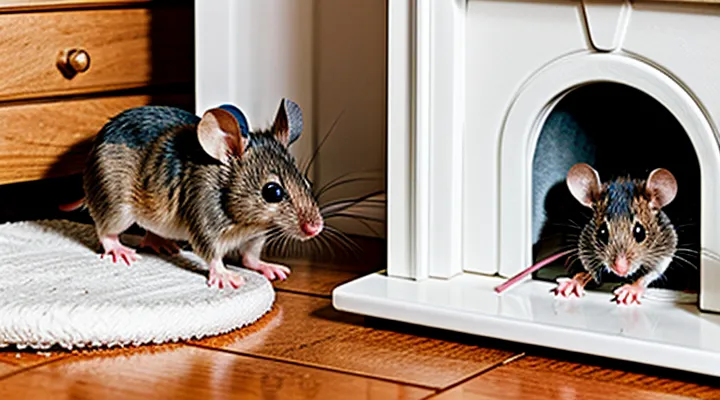
Understanding the Mouse Invasion
Signs of a Mouse Infestation
Droppings
Mouse droppings are a clear sign of infestation and a health hazard. The pellets are typically 1‑3 mm long, dark brown to black, and found along walls, behind appliances, in cupboards, and near food sources. Their presence indicates active foraging and possible nesting sites.
Health risks stem from pathogens such as Hantavirus, Salmonella, and Leptospira, which can survive in droppings for weeks. Inhalation of aerosolized particles during cleaning may cause respiratory illness. Direct contact can lead to gastrointestinal infection.
Effective removal requires a systematic approach:
- Protect yourself – wear disposable gloves, a mask rated N95 or higher, and eye protection.
- Ventilate – open windows briefly, then close them before cleaning to limit dust spread.
- Contain the area – seal off the room with plastic sheeting if extensive contamination exists.
- Moisten – spray droppings with a disinfectant solution (e.g., 1 % bleach mixed with water) and let it sit for 5 minutes to kill pathogens.
- Collect – use a damp paper towel or disposable mop head to pick up the material; place it in a sealed plastic bag.
- Dispose – seal the bag, label it as biohazard waste, and discard according to local regulations.
- Sanitize – scrub the cleaned surfaces with the same disinfectant, then rinse with clean water.
- Wash hands – remove gloves, wash hands thoroughly with soap for at least 20 seconds.
Prevention focuses on eliminating conditions that attract mice. Store food in airtight containers, fix cracks and gaps larger than ¼ inch, and keep clutter to a minimum. Regular inspection of likely drop sites helps detect new activity early, allowing prompt intervention before droppings accumulate.
Gnaw Marks
Gnaw marks are the most reliable indicator that a rodent is present in a residence. They appear as clean, smooth cuts on wood, plastic, or wiring, typically ¼‑inch wide and ½‑inch deep. The pattern reveals the direction of travel; parallel lines suggest a well‑used pathway, while irregular cuts imply an occasional foraging route.
Identifying gnaw marks promptly prevents damage to structural components and reduces fire risk from compromised insulation. Examine baseboards, pantry shelves, and behind appliances for fresh bites, and compare them with older, weathered scratches to assess activity level.
To address gnaw marks effectively:
- Seal each opening larger than ¼‑inch with steel wool, copper mesh, or silicone caulk; rodents cannot chew through metal.
- Replace damaged sections of wood, plastic, or cable sheathing; use rodent‑resistant materials such as cement board or metal conduit.
- Install snap traps or electronic deterrents along identified paths; position devices perpendicular to the cut direction for maximum contact.
- Clean the area with a disinfectant solution to eliminate saliva residues that can spread disease.
After repairs, maintain a regular inspection schedule. Document any new marks within 24 hours and repeat sealing procedures. Consistent monitoring eliminates re‑entry opportunities and preserves the integrity of the home’s interior.
Nests
Mice build nests to protect their young and store food. Recognizing a nest early prevents damage and reduces health risks.
Typical nest locations include hidden corners of cabinets, behind appliances, inside wall voids, and under insulation. Look for shredded paper, fabric, dried fur, and compacted debris. A fresh nest feels warm and may emit a faint, musky odor.
When a nest is discovered, follow these steps:
- Wear disposable gloves and a mask to avoid exposure to allergens and pathogens.
- Use a sturdy container to capture the nest without scattering material.
- Seal the container with tape and place it in an outdoor trash bin.
- Disinfect the area with a solution of one part bleach to ten parts water, allowing it to remain wet for at least five minutes.
- Inspect surrounding spaces for additional nesting material or signs of activity.
After removal, eliminate future nesting sites by:
- Storing food in airtight containers.
- Keeping paper, cloth, and other soft materials in sealed bins.
- Reducing clutter in storage areas.
- Installing steel wool or copper mesh at entry points, as mice cannot chew through these materials.
- Maintaining a regular cleaning schedule to remove crumbs and debris that attract rodents.
By systematically locating, removing, and sanitizing nests, you minimize the likelihood of a recurring mouse problem and protect the household from associated health hazards.
Strange Noises
Mice generate audible signs that reveal their presence and movement. Scratching sounds behind walls, squeaking in attics, and faint scurrying on floors indicate active foraging or nesting. Identifying the source helps prioritize intervention and prevents damage to wiring, insulation, or stored food.
Listen for patterns: repeated rustling in the same area suggests a nest; intermittent squeaks at night often accompany feeding. Use a handheld recorder or smartphone to capture noise, then replay at low volume to pinpoint the exact location without disturbing the animal.
When strange noises are confirmed as rodent activity, take the following measures:
- Seal all entry points larger than a quarter inch with steel wool and caulk.
- Place snap traps or electronic traps near the identified sound source; position them perpendicular to walls for optimal contact.
- Deploy bait stations containing anticoagulant rodenticide only in inaccessible areas, following local regulations.
- Replace compromised insulation or wiring promptly to avoid fire hazards.
- Maintain a clean environment: store food in sealed containers, remove crumbs, and dispose of garbage daily.
Continuous monitoring after treatment verifies success. If noises persist beyond a week, re‑inspect for hidden chambers or secondary entryways and repeat trapping or sealing procedures as needed.
Why Mice are a Problem
Health Risks
Mice that gain access to a residence introduce a range of health hazards. Their presence creates pathways for disease, contaminates food supplies, and triggers allergic reactions.
- Disease transmission – rodents carry pathogens such as hantavirus, leptospira, salmonella, and hantavirus‑associated pulmonary syndrome. Contact with urine, droppings, or saliva can infect humans through inhalation, ingestion, or skin abrasions.
- Allergen exposure – proteins found in mouse urine, dander, and feces act as potent allergens. Repeated exposure may provoke asthma attacks, rhinitis, and dermatitis, especially in sensitive individuals.
- Food contamination – gnawed packaging and droppings introduce bacteria and parasites into stored foods, raising the risk of food‑borne illness.
- Secondary infestations – mouse activity often attracts insects such as fleas and cockroaches, which further spread disease vectors.
Each risk compounds the others; for example, contaminated food can amplify bacterial load, while allergens exacerbate respiratory conditions. Prompt identification of mouse activity—visible droppings, gnaw marks, or nests—prevents escalation.
To mitigate health threats, secure all entry points, deploy traps or bait stations, and disinfect affected areas with a bleach solution (1 part bleach to 10 parts water). Discard any contaminated food, wash surfaces thoroughly, and monitor for lingering odors that indicate hidden droppings. Maintaining these practices limits exposure to the pathogens and allergens associated with rodent intrusion.
Property Damage
Mice can chew through insulation, wiring, and structural wood, creating costly repairs and increasing fire risk. Their gnawing often damages drywall, flooring, and furniture, while droppings contaminate surfaces and attract pests that further degrade property integrity.
To mitigate damage, follow these steps:
- Inspect walls, baseboards, and cabinets for fresh bite marks or shredded material.
- Seal entry points with steel wool, caulk, or metal flashing; gaps larger than ¼ inch permit access.
- Replace compromised insulation and repair exposed wiring promptly to prevent short circuits.
- Use snap traps or electronic devices in identified activity zones; dispose of captured mice according to local health regulations.
- Maintain a clean environment by storing food in sealed containers and removing clutter that offers shelter.
Regular monitoring and swift repair of affected areas prevent escalation of damage and preserve the safety of the home’s structure.
Immediate Actions to Take
Identifying Entry Points
Cracks in Walls
Cracks in walls serve as primary entry points for rodents. Identify all openings larger than a quarter‑inch by conducting a systematic visual inspection from floor to ceiling, including baseboards, utility penetrations, and around pipes. Use a flashlight to highlight hidden fissures and a mirror to view recessed areas.
Seal each gap promptly. Apply expanding polyurethane foam for irregular spaces; allow the foam to cure, then trim excess and cover with a thin layer of plaster or caulk. For linear cracks, insert steel wool or copper mesh before applying silicone sealant to create a barrier that rodents cannot gnaw through. Replace damaged drywall sections with new panels and secure joints with drywall tape and joint compound.
Maintain the barrier over time. Re‑inspect after seasonal temperature changes, as building materials expand and contract, potentially reopening seams. Repair any new fissures using the same materials and techniques. Regular maintenance prevents re‑entry and reduces the likelihood of infestation.
Gaps Around Pipes
Mice enter homes through tiny openings that often surround plumbing. Inspect every pipe that penetrates walls, floors, or foundations. Look for cracks, gaps, or loose fittings where the pipe meets the structure. Even openings as small as a quarter‑inch can provide access.
Identify the material of the surrounding surface. Concrete, drywall, and wood each require a specific sealing method. Use steel wool or copper mesh to block the opening, then apply a durable caulk or expanding foam. For larger gaps, install a pipe collar or a metal flashing plate before sealing.
Maintain the seal by checking for signs of wear. Moisture, temperature changes, and building movement can degrade the material. Reapply sealant if cracks reappear or if the filler detaches.
Typical steps for securing pipe gaps:
- Turn off water supply if the pipe is active.
- Clean the area to remove dust and debris.
- Insert steel wool or mesh into the opening.
- Apply a bead of silicone or polyurethane sealant around the pipe.
- Smooth the sealant to ensure complete coverage.
- Allow the sealant to cure according to the manufacturer’s instructions.
- Inspect the seal periodically, especially after heavy rain or seasonal temperature shifts.
By eliminating these entry points, you reduce the likelihood that a mouse will use plumbing routes to travel deeper into the residence. Regular maintenance of pipe seals complements other exclusion measures and helps keep the home rodent‑free.
Damaged Screens
Mice can chew through window and door screens, creating openings that allow further intrusion and compromise indoor air quality. Inspect all mesh barriers regularly; any ragged edges, holes larger than a quarter inch, or loose fastening indicate damage that must be addressed immediately.
Repair steps:
- Remove the damaged section with a utility knife, cutting a clean edge around the compromised area.
- Cut a replacement piece of hardware cloth or fine‑mesh screen that overlaps the opening by at least one inch on each side.
- Secure the new piece with stainless‑steel staples or fine‑gauge wire, ensuring tension matches the surrounding screen.
- Apply a thin bead of clear silicone sealant around the perimeter to prevent gaps.
If the screen frame is warped or the mesh is extensively torn, replace the entire screen. Use a pre‑cut screen kit that matches the frame dimensions, attach it with a spline tool, and tighten the spline to maintain uniform tension.
Prevent future damage by:
- Sealing cracks and gaps around the frame with expanding foam or caulk.
- Installing metal flashing or mesh strips on the exterior side of screens to deter chewing.
- Reducing attractants such as food crumbs and standing water near entry points.
Prompt attention to damaged screens eliminates a primary route for rodents, reduces the risk of additional property damage, and supports a secure living environment.
Setting Up Traps
Types of Traps
When a mouse enters a residence, selecting an appropriate trap determines the speed and safety of removal. Different traps suit various environments, target species, and homeowner preferences.
-
Snap traps: Mechanical devices that kill instantly with a spring‑loaded bar. Ideal for concealed spaces such as wall voids or behind appliances. Require careful placement to avoid accidental activation by pets or children.
-
Live‑catch traps: Wire cages with a baited entrance that close when the mouse enters. Allow humane relocation. Must be checked frequently; released rodents should be taken far from the property to prevent return.
-
Electronic traps: Battery‑powered chambers that deliver a high‑voltage shock, killing the mouse quickly. Provide a sealed container for easy disposal. Suitable for indoor use where cleanliness is a priority.
-
Glue boards: Adhesive surfaces that immobilize rodents. Effective in tight corners and along baseboards. Disposal involves sealing the board to prevent escape; not recommended for households with pets or children.
-
Ultrasonic repellents: Devices emitting high‑frequency sounds claimed to deter rodents. Evidence of efficacy varies; best used as a supplementary measure alongside physical traps.
Each trap type has distinct advantages and limitations. Evaluate factors such as location, safety concerns, and desired outcome before deployment. Proper bait—peanut butter, chocolate, or dried fruit—enhances capture rates across all trap categories. Regular monitoring and prompt disposal of captured mice complete the control process.
Baiting Strategies
When a mouse breaches the interior of your residence, effective baiting can halt the infestation and prevent further damage. Choose baits that match the species’ preferences, place them strategically, and monitor results to ensure success.
-
Food selection: Opt for high‑fat items such as peanut butter, cheese, or sunflower seeds. Incorporate a small amount of sweet or protein‑rich material to increase attraction. Avoid overly scented commercial products that may deter cautious rodents.
-
Placement: Position traps along walls, behind appliances, and near known travel routes. Keep baits concealed from pets and children by using sealed snap traps or tamper‑proof stations.
-
Quantity and density: Deploy one bait per 10‑square‑foot segment of the affected area. In heavily trafficked zones, increase density to one per 5 square feet to saturate the environment.
-
Rotation: Replace bait every 48‑72 hours to maintain freshness. Rotate flavors weekly to prevent habituation.
-
Safety measures: Wear disposable gloves when handling bait to avoid transferring human scent. Dispose of captured rodents promptly in sealed bags, then disinfect the trap surface with a bleach solution.
Implementing these tactics creates a hostile environment for the intruder, reduces the likelihood of repeat incursions, and supports long‑term control without reliance on chemical pesticides.
Placement of Traps
Effective mouse control begins with strategic trap placement. Position devices where rodents travel, hide, or seek food. Avoid areas with high human traffic to reduce accidental contact.
- Place traps along walls, as mice prefer to run close to surfaces.
- Target known entry points such as gaps under doors, vents, and utility openings.
- Install devices near food storage locations, including pantry shelves, garbage cans, and pet feeding stations.
- Position traps in concealed areas like behind appliances, under cabinets, and within cluttered corners.
- Use multiple traps spaced 12‑18 inches apart to cover a larger corridor.
Regularly check traps, remove captured mice promptly, and reset or relocate devices if catches cease. Maintain a clean environment by sealing entry points and storing food in sealed containers; this enhances trap effectiveness and discourages further infestation.
Long-Term Prevention Strategies
Sealing Entry Points
Caulking
Caulking seals the small openings that mice exploit to enter a residence. Identify gaps around baseboards, window frames, utility penetrations, and pipe entries. Clean each gap to remove debris, then apply a silicone‑based or polyurethane sealant that remains flexible after curing. Press the caulk into the opening, smooth the surface, and allow the manufacturer’s recommended drying time before exposing the area to moisture or temperature changes.
When sealing, follow these steps:
- Inspect exterior and interior walls for cracks larger than ¼ inch.
- Use a utility knife to widen jagged edges, creating a clean groove for better adhesion.
- Load a caulking gun with appropriate sealant; cut the nozzle at a 45‑degree angle for controlled flow.
- Apply a continuous bead, filling the gap completely.
- Smooth the bead with a gloved fingertip or a caulk‑smoothing tool to eliminate air pockets.
- Allow the sealant to cure fully, typically 24 hours, before repainting or installing trim.
Regularly check sealed areas for wear, especially after seasonal temperature shifts. Reapply caulk to any compromised spots to maintain an airtight barrier that deters further rodent intrusion.
Steel Wool
Steel wool serves as an effective barrier against rodents seeking entry through small gaps. Its dense, fibrous structure can be packed into cracks around pipes, vents, and foundation seams, creating a physical obstacle that mice cannot easily chew through.
When applying steel wool, follow these steps:
- Identify all visible openings larger than a quarter‑inch.
- Compress the steel wool tightly into each opening, ensuring no loose fibers remain.
- Secure the packed material with a thin layer of caulking or expanding foam to prevent displacement.
- Inspect the sealed areas periodically; replace any worn wool to maintain integrity.
Choose grade #00 or #000 steel wool for the finest strands, which conform more readily to irregular spaces. Avoid using coarse grades that leave gaps. For exterior applications, opt for stainless‑steel wool to resist corrosion caused by moisture.
Steel wool also functions as a temporary deterrent in areas where permanent sealing is impractical. Placing a handful inside a mouse‑prone wall cavity creates an uncomfortable passage that encourages the animal to seek alternative routes, buying time for comprehensive repairs.
Safety considerations include wearing gloves to prevent cuts and keeping the material away from open flames, as steel wool can ignite when exposed to heat. Store unused portions in a dry container to preserve effectiveness.
Hardware Cloth
Hardware cloth provides a durable, metal mesh barrier that prevents mice from entering structural gaps. Its stainless‑steel or galvanized composition resists corrosion, while a 1/4‑inch (6 mm) mesh and 19‑ to 20‑gauge thickness stop even determined rodents without compromising airflow.
Use hardware cloth to seal openings around pipes, vents, and foundation cracks. Cut the material to fit the exact dimensions of the gap, then fasten it with screws, nails, or heavy‑duty staples. Overlap seams by at least one inch and secure each overlap with a separate fastener to eliminate any potential entry points. For larger openings, frame the cloth with wood or metal studs to create a rigid, mouse‑proof panel.
Installation steps:
- Measure the target opening accurately.
- Cut the mesh with tin snips, leaving a 1‑2‑inch excess on each side.
- Position the cut piece over the gap.
- Secure the perimeter with #8 or #10 screws spaced every 4‑6 inches.
- Apply a bead of silicone sealant around the edges for added protection.
- Inspect the completed barrier for gaps or loose fasteners.
Regularly inspect installed panels, especially after seasonal temperature changes or building renovations. Replace any torn sections promptly, as even small tears can become entry routes. Combining hardware cloth with other exclusion methods—such as steel wool in narrow cracks—enhances overall effectiveness and reduces the likelihood of a mouse intrusion.
Maintaining a Clean Environment
Food Storage
Secure food storage is a critical line of defense against rodent intrusion. Mice locate kitchens by scent; eliminating accessible food sources removes a primary attractant.
Store dry goods in containers made of glass, metal, or heavy‑wall plastic with tight‑closing lids. Verify that seals remain intact after each use; replace any damaged or warped lids immediately. Transfer bulk items such as flour, rice, and cereal into these containers, discarding original packaging that can be chewed.
Keep pantry shelves clear of debris and spills. Clean up crumbs and residues before they accumulate, and wipe surfaces with a mild detergent after each meal preparation. Avoid placing food items directly on the floor; use raised shelves or cabinets to create a barrier.
Limit the presence of pet food. Feed pets at set times, remove uneaten portions within 30 minutes, and store pet kibble in the same airtight containers used for human food.
Implement regular inspection cycles. Every week, examine storage containers for signs of gnaw marks, holes, or droppings. Promptly discard any compromised food to prevent contamination.
By maintaining airtight containers, eliminating floor‑level storage, and conducting systematic checks, you deprive mice of nourishment and reduce the likelihood of a persistent infestation.
Waste Disposal
When a rodent breaches your residence, waste management becomes a critical control point. Improper disposal creates food sources that sustain infestations; therefore, every piece of refuse must be handled to eliminate attraction. Use sealed containers with tight‑fitting lids, and place them away from walls and entry points. Regularly clean the interior and exterior of bins to remove crumbs and residue.
Effective waste disposal steps:
- Transfer kitchen scraps into a secondary container with a secure lid before depositing them in the main bin.
- Store garbage bags in a cool, dry area until collection day; avoid leaving them in open cupboards.
- Replace damaged or cracked bins promptly; compromised seals permit mouse entry.
- Dispose of contaminated materials (e.g., droppings, gnawed packaging) in double‑bagged, sealed bags and treat them as hazardous waste if local regulations require.
- Schedule frequent collection if you generate high volumes of organic waste, reducing the time trash remains accessible.
By enforcing strict waste protocols, you remove a primary food source, diminish mouse activity, and support broader pest‑control measures.
Decluttering
A mouse intrusion thrives in cluttered spaces where food, nesting material, and hiding places are abundant. Removing unnecessary items eliminates shelter, reduces food sources, and forces the rodent to seek exits rather than settle inside.
- Clear countertops, tables, and floors of crumbs, pet food, and open packages. Store consumables in airtight containers.
- Dispose of cardboard boxes, paper stacks, and fabric piles that can serve as bedding. Keep only essential items and arrange them away from walls.
- Organize storage areas by elevating boxes on shelves, sealing gaps, and labeling containers to prevent accidental re‑accumulation of debris.
- Inspect closets, garages, and basements for forgotten items. Relocate or discard objects that create dark, undisturbed zones.
After decluttering, seal entry points identified during inspection. A tidy environment limits the mouse’s ability to conceal itself, making traps and deterrents more effective and reducing the likelihood of future invasions.
Natural Deterrents
Peppermint Oil
Peppermint oil is a practical tool for deterring mice that have entered a residence. The oil’s strong menthol scent overwhelms a mouse’s sensitive olfactory system, prompting the animal to avoid treated areas.
Apply the oil directly to points where mouse activity is observed. Use a cotton ball or small spray bottle, then:
- Soak cotton balls with 10‑15 drops of pure peppermint oil and place them in corners, behind appliances, and near entry gaps.
- Reapply every three days, or sooner if the scent fades.
- Replace cotton balls with fresh ones after a week to maintain potency.
When using peppermint oil, observe safety guidelines. Dilute the oil with a carrier such as water or a mild detergent if spraying to prevent surface damage. Keep the product out of reach of children and pets; concentrated oil can irritate skin and eyes.
Combine peppermint oil with physical barriers for optimal results. Seal cracks, install door sweeps, and set traps while maintaining the oil treatment. This layered approach maximizes the likelihood of eliminating the infestation without relying on lethal methods.
Ultrasonic Devices
Ultrasonic devices represent a non‑chemical option for managing a mouse intrusion in a residence. They emit sound waves at frequencies above 20 kHz, which humans cannot hear but rodents can detect. The high‑frequency pulses interfere with the animal’s auditory system, creating discomfort that prompts avoidance of the treated area.
Key factors when choosing a unit include:
- Frequency range of 20‑65 kHz, ensuring coverage of the species’ hearing spectrum.
- Specified coverage area measured in square feet; larger rooms require multiple units.
- Power source, such as plug‑in versus battery, matched to placement needs.
- Adjustable timer or continuous operation mode for occupancy patterns.
- Compliance with safety standards (e.g., UL, CE) to guarantee reliable performance.
Effective placement follows a simple pattern: mount the emitter at least 12 inches from walls or furniture, direct the speaker toward open space, and install devices near entry points, food storage, and known travel routes. Overlapping coverage zones eliminate blind spots in larger spaces.
Performance depends on environmental conditions. Open, uncluttered rooms allow sound waves to travel unobstructed, maximizing deterrence. Solid barriers—walls, cabinets, thick carpets—absorb or reflect the signal, reducing reach. Rodents may become desensitized after prolonged exposure; rotating device locations or combining ultrasonic emitters with traps can sustain efficacy.
Safety considerations are straightforward. The sound level remains below thresholds that affect humans and most pets; however, small animals such as hamsters or guinea pigs may experience distress and should be excluded from the treated zone. The devices consume minimal electricity and generate no residues.
Routine maintenance involves cleaning vent openings to prevent dust buildup, verifying battery charge or power‑line connection, and testing the unit periodically with a frequency detector or by observing rodent activity. Consistent upkeep preserves output strength and prolongs device lifespan.
When to Call a Professional
Severe Infestation
A severe mouse infestation signals that the pest population has multiplied beyond occasional sightings and is actively damaging property and contaminating food supplies. Evidence includes gnawed wires, droppings in multiple rooms, and audible activity at night. Immediate action prevents structural damage, electrical faults, and health hazards such as hantavirus or salmonella.
First, isolate the affected area. Seal doors and windows, turn off power to circuits showing chew marks, and remove all accessible food sources. Store food in airtight containers and discard any items that show signs of contamination.
Next, implement aggressive control measures:
- Set multiple snap traps or electronic traps along walls, behind appliances, and near known runways.
- Deploy bait stations containing anticoagulant rodenticide, ensuring compliance with local regulations and keeping them out of reach of children and pets.
- Install steel wool or copper mesh over entry points larger than ¼ inch, then reinforce with caulk or expanding foam.
If traps and baits fail to reduce activity within 48–72 hours, contact a licensed pest‑control professional. Experts can apply integrated pest‑management strategies, including fumigation, dust formulations, and thorough inspection of hidden voids such as attics and crawl spaces.
Finally, eliminate conditions that encourage reinfestation. Repair leaking pipes, maintain low humidity, and keep clutter to a minimum. Regularly inspect the exterior for gaps around utility penetrations and reinforce foundation cracks. Consistent monitoring and prompt remediation maintain a mouse‑free environment after a severe outbreak.
Recurring Problems
Mice that enter a residence often create a cycle of issues that reappear if the underlying causes are not addressed. The most common recurring problems include:
- Re‑infestation after initial removal because entry points remain open.
- Damage to wiring, insulation, and structural components as rodents chew to enlarge pathways.
- Contamination of food supplies and surfaces with droppings, urine, and fur, leading to bacterial growth.
- Failure of traps or bait stations due to placement errors, bait aversion, or rodent habituation.
- Persistent odor and allergen buildup from accumulated waste, which can trigger respiratory irritation.
Each problem tends to reinforce the others. For example, unfinished sealing allows new mice to enter, which quickly damages the same areas that were previously repaired, creating fresh entryways. Inadequate trap placement leaves survivors to reproduce, increasing population density and waste production. Continuous monitoring, thorough exclusion of all potential openings, regular inspection of wiring and insulation, and systematic replacement of bait or trap locations break the cycle. Maintaining these practices prevents the recurrence of damage, health hazards, and the need for repeated emergency interventions.
Health Concerns
A mouse inside a dwelling introduces several health hazards that require immediate attention.
Key risks include:
- Transmission of pathogens such as hantavirus, leptospirosis, salmonella, and various strains of E. coli.
- Allergic reactions triggered by rodent urine, droppings, and dander.
- Contamination of food supplies and surfaces with bacteria and parasites.
- Increased pest activity that can amplify exposure to disease vectors.
To protect occupants, follow these steps:
- Wear disposable gloves and a mask when handling traps, cleaning, or disposing of evidence.
- Seal entry points with steel wool, caulk, or hardware cloth to prevent re‑entry.
- Remove all food sources; store items in airtight containers and clean crumbs promptly.
- Disinfect affected areas with a solution of 1 part bleach to 10 parts water; allow a 10‑minute contact time before rinsing.
- Dispose of droppings and nests in sealed bags placed directly in an outdoor trash container.
- Monitor family members for fever, respiratory symptoms, or rash; seek medical evaluation if such signs appear.
Implementing these measures reduces the probability of infection, minimizes allergic exposure, and safeguards the household’s overall health.