
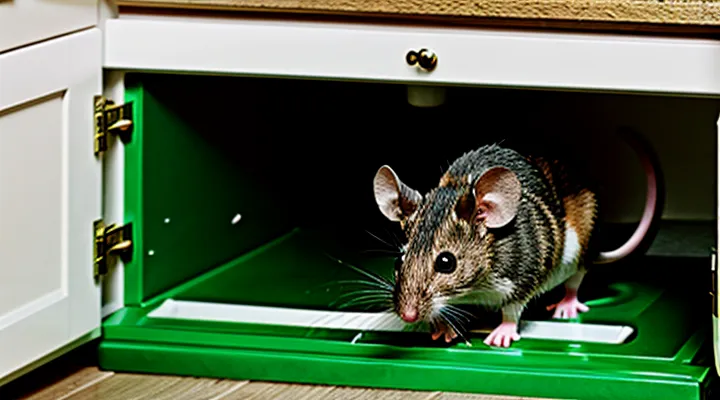
Panic vs. Plan: Your First Steps
Initial Assessment and Identification
Confirming the Intruder
When you suspect a rodent inside your residence, the first priority is to verify its presence before taking action. Accurate confirmation prevents unnecessary measures and focuses resources on the actual problem.
Observe for direct evidence:
- Fresh droppings: small, dark pellets located near food sources, cabinets, or along walls.
- Gnaw marks: fresh, clean cuts on wires, wood, or packaging.
- Grease trails: oily smears left by a mouse’s body on surfaces it has traversed.
- Audible activity: scratching or scurrying sounds, especially at night.
Inspect potential pathways:
- Check gaps around pipes, vents, and baseboards for fresh chew holes.
- Examine door sweeps and window seals for signs of tampering.
- Look under appliances and inside pantry shelves for displaced food.
Set up verification tools:
- Place snap‑type traps or humane catchers along identified runways, baited with peanut butter or cheese.
- Deploy non‑toxic powdered tracking dust near suspected entry points; footprints become visible after a few hours.
- Use motion‑activated cameras aimed at high‑traffic zones to capture nocturnal movement.
Document findings with photographs or notes. A clear record of evidence supports decisive, targeted intervention and informs any necessary professional assistance.
Identifying Entry Points
When a mouse is sighted inside a residence, the first priority is to determine how it gained access. Mice exploit any opening larger than a quarter-inch, so thorough inspection of the building envelope is essential.
Typical entry routes include:
- Gaps around doors, windows, and sliding panels
- Cracks in foundation walls, especially near the slab or crawl space
- Openings around utility penetrations such as pipes, cables, and vent pipes
- Unsealed gaps beneath or behind appliances, refrigerators, and dishwashers
- Roof eaves, soffits, and attic vents lacking screening
Effective inspection combines visual checks with simple tools. Use a bright flashlight to examine low‑light areas, and a mirror on an extendable pole to view concealed spaces. Follow mouse droppings or gnaw marks outward to locate the source. Inspect exterior siding, brickwork, and siding joints for deteriorated mortar or loose panels. Inside, remove baseboard molding where feasible to reveal hidden gaps.
Seal identified openings promptly. Apply steel wool or copper mesh to fill small cracks, then cover with silicone caulk or expanding foam. For larger gaps, install hardware cloth or metal flashing secured with screws. Ensure door sweeps are intact and weatherstripping is continuous.
After sealing, monitor for new activity. Place motion‑activated cameras or non‑lethal traps near previously used pathways for at least two weeks. Document each inspected area and remediation step to track progress and prevent future infestations.
Immediate Action: Containment and Removal
Trapping Methods
Snap Traps: Pros and Cons
Snap traps are a direct method for eliminating a mouse that has entered a residence. They function by delivering an instantaneous, lethal force when the rodent triggers the mechanism, providing immediate removal without the need for chemicals or ongoing monitoring.
Advantages
- Immediate result; the mouse dies upon activation.
- Low cost; a pack of traps costs less than many alternative devices.
- No residual scent or poison; safe for households with children or pets when placed out of reach.
- Simple deployment; no assembly or power source required.
Disadvantages
- Requires precise placement to ensure contact with the bait.
- Potential for humane concerns; the kill is abrupt but may be distressing to observers.
- Risk of injury if mishandled during set‑up or disposal.
- Limited to single captures; multiple traps may be necessary for larger infestations.
Live Traps: Humane Solutions
Live traps capture mice without harming them, allowing owners to remove the animal from the premises safely. The device consists of a cage with a trigger mechanism that closes the door once the mouse enters to reach the bait.
Benefits of live trapping include avoidance of toxic substances, prevention of secondary poisoning, and compliance with humane standards. Captured rodents can be released outdoors, eliminating the need for extermination and reducing health risks inside the home.
To use a live trap effectively:
- Select a trap sized for house mice, typically 4‑6 inches in length.
- Place a small amount of attractive food—peanut butter, cheese, or sunflower seeds—on the trigger plate.
- Position the trap along walls, behind appliances, or near visible droppings, where mice travel.
- Check the trap at least twice daily; release any capture promptly to prevent stress.
When releasing a captured mouse, transport the cage at least 100 feet from the residence, preferably into a wooded or grassy area. Open the door gently, allow the animal to exit, then disinfect the trap with a mild bleach solution before reuse. Proper sanitation eliminates scent trails that could attract other rodents.
Glue Traps: Ethical Considerations
Glue traps are a common, low‑cost option for eliminating mice inside a residence. They consist of a sticky surface that immobilizes the animal upon contact, allowing for later disposal.
Ethical concerns associated with this method include:
- Prolonged distress – Mice can struggle for minutes or hours before dying, experiencing pain and anxiety.
- Non‑target capture – Insects, small reptiles, or juvenile mammals may become trapped unintentionally, raising broader welfare issues.
- Irreversibility – Once an animal is stuck, rescue is difficult; the trap does not permit humane release.
- Regulatory restrictions – Several jurisdictions have banned or limited glue traps due to animal welfare legislation.
Alternatives that mitigate these issues are:
- Snap traps with quick‑kill mechanisms, positioned to minimize accidental captures.
- Live‑catch traps that allow release of the mouse far from the home, provided local regulations permit.
- Preventive measures such as sealing entry points, removing food sources, and maintaining cleanliness to reduce attraction.
When deciding on a control method, weigh the immediate effectiveness of glue traps against the potential for suffering, legal compliance, and availability of more humane solutions. The choice should reflect both practical needs and responsibility toward animal welfare.
Natural Deterrents and Repellents
Peppermint Oil and Other Scents
Peppermint oil works as a natural mouse repellent because the strong menthol aroma overwhelms rodents’ sensitive olfactory receptors. Apply a few drops to cotton balls, place them in areas where activity is observed, and replace every 3‑5 days to maintain potency. Avoid direct contact with food surfaces; a small, sealed container prevents accidental contamination.
Other scents that deter mice include:
- Eucalyptus oil: Similar to peppermint, it disrupts scent trails; use 5‑10 drops per cotton ball.
- Cedar chips: Emit a persistent odor that many rodents find unpleasant; distribute thin layers in closets and garage corners.
- Clove oil: Provides a sharp, spicy aroma; dilute 1 % in water and spray along baseboards.
- Ammonia: Releases a harsh chemical smell that repels mice; place open containers in hidden spots, ensuring ventilation to protect human occupants.
Effectiveness depends on consistent exposure; scents evaporate quickly, so regular renewal is essential. Combine aromatic deterrents with physical barriers—seal entry points, set traps, and keep food storage airtight—to achieve reliable control. Safety precautions include testing for allergic reactions, keeping oils out of reach of children and pets, and using ventilation when applying volatile compounds.
Ultrasonic Devices: Effectiveness
Ultrasonic repellents emit high‑frequency sound waves that rodents cannot consciously hear but find uncomfortable. Devices typically operate between 20 kHz and 65 kHz, covering a radius of 15–30 feet depending on model and room layout. The sound is continuous or programmed in cycles to prevent habituation.
Scientific evaluations show mixed results. Controlled laboratory tests report a reduction in mouse activity of 30–60 percent when devices are positioned without physical barriers. Field studies in residential settings reveal lower efficacy, often below 20 percent, because walls, furniture, and open doors diminish signal propagation. Additionally, rodents may acclimate after several days, decreasing deterrent effect.
Effective deployment requires strategic placement and complementary measures. Devices should be mounted on walls at mouse height, away from reflective surfaces, and paired with sealing entry points, traps, or bait stations. Power sources must remain uninterrupted; most units operate on mains electricity with battery backup. Regular cleaning of speaker openings prevents dust buildup that can attenuate output.
Key factors influencing performance
- Frequency range matching mouse hearing sensitivity
- Unobstructed line of sight between emitter and target area
- Continuous operation without power interruptions
- Integration with physical exclusion and trapping methods
When used as part of a broader pest‑management plan, ultrasonic devices can contribute to reduced mouse presence, but reliance on them alone seldom achieves complete control.
Long-Term Prevention: Securing Your Home
Sealing Entry Points
Inspecting Walls and Foundations
When a mouse is spotted inside, the first step is to locate entry points hidden in walls and foundations. Examine exterior walls for gaps larger than a quarter‑inch, paying special attention to areas around windows, doors, and utility penetrations. Inside, remove baseboard sections or wall panels to reveal any unseen openings. Use a flashlight and a mirror to inspect behind appliances, under sinks, and within crawl spaces. Document each breach before sealing.
- Seal gaps with steel wool, then cover with caulk or expanding foam.
- Install metal flashing around vents, pipe sleeves, and foundation cracks.
- Repair damaged siding, brick, or concrete using appropriate mortar or patching compound.
- Apply a continuous bead of exterior sealant along foundation walls to prevent future intrusion.
- Verify that all repairs remain intact after seasonal temperature changes, repeating inspections quarterly.
Thorough wall and foundation inspection eliminates the most common routes mice use to invade, reducing reliance on traps and chemical controls.
Addressing Gaps Around Pipes and Wires
When a mouse enters your home, one of the most effective barriers is sealing the openings that surround plumbing, electrical conduits, and other utility lines. These gaps often provide unobstructed pathways from walls, basements, and crawl spaces into living areas.
- Inspect all visible pipe sleeves, cable trays, and vent openings. Look for cracks, holes, or loose fittings where the material meets the structure.
- Remove debris and dust from the gap edges to ensure adhesion of sealing products.
- Apply expanding polyurethane foam to gaps up to ½ inch wide; let it cure fully before trimming excess.
- For larger openings, pack steel wool or copper mesh into the void, then cover with a layer of caulk or high‑temperature silicone sealant to prevent gnawing.
- Use metal flashing or conduit clamps around exposed pipe sections that pass through walls or floors; tighten securely to eliminate movement.
- Check under sinks, behind appliances, and around HVAC ducts, as mice frequently exploit these concealed routes.
- After sealing, monitor the treated areas for signs of new activity and reapply sealant if deterioration occurs.
Regularly maintaining the integrity of pipe and wire encasements reduces the likelihood of future rodent intrusion and complements other control measures such as traps and bait stations.
Securing Doors and Windows
Securing doors and windows is the first barrier against mouse intrusion. Identify any openings larger than ¼ inch and seal them promptly. Use the following measures:
- Install door sweeps that extend to the floor, ensuring a tight seal when the door closes.
- Apply weather‑stripping around door frames and window sills; choose silicone or rubber strips for durability.
- Replace damaged screens with fine‑mesh metal or reinforced fiberglass.
- Fit self‑closing hinges on exterior doors to prevent gaps left ajar.
- Install rodent‑proof vents equipped with steel mesh covering all ventilation openings.
Inspect the building envelope quarterly. During each inspection, verify that seals remain intact, hardware is not corroded, and no new gaps have formed from settling or weather damage. Promptly repair any deficiencies to maintain an impenetrable perimeter and reduce the likelihood of mouse entry.
Maintaining a Clean Environment
Proper Food Storage
Effective food storage eliminates easy access for rodents, reducing the likelihood that a mouse will find sustenance inside the house. Secure containers and systematic organization create barriers that rodents cannot breach.
- Store dry goods in airtight, plastic or glass jars with screw‑top lids.
- Keep pet food in sealed containers; discard leftovers promptly.
- Place perishable items in the refrigerator or freezer; avoid leaving fruit or vegetables on countertops.
- Clean spills immediately; wipe down shelves and floors after meals.
- Rotate inventory; use older items first to prevent long‑term exposure.
Maintain a regular inspection schedule. Check containers for cracks, replace damaged seals, and verify that all storage areas remain sealed after each use. By enforcing these practices, you remove the primary attractant that encourages a mouse to remain in the home.
Regular Cleaning and Decluttering
Routine cleaning removes food particles that draw mice. Sweep floors daily, vacuum carpets and upholstery, and wipe countertops after each meal. Use disinfectant to eliminate residue that might mask odors.
Decluttering eliminates hiding places. Store papers, clothing, and boxes in sealed containers. Keep storage areas well‑lit and organized, discarding items that are no longer needed.
Practical steps for maintaining a mouse‑free home:
- Set a weekly schedule for sweeping, vacuuming, and surface cleaning.
- Inspect behind appliances, under sinks, and inside cabinets for crumbs or droppings.
- Place all food in airtight containers; avoid leaving pet food out overnight.
- Empty trash cans regularly, using bins with tight‑fitting lids.
- Remove unnecessary piles of cardboard, fabric, or clutter from basements, attics, and garages.
Consistent application of these practices reduces attractants and shelter, limiting the likelihood of mouse incursions.
Managing Pet Food
When a mouse infiltrates the household, the first priority is to protect the integrity of pet food supplies. Rodents can contaminate kibble, wet food, and treats, leading to health risks for pets and encouraging further pest activity.
Secure storage eliminates the primary attraction. Use airtight containers made of heavy‑duty plastic or metal with lockable lids. Place containers on a shelf away from floor level to reduce the chance of a mouse reaching them. Label each container with the expiration date and rotate stock regularly.
Maintain a clean feeding area. Remove spilled food immediately, sweep under feeding stations, and wipe surfaces with a mild disinfectant. Avoid leaving open bags or loose portions on countertops or floors.
Implement physical barriers around feeding stations:
- Install a metal mesh or plastic guard around bowls, leaving only a small opening for the pet.
- Elevate bowls on a stand that is difficult for a mouse to climb.
- Use a feeding mat that can be easily lifted and cleaned.
Monitor for signs of contamination. Check kibble for droppings, chewed packaging, or unusual odors. If any evidence appears, discard the affected batch and clean the storage area before restocking.
Combine food management with broader rodent control. Seal cracks and gaps in walls, baseboards, and around pipes. Set up traps or bait stations in areas inaccessible to pets, ensuring they are positioned away from food storage.
By rigorously securing pet food, maintaining cleanliness, and reinforcing barriers, the risk of mouse‑related food issues diminishes, safeguarding both pet health and household hygiene.
Health and Safety Considerations
Potential Risks of Rodents
Disease Transmission
A mouse entering a residence can carry pathogens that threaten human health. Common carriers include Salmonella, Leptospira, Hantavirus, and various parasites. Direct contact with droppings, urine, or saliva introduces these agents; inhalation of aerosolized particles from dried droppings also poses risk. Contaminated food sources become secondary vectors when mice contaminate pantry items.
To limit disease exposure, follow these actions:
- Seal entry points such as cracks, gaps around pipes, and vent openings.
- Remove food sources by storing perishables in airtight containers and cleaning spills promptly.
- Dispose of mouse droppings using a damp paper towel; avoid sweeping or vacuuming dry waste to prevent aerosolization.
- Disinfect surfaces with a bleach solution (1 part bleach to 9 parts water) after removal of waste.
- Set snap traps or electronic devices in concealed areas; avoid poison that may leave carcasses unattended, increasing contamination.
- Monitor for signs of infestation—droppings, gnaw marks, gnawed wires—and repeat sealing and cleaning procedures regularly.
If respiratory symptoms, fever, or gastrointestinal distress develop after exposure, seek medical evaluation and mention recent mouse activity. Early diagnosis of rodent‑borne illnesses improves treatment outcomes.
Property Damage
Mice can gnaw wiring, insulation, and structural wood, creating fire hazards, short circuits, and costly repairs. Immediate action limits damage and prevents escalation.
- Inspect exposed cables and seal gaps around them.
- Replace any chewed sections of wiring before re‑energizing circuits.
- Examine baseboards, joists, and cabinets for fresh gnaw marks; remove compromised material.
- Use steel wool or copper mesh to fill holes larger than a quarter inch, preventing further entry.
- Set snap traps or electronic devices in identified pathways; check and dispose of captures daily.
- Apply a rodent‑resistant sealant to cracks in foundation, walls, and around utility penetrations.
After trapping, clean affected areas with a disinfectant solution to remove saliva and urine, which can corrode metal and degrade finishes. Document repairs and retain receipts for insurance claims, as many policies cover rodent‑related damage when promptly reported.
Regular maintenance—tightening door sweeps, trimming vegetation, and storing food in airtight containers—reduces the likelihood of repeat incidents and protects the home’s structural integrity.
Post-Removal Sanitization
Cleaning Contaminated Areas
When a mouse has been sighted indoors, its droppings, urine, and gnawed material create health risks that require immediate remediation. Contaminated zones must be addressed before any other control measures to prevent disease transmission and secondary infestations.
- Locate all areas with visible droppings, urine stains, or chewed debris. Include hidden spots such as behind appliances, under sinks, and within wall voids.
- Wear disposable gloves, a mask rated for particles, and eye protection.
- Collect droppings and nesting material with a damp paper towel; place it in a sealed plastic bag.
- Disinfect surfaces using a solution of at least 1 % bleach (one part bleach to nine parts water) or an EPA‑approved disinfectant. Apply generously, let stand for the manufacturer‑specified contact time, then wipe clean.
- After cleaning, launder any washable fabrics that may have been contaminated; for non‑launderable items, seal in a bag for disposal or professional cleaning.
- Dispose of all waste in a tightly sealed trash container; remove the container from the residence promptly.
Complete the process by ventilating the treated rooms for a minimum of 30 minutes, using fans or open windows to disperse residual fumes. Schedule a follow‑up inspection within 24 hours to verify that no new contamination appears, and maintain regular cleaning routines to deter future rodent activity.
Disposing of Trapped Mice Safely
When a mouse trap releases a captured rodent, immediate and safe disposal prevents disease spread and secondary infestations. Follow a controlled procedure to protect health and maintain hygiene.
- Wear disposable gloves; replace them after each handling.
- Place the dead mouse in a sealable plastic bag, expelling excess air before sealing.
- Discard the bag in an outdoor trash container with a tight‑fitting lid; avoid storing it inside the home.
- Clean the trap with hot, soapy water or a household disinfectant. Rinse thoroughly, then allow it to air‑dry.
- Sanitize the surrounding area using a bleach solution (1 part bleach to 9 parts water) or an EPA‑approved disinfectant. Let the surface remain wet for at least one minute before wiping.
- Wash hands with soap and water for at least 20 seconds after glove removal, even if gloves were used.
These actions eliminate pathogens, reduce odor, and comply with most municipal waste regulations. Regularly inspect traps and replace them when necessary to keep the environment free of rodent hazards.
When to Call Professionals
Signs of a Larger Infestation
A mouse sighting often signals a broader problem; early detection prevents extensive damage and health risks.
- Small, dark droppings near food sources, cabinets, or along walls.
- Gnaw marks on furniture, wiring, or structural timber.
- Nests made of shredded paper, fabric, or insulation in concealed areas.
- Scratching or scurrying noises, especially at night, emanating from walls, ceilings, or attic spaces.
- Visible tracks in dust, flour, or pet food.
- Chewed packaging, contaminated pantry items, or spilled grain.
- Increased frequency of sightings in different rooms within days.
Each indicator points to breeding activity and a growing population. Ignoring these signs allows rodents to multiply, increasing the likelihood of structural damage, electrical hazards, and disease transmission. Prompt inspection and targeted control measures are essential to halt the infestation before it escalates.
Ineffectiveness of DIY Methods
When a mouse shows up in the house, many people first turn to do‑it‑yourself tactics. These approaches often appear inexpensive and easy, yet they rarely achieve lasting control.
- Snap traps placed haphazardly rely on chance; mice quickly learn to avoid unfamiliar objects.
- Homemade repellents such as peppermint oil or ultrasonic devices lack scientific validation and lose effectiveness after a few days.
- Sealing obvious gaps with temporary materials (tape, foam) does not address hidden entry points behind walls or under floors.
- Poison baits placed in visible locations can be detected and bypassed, and they pose health risks to children and pets.
The core limitation of DIY methods lies in their inability to target the full scope of mouse behavior. Mice exploit minute cracks, navigate complex pathways, and adapt to repeated disturbances. Simple traps address only a fraction of the infestation, while inadequate sealing leaves numerous concealed routes open.
Effective resolution requires a systematic assessment of the property, identification of all potential ingress points, and the deployment of professionally approved control measures. Integrated pest management—combining strategic trapping, certified baits, and thorough exclusion work—delivers consistent results where home‑grown solutions fall short.
Hiring a Pest Control Service
When a mouse is detected indoors, enlisting a licensed pest‑control firm provides rapid, systematic elimination and reduces the risk of recurrence.
- Verify the company’s certification and insurance status.
- Request proof of recent training in rodent‑specific methods.
- Compare written guarantees, focusing on the duration of coverage after treatment.
- Check online reviews for evidence of timely response and effective follow‑up.
Professional technicians begin with a thorough inspection to locate entry points, nesting sites, and food sources. They apply approved baits, traps, or exclusion measures, then seal gaps that allow rodents to enter. The process often includes:
- Identification of structural vulnerabilities.
- Placement of tamper‑resistant bait stations in concealed areas.
- Installation of snap or live traps where activity is highest.
- Application of sealants or metal mesh to block openings.
- Scheduling a follow‑up visit to assess efficacy and address any residual activity.
Clients should clear countertops, store food in airtight containers, and remove clutter that could conceal bait or traps. Providing access to all rooms and attics facilitates comprehensive treatment. After the initial service, most providers recommend a monitoring period of 30 days, during which additional visits may be performed at no extra charge if mouse signs reappear.
Typical pricing structures include a one‑time inspection fee, a treatment package ranging from $150 to $300, and optional quarterly maintenance plans for $50–$80 per visit. Transparent quotes list all materials and labor, allowing homeowners to evaluate cost‑effectiveness against DIY alternatives.