
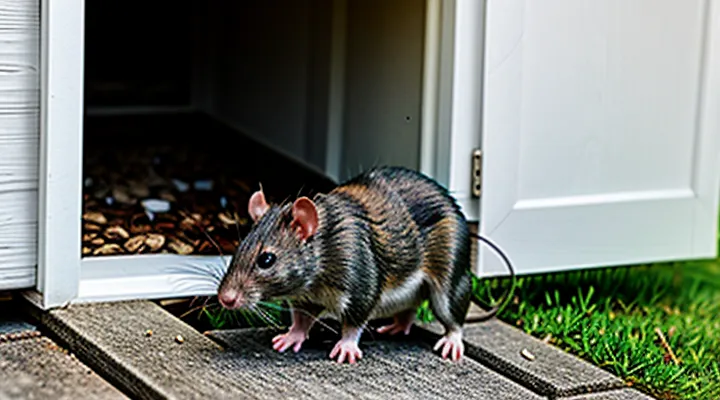
Recognizing a Rat Infestation
Signs of Rats
Droppings and Urine
Rats leave feces and urine throughout occupied spaces. Fresh droppings appear dark, glossy, and may contain a small amount of liquid. Older droppings dry, become crumbly, and turn brownish. Urine stains are yellowish or amber, often found near food sources, water containers, or nesting sites.
Health hazards stem from pathogens such as Hantavirus, Leptospira, and Salmonella, which can be transmitted by inhaling aerosolized particles when droppings dry or by direct contact with contaminated surfaces. Immediate containment of the area prevents further spread.
Cleaning protocol:
- Wear disposable nitrile gloves, a fitted N‑95 respirator, and eye protection.
- Seal the contaminated room, turn off ventilation, and dampen droppings with a 1 % bleach solution (10 ml bleach per litre water) to reduce aerosol formation.
- Allow the solution to sit for at least five minutes.
- Use disposable paper towels or a mop to remove wet material; place all waste in a heavy‑duty plastic bag, seal, and discard according to local hazardous‑waste regulations.
- Rinse the area with the bleach solution, then apply a hospital‑grade disinfectant (e.g., hydrogen peroxide 3 %) and let it air‑dry.
- Launder any washable fabrics at 60 °C; discard non‑launderable items that cannot be decontaminated.
After cleaning, inspect adjacent rooms for secondary contamination. Maintain a strict schedule of waste removal and keep food storage sealed to deter re‑infestation. Regular monitoring of droppings and urine presence provides early warning of rat activity and helps guide timely intervention.
Gnaw Marks
Rats leave distinctive gnaw marks on wood, plastic, wires, and insulation. These bite patterns are typically clean, V‑shaped cuts with smooth edges, often measuring 1–2 mm in width. The damage may appear on baseboards, furniture legs, pantry containers, and electrical cords.
Identifying gnaw marks is the first step in confirming a rodent presence. Look for:
- Parallel lines or shallow grooves where material has been chewed away.
- Fresh cuts with no signs of weathering, indicating recent activity.
- Bite marks near droppings, urine stains, or greasy smears.
Once gnaw marks are confirmed, immediate actions reduce health risks and structural harm:
- Seal entry points – Apply steel wool, hardware cloth, or expanding foam to holes larger than ¼ inch.
- Repair damaged components – Replace chewed wiring, reinforce compromised wood with metal plates, and discard contaminated food containers.
- Eliminate food sources – Store all consumables in airtight containers, clean crumbs, and secure garbage bins.
- Set traps or bait stations – Position devices along walls and near identified gnaw sites, following local regulations for safe use.
- Sanitize affected areas – Use a bleach solution (1 part bleach to 10 parts water) on surfaces to destroy pathogens left by rodents.
Monitoring after repairs is essential. Re‑inspect gnaw marks weekly for new bites; persistent activity suggests hidden nests or unsealed access points. If damage recurs despite these measures, professional pest control may be required to locate and eradicate entrenched colonies.
Tracks and Runways
Rats leave distinct tracks and runways that reveal the extent of an indoor infestation. Recognizing these signs allows targeted intervention and prevents further damage.
Tracks appear as dark, greasy lines along walls, ceilings, or baseboards. They consist of droppings, urine stains, and oily residue from the animals’ fur. Runways are flattened pathways where rats have repeatedly traveled, often visible as worn grooves in dusty or unfinished surfaces.
Identifying tracks and runways provides three practical benefits:
- Locates active travel corridors, indicating where sealing is required.
- Highlights entry points such as gaps around pipes, vents, or foundation cracks.
- Guides placement of traps or bait stations for maximum exposure.
To incorporate this information into a comprehensive response to a rodent problem in a home, follow these steps:
- Conduct a systematic visual sweep of each room, focusing on corners, behind appliances, and under furniture.
- Mark all observed tracks and runways with a non‑permanent indicator.
- Trace each marked line to its nearest potential opening; seal openings with steel wool, caulk, or metal flashing.
- Install traps or bait stations directly on or adjacent to confirmed runways, ensuring safe placement away from children and pets.
- Clean identified tracks with a detergent solution to remove scent cues that might attract additional rodents.
- Monitor trap activity for several days; adjust placement if captures are low, targeting unexplored segments of the runway network.
By concentrating on the physical evidence left by rats, homeowners can efficiently disrupt movement patterns, limit access, and eradicate the infestation with minimal waste of resources.
Unusual Noises
Rats generate distinctive sounds that differ from typical household noises. Scratching on walls, gnawing on wood, and high‑pitched squeaks often occur behind insulation, in attics, or within crawl spaces. These noises intensify at night when rodents are most active, and they may be accompanied by scurrying or thudding as the animals move through ducts and pipes.
When unusual noises appear, confirm their source before initiating control measures. Place a small recording device or smartphone near the suspected area for several hours. Review the playback; repeated gnawing or rapid footfalls confirm rodent activity. If recordings reveal consistent patterns, proceed with targeted actions.
- Seal entry points: apply steel wool and caulk to gaps larger than ¼ inch.
- Install snap traps or electronic traps along walls where sounds are strongest.
- Deploy rodent‑resistant bait stations in concealed locations, following label instructions.
- Conduct a thorough inspection of insulation, wiring, and ventilation shafts; replace damaged material to eliminate shelter.
- Schedule professional extermination if infestation persists despite these steps.
Monitoring after intervention is essential. Re‑record the area weekly for at least one month. Absence of the previously identified noises indicates successful mitigation; recurring sounds require additional trapping or professional assessment.
Sightings of Live or Dead Rats
Seeing a live rat inside a home signals immediate breach of the building envelope. Seal any visible entry points, such as gaps around pipes, vents, or doors, with steel wool and caulk. Place snap traps or electronic bait stations along walls, behind appliances, and in dark corners where activity is observed. Replace bait regularly and check traps daily to prevent suffering and to confirm capture rates.
Finding a dead rat indicates a prior infestation and presents health hazards. Wear disposable gloves and a mask, then dispose of the carcass in a sealed plastic bag placed in an outdoor trash container. Disinfect the area with a bleach solution (1 part bleach to 9 parts water) and allow it to air dry. Inspect surrounding surfaces for droppings, urine stains, or gnaw marks; clean these with the same disinfectant and follow with a thorough vacuuming of any residual debris.
Document all sightings, including date, location, and condition of the rodent. Use the record to assess patterns and to inform professional pest‑control services if traps fail to reduce activity. Provide the documentation to exterminators to guide targeted treatment and to verify that the infestation is fully resolved.
Pet Behavior Changes
Rats moving through a home create a sensory environment that often triggers noticeable shifts in a pet’s routine. Dogs may become unusually alert, bark at hidden corners, or exhibit sudden pacing. Cats frequently display increased hunting instincts, stalking shadows, or showing heightened aggression toward familiar objects. Both species can develop changes in appetite, either refusing food due to stress or scavenging more aggressively.
Stress‑related behaviors also include excessive grooming, vocalization, and withdrawal from usual social interaction. These signs serve as early indicators that the infestation is affecting the animal’s well‑being and should prompt immediate observation.
Addressing the situation requires coordinated action for the household and the pets:
- Secure food sources: store pet meals in sealed containers to prevent rats from accessing them.
- Isolate vulnerable animals: keep dogs and cats in a safe room while traps or bait stations are set.
- Inspect for injuries: examine pets for bite marks or scratches after they encounter rats.
- Consult a veterinarian: obtain professional advice on stress mitigation and possible treatment for exposure‑related health risks.
- Choose pest control methods that avoid toxic chemicals: prefer mechanical traps, ultrasonic devices, or professional services that use pet‑safe approaches.
Continuous monitoring of the animal’s behavior throughout the eradication process helps confirm that the infestation’s impact diminishes and that the pet returns to its normal pattern.
Immediate Actions Upon Discovery
Safety Precautions
Protecting Food and Water Sources
Rats are attracted to unsecured food and water, so eliminating access is the most effective barrier against infestation. Store all consumables in airtight containers made of metal or heavy‑walled plastic; avoid open jars, bags, or cardboard boxes that can be chewed. Clean up spills immediately, and keep countertops, floors, and appliance interiors free of crumbs and residue.
- Place lids on trash cans and empty them regularly; use containers with tight‑fitting lids.
- Seal cracks and gaps around pipes, vents, and cabinets to block entry points.
- Install a dedicated water dispenser with a sealed reservoir; remove standing water from pet dishes, sinks, and basins after each use.
- Rotate pantry stock, discarding items past their expiration date to prevent spoilage that draws rodents.
- Inspect deliveries before bringing them indoors; keep boxes closed or transfer contents to secure storage immediately.
Consistent protection of food and water sources removes the primary incentive for rats to enter a dwelling, reducing the likelihood of a full‑scale infestation.
Personal Protective Equipment
When confronting a rodent problem inside a residence, personal protective equipment (PPE) safeguards health and prevents contamination.
Wear disposable nitrile or heavy‑duty gloves to avoid direct contact with urine, feces, and saliva that may carry pathogens such as hantavirus or leptospirosis. Choose a glove thickness that allows dexterity while resisting puncture.
Use a properly fitted N95 or higher‑efficiency respirator to filter airborne particles, including dust, droppings, and aerosolized pathogens released during cleaning or trap placement. Verify the seal before entering infested areas.
Protect eyes with impact‑resistant safety goggles or a full face shield. This barrier blocks splashes of contaminated material and prevents accidental entry of debris.
Don a disposable, fluid‑resistant coverall or a washable work suit that covers the torso, arms, and legs. Secure the garment with a zip or snap closure to eliminate skin exposure.
Select non‑slip, waterproof footwear with a protective toe cap. Wear shoe covers or disposable booties over shoes to keep the floor clean and prevent tracking contaminants to other rooms.
After completing the task, follow a strict decontamination routine:
- Remove gloves and coveralls without touching the exterior surfaces.
- Dispose of single‑use items in sealed bags.
- Wash hands thoroughly with soap and water.
- Clean reusable equipment according to manufacturer instructions.
Adhering to this PPE protocol reduces the risk of disease transmission and ensures a safer environment for both occupants and pest‑control personnel.
Initial Damage Control
Removing Food Sources
Eliminate all accessible food to break the rats’ attraction to the residence. Store dry goods in airtight containers made of metal or heavy‑wall plastic; label each container to ensure consistent use. Clean countertops, tables, and floors immediately after meals, wiping away crumbs and spills with a damp cloth. Dispose of garbage daily in bins equipped with tight‑fitting lids; keep the bins away from doors and windows. Avoid leaving pet food out overnight; feed pets in a designated area and remove uneaten portions promptly. Secure compost piles, outdoor grills, and bird feeders with covers that prevent rodent entry.
Key actions
- Seal pantry shelves and cabinets with lockable doors or shrink‑wrap film.
- Place all food items, including pet treats, in sealed containers.
- Sweep and mop kitchen surfaces after each use.
- Empty trash cans at night; use liners that close securely.
- Relocate outdoor feeding stations to a distance of at least 30 feet from the house.
By denying rats a reliable food supply, their presence diminishes, reducing the likelihood of nesting and damage throughout the property.
Sealing Entry Points
Sealing entry points stops rats from re‑entering the structure and eliminates the primary cause of infestation. Identify every opening larger than a quarter inch, including gaps around pipes, vents, doors, windows, and foundation cracks. Use a systematic approach: inspect exterior walls, crawl spaces, attic, and utility penetrations.
- Apply steel wool or copper mesh to fill small holes, then cover with caulk or expanding foam for a durable seal.
- Install metal flashing or hardware cloth (minimum ¼‑inch mesh) over larger gaps, securing with screws and sealant.
- Replace damaged weatherstripping on doors and windows; choose products rated for rodent resistance.
- Repair cracks in foundation or siding using cement‑based mortar or epoxy filler, ensuring a smooth, continuous surface.
- Seal gaps around utility lines with rigid conduit sleeves or wrap with stainless‑steel tape before applying sealant.
After completing repairs, conduct a follow‑up inspection to verify that no new openings have appeared. Maintain a schedule of quarterly checks, especially after severe weather, to preserve the integrity of all barriers.
Cleaning Up Messes
Cleaning up after a rat intrusion removes health hazards and eliminates food sources that encourage further activity. The process must begin with safety measures, then focus on thorough removal of waste, disinfection of surfaces, and proper disposal of contaminated items.
- Wear disposable gloves, N‑95 mask, and eye protection before entering affected areas.
- Ventilate rooms by opening windows and using fans to disperse airborne particles.
- Collect all droppings, urine stains, and gnawed materials with a damp paper towel; place them in a sealed plastic bag.
- Discard any food, packaging, or bedding that shows signs of contamination; do not attempt to clean heavily soiled items.
- Apply an EPA‑approved rodent disinfectant to all surfaces, following the manufacturer’s contact time.
- Rinse with clean water, then wipe dry with disposable cloths.
- Treat hard floors, countertops, and cabinets with a diluted bleach solution (1 part bleach to 10 parts water) for additional sanitation.
- After cleaning, wash hands thoroughly with soap and water, then remove and dispose of protective gear safely.
Completing these steps reduces the risk of disease transmission and removes attractants, supporting long‑term control of the rodent problem.
DIY Rat Control Methods
Trapping Strategies
Types of Traps
When rats invade a residence, effective capture relies on selecting the appropriate trap type.
Snap traps deliver a rapid kill by applying a spring‑loaded bar to the rodent’s neck or spine. They are inexpensive, reusable, and suitable for high‑traffic areas such as kitchens, pantry edges, and wall cavities. Bait with peanut butter, dried fruit, or bacon, and position the trap perpendicular to the wall, with the trigger end facing the rodent’s entry point.
Glue boards consist of adhesive‑coated surfaces that immobilize rats upon contact. They are useful for monitoring activity and for placement in tight spaces like behind appliances or under cabinets. Because the animal dies slowly, glue boards are best reserved for secondary use after initial reduction of the population.
Electronic traps emit a high‑voltage shock that instantly kills the rat. They contain a detection sensor that activates only when a rodent enters, reducing accidental discharge. Benefits include humane kill, easy disposal of the carcass, and minimal bait requirements. Place them near known runways, ensuring a clear path to the sensor.
Live‑catch traps capture rats unharmed for relocation. Constructed of wire mesh with a spring‑loaded door, they require careful monitoring to prevent stress or disease spread. Use strong attractants and check traps at least twice daily; release captured animals far from the original property, complying with local wildlife regulations.
Bait stations combine a sealed container with toxic rodenticide, protecting non‑target species while delivering poison to rats that chew the bait. Though effective for large infestations, they demand strict placement out of reach of children and pets, and compliance with safety guidelines.
Choosing a trap depends on the severity of the infestation, the location of activity, and safety considerations. Combining multiple trap types—initially using snap or electronic traps to reduce numbers, followed by glue boards for monitoring—provides a systematic approach to eliminating rats from a home.
Baiting Techniques
Effective baiting requires precise selection, strategic placement, and diligent monitoring. Choose bait formulations that match the target species’ preferences: grain‑based blocks for Norway rats, high‑protein pellets for roof rats, and scented gels for elusive individuals. Ensure the product complies with local regulations and carries a reputable manufacturer’s guarantee.
Placement influences success. Position baits along established runways, near walls, and close to food sources. Use tamper‑resistant stations in areas accessible to children or pets; otherwise, opt for open trays in concealed corners. Maintain a minimum distance of 12 inches between stations to prevent competition and encourage multiple feeding events.
Monitoring validates efficacy. Inspect stations daily for consumption, droppings, and signs of non‑target activity. Record the number of removed baits and adjust placement if activity declines. Replace depleted stations promptly to sustain pressure on the population.
Rotate active ingredients to mitigate resistance. Alternate anticoagulant rods (e.g., bromadiolone, difenacoum) with non‑anticoagulant options (e.g., cholecalciferol) on a bi‑weekly schedule. Document rotation dates to avoid inadvertent repetitions.
Pre‑baiting enhances acceptance. Deploy non‑lethal, highly palatable food items for 3–5 days before introducing toxic bait. This habituates rats to the station and reduces neophobia, increasing the likelihood of lethal ingestion once the toxic bait is added.
Safety protocols protect occupants. Wear gloves when handling bait, store unused product in locked containers, and label stations clearly. After eradication, conduct a thorough de‑contamination of stations and dispose of residual bait according to municipal guidelines.
Trap Placement
Place traps where rats travel most often. Identify active runways by observing droppings, gnaw marks, and grease lines. Position traps perpendicular to these pathways, with the trigger end facing the wall so rodents must enter headfirst.
- Near food storage areas, such as pantry shelves and kitchen counters.
- Behind appliances that generate heat or noise, including refrigerators, stoves, and dishwashers.
- In wall voids and crawl spaces, using snap or electric traps secured to joist cavities.
- Along baseboards and concealed corners where walls meet floors.
- Inside attic access points and ventilation ducts that provide unobstructed routes.
Secure each trap to a stable surface to prevent displacement by the animal’s weight. Use bait that matches the rats’ current diet, typically high‑protein items like peanut butter or dried meat, and replace bait daily to maintain attractiveness. Check traps at least once every twelve hours, removing captured rodents promptly to avoid scent contamination that may deter further activity.
Adjust placement after each capture: if a trap remains untouched, relocate it a few feet along the same runway or shift it to an adjacent wall. Continuous repositioning forces rats to encounter new traps, increasing capture rates and accelerating eradication.
Humane Trapping Options
When rats occupy a dwelling, humane capture methods allow removal without lethal harm. Choose devices designed to contain the animal alive, then relocate it far from the property. Ensure traps are sturdy, easy to clean, and sized for the target species.
Effective live‑capture tools include:
- Multi‑catch cages – accommodate several rodents, reduce handling frequency.
- Single‑catch snap‑free traps – secure the rat in a sealed compartment after activation.
- Bucket‑type traps – guide the rodent onto a platform that tips into a container when weight is applied.
Placement determines success. Position traps along walls, behind appliances, and near known activity sites. Use attractive bait such as peanut butter, dried fruit, or nuts, applying a small amount to the trigger mechanism. Check traps at least twice daily; prolonged confinement increases stress and risk of injury.
When a rat is captured, transport it in a ventilated container to a location at least one mile from the residence, preferably in a natural area with adequate shelter. Release the animal promptly, then disinfect the trap and surrounding surfaces to prevent disease transmission. Repeat the process until signs of activity cease, and seal entry points to prevent re‑infestation.
Repellents and Deterrents
Natural Repellents
Rats entering a dwelling can be deterred with several non‑chemical substances that create an environment rodents find hostile.
- Peppermint oil: strong scent overwhelms rat olfactory receptors; apply a few drops on cotton balls and place them near entry points, in cupboards, and along walls. Replace every few days to maintain potency.
- Cayenne or chili powder: capsaicin irritates mucous membranes; sprinkle a thin layer in cracks, behind appliances, and around garbage containers. Reapply after cleaning or when moisture reduces effectiveness.
- Ammonia: sharp vapor mimics predator urine; seal a small container with a cotton pad soaked in ammonia and position it in concealed areas. Ensure adequate ventilation to avoid human irritation.
- Vinegar: acidic odor disrupts scent trails; wipe surfaces and floors with a 1:1 solution of white vinegar and water.
Effective deployment requires strategic placement at known rodent pathways, sealing of obvious gaps, and regular renewal of the repellent medium. Natural agents act primarily as deterrents; they do not eliminate established colonies. Consequently, combine repellents with physical exclusion measures—such as steel wool, caulking, and door sweeps—and, if the infestation persists, consider professional trapping or baiting to achieve complete control.
Commercial Repellents
Commercial repellents are products formulated to deter rats from entering or remaining in a dwelling. They rely on sensory disruption, chemical aversion, or electronic interference to make the environment unattractive to rodents.
Common categories include:
- Ultrasonic emitters that broadcast high‑frequency sounds beyond human hearing.
- Chemical sprays or granules containing bitterants, capsaicin, or predator‑derived scents.
- Rodent‑specific pheromone disruptors that mask familiar scent trails.
- Repellent‑treated bait stations designed to discourage feeding without poisoning.
Selection criteria focus on regulatory approval, active ingredient stability, and coverage radius. Products registered with the EPA or comparable agencies guarantee tested efficacy and safety standards. Concentration levels determine how often reapplication is required; higher potency generally extends the interval between treatments.
Effective deployment follows a systematic pattern. Place ultrasonic devices near known travel routes, such as walls, attics, and crawl spaces, ensuring unobstructed sound propagation. Apply chemical repellents at entry points, behind appliances, and along baseboards, maintaining a thin, even layer. Combine repellents with rigorous sanitation: eliminate food residues, secure garbage, and repair structural gaps. Integration with live‑trap placement or bait stations enhances overall control.
Safety considerations mandate strict adherence to label instructions. Keep chemical formulations away from food preparation surfaces, avoid direct skin contact, and restrict access for children and non‑target animals. Ultrasonic units pose no chemical hazard but may cause discomfort to pets with sensitive hearing; locate them out of reach of cats and dogs.
Limitations include reduced effectiveness in cluttered or heavily insulated spaces, potential habituation by rats, and the inability to eradicate an established population alone. Continuous monitoring is essential; observe activity signs and adjust placement or product type as needed.
A comprehensive response to a rat presence combines commercial repellents with exclusion measures—sealing cracks, installing door sweeps, and reinforcing vent screens—and, when necessary, professional pest‑management services. This layered strategy maximizes deterrence while minimizing health risks and property damage.
Ultrasonic Devices
Ultrasonic devices emit high‑frequency sound waves that are inaudible to humans but disturb the nervous system of rodents. The emitted pulses create an uncomfortable environment, prompting rats to vacate the area or avoid entry points.
When deploying ultrasonic repellents in a rat‑infested residence, observe the following guidelines:
- Position units at least 12 inches above the floor and away from solid surfaces that could reflect sound, such as walls or furniture.
- Install one device for every 500 square feet of floor space; larger rooms may require multiple units for uniform coverage.
- Keep devices powered continuously; intermittent operation reduces efficacy.
- Replace batteries or check power supplies monthly to maintain output intensity.
Effectiveness varies with species, age, and environmental conditions. Mature rats may become habituated to a single frequency, so models that cycle through multiple frequencies are preferable. Ultrasonic devices do not substitute for physical exclusion measures; sealing entry points, removing food sources, and setting traps remain essential components of a comprehensive control strategy.
Safety considerations include confirming that pets such as dogs or cats are not adversely affected; most ultrasonic units are designed to limit exposure to mammals, but monitoring animal behavior after installation is advisable. Regular cleaning of the device’s exterior prevents dust accumulation, which can attenuate sound transmission.
When to Call Professional Pest Control
Severity of Infestation
Rats can produce a range of damage, and the extent of that damage determines how urgently a homeowner must act. Visible signs such as fresh droppings, gnaw marks on wiring or wood, audible scratching, and frequent sightings indicate a growing problem. The presence of nests, extensive fecal deposits, or evidence of food theft confirms that the infestation has moved beyond a minor nuisance.
- Low severity – occasional droppings, occasional sightings, no noticeable damage.
- Moderate severity – regular droppings, multiple entry points, minor gnaw damage, occasional nest material.
- High severity – abundant droppings, extensive gnaw damage to structural components, multiple active nests, strong odor, widespread food contamination.
Health risks increase with each level. Even a low‑level presence can transmit pathogens through urine and feces. Moderate infestations raise the likelihood of electrical fires from chewed wiring and more widespread contamination. High‑level infestations threaten structural integrity, can cause significant loss of stored food, and may lead to rapid population expansion if left unchecked.
To gauge severity, conduct a systematic inspection: count droppings per square foot, map all entry points, set temporary traps to confirm activity, and examine insulation and stored goods for damage. Document findings before deciding on a control plan.
Response must match severity. Low‑level cases often resolve with a few snap traps and sealing obvious gaps. Moderate cases require multiple traps, thorough sealing of all potential entry points, and targeted bait stations. High‑level situations demand professional pest‑control services, comprehensive decontamination, and possibly replacement of damaged wiring or insulation. Prompt escalation prevents the infestation from advancing to a more dangerous stage.
Health Risks
Rats in residential environments expose occupants to a range of medical hazards. Their urine, feces, and saliva contain pathogens that survive for weeks on surfaces, contaminating food, water, and air.
- Leptospirosis – bacterial infection transmitted through contact with contaminated urine; symptoms include fever, muscle pain, and kidney damage.
- Hantavirus pulmonary syndrome – inhalation of aerosolized droppings or urine; leads to severe respiratory distress and high mortality.
- Salmonellosis – ingestion of food tainted by rat feces; causes gastrointestinal upset, dehydration, and possible septicemia.
- Rat‑bite fever (Streptobacillosis) – bacterial infection following bites or scratches; results in fever, rash, and arthritis.
- Allergic reactions – exposure to rodent dander and urine proteins can trigger asthma attacks and hypersensitivity.
Immediate measures reduce exposure: seal entry points, eliminate food sources, and employ professional rodent control. After eradication, clean all affected areas with a disinfectant effective against viruses and bacteria, wear protective gloves and masks, and dispose of contaminated materials in sealed bags. Conduct a health screening for residents who experienced direct contact or respiratory symptoms; seek medical evaluation promptly.
Persistent Problems
Rats that have taken residence in a dwelling create long‑term challenges that persist beyond the initial removal effort. These issues demand ongoing attention to prevent recurrence and protect the property.
- Continuous gnawing damages insulation, wiring, and structural components, increasing repair costs and fire risk.
- Persistent droppings and urine contaminate surfaces, fostering bacterial growth and exposing occupants to diseases such as leptospirosis and hantavirus.
- Hidden nests in walls or attics provide breeding sites, allowing populations to rebound quickly after a single treatment.
- Partial eradication encourages resistance; surviving rats may become wary of traps and baits, reducing the effectiveness of subsequent control measures.
- Seasonal changes alter rat activity patterns, prompting migrations into the home during colder months and expanding the infestation footprint.
Effective management requires regular inspections, sealing of entry points, and a systematic sanitation program. Monitoring devices placed in known pathways help detect early signs of re‑entry, while periodic professional assessments confirm that structural damage remains addressed and that no new colonies have formed. Maintaining these practices eliminates the likelihood that the initial problem evolves into a chronic, costly nuisance.
Expertise and Equipment
Professional pest control technicians possess detailed knowledge of rodent biology, nesting habits, and pathways of entry. They can identify concealed activity, assess structural vulnerabilities, and select control methods that minimize health risks. Certification in pesticide application and familiarity with local regulations ensure that interventions comply with safety standards.
Effective eradication relies on specific tools:
- Snap or electronic traps calibrated for adult rats.
- Bait stations equipped with anticoagulant or non‑anticoagulant formulations, placed in tamper‑proof locations.
- Sealants, steel wool, and expanding foam for blocking holes and gaps.
- Personal protective equipment (gloves, respirators, eye protection) to safeguard workers.
- Infrared cameras or motion detectors for monitoring hidden movement.
Combining expert assessment with appropriate equipment yields a systematic approach: conduct a thorough inspection, eliminate access points, deploy targeted bait or traps, and maintain ongoing surveillance until activity ceases. This coordinated strategy maximizes removal efficiency while reducing the likelihood of recurrence.
Preventing Future Rat Infestations
Sealing and Proofing Your Home
Inspecting for Entry Points
Inspecting for entry points is the first step in controlling a rat problem. Identify all potential openings where rodents can gain access. Begin at the foundation and work outward, paying special attention to gaps larger than a half‑inch.
- Examine exterior walls for cracks, gaps around siding, and damaged brickwork.
- Check the roofline for missing or broken shingles, and inspect eaves, soffits, and vent covers.
- Inspect windows, doors, and garage openings; ensure weather‑stripping is intact and thresholds are sealed.
- Survey utility penetrations, including water, gas, and electrical lines; seal any space around pipes and cables.
- Review crawl spaces and basements for uncovered joists, vent openings, and floor drains lacking covers.
- Look under the house for gaps around foundation piers, sump pump openings, and vent stacks.
Use a flashlight and a mirror to see hidden areas. For each opening found, measure its size and prioritize sealing based on the likelihood of rodent use. Apply appropriate materials: steel wool, hardware cloth, expanding foam, or cement, depending on the location and exposure to moisture. Replace damaged flashing, install door sweeps, and fit tight‑fitting screens on vents.
Document all inspected areas and the actions taken. A thorough record helps verify that no entry point remains unchecked and supports future maintenance.
Repairing Gaps and Cracks
Rats enter homes through openings larger than a quarter of an inch; sealing these passages cuts off their primary route. Identifying and repairing gaps eliminates shelter, prevents future ingress, and reduces the likelihood of disease transmission.
- Inspect exterior walls, foundation, and roof for cracks, holes, and gaps around pipes, vents, and utility lines.
- Use a flashlight and mirror to view hidden seams beneath siding, around windows, and under decks.
- Clean debris from each opening; moisture and food residues attract rodents and hinder adhesion of repair materials.
- Apply steel wool or copper mesh to fill narrow gaps, then seal with a durable caulk, expanding foam, or concrete mortar, depending on the surface.
- For larger cracks, cut back damaged material to sound substrate, then install patching compound or cement, smoothing the surface flush with surrounding areas.
- Install metal flashing or hardware cloth over ventilation openings, ensuring a minimum mesh size of ¼ inch.
Regularly re‑examine repaired sites after heavy rain or seasonal temperature changes; reapply sealant where shrinkage occurs. Maintaining a sealed envelope is a core preventive measure against rodent re‑infestation.
Installing Mesh and Barriers
Installing mesh and barriers creates a physical block that prevents rats from entering a building. Steel or copper mesh, sized no larger than ¼ inch, fits over vents, gaps around pipes, and openings in the foundation. Seal all seams with stainless‑steel wire or heavy‑duty caulk to eliminate hidden routes.
Key actions for effective implementation:
- Identify every potential entry point: eaves, attic vents, crawl‑space doors, utility openings, and drainage pipes.
- Choose material based on location: stainless steel for exterior exposure, galvanized wire for interior ducts.
- Cut mesh to overlap edges by at least 2 inches; fasten with screws or wire ties rated for outdoor use.
- Install rigid barriers such as metal flashing or heavy‑duty plastic sheeting around the perimeter of the foundation and under raised decks.
- Inspect installations quarterly; repair any tears, rust, or loose fasteners promptly.
A well‑executed mesh system reduces the likelihood of future infestations and complements trapping or baiting measures. Maintaining integrity of the barriers is essential for long‑term protection.
Maintaining a Clean Environment
Proper Food Storage
Proper food storage is essential when dealing with a rat problem in a home. Secure containers prevent rodents from accessing nourishment, reducing the attraction that sustains an infestation.
- Use airtight, metal or heavy‑plastic containers with snap‑tight lids for all dry goods, pet food, and bulk purchases.
- Store grains, cereals, flour, and sugar in containers that cannot be chewed through.
- Keep canned items on shelves, not on the floor, and ensure lids are intact.
- Refrigerate perishable items promptly; do not leave leftovers uncovered on countertops or counters.
- Dispose of waste daily in sealed trash bags, and keep outdoor bins on a raised platform with a tight‑fitting lid.
- Rotate stock regularly; consume older products first to avoid prolonged exposure.
Inspect storage areas weekly for signs of gnaw marks or contamination. Replace damaged containers immediately. Maintaining these practices removes a primary food source, making the environment less favorable for rats and supporting broader control measures.
Regular Waste Disposal
Regular waste disposal directly influences rodent activity inside residential properties. Food residues and improperly sealed bins provide attractants that sustain rat populations; eliminating these sources reduces the likelihood of infestation.
Effective waste management includes the following actions:
- Store garbage in containers with tight‑fitting lids; inspect seals regularly for damage.
- Transfer waste to outdoor bins no later than the evening before collection; avoid overnight accumulation inside the home.
- Position outdoor bins away from building foundations, preferably on a non‑porous surface and at least two meters from entry points.
- Clean bin interiors with a disinfectant solution after each collection to remove lingering odors.
- Separate organic waste (e.g., food scraps) from other refuse and use compostable bags that seal securely.
Maintain a consistent schedule: empty indoor trash daily, schedule outdoor collection at least twice weekly, and conduct monthly inspections of bin integrity. Document any signs of rodent activity near waste storage areas and adjust disposal practices accordingly. Consistent adherence to these procedures limits food availability for rats, thereby supporting broader pest‑control efforts.
Decluttering
Rats thrive in cluttered environments where food, shelter, and hiding places are abundant. Removing excess items eliminates nesting sites and reduces access to food sources, making the home less attractive to rodents.
- Clear storage areas: discard broken containers, cardboard boxes, and unused appliances. Store remaining items in sealed plastic bins with tight‑fitting lids.
- Organize pantry: keep dry goods in airtight containers, place spices on shelves away from floor level, and eliminate spills promptly.
- Reduce ground‑level debris: sweep basements, garages, and crawl spaces; relocate firewood and recyclables at least three feet from walls.
- Trim vegetation: cut back shrubs, vines, and overgrown trees that touch the exterior, preventing rats from using them as bridges.
- Maintain cleanliness: vacuum regularly, wipe counters after meals, and dispose of garbage in sealed bags taken to an outdoor bin daily.
A disciplined decluttering routine removes the conditions rats need to establish a colony, supporting any additional pest‑control measures you may implement.
Landscaping and Exterior Maintenance
Trimming Vegetation
Trimming vegetation reduces shelter and food sources that attract rodents to a dwelling. Dense shrubs, overgrown trees, and ground cover adjacent to the foundation create pathways for rats to travel and hide. Removing these habitats forces the pests to seek less favorable environments, making interior infestations easier to control.
- Cut back shrubs to a minimum of three feet from the house wall.
- Trim tree branches so they clear the roofline and do not touch the exterior.
- Clear grass and weeds within two feet of the foundation.
- Dispose of pruned material far from the property or burn it according to local regulations.
- Inspect the trimmed area regularly for regrowth and re‑trim as needed.
Maintaining a tidy perimeter also simplifies the placement of physical barriers, such as metal flashing or concrete pads, which further deter rodent entry. Consistent vegetation management complements other control measures and helps prevent future invasions.
Removing Debris
Removing clutter eliminates hiding places and travel routes that rats exploit. Start by clearing all stored items from basements, attics, and garages. Discard broken furniture, cardboard boxes, and piles of paper that provide shelter. Seal containers with tight‑fitting lids and keep them off the floor.
- Sweep floors, corners, and behind appliances to eliminate gnawable material.
- Dispose of trash in sealed bags and remove it from the property promptly.
- Clean gutters and downspouts to prevent accumulation of leaves and debris.
- Trim vegetation that contacts the building, reducing bridges for rodents.
After debris is removed, inspect the area for residual food particles and wipe surfaces with a detergent solution. Regular maintenance of a clean environment discourages re‑infestation and supports other control measures.
Securing Outdoor Structures
Rats exploit gaps, weak points, and clutter in external buildings. Strengthening these areas reduces entry opportunities and limits shelter.
- Seal all openings larger than ¼ inch with steel wool, metal flashing, or concrete. Include vents, eaves, utility penetrations, and roof gaps.
- Install rigid mesh (½ inch hardware cloth) around crawl spaces, deck railings, and storage sheds. Secure mesh to a sturdy frame to prevent bending.
- Trim vegetation within two feet of walls, foundations, and decks. Overgrown vines and shrubs provide cover and pathways for rodents.
- Elevate firewood, compost, and gardening supplies at least 12 inches off the ground. Use pallets or metal racks to keep materials inaccessible.
- Repair damaged siding, roofing, and gutters promptly. Replace rotted wood and tighten loose fasteners to eliminate nesting sites.
- Store garbage in sealed, rat‑proof containers. Position bins away from the house and clean them regularly to remove attractants.
- Apply rodent‑resistant coatings or repellents to the exterior of structures. Choose products approved for outdoor use and reapply according to manufacturer guidelines.
Consistent maintenance of these measures creates a barrier that discourages rats from colonizing outdoor facilities, supporting broader pest‑control efforts.