
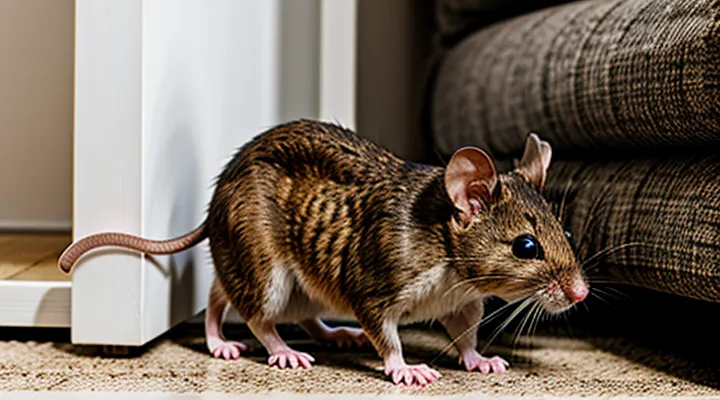
Understanding the Mouse Problem
Signs of a Mouse Infestation
Droppings and Urine Stains
Mice leave small, dark brown to black droppings about the size of a grain of rice. They are often found along walls, behind appliances, in cabinets, and near food sources. Fresh droppings appear glossy, while older ones become dry and crumbly. Urine stains appear as yellowish or amber discolorations, sometimes with a faint ammonia odor, and may be visible on wood, fabric, or carpet.
Health risks stem from pathogens carried in feces and urine, including hantavirus, salmonella, and leptospirosis. Direct contact or inhalation of dust contaminated with droppings can cause respiratory illness. Prompt removal and proper sanitation reduce exposure.
Cleaning procedure
- Wear disposable gloves and a N‑95 respirator; avoid sweeping or vacuuming dry droppings.
- Spray droppings and urine‑stained areas with a solution of 1 part bleach to 10 parts water; let stand for at least 5 minutes.
- Use a disposable paper towel or damp cloth to wipe the material away; discard the towel in a sealed bag.
- Rinse the surface with clean water and dry thoroughly.
- For porous items (carpet, upholstery) that cannot be fully disinfected, consider professional cleaning or removal.
Disposal guidelines
- Place all contaminated materials (gloves, paper towels, cloths) in a sealed plastic bag.
- Seal the bag and dispose of it with regular household waste, following local regulations for biohazardous waste if required.
Preventive measures
- Seal entry points larger than ¼ inch with steel wool and caulk.
- Store food in airtight containers and clean crumbs promptly.
- Reduce clutter that provides hiding places.
- Set traps or use bait stations to lower the mouse population before droppings accumulate.
By identifying droppings and urine stains early, applying thorough disinfection, and eliminating access routes, homeowners limit health hazards and curb further infestation.
Gnaw Marks on Food and Structures
Mice leave characteristic gnaw marks on food containers, packaging, and structural elements. These incisions are clean, single‑sided cuts about the width of a pencil lead and often appear in repeated patterns.
First, verify the damage. Examine pantry items, grain bins, and sealed bags for exposed interiors or shredded edges. Discard any product that shows signs of chewing, even if the packaging appears intact, because contamination can occur without visible spoilage.
Next, assess structural exposure. Look for bite marks on wooden beams, baseboards, drywall corners, and wiring insulation. Such damage creates entry points and increases fire risk. Seal openings larger than ¼ inch with steel wool, copper mesh, or concrete; for smaller gaps, use silicone caulk combined with a metal barrier.
Implement preventive measures:
- Store dry goods in metal or glass containers with tight‑locking lids.
- Keep countertops and floors free of crumbs; sweep and mop daily.
- Relocate pet food to sealed containers and remove uneaten portions promptly.
- Install door sweeps and repair torn screens to limit access.
Finally, choose an appropriate control method. Snap traps, electronic traps, or bait stations placed near identified gnaw sites can reduce the population. Monitor traps regularly and replace them as needed.
By recognizing gnaw marks, removing compromised food, sealing structural breaches, and deploying targeted traps, you can halt further damage and restore a safe living environment.
Strange Odors and Noises
Mice generate distinct smells and sounds that often precede visible evidence of infestation. Urine, droppings, and the oily secretions used for marking territory emit a sharp, ammonia‑like odor, especially noticeable in confined spaces such as cabinets, attics, or behind appliances. A persistent, rustling or scratching noise, typically heard at night, indicates active movement through walls, ceilings, or insulation.
Identify the source promptly:
- Inspect hidden areas for wet spots, dark pellets, or greasy streaks.
- Listen for intermittent squeaks, scurrying, or gnawing from behind walls.
- Use a flashlight to examine gaps around pipes, vents, and baseboards for signs of nesting material.
Once evidence is confirmed, take decisive measures:
- Seal all entry points larger than a quarter‑inch with steel wool, caulk, or metal flashing.
- Deploy snap traps or electronic devices along established travel routes, positioning them perpendicular to walls.
- Apply rodent‑specific odor repellents or ultrasonic emitters in rooms where smells are strongest.
- Remove food sources by storing items in airtight containers and cleaning crumbs or spills immediately.
- Schedule professional pest control if activity persists after two weeks of intensive trapping and exclusion.
Monitoring devices, such as non‑toxic tracking powder, can reveal additional pathways by highlighting footprints left on surfaces. Regularly revisit inspected zones to ensure that odors diminish and noises cease, confirming that the rodent presence has been eliminated.
Why Mice are a Problem
Health Risks and Diseases
Mice infestations pose direct threats to human health through the transmission of pathogens and the contamination of food and surfaces. Their droppings, urine, and saliva can harbor bacteria, viruses, and parasites that survive for weeks in a domestic environment.
Common illnesses associated with rodent exposure include:
- Hantavirus pulmonary syndrome – inhalation of aerosolized particles from dried mouse urine or feces can lead to severe respiratory distress and, in some cases, death.
- Leptospirosis – bacteria present in rodent urine may enter the body through cuts, mucous membranes, or contaminated water, causing fever, muscle pain, and kidney dysfunction.
- Salmonellosis – Salmonella bacteria can be transferred from mouse droppings to food, resulting in gastrointestinal symptoms such as diarrhea, vomiting, and abdominal cramps.
- Lymphocytic choriomeningitis (LCM) – a virus carried by mice that may cause fever, headache, meningitis, or encephalitis after contact with infected secretions.
- Campylobacteriosis – infection acquired from contaminated surfaces or food, leading to acute diarrheal illness and possible complications like Guillain‑Barré syndrome.
Additional health concerns arise from allergic reactions to mouse dander and the proliferation of dust mites attracted to rodent debris. Chronic exposure may exacerbate asthma and other respiratory conditions.
Mitigation strategies focus on eliminating entry points, maintaining rigorous sanitation, and using traps or professional pest control to remove the rodents promptly. After removal, thorough disinfection of all affected areas with a bleach solution (1 part bleach to 10 parts water) or an EPA‑registered disinfectant reduces pathogen load. Protective gloves and masks should be worn during cleanup to prevent inhalation or skin contact with contaminated material.
Property Damage and Contamination
Mice intrusion can compromise structural integrity and introduce health hazards. Their gnawing habit damages electrical wiring, insulation, and plumbing, creating fire risks and costly repairs. Urine, droppings, and saliva contaminate surfaces, food supplies, and air, facilitating the spread of pathogens such as Hantavirus and Salmonella.
Physical damage:
- Chewed electrical cords may cause short circuits or outages.
- Undermined insulation reduces energy efficiency and can lead to moisture accumulation.
- Burrowed holes weaken walls, flooring, and cabinetry.
Contamination concerns:
- Droppings and urine leave protein residues that attract insects and foster mold growth.
- Food stores become unsuitable for consumption after exposure to rodent saliva.
- Airborne particles from dander and feces trigger allergic reactions and respiratory issues.
Mitigation steps:
- Conduct a thorough inspection to locate entry points, gnaw marks, and waste deposits.
- Seal gaps larger than ¼ inch with steel wool, caulk, or metal flashing to block access.
- Remove contaminated food, discard exposed items, and disinfect surfaces with a bleach solution (1 part bleach to 10 parts water) or an EPA‑registered disinfectant.
- Dispose of droppings using gloves and a mask; avoid sweeping to prevent aerosolization.
- Install snap traps or electronic devices in identified pathways; replace or reset as needed.
- Engage a licensed pest‑control professional for extensive infestations or when structural damage is evident.
- Repair or replace compromised wiring, insulation, and damaged materials promptly to prevent further loss.
Prompt execution of these actions limits repair costs, restores safety, and eliminates health threats associated with mouse activity.
Rapid Reproduction and Spread
Mice reach sexual maturity within six weeks, and a single female can produce five to eight litters per year. Each litter averages six to twelve offspring, allowing a small population to expand to several hundred individuals in less than a year if unchecked.
The rapid increase creates a cascade of problems:
- Food stores become contaminated quickly, increasing the risk of disease transmission.
- Structural damage accelerates as more rodents gnaw on wiring, insulation, and building materials.
- Population density drives aggressive behavior, leading to louder activity and more frequent sightings.
Effective response must interrupt the breeding cycle. Seal entry points, eliminate accessible food sources, and deploy traps or bait stations before the first generation produces offspring. Continuous monitoring prevents a resurgence, ensuring that numbers remain below the threshold where spread becomes uncontrollable.
Immediate Actions and Prevention
Sealing Entry Points
Inspecting Walls and Foundations
When rodents are suspected, begin a systematic examination of all vertical and horizontal structures that could conceal entry points.
- Walk the interior perimeter, looking for gnaw marks, shredded insulation, or fresh droppings on baseboards, drywall seams, and behind appliances.
- Use a flashlight at an angle to reveal small holes or cracks in plaster, drywall, and plasterboard joints. Note dimensions; openings as small as ¼ inch can admit mice.
- Examine exterior walls for gaps where siding, brick, or stucco meets the foundation. Pay special attention to areas around vents, utility penetrations, and window frames.
- Inspect the foundation slab and crawl space. Probe mortar joints, concrete cracks, and mortar gaps with a thin probe or a flashlight. Seal any openings larger than ½ inch promptly.
- Check for signs of nesting material—soft fibers, shredded paper, or dried plant matter—inside wall cavities, under floorboards, and in the space between the foundation and the finished floor.
Document each finding with location and size. Prioritize repairs that close the largest or most accessible routes, then address smaller gaps. Completing this inspection before any treatment ensures that exclusion efforts are effective and that subsequent control measures target the actual infestation sites.
Covering Vents and Openings
When rodents gain access through ventilation systems or unsealed openings, they bypass other control measures and establish hidden pathways. Securing these points eliminates entry routes and reduces the likelihood of re‑infestation.
Identify all vents, dryer exhausts, attic hatches, and utility penetrations. Inspect each for gaps larger than a quarter‑inch. Use a flashlight to detect chew marks or nesting material.
Apply the following sealing protocol:
- Fit steel‑wool or copper mesh into the gap; both materials resist gnawing.
- Cover the wool or mesh with a layer of high‑temperature silicone caulk or expandable foam, ensuring a tight bond to surrounding surfaces.
- For larger openings, install a metal vent cover or hardware cloth (minimum 1/4‑inch mesh) secured with screws and sealant.
- Reinforce dryer and bathroom exhaust ducts with a metal flanged collar and seal with UL‑rated duct tape.
- Check the exterior for weather‑stripping deficiencies; replace damaged strips with silicone‑filled foam.
After installation, re‑inspect quarterly. Any new damage indicates the need for immediate repair. Maintaining sealed vents and openings creates a physical barrier that prevents mice from exploiting structural weaknesses.
Repairing Gaps Around Pipes
Mice gain entry through any opening that accommodates their size, and gaps around plumbing are common access points. Identifying and sealing these gaps eliminates a direct route into walls, floors, and cabinets.
- Locate all pipe penetrations: examine walls, baseboards, and under sinks for visible spaces where pipes pass through.
- Measure each opening with a ruler or tape measure to determine the required sealant size.
- Choose appropriate material: expandable foam for gaps larger than ¼ inch, steel wool or copper mesh for smaller cracks, and silicone caulk for smooth surfaces.
- Clean the area: remove dust, insulation, and debris to ensure adhesion.
- Apply sealant: insert steel wool or mesh into the gap, then fill remaining space with expanding foam. Allow foam to cure according to manufacturer instructions.
- Trim excess foam once hardened, then smooth the surface with caulk for a finished seal.
- Inspect after curing: verify that no voids remain and that the seal adheres securely to both pipe and surrounding structure.
Regularly revisit sealed areas during seasonal inspections. Re‑apply sealant if movement or wear is observed, as even minor deterioration can restore entry routes for rodents. Maintaining a continuous barrier around plumbing drastically reduces the likelihood of future infestations.
Removing Food Sources
Storing Food in Airtight Containers
Storing food in airtight containers removes a primary attractant for rodents, reducing the likelihood that they will explore the kitchen and pantry. When food is sealed, scent emissions drop dramatically, and mice cannot access the contents, which eliminates a common source of infestation.
Effective containers are made of heavy‑gauge plastic, glass, or metal with locking lids that compress a silicone gasket. The seal must remain intact after repeated opening and closing; any cracks or warped edges compromise the barrier. Choose sizes that match typical portion amounts to avoid excess headspace where crumbs can accumulate.
Implementation steps:
- Inventory all dry goods, cereals, grains, nuts, and pet food.
- Transfer each item into a container that fits the recommended specifications.
- Label each container with the product name and purchase date to monitor freshness.
- Place containers on shelves away from walls and baseboards, where mice travel.
- Inspect seals weekly; replace any container that shows wear or loss of compression.
Regularly cleaning the interior of storage areas prevents residual particles from attracting rodents. Vacuum shelves, wipe with a mild detergent, and dry thoroughly before restocking. By maintaining a sealed environment, the food supply becomes inaccessible, discouraging mice from establishing a presence in the home.
Cleaning Up Crumb and Spills
Mice are attracted to food residues. Removing crumbs and spills eliminates a primary food source and reduces the likelihood of infestation.
- Sweep floors after each meal; use a vacuum with a HEPA filter to capture tiny particles.
- Wipe countertops with a disinfectant solution; focus on edges and corners where crumbs accumulate.
- Clean under appliances and inside cabinets; pull out drawers and vacuum or wash surfaces.
- Dispose of food waste in sealed containers; replace liners daily.
- Spot‑clean spills immediately; blot, then rinse the area with hot, soapy water.
Regular maintenance reinforces these actions. Schedule a weekly deep‑clean of the kitchen, including the refrigerator interior, oven door seals, and pantry shelves. Inspect storage containers for damage and replace if necessary. Consistent removal of edible debris creates an environment where mice find little incentive to enter.
Managing Pet Food and Water
Pet food and water bowls can become primary food sources for rodents that have entered a residence. Leaving dry kibble uncovered or allowing water to pool creates an environment that encourages mice to linger and reproduce. Immediate control of these attractants reduces the likelihood of a growing infestation.
To limit rodent access to pet provisions, follow these steps:
- Store dry food in airtight containers made of metal or heavy‑wall plastic; avoid paper bags or loosely sealed packages.
- Measure out only the amount needed for the day and keep the remainder sealed.
- Use sealed, pet‑safe feeders that dispense kibble only when the animal activates the mechanism.
- Keep water dishes shallow; empty and refill them daily to prevent standing water.
- Place bowls on elevated, non‑porous surfaces that are easy to clean and inspect for droppings.
- Relocate feeding stations away from walls, cabinets, or other areas where mice travel.
- Clean up spilled food or water immediately; vacuum or sweep the floor around feeding zones each night.
Regularly inspect storage areas, feeding spots, and surrounding countertops for signs of gnawing or droppings. If evidence of activity appears, replace contaminated food, sanitize surfaces with a mild disinfectant, and consider temporary removal of pet provisions until the rodent problem is resolved. Maintaining strict control over pet nutrition and hydration supplies removes a key incentive for mice, supporting broader efforts to eliminate their presence from the home.
Eliminating Water Sources
Fixing Leaky Faucets and Pipes
Mice are attracted to water sources; a dripping faucet or a leaking pipe creates a reliable supply that encourages infestation. Eliminating these moisture points removes a primary incentive for rodents to enter and remain in the home.
Inspect every faucet, showerhead, and exposed pipe for steady drips or slow leaks. Use a flashlight to trace water trails along walls and ceilings. When a leak is identified, shut off the corresponding valve before beginning repairs.
Replace worn washers or O‑rings in faucet cartridges. Tighten connections with an adjustable wrench, taking care not to overtighten and damage threads. For pipe leaks, locate the damaged section, clean the surrounding area, and apply a pipe‑repair clamp or wrap with a self‑fusing silicone tape. If the pipe material is corroded or cracked, cut out the compromised segment and install a new piece using appropriate fittings and solder or compression connections.
After repairs, run water at normal pressure for several minutes to confirm that no drips persist. Observe the area for at least 24 hours to ensure the fix holds. Maintaining dry fixtures and promptly addressing any new leaks reduces the likelihood that mice will find the home hospitable.
Drying Wet Areas Regularly
Mice are attracted to moisture because it supports food sources and provides comfortable nesting conditions. Persistent dampness in basements, kitchens, bathrooms, and crawl spaces creates an environment conducive to infestation. Eliminating excess humidity removes a primary incentive for rodents to enter and remain in a dwelling.
Regularly drying wet areas requires a systematic approach. First, identify all locations where water accumulates: leaky pipes, roof leaks, condensation on windows, and spills that are not promptly cleaned. Second, repair the underlying causes—tighten fittings, replace damaged roofing, improve ventilation, and use dehumidifiers where natural airflow is insufficient. Third, after any incident that introduces moisture, apply the following routine:
- Remove standing water with absorbent towels or a wet‑vacuum.
- Wipe surfaces with a dry cloth and allow them to air‑dry for at least 30 minutes.
- Position a fan or open a window to increase air circulation.
- Check the area after 24 hours; repeat drying steps if dampness persists.
Consistent execution of these actions reduces the likelihood that mice will establish a foothold. Maintaining dry conditions also discourages insects and mold, further limiting food supplies that could sustain rodent populations. Implementing a schedule—weekly inspection of known problem spots and immediate response to new leaks—provides ongoing protection against future incursions.
Trapping and Extermination Methods
Non-Lethal Trapping Options
Live Traps and Release Procedures
Live traps offer a humane alternative to lethal methods, allowing you to capture rodents without causing injury. Choose a trap made of sturdy plastic or metal with a spring‑loaded door that closes quickly once the mouse steps on the trigger plate. Bait the device with high‑energy foods such as peanut butter, small pieces of cheese, or seeds; place the bait at the far end of the tunnel to ensure the mouse must fully enter before the door snaps shut.
Before deployment, inspect the trap for any damage that could impede closure. Position the trap along walls, behind appliances, or near known gnawing sites, because mice habitually travel close to surfaces. Set the trigger mechanism according to the manufacturer’s instructions, then check the trap at least twice daily to minimize stress on captured animals.
When a mouse is caught, follow these release procedures:
- Wear disposable gloves to avoid contaminating the trap and to protect yourself from pathogens.
- Transport the trap to a suitable release location at least 100 meters (330 feet) from the residence; ideal sites include wooded areas, fields, or vacant lots with ample cover and natural food sources.
- Place the trap on stable ground, open the door gently, and step back to allow the mouse to exit voluntarily.
- After release, disinfect the trap with a solution of diluted bleach (1 part bleach to 9 parts water) or an appropriate commercial sanitizer, then rinse and dry before reuse.
If the mouse does not exit within a few minutes, reset the door and give it additional time; forcing the animal out can cause injury. Record the capture date and location to identify patterns and adjust trap placement if infestations persist. Regular monitoring and prompt release reduce the likelihood of repeated entries while maintaining ethical pest control standards.
Ethical Considerations for Release
When mice enter a dwelling, many homeowners opt to capture and relocate them rather than kill them. The decision to release captured rodents carries moral responsibilities that extend beyond personal convenience.
Releasing a mouse must respect the animal’s welfare. Traps should cause minimal injury; otherwise, suffering continues after release. If a trap inflicts bruising, broken limbs, or internal damage, the animal’s chance of survival drops dramatically, and the act becomes ethically questionable.
The destination environment influences the ethical assessment. Introducing a mouse into an area where it is not native can disrupt local ecosystems, compete with resident species, and spread parasites. Selecting a release site far enough from the original home—preferably several miles—reduces the likelihood of the animal returning and limits the spread of potential diseases.
Legal frameworks often regulate wildlife relocation. Violating local ordinances can result in fines and undermine broader conservation efforts. Homeowners should verify regional rules before proceeding.
Key ethical considerations for release:
- Ensure the trap is humane and the mouse is uninjured.
- Choose a release location outside the immediate neighborhood, ideally in a natural habitat where the species is already present.
- Release at dusk or night, when the mouse can find shelter quickly.
- Avoid releasing near agricultural fields, water sources, or other human dwellings to prevent crop damage and disease transmission.
- Comply with local wildlife protection statutes.
Balancing the desire to avoid killing with the obligation to protect animal welfare and ecological integrity requires careful judgment. When humane release cannot be guaranteed, alternative pest‑management methods should be considered.
Lethal Trapping Methods
Snap Traps: Placement and Baiting
Snap traps deliver rapid, humane control when positioned correctly. Place each device along the mouse’s natural travel routes: directly against walls, behind refrigerators, beneath sinks, and within concealed gaps that connect rooms. Avoid open floor areas where rodents have no guidance; the trap must intersect a defined pathway.
Effective bait maximizes capture rates. Use a small amount—no more than a pea‑size—of high‑fat, aromatic food. Preferred options include:
- Peanut butter
- Soft cheese
- Chocolate chips
- Sunflower seeds
Apply the bait to the trigger mechanism, ensuring it does not obstruct the spring. Secure the trap on a stable surface; a flat, non‑slippery base prevents accidental displacement. Replace any trap that has been sprung or that remains untouched after 48 hours to maintain pressure on the infestation.
Electronic Traps: Safety and Efficacy
Electronic traps eliminate rodents by delivering a rapid, high‑voltage pulse that instantly incapacitates the animal. The devices contain a sealed circuit, a sensor that detects weight or movement, and a battery‑powered discharge unit. When a mouse steps on the platform, the circuit completes, and an electric shock of several thousand volts, but only a few milliamps, is released, ensuring immediate death without chemical exposure.
Safety considerations:
- Keep the unit out of reach of children and pets; most models feature a safety lock that disables the trigger when the cover is closed.
- Install traps on flat, dry surfaces to prevent short‑circuiting and to maintain consistent voltage delivery.
- Verify that the power source is intact; replace batteries according to the manufacturer’s schedule to avoid diminished shock strength.
- Follow local regulations regarding the disposal of deceased rodents; many traps include a removable collection chamber that can be sealed before waste removal.
Efficacy factors:
- Laboratory tests show mortality rates above 95 % for common house mice when the trap is properly positioned.
- Sensors calibrated for 20–30 g trigger weight reduce false activations caused by debris or small insects.
- Continuous operation without bait eliminates the need for attractants, decreasing the likelihood of secondary infestations.
- Comparative field studies indicate that electronic traps outperform snap traps and glue boards in both capture speed and user satisfaction.
When integrated into a comprehensive rodent‑management plan, electronic traps provide a reliable, low‑maintenance solution that addresses health concerns and minimizes environmental impact.
Glue Traps: Ethical Concerns
Glue traps are widely marketed for indoor rodent control because they require no electricity and are inexpensive. The devices consist of a sticky surface that immobilizes mice upon contact.
- Immediate immobilization causes severe distress; mice struggle for minutes to hours before dying from dehydration, suffocation, or injury.
- Physical damage includes torn limbs, ruptured internal organs, and broken teeth as the animal attempts to escape.
- Non‑target species—such as insects, spiders, or small reptiles—are captured unintentionally, leading to unnecessary mortality.
Legal frameworks in several jurisdictions classify glue traps as inhumane and restrict or ban their sale. Enforcement agencies cite documented cases of prolonged suffering and accidental captures of protected wildlife.
Ethical evaluation prioritizes humane treatment and minimal ecological impact. When a humane approach is required, alternatives include:
- Snap traps with quick‑kill mechanisms, positioned along established mouse pathways.
- Live‑catch traps combined with immediate release far from the residence, following local wildlife regulations.
- Preventive measures—sealing entry points, eliminating food sources, and maintaining cleanliness—to reduce attraction.
Choosing methods that cause rapid death or avoid lethal outcomes aligns with accepted standards of animal welfare and reduces collateral harm.
When to Call Professional Pest Control
Signs of a Large Infestation
Mice populations expand quickly; recognizing a substantial presence prevents damage and health risks. Several observable indicators confirm a large infestation.
- Multiple fresh droppings, dark and rice‑shaped, scattered across countertops, cabinets, and near food sources.
- Extensive gnaw marks on wood, plastic, wiring, and insulation, often visible along walls, baseboards, and behind appliances.
- Persistent, strong musky odor that intensifies in confined spaces such as closets or crawlspaces.
- Numerous nesting materials, including shredded paper, fabric, or insulation, gathered in hidden corners, attics, or under furniture.
- Frequent sightings of live mice or carcasses, especially along walls, in pantry shelves, or near entry points.
- Increased activity of predators such as owls or cats near the property, suggesting a thriving rodent community.
These signs together indicate that the mouse problem has moved beyond isolated incidents and requires comprehensive control measures.
Ineffectiveness of DIY Methods
Mice that enter a residence are frequently met with homemade traps, ultrasonic devices, and homemade repellents. These solutions rarely achieve lasting control.
- Snap traps placed sporadically fail because mice quickly learn to avoid unfamiliar objects.
- Glue boards create temporary captures but allow injured rodents to die in inaccessible areas, increasing health risks.
- Ultrasonic emitters claim to repel pests; studies show rodents quickly become desensitized, rendering the devices ineffective.
- Homemade peppermint oil sprays and powdered chili mixtures lack sufficient concentration to affect mice behavior and evaporate quickly.
Reliance on such methods often results in recurring infestations, property damage, and potential contamination. Professional pest‑management services employ integrated strategies—sealed entry points, bait stations calibrated for rodent biology, and ongoing monitoring—that address the problem at its source. Opting for expert intervention eliminates the shortcomings of amateur tactics and restores a mouse‑free environment.
Safety Concerns with Extermination
Mice infestations require immediate action, but the methods used to eliminate them can create health hazards if safety protocols are ignored.
- Chemical rodenticides may cause skin irritation, respiratory distress, or poisoning when ingested. Store products in locked containers, keep them out of reach of children and pets, and follow label instructions precisely.
- Sprays and powders release airborne particles that linger in living spaces. Ensure adequate ventilation, wear a mask rated for fine particulates, and avoid applying chemicals near food preparation areas.
- Snap traps and electric devices generate sharp edges or high voltage. Inspect placement regularly to prevent accidental contact by household members or animals.
- Dead rodents can harbor pathogens such as hantavirus or salmonella. Use disposable gloves when handling carcasses, place them in sealed bags, and disinfect surfaces with an EPA‑approved sanitizer.
- Improper disposal of bait or carcasses may attract other pests or contaminate waste streams. Follow local regulations for hazardous waste disposal.
Adopt a layered approach that minimizes reliance on toxic substances. Seal entry points, maintain cleanliness to reduce food sources, and employ bait stations with low‑toxicity formulations. When uncertainty remains, consult a licensed pest‑control professional who can assess risks, apply targeted treatments, and provide post‑treatment safety guidance. This strategy reduces exposure to hazardous agents while effectively addressing the rodent problem.
Maintaining a Mouse-Free Home
Regular Cleaning and Decluttering
Vacuuming and Sweeping Regularly
Keeping floors free of debris removes food sources and nesting material that draw mice into living spaces.
Vacuuming reaches into carpet fibers, upholstery seams, and hard‑floor crevices, extracting spilled grains, pet food, and droppings that attract rodents. A high‑efficiency filter captures fine particles and reduces odors that can signal a food supply.
Sweeping eliminates visible crumbs and small particles that remain after vacuuming, especially along baseboards, under appliances, and in corners where mice travel. Regular motion across these zones prevents accumulation and discourages foraging.
Effective routine:
- Vacuum high‑traffic areas daily; use a nozzle attachment for edges and upholstery.
- Sweep kitchen and dining floors after each meal preparation; focus on the perimeter of counters and under chairs.
- Empty vacuum bags or clean filters weekly to maintain suction power.
- Follow vacuuming with a quick mop or damp sweep in kitchens and pantries to remove residual residue.
- Schedule a deep‑clean session once a month, moving furniture to access hidden spots.
Consistent execution of these steps reduces available sustenance, limits hiding places, and makes the environment less inviting for mice.
Removing Clutter and Hiding Spots
Mice thrive in environments where food, shelter, and protection from predators are readily available. Excessive clutter provides both nesting material and concealed pathways, allowing rodents to establish colonies unnoticed.
Eliminating unnecessary items reduces the number of potential nesting sites and forces mice onto exposed surfaces where they are more vulnerable to control measures. The process involves three key actions:
- Remove all items stored beneath furniture, inside closets, and in basements that are not regularly used. Donate, discard, or relocate these objects to reduce hiding places.
- Organize remaining belongings on open shelves or in sealed containers. Plastic bins with tight‑fitting lids prevent rodents from accessing paper, fabric, or cardboard.
- Inspect structural gaps around doors, windows, and utility openings. Seal cracks larger than ¼ inch with steel wool and caulk to block entry points that clutter can conceal.
A tidy space also simplifies routine cleaning, making it easier to detect droppings, gnaw marks, or fresh activity. Regularly sweeping, vacuuming, and wiping surfaces eliminates food residues that would otherwise attract mice to the cleared area.
Outdoor Area Maintenance
Trimming Shrubs and Bushes Away from the House
Mice use dense foliage as a bridge to enter homes. Overgrown shrubs and bushes create continuous cover that protects rodents from predators and weather, allowing them to approach the foundation unnoticed.
Maintain a clear zone of at least three feet between vegetation and the exterior walls. Cut back branches, stems, and roots that touch or overhang the siding, roof, or eaves. Remove low‑lying limbs that could serve as ladders to windows or vents.
Schedule trimming twice a year, preferably in early spring and late summer. After each session, collect and dispose of cut material away from the property to prevent it from becoming a secondary shelter.
Combine vegetation management with these actions:
- Seal gaps larger than ¼ inch around doors, windows, and utility entries.
- Install metal flashing or hardware cloth at the base of trees and shrubs.
- Keep mulch and compost piles at least two feet from the house foundation.
Consistent pruning eliminates the primary pathway mice exploit, reducing the likelihood of an infestation inside the residence.
Storing Firewood Away from Foundations
Storing firewood too close to a house creates a convenient habitat for mice, which can use the wood as shelter and a pathway to enter the building. The proximity also encourages nesting near foundation cracks, increasing the risk of structural damage and contamination.
To minimize rodent intrusion, keep firewood at a safe distance and follow these practices:
- Place stacks at least 20 feet (6 m) away from the foundation.
- Elevate wood on a pallet or sturdy platform, keeping the bottom at least 6 inches (15 cm) off the ground.
- Use a solid, weather‑proof cover that does not touch the building.
- Maintain a clear perimeter around the stack; remove debris, leaves, and other organic material.
- Inspect the wood regularly for signs of gnawing or nesting and relocate any compromised pieces.
These measures reduce the likelihood that mice will use firewood as a bridge to the home, supporting effective rodent control.
Securing Trash Cans
Mice are drawn to food residues and odors that accumulate in household waste containers. Reducing this attraction requires making trash cans inaccessible to rodents.
- Choose containers with snap‑tight, rubber‑sealed lids; the seal must remain intact after each use.
- Store cans in a pantry, garage, or another enclosed space; avoid leaving them in open hallways or under sinks.
- Use metal or heavy‑wall plastic bins; thin plastic can be chewed through.
- Empty the bin daily, especially in kitchens where food scraps are common.
- Rinse the interior of the can after each emptying to eliminate lingering scents.
- Secure the exterior of the lid with a simple latch or a small lock if the bin is kept outdoors.
Implementing these measures eliminates a primary food source, discourages mice from entering the living area, and complements other control strategies.
Ongoing Monitoring
Routine Inspections for New Activity
Routine inspections are essential after any indication of rodent presence. Early detection limits damage, prevents disease spread, and reduces the need for extensive remediation.
During each inspection, focus on the following evidence of fresh activity:
- Fresh droppings, typically dark and pellet‑shaped, near food sources or along walls.
- Gnaw marks on wood, plastic, or wiring, especially at entry points.
- Nest material such as shredded paper, insulation, or fabric.
- Small footprints in dust, grease, or flour residues.
- Audible sounds, including scratching or scurrying, occurring at night.
Schedule checks according to risk level. In high‑traffic areas (kitchens, pantries, basements) conduct visual surveys weekly. In lower‑risk zones (attics, storage rooms) perform bi‑weekly inspections. Use a flashlight and a magnifying lens to examine concealed spaces behind appliances, under sinks, and within wall voids.
Document findings systematically. Record location, type of evidence, and date. Consistent records enable pattern recognition, guide targeted sealing of entry points, and inform the timing of preventive measures such as bait placement or trap deployment.
If new signs emerge, act immediately. Seal identified gaps with steel wool and caulking, replace compromised insulation, and reset traps. Prompt response after each inspection prevents escalation and maintains a rodent‑free environment.
Using Preventative Measures Proactively
Proactive prevention reduces the likelihood of rodent incursions and limits the need for reactive control. Seal all exterior openings larger than a quarter‑inch with steel wool, cement, or metal flashing; mice can squeeze through gaps the size of a dime. Install door sweeps and weatherstripping on all exterior doors to block entry points. Maintain a clear perimeter by trimming vegetation, removing debris, and storing firewood away from the foundation.
Control interior conditions that attract mice. Store food in airtight containers, clean crumbs and spills immediately, and keep garbage cans sealed. Reduce clutter in basements, attics, and storage areas, as these provide nesting sites. Ensure that pet food is not left out overnight.
Implement a monitoring system to detect early activity. Place snap‑type or live‑capture traps along walls, behind appliances, and near known entry points. Check traps daily and record any captures to identify hotspots. Use non‑toxic rodent repellents, such as ultrasonic devices, only after confirming they do not interfere with other household electronics.
Regular maintenance reinforces these measures. Conduct quarterly inspections of the building envelope, re‑apply sealants as needed, and review sanitation practices. Document findings and corrective actions in a log to track progress and adjust strategies promptly.