
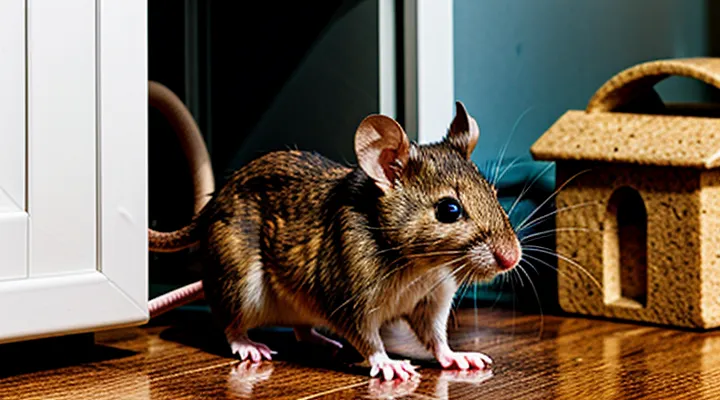
Understanding the Mouse Problem
Signs of Mouse Infestation
Droppings and Urine Trails
Mice leave feces and urine trails that reveal their activity and pose health hazards. Fresh droppings appear as small, dark pellets about half an inch long; older droppings may turn gray and crumble. Urine traces often show as wet, glossy streaks on surfaces, especially along walls, cabinets, and behind appliances. Both materials can contain hantavirus, salmonella, and other pathogens that survive for weeks in indoor environments.
To address contamination, follow these steps:
- Wear disposable gloves and a mask; avoid direct contact with droppings or urine.
- Ventilate the area by opening windows for at least 15 minutes before cleaning.
- Sweep or vacuum loose droppings using a HEPA‑rated vacuum; discard the filter or bag immediately.
- Apply a disinfectant solution (e.g., 1 % bleach mixed with water) to all affected surfaces; let it stand for 10 minutes.
- Wipe surfaces with disposable towels; place towels in a sealed bag for disposal.
- Launder any washable fabrics at high temperature; treat non‑washable items with the same disinfectant solution.
After cleaning, inspect adjacent areas for additional signs of mouse presence. Seal entry points, store food in airtight containers, and maintain low humidity to deter further infestation. Regular monitoring of droppings and urine trails helps confirm that the problem is resolved.
Gnaw Marks
Gnaw marks are the most reliable visual indicator that mice are active inside a residence. They appear on wood, plastic, electrical cords, and food packaging, typically as shallow, crescent‑shaped bites about 2‑4 mm deep. The pattern of damage reveals the species: a single, straight bite suggests a mouse, while multiple parallel cuts indicate a rat.
Identify the locations of gnaw marks promptly. Common sites include:
- Baseboards and wall corners where mice travel along concealed routes.
- Furniture legs and cabinet backs, especially where food residues are present.
- Electrical wiring, which poses fire risk if insulation is compromised.
- Food containers, where bite marks often accompany shredded packaging.
Assess the severity of each mark. Light scratches require monitoring; deep gouges in structural elements or cables demand immediate repair or replacement. Document findings with photos to track progression and to inform pest‑control professionals.
Implement corrective actions after verification:
- Seal entry points larger than a quarter‑inch using steel wool, caulk, or metal flashing.
- Replace damaged wiring following local electrical codes to eliminate fire hazards.
- Repair or reinforce compromised wood with appropriate fillers or replacement panels.
- Store food in airtight containers; discard any items with visible damage.
- Set up snap traps or bait stations near the most recent gnaw sites, positioning them perpendicular to the wall for optimal contact.
Regularly inspect previously affected areas. Absence of new gnaw marks for two weeks indicates that the infestation is under control. Persistent marks after intervention suggest a hidden nest or additional entry routes, requiring professional evaluation.
Scratching Noises
Scratching sounds from walls, ceilings, or floorboards often indicate the presence of rodents moving through concealed pathways. The noise typically originates from gnawing on insulation, nesting material, or structural components as the animals create or expand burrows.
When such noises are heard, immediate verification is essential. Look for additional signs: droppings, gnaw marks, or shredded fibers near the source. Use a flashlight to inspect hidden areas, and consider setting up a motion‑activated camera to confirm activity without direct contact.
If evidence confirms a rodent problem, take the following actions:
- Seal entry points: apply steel wool or caulk to gaps around pipes, vents, and foundation cracks.
- Deploy traps: choose snap traps or electronic devices, placing them along walls where the scratching is loudest.
- Use bait stations: select tamper‑proof containers with rodenticide, positioning them away from children and pets.
- Remove attractants: store food in airtight containers, clean spills promptly, and eliminate clutter that could serve as shelter.
- Monitor progress: re‑inspect the area daily for reduced noise and fewer signs of activity.
Persisting scratching after these measures may signal hidden nests or alternative routes. In such cases, enlist a professional pest‑control service to conduct a thorough inspection and implement advanced exclusion techniques.
Unpleasant Odors
Mice infestations often generate strong, unpleasant odors caused by urine, feces, and decaying food. These smells indicate contamination and can attract additional pests, making odor control a priority in any rodent response plan.
Identify the source. Inspect hidden areas such as wall voids, crawl spaces, and storage boxes for droppings, nesting material, and spilled food. Use a flashlight and gloves to avoid direct contact with contaminated surfaces.
Implement sanitation measures:
- Remove all visible droppings and nests with disposable towels; seal waste in a plastic bag before discarding.
- Clean affected surfaces with a solution of one part bleach to ten parts water; allow a five‑minute contact time, then rinse thoroughly.
- Apply an enzymatic cleaner to porous materials (carpet, upholstery) to break down organic residues that cause lingering smells.
- Dispose of any food items that show signs of rodent exposure; store remaining supplies in airtight containers.
Prevent recurrence. Seal entry points, maintain a clean kitchen, and use traps or professional pest control services to eliminate the rodent population. Continuous monitoring and prompt removal of waste will keep odor levels low and protect indoor air quality.
Why Mice are a Threat
Health Risks
When rodents enter a dwelling, they introduce several direct health threats.
- Disease transmission – Mice carry pathogens such as hantavirus, salmonella, leptospirosis, and Lassa fever. Contact with urine, droppings, or saliva can infect humans through inhalation, ingestion, or skin abrasions.
- Food contamination – Chewed packaging and droppings contaminate stored foods, leading to gastrointestinal illnesses that manifest as nausea, vomiting, diarrhea, and fever.
- Allergic reactions – Proteins in mouse urine and dander trigger asthma attacks and allergic rhinitis, especially in children and individuals with pre‑existing respiratory conditions.
- Secondary infections – Open wounds exposed to mouse excreta may develop bacterial infections, including cellulitis and wound sepsis.
Exposure occurs through direct contact, inhalation of dust laden with rodent particles, or consumption of contaminated food and water. Prompt identification of these hazards and immediate sanitation measures reduce the likelihood of illness.
Property Damage
Mice can compromise the integrity of a residence through direct damage to structures and stored items.
Typical damage includes gnawed electrical wiring, compromised insulation, punctured food packaging, and weakened wooden components. Each of these issues poses safety hazards, increases utility costs, and reduces the value of the property.
When evidence of mouse activity appears, follow these steps:
- Inspect walls, cabinets, and appliances for fresh chew marks or droppings.
- Disconnect power to any outlet or appliance where wiring shows signs of gnawing before repairing.
- Replace damaged insulation or seal holes with steel wool and caulk.
- Discard contaminated food and clean surfaces with a disinfectant solution.
- Contact a licensed pest‑control professional to assess the extent of infestation and perform eradication.
Long‑term protection relies on eliminating access points and maintaining a clean environment. Install door sweeps, repair cracks in foundation, and store food in sealed containers. Regularly monitor vulnerable areas to detect early signs of activity before damage escalates.
Rapid Reproduction
Mice reach sexual maturity within six weeks and can produce a litter of five to eight offspring every three weeks. A single pair may generate dozens of descendants in a few months, turning a minor sighting into a full‑scale infestation rapidly.
Unchecked population growth leads to structural damage, contamination of food supplies, and increased disease risk. Early detection and immediate interruption of the breeding cycle are essential to prevent exponential expansion.
- Seal entry points: caulk gaps, install door sweeps, and repair torn screens.
- Eliminate shelter: clear clutter, store items off the floor, and trim vegetation near the foundation.
- Reduce food access: store perishables in airtight containers, clean crumbs promptly, and use sealed trash cans.
- Deploy traps or bait stations: place them along walls, behind appliances, and in hidden corners; monitor and replace regularly.
- Conduct periodic inspections: check for droppings, gnaw marks, and nesting material at least monthly.
Implementing these measures disrupts reproductive cycles, limits offspring survival, and curtails the speed at which a mouse presence escalates.
Effective Mouse Control Strategies
Immediate Actions
Sealing Entry Points
Mice gain access through gaps as small as a pencil lead; eliminating these openings stops further intrusion.
Begin by inspecting the building envelope. Look for cracks around foundation walls, gaps beneath doors, openings around utility penetrations, and unscreened vents. Pay special attention to areas where pipes, cables, and ducts enter the structure, as these often create concealed pathways.
Use the following materials to seal identified openings:
- Steel wool or copper mesh, compressed into cracks that cannot accommodate expanding foam.
- Expanding polyurethane foam, applied over steel wool for added durability.
- Cement‑based mortar or concrete patch for larger foundation fissures.
- Weatherstripping or door sweeps on exterior doors and garage doors.
- Metal flashing around vent covers, chimney bases, and pipe sleeves.
After sealing, conduct a visual verification. Run a flashlight along the exterior perimeter; any remaining dark seams indicate incomplete coverage. Re‑apply sealant where necessary, and schedule a quarterly review to detect new gaps caused by settling or seasonal temperature changes.
Maintaining a tight envelope prevents re‑entry, reduces the likelihood of damage to wiring and insulation, and limits the need for chemical control measures.
Eliminating Food Sources
Eliminating accessible food is the most effective barrier against house mice. Mice locate kitchens, pantries, and dining areas by scent; removing attractants deprives them of the resources needed to establish a population.
Identify all potential food sources. Inspect countertops, cabinets, and floor spaces for crumbs, spilled grains, or pet food. Seal containers with tight‑fitting lids; replace paper or thin plastic wrappers with heavy‑wall jars. Store bulk items in metal or thick‑sided containers that cannot be gnawed through.
Maintain a strict cleaning routine. Sweep and vacuum daily to remove debris. Wipe surfaces with a disinfectant after each meal preparation. Empty trash cans regularly, using lids that close securely. Keep pet feeding stations off the floor and remove uneaten portions within 30 minutes.
Practical steps to eliminate food sources
- Store dry goods in airtight, rodent‑proof containers.
- Place all food items, including pet supplies, on shelves rather than the floor.
- Clean under appliances and behind furniture where crumbs accumulate.
- Use a dishwasher or hot water to wash dishes immediately after use.
- Remove standing water; dry sinks and countertops before leaving the room.
- Dispose of garbage in sealed bags and keep exterior bins sealed tightly.
Trapping
When rodents are discovered inside a dwelling, trapping provides a direct means of removal.
- Snap traps: rapid kill, low cost, reusable.
- Live‑catch traps: capture without injury, require release far from the residence.
- Electronic traps: deliver a lethal shock, minimal mess.
- Glue boards: immobilize, suited for low‑traffic areas only.
Place traps along interior walls, behind appliances, and near known runways. Position each device perpendicular to the wall, with the trigger side facing the expected travel direction. Space traps 10–15 feet apart in high‑activity zones; add additional units in concealed spaces such as basements and attics.
Select baits that attract mice reliably. Peanut butter, dried fruit, and small pieces of cheese outperform generic grain mixes. Apply a pea‑sized amount directly to the trigger mechanism to prevent bait spillage and reduce trap avoidance.
Handle traps with disposable gloves to avoid contamination. Dispose of dead rodents in sealed bags placed in an outdoor trash container. For live‑catch devices, release captured animals at least two miles from the property, preferably in a wooded area.
Inspect traps at least once daily. Reset or replace any that have been triggered or show signs of wear. Record capture locations to identify persistent hotspots and adjust trap density accordingly.
Consistent monitoring and proper trap maintenance sustain control while minimizing the risk of reinfestation.
Snap Traps
Snap traps provide a rapid, humane method for eliminating house mice. The device consists of a spring‑loaded bar that delivers an instantaneous strike when the mouse triggers the baited trigger. This action kills the rodent instantly, preventing prolonged suffering and reducing the risk of disease transmission.
Key considerations for effective use:
- Choose a trap size appropriate for the target species; standard mouse traps are sufficient for adult mice but may be too large for juveniles.
- Position traps along established runways, typically within 1–2 feet of walls, behind appliances, and near food sources. Mice prefer to travel close to surfaces, so aligning traps with these pathways increases capture rates.
- Bait with high‑protein attractants such as peanut butter, sunflower seeds, or dried meat. Apply a small amount directly to the trigger mechanism to ensure the mouse contacts the sensor.
- Set traps with the trigger end facing the wall; this orientation aligns with the mouse’s natural forward movement.
- Wear gloves when handling traps to avoid transferring human scent, which can deter rodents.
After a capture, follow these steps:
- Dispose of the dead mouse in a sealed plastic bag.
- Place the bag in an outdoor trash container away from the home.
- Clean the trap with a mild disinfectant before resetting or storing it.
- Inspect surrounding areas for additional activity and add more traps if necessary.
Regular monitoring and prompt replacement of bait maintain trap effectiveness. Combining snap traps with exclusion measures—such as sealing entry points and maintaining cleanliness—creates a comprehensive strategy for controlling mouse infestations.
Live Traps
Live traps capture rodents without killing them, allowing humane removal. The device consists of a cage or tube with a trigger mechanism that closes the door once the mouse enters to reach bait.
When selecting a trap, consider the following criteria:
- Size appropriate for house mice (approximately 2–4 inches long).
- Simple trigger that does not require excessive force.
- Transparent walls for easy observation of captures.
- Durable construction to prevent escape.
Effective placement follows a pattern of mouse activity. Position traps along walls, behind appliances, and near known feeding sites. Place each trap perpendicular to the wall, with the entrance facing the baseboard. Use a small amount of attractive bait such as peanut butter, rolled oats, or dried fruit; apply a pea‑sized dollop to the trigger plate.
Check traps at least once daily. When a mouse is caught, wear disposable gloves, transport the cage to an outdoor release site at least 200 yards from the residence, and open the door to allow escape. After release, clean the trap with mild detergent and disinfectant before redeploying. Rotate bait locations if captures decline, and combine live trapping with sealing entry points and removing food sources for comprehensive control.
Electronic Traps
Electronic traps provide a rapid, humane solution for indoor rodent incursions. They detect a mouse through motion sensors or infrared beams, deliver a high‑voltage shock, and immobilize the pest instantly. The device then signals a capture, allowing the user to empty the storage compartment without direct contact.
Key considerations when selecting an electronic trap:
- Voltage output sufficient to ensure immediate incapacitation (typically 2,500–3,500 V).
- Battery life or plug‑in capability suited to the area of use.
- Transparent or illuminated chamber for easy inspection.
- Certified safety standards (e.g., UL, CE) to protect humans and pets.
Effective placement maximizes success. Position traps along walls, behind appliances, and near known activity routes. Maintain a clear line of sight between the sensor and the entry point; avoid obstructing objects that could trigger false alarms. Space multiple units at 5‑10 ft intervals in larger rooms.
Maintenance procedures are straightforward. After each capture, disconnect power, remove the mouse, and clean the interior with mild detergent. Replace batteries or inspect the power cord monthly to prevent performance degradation. Store the unit in a dry environment when not in use.
Cost analysis shows that electronic traps carry a higher upfront price than snap or glue alternatives, but the reduced need for replacement and the elimination of toxic chemicals offset the expense over time. Their reusable nature and low‑maintenance design make them a cost‑effective choice for long‑term rodent control.
Long-Term Prevention
Maintaining Cleanliness
When rodents are detected in a dwelling, the most effective barrier against further activity is strict household cleanliness. Food residues, crumbs, and improperly stored provisions provide the primary attraction for mice; eliminating these sources removes the incentive to stay.
Maintain a routine that leaves no accessible nourishment:
- Wipe counters, tables, and stovetops after each meal; use a damp cloth followed by a disinfectant.
- Store dry goods in sealed, airtight containers; avoid open bags or boxes.
- Sweep floors daily; vacuum carpets and upholstery to capture hidden particles.
- Dispose of kitchen waste in containers with tight-fitting lids; empty them nightly.
- Clean pet feeding areas promptly; rinse bowls and remove leftovers.
Beyond food control, reduce shelter opportunities:
- Keep cupboards and pantry shelves orderly; avoid stacking items that create gaps.
- Remove clutter such as piles of newspapers, cardboard, or fabric that can serve as nesting material.
- Wash dishes immediately; do not let them sit in the sink for extended periods.
- Regularly launder bedding and curtains; replace worn fabrics that may harbor droppings.
Implement systematic inspection:
- Examine hidden corners, under appliances, and behind furniture weekly for droppings or gnaw marks.
- Seal cracks, gaps, and openings around pipes, vents, and doors with steel wool or caulk.
- Repair any water leaks; moisture attracts both rodents and insects that may support mouse populations.
By adhering to these disciplined practices, the environment becomes inhospitable to mice, limiting their ability to establish a foothold and facilitating any necessary professional intervention.
Proper Food Storage
Proper food storage is a decisive factor in deterring rodents from entering a dwelling. Food that is easily accessible provides a strong attraction for mice; eliminating that source removes a primary incentive for infestation.
Store all dry goods in containers with sealed, airtight lids. Glass, metal, or heavy‑wall plastic containers prevent gnawing and keep aromas contained. Keep the pantry organized so that items are not piled high; place containers on shelves rather than on the floor. Regularly inspect packaging for tears or holes and replace compromised containers immediately.
Maintain a clean environment around food preparation and consumption areas. Wipe countertops, tables, and appliance surfaces after each use. Sweep or vacuum floors daily to remove crumbs. Dispose of food waste promptly in bins equipped with tight‑fitting lids, and empty those bins at least once a day.
Control temperature‑sensitive items. Refrigerate or freeze perishable foods within two hours of purchase or preparation. Ensure refrigerator doors seal correctly; a loose seal can allow odors to escape and attract pests.
Implement a routine for discarding expired or spoiled items. Conduct a monthly inventory of pantry contents, removing anything past its best‑by date. Place discarded food in sealed bags before placing it in an outdoor trash container with a secure lid.
Follow these practices consistently to reduce food availability, thereby lowering the likelihood that mice will seek shelter in the home.
Regular Inspections
Regular inspections form the backbone of an effective mouse‑control strategy. By systematically examining the interior and exterior of a residence, homeowners identify entry points, food sources, and signs of activity before an infestation escalates.
- Examine walls, baseboards, and crawl spaces for gnaw marks, droppings, or shredded material.
- Inspect doors, windows, and utility openings; seal gaps larger than ¼ inch with steel wool or caulk.
- Check kitchen cabinets, pantry shelves, and behind appliances for crumbs, spilled feed, or nesting debris.
- Review attic and roof eaves for holes or insulation damage that could harbor rodents.
- Test exterior drainage and vegetation; trim overgrown shrubs that touch the building.
Conduct the inspection at least once every month during warm seasons and quarterly in colder months. Record findings in a dedicated log, noting location, type of evidence, and corrective actions taken. Prompt remediation—repairing structural breaches, tightening food storage, and removing debris—reduces the likelihood of mouse presence and limits the need for more aggressive measures later.
Professional Pest Control
Professional pest control services provide a systematic approach to eliminating mouse activity in residential settings. Technicians begin with a thorough inspection, identifying entry points, nesting sites, and signs of activity such as droppings, gnaw marks, and urine stains. This assessment determines the scope of treatment and informs the selection of appropriate control measures.
The next phase involves sealing structural gaps. Technicians apply steel wool, caulking, or metal flashing to openings around pipes, vents, and foundation cracks, preventing further ingress. Concurrently, they place bait stations or traps in locations where activity is confirmed, using rodenticides that meet regulatory safety standards. Devices are positioned to minimize risk to occupants and pets while maximizing exposure to rodents.
A maintenance schedule follows the initial intervention. Service providers revisit the property at regular intervals—typically monthly for the first quarter, then quarterly thereafter—to monitor for new activity, replace consumables, and reinforce barriers. Documentation of each visit includes observations, actions taken, and recommendations for homeowner practices that support long‑term control.
Key actions homeowners should expect from a professional service:
- Comprehensive inspection and mapping of infestation hotspots.
- Installation of exclusion materials to block future entry.
- Deployment of approved baiting or trapping systems.
- Ongoing monitoring and follow‑up visits with detailed reporting.
Natural Deterrents
Peppermint Oil
Peppermint oil contains menthol and other volatile compounds that create a strong, unpleasant scent for rodents. The aroma disrupts the sensory receptors mice rely on for navigation and foraging, prompting them to avoid treated areas.
When employing peppermint oil as a rodent deterrent, follow a systematic approach:
- Dilute 10‑15 ml of pure peppermint oil in 500 ml of water; add a few drops of dish‑washing liquid to act as an emulsifier.
- Soak cotton balls or small cloth pads in the solution.
- Place the saturated pads in likely entry points, such as gaps under doors, behind appliances, and inside cabinets.
- Refresh the pads every 3‑4 days, or sooner if the scent fades noticeably.
- Combine with sealing of cracks, removal of food sources, and trapping for comprehensive control.
Safety considerations are essential. Avoid direct skin contact with undiluted oil; wear gloves during preparation. Keep pads out of reach of children and pets, as concentrated oil may cause irritation. Test a small amount on a hidden surface before widespread application to ensure no discoloration or damage.
Peppermint oil alone rarely eliminates an established infestation. It functions best as a preventive measure and as part of an integrated strategy that includes physical barriers, sanitation, and, when necessary, professional extermination. Regular monitoring of mouse activity will indicate whether additional interventions are required.
Dryer Sheets
Dryer sheets emit strong fragrances and contain chemicals that repel rodents. Place a folded sheet in each known entry point, such as gaps behind appliances, under cabinets, and in attic corners. Replace sheets every two weeks, or sooner if the scent fades, to maintain effectiveness.
The scent interferes with mice’s sensitive olfactory system, discouraging them from nesting or foraging in treated areas. Combine this approach with sealing cracks, removing food sources, and setting traps for comprehensive control.
Caution: dryer sheets do not eliminate an established infestation. Use them as a supplementary deterrent, not a sole solution. Avoid contact with pets that may ingest the material, and keep sheets out of reach of children.
Ultrasonic Devices
Ultrasonic devices emit high‑frequency sound waves that are uncomfortable for rodents but inaudible to humans. The waves create a hostile environment, prompting mice to vacate the area.
When selecting a unit, consider the following specifications:
- Frequency range of 20–65 kHz, covering the hearing spectrum of common house mice.
- Coverage area expressed in square meters; larger spaces may require multiple units.
- Power source, preferably with a battery backup to maintain operation during outages.
- Adjustable timer or automatic shut‑off to conserve energy when no activity is detected.
Proper placement maximizes effectiveness. Install devices at ceiling height, away from walls and furniture that could block the sound field. Position one unit per 15 m², ensuring overlapping zones for continuous coverage. Avoid locations near large metal objects, as they may reflect the waves and reduce intensity.
Ultrasonic technology has limitations. Some mouse populations become desensitized after prolonged exposure, reducing long‑term efficacy. The devices do not address food sources or entry points; sealing cracks and maintaining cleanliness remain essential components of a comprehensive control strategy.
Routine maintenance includes cleaning the exterior surface to prevent dust buildup and verifying that the indicator light or audible cue confirms operation. Replace units according to the manufacturer’s lifespan recommendation, typically every 12–18 months, to sustain optimal output.