
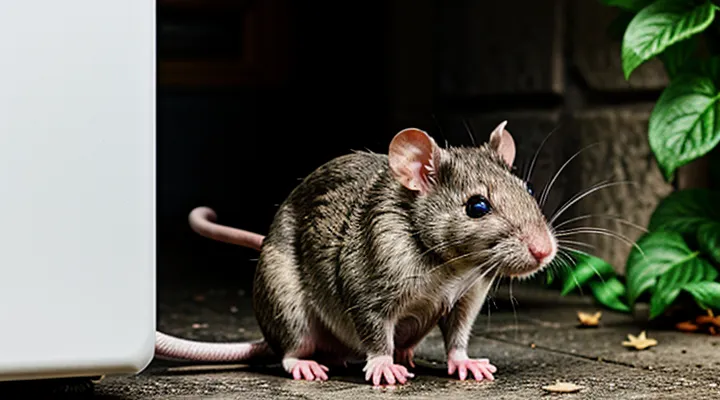
Recognizing the Signs of a Dying Rat
Physical Symptoms
Changes in Appearance
When a rat approaches the end of life, its outward condition changes noticeably. Recognizing these visual cues allows prompt, humane intervention.
- Fur becomes dull, ragged, or falls out in patches.
- Eyes appear sunken, cloudy, or exhibit a milky discoloration.
- Skin loses elasticity, shows bruising, or turns pale to grayish.
- Tail may swell, become cold to the touch, or develop lesions.
- Mouth and nose dry out, with possible crust formation.
- Body posture shifts to a hunched, weak stance; movement slows dramatically.
- Breathing may become shallow, irregular, or accompanied by audible wheezing.
Observing any combination of these signs signals that immediate care is required. Provide a warm, quiet environment, ensure easy access to water, and limit handling to reduce stress. Contact a veterinarian without delay to discuss pain management, supportive treatment, or humane euthanasia options. Prompt action based on appearance changes improves the rat’s comfort during its final hours.
Decreased Activity and Mobility
When a rat shows reduced activity and limited movement, it often signals a critical health decline. Observe the animal closely: note the duration of inactivity, any reluctance to climb or explore, and whether the rat can stand or walk without assistance. These changes differentiate normal rest from a serious condition that requires immediate attention.
Key observations include:
- Persistent lying down for several hours without attempts to rise.
- Inability to reach food or water when placed nearby.
- Weakness in the hind limbs, causing the rat to drag or stumble.
- Lack of response to gentle stimuli, such as light touch or soft sounds.
If these signs appear, take the following actions:
- Provide a warm, quiet enclosure to reduce stress.
- Offer easily accessible water and soft food within reach.
- Monitor breathing rate and temperature; a rapid, shallow breath or a drop in body heat indicates worsening condition.
- Contact a veterinarian experienced with rodents without delay, supplying details of the observed mobility loss and any other symptoms.
Prompt recognition of decreased activity and mobility, combined with swift veterinary consultation, improves the chances of appropriate care during the final stage of a rat’s life.
Respiratory Issues
When a rat shows signs of respiratory distress, rapid assessment is essential. Look for labored breathing, open-mouth panting, nasal discharge, wheezing, or audible crackles. These symptoms often indicate pneumonia, bronchitis, or upper‑respiratory obstruction.
Immediate steps:
- Place the rat in a warm, quiet area away from drafts.
- Keep the enclosure at a stable temperature of 70‑75 °F (21‑24 °C) to reduce metabolic stress.
- Provide fresh, humidified air by misting the cage lightly or using a low‑flow humidifier; avoid excessive moisture that can promote mold.
- Offer water and a small amount of easily digestible food, such as soft fruit or a few drops of apple juice, to prevent dehydration.
If breathing remains shallow or irregular after five minutes, contact a veterinarian experienced with rodents. Professional care may involve:
- Oxygen therapy through a small mask or chamber.
- Antibiotics or antifungal medication if a bacterial or fungal infection is identified.
- Nebulized saline or bronchodilator treatment to open airways.
Preventive measures reduce the likelihood of fatal respiratory episodes:
- Clean the cage weekly; replace bedding with dust‑free material.
- Monitor humidity, keeping it between 40‑60 % to discourage pathogen growth.
- Quarantine new or sick rats for at least two weeks before introducing them to the main colony.
- Ensure proper ventilation without direct airflow on the animals.
Recognizing respiratory compromise early and providing supportive care can stabilize a critically ill rat and increase the chance of recovery. Professional veterinary intervention remains the definitive option when symptoms persist or worsen.
Behavioral Changes
Loss of Appetite and Thirst
A rat that stops eating and drinking signals severe physiological decline. Immediate assessment is essential because dehydration and malnutrition accelerate organ failure.
- Observe the amount of food left in the cage and any remnants on the floor; a complete lack of intake for 24 hours is critical.
- Check water bottles for condensation and the rat’s tongue for dryness; absence of licking for several hours indicates dehydration.
- Monitor weight daily; a loss of more than 5 % of body weight within 48 hours requires urgent intervention.
If appetite and thirst are absent, provide easy‑to‑consume nutrition and fluids:
- Offer soft, high‑calorie foods such as mashed banana, plain yogurt, or commercial rodent formula warmed to body temperature.
- Use a syringe (without a needle) to administer water or a balanced electrolyte solution in small volumes (0.5 ml per 30 g body weight) every 2–3 hours, ensuring the rat can swallow without choking.
- Maintain a warm, quiet environment to reduce stress, which can further suppress feeding behavior.
Document all observations, including the time of last intake, fluid volume administered, and any signs of regurgitation or respiratory distress. If the rat shows no improvement within 12 hours, or if additional symptoms such as lethargy, labored breathing, or bleeding appear, contact a veterinarian experienced with small mammals without delay. Prompt professional care can alleviate suffering and provide guidance on humane end‑of‑life options.
Hiding or Isolation
When a pet rat approaches the end of life, it often seeks solitude. This behavior reduces stress and conserves energy, allowing the animal to focus on physiological processes. Providing a quiet, secluded space respects the rat’s natural instinct and prevents unnecessary disturbance.
- Choose a small, dimly lit enclosure away from household traffic.
- Line the area with soft, absorbent bedding to maintain hygiene.
- Limit handling to essential care; avoid prolonged contact.
- Monitor temperature; ensure the space remains comfortably warm but not overheated.
- Keep food and water accessible but do not force consumption.
Isolation should not mean neglect. Observe the rat for signs of severe pain or distress and be prepared to consult a veterinarian promptly. Maintaining a calm environment while staying attentive to the animal’s needs balances humane care with the rat’s inclination to hide during its final moments.
Vocalizations
When a rat approaches the end of its life, vocal signals become a primary indicator of its condition. Recognizing and interpreting these sounds can guide immediate care and inform humane decisions.
- High‑pitched squeals often signal acute pain or distress. Provide a quiet, temperature‑controlled environment and consider analgesic options after consulting a veterinarian.
- Low, guttural whines may indicate weakness or respiratory difficulty. Ensure unobstructed airflow, monitor breathing rate, and keep the cage free of drafts.
- Prolonged silence can be a sign of severe deterioration or impending death. Prepare for humane euthanasia if the animal shows no response to comfort measures.
Observe the frequency, volume, and pattern of each vocalization. Sudden changes usually warrant a veterinary assessment. Maintaining a calm setting reduces stress‑induced vocalizations and supports a smoother transition for the rat.
Providing Comfort and Care for a Dying Rat
Creating a Peaceful Environment
Warmth and Soft Bedding
A rat nearing the end of life requires a stable, comfortable environment to reduce stress and support basic physiological needs. Temperature regulation becomes critical because a weakened animal loses the ability to maintain body heat. Place the cage in a draft‑free area, away from direct sunlight and heating vents. Use a low‑wattage ceramic heat pad set to a safe temperature (approximately 30 °C) beneath a layer of bedding; monitor with a thermometer to avoid overheating.
Soft, supportive bedding prevents pressure sores and allows the animal to lie comfortably. Choose materials that are absorbent, low‑dust, and easy to replace. Recommended options include:
- Thick fleece blankets cut to fit the cage floor
- High‑grade paper pulp bedding (e.g., Carefresh) with added cellulose strips
- Unbleached cotton fibers layered under a thin layer of shredded paper
Refresh bedding daily to maintain hygiene and remove any soiled sections. Avoid cedar, pine, or scented products that can irritate the respiratory system.
Maintain a quiet, dimly lit setting to encourage rest. Provide easy access to fresh water and a small portion of favorite food, but do not force feeding. Regularly observe the rat for signs of distress; adjust temperature or bedding thickness accordingly. This straightforward approach maximizes comfort during the animal’s final stage.
Quiet and Reduced Stress
When a pet rat approaches the end of its life, minimizing noise and agitation becomes a priority. A tranquil setting reduces physiological stress, supporting the animal’s comfort and preserving remaining energy.
Create a calm environment by:
- Removing loud appliances, televisions, and music.
- Lowering household traffic in the rat’s enclosure area.
- Dimming lights to a soft, steady glow.
Maintain a steady, gentle routine. Feed small, familiar portions at usual times, and handle the rat only when necessary. If handling is required, use slow, deliberate movements and support the body fully to prevent sudden jolts.
Control temperature and air quality. Keep the room at a stable, moderate temperature and ensure fresh, unobstructed airflow without drafts. Avoid strong scents such as cleaning agents or perfumes, which can trigger respiratory irritation.
Provide a secure, comfortable resting spot. Line the cage with soft bedding, arrange it to allow easy access, and keep the space free from clutter that might cause the rat to scramble.
Monitor the rat’s condition quietly. Observe breathing patterns, responsiveness, and signs of pain without loud commentary. If distress appears, consult a veterinarian promptly for appropriate palliative measures.
Nutritional Support
Offering Palatable Foods
When a rat approaches the end of life, loss of appetite is common. Providing highly attractive foods can stimulate voluntary intake, supply essential calories, and improve comfort.
Select items that are soft, aromatic, and nutrient‑dense. Suitable choices include:
- Warmed, mashed cooked sweet potato
- Soft boiled egg, finely shredded
- Small pieces of fresh banana or ripe mango
- Low‑fat cottage cheese, spread thinly
- Commercial rodent gel or high‑calorie formula, warmed to body temperature
Avoid hard pellets, fibrous vegetables, or foods with strong bitter notes, as they may deter eating.
Prepare portions no larger than a fingertip and offer them on a clean surface or directly from the hand. Warm the food to about 35 °C to enhance scent and ease chewing. Allow the rat to approach and sniff before presenting; gentle hand‑feeding can be used if the animal shows interest but lacks coordination.
Observe the rat’s response for 10‑15 minutes after each offering. If a food is rejected, replace it with an alternative from the list. Continue offering small, appealing meals several times daily until the animal ceases to eat, indicating that nutritional support is no longer effective.
Hydration
When a rat approaches the end of life, fluid loss worsens systemic failure. Observe for sunken eyes, tenting skin, dry mucous membranes, and reduced activity; these indicate dehydration.
Prompt fluid replacement can improve comfort and delay collapse. Choose sterile isotonic saline or a commercially available electrolyte solution; plain water alone is insufficient if the animal cannot voluntarily drink.
Administration methods
- Use a 1 ml syringe to deliver 0.1–0.2 ml of solution every 15–30 minutes, allowing the rat to swallow between doses.
- Provide a low‑profile water bottle with a narrow spout; ensure the bottle is positioned low enough for the rat to reach.
- Offer a pet‑specific hydration gel that can be licked in small amounts.
Calculate fluid needs as roughly 10 % of body weight per day. A 200 g rat requires about 20 ml total, divided into multiple small feedings to reduce the risk of aspiration.
Continue monitoring skin elasticity, mucous membrane moisture, and activity. Improvement within a few hours suggests adequate rehydration; lack of change warrants immediate veterinary consultation.
Maintain strict sterility of all equipment, avoid forceful administration, keep the environment at a stable, moderate temperature, and never exceed the recommended volume per session. These practices ensure safe, effective hydration for a critically ill rat.
Pain Management
Consulting a Veterinarian
When a pet rat shows signs of severe illness or imminent death, professional veterinary assessment is the most reliable course of action. A qualified veterinarian can differentiate between reversible conditions and irreversible decline, prescribe appropriate medications, and provide humane end‑of‑life options if needed.
Contact the clinic promptly. Provide the following information to facilitate rapid care:
- Species, age, and weight of the rat.
- Observable symptoms (e.g., lethargy, respiratory distress, bleeding).
- Recent changes in diet, environment, or exposure to toxins.
- Any treatments already administered.
During the visit, expect a thorough physical examination, possible diagnostic tests (blood work, radiographs), and a clear explanation of prognosis. The veterinarian will outline treatment options, dosage instructions, and monitoring requirements. If the condition is terminal, the professional will discuss humane euthanasia procedures, pain management, and post‑mortem care.
Prepare for the appointment by transporting the rat in a secure, ventilated carrier, minimizing stress, and keeping the environment quiet. Bring any previous medical records or medication containers. Follow the veterinarian’s recommendations precisely to ensure the best possible outcome for the animal’s welfare.
Signs of Discomfort
When a pet rat approaches the end of life, recognizing discomfort is essential for humane care. Observable changes often indicate pain, distress, or physiological decline.
- Hunched posture, inability to straighten the back
- Labored breathing, rapid or shallow breaths
- Excessive vocalizations, high‑pitched squeaks or whines
- Reluctance or refusal to move, cling to a corner or hide
- Loss of appetite, refusal to eat or drink even when offered
- Abnormal grooming, excessive licking of a specific area or neglect of fur
- Pale or cyanotic gums, indicating reduced circulation
- Unsteady gait, stumbling, or inability to balance
- Wet or soiled bedding around the hindquarters, suggesting loss of bladder or bowel control
- Visible swelling, heat, or redness in limbs or abdomen
Monitoring these signals allows caregivers to adjust the environment, provide analgesics, and decide when professional intervention is necessary. Prompt veterinary assessment can alleviate suffering and ensure that end‑of‑life decisions respect the animal’s welfare.
End-of-Life Decisions and Euthanasia
When to Consider Euthanasia
Quality of Life Assessment
When a pet rat approaches the end of its life, evaluating its quality of life becomes essential for humane decision‑making. The assessment focuses on observable indicators that reflect the animal’s comfort, ability to function, and overall wellbeing.
Key parameters to observe:
- Pain and discomfort – vocalizations, guarding behavior, difficulty moving, or resistance to handling.
- Nutrition and hydration – reduced appetite, weight loss, inability to drink, or persistent dehydration.
- Mobility – weakness, unsteady gait, inability to climb or explore familiar areas.
- Social interaction – withdrawal from cage mates, lack of grooming, or diminished response to human contact.
- Physiological signs – abnormal breathing, persistent vomiting, or severe diarrhea.
Each parameter should be rated on a simple scale (e.g., 0 = absent, 1 = mild, 2 = moderate, 3 = severe). Summing the scores provides an objective snapshot; a higher total indicates declining welfare. When the cumulative score exceeds a predetermined threshold—commonly set by experienced veterinarians—the ethical course is to consider euthanasia to prevent unnecessary suffering.
Consultation with a qualified veterinarian is advisable. Professionals can confirm the assessment, discuss pain‑relief options, and guide the final decision. Prompt, evidence‑based evaluation ensures that the rat’s remaining time is as comfortable as possible.
Suffering and Pain
When a rat approaches the end of its life, pain and distress often intensify. Recognizing the signs of suffering enables timely intervention and reduces unnecessary anguish.
Typical indicators of acute discomfort include rapid breathing, trembling, vocalizations, reluctance to move, and a pronounced change in posture such as hunching or curling tightly. Persistent loss of appetite, dehydration, and a dull response to stimuli also suggest escalating pain.
To mitigate distress:
- Administer a veterinarian‑prescribed analgesic appropriate for rodents; dosage must follow professional guidance.
- Provide a warm, quiet enclosure with soft bedding to promote relaxation and maintain body temperature.
- Offer small amounts of easily digestible food or water if the animal can ingest them without strain.
- Minimize handling; when necessary, support the body gently to avoid pressure on vulnerable areas.
- Monitor heart rate and respiratory pattern; any abrupt acceleration may signal worsening pain.
If pain persists despite medication or the rat shows no signs of recovery, humane euthanasia becomes the ethical option. The most accepted method involves a two‑step process: first, a sedative to induce unconsciousness, followed by an overdose of a barbiturate administered by a qualified professional. This approach ensures rapid loss of consciousness and painless death.
After the procedure, dispose of the carcass according to local regulations, and clean the enclosure thoroughly to prevent disease transmission. Document the events and treatments administered, as this information assists future care decisions for other pets.
The Euthanasia Process
Veterinary Consultation
When a pet rat exhibits severe weakness, respiratory distress, or unresponsiveness, prompt professional assessment is required.
Contact a veterinarian who treats small exotic mammals and provide concise information: rat’s age, weight, recent health changes, diet, housing conditions, and any observed symptoms.
Arrange safe transport. Use a well‑ventilated carrier, maintain ambient temperature, and handle the animal gently to reduce stress.
During the appointment the veterinarian will conduct a physical examination, possibly order imaging or laboratory analysis, and then explain the prognosis. Options may include humane euthanasia, palliative medication, or supportive care, depending on the underlying condition and the animal’s quality of life.
Prepare specific questions:
- What signs indicate pain or discomfort?
- Which medications will provide relief, and how should they be administered?
- What are the expected costs for each option?
- What after‑care procedures are necessary for the owner?
If the decision is to continue care, follow the vet’s instructions for medication dosing, fluid therapy, and environmental adjustments. Monitor the rat closely for changes in behavior, appetite, and breathing, and report any deterioration to the clinic immediately.
Maintain open communication with the veterinary team throughout the process to ensure the rat receives appropriate, humane treatment.
What to Expect
When a pet rat approaches the end of its life, several physiological and behavioral changes become evident. Expect rapid weight loss, a noticeable decline in activity, and a tendency to curl up in a secluded spot. Respiratory rate may increase, and breathing can become shallow or irregular. Body temperature often drops, resulting in cool extremities.
Behavioral indicators also shift. The rat may withdraw from interaction, show reduced grooming, and display a lack of interest in food or water. Vocalizations become infrequent, and when they do occur, they are usually weak or distressed.
During this period, caregivers should anticipate the need for:
- Frequent, gentle monitoring of breathing and temperature.
- Adjustments to the environment, such as providing soft bedding and a quiet, dimly lit space.
- Minimal handling to reduce stress, while remaining available for comforting contact if the animal seeks it.
- Access to fresh water, even if intake is minimal, to prevent dehydration complications.
Post‑mortem considerations include preparing a clean, insulated area for the body, deciding on burial or cremation according to local regulations, and sanitizing the enclosure to prevent disease transmission. Documentation of the rat’s final symptoms can assist veterinary professionals in future cases.
Coping with Loss
Grieving Process
Emotional Responses
When a pet rat approaches the end of its life, owners commonly encounter a range of strong emotions. Grief may surface as a lingering sadness that persists beyond the moment of death. Anxiety often appears as worry about making the right decisions during the animal’s final hours. Guilt can arise from doubts about past care or perceived neglect. These feelings are natural and reflect the bond formed with the companion.
Managing these emotional responses requires deliberate actions:
- Acknowledge each feeling without judgment; naming the emotion reduces its intensity.
- Share the experience with trusted friends, family members, or a veterinarian who understands small‑animal care.
- Record memories—photos, notes, or a brief journal—to provide a tangible reminder of the rat’s life.
- Seek professional support, such as counseling or a pet‑loss support group, if grief interferes with daily functioning.
- Allow time for self‑care, including regular meals, sleep, and brief physical activity, to sustain personal health.
Recognizing that emotional turbulence is a normal part of the process helps prevent prolonged distress. By confronting the feelings directly and employing supportive strategies, owners can honor their rat’s life while preserving their own well‑being.
Self-Care
When a pet rat shows signs of imminent death, the caregiver must prioritize both the animal’s comfort and the owner’s emotional well‑being. Immediate actions include providing a quiet, warm environment, minimizing stressors, and offering water if the rat can swallow. Gentle handling reduces agitation; use soft hands and avoid restraining the animal.
Practical self‑care steps for the owner:
- Pause work or other obligations to focus on the rat’s final moments.
- Keep a glass of water and a small towel nearby for quick cleaning.
- Sit in a comfortable chair, maintain steady breathing, and speak softly to the rat.
- If feelings of grief intensify, contact a trusted friend, family member, or counselor for brief conversation.
- After the rat passes, allow time to process emotions before cleaning the cage; consider a short walk or other calming activity to reset mental state.
Physical health considerations:
- Wash hands thoroughly after any contact with the rat or its bodily fluids.
- Wear disposable gloves when handling the carcass or cleaning bedding.
- Dispose of waste according to local regulations to prevent disease exposure.
Emotional resilience:
- Write a brief note about the rat’s life to acknowledge the bond.
- Limit exposure to distressing media for several hours.
- Schedule a follow‑up appointment with a veterinarian or pet loss support group if lingering sadness interferes with daily functioning.
Remembering Your Pet
Memorializing Your Rat
When a pet rat reaches the end of its life, preserving its memory helps both the animal and the owner process the loss. A respectful tribute acknowledges the bond and provides closure.
- Choose a lasting repository for the body: burial in a garden, a pet cemetery, or a sealed, biodegradable container for cremation ashes. Ensure the site is safe from predators and complies with local regulations.
- Create a physical memento: press the rat’s paws or tail in soft clay, frame a photograph, or embed a small collar in a resin keepsake. Select items that reflect the rat’s personality.
- Record personal reflections: write a short narrative describing favorite moments, habits, and quirks. Store the text in a journal or digital file for future reference.
- Share the remembrance: invite friends or online community members who knew the rat to contribute stories or sketches. Compile contributions into a collage or slideshow.
- Mark the occasion: light a candle, play gentle music, or observe a moment of silence on the rat’s birthday or the day of passing. Use the ritual to signal transition and honor the animal’s presence.
After the memorial, maintain a routine that includes healthy coping strategies. Regular exercise, balanced nutrition, and adequate sleep support emotional stability. If grief persists, seek professional guidance or connect with support groups specializing in small‑animal loss.
Support Systems
When a pet rat approaches the end of life, reliable support structures become essential for both the animal’s comfort and the owner’s well‑being.
Veterinary care provides professional assessment, pain management, and guidance on humane euthanasia if necessary. Prompt contact with a qualified exotics veterinarian ensures accurate diagnosis and appropriate treatment options.
Emotional assistance for the caretaker can be sourced from:
- Local animal‑welfare groups that offer counseling or peer discussion.
- Online forums dedicated to rodent owners, where experienced members share practical advice.
- Professional pet‑loss counselors who specialize in grief related to small mammals.
Practical resources include:
- A quiet, temperature‑controlled enclosure that minimizes stress.
- Soft bedding and easy‑access food or water dishes to reduce exertion.
- Sterile syringes or feeding tubes for administering medication or nutrition under veterinary instruction.
Community networks, such as rescue organizations or humane societies, may provide temporary foster care or assistance with end‑of‑life decisions. Maintaining clear communication with these entities streamlines access to needed services.
Overall, integrating medical, emotional, and logistical support creates a comprehensive framework that safeguards the rat’s dignity and eases the owner’s experience during this critical period.