
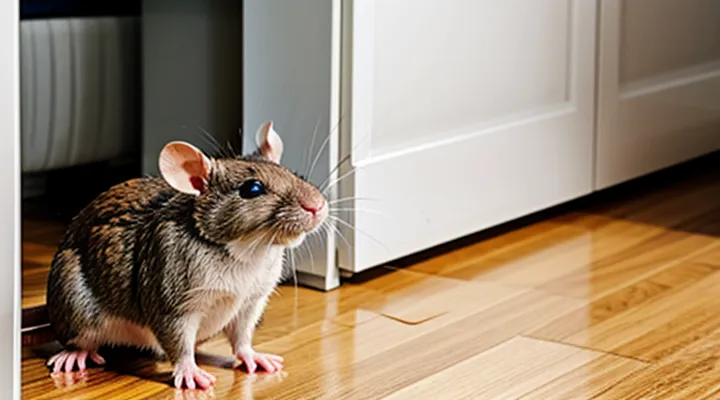
First Steps After Discovering a Rat
Confirming the Presence of a Rat
Identifying Signs of Infestation
Rats leave distinct evidence that signals a growing problem. Recognizing these indicators early prevents damage and health risks.
- Fresh droppings, typically black‑brown and about the size of a grain of rice, appear near food sources, along walls, or in hidden corners.
- Gnaw marks on wood, plastic, wires, or insulation indicate active chewing, often leaving clean, straight edges.
- Scratching sounds at night, especially within walls or ceilings, suggest movement of rodents in concealed spaces.
- Strong, musky odor, especially in confined areas, results from urine and glandular secretions.
- Unusual nests constructed from shredded paper, fabric, or insulation material appear in corners, under appliances, or within storage boxes.
- Grease or dark smears along baseboards and entry points reveal frequent travel routes.
Additional clues include sightings of live or dead rats, as well as tracks in dusty areas that display a characteristic “U” shape with a pointed front. Identifying these signs promptly enables decisive action to control the infestation and protect the living environment.
Distinguishing from Other Pests
Rats differ from other common apartment pests in size, behavior, and physical characteristics. Recognizing these differences prevents misidentification and ensures appropriate control measures.
- Size: Adult rats measure 20‑30 cm in body length, excluding the tail, which adds another 20 cm. Mice rarely exceed 10 cm total length. Squirrels are larger, with bodies over 30 cm and bushier tails.
- Tail: Rat tails are thick, scaly, and proportionally shorter than the body. Mouse tails are slender, hairless, and often longer than the body. Squirrel tails are long, bushy, and covered with fur.
- Head shape: Rats have blunt, rounded noses and small ears relative to head size. Mice possess pointed noses and comparatively larger ears. Squirrels display prominent, triangular ears and a more angular skull.
- Droppings: Rat droppings are 1‑2 cm long, reddish‑brown, and spindle‑shaped. Mouse droppings are 0.3‑0.5 cm, black, and more uniform. Cockroach feces are smaller, irregular, and darker.
- Activity patterns: Rats are primarily nocturnal but may forage during daylight if food is abundant. Mice are strictly nocturnal. Squirrels are diurnal and often visible in attics or balconies.
- Damage: Rats gnaw on wood, plastic, and electrical wiring, leaving noticeable bite marks with parallel grooves. Mice produce finer gnawing lines. Cockroaches leave unsightly stains and a greasy residue, not structural damage.
Accurate identification guides the selection of traps, baits, and exclusion techniques specific to the pest in question. Misidentifying a rat as a mouse may result in inadequate trap size and ineffective control. Similarly, treating a rat infestation with insecticide intended for cockroaches fails to address the rodent threat.
Immediate Safety Measures
Protecting Food and Water Sources
Rats entering a dwelling pose immediate threats to stored food and accessible water. Contamination can occur through droppings, urine, and gnaw marks, leading to health hazards and costly loss of provisions.
• Store all dry goods in sealed, rodent‑proof containers made of metal or thick plastic.
• Transfer opened packages to airtight containers within 24 hours.
• Place pet food in locked bins; discard leftovers promptly.
• Keep pantry shelves cleared of crumbs and spills; clean surfaces with a disinfectant after each use.
Water sources require equal vigilance.
• Cover drinking fountains, pet water bowls, and kitchen taps with fitted lids when not in use.
• Inspect and repair any leaks; moisture attracts rodents and provides them with a drinking supply.
• Use water filters equipped with fine mesh screens to prevent entry through faucet aerators.
Implement preventive measures to sustain protection.
• Seal gaps around pipes, vents, and baseboards with steel wool and caulk; rats cannot chew through metal.
• Install door sweeps and window screens that close tightly.
• Conduct weekly inspections of storage areas, noting any gnaw marks or droppings and addressing them immediately.
Adhering to these practices eliminates food and water as attractants, reducing the likelihood of repeated rodent incursions.
Securing Pets and Children
If a rodent is discovered inside a dwelling, immediate measures must protect vulnerable household members. Separate pets and children from the area where the rat was seen. Close doors and install temporary barriers such as baby gates or pet crates to prevent accidental contact.
Secure food sources. Store all pet food, human leftovers, and garbage in sealed containers. Remove bowls, dishes, and treats from the floor until the infestation is resolved.
Inspect openings that could allow entry. Block gaps around pipes, vents, and baseboards with steel wool, caulk, or metal mesh. Install latchable doors on closets and cabinets where food is kept.
Deploy control methods that do not endanger non‑target animals. Choose snap traps or electronic devices placed out of reach of children and pets, or employ professional pest‑control services that use bait stations designed for restricted access.
Monitor the situation. Check traps daily, dispose of captured rodents safely, and re‑evaluate barriers after each check. Continue preventive actions for several weeks to ensure the problem does not recur.
Eradication and Prevention Strategies
Trapping Methods
Choosing the Right Traps
When a rodent infiltrates a living space, selecting an effective trap determines the speed and safety of removal. The decision hinges on three factors: species size, location accessibility, and human safety considerations.
Key trap categories include:
- Snap traps – rapid kill, suitable for unobstructed floor areas, require careful placement to avoid accidental activation.
- Live‑catch traps – humane capture, ideal for areas where non‑lethal removal is preferred, demand prompt release to prevent stress.
- Electronic traps – instant kill via high‑voltage shock, effective in concealed spaces, eliminate the need for bait.
- Glue boards – passive capture, best for secondary infestations, pose risks to pets and children and may cause prolonged suffering.
Choosing the appropriate device involves matching the trap type to the infestation pattern. For high‑traffic corridors, snap or electronic traps provide swift results. In kitchens or near food storage, live‑catch traps reduce contamination risk. Always position traps along walls, behind appliances, and near known gnawing sites, and inspect them regularly to maintain efficacy and hygiene. Use bait such as peanut butter or dried fruit to increase attraction, but avoid excessive quantities that may attract non‑target animals.
Proper Trap Placement
When a rodent is detected inside a residence, eliminating the threat requires strategic trap deployment. Position traps where rats travel routinely, typically along walls, behind appliances, and near concealed entry points. Place devices adjacent to visible signs of activity such as droppings, gnaw marks, or urine stains. Align traps perpendicular to the wall, with the trigger side facing the anticipated path.
Bait selection influences placement success. Use high‑protein attractants—peanut butter, dried fruit, or small meat pieces—applied directly to the trigger mechanism. Secure bait to prevent premature removal by the animal.
Implement a systematic layout:
- Identify primary runways by observing fresh droppings and gnaw damage.
- Install one trap per identified route, spaced 2–3 feet apart to cover the full corridor.
- Add additional traps near food storage areas, but keep them out of reach of children and pets.
- Deploy traps in the evening; rats are most active after dark, increasing capture probability.
Monitor traps daily. Replace or relocate any device that remains untouched after 24 hours, as this indicates an inaccurate placement. Maintain a clean environment by sealing food containers, removing clutter, and repairing structural gaps to reduce alternative pathways. Proper trap placement, combined with habitat modification, maximizes control efficiency and prevents further infestation.
Safe Disposal of Caught Rats
When a rodent is captured inside a dwelling, immediate attention to disposal prevents disease transmission and secondary infestations.
- Place the live or deceased animal in a sturdy, sealable container such as a plastic bucket with a tight‑fitting lid.
- Add a disinfectant‑free absorbent material (paper towels) to absorb fluids and reduce slip risk.
- Label the container with «rat» and the capture date for reference.
- Transport the sealed container to a municipal waste collection point or a licensed pest‑control facility within 24 hours.
If local regulations require professional handling, contact the appropriate public‑health or pest‑control agency and arrange for scheduled pickup. After removal, clean the capture area with an EPA‑approved disinfectant, paying special attention to surfaces that may have been contaminated by urine, feces, or saliva. Dispose of cleaning cloths in a separate sealed bag and wash hands thoroughly with soap and water.
Consult municipal ordinances to confirm compliance with hazardous‑waste rules, as some jurisdictions classify rodent carcasses as biohazard material. Failure to follow legal disposal procedures can result in fines and increased health risks.
Baits and Lures
Selecting Effective Baits
When a rodent infiltrates a living space, the choice of bait determines the success of control measures. Effective bait must attract the animal, maintain potency, and resist spoilage in indoor conditions.
Key characteristics include:
- High protein or fat content to stimulate feeding behavior.
- Palatability for rats while remaining unattractive to non‑target species.
- Stability at room temperature for several weeks.
- Compatibility with snap traps or electronic devices.
Commonly used baits meeting these criteria are:
- Peanut butter mixed with oats, offering strong odor and texture.
- Fresh fruit such as apple slices, providing natural sugars and moisture.
- Commercial rodent gel containing attractants like soy or fish oil.
- Hard cheese blocks, delivering sustained scent release.
Placement strategy influences effectiveness. Position bait directly on the trigger mechanism, ensuring the rodent must manipulate the trap to access the food. Locate stations along walls, behind appliances, and near known gnawing marks. Avoid areas accessible to children or pets; use sealed containers or tamper‑proof stations when necessary. Regularly inspect and refresh bait to prevent desiccation and loss of appeal.
Risks Associated with Poisons
Encountering a rat inside a dwelling raises the question of control measures. Poison baits are commonly suggested, yet they carry multiple hazards.
- Acute toxicity to humans and pets through accidental ingestion or contact with contaminated surfaces.
- Secondary poisoning of non‑target wildlife that feeds on poisoned rodents.
- Development of resistance, reducing long‑term effectiveness and prompting higher dosages.
- Legal restrictions in many jurisdictions that limit the types of rodenticides permitted in residential settings.
- Environmental contamination from runoff that can affect soil and water quality.
These risks often outweigh the convenience of poison deployment. Integrated pest management offers safer alternatives: sealing entry points, maintaining cleanliness to eliminate food sources, and employing mechanical traps. When chemical control is deemed unavoidable, select products with low secondary toxicity, follow label instructions precisely, and store baits out of reach of children and animals.
Prioritizing health, safety, and compliance minimizes unintended consequences while addressing the rodent problem effectively.
Sealing Entry Points
Inspecting Your Apartment for Gaps
Rats gain entry through openings as small as a pencil diameter; identifying and eliminating these gaps prevents further intrusion.
- Examine baseboards, window frames, and door thresholds for cracks or gaps.
- Inspect utility penetrations, such as plumbing, electrical wiring, and HVAC ducts, for visible openings.
- Use a flashlight to reveal hidden spaces behind appliances, cabinets, and furniture.
- Check exterior walls and the roof for damaged siding, missing tiles, or deteriorated flashing.
Seal discovered openings with appropriate materials: steel wool combined with caulk for small cracks, metal mesh for larger gaps, and expanding foam for irregular spaces. Replace damaged weatherstripping on doors and windows, and install door sweeps to block entry beneath exterior doors.
Regularly repeat the inspection after seasonal changes or renovations; any new gap can become a conduit for rodents. «Seal every opening promptly to maintain a rat‑free environment».
Repairing Cracks and Holes
Rats gain access through small openings in walls, floors, and fixtures; sealing these gaps removes the primary pathway for infestation. Identify all potential entry points by inspecting baseboards, window frames, pipe penetrations, and vent covers. Use a flashlight and a thin probe to confirm the size of each gap.
- Apply expanding polyurethane foam to gaps up to ¼ inch; allow foam to cure, then trim excess.
- For larger cracks, insert steel wool or copper mesh, then cover with cement or mortar to create a durable barrier.
- Seal gaps around pipes with metal-backed silicone sealant; ensure the sealant remains flexible to accommodate movement.
- Install metal flashing or sheet metal over vent openings and utility chases; secure with stainless‑steel screws.
After repairs, conduct a follow‑up inspection to verify that no new openings have formed. Maintain a schedule for periodic checks, especially after renovations or seasonal temperature changes, to ensure the apartment remains sealed against future rodent entry.
Sanitation and Hygiene
Eliminating Food Sources
When a rat is discovered inside a dwelling, the most effective deterrent is to remove any food that can sustain it. Without accessible nourishment, the rodent loses its incentive to remain and reproduce.
- Store all dry goods—cereals, grains, pet food—in sealed containers made of metal or thick plastic.
- Keep countertops, tables, and floors free of crumbs by wiping them immediately after meals.
- Place dishes in the dishwasher or wash them promptly; avoid leaving dishes soaking overnight.
- Dispose of garbage daily in bins with tight‑fitting lids; empty indoor trash cans before they become a source of odor.
- Eliminate pet feeding stations at night; remove uneaten food and clean bowls after each use.
Additional measures reinforce food control. Regularly inspect pantry shelves for spills or damaged packaging, and repair any cracks in walls or baseboards that allow rodents to access stored items. Maintain a strict cleaning schedule that includes vacuuming under appliances and behind furniture, where food particles often accumulate. By systematically denying a rat any viable food source, the likelihood of infestation diminishes dramatically.
Proper Waste Management
When a rodent is detected indoors, waste handling becomes a decisive factor in eliminating the attraction source. Proper waste management reduces food availability, limits shelter options, and interrupts the rodent’s breeding cycle.
- Store all refuse in containers with tight‑fitting lids; metal or heavy‑duty plastic bins are preferable.
- Empty bins daily, especially in kitchens and bathrooms, to prevent odor buildup.
- Separate organic waste from dry waste; use sealed bags for compostable material and discard them promptly.
- Keep the area around trash receptacles clean; wipe spills immediately and sweep debris from floors.
- Position waste containers away from walls and appliances to avoid creating hidden pathways.
Regularly inspect bins for damage. Replace cracked lids or torn bags without delay. If a leak or pest entry point is discovered, repair it immediately to maintain an airtight environment.
«Seal, clean, and remove» encapsulates the core actions. Consistent adherence to these practices deprives rats of sustenance, making the apartment less hospitable and supporting broader pest‑control measures.
Professional Assistance and Long-Term Solutions
When to Call an Exterminator
Signs of a Large Infestation
A rat presence that extends beyond a single sighting typically produces observable indicators. Recognizing these signs early prevents escalation and reduces health risks.
- Multiple droppings scattered across floors, countertops, and hidden corners; droppes are dark, pellet‑shaped, and may contain undigested food.
- Persistent gnaw marks on wood, plastic, wiring, or insulation, often concentrated near entry points or food storage areas.
- Strong, musky odor emanating from concealed spaces; the scent intensifies with the size of the colony.
- Visible pathways of urine stains or grease tracks along walls, especially near seams, pipes, or behind appliances.
- Frequent sightings of live rats or carcasses in various locations, suggesting a breeding population.
- Accumulated nesting material such as shredded paper, fabric, or insulation, often found in concealed voids, attics, or wall cavities.
Each symptom reflects increased activity and breeding potential. Prompt professional assessment and targeted control measures become essential when two or more of these indicators appear simultaneously.
Persistent Rat Activity
Persistent rat activity signals a settled infestation rather than a one‑time intrusion. Evidence includes repeated droppings, gnawed materials, gnaw marks on walls or wiring, and audible scurrying during night hours. Such signs indicate that the rodent has established a nest and a reliable food source within the dwelling.
Immediate assessment should focus on identifying entry points, locating nesting sites, and eliminating attractants. Seal cracks, gaps around pipes, and openings behind appliances with steel wool and caulk. Remove accessible food by storing perishables in airtight containers and maintaining a clean kitchen surface free of crumbs.
Control measures for ongoing activity include:
- Install snap traps or electronic traps along established runways, positioning them perpendicular to walls and checking them daily.
- Deploy bait stations containing anticoagulant rodenticide, ensuring placement in concealed areas inaccessible to children and pets.
- Apply rodent‑proof mesh to vent openings and drain covers to block re‑entry.
- Engage a licensed pest‑control professional for comprehensive extermination and follow‑up monitoring.
After implementation, monitor for new signs of activity for at least two weeks. Absence of droppings, gnaw marks, or audible movement confirms successful eradication; resurgence requires revisiting entry‑point sealing and trap placement.
Long-Term Prevention Tips
Regular Home Maintenance
Regular home maintenance reduces the likelihood of rodent intrusion and simplifies response when a rat is detected. Sealing entry points, controlling moisture, and managing waste are essential actions.
- Inspect walls, floors, and ceilings for gaps larger than ¼ inch; use steel wool and caulk to block openings.
- Repair leaking pipes and fixtures promptly; damp environments attract rodents.
- Store food in airtight containers; clean crumbs and spills immediately.
- Dispose of garbage in sealed bins; remove bins from living spaces regularly.
- Trim vegetation and remove debris near building foundations; vegetation provides cover for climbing rodents.
- Schedule professional pest‑inspection visits at least twice a year; experts can identify hidden infestations and recommend targeted treatments.
Consistent execution of these tasks creates an environment that discourages rats from entering, thereby easing the management of any unexpected sightings.
Community-Wide Solutions
When a rat is discovered inside a dwelling, the response must extend beyond the individual unit to involve the entire building and surrounding neighborhood.
- Notify the property manager or landlord immediately; request a written inspection and treatment plan.
- Report the sighting to the local health department; request a formal pest‑control assessment for the complex.
- Encourage the tenants’ association to organize a scheduled, professional extermination service covering all common areas, utility shafts, and adjoining units.
- Coordinate with waste‑management providers to ensure sealed trash containers, regular collection, and removal of food sources that attract rodents.
- Distribute clear guidelines on proper food storage, prompt cleanup of spills, and maintenance of structural integrity, such as sealing cracks and repairing vent screens.
- Establish a shared reporting system, for example an online form, allowing residents to log sightings and track remediation progress.
Effective community action reduces the likelihood of recurrence by eliminating entry points, removing attractants, and ensuring rapid professional intervention across the entire property. Continuous monitoring and cooperative maintenance preserve a rodent‑free environment for all occupants.
Addressing Psychological Impact
Dealing with Stress and Anxiety
Discovering a rodent in a living space triggers an immediate surge of stress, which can impair decision‑making and safety. Controlling physiological arousal allows for clear assessment of the situation and execution of appropriate measures.
Regulating breathing, maintaining muscular relaxation, and focusing attention on concrete tasks diminish anxiety. Simple actions include:
- Inhale slowly for four seconds, hold for two, exhale for six; repeat three times.
- Press feet firmly into the floor, notice weight distribution, and visualize stability.
- Identify the nearest exit route, then proceed step by step toward it.
Once the animal is secured or removed, reinforcing a sense of control prevents lingering worry. Establish a routine of regular inspection, seal potential entry points, and keep sanitation standards high. Consistent preventive actions reduce the likelihood of recurrence, thereby sustaining calm confidence in the home environment.
Educating Yourself and Others
When a rat is discovered in a residence, accurate knowledge prevents escalation and protects health. Begin by consulting reliable sources such as municipal pest‑control guidelines, veterinary publications, and university extension services. These documents provide species identification, sanitation standards, and legally approved eradication methods. Retaining copies—digital or printed—ensures quick reference during emergencies.
Disseminating information amplifies effectiveness. Create a concise briefing for household members, covering:
- Signs of infestation (droppings, gnaw marks, nocturnal sounds)
- Immediate actions (seal food, block entry points, avoid direct contact)
- Contact details for licensed exterminators and local health departments
Post the briefing in a visible location, such as the kitchen bulletin board, to reinforce awareness without repeated verbal reminders.
Engage neighbors and building management. Share the same briefing through email or printed flyers, emphasizing collective responsibility for building hygiene. Encourage a coordinated inspection schedule, allowing professionals to assess common areas and structural vulnerabilities.
Document outcomes after each intervention. Record dates, responsible parties, and observed changes. This log serves as evidence for future reference and aids authorities in tracking pest trends within the complex.
Continuous education reduces recurrence. Subscribe to updates from public health agencies, attend periodic workshops, and integrate new recommendations into the household briefing. Regular reinforcement maintains vigilance and safeguards the living environment.