
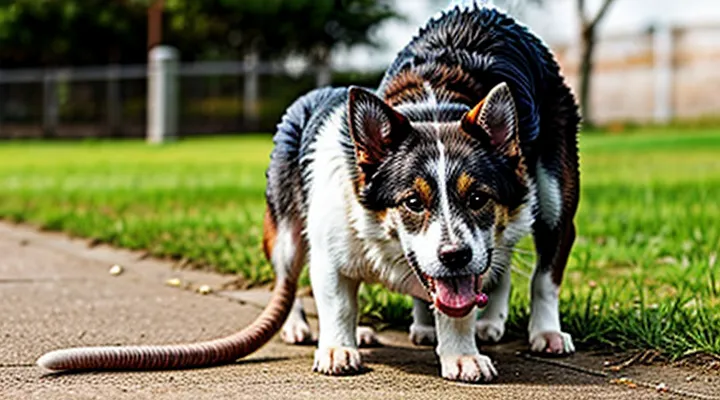
Immediate Actions After Your Dog Eats a Rat
Assessing the Situation
Identifying Potential Dangers
When a dog ingests a rat, several hazards may arise. Recognizing these risks promptly guides appropriate veterinary care and prevents complications.
- Bacterial infection: rats commonly carry Salmonella, E. coli, and Leptospira, which can cause gastrointestinal distress, fever, and organ inflammation.
- Parasitic infestation: rodents may harbor tapeworms, roundworms, or protozoa that can establish in the canine intestine, leading to weight loss and anemia.
- Toxic exposure: rats may have ingested poison, rodenticide, or contaminated food, introducing anticoagulants, heavy metals, or chemicals that disrupt clotting and organ function.
- Physical injury: sharp teeth or bones can puncture the esophagus, stomach, or intestines, resulting in bleeding, perforation, or obstruction.
- Allergic reaction: proteins in rodent tissue may trigger hypersensitivity, producing swelling, hives, or respiratory difficulty.
Observe the dog for vomiting, diarrhea, lethargy, coughing, or signs of abdominal pain. Record the time of ingestion and any visible remnants. Contact a veterinarian immediately, providing details of the incident and any observed symptoms. Early intervention reduces the likelihood of severe outcomes.
Observing Your Dog's Behavior
Observing your dog after it has consumed a rodent provides essential information for determining the appropriate response.
Watch for changes in appetite, activity level, and gastrointestinal function. Specific signs to note include:
- Reduced or absent hunger
- Lethargy or unusual agitation
- Vomiting, retching, or regurgitation
- Diarrhea, especially with blood or mucus
- Excessive drooling or foaming at the mouth
- Coughing, gagging, or difficulty breathing
- Signs of abdominal pain, such as whining when touched
If the animal displays any of these symptoms, consider the likelihood of infection, toxin exposure, or physical injury from the prey’s bones and teeth. Persistent vomiting or bloody stools suggest possible gastrointestinal perforation, while respiratory signs may indicate aspiration of foreign material.
When abnormal behavior is observed, contact a veterinarian promptly. Provide details about the incident, the time elapsed, and the specific symptoms noted. The clinician may recommend immediate examination, diagnostic imaging, or prophylactic treatment such as antibiotics, antiparasitics, or anti‑emetics.
If the dog appears normal—maintains regular eating patterns, shows typical energy, and exhibits no digestive or respiratory disturbances—continue monitoring for at least 24 hours. Record any delayed reactions, as some complications develop after several hours. Regular observation ensures timely intervention and supports the animal’s recovery.
Contacting Your Veterinarian
Providing Key Information to the Vet
When a dog has consumed a rodent, the veterinarian must receive precise data to assess risk and determine treatment.
- Dog’s breed, age, weight, and vaccination status
- Approximate time of ingestion (minutes or hours ago)
- Quantity and condition of the rat (whole, partially eaten, dead, alive)
- Observed symptoms: vomiting, diarrhea, coughing, lethargy, drooling, or signs of pain
- Recent medical history: medications, allergies, chronic illnesses, previous surgeries
- Environment where the incident occurred: indoor, outdoor, presence of parasites in the area
Provide the veterinarian with any available details about the rat, such as species, known health issues, or exposure to poisons. If the rat was found in a location with rodent control chemicals, note the type of product and concentration.
After the initial consultation, follow the veterinarian’s instructions for monitoring, medication administration, and any required diagnostic tests. Keep a record of changes in the dog’s condition and report them promptly.
Following Veterinary Advice
When a canine ingests a rodent, immediate professional guidance is essential. Contact the veterinarian as soon as the incident is discovered. Provide details such as the dog’s size, weight, time of ingestion, and any observed symptoms. This information enables the practitioner to assess risk and recommend appropriate actions.
The veterinarian may advise one or more of the following steps:
- Induce vomiting only under direct instruction; improper attempts can cause additional injury.
- Administer activated charcoal to bind toxins that might be present in the rodent’s body.
- Begin a course of antibiotics if bacterial infection is suspected.
- Schedule a physical examination to check for gastrointestinal blockage, perforation, or internal bleeding.
- Monitor temperature, heart rate, and behavior for signs of distress, reporting any changes promptly.
Follow the prescribed medication schedule precisely. Do not adjust dosages without confirmation from the clinic. If the dog shows vomiting, diarrhea, lethargy, or abdominal pain after treatment begins, notify the veterinarian immediately.
Maintain a clean environment to prevent future incidents. Store food, waste, and potential prey out of the dog’s reach. Regularly inspect the yard for rodent activity and address infestations promptly.
Adhering strictly to veterinary instructions reduces complications and supports a swift recovery.
Potential Risks and Health Concerns
Rat Poison Ingestion
Types of Rat Poisons
When a dog consumes a rat, the primary concern is exposure to the toxic agents used to control rodent populations. Identifying the class of poison present guides emergency care and informs veterinary treatment.
-
Anticoagulant rodenticides – include first‑generation compounds (warfarin, chlorophacinone) and second‑generation agents (bromadiolone, brodifacoum). They inhibit vitamin K recycling, leading to progressive bleeding. Early signs: bruising, nosebleeds, hematuria. Treatment requires high‑dose vitamin K1 administered orally or intravenously for several weeks.
-
Metal phosphides – zinc phosphide and aluminum phosphide release phosphine gas after ingestion. Phosphine interferes with cellular respiration, causing rapid collapse, respiratory distress, and metabolic acidosis. No specific antidote exists; supportive care focuses on oxygen therapy, seizure control, and correction of acid‑base imbalance.
-
Vitamin D analogs – cholecalciferol rodenticides elevate serum calcium, precipitating renal failure and cardiac arrhythmias. Clinical presentation includes vomiting, polyuria, and lethargy. Management involves intravenous fluids, diuretics, and agents that lower calcium levels such as bisphosphonates.
-
Neurotoxic rodenticides – bromethalin disrupts mitochondrial function, producing cerebral edema and seizures. Symptoms appear within hours: tremors, ataxia, coma. Treatment is symptomatic, emphasizing seizure suppression and intracranial pressure reduction; no antidote is available.
-
Strychnine‑based poisons – rarely used but still encountered in some regions. They block inhibitory neurotransmission, causing violent convulsions. Immediate veterinary intervention includes muscle relaxants and supportive ventilation.
Understanding these categories enables rapid assessment of potential toxicity. Prompt communication of the suspected poison type to a veterinarian improves the likelihood of targeted therapy and reduces the risk of fatal outcomes.
Symptoms of Rat Poisoning
When a dog has swallowed a rat, exposure to anticoagulant or neurotoxic rodenticide is a primary concern. Early detection relies on recognizing characteristic clinical signs.
- Bleeding from gums, nose, or wound sites
- Blood‑tinged urine or stool
- Unexplained bruising or petechiae on the skin
- Weakness, lethargy, or collapse
- Rapid breathing or panting
- Vomiting, especially with blood
- Diarrhea, possibly with dark or tarry appearance
- Seizures or tremors (more common with neurotoxic agents)
- Excessive drooling or difficulty swallowing
These manifestations may appear within hours to several days after ingestion, depending on the toxin type and dose. Prompt veterinary evaluation is essential at the first sign of abnormal bleeding, neurological disturbance, or severe gastrointestinal upset.
Treatment for Rat Poisoning
When a dog consumes a rat, the risk of rat‑derived toxins, especially anticoagulant or bromethalin poison, is immediate. Prompt identification of exposure and swift medical intervention determine the outcome.
- Call a veterinarian or emergency animal clinic at once.
- Provide details: size of dog, approximate time of ingestion, known or suspected poison type, and any visible symptoms.
- Do not induce vomiting unless instructed by a professional; inappropriate attempts can cause aspiration or worsen toxin absorption.
- Keep the dog calm, limit activity, and prevent additional food or water until guidance is received.
Veterinary treatment typically follows a structured protocol:
- Decontamination – Administer activated charcoal (1 g/kg) to bind residual poison in the gastrointestinal tract; repeat dosing may be required.
- Antidotal therapy – For anticoagulant exposure, give vitamin K1 (2 mg/kg PO daily) for 2–4 weeks; bromethalin cases may need supportive care with antioxidants and seizure control.
- Symptomatic care – Monitor coagulation parameters, renal function, and neurological status; provide IV fluids, blood products, or anticonvulsants as indicated.
- Follow‑up – Schedule re‑examinations to adjust medication dosage and verify recovery; maintain a record of all administered treatments.
Early veterinary contact, accurate information, and adherence to prescribed antidotes are essential to mitigate the toxic effects of rat poison in dogs.
Diseases from Rodents
Leptospirosis
When a dog consumes a rodent, the possibility of leptospirosis infection must be considered. Leptospira bacteria are commonly present in the urine of wild rats and can survive in tissues that a dog may ingest. Transmission to the dog occurs quickly after ingestion, and the disease can progress to severe kidney, liver, or respiratory involvement.
Typical clinical signs appear within 5–14 days and include fever, lethargy, vomiting, diarrhea, jaundice, increased thirst, and dark urine. Some dogs show only mild symptoms, while others develop life‑threatening organ failure. Early identification relies on observation of these signs and a history of rodent exposure.
Immediate actions:
- Contact a veterinarian without delay.
- Provide the vet with details of the incident, including time of ingestion and any observed symptoms.
- Follow the veterinarian’s instructions for diagnostic testing, which may include blood work, urine analysis, and serologic assays for Leptospira antibodies or antigens.
- Administer prescribed antibiotics (commonly doxycycline or ampicillin) as directed to eliminate the bacteria and prevent complications.
- Ensure supportive care such as fluid therapy, anti‑emetics, and liver‑protective agents if indicated.
- Isolate the dog from other animals and humans until treatment begins, to reduce zoonotic risk.
Preventive measures include regular vaccination against leptospirosis, controlling rodent populations in the environment, and supervising dogs during outdoor activities to avoid contact with dead or live rats. Maintaining clean water sources and promptly removing carcasses further reduces exposure risk.
Salmonella
When a dog consumes a rat, the risk of Salmonella infection rises sharply. Rats commonly harbor the bacteria, which can survive the animal’s stomach acid and colonize the gastrointestinal tract of the dog. Symptoms may appear within hours to several days and include vomiting, diarrhea, fever, and lethargy.
Immediate action focuses on assessment and containment.
- Observe the dog for any abnormal behavior or digestive upset.
- Record the time of ingestion and any visible signs of illness.
- Contact a veterinarian promptly, providing details of the incident and the dog’s health history.
Veterinary intervention typically involves diagnostic testing, such as fecal culture or PCR, to confirm Salmonella presence. Treatment may include fluid therapy to prevent dehydration, antimicrobial medication when indicated, and supportive care to restore normal bowel function.
After medical care, implement preventive measures. Disinfect areas where the rat was found using a bleach solution (1 part bleach to 9 parts water). Secure waste bins and eliminate rodent access points to reduce future exposure. Regularly wash the dog’s paws and mouth after outdoor excursions, especially in environments with known rodent activity.
Other Zoonotic Diseases
When a canine ingests a rodent, the immediate focus is on potential infections that can pass from the animal to both the dog and its human companions. Besides the well‑known concerns of bacterial contamination, several other zoonotic agents merit attention.
- Leptospira spp. – bacteria that cause leptospirosis, transmitted through contaminated urine; can induce fever, kidney dysfunction, and liver injury.
- Salmonella spp. – gastrointestinal pathogen leading to diarrhea, vomiting, and possible septicemia.
- Hantavirus – rare in dogs but capable of causing hemorrhagic fever with renal syndrome in humans after exposure to infected rodent excreta.
- Yersinia pestis – the plague bacterium; transmission to dogs is uncommon but can result in severe systemic illness and pose a public health risk.
- Bartonella henselae – causes cat‑scratch disease; rodents may serve as reservoirs, leading to fever and lymphadenopathy.
Prompt veterinary assessment is essential. The practitioner will collect a detailed history, perform a physical exam, and order diagnostic tests such as blood cultures, PCR panels, or serology to identify the responsible agent. Empirical antimicrobial therapy may be initiated while awaiting results, and supportive care (fluid therapy, anti‑emetics) addresses symptom management. In cases of confirmed leptospirosis or plague, specific antibiotics and, if indicated, antitoxin administration are required.
Owners should minimize future exposure by securing garbage, eliminating rodent habitats, and supervising outdoor activities. Routine vaccinations against leptospirosis and regular deworming reduce baseline risk. Hand hygiene after handling the dog, especially if it has vomited or defecated, limits human infection. Immediate reporting of any fever, lethargy, or gastrointestinal signs in the dog ensures timely intervention and protects household health.
Internal Injuries
Choking Hazards
When a dog swallows a rat, the most immediate concern is airway obstruction caused by bone fragments, fur, or the animal’s tail. Obstruction can develop instantly or progress as the rat’s body disintegrates in the mouth and throat. Signs include gagging, coughing, pawing at the mouth, drooling, rapid breathing, or an inability to swallow. If any of these symptoms appear, treat the situation as a choking emergency.
- Open the mouth gently, look for visible objects, and attempt removal with a finger or tweezers if the item is reachable and the dog is cooperative.
- Apply a mild pressure to the throat (similar to the Heimlich maneuver for dogs) if the dog cannot breathe; position the animal on its side, locate the abdominal area just behind the ribcage, and deliver quick, upward thrusts.
- After clearing the airway, monitor the dog for continued distress, vomiting, or abnormal behavior.
- Contact a veterinarian immediately if the dog shows persistent coughing, labored breathing, drooling, or any change in consciousness.
Preventive measures include supervising outdoor activities, securing trash bins, and limiting access to areas where rodents may be present. Regular dental checks help identify lingering fragments that could cause delayed choking. Prompt recognition of choking symptoms and decisive action reduce the risk of severe injury or fatality.
Digestive Issues
When a dog consumes a rodent, the gastrointestinal tract may react to foreign material, bacterial contamination, or parasites carried by the prey. Immediate observation of the dog’s behavior and stool is essential.
Potential digestive complications include:
- Vomiting or retching – indicates irritation of the stomach lining or obstruction.
- Diarrhea – may result from bacterial toxins or parasite infection.
- Abdominal pain or bloating – suggests blockage, perforation, or severe inflammation.
- Blood in vomit or feces – signals ulceration or mucosal damage.
If any of these signs appear, contact a veterinarian without delay. Provide details about the incident, the size of the animal ingested, and the time elapsed. The professional may recommend:
- Inducing emesis only under veterinary supervision, to remove remaining rodent fragments.
- Administering broad‑spectrum antibiotics to counter bacterial exposure.
- Prescribing antiparasitic medication if the rodent is known to carry parasites.
- Conducting imaging (radiography or ultrasound) to rule out blockage or perforation.
- Offering supportive care such as fluid therapy, anti‑emetics, and gastroprotectants.
In the absence of acute symptoms, monitor the dog for at least 24 hours. Record any changes in appetite, stool consistency, or activity level. Maintain hydration and feed a bland diet (e.g., boiled chicken and rice) for the next two days to ease gastrointestinal stress. If problems develop during this period, seek veterinary evaluation promptly.
Prevention and Long-Term Considerations
Rodent Control in and Around Your Home
Safe Pest Management Strategies
When a dog swallows a rodent, immediate assessment of the animal’s condition is required. Observe for vomiting, lethargy, coughing, or difficulty breathing; any abnormal sign warrants prompt veterinary attention.
Contact a veterinarian without delay. Provide details about the rat’s size, possible exposure to toxins, and the time elapsed since ingestion. Follow the professional’s instructions regarding induced emesis, activated charcoal, or diagnostic imaging.
Implement pest control measures that protect pets while reducing rodent populations. Effective practices include:
- Sealing entry points such as cracks, vents, and gaps in foundations.
- Storing food in airtight containers and maintaining regular cleaning of countertops and floors.
- Installing tamper‑resistant traps placed in areas inaccessible to dogs, preferably behind barriers or in enclosed bait stations.
- Using electronic repellents that emit ultrasonic frequencies, which deter rodents without chemical hazards.
- Scheduling routine inspections by licensed pest‑management professionals to identify and address infestations early.
Maintain a yard free of debris, tall grass, and clutter that can shelter rodents. Remove standing water and manage compost piles to eliminate food sources. Regularly inspect and replace damaged fencing or gates that could allow rodents to enter the property.
By combining swift veterinary response with pet‑safe extermination tactics, owners can mitigate health risks to their dogs and achieve sustainable rodent control.
Eliminating Food Sources for Rodents
When a dog ingests a rat, preventing future encounters begins with removing the attractants that draw rodents onto the property. Eliminating food sources reduces the likelihood that the animal will find prey, thereby protecting both the pet and the household.
- Store garbage in sealed, rodent‑proof containers; empty bins regularly and keep lids tightly closed.
- Remove outdoor pet food after each feeding; place bowls on a non‑absorbent surface and clean any spills immediately.
- Secure compost piles with tight lids or metal fencing to deny rodents access to decomposing matter.
- Keep lawns trimmed, bushes pruned, and debris cleared; dense vegetation offers shelter and foraging grounds.
- Seal gaps and cracks around foundations, doors, windows, and utility entries; use metal flashing or cement where needed.
- Install metal or concrete barriers around the base of trees and shrubs to block climbing routes.
Regular inspection confirms that measures remain effective. Check for fresh droppings, gnaw marks, or new entry points weekly. Promptly repair any breaches and adjust storage practices as needed. Consistent control of food sources creates an environment where rodents cannot thrive, decreasing the risk of future incidents involving pets.
Training and Supervision
Leash Training and Off-Leash Safety
When a dog ingests a rodent, preventing future incidents begins with reliable control on a leash and safe off‑lead behavior. Proper leash training establishes a predictable response to commands, reducing the chance that curiosity or prey drive will lead to another encounter.
Consistent leash work should include:
- Teaching a solid “heel” position so the dog stays beside the handler even when distractions appear.
- Reinforcing a reliable “leave it” cue that interrupts any attempt to chase or bite.
- Practicing short, frequent walks that gradually increase distance and exposure to potential prey.
After the dog reliably obeys on a leash, transition to off‑lead safety by building on those commands in controlled environments:
- Choose a fenced area or a dog‑run where escape is impossible.
- Begin with a long, lightweight line to maintain a physical connection while allowing freedom of movement.
- Call the dog to the “come” command at random intervals; reward immediate, enthusiastic returns.
- Introduce a “stay” command at increasing distances, confirming the dog remains stationary despite nearby wildlife.
Maintain vigilance in open spaces by:
- Scanning the surroundings for rodents before granting off‑lead liberty.
- Keeping a backup leash ready for quick retrieval if the dog shows interest in a moving target.
- Using a high‑value reward to reinforce compliance with “leave it” and “come” when a rat is spotted.
By embedding these leash and off‑lead practices, owners create a reliable barrier against accidental rodent consumption, ensuring the dog’s safety and health.
Teaching "Leave It" Command
Training the “Leave It” command equips a dog with a reliable cue to abandon objects that could cause illness, including rodents. The command reduces the likelihood that a dog will ingest a rat and provides owners with a clear, immediate response option.
Effective training follows three principles: consistency, timing, and positive reinforcement. Use a distinct word or phrase, deliver the cue before the dog makes contact with the target, and reward the correct behavior instantly.
- Begin in a low‑distraction environment. Hold a treat in a closed hand, allow the dog to sniff, and wait until the dog stops trying to get the treat. As soon as the dog disengages, say “Leave it” and reward with a treat from the other hand.
- Increase difficulty by placing the treat on the floor, covering it with a cup, or using a harmless object that resembles a rat. Present the item, issue the cue, and wait for the dog to move away. Reward the pause with a high‑value treat and praise.
- Practice the cue with increasing distractions: other pets, outdoor noises, or during walks. Maintain the same verbal cue and immediate reward when the dog obeys.
- Randomize reward timing after the dog reliably obeys. Occasionally replace treats with verbal praise or a brief play session to strengthen the behavior without over‑reliance on food.
Reinforce the command daily, especially after any incident involving a potential hazard. If the dog fails to respond, reset the scenario to a simpler level, re‑establish the cue, and progress again only after success. Consistent application ensures the dog learns to disengage from dangerous items, providing a practical safeguard when a rodent is encountered.
Regular Veterinary Check-ups
Discussing Preventative Measures with Your Vet
Consulting a veterinarian before any incident occurs creates a clear plan for keeping dogs away from rodents and reducing health risks. A professional assessment identifies specific vulnerabilities and tailors a prevention strategy to the individual animal and household environment.
- Verify up‑to‑date vaccinations for leptospirosis, rabies, and other zoonotic diseases commonly transmitted by rodents.
- Establish a regular deworming schedule that covers tapeworms, roundworms, and heartworms, all of which can be introduced through rodent ingestion.
- Discuss dietary adjustments that discourage scavenging behavior; high‑quality, balanced meals reduce the urge to hunt opportunistically.
- Review training techniques that reinforce recall commands and discourage chase instincts in outdoor settings.
- Evaluate the property for potential rodent habitats; sealing gaps, securing trash containers, and removing food sources limit exposure.
- Request a health‑monitoring protocol that includes periodic fecal examinations and blood tests to detect early signs of infection.
Documenting these measures in a written plan ensures consistency, facilitates follow‑up appointments, and provides a reference point should an accidental encounter occur.
Recommended Vaccinations
When a dog consumes a rodent, the primary health concern is exposure to infectious agents that vaccines can prevent or lessen. Immediate veterinary assessment determines whether the animal’s immunization record is current and which immunizations require updating.
Core vaccines that should be up‑to‑date include:
- Rabies – protects against a fatal viral disease that rodents can carry; mandatory in most jurisdictions.
- Canine distemper – guards against a highly contagious virus that may be transmitted indirectly through contaminated environments.
- Parvovirus – shields against a severe gastrointestinal infection; while not directly linked to rodents, it remains essential for overall immunity.
Non‑core vaccines recommended after rodent ingestion are:
- Leptospirosis – targets a bacterial infection spread by rodent urine; a booster within 2–4 weeks of exposure reduces risk of renal and hepatic complications.
- Bordetella bronchiseptica – prevents kennel cough, which can be introduced by contact with other animals that have encountered infected rodents.
- Canine influenza – advisable if the dog will be in environments with high animal turnover, as rodents can act as mechanical vectors.
If the dog’s vaccination history is incomplete, the veterinarian may initiate a rapid series: an initial dose followed by a second dose 2–4 weeks later, then a final booster after 6–12 months. Serological testing can confirm adequate antibody levels for rabies and leptospirosis, guiding the need for additional doses.
Maintaining current vaccinations, especially rabies and leptospirosis, provides the most reliable defense against diseases associated with rodent ingestion. Prompt veterinary consultation ensures appropriate vaccine administration and reduces the likelihood of severe infection.