
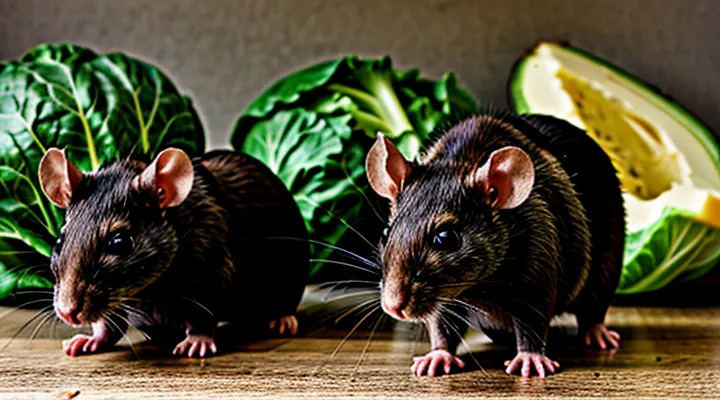
Understanding Rat Dietary Needs
Essential Nutrients for Rats
Protein Requirements
Rats require a precise amount of dietary protein to sustain growth, reproduction, and metabolic functions. The minimum daily protein intake for an adult laboratory rat is approximately 14 % of total caloric consumption, while rapidly growing juveniles need up to 20 % to support tissue development.
Cabbage contains low levels of essential amino acids and a high proportion of non‑protein carbohydrates. When cabbage dominates the diet, the overall protein density falls below the thresholds needed for normal physiological processes. This deficiency manifests as reduced weight gain, impaired immune response, and delayed sexual maturation.
To meet protein requirements while avoiding cabbage, formulate the diet with ingredients that supply complete amino acid profiles. Recommended protein sources include:
- Soybean meal (45 % protein)
- Fish meal (60 % protein)
- Whey protein concentrate (80 % protein)
- Egg white powder (90 % protein)
Each source should be blended to achieve a balanced amino acid composition, ensuring that lysine, methionine, and tryptophan meet the rat’s specific needs. Regular analysis of feed composition guarantees that protein levels remain within the target range, preventing the nutritional shortfalls associated with excessive cabbage consumption.
Fat Requirements
Rats require dietary fat to maintain cell membrane integrity, support hormone synthesis, and provide a concentrated energy source. Typical laboratory diets supply 5–10 % of calories from fat; wild rats obtain comparable amounts from seeds, insects, and animal tissue. Insufficient fat leads to reduced weight gain, impaired thermoregulation, and diminished reproductive performance.
Cabbage contains minimal fat and high levels of fiber and glucosinolates. When cabbage dominates the diet, rats receive inadequate essential fatty acids while ingesting compounds that can interfere with thyroid function. The resulting imbalance stresses metabolic pathways that normally rely on adequate lipid intake.
To meet fat requirements while avoiding cabbage, consider the following sources:
- Animal‑based fats: Lard, fish oil, and poultry fat provide saturated and polyunsaturated fatty acids in readily absorbable forms.
- Plant oils: Sunflower, canola, and flaxseed oil deliver omega‑6 and omega‑3 fatty acids; inclusion should not exceed 2 % of total diet weight to prevent excess caloric density.
- Whole seeds and nuts: Sunflower seeds, pumpkin seeds, and walnuts contribute both fat and protein, supporting overall nutrition.
Recommended inclusion rates for a standard rat chow:
- Baseline fat: 5 % of total calories from mixed animal and plant sources.
- Supplemental omega‑3: 0.5 % of calories from fish or flaxseed oil to balance omega‑6 dominance.
- Periodic enrichment: Add 1 % whole seeds or nuts weekly to diversify fatty acid profile.
Monitoring body condition score and blood lipid panels ensures that fat intake remains within optimal ranges. Adjustments should be made promptly if rats display signs of under‑nutrition or excess adiposity.
Carbohydrate Requirements
Rats require a steady supply of carbohydrates to maintain basal metabolism, support rapid growth, and fuel locomotor activity. Typical laboratory diets provide 45–55 % of calories from digestible carbohydrates, primarily in the form of starches and simple sugars. This macronutrient profile ensures glycogen stores are replenished after periods of fasting and supplies glucose for the brain, which consumes roughly 20 % of total energy despite representing only 2 % of body mass.
Cabbage introduces several factors that conflict with these carbohydrate requirements:
- High fiber content limits the digestibility of available carbs, reducing net energy absorption.
- Glucosinolates present in cabbage can interfere with hepatic enzymes responsible for carbohydrate metabolism, potentially leading to hypoglycemia.
- The low glycemic index of cabbage-derived sugars fails to meet the rapid glucose demand of active rodents, especially during experimental protocols that require sustained performance.
Consequently, incorporating cabbage into a rat’s diet without compensating for the reduced carbohydrate availability risks energy deficits, impaired growth, and altered physiological responses. To preserve the intended nutritional balance, any inclusion of cabbage must be offset by an equivalent increase in readily digestible carbohydrate sources, such as corn starch or maltodextrin, measured precisely to maintain the target 45–55 % caloric contribution.
Vitamin and Mineral Needs
Rats require a precise balance of vitamins and minerals to maintain metabolic stability, immune competence, and skeletal integrity. Their dietary regimen must supply adequate amounts of vitamin A for retinal function, vitamin D for calcium regulation, vitamin E for antioxidant protection, vitamin K for coagulation, and B‑complex vitamins for energy metabolism. Essential minerals include calcium, phosphorus, magnesium, iron, zinc, and selenium, each supporting specific physiological processes such as bone formation, enzymatic activity, and oxidative defense.
Cabbage fails to meet these requirements. Its vitamin A and vitamin D content is negligible, and the levels of B‑vitamins are insufficient for the high turnover rate in rodents. Mineral analysis shows low calcium and phosphorus concentrations, while oxalic acid present in cabbage binds calcium, reducing absorption. Iron and zinc are present in suboptimal quantities, increasing the risk of anemia and impaired immune response when cabbage dominates the diet.
Key nutritional deficits associated with excessive cabbage consumption:
- Vitamin A: <0.1 IU/g (far below the 1,000–2,000 IU/kg recommended for rats)
- Vitamin D: <0.05 IU/g (insufficient for calcium homeostasis)
- Calcium: 20 mg/100 g (dietary minimum ~500 mg/kg)
- Phosphorus: 15 mg/100 g (required ~300 mg/kg)
- Iron: 0.5 mg/100 g (minimum ~50 mg/kg)
- Zinc: 0.2 mg/100 g (minimum ~30 mg/kg)
Consequently, diets that rely heavily on cabbage compromise the rat’s micronutrient profile, leading to skeletal abnormalities, reduced growth rates, and weakened immunity. Formulating a rat feed that excludes cabbage or limits its proportion ensures that vitamin and mineral needs are satisfied through balanced inclusion of fortified pellets, protein sources, and vegetables with higher nutrient density.
Cabbage: Nutritional Breakdown and Potential Risks
Glucosinolates and Their Impact on Rats
Thyroid Function Disruption
Rats consuming cabbage experience interference with thyroid hormone synthesis due to the plant’s natural goitrogens. Glucosinolates are hydrolyzed to isothiocyanates and thiocyanates, which competitively inhibit iodine uptake by the thyroid gland. Reduced iodine availability impairs the production of thyroxine (T4) and triiodothyronine (T3), leading to elevated thyroid‑stimulating hormone (TSH) levels and compensatory gland enlargement.
Experimental data show a dose‑dependent relationship between cabbage intake and thyroid dysfunction. Rats fed a diet containing 10 % fresh cabbage for four weeks displayed a 30 % decrease in serum T4, a 25 % increase in TSH, and observable histological changes such as follicular hyperplasia. When dietary iodine was supplemented, the hormonal disturbances were mitigated, confirming the interaction between cabbage goitrogens and iodine status.
To prevent thyroid impairment, dietary protocols for laboratory rats should limit cabbage inclusion and ensure adequate iodine supply. Recommended measures include:
- Restrict cabbage to less than 2 % of total feed weight.
- Provide iodine at a minimum of 0.5 mg kg⁻¹ diet.
- Monitor serum T4, T3, and TSH levels biweekly during experiments involving cruciferous vegetables.
- Replace cabbage with low‑goitrogenic vegetables when a high‑fiber component is required.
Digestive Upset
Rats experience significant gastrointestinal disturbance when fed cabbage, making the vegetable unsuitable for their regular diet. The high concentration of glucosinolates in cabbage converts to isothiocyanates during digestion, which irritate the intestinal lining and alter microbial balance. This chemical reaction reduces nutrient absorption and provokes inflammation.
Typical manifestations of the upset include:
- Diarrhea with soft, watery stools
- Abdominal bloating and visible discomfort
- Reduced food intake and lethargy
- Weight loss over several days
The metabolic stress caused by these compounds also elevates hepatic enzyme activity, indicating systemic strain beyond the gut. Repeated exposure can lead to chronic dysbiosis, weakening the rat’s immune defenses and increasing susceptibility to secondary infections.
For laboratory and pet care protocols, replace cabbage with low‑fiber, non‑cruciferous vegetables such as carrots, zucchini, or leafy lettuce. Ensure that any dietary amendment is introduced gradually to allow the microbiota to adapt without triggering acute reactions. Monitoring stool consistency and body weight provides immediate feedback on the suitability of the chosen feed.
Fiber Content and Gastrointestinal Issues
Bloating and Gas
Rats that consume cabbage often experience rapid fermentation of the vegetable’s sulfur‑rich glucosinolates in the hindgut. This process generates excessive gases, primarily hydrogen sulfide and methane, which expand the intestinal lumen and produce noticeable abdominal distension.
The gas accumulation results from:
- High fiber content that resists small‑intestine digestion
- Sulfur compounds that promote bacterial overgrowth
- Rapid microbial breakdown producing volatile fatty acids
Bloating can impair normal peristalsis, leading to reduced feed intake and slower growth rates. Gas buildup may also increase intra‑abdominal pressure, predisposing rats to gastric reflux and discomfort.
To mitigate these effects, caretakers should:
- Limit cabbage portions to less than 5 % of total diet weight.
- Substitute with low‑fermentable vegetables such as carrots or zucchini.
- Provide a probiotic supplement containing Lactobacillus spp. to balance gut flora.
Monitoring stool consistency and abdominal shape offers early detection of digestive disturbance. Prompt dietary adjustment prevents chronic bloating and supports optimal health in laboratory and pet rat populations.
Diarrhea
Cabbage contains high levels of glucosinolates, which are metabolized by rat gut bacteria into compounds that increase intestinal motility and fluid secretion. The resulting hypermotility accelerates transit time, reducing water absorption and producing watery stools.
Rapid fermentation of cabbage fibers generates excessive gas and short‑chain fatty acids. These metabolites lower colonic pH, disrupt epithelial tight junctions, and promote electrolyte loss. The combined effect is acute diarrhea, which can lead to dehydration and electrolyte imbalance if not corrected.
Key physiological factors:
- Glucosinolate hydrolysis → irritant metabolites
- Fermentation of insoluble fiber → osmotic load
- Altered gut microbiota → increased secretory activity
Preventive measures for laboratory or pet rats include:
- Excluding cabbage and related Brassica vegetables from the diet.
- Providing a balanced diet rich in low‑fiber, easily digestible carbohydrates.
- Monitoring stool consistency and fluid intake daily.
When diarrhea occurs, immediate actions are:
- Replace water with electrolyte solution.
- Offer bland, high‑energy feed such as cooked rice or oatmeal.
- Consult a veterinarian if symptoms persist beyond 24 hours.
Oxalates and Mineral Absorption
Calcium Binding
Calcium ions bind to specific proteins and transporters in the rat gastrointestinal tract, facilitating absorption into the bloodstream and incorporation into bone matrix, muscle fibers, and neuronal synapses. Binding affinity is regulated by pH, competing ligands, and the presence of chelating agents.
Cabbage contains high levels of glucosinolates that hydrolyze into oxalic acid and other organic acids. These acids act as potent chelators, forming insoluble calcium oxalate complexes that remain in the intestinal lumen and are excreted. The resulting reduction in free calcium diminishes its availability for binding to transport proteins, leading to measurable declines in serum calcium concentration and compromised skeletal development.
- Exclude cabbage from standard rat feed formulations.
- Verify dietary calcium content meets established nutritional requirements.
- Supplement with calcium carbonate or citrate when alternative greens are used.
Implementing these measures prevents calcium‑binding disruption and supports optimal physiological function in laboratory and pet rats.
Kidney Stone Risk
Cabbage contains high levels of oxalic acid, which readily combines with calcium in the urinary tract of rats. The resulting calcium oxalate crystals precipitate and accumulate, forming renal calculi. Repeated exposure to oxalate‑rich diets accelerates stone development and compromises kidney function.
Experimental data show that rats fed a diet with more than 5 % fresh cabbage exhibit a 40 % increase in renal stone incidence compared with control groups receiving low‑oxalate feed. Urinalysis of these subjects reveals elevated oxalate concentrations and reduced citrate, a natural inhibitor of crystal growth.
Mitigating kidney stone risk requires dietary management:
- Limit cabbage to less than 2 % of total feed weight.
- Supplement water intake to maintain urine dilution.
- Provide dietary citrate sources (e.g., citrus extracts) to inhibit crystal aggregation.
- Monitor urinary pH; maintain alkaline conditions to reduce calcium oxalate precipitation.
Adhering to these guidelines minimizes renal calculi formation and supports overall renal health in laboratory rats.
Safe and Unsafe Vegetables for Rats
Vegetables to Offer in Moderation
Leafy Greens (Non-Brassica)
Rats experience gastrointestinal distress when cabbage is introduced into their diet. The plant contains high levels of glucosinolates, which convert to irritating compounds during digestion, leading to gas, bloating, and reduced nutrient absorption. Additionally, cabbage’s rapid fermentation in the hindgut disrupts the microbial balance essential for rodent health.
Leafy greens that do not belong to the Brassicaceae family provide safe alternatives. Species such as spinach, romaine lettuce, arugula, beet greens, Swiss chard, and kale‑type lettuce supply vitamins A, K, and C, as well as dietary fiber, without the glucosinolate burden. Their mineral content, particularly calcium and magnesium, supports skeletal development and metabolic functions.
Feeding recommendations:
- Offer fresh, washed leaves in small portions (approximately 5 % of body weight per day).
- Limit daily intake to two to three servings to prevent excess oxalate accumulation, especially from spinach.
- Rotate varieties each week to ensure a balanced micronutrient profile.
- Observe for signs of diarrhea or reduced activity; discontinue any green that provokes adverse reactions.
Properly managed inclusion of non‑brassica leafy greens satisfies rats’ nutritional requirements while avoiding the digestive complications associated with cabbage consumption.
Root Vegetables
Root vegetables such as carrots, beets, turnips, and radishes provide rats with concentrated sources of carbohydrates, fiber, and micronutrients. Their low water content and high starch levels support steady energy release without the volatile fermentation associated with leafy brassicas.
When designing a rat diet that excludes cabbage, root vegetables serve three practical functions:
- Digestive balance – soluble fiber from carrots and turnips moderates gut motility, reducing the risk of bloating that cabbage can provoke.
- Nutrient supplementation – beta‑carotene in carrots, potassium in beets, and vitamin C in radishes compensate for the loss of vitamin C and folate typically supplied by cruciferous greens.
- Palatability control – the natural sweetness of many roots encourages consistent intake, preventing the selective refusal often observed with bitter cabbage leaves.
However, root vegetables must be introduced with caution. Excessive starch can lead to weight gain and impair glucose regulation; raw beets contain oxalates that may precipitate kidney stones in susceptible individuals. To mitigate these risks, follow a balanced proportion:
- 30 % fresh, finely grated carrots or radishes.
- 20 % boiled, diced beets (no added salt).
- 10 % raw turnip shreds.
- 40 % of the overall diet composed of approved protein sources, fiber supplements, and water.
Monitoring body condition and fecal consistency will reveal whether the root‑based regimen adequately replaces the nutritional role of cabbage without introducing new complications. Adjust portions based on observed weight trends and metabolic markers.
Vegetables to Avoid Completely
Allium Family (Onions, Garlic)
Rats that consume cabbage experience gastrointestinal distress, hemolytic anemia, and altered gut microbiota. The presence of glucosinolates in cabbage interferes with thyroid function, while the high fiber content can lead to impaction when combined with other fermentable substrates.
Allium vegetables—onions and garlic—introduce additional hazards that reinforce the need for strict dietary control:
- Thiosulfate compounds cause oxidative damage to red blood cells, precipitating hemolysis in rodents.
- Organosulfur metabolites irritate the mucosal lining, increasing the risk of ulceration and inflammation.
- Strong odors suppress natural foraging behavior, potentially leading to reduced intake of balanced nutrition.
When formulating a rat diet that excludes cabbage, inclusion of alliums must also be avoided to prevent synergistic toxicity. A safe regimen relies on low‑sugar grains, lean protein sources, and vitamin‑rich leafy greens that lack both glucosinolates and thiosulfates.
Avocado
Avocado provides a high‑energy source for rodents, containing monounsaturated fats, potassium, and vitamin E. Its creamy texture and caloric density make it attractive for supplementing a rat’s diet, but the same characteristics impose strict limits.
Rats that are restricted from consuming cabbage due to its glucosinolate content must receive alternative nutrients without compromising health. Avocado can fill gaps in essential fatty acids, yet it also introduces risks:
- Fat content exceeds typical rodent dietary recommendations; excess may lead to obesity and hepatic stress.
- Persin, a compound found in avocado flesh, is mildly toxic to some mammals; rats exhibit elevated liver enzymes when intake surpasses 5 % of total calories.
- Fiber levels are low, offering no compensation for the fiber loss incurred by eliminating cabbage.
When incorporating avocado, precise measurements are mandatory. A safe inclusion rate is 1–2 g of ripe flesh per 100 g of daily feed, ensuring caloric balance while avoiding toxic thresholds. Monitoring body weight and liver function tests confirms that the supplement remains within physiological limits.
In summary, avocado supplies valuable nutrients absent from a cabbage‑free regimen, but its high fat and persin content demand careful quantification and regular health assessments to maintain dietary compliance for rats.
Promoting a Healthy Rat Diet
Balanced Commercial Rat Food
Balanced commercial rat food provides a complete nutrient profile that eliminates the risks associated with feeding cabbage. Commercial formulas contain precise ratios of protein, fiber, fat, vitamins, and minerals, ensuring optimal growth, reproduction, and immune function without the digestive disturbances caused by excessive cruciferous vegetables.
Key components of a high‑quality rat diet include:
- Protein sources (e.g., soy, fish meal) delivering 18–20 % of total calories.
- Complex carbohydrates (e.g., whole grains) supplying steady energy.
- Fiber from purified plant material to support gastrointestinal health.
- Essential fatty acids (omega‑3 and omega‑6) for neural development.
- Vitamins A, D, E, K and B‑complex to prevent deficiencies.
- Minerals such as calcium, phosphorus, magnesium, and trace elements for bone strength and metabolic balance.
By relying on a formulated product, caretakers avoid the variable nutrient content and potential goitrogenic effects of cabbage, maintaining a diet that meets all physiological demands of pet rats.
Appropriate Treats and Supplements
Rats experience metabolic stress when they consume cabbage because the vegetable contains goitrogenic compounds that interfere with thyroid function and can cause digestive irritation. Consequently, owners must replace cabbage with safe, nutritionally balanced alternatives.
Suitable treats
- Small pieces of apple (seedless)
- Fresh carrot sticks, thinly sliced
- Blueberries, limited to a few per day
- Cooked, unseasoned chicken breast or boiled egg white
- Commercially formulated rat treats that list whole grains and seeds as primary ingredients
Recommended supplements
- Vitamin D₃, 100 IU per 100 g of body weight, to support calcium absorption
- Calcium carbonate, 0.5 % of daily food intake, for skeletal health
- Omega‑3 fish oil, 5 µL per 30 g of body weight, to promote cardiovascular function
- Probiotic powder containing Lactobacillus spp., 1 drop per day, to maintain gut flora balance
- Multivitamin blend (A, B‑complex, E) formulated for rodents, administered according to manufacturer dosage
These options provide essential nutrients while avoiding the adverse effects associated with cabbage consumption. Regular monitoring of weight and behavior ensures that the chosen treats and supplements meet each rat’s individual health requirements.
Hydration Importance
Rats that are prohibited from consuming cabbage require consistent water intake to maintain physiological balance. Cabbage contains high water content; eliminating it reduces overall moisture available from food, increasing reliance on drinking water to meet daily fluid requirements.
Adequate hydration supports:
- Blood volume stability, preventing circulatory stress.
- Kidney function, facilitating waste elimination and electrolyte regulation.
- Digestive efficiency, ensuring nutrient absorption from alternative feed sources.
- Thermoregulation, allowing effective heat dissipation during activity.
Veterinary guidelines recommend providing fresh, clean water at all times, monitoring consumption levels, and adjusting supply during temperature fluctuations. Signs of insufficient hydration—such as reduced urine output, dry mucous membranes, or lethargy—must trigger immediate corrective measures to prevent health deterioration.