
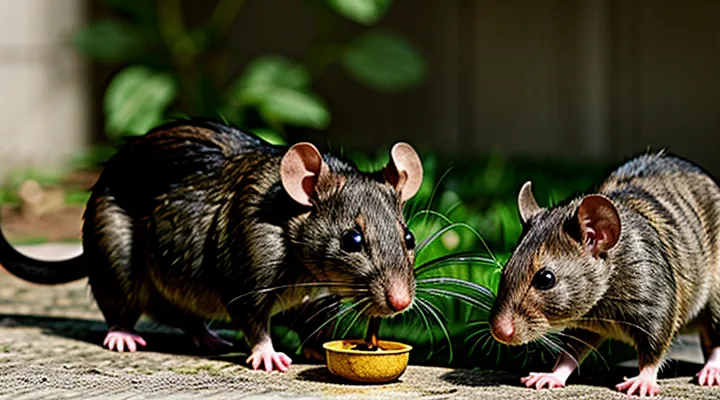
The Nutritional Value of Honey
Carbohydrates and Sugars in Honey
Honey consists primarily of carbohydrates, accounting for roughly 80 % of its dry weight. The carbohydrate fraction is dominated by simple sugars: fructose typically represents 38 % of honey, glucose about 31 %, while the remaining 10–12 % includes sucrose, maltose, and small amounts of oligosaccharides. Minor polysaccharides, such as dextrins, contribute less than 1 % of the total composition.
The high proportion of monosaccharides gives honey a rapid absorption profile. Fructose is metabolized primarily in the liver, bypassing the insulin‑dependent pathways that glucose engages. Glucose, by contrast, triggers an immediate insulin response, supplying energy to peripheral tissues. The combined effect yields a glycemic index ranging from 45 to 65, depending on floral source and processing.
When evaluating honey as a dietary component for rodents, the carbohydrate load must be balanced against the animal’s total caloric intake. An average laboratory rat consumes approximately 15 g of food per day; a single teaspoon (≈5 g) of honey adds about 15 kcal, representing 10 % of the daily energy requirement. This supplemental energy can influence body weight, glucose regulation, and gut microbiota composition.
Key considerations for including honey in a rat’s diet:
- Energy density: 3 kcal g⁻¹, substantially higher than standard grain‑based feeds.
- Sugar profile: predominance of fructose (≈38 %) and glucose (≈31 %).
- Glycemic impact: moderate index; rapid glucose rise followed by fructose‑driven hepatic processing.
- Potential risks: excessive intake may lead to hyperglycemia, obesity, or dental decay.
Accurate formulation of a rodent diet that incorporates honey requires calculation of the total carbohydrate percentage to ensure it remains within the recommended 45–55 % of total calories. Adjustments to other feed components, such as reducing starch or sucrose sources, prevent oversupply of simple sugars while maintaining nutritional balance.
Vitamins and Minerals in Honey
Honey supplies a modest spectrum of micronutrients. Per 100 g, it contains vitamin C (0.5 mg), thiamine B1 (0.01 mg), riboflavin B2 (0.02 mg), pyridoxine B6 (0.01 mg), and niacin B3 (0.1 mg). The same portion provides trace amounts of folate and pantothenic acid, each below 0.1 mg.
Mineral content includes calcium (6 mg), iron (0.4 mg), potassium (52 mg), magnesium (2 mg), sodium (4 mg), zinc (0.1 mg), and copper (0.04 mg). These values reflect typical floral honey; variations occur with source and processing.
Rats require specific levels of vitamins and minerals for growth and metabolic function. The micronutrients present in honey contribute only a fraction of daily requirements. For example, adult rats need approximately 1 mg of vitamin C per kilogram of body weight, far exceeding honey’s contribution. Similarly, calcium and iron requirements surpass what honey can supply without additional sources.
Consequently, honey may serve as an occasional supplement for micronutrients but cannot replace a balanced rodent diet. The high carbohydrate load—approximately 82 g of sugars per 100 g—poses a risk of hyperglycemia and obesity if offered regularly. A safe practice limits honey to no more than 1 g per kilogram of body weight per week, ensuring micronutrient benefit without compromising metabolic health.
Antioxidant Properties
Honey contains a complex mixture of flavonoids, phenolic acids, and enzymes that act as free‑radical scavengers. In rodent studies, these compounds lower levels of malondialdehyde (MDA) and elevate activities of superoxide dismutase (SOD) and glutathione peroxidase (GPx). The result is a measurable reduction in oxidative stress markers.
When rats receive honey as part of their diet, the antioxidant effect appears dose‑dependent. Typical experimental protocols use 5–10 % honey in drinking water or feed, producing:
- Decreased lipid peroxidation in liver and brain tissue.
- Enhanced antioxidant enzyme expression in serum.
- Improved recovery from chemically induced oxidative injury.
The benefits are most pronounced in models of metabolic syndrome, neurodegeneration, and cardiovascular dysfunction. Honey’s capacity to donate electrons stabilizes reactive oxygen species, protecting cellular membranes and DNA from damage.
Potential drawbacks include elevated caloric intake and glycemic load, which can exacerbate hyperglycemia in susceptible animals. To balance antioxidant gains against sugar exposure, researchers limit honey supplementation to short‑term periods or combine it with fiber‑rich diets that attenuate glucose spikes.
In summary, honey provides a natural source of antioxidants that can mitigate oxidative damage in rats, provided that dosage and overall energy balance are carefully managed.
Potential Benefits of Honey for Rats
Energy Boost
Honey consists primarily of glucose and fructose, rapidly absorbed carbohydrates that increase blood glucose within minutes. In rats, these sugars enter the glycolytic pathway, providing immediate ATP for muscular activity and thermoregulation. Laboratory measurements show a 20‑30 % rise in plasma glucose after a single 0.5 g dose of honey, comparable to pure sucrose solutions.
Research on rodent metabolism indicates that short‑term honey supplementation can elevate locomotor endurance and improve performance in maze trials. The energy boost stems from:
- Quick digestion of simple sugars
- Presence of trace vitamins (B‑complex) that support oxidative phosphorylation
- Antioxidant compounds (flavonoids) that mitigate exercise‑induced oxidative stress
Potential drawbacks include excessive caloric intake, rapid weight gain, and heightened risk of dental plaque formation. Rats prone to insulin resistance may experience prolonged hyperglycemia, which can impair long‑term health.
For controlled energy enhancement, administer honey in quantities not exceeding 1 % of daily caloric intake (approximately 0.2 g per 100 g body weight). Monitor body weight, blood glucose, and dental condition weekly. Adjust dosage or discontinue if adverse trends appear.
Wound Healing Properties
Honey exhibits several biologically active properties that support tissue repair in rodents. Its high sugar concentration creates an osmotic gradient that draws fluid from the wound bed, reducing edema and limiting bacterial proliferation. The low pH (typically between 3.2 and 4.5) inhibits the growth of many pathogenic microorganisms, including Staphylococcus aureus and Pseudomonas aeruginosa.
Key mechanisms contributing to accelerated healing include:
- Antimicrobial action – hydrogen peroxide released enzymatically, along with methylglyoxal in certain varieties, provides broad-spectrum bactericidal activity.
- Anti‑inflammatory effect – flavonoids and phenolic acids suppress pro‑inflammatory cytokines, decreasing local swelling and pain.
- Antioxidant capacity – vitamin C, catalase, and other antioxidants neutralize reactive oxygen species, protecting cells from oxidative damage.
- Stimulation of granulation tissue – osmotic stress promotes fibroblast migration and collagen synthesis, leading to faster wound closure.
- Moisture retention – viscous consistency maintains a moist environment, which is essential for epithelialization.
Experimental studies on laboratory rats demonstrate that topical application of sterilized honey reduces healing time by 20–30 % compared with saline dressings. Dosage recommendations typically involve applying a thin layer (approximately 0.5 mm thickness) to the wound surface once or twice daily, followed by a non‑adhesive covering to prevent contamination.
Safety considerations include confirming the honey is medical‑grade and free of spores that could cause botulism. Systemic ingestion of honey by adult rats does not impair wound repair and may provide additional nutritional benefits, provided the amount does not exceed 5 % of daily caloric intake to avoid excessive carbohydrate load.
Overall, honey’s multifaceted bioactivity makes it a viable adjunct for managing cutaneous injuries in rat models, supporting faster and cleaner tissue regeneration.
Potential for Respiratory Relief
Honey possesses antimicrobial and mucolytic compounds that can influence airway conditions in rodents. Studies using murine models report reduced bronchial inflammation and decreased mucus thickness after oral honey administration, attributed to flavonoids and phenolic acids that modulate cytokine release and enhance ciliary activity.
Experimental protocols typically employ honey concentrations of 2–5 % (w/v) in drinking water or single oral gavage doses of 0.1–0.5 ml per 100 g body weight. Solutions should be filtered and stored at 4 °C to prevent bacterial growth. Adjustments may be required for strains with altered glucose metabolism to avoid hyperglycemia.
Potential adverse effects include:
- Allergic sensitization, observable as respiratory distress or dermal erythema.
- Excess caloric intake leading to weight gain and metabolic imbalance.
- Contamination with Clostridium spores if unprocessed honey is used.
When integrating honey into respiratory‑relief research, follow these steps:
- Verify honey sterility and sugar profile before use.
- Establish a control group receiving an isocaloric, non‑honey solution.
- Monitor respiratory rate, airway resistance, and inflammatory markers throughout the study.
- Document any adverse reactions and adjust dosage accordingly.
Properly controlled administration of honey can provide measurable respiratory benefits in rat models while minimizing health risks.
Risks and Concerns of Feeding Honey to Rats
High Sugar Content and Diabetes Risk
Honey contains approximately 80 % simple sugars, primarily fructose and glucose. When rats consume honey, their blood glucose rises rapidly, mirroring the response to pure sucrose solutions. Persistent elevation of post‑prandial glucose imposes stress on pancreatic β‑cells, which may accelerate the onset of insulin resistance.
Key health implications for rodents include:
- Increased fasting blood glucose levels within days of regular honey intake.
- Elevated glycated hemoglobin (HbA1c) after several weeks, indicating chronic hyperglycemia.
- Development of impaired glucose tolerance tests, a precursor to type 2 diabetes.
- Higher incidence of adipose tissue accumulation, compounding insulin resistance.
Experimental data suggest that even modest honey supplementation (5–10 % of daily caloric intake) can shift metabolic markers toward a diabetic profile. Researchers recommend limiting or avoiding honey in rat diets, especially when studying metabolic disorders or when the subjects have a predisposition to glucose intolerance.
Digestive Issues and Diarrhea
Honey is a high‑sugar, low‑fiber food that can overwhelm a rat’s gastrointestinal system. Excessive simple sugars accelerate intestinal motility, reduce water absorption, and create an environment conducive to bacterial overgrowth. The result is often loose stools or watery diarrhea, which can quickly lead to dehydration because rats have a small body mass and limited fluid reserves.
Typical signs of honey‑induced digestive disturbance include:
- Frequent, unformed feces
- Moisture on the cage floor or bedding
- Reduced activity and weight loss
- Increased thirst or lethargy
If diarrhea appears after introducing honey, discontinue the treat immediately, provide fresh water, and monitor body condition. In severe cases, a veterinarian may prescribe electrolyte solutions or probiotics to restore gut balance. Preventive measures involve limiting honey to occasional, minute quantities—no more than a pinch per week—and ensuring the overall diet remains high in fiber and low in simple sugars.
Allergic Reactions
Honey contains pollen, proteins, and sugars that can trigger immune responses in rodents. When honey is introduced into a rat’s diet, the animal may develop an allergic reaction similar to those observed in other mammals. Recognizing and managing these reactions is essential for any researcher or caretaker who considers honey as a treat or experimental supplement.
Allergic responses in rats fall into two principal categories:
- Immediate‑type (IgE‑mediated) reactions: rapid onset, typically within minutes, characterized by facial swelling, eyelid edema, respiratory distress, and urticaria.
- Delayed‑type (cell‑mediated) reactions: appear 24–72 hours after exposure, presenting as skin erythema, alopecia, or gastrointestinal inflammation.
Key indicators of a honey‑induced allergy include:
- Sudden scratching or grooming of the face and ears
- Nasal discharge or wheezing
- Reduced activity or lethargy
- Diarrhea or vomiting
- Visible swelling around the muzzle or paws
Laboratory confirmation involves:
- Serum IgE quantification specific to honey proteins.
- Skin prick testing with diluted honey solution.
- Histopathological examination of affected tissues for eosinophilic infiltration.
Preventive measures:
- Conduct a preliminary tolerance trial with a minimal honey dose (e.g., 0.1 ml) and observe for 48 hours.
- Use pollen‑free or filtered honey to reduce antigenic load.
- Maintain a detailed feeding log to correlate symptoms with honey administration.
If an allergic reaction occurs, immediate intervention includes:
- Discontinuation of honey intake.
- Administration of antihistamines (e.g., diphenhydramine) at 10 mg/kg subcutaneously.
- For severe respiratory compromise, provide supplemental oxygen and consider corticosteroid therapy (e.g., dexamethasone 0.5 mg/kg intramuscularly).
Long‑term management may require complete avoidance of honey and related bee products. Documentation of the reaction contributes to the broader understanding of rodent immunology and informs safe dietary practices in laboratory and pet settings.
Bacterial Contamination: Botulism Spores
Honey poses a specific microbiological hazard for rodents because it can contain spores of Clostridium botulinum. These spores survive the acidic and low‑water environment of honey and remain dormant until ingested by an animal with a gastrointestinal tract that supports germination. In rats, the low acidity of the stomach and the presence of suitable anaerobic conditions in the large intestine allow the spores to activate, producing botulinum toxin that can cause flaccid paralysis, respiratory failure, and death.
Risk factors include:
- Unprocessed or raw honey, which lacks heat treatment that destroys spores.
- Feeding honey to young or immunocompromised rats, whose gut flora may be less able to inhibit spore germination.
- Storing honey at ambient temperature for extended periods, which does not reduce spore viability.
Mitigation strategies are straightforward. Commercially sterilized honey, subjected to pasteurization or gamma irradiation, eliminates viable spores and can be used safely in limited quantities. Alternatively, replace honey with a low‑sugar, pasteurized sweetener when a palatable additive is required.
In summary, unpasteurized honey carries a measurable risk of botulism spore contamination for rats. Safe practice demands either the use of sterilized honey or avoidance of honey altogether to prevent botulinum toxin exposure.
Safe Feeding Practices and Alternatives
Moderation and Portion Control
Honey can be included in a rat’s diet, but only in small, carefully measured amounts. Excess sugar may disrupt gut flora, lead to weight gain, and increase the risk of dental problems.
- Recommended portion: ¼ teaspoon (approximately 1 ml) of pure honey per 100 g of body weight, administered no more than twice a week.
- Frequency: Limit to 2–3 servings per month for adult rats; younger or smaller individuals should receive half the adult dose.
- Monitoring: Observe for signs of digestive upset, such as loose stools or reduced appetite, after each exposure.
When offering honey, dilute it with water or mix it into a standard food item to ensure even distribution and prevent overconsumption. Store honey in a sealed container at room temperature to maintain freshness and prevent mold growth.
Diluting Honey
Honey is a high‑sugar substance; offering it undiluted to rats can cause rapid spikes in blood glucose and increase the risk of obesity and dental decay. Dilution lowers the osmolarity, making the mixture safer for regular inclusion in a rodent diet.
Recommended dilution ratios:
- 1 part honey to 3 parts water (approximately 25 % honey by volume) for occasional treats.
- 1 part honey to 5 parts water (≈17 % honey) for daily supplementation.
- 1 part honey to 9 parts water (≈10 % honey) for long‑term feeding programs.
Lower concentrations reduce caloric load while preserving the antimicrobial and antioxidant properties of honey. Studies on small mammals indicate that a 10–20 % honey solution does not alter baseline glycemic levels, whereas concentrations above 30 % can impair glucose tolerance.
Preparation guidelines:
- Use sterile, lukewarm water to dissolve honey; avoid boiling, which degrades enzymes.
- Stir until the solution is uniform; let it cool to room temperature before offering.
- Store the diluted mixture in a sealed container at 4 °C; discard after 48 hours to prevent fermentation.
- Provide the solution in a small, clean bottle or dish; monitor intake to ensure it does not exceed 5 % of total daily caloric intake.
Implementing a controlled dilution protocol allows honey to serve as a palatable supplement without compromising metabolic health in laboratory or pet rats.
Alternatives to Honey
Fruits and Vegetables
Honey offers a high‑sugar content that can attract rats, but its nutritional balance differs markedly from that of fruits and vegetables. Unlike honey, fresh produce supplies fiber, vitamins, and minerals essential for rodent health while delivering modest natural sugars.
Rats tolerate small amounts of honey without immediate toxicity; however, honey carries a risk of containing Clostridium botulinum spores, which can cause botulism in young or immunocompromised animals. Fruits and vegetables present a lower microbial threat when washed properly and introduced gradually.
Suitable produce for rats includes:
- Apples (core removed, skin thinly sliced)
- Blueberries (whole, rinsed)
- Carrots (raw, grated)
- Peas (cooked, unsalted)
- Sweet potatoes (cooked, cooled, no added sugar)
When offering these items, follow a schedule of no more than 10 % of the total daily diet by weight, monitor for digestive upset, and replace any spoiled portions promptly. This approach provides a balanced source of carbohydrates and nutrients, reducing reliance on honey as a sweetener while maintaining overall dietary safety for rats.
Commercial Rat Treats
Commercial rat treats are formulated to meet the nutritional requirements of pet rats while providing palatable flavors. Manufacturers typically balance protein, fat, fiber, vitamins, and minerals to support growth, reproduction, and dental health. When evaluating treats that contain honey, several factors determine suitability.
- Honey contributes simple sugars, primarily fructose and glucose, which can supply quick energy but may disrupt the intended macronutrient ratio.
- Excessive sugar can lead to obesity, dental decay, and gastrointestinal upset in rats, especially if the overall diet already includes carbohydrate‑rich components.
- Commercial products must comply with pet food safety standards; approved ingredients undergo testing for contaminants such as pesticides and bacterial spores.
- Labeling regulations require manufacturers to disclose the percentage of honey or other sweeteners, enabling owners to assess total sugar intake.
Treats that list honey as a minor ingredient (typically under 5 % of the formulation) generally pose minimal risk when offered occasionally and as part of a balanced diet. Products that feature honey as a primary component often lack sufficient protein and fiber, making them unsuitable for regular feeding.
Veterinarians recommend limiting treat calories to no more than 10 % of a rat’s daily energy intake. For a typical adult rat consuming 15–20 g of standard feed, this translates to 1.5–2 g of treat per day. Selecting treats with transparent ingredient lists, low added sugars, and adequate levels of essential nutrients ensures that occasional honey‑flavored snacks do not compromise health.
Expert Opinions and Veterinary Advice
Veterinarian Recommendations
Veterinarians advise that honey can be offered to rats only in very limited amounts and under specific conditions. The high sugar content poses a risk of obesity, dental decay, and gastrointestinal upset, especially in young or overweight animals.
Key factors to assess before providing honey:
- Age: juvenile rats lack fully developed digestive enzymes for simple sugars.
- Health status: rats with diabetes, obesity, or dental problems should not receive honey.
- Quantity: a maximum of ¼ teaspoon (about 1 g) per week for an adult rat, divided into tiny portions.
- Frequency: occasional treat, not a regular dietary component.
If honey is introduced, monitor the rat for signs of diarrhea, weight gain, or reduced activity. Discontinue use immediately if adverse reactions appear. For balanced nutrition, prioritize species‑appropriate pellets, fresh vegetables, and occasional protein sources.
Research on Rat Diet and Nutrition
Rats require a balanced diet that supplies protein, essential fatty acids, vitamins, and minerals. Commercial rodent pellets are formulated to meet these nutritional standards, providing consistent energy and nutrient ratios. Supplementary foods are acceptable only when they complement, not replace, the primary diet.
Honey consists primarily of simple sugars—fructose and glucose—along with trace amounts of vitamins, minerals, and antioxidants. Its high glycemic index can cause rapid blood‑sugar spikes in rodents, and its hygroscopic nature promotes bacterial growth if not stored properly. Moreover, unprocessed honey may contain spores of Clostridium botulinum, a pathogen that can affect young or immunocompromised rats.
Scientific studies on rodent nutrition have examined honey as a caloric additive. Experiments with laboratory rats showed that modest honey inclusion (≤5 % of total caloric intake) did not produce adverse weight gain or organ pathology over eight weeks. Higher concentrations (≥10 % of calories) correlated with increased adiposity, elevated serum triglycerides, and occasional gastrointestinal disturbances. No evidence indicated antimicrobial benefits at the levels tested.
Guidelines for offering honey to pet or research rats:
- Limit honey to a maximum of 1 teaspoon per week for an adult rat weighing 250–300 g.
- Use pasteurized, sterile honey to reduce the risk of bacterial contamination.
- Introduce honey gradually and monitor for changes in body weight, stool consistency, and activity levels.
- Avoid honey for juveniles, pregnant females, or rats with known metabolic disorders.
Overall, honey can be included as an occasional treat when administered sparingly and with attention to hygiene, but it should never replace the nutritionally complete base diet required for rat health.
Observing Your Rat After Feeding Honey
Signs of Adverse Reactions
Honey is a natural, high‑sugar food that some owners offer to pet rats as an occasional treat. Its composition can provoke digestive upset, allergic responses, or metabolic disturbances in these small mammals.
Typical indicators of a negative reaction include
- Diarrhea or loose stools, often with a watery consistency
- Vomiting or regurgitation shortly after ingestion
- Swelling of the face, ears, or paws, suggesting an allergic response
- Excessive scratching, licking, or biting at the skin, indicating irritation
- Lethargy, reduced activity, or loss of appetite
- Rapid, shallow breathing or panting, which may signal distress
- Elevated heart rate detectable by palpation or observation of rapid chest movements
- Unexplained weight loss over a short period
If any of these signs appear, discontinue honey immediately and consult a veterinarian experienced with rodents. Monitoring should continue for at least 24 hours after the last exposure to assess recovery or progression. Prompt veterinary intervention can prevent complications such as dehydration, hypoglycemia, or severe allergic shock.
When to Consult a Vet
Honey is a high‑sugar food that can be offered to pet rats in very small amounts, but it may trigger health problems. Recognizing when professional care is required prevents complications and protects the animal’s welfare.
Consult a veterinarian if any of the following occur after a rat consumes honey:
- Persistent vomiting or diarrhea lasting more than a few hours.
- Lethargy, uncoordinated movement, or loss of balance.
- Rapid weight loss or inability to maintain normal body condition.
- Signs of allergic reaction, such as swelling around the face, hives, or difficulty breathing.
- Excessive thirst or urination, indicating possible hyperglycemia or kidney strain.
- Visible distress, including excessive scratching, biting at the mouth, or drooling.
Even in the absence of obvious symptoms, a veterinary check is advisable when a rat has ingested a quantity larger than a few drops, especially for individuals with known metabolic disorders, obesity, or a history of dental disease. Professional assessment can determine whether blood glucose, liver function, or gastrointestinal health have been affected and provide appropriate treatment.