
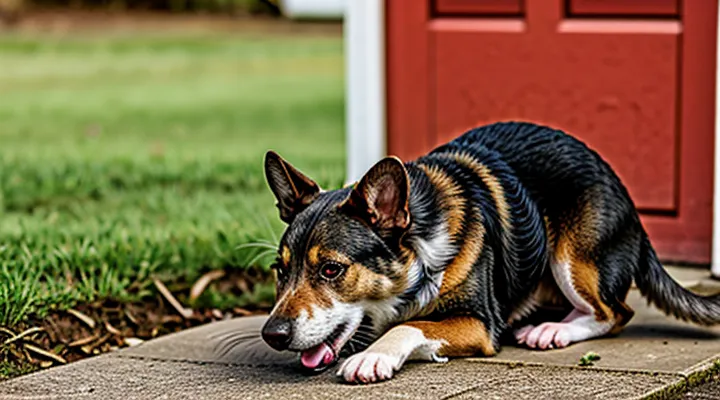
Immediate Actions After Ingestion
Assessing the Situation
Identifying Potential Dangers
When a canine ingests a deceased rodent, several health risks can arise. Recognizing these hazards allows prompt intervention and reduces the chance of serious complications.
- Bacterial contamination: dead mice often harbor Salmonella, E. coli, and other pathogens that can cause vomiting, diarrhea, and fever.
- Parasitic infection: rodents may carry tapeworms, roundworms, or Toxoplasma cysts, which can establish in the dog’s intestines and spread systemically.
- Toxic exposure: rodents sometimes consume poison, pesticides, or antifreeze; residual toxins remain in their tissues and may poison the dog.
- Mechanical obstruction: bone fragments or fur can lodge in the esophagus or intestines, leading to blockage, pain, and loss of appetite.
- Choking risk: a mouse’s skull or spine can become lodged in the airway, causing immediate respiratory distress.
Symptoms indicating a problem include persistent vomiting, watery or bloody stool, loss of appetite, abdominal pain, lethargy, coughing, or difficulty breathing. If any of these signs appear, veterinary evaluation is essential.
Early detection of the listed dangers guides appropriate treatment, such as antibiotics for bacterial infection, deworming medication for parasites, antidotes for specific toxins, or imaging to locate and remove an obstruction. Prompt action improves outcomes and protects the animal’s health.
Observing for Symptoms
When a dog ingests a deceased rodent, immediate observation for abnormal signs is critical. The animal’s condition can deteriorate quickly, so systematic monitoring saves time and reduces risk.
Key symptoms to watch include:
- Vomiting, especially if it contains blood or appears repeatedly.
- Diarrhea, notably watery, profuse, or tinged with blood.
- Lethargy or sudden loss of energy, reflected in prolonged rest or unwillingness to move.
- Excessive drooling or foaming at the mouth.
- Signs of abdominal pain, such as a tense belly, guarding behavior, or whimpering when touched.
- Fever, indicated by a temperature above 102.5 °F (39.2 °C) when measured rectally.
- Coughing, choking, or difficulty breathing, suggesting possible airway obstruction or infection.
If any of these manifestations appear, contact a veterinarian without delay. Even in the absence of overt signs, a follow‑up examination within 24 hours is advisable to rule out hidden complications like bacterial infection, parasitic infestation, or toxin exposure. Continuous observation for at least 48 hours after ingestion provides the best chance to detect delayed reactions and intervene promptly.
Contacting Your Veterinarian
Information to Provide
If a canine consumes a deceased rodent, immediate assessment and appropriate response are critical.
First, determine the time elapsed since ingestion and observe the animal for any abnormal behavior.
Next, contact a veterinary professional and provide the following details:
- Species, age, weight, and overall health status of the dog.
- Approximate time of consumption.
- Condition of the mouse (fresh, decomposed, presence of parasites).
- Any visible symptoms such as vomiting, diarrhea, coughing, drooling, lethargy, or signs of pain.
- Recent vaccinations and deworming history.
While waiting for veterinary guidance, avoid inducing vomiting unless explicitly instructed, as this may cause additional harm. Keep the dog calm, restrict access to food and water for a short period if advised, and monitor temperature and breathing.
If the veterinarian recommends a visit, be prepared to share the information above, along with any photographs of the rodent or the scene, to aid in diagnosis and treatment planning.
Finally, implement preventive measures: secure food storage, supervise outdoor activities, and maintain regular parasite control to reduce the risk of future incidents.
When to Seek Emergency Care
A dog that has consumed a dead mouse may develop serious complications that require prompt veterinary intervention.
Red‑flag signs that demand immediate care
- Persistent vomiting or retching, especially if it contains blood.
- Diarrhea that is profuse, contains blood, or lasts more than a few hours.
- Difficulty breathing, coughing, or wheezing.
- Swelling or pain in the mouth, throat, or abdomen.
- Lethargy, collapse, or unsteady gait.
- Seizures or signs of neurological distress.
- Sudden onset of fever exceeding normal body temperature.
These symptoms indicate potential poisoning, intestinal blockage, or severe infection. Delayed treatment can lead to organ damage, shock, or death.
If any of the above appear, contact an emergency veterinary clinic without hesitation. Provide details about the incident, the size and breed of the dog, and the time elapsed since ingestion. Transport the animal safely, keeping it calm and warm, and follow the clinic’s instructions en route.
Rapid assessment and treatment improve the likelihood of full recovery and reduce the risk of lasting harm.
Potential Health Risks
Rodenticides and Poisons
Types of Rodenticides
Veterinary toxicology classifies rodenticides into several categories, each with distinct mechanisms and clinical implications for a canine that has consumed a poisoned rodent.
Anticoagulant rodenticides interfere with vitamin K recycling, preventing blood clot formation. First‑generation agents (e.g., warfarin, chlorophacinone) require multiple ingestions to produce toxicity, whereas second‑generation compounds (e.g., bromadiolone, brodifacoum) are effective after a single dose and have prolonged half‑lives. Symptoms include prolonged bleeding, hematoma formation, and melena.
Metal phosphides release phosphine gas when ingested, producing cellular toxicity. Zinc phosphide and aluminum phosphide are common formulations. Clinical signs appear rapidly and may include respiratory distress, vomiting, abdominal pain, and cardiovascular collapse.
Cholecalciferol (vitamin D₃) rodenticides cause hypercalcemia by increasing intestinal calcium absorption. Elevated calcium levels lead to renal failure, polyuria, polydipsia, and cardiac arrhythmias. Toxicity can develop within hours to days after exposure.
Sodium fluoroacetate (compound 1080) disrupts the citric‑acid cycle, resulting in metabolic acidosis, seizures, and cardiovascular depression. Onset is usually delayed, with neurologic and cardiac signs emerging after several hours.
Bromethalin, a neurotoxic agent, uncouples mitochondrial oxidative phosphorylation, causing cerebral edema. Affected dogs exhibit ataxia, tremors, seizures, and coma within 24–48 hours.
Second‑generation anticoagulants, metal phosphides, cholecalciferol, sodium fluoroacetate, and bromethalin represent the primary rodenticide classes encountered in accidental canine ingestion. Recognizing the specific category informs diagnostic testing, antidote selection, and supportive care.
Symptoms of Poisoning
When a dog ingests a deceased rodent, toxins, bacteria, or parasites can trigger poisoning. Early detection of clinical signs determines the chance of successful intervention.
- Vomiting, often with blood
- Diarrhea, possibly hemorrhagic
- Excessive drooling or foaming at the mouth
- Lethargy or sudden collapse
- Weakness, tremors, or uncontrolled shaking
- Seizure activity
- Pale or bluish gums indicating poor circulation
- Rapid heart rate or irregular rhythm
- Abdominal pain, evidenced by whining or guarding
- Fever or elevated body temperature
- Loss of appetite and reluctance to drink water
Any appearance of these manifestations warrants immediate veterinary contact. Delay increases the risk of organ damage, shock, or death. Prompt professional care may involve induced emesis, activated charcoal administration, intravenous fluids, and specific antidotes when indicated.
Diseases and Parasites
Leptospirosis
When a dog ingests a dead rodent, the owner must consider the possibility of leptospirosis, a bacterial infection transmitted through the urine of infected animals and contaminated tissues. The disease can enter the canine body via oral mucosa or gastrointestinal lining, especially after chewing a carcass.
Key points about leptospirosis in this situation:
- The bacteria Leptospira can survive in moist environments for weeks; a dead mouse may carry the pathogen if it died from a related infection.
- Clinical signs may appear 5‑14 days after exposure and include fever, lethargy, vomiting, loss of appetite, abdominal pain, and increased thirst or urination.
- Severe cases can progress to kidney or liver failure, characterized by jaundice, hemorrhage, or respiratory distress.
Immediate actions for the owner:
- Contact a veterinarian without delay; provide details about the incident, the dog's health status, and any known exposure to standing water or wildlife.
- Request diagnostic testing (serology or PCR) to confirm infection if symptoms develop.
- Follow the veterinarian’s treatment plan, which typically involves antibiotics such as doxycycline or penicillin, supportive fluid therapy, and monitoring of renal and hepatic function.
- Ensure the dog’s vaccination schedule includes leptospirosis boosters, especially for animals at risk of wildlife contact.
- Implement preventive measures: keep rodents out of the yard, dispose of dead animals promptly, and avoid allowing the dog to scavenge.
Monitoring the dog for any change in behavior or physiology for at least two weeks after the incident is essential. Early veterinary intervention markedly improves prognosis and reduces the risk of complications.
Toxoplasmosis
When a dog swallows a dead rodent, the primary parasitic concern is infection with Toxoplasma gondii. The parasite’s tissue cysts persist in the mouse’s muscles and can survive the brief digestive passage, posing a risk of systemic toxoplasmosis in the canine host.
Typical clinical manifestations include:
- Lethargy
- Loss of appetite
- Fever
- Muscle pain or stiffness
- Neurological signs such as ataxia or seizures (in severe cases)
Immediate measures:
- Isolate the dog to prevent further exposure.
- Contact a veterinarian promptly; provide details of the incident, the dog’s size, and any observed symptoms.
- Follow professional instructions regarding diagnostic testing, usually serology or PCR on blood or tissue samples.
Veterinary management may involve:
- Antiparasitic therapy (e.g., clindamycin) combined with pyrimethamine and sulfonamides.
- Supportive care: fluid therapy, analgesics, anti‑emetics as needed.
- Monitoring of liver and kidney function throughout treatment.
Prevention strategies:
- Secure trash and outdoor areas to eliminate rodent carcasses.
- Conduct regular deworming schedules that include coverage for protozoal infections.
- Perform routine health checks to detect subclinical infections early.
Internal Parasites
When a dog consumes a dead rodent, internal parasites become a primary health concern. The mouse may harbor nematodes, tapeworms, or protozoa that can establish infection in the canine gastrointestinal tract. Immediate assessment should focus on identifying signs of parasitic invasion and initiating appropriate intervention.
Key steps after ingestion include:
- Collecting a fresh fecal sample within 24 hours for microscopic examination to detect eggs, larvae, or cysts.
- Performing a blood smear or complete blood count to reveal eosinophilia, which often accompanies helminth infections.
- Administering a broad‑spectrum anthelmintic, such as fenbendazole or praziquantel, as recommended by a veterinarian, to cover common nematodes and tapeworms.
- Scheduling a follow‑up fecal test after 10–14 days to confirm eradication and adjust treatment if necessary.
Potential internal parasites transmitted by rodents:
- Toxocara canis – eggs may be present in the mouse’s intestines; infection leads to digestive upset and weight loss.
- Taenia spp. – larval cysts can develop in canine intestines, causing intermittent diarrhea.
- Sarcocystis muris – protozoan cysts may cause mild gastrointestinal inflammation.
Monitoring the dog for vomiting, diarrhea, abdominal pain, or changes in appetite is essential. Persistent symptoms warrant imaging studies, such as abdominal ultrasound, to identify organ involvement. Prevention relies on controlling rodent access, maintaining up‑to‑date deworming schedules, and ensuring proper disposal of dead wildlife.
Monitoring and Care at Home
What to Watch For
Behavioral Changes
When a dog ingests a dead rodent, owners should monitor for immediate alterations in behavior. These signs often indicate gastrointestinal distress, infection, or toxic reaction.
- Reduced appetite or refusal to eat
- Lethargy, slowed movements, or unwillingness to play
- Restlessness, pacing, or repeated attempts to vomit
- Excessive drooling or foaming at the mouth
- Frequent or painful bowel movements, including diarrhea with blood
- Unusual whining, whimpering, or vocalization when touched abdomen
If any of these behaviors appear, contact a veterinarian without delay. Early intervention can prevent complications such as bacterial infection, intestinal blockage, or secondary illness. Continuous observation for at least 24 hours after ingestion helps ensure that subtle changes are not missed.
Physical Symptoms
If a dog has ingested a dead mouse, observe the animal for immediate physical signs that may indicate illness or toxicity. Common manifestations include vomiting, diarrhea, excessive drooling, and loss of appetite. Respiratory changes such as coughing, gagging, or labored breathing can signal aspiration of mouse tissue or infection. Abdominal pain may appear as restlessness, whining, or a hunched posture, while fever presents as a higher-than-normal body temperature measured rectally.
Additional symptoms to watch for are lethargy, tremors, or seizures, which suggest systemic involvement or exposure to pathogens carried by the rodent. Persistent or worsening signs within a few hours warrant veterinary evaluation without delay. Early detection of these physical indicators improves the likelihood of effective treatment and reduces the risk of complications.
Supportive Measures
Hydration and Nutrition
After a dog consumes a dead rodent, the first priority is to prevent dehydration. Offer fresh, clean water at frequent intervals; a dog that is thirsty will usually drink voluntarily. If water intake is low, add a small amount of unflavored chicken broth or a veterinary‑approved electrolyte solution to encourage consumption. Monitor the bowl for signs that the dog is drinking enough—clear urine and moist gums indicate adequate hydration.
Nutrition should be adjusted to support gastrointestinal recovery while minimizing additional stress. Provide a bland, easily digestible diet such as boiled chicken breast without skin and plain boiled rice, served in small portions every 4–6 hours. Avoid fatty, spicy, or highly seasoned foods until the dog’s appetite normalizes. If the animal refuses food for more than 12 hours, contact a veterinarian.
Key actions:
- Ensure constant access to fresh water; supplement with low‑sodium broth or electrolyte mix if necessary.
- Offer a bland protein‑carbohydrate meal in modest servings; increase gradually as tolerance improves.
- Observe for vomiting, diarrhea, lethargy, or loss of appetite; these symptoms may signal infection or toxin absorption and require professional evaluation.
Prompt fluid intake and a gentle diet reduce the risk of secondary complications and aid the dog’s recovery after ingesting a deceased mouse.
When to Return to the Vet
If a dog has swallowed a deceased rodent, the owner must watch for specific clinical changes that indicate a need for professional care.
Urgent veterinary evaluation is required when any of the following appear:
- Persistent vomiting or retching
- Diarrhea containing blood or mucus
- Signs of abdominal pain (tightening, restlessness, vocalization when touched)
- Lethargy or collapse
- Difficulty breathing or coughing up material
- Fever above normal temperature
- Noticeable swelling or a palpable mass in the abdomen
If none of these acute signs are present, a follow‑up appointment should still be scheduled within 24–48 hours to assess for delayed complications such as bacterial infection, parasites, or toxin exposure. The veterinarian may recommend diagnostic tests (e.g., blood work, abdominal ultrasound) even in the absence of obvious symptoms.
When the dog remains active, maintains a normal appetite, shows no gastrointestinal upset, and exhibits stable vital signs, home observation may be sufficient for the first 12–24 hours. During this period, provide fresh water, a bland diet, and record any changes in behavior, stool, or appetite. Contact the clinic immediately if the condition worsens.
In summary, immediate care is warranted for severe or rapidly progressing symptoms, a short‑term re‑check is advisable for any mild or uncertain signs, and careful home monitoring is acceptable only when the animal appears completely normal.
Prevention Strategies
Managing Rodent Problems
Safe Pest Control
If a canine ingests a deceased rodent, immediate veterinary assessment is essential. Contact a veterinarian, describe the incident, and follow professional advice regarding observation, possible vomiting induction, or emergency treatment.
After the animal receives care, evaluate the environment to prevent recurrence. Implement the following safe pest‑management measures:
- Seal entry points such as gaps under doors, cracks in walls, and openings around utility lines.
- Store food waste in sealed containers and remove attractants promptly.
- Install low‑profile, humane traps that capture rodents without lethal force, checking them several times daily.
- Use bait stations designed for rodents only, placing them out of reach of pets and children.
- Maintain a clean yard by regularly mowing grass, trimming shrubs, and disposing of debris that can shelter pests.
When selecting products, choose those labeled pet‑safe and follow manufacturer instructions precisely. Avoid rodenticides, snap traps, and glue boards, which pose significant hazards to dogs.
Regular monitoring of pest activity helps identify hotspots early. Record sightings, trap catches, and any signs of infestation, then adjust control tactics accordingly.
Finally, educate household members about the risks of dead rodents and reinforce supervision during outdoor play. Consistent application of these practices reduces the likelihood of accidental ingestion and promotes a healthier environment for both pets and humans.
Eliminating Attraction
When a dog consumes a dead rodent, preventing future incidents begins with eliminating the factors that draw the animal to such prey. The primary goal is to remove scent cues, restrict access, and condition the dog to ignore carrion.
- Secure all potential sources of dead mice: store food, garbage, and pet food in sealed containers; clean up crumbs promptly.
- Dispose of rodent carcasses in sealed bags and place them in a locked trash bin.
- Wash areas where a dead mouse was found with an enzymatic cleaner to break down residual odor.
- Apply pet‑safe deterrent sprays containing bitter agents to surfaces where rodents might appear.
- Train the dog with a “leave it” command, reinforcing with high‑value treats when the animal avoids a dead mouse or its scent.
- Supervise outdoor walks, especially in fields or near barns, and keep the leash short in environments where wildlife carcasses are common.
Consistent removal of attractants and reinforcement of avoidance behavior reduce the likelihood that a dog will seek out or ingest another dead mouse.
Training and Supervision
Leash Training
Leash training reduces the likelihood that a dog will encounter and ingest a dead rodent while outdoors. A controlled leash prevents spontaneous pursuit of unfamiliar scents and limits access to potentially hazardous items.
Effective leash training follows a structured sequence:
- Select a sturdy, appropriately sized harness or collar and a leash that offers reliable tension control.
- Introduce the equipment in a calm environment; allow the dog to sniff and adjust before attaching the leash.
- Practice short, steady walks on a quiet street or yard, rewarding the dog for walking beside you without pulling.
- Gradually increase distractions by moving to busier areas, maintaining a consistent cue such as “heel” or “stay close.”
- If the dog attempts to veer toward a dead mouse or similar object, apply gentle but firm leash pressure, issue the chosen cue, and redirect attention to a treat or toy.
- Reinforce successful avoidance with immediate praise and a high‑value reward; repeat the scenario until the dog reliably ignores the stimulus.
Consistent application of these steps builds a reliable response to sudden temptations. When a dog has already consumed a dead mouse, a well‑trained leash provides the owner with the ability to swiftly intervene, retrieve the animal, and seek veterinary care without further exposure to harmful substances.
"Leave It" Command
When a dog consumes a dead rodent, immediate assessment of health risk is necessary, and the “Leave It” command can prevent similar incidents. The command teaches the dog to release an object or stop approaching it, reducing the chance of ingesting harmful items.
Training the “Leave It” command involves the following steps:
- Present a low‑value treat in an open hand; close the hand as the dog attempts to take it.
- Say “Leave it” calmly and wait until the dog stops trying and looks away.
- Reward the dog with a higher‑value treat from the other hand once the pause is observed.
- Increase difficulty by using higher‑interest objects, moving the treat to the floor, and adding distance.
- Practice in varied environments to ensure the response is reliable under distraction.
If the dog has already swallowed a dead mouse, the “Leave It” command remains useful for preventing further ingestion of contaminated material during the observation period. Monitor the dog for vomiting, diarrhea, or lethargy, and contact a veterinarian promptly. Continue reinforcing “Leave It” to maintain control over future encounters with unsafe objects.