
Rats as Primary Consumers
Herbivory and Granivory
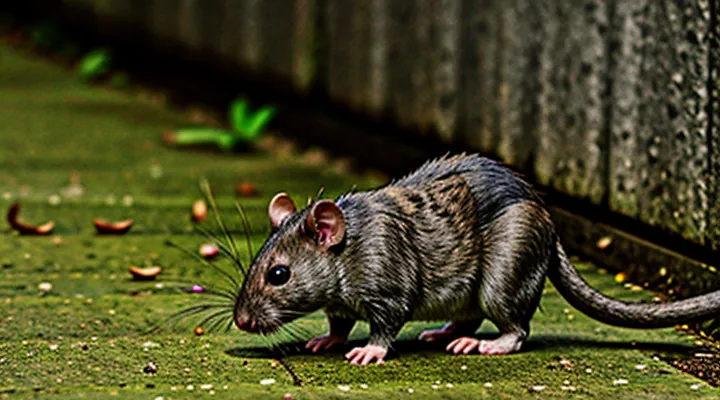
Rats consume a wide range of plant matter, including leaves, stems, roots, and especially seeds. Their herbivorous activities influence vegetation dynamics by removing foliage, which can reduce competitive pressure among plants and alter growth patterns. When rats feed on seeds, they act as granivores, directly affecting plant recruitment.
- Seed predation: Rats locate and consume seeds before germination, decreasing seed banks and limiting the establishment of certain species.
- Seed dispersal: Some rats transport seeds away from the source, either intentionally for caching or unintentionally while foraging, facilitating colonization of new sites.
- Selective pressure: Preference for larger or nutrient‑rich seeds shapes the evolutionary trajectory of plant seed traits, favoring characteristics that deter consumption or promote dispersal.
These feeding behaviors intersect with other granivorous organisms, generating competition that can shift community composition. By reducing seed availability, rats may suppress opportunistic weeds, while their dispersal activities can enhance the spread of both native and invasive plants. Overall, rat herbivory and granivory exert measurable effects on plant population structure, seed survival rates, and ecosystem productivity.
Opportunistic Feeding
Rats exhibit opportunistic feeding, consuming a wide spectrum of organic material whenever it becomes available. This flexibility allows them to exploit transient resources such as fallen fruit, discarded food waste, carrion, and seed husks. Their diet also includes invertebrates, fungi, and plant matter, enabling survival across diverse habitats.
- Fresh produce (e.g., berries, vegetables) that drops to the ground
- Human-generated refuse from settlements and agricultural operations
- Dead animals and insect larvae uncovered during foraging
- Seeds and nuts exposed after natural dispersal events
- Fungal fruiting bodies encountered in moist environments
By rapidly processing and redistributing nutrients from these sources, rats accelerate decomposition, facilitate seed dispersal, and regulate insect populations. Their feeding activity links urban, agricultural, and wild ecosystems, shaping energy flow and material cycling within the environment.
Rats as Prey Animals
Predators of Rats
Rats serve as a substantial food source for a wide range of vertebrate and invertebrate predators, linking primary production to higher trophic levels. Their abundance and reproductive capacity sustain populations of species that rely on small mammals for energy and nutrients.
- Birds of prey: red-tailed hawk, great horned owl, barn owl, and various eagle species capture rats during flight or from the ground.
- Snakes: rat snake, copperhead, and several colubrid species locate and subdue rats using constriction or venom.
- Mammalian carnivores: domestic and feral cats, red fox, coyote, raccoon, weasel, mink, and other mustelids hunt rats opportunistically or as primary prey.
- Larger reptiles: monitor lizards and some large lizards seize rats in terrestrial habitats.
- Amphibians: giant salamanders and large frogs may consume juvenile rats when available.
- Aquatic predators: otters and certain water birds capture swimming rats or those near water sources.
- Humans: pest control measures, including traps and poisons, directly reduce rat numbers.
Predation pressure influences rat behavior, population dynamics, and distribution. High predator density can limit local rat abundance, while reduced predator presence often leads to rapid rat population growth, affecting crop yields, disease transmission, and competition with other small mammals. The diversity of rat predators underscores the species’ integral position within food webs and its contribution to ecosystem stability.
Impact on Predator Populations
Rats serve as a primary food source for a wide range of carnivorous and omnivorous species. Their abundance directly influences reproductive success, body condition, and survival rates of predators such as foxes, raptors, snakes, and wild mustelids. When rodent populations surge, predator litters tend to be larger, juvenile mortality declines, and individuals gain sufficient energy reserves to endure periods of scarcity.
Conversely, prolonged declines in rat numbers can trigger reduced breeding output, increased foraging distances, and heightened competition among predators. In ecosystems where rats constitute the dominant prey, their scarcity may force predators to shift to alternative, often less abundant, prey items, potentially destabilizing trophic interactions.
Key effects of rat population fluctuations on predator communities include:
- Elevated predator density during rodent booms, leading to temporary increases in predation pressure on other species.
- Enhanced predator health metrics (e.g., weight gain, fat reserves) correlated with high rodent availability.
- Altered predator movement patterns, with expanded territories observed during rodent shortages.
- Potential cascade effects, where reduced predation on secondary prey species occurs as predators focus on abundant rats.
Long‑term monitoring of rat abundance provides valuable insight into predator population dynamics, informing conservation strategies that aim to maintain balanced predator–prey relationships.
Rats as Ecosystem Engineers
Burrowing Activities
Rats construct extensive tunnel systems that modify the physical properties of the soil they inhabit. Their burrows consist of shallow surface passages and deeper chambers, often lined with plant material that stabilizes the structure.
These excavations increase soil porosity, allowing greater infiltration of water and air. Enhanced aeration promotes microbial activity, accelerating the decomposition of organic matter and the release of nutrients such as nitrogen and phosphorus. Consequently, nutrient availability improves for surrounding vegetation.
Burrowing also creates microhabitats that support a diversity of organisms. Small mammals, reptiles, amphibians, and invertebrates use abandoned tunnels for shelter and foraging. The presence of these refuges can raise local biodiversity and provide hunting grounds for predatory species that track rat activity.
Additional ecological effects include:
- Redistribution of seed caches, which can lead to the establishment of new plant seedlings away from parent plants.
- Mixing of soil layers, which reduces stratification and helps to homogenize nutrient concentrations.
- Formation of surface mounds that alter microtopography, influencing runoff patterns and erosion rates.
Through these mechanisms, rat burrowing contributes to soil formation, plant community dynamics, and the trophic structure of ecosystems, reinforcing the functional complexity of natural habitats.
Seed Dispersal
Rats act as mobile agents that move seeds across habitats. By consuming fruits and other seed‑bearing structures, they transport viable propagules beyond the parent plant’s immediate vicinity. This movement reduces competition among seedlings and introduces seeds to novel microenvironments.
- Ingestion followed by defecation deposits seeds with a nutrient‑rich coating that enhances germination.
- Temporary storage (caching) creates underground seed banks; forgotten caches often germinate.
- Chewing of seed pods releases individual seeds, which may fall to the soil surface or be carried away by the animal’s movements.
These processes increase seed dispersal distance, diversify spatial patterns of recruitment, and contribute to the regeneration of forest understories. Empirical studies show higher seedling density in areas frequented by rat populations compared with control sites lacking such activity.
The dispersal function of rats influences plant community composition, especially for species with fleshy fruits adapted to mammalian vectors. Management strategies that maintain healthy rodent populations can therefore support ecosystem resilience and promote biodiversity through natural regeneration.
Rats and Disease Transmission
Vector for Pathogens
Rats serve as efficient carriers of a wide range of pathogens, linking wildlife, domestic animals, and human populations. Their high reproductive rate, adaptable diet, and proximity to human settlements create continuous opportunities for acquiring, amplifying, and dispersing infectious agents.
- Acquisition: Rats encounter contaminated food, water, and soil; they ingest bacteria (Leptospira spp.), viruses (hantavirus, ratborne encephalitis), and parasites (Toxoplasma gondii). Their gastrointestinal tract and respiratory mucosa provide niches for pathogen colonization.
- Amplification: Short generation times enable rapid population turnover, increasing the number of infected individuals. Viral replication within rat tissues often reaches high titers, elevating shedding intensity.
- Dispersal: Excreta (urine, feces) deposit pathogens onto surfaces, entering water supplies and food chains. Movement across urban, agricultural, and natural habitats spreads agents over distances of several kilometers.
Ecological consequences include altered disease dynamics in rodent‑borne zoonoses. Rat‑mediated transmission can sustain pathogen reservoirs even when other hosts decline, thereby influencing outbreak frequency and geographic range. Control measures targeting rat populations—environmental sanitation, baiting, and habitat modification—directly reduce pathogen load in ecosystems.
Impact on Wildlife and Humans
Rats are among the most adaptable mammals, occupying urban, agricultural, and natural habitats worldwide. Their high reproductive rate and omnivorous diet enable them to exploit diverse food sources and survive in fluctuating conditions.
Impact on wildlife includes:
- Predation on insects, eggs, and small vertebrates, reducing populations of certain species.
- Competition with native rodents for shelter and food, often leading to declines in indigenous populations.
- Seed consumption that limits plant regeneration, especially for crops and invasive species.
- Transport of parasites and pathogens that can affect birds, reptiles, and mammals.
Impact on humans comprises:
- Transmission of bacterial, viral, and parasitic diseases such as leptospirosis, hantavirus, and plague, posing public‑health risks.
- Contamination of stored grain, livestock feed, and food processing facilities, resulting in economic losses.
- Use as laboratory models for biomedical research, providing insights into genetics, neuroscience, and pharmacology.
- Target for pest‑management programs that employ trapping, baiting, and environmental sanitation to reduce population densities.
Human-Rat Interactions
Synanthropic Species
Rats belong to the group of synanthropic species—organisms that thrive in habitats altered by humans and often depend on anthropogenic resources for survival. Their presence bridges natural ecosystems and urban environments, creating a distinct ecological niche.
Synanthropic rats perform several functions that influence both wildlife and human‑dominated systems:
- Consume organic waste, reducing accumulation of refuse and limiting opportunistic pathogen growth.
- Serve as prey for a range of predators, including raptors, feral cats, and snakes, thereby supporting higher trophic levels.
- Disperse seeds and plant material inadvertently transported on fur or in feces, affecting vegetation dynamics in peri‑urban areas.
- Regulate populations of insects and other small vertebrates through predation, contributing to community balance.
- Act as reservoirs for zoonotic agents, facilitating pathogen circulation among animal hosts and humans.
In urban settings, rats impact public health and infrastructure. Their foraging habits concentrate them around garbage containers, sewer systems, and food establishments, where they can contaminate surfaces and spread diseases such as leptospirosis, hantavirus, and salmonellosis. Simultaneously, their burrowing activity weakens building foundations and damages utility lines.
Effective management requires integrated strategies: sanitation improvements to limit food availability, structural modifications to block entry points, and targeted population control that respects ecological relationships. Recognizing rats as synanthropic agents clarifies their dual role as ecosystem participants and as vectors of human concern, guiding policies that balance biodiversity considerations with public safety.
Pest Management and Conservation
Rats are among the most adaptable mammals, occupying habitats from tropical forests to urban sewers. Their presence influences food webs, nutrient cycling, and disease dynamics, creating a dual relevance for both pest control programs and biodiversity preservation.
Management of rat populations focuses on reducing economic loss and health risk while minimizing non‑target impacts. Effective measures include:
- Habitat alteration that removes shelter and food sources.
- Mechanical trapping with snap or live‑catch devices.
- Chemical control using anticoagulant rodenticides applied according to strict dosage guidelines.
- Biological control, such as encouraging predatory birds or feral cats in controlled settings.
- Integrated pest management (IPM) that combines monitoring, threshold setting, and selective action.
From a conservation standpoint, several native rat species serve as prey for raptors, owls, and snakes, and act as seed dispersers that promote forest regeneration. Their burrowing activity aerates soil and enhances microbial activity. In contrast, introduced rat species often outcompete endemic fauna, predate on ground‑nesting birds, and disrupt island ecosystems. Protecting indigenous rat populations requires habitat protection, predator management, and careful regulation of invasive introductions.
Balancing control and preservation demands data‑driven decisions. Population surveys identify hotspots where intervention is justified, while ecological assessments pinpoint areas where rats contribute positively to ecosystem function. Policy frameworks that mandate species‑specific permits, enforce humane methods, and require post‑treatment monitoring help align pest reduction with conservation objectives.
Conservation Status and Management
Invasive Species Concerns
Rats introduced beyond their native ranges often become dominant predators, reducing populations of ground‑nesting birds, reptiles, and invertebrates. Their foraging behavior can deplete seed banks, impairing plant regeneration and altering vegetation structure.
Key invasive impacts include:
- Direct predation on native fauna, especially vulnerable juveniles and eggs.
- Competition for food resources, displacing specialist species with broader diets.
- Transmission of pathogens such as Leptospira spp. and hantaviruses, affecting wildlife health and, in some cases, human populations.
- Modification of habitat through burrowing and waste accumulation, which can change soil composition and water quality.
Mitigation efforts focus on population control through integrated pest management, habitat restoration to favor native competitors, and strict biosecurity measures that prevent accidental introductions. Monitoring programs track rat density and associated ecological changes, providing data for adaptive management decisions.
Role in Research
Rats have long served as indispensable models for scientific investigation. Their physiological systems share significant homology with those of humans, allowing researchers to extrapolate findings with a high degree of reliability. Short reproductive cycles and ease of maintenance enable large‑scale experiments while minimizing logistical constraints.
Key contributions of rat‑based research include:
- Pharmacological testing – evaluation of drug efficacy, metabolism, and toxicity before clinical trials.
- Genetic studies – manipulation of specific genes to explore disease mechanisms, exemplified by knockout and transgenic strains.
- Neuroscience – mapping of neural circuits, assessment of behavioral responses, and development of models for neurodegenerative disorders.
- Immunology – investigation of immune system dynamics, vaccine development, and autoimmune disease pathways.
- Toxicology – identification of environmental hazards, assessment of exposure limits, and validation of safety standards.
The selection of rats stems from several practical attributes: well‑characterized genome, availability of diverse inbred lines, and a robust body of historical data that facilitates comparative analysis. Moreover, their size permits precise surgical interventions and real‑time physiological monitoring, which are often impractical in smaller species.
Ethical oversight governs all rat research. Institutional review boards enforce the 3Rs principle—Replacement, Reduction, Refinement—to ensure humane treatment, limit animal numbers, and replace living subjects where possible. Compliance with these standards maintains scientific integrity while addressing societal concerns.
Outcomes derived from rat experiments have translated into tangible benefits: new antibiotics, insulin formulations, anti‑cancer therapies, and advanced imaging techniques. Each breakthrough underscores the species’ pivotal function in expanding biomedical knowledge and improving public health.