
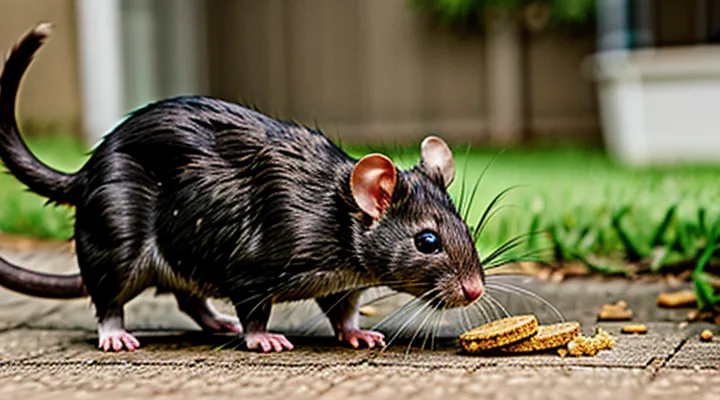
Understanding Rat Dietary Needs
Essential Nutritional Requirements
Proteins
Proteins constitute a crucial component of a rat’s diet, influencing growth, tissue repair, and metabolic function. Domestic rodents exhibit a natural inclination toward protein‑rich foods, which complement carbohydrate‑based treats and support overall health.
Safe protein sources for pet rats include:
- Cooked chicken breast, unseasoned and diced
- Boiled eggs, chopped
- Low‑fat cottage cheese, provided in small portions
- Plain Greek yogurt, unsweetened
- Cooked fish such as salmon, free of bones and seasoning
- Soy‑based products like tofu, softened and cut into bite‑size pieces
- Commercially formulated rodent pellets that contain balanced protein levels
When offering protein treats, adhere to the following guidelines: limit daily protein intake to approximately 15 % of total calories, introduce new foods gradually to monitor tolerance, and avoid processed meats containing additives, salts, or spices. Regular inclusion of appropriate protein enhances muscle development, fur quality, and immune resilience in domestic rats.
Carbohydrates
Carbohydrates provide a rapid energy source that aligns with the natural dietary patterns of domestic rodents. Their digestive systems efficiently convert simple sugars and starches into glucose, supporting activity levels and thermoregulation.
Typical carbohydrate‑rich treats favored by rats include:
- Whole‑grain cereals such as oats, barley, and wheat kernels
- Fresh fruits like apples, bananas, and berries, offering natural sugars and fiber
- Vegetables with high starch content, for example sweet potatoes and carrots
- Commercial rodent pellets formulated with balanced carbohydrate ratios
In addition to immediate energy, carbohydrates contribute to glycogen storage in the liver and muscles, which can be mobilized during periods of heightened activity or stress. Excessive intake may lead to obesity, therefore portion control and a balanced mix with proteins and fats are essential for optimal health.
Fats
Fats deliver concentrated calories and essential fatty acids that enhance the palatability of many rodent treats. Domestic rats readily seek out rich, oily textures, indicating a natural inclination toward high‑energy nutrients.
Preferred fat sources include:
- Rendered animal fats such as chicken skin and beef tallow, valued for strong aroma and smooth mouthfeel.
- Plant‑derived oils like sunflower, canola, and flaxseed, offering omega‑6 and omega‑3 fatty acids.
- Nut butters (peanut, almond) in limited quantities, providing both fat and protein.
Inclusion rates should not exceed 5 % of total diet weight to prevent obesity and hepatic strain. Frequent monitoring of body condition score helps maintain optimal health.
Excessive fat intake can lead to rapid weight gain, lipid‑induced pancreatitis, and reduced lifespan. Balanced provision of the listed fats, combined with a fiber‑rich base diet, supports energy needs while minimizing adverse effects.
Vitamins and Minerals
Micronutrients are indispensable for the health of pet rats, influencing growth, immune function, and dental integrity. Proper selection of treats ensures that these small mammals receive adequate vitamins and minerals without excess calories.
-
Vitamin A – supports vision and epithelial tissue; abundant in carrots, sweet potatoes, and fortified leafy greens.
-
Vitamin C – prevents scurvy, especially in breeding females; supplied by orange segments, strawberries, and fortified pellets.
-
Vitamin D – regulates calcium absorption; found in exposure‑friendly sunlight and in fortified rodent chow.
-
Vitamin E – acts as an antioxidant; present in sunflower seeds and wheat germ.
-
B‑complex vitamins – aid metabolism; delivered through whole‑grain cereals, oats, and commercial mixes.
-
Calcium – essential for bone development and teeth; incorporated through plain yogurt, low‑fat cheese, and calcium‑rich greens such as kale.
-
Phosphorus – works with calcium to maintain skeletal health; available in eggs, fish flakes, and soy products.
-
Magnesium – contributes to muscle function; provided by pumpkin seeds and small amounts of nuts.
-
Potassium – balances fluid regulation; sourced from banana slices and apricots.
-
Iron – necessary for hemoglobin synthesis; found in lean meat bits and lentils, offered in limited quantities.
Treat portions should be limited to no more than 10 % of daily intake, with the majority of nutrition supplied by a balanced base diet. Rotate vitamin‑rich foods to prevent deficiencies, and monitor for signs of excess, such as urinary crystals from over‑supplemented calcium. Regular veterinary checks confirm that micronutrient levels remain within optimal ranges.
Safe and Delicious Rat Treats
Vegetables and Fruits
Safe Vegetables
Domestic rodents readily accept a variety of fresh vegetables when offered in appropriate portions. Nutrient‑rich options support dental health, provide hydration, and add diversity to a standard pellet diet.
Safe choices include:
- Carrots, sliced thin, raw or lightly steamed.
- Broccoli florets, raw, limited to a few small pieces to avoid gas.
- Cucumber, peeled if the skin is waxed, cut into bite‑size chunks.
- Bell pepper (red, yellow, orange), raw, diced.
- Romaine lettuce, torn into small leaves; iceberg should be avoided due to low nutritional value.
- Spinach, offered sparingly because of oxalates; fresh, washed leaves are essential.
- Kale, limited portions, raw or briefly blanched to reduce bitterness.
- Peas, fresh or frozen, thawed and served whole.
- Zucchini, raw, sliced into thin strips.
- Cooked sweet potato, cooled, cut into tiny cubes.
Guidelines for preparation:
- Wash all vegetables thoroughly under running water to eliminate residues.
- Remove any stems, seeds, or tough skins that could cause obstruction.
- Offer only a few pieces at a time; excess may lead to diarrhea.
- Introduce new items gradually, observing for signs of intolerance.
Providing these vegetables regularly enriches the diet of pet rats while maintaining safety and health standards.
Safe Fruits
Domestic rats benefit from a variety of fruit treats that provide vitamins, antioxidants, and hydration without posing health risks. Fruit selection must prioritize low sugar content, absence of seeds or pits, and minimal acidity to avoid digestive upset.
- Apple (core removed, skin optional) – source of fiber and vitamin C; serve in small cubes.
- Blueberries – rich in antioxidants; offer a few berries per day.
- Pear (seedless, skin removed) – gentle on the stomach; provide moisture and vitamin K.
- Strawberries – high in vitamin C; limit to one or two small pieces.
- Kiwi (peeled) – supplies vitamin E and potassium; introduce gradually.
- Raspberries – contain fiber and vitamin C; feed sparingly due to natural sugars.
- Mango (peeled, no pit) – offers vitamin A; restrict to tiny portions.
All fruits should be washed thoroughly, cut into bite‑size pieces, and introduced one at a time to monitor tolerance. Excessive fruit can lead to diarrhea or obesity; treat fruit as an occasional supplement rather than a staple.
Treats to Avoid
Rats thrive on a diet that mirrors their natural foraging habits, yet many popular human foods pose serious health risks. Understanding which items should be excluded from their daily menu prevents nutritional deficiencies and acute toxicity.
- Chocolate, especially dark varieties, contains theobromine, a compound rats cannot metabolize efficiently.
- Caffeine‑laden beverages and snacks stimulate the cardiovascular system, leading to arrhythmias.
- High‑salt foods, such as processed meats and salty nuts, increase the risk of hypertension and kidney strain.
- Sugary candies and artificial sweeteners overload the pancreas and may cause gastrointestinal upset.
- Citrus peels and raw onions contain acids and sulfides that irritate the digestive tract.
- Moldy or spoiled produce introduces mycotoxins, which impair liver function.
- Fatty fried foods contribute to obesity and hepatic lipidosis.
These substances compromise metabolic balance, damage organ systems, and reduce lifespan. Regular observation for signs such as lethargy, diarrhea, or abnormal breathing can indicate exposure. Substituting safe alternatives—fresh vegetables, small protein portions, and whole‑grain grains—maintains optimal health while satisfying natural cravings.
Grains and Seeds
Whole Grains
Whole grains provide a dense source of carbohydrates, fiber, and essential micronutrients that complement the diet of domestic rodents. Their complex starches release energy gradually, supporting sustained activity levels without causing rapid blood‑sugar spikes.
Nutritional highlights include:
- Fiber content that promotes gastrointestinal motility and helps prevent constipation.
- B‑vitamins (thiamine, riboflavin, niacin) that aid metabolic processes.
- Trace minerals such as iron, magnesium, and zinc, contributing to bone health and immune function.
Suitable whole‑grain options for pet rats encompass:
- Oats (rolled or steel‑cut, uncooked).
- Brown rice (whole grain, lightly rinsed).
- Quinoa (rinsed, uncooked).
- Barley (hulled, uncooked).
- Whole‑grain wheat berries (soaked briefly to soften).
Preparation guidelines recommend serving grains in small, manageable portions to avoid overconsumption. Grains should be introduced gradually, allowing observation of tolerance and digestion. Soaking or lightly steaming can reduce hardness, making the texture more palatable while preserving nutrient integrity. Store dry grains in airtight containers to prevent mold growth and maintain freshness. Regular rotation of grain varieties ensures a balanced intake of different nutrients and keeps the diet stimulating.
Seeds in Moderation
Seeds constitute a popular addition to the diet of pet rodents, offering protein, essential fatty acids, and trace minerals. Their natural appeal encourages exploratory foraging behavior, which can enhance mental stimulation.
Excessive seed consumption leads to rapid calorie accumulation, potential obesity, and gastrointestinal disturbances. High‑fat varieties also increase the risk of hepatic lipidosis in susceptible individuals. Therefore, seed intake must be calibrated to complement a balanced base diet of pellets, fresh vegetables, and occasional fruit.
Guidelines for safe inclusion:
- Portion: no more than 1 % of the animal’s body weight per day (approximately 0.5 g for a 50 g rat).
- Frequency: 2–3 servings per week, interspersed with non‑seed treats.
- Presentation: scattered in a foraging box to promote natural searching behavior.
Suitable seeds:
- Sunflower (unshelled, low‑fat kernels)
- Pumpkin (roasted, unsalted)
- Millet (whole, plain)
- Safflower (small quantities)
Seeds to limit or exclude:
- High‑oil varieties (e.g., whole sunflower kernels, pine nuts)
- Salted or flavored seeds
- Seeds coated with sugar or artificial additives
Implementing these measures ensures that seeds remain a beneficial, enjoyable component of the rodent’s diet without compromising health.
Proteins and Dairy
Cooked Meats and Eggs
Domestic rodents often thrive on protein sources that complement their standard diet of grains and vegetables. Cooked animal products supply essential amino acids, support muscle development, and enrich enrichment routines.
• «Cooked chicken» – skinless, boneless pieces, fully cooked, no seasoning.
• «Cooked turkey» – similar preparation to chicken, offers lean protein.
• «Lean beef» – small, well‑cooked cubes, trimmed of excess fat.
• «Cooked fish» – boneless fillets, thoroughly cooked to eliminate parasites; avoid oily varieties that may cause digestive upset.
• «Cooked pork» – limited to lean cuts, fully cooked, no added sauces.
Eggs provide a concentrated source of protein, vitamins, and minerals. Acceptable forms include hard‑boiled eggs, sliced into bite‑size pieces, and plain scrambled eggs prepared without oil, butter, or salt. Both options deliver high‑quality nutrients without excess fat.
Portion recommendations: one to two small pieces of meat or a quarter of a boiled egg per adult rat, offered two to three times weekly. Overfeeding may lead to obesity or digestive disturbances; monitor body condition and adjust quantities accordingly. Regular inclusion of these protein treats enhances dietary variety while maintaining overall health.
Dairy Products (Limited)
Domestic rodents exhibit a preference for dairy flavors, yet consumption must remain limited. Lactose intolerance is common among rats; excessive intake can cause digestive distress. Consequently, only small quantities of low‑lactose products are advisable.
Suitable dairy options include:
- Cottage cheese, low in lactose, high in protein.
- Plain yogurt, cultures reduce lactose content.
- Hard cheeses such as cheddar, aged varieties contain minimal lactose.
- Small amounts of cream cheese, offered sparingly.
Portion guidelines recommend no more than one teaspoon per day for an adult rat. Juvenile individuals require half that amount. Frequency should not exceed three servings per week to prevent nutritional imbalance.
Potential risks involve weight gain, diarrhea, and altered gut flora. Unsweetened, unflavored varieties are essential; added sugars or artificial sweeteners increase toxicity. Monitoring body condition and stool consistency ensures early detection of adverse effects.
Commercial Rat Treats
Healthy Options
Rats thrive on a diet that balances nutrition and enrichment. Incorporating wholesome snacks supports dental health, promotes activity, and reduces the risk of obesity.
• Fresh vegetables such as broccoli florets, kale leaves, and carrot sticks provide essential vitamins and fiber.
• Seasonal fruits, offered in modest portions, deliver natural sugars and antioxidants; suitable choices include apple slices, blueberries, and pear wedges.
• Whole‑grain options like rolled oats, barley, and cooked quinoa supply complex carbohydrates and B‑vitamins.
• Protein‑rich treats, for instance boiled egg whites, low‑fat cottage cheese, and roasted chickpeas, aid muscle maintenance and fur condition.
• Herbal herbs such as parsley, cilantro, and mint offer aromatic stimulation while contributing trace minerals.
All items should be washed thoroughly, cut into bite‑size pieces, and presented without added sugars, salts, or preservatives. Rotate selections regularly to prevent dietary monotony and to expose rats to a broader spectrum of nutrients.
Treats to Use Sparingly
Rats thrive on a balanced diet that mimics their natural foraging habits. Certain human foods appeal to their palate but can cause health issues if offered regularly. Limiting these items reduces the risk of obesity, dental problems, and digestive disturbances.
- Sugar‑laden treats (candies, sweetened cereals) – rapid weight gain, blood‑sugar spikes.
- Chocolate and cocoa products – contains theobromine, toxic at modest doses.
- Citrus fruits (oranges, lemons) – high acidity may irritate stomach lining.
- High‑fat nuts and seeds (peanuts, sunflower seeds) – excessive calories, potential for pancreatitis.
- Processed meats (bacon, jerky) – high sodium, preservatives, low nutritional value.
Providing these foods only on rare occasions satisfies curiosity without compromising long‑term health. Regular meals should consist of high‑quality rodent pellets, fresh vegetables, and occasional protein sources such as boiled egg or mealworm.
How to Introduce New Treats
Gradual Introduction
Introducing novel treats to domestic rodents requires a step‑by‑step process that minimizes the risk of refusal or digestive upset. Begin with a minute portion, no larger than a pea‑sized piece, blended into the animal’s regular diet. Observe the rat’s immediate reaction; acceptance is indicated by active chewing and continued consumption of the mixed feed.
If the initial offering is tolerated, increase the quantity by approximately 25 % each subsequent day while maintaining the mixture with familiar food. Continue monitoring for signs of aversion, such as selective eating or reduced overall intake, and adjust the progression accordingly.
When the rat consistently consumes the new item without hesitation, transition to offering the treat as a separate snack, limiting the portion to a maximum of 5 % of the daily caloric intake. Record any changes in weight, coat condition, or stool consistency to ensure the treat does not compromise health.
- Start with a tiny, mixed portion.
- Increase amount gradually (≈25 % per day).
- Watch for acceptance or aversion.
- Separate the treat once fully accepted.
- Keep daily treat portion ≤5 % of total calories.
Consistent, measured introduction safeguards both enjoyment and well‑being.
Observing Reactions
Observing the behavioral responses of pet rodents when presented with various preferred foods provides direct insight into their gustatory preferences. Researchers record latency to approach, duration of consumption, and post‑ingestive activity to quantify attraction. Data collection typically involves video monitoring in a controlled enclosure, minimizing external stimuli that could alter natural behavior.
Key observable patterns include rapid approach within seconds of treat placement, prolonged chewing motions, and increased exploratory locomotion after consumption. Conversely, delayed approach or brief sampling suggests lower palatability. Physiological indicators such as whisker twitching and ear flicks accompany heightened interest, while reduced movement often follows satiety.
Typical reactions to specific favorites:
- «Sunflower seeds»: immediate approach, sustained chewing, frequent tail vibrations.
- «Dried apple pieces»: moderate latency, steady nibbling, occasional grooming pauses.
- «Peanut butter droplets»: quick contact, intense licking, brief pause before resumption of activity.
- «Cooked quinoa»: slower approach, brief sampling, rapid return to baseline movement.
Consistent documentation of these responses enables accurate ranking of treat desirability and informs optimal dietary enrichment strategies for domestic rodents.
Portion Control
Rats thrive on a diet that balances nutrient‑dense staples with occasional indulgences. Treats should complement, not replace, the core feed of high‑quality pellets and fresh vegetables. Overfeeding sugary or fatty snacks can lead to obesity, dental problems, and reduced lifespan.
Key principles for managing treat portions:
- Limit treats to no more than 5 % of total daily caloric intake.
- Offer treats in small, bite‑size pieces that fit comfortably between the animal’s teeth.
- Distribute treats across the day rather than delivering a single large portion.
- Rotate treat varieties to prevent habituation and maintain nutritional diversity.
Monitoring intake involves weighing the animal regularly and adjusting portions accordingly. A typical adult rat requires approximately 15–20 g of food per day; therefore, treat allotment should not exceed 1 g per day. If a rat shows signs of weight gain—such as a rounded abdomen or reduced activity—reduce treat frequency or size immediately.
Providing a structured treat schedule supports healthy weight management while allowing rats to enjoy their favorite flavors responsibly.
Treats to Absolutely Avoid
Toxic Foods
Rats enjoy a variety of sweet and savory items, yet several common foods pose serious health risks. Recognizing hazardous ingredients prevents accidental poisoning and supports long‑term wellbeing.
• Chocolate – contains theobromine, which rats cannot metabolize; rapid heart rate, tremors, and seizures may follow.
• Caffeine – found in coffee, tea, and energy drinks; induces hyperactivity, cardiac arrhythmia, and possible death.
• Avocado – supplies persin, a toxin that can cause respiratory distress and fluid accumulation in the chest.
• Citrus peels – high acidity damages enamel and may lead to gastrointestinal irritation.
• Raw beans (especially kidney beans) – contain lectins that disrupt protein absorption, resulting in vomiting and diarrhea.
• Alcohol – depresses the central nervous system; even small amounts cause loss of coordination and respiratory failure.
• Salt – excessive sodium leads to dehydration, kidney strain, and hypertension.
Symptoms of toxic exposure typically appear within minutes to hours and include excessive salivation, lethargy, convulsions, and abnormal breathing. Prompt veterinary intervention improves survival chances.
Safe alternatives for enrichment include small portions of fresh vegetables (carrots, broccoli), unsweetened whole‑grain cereals, and commercially formulated rat treats that meet nutritional standards. Regularly reviewing ingredient lists eliminates accidental inclusion of dangerous foods.
Unhealthy Options
Rats are attracted to foods high in sugar, fat, and salt, despite the health risks these items pose. Such treats provide quick energy but lack essential nutrients, leading to obesity, dental problems, and metabolic disorders.
Common unhealthy options include:
- Candy and chocolate pieces, often coated with artificial flavors.
- Processed snack chips, containing excessive sodium and trans fats.
- Bread crusts softened with butter or margarine, delivering saturated fats.
- Fruit-flavored gummies, rich in added sugars and gelatin.
- Cheese spreads and processed cheese slices, high in sodium and preservatives.
Frequent consumption of these items can accelerate weight gain, impair liver function, and reduce lifespan. Balanced diets should limit these foods, offering small quantities only as occasional enrichment. Regular monitoring of body condition and dental health helps mitigate adverse effects associated with indulgent, nutrient-poor treats.
The Importance of a Balanced Diet
Primary Food Sources
Domestic rats thrive on a diet that emphasizes natural, nutrient‑dense components. Primary food sources provide the carbohydrates, proteins, fats, vitamins, and minerals essential for growth, reproduction, and immune function.
- «Grains» such as wheat, oats, and barley supply readily digestible carbohydrates and modest protein levels.
- «Legumes» including lentils, peas, and chickpeas contribute high‑quality plant protein and fiber.
- «Seeds» like sunflower and pumpkin seeds deliver essential fatty acids, vitamin E, and trace minerals.
- «Fresh vegetables»—carrots, broccoli, kale, and bell peppers—offer vitamins A, C, K, and dietary fiber.
- «Fruits» in moderation, for example apples, berries, and bananas, provide natural sugars and antioxidants.
- «Commercial rodent pellets» formulated to meet the complete nutritional requirements of pet rats, often fortified with calcium, vitamin D, and essential amino acids.
These categories constitute the core dietary foundation for pet rats, ensuring balanced energy intake and supporting overall health when offered in appropriate proportions.
Treats as Supplements
Treats that double as nutritional supplements address common deficiencies in captive rodents. Balanced supplementation supports skeletal health, immune function, and coat condition without replacing a varied diet. Commercially formulated chewable tablets and fortified fruit pieces deliver precise nutrient ratios, reducing the risk of over‑supplementation associated with unregulated home‑made mixes.
- Calcium‑rich chew blocks fortified with vitamin D3, essential for bone mineralization.
- Vitamin C tablets coated in low‑sugar gel, preventing scurvy in species lacking endogenous synthesis.
- Protein‑dense pellets enriched with taurine and B‑complex vitamins, promoting muscle maintenance and nervous system health.
- Omega‑3 infused seed blends, providing essential fatty acids for skin elasticity and inflammation control.
- Probiotic‑infused fruit bites, fostering gut flora balance and digestive efficiency.
Each supplement should be introduced gradually, monitoring intake to avoid gastrointestinal upset. Rotation of different supplement treats prevents habituation and ensures a broader spectrum of micronutrients.