
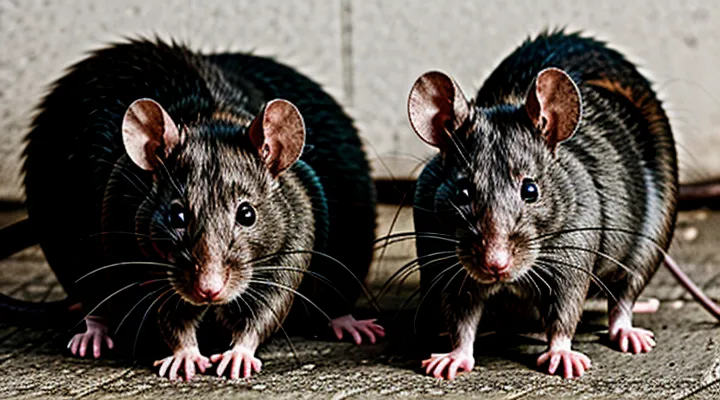
Understanding the Rat Problem
Identifying Signs of a Rat Infestation
Droppings and Urine Trails
Rats leave visible evidence in the form of droppings and urine trails, which serve as reliable indicators of infestation severity and pathways of movement. Recognizing these signs enables targeted intervention and prevents disease transmission.
Typical characteristics of rat droppings include:
- Length of 0.5–0.8 inches, dark brown to black.
- Cylindrical shape with rounded ends.
- Clusters near food sources, nesting sites, and along walls.
Urine trails appear as faint, wet stains that may darken over time. They often accompany droppings and can be detected by:
- A lingering ammonia odor.
- Discoloration of fabrics, wood, or insulation.
- Presence of moisture on surfaces previously dry.
Health hazards linked to these residues are well documented. Pathogens such as Leptospira, Salmonella, and Hantavirus can survive in droppings for weeks and become airborne when disturbed. Direct contact or inhalation of contaminated dust poses significant risk to occupants and workers.
Effective management follows a systematic procedure:
- Containment – Seal entry points and isolate the affected area to prevent spread.
- Protective gear – Wear N‑95 respirator, disposable gloves, and eye protection before handling any material.
- Removal – Use a HEPA‑filtered vacuum to collect loose droppings; for larger accumulations, dampen with a disinfectant solution (e.g., 10 % bleach) and let sit for 10 minutes before scraping.
- Decontamination – Apply the same disinfectant to all surfaces bearing urine stains; allow a contact time of at least 10 minutes, then rinse with clean water.
- Disposal – Place contaminated materials in sealed, leak‑proof bags; treat as biohazard waste according to local regulations.
- Verification – Conduct a follow‑up inspection to confirm the absence of fresh droppings or urine traces before declaring the area cleared.
Regular monitoring of droppings and urine trails throughout the eradication process ensures early detection of re‑infestation and validates the effectiveness of control measures.
Gnaw Marks and Damage
Gnaw marks and damage provide the most reliable indication that rats are present and actively foraging. Identifying these signs early allows a targeted response, reduces property loss, and prevents disease spread.
Typical gnaw marks exhibit clean, parallel cuts on wood, plastic, or metal, ranging from 1 mm to 6 mm in width. The bites are most often found on baseboards, cabinet edges, wiring insulation, and the corners of storage containers. Fresh marks appear light in color and retain sharp edges, while older ones darken and may show frayed material.
Common damage associated with rodent activity includes:
- Compromised structural elements (chewed joists, support beams, and framing)
- Exposed or severed electrical wiring, creating fire hazards
- Contaminated food supplies, leading to spoilage and health risks
- Damaged plumbing fixtures and seals, resulting in leaks
- Destroyed insulation, reducing energy efficiency
When planning a rat elimination program, use the distribution and severity of gnaw marks to map infestation zones. Prioritize areas with electrical or structural damage for immediate intervention, then address secondary sites. Selecting appropriate control measures—traps, bait stations, or exclusion techniques—should correspond to the identified damage patterns, ensuring resources focus where they will achieve the greatest reduction in activity.
Strange Noises
Strange noises often signal rat activity before visual evidence appears. Identifying these sounds helps prioritize inspection zones and allocate control measures efficiently.
Typical auditory indicators include:
- Scratching on walls, ceilings, or insulation, especially during night hours.
- High‑pitched squeaks or chirps emitted from concealed spaces.
- Rattling of droppings or nesting material when disturbed.
- Soft thudding as rodents move through ductwork or crawl spaces.
When a noise is detected, follow these steps:
- Record the time, frequency, and location of the sound. Consistent patterns reveal active pathways.
- Conduct a focused visual inspection at the reported site, looking for gnaw marks, droppings, or burrow entrances.
- Seal entry points within a 12‑inch radius of the identified area using steel wool, caulk, or metal flashing.
- Place bait stations or traps adjacent to the noise source, ensuring they are secured against accidental contact by non‑target animals.
- Monitor the area for a minimum of 48 hours, noting any changes in sound intensity or new noises that may indicate migration.
By treating strange noises as early warning signals, pest managers can intervene before infestations expand, reducing the need for extensive eradication efforts.
Sightings of Live or Dead Rats
Documenting each encounter with live or dead rats provides the data needed to assess infestation severity and to prioritize interventions. Accurate records reveal population hotspots, movement patterns, and the effectiveness of control measures.
Key elements to record for every sighting:
- Date and time of observation
- Exact location (room, building section, exterior area)
- Condition of the animal (alive, deceased, carcass state)
- Visible signs of activity (droppings, gnaw marks, nesting material)
- Immediate environmental factors (food sources, water access, shelter availability)
Analyzing the compiled information distinguishes between isolated incidents and established colonies. Clusters of live sightings indicate active breeding sites, while multiple dead rats in a single area suggest successful trapping or poisoning but may also signal a recent population collapse that could attract scavengers.
Based on the analysis, implement targeted actions:
- Deploy traps or bait stations at confirmed activity points.
- Seal entry points identified near frequent sightings.
- Remove food and water sources that attracted the rodents.
- Conduct follow‑up inspections within 48‑72 hours to verify reductions.
Continuous monitoring of live and dead rat reports ensures that each phase of the eradication effort responds to real‑time conditions, maintaining control momentum and preventing resurgence.
Why Rats are a Threat
Health Risks and Diseases
Rats carry pathogens that affect humans and domestic animals, creating a direct threat to public health. Their presence in homes, businesses, and agricultural settings increases the likelihood of disease transmission and contaminates food supplies.
- Leptospirosis – bacterial infection spread through contact with urine‑contaminated water or surfaces; symptoms include fever, headache, and kidney damage.
- Hantavirus pulmonary syndrome – transmitted by inhaling aerosolized particles from dried droppings; leads to severe respiratory distress and high mortality.
- Salmonellosis – caused by Salmonella bacteria present in feces; results in gastrointestinal illness with diarrhea, fever, and abdominal cramps.
- Rat‑bite fever (Spirillum minus) – enters the body through bites or scratches; produces fever, rash, and lymph node swelling.
- Plague – Yersinia pestis carried by fleas that feed on rats; manifests as bubonic, septicemic, or pneumonic forms, each potentially fatal without prompt treatment.
Transmission pathways include:
- Direct contact with urine, feces, or saliva.
- Inhalation of dust containing dried droppings or urine particles.
- Consumption of food contaminated by rodent excreta.
- Bites and scratches during encounters.
- Flea vectors that move from rats to humans.
Health consequences range from mild, self‑limiting illness to life‑threatening conditions. Vulnerable groups—children, the elderly, immunocompromised individuals, and agricultural workers—experience higher rates of severe outcomes. Early symptoms often mimic common infections, delaying diagnosis and increasing the risk of complications.
Eliminating rat populations reduces exposure to these hazards, lowers contamination of food and water sources, and interrupts the life cycle of disease‑bearing fleas. Implementing a systematic rat control program therefore protects community health and prevents outbreaks linked to rodent‑borne pathogens.
Property Damage and Contamination
Rats cause structural deterioration and health hazards that compromise residential and commercial properties. Their gnawing habit severs wires, breaches insulation, and creates holes in walls, flooring, and foundations, leading to costly repairs and increased vulnerability to fire and water damage. Additionally, rodents contaminate surfaces with urine, feces, and saliva, introducing pathogens such as Salmonella, Leptospira, and Hantavirus, which can trigger foodborne illnesses and respiratory problems for occupants.
Key impacts include:
- Electrical system damage: chewed cables cause short circuits and fire risk.
- Plumbing compromise: gnawed pipes result in leaks, corrosion, and water loss.
- Building envelope breach: holes in structural elements allow drafts, pest ingress, and moisture intrusion.
- Surface contamination: accumulation of droppings and urine creates toxic hotspots, especially in kitchens and storage areas.
Addressing these issues requires immediate removal of rodents, thorough sanitation of affected zones, and repair of compromised infrastructure before re‑occupancy. Failure to act promptly escalates repair costs and elevates the probability of long‑term health repercussions.
Developing Your Elimination Plan
Inspection and Assessment
Locating Entry Points
Identifying how rodents gain access to a building is the first decisive action in any eradication effort. Begin with a systematic sweep of the interior and exterior, noting any gaps larger than a quarter‑inch. Pay particular attention to areas where utilities, pipes, and cables penetrate walls, as these are frequent pathways.
- Inspect the foundation for cracks, gaps around vent pipes, and deteriorated sealant.
- Examine door frames and thresholds; ensure weather‑stripping is intact and doors close tightly.
- Check windows, especially sliding types, for missing or damaged screens.
- Look under sinks, behind appliances, and in crawl spaces for openings around plumbing and electrical conduits.
- Use a flashlight to follow droppings, gnaw marks, and grease trails back to potential entry sites.
Document each opening, measure its size, and prioritize repairs based on the likelihood of use. Seal gaps with appropriate materials—steel wool, caulk, or hardware cloth—ensuring a durable barrier that rodents cannot bypass. Regularly re‑inspect after repairs to confirm effectiveness.
Identifying Food and Water Sources
Identifying the locations where rats obtain food and water is a prerequisite for any effective eradication effort. Without removing these resources, baiting and trapping become temporary measures that fail to suppress the population.
Typical sources include:
- Uncovered trash cans and overflowing dumpsters.
- Pet food left out overnight.
- Spilled grain, cereal, or dried goods in pantries and garages.
- Leaking pipes, dripping faucets, and condensation trays.
- Standing water in buckets, plant saucers, or clogged gutters.
- Compost piles without a secure lid.
To locate and eliminate these supplies, follow a systematic inspection:
- Conduct a walkthrough of each room, noting any food residues, crumbs, or open containers.
- Examine exterior areas for garbage receptacles, storage sheds, and garden beds, sealing any openings.
- Test for moisture by checking under appliances, behind cabinets, and around plumbing fixtures; repair leaks and dry wet zones.
- Remove or encase pet feed, schedule feeding times, and store leftovers in airtight containers.
- Install tight‑fitting lids on trash bins, use rat‑proof composters, and keep gutters clear of debris.
Eliminating all accessible food and water deprives rats of the sustenance needed to reproduce, forcing them to seek new habitats and making subsequent control actions far more successful.
Mapping Rat Activity Hotspots
Accurate identification of rat activity zones is essential for any comprehensive eradication strategy. Begin by surveying the property during peak activity periods—dusk and dawn—when rodents are most visible. Record sightings, droppings, gnaw marks, and burrow entrances on a scaled floor plan or digital map.
Use the following systematic approach:
- Deploy motion‑activated cameras at suspected entry points and along walls to capture movement patterns.
- Place non‑toxic tracking powder or fluorescent dust on pathways; inspect surfaces with a UV light to reveal hidden routes.
- Collect samples of droppings and urine for laboratory analysis, confirming species and potential disease risks.
- Integrate data into GIS software or a simple spreadsheet, assigning intensity ratings (low, medium, high) to each location.
Analyze the compiled map to pinpoint clusters where activity intensity is highest. Prioritize these hotspots for targeted interventions such as bait placement, exclusion barriers, and habitat modification. Continuous monitoring of the mapped areas ensures that control measures remain effective and allows rapid adjustment when activity shifts.
Choosing Elimination Methods
Trapping Strategies
Effective rat trapping requires a systematic approach that integrates proper equipment, strategic placement, and ongoing monitoring. The following components form a reliable framework for capturing rodents while minimizing collateral damage.
-
Choose traps that match the target species and environment. Snap traps provide rapid kill and are suitable for indoor use; live‑catch cages allow relocation when humane handling is required; electronic traps offer quick, odor‑free disposal. Verify that each device complies with local regulations.
-
Position traps along established runways. Rats travel close to walls, beneath furniture, and near food sources. Place baited devices 1–2 inches from the edge of walls, at a height of 2–3 inches off the floor, and ensure the bait is concealed to encourage entry.
-
Use appropriate attractants. Peanut butter, dried fruit, or small pieces of meat work well for most species. Rotate bait types every 48 hours to prevent habituation and maintain interest.
-
Establish a trapping schedule. Check and reset traps at least twice daily, preferably in the early morning and late evening when rodent activity peaks. Record capture numbers, locations, and any signs of avoidance to refine placement.
-
Implement exclusion measures concurrently. Seal gaps larger than ¼ inch, repair broken vent screens, and install door sweeps. Reducing entry points enhances trap efficiency and prevents reinfestation.
-
Maintain hygiene and safety. Wear gloves when handling traps, dispose of carcasses in sealed bags, and clean surfaces with disinfectant after each check. Proper sanitation removes lingering scents that could deter further captures.
By adhering to these tactics, pest managers can achieve consistent reductions in rat populations, create data‑driven adjustments, and sustain long‑term control without reliance on chemical interventions.
Snap Traps
Snap traps provide immediate, lethal control of rats without the need for chemicals or electricity. Their simple spring‑loaded mechanism delivers a quick kill, minimizing suffering and preventing disease spread.
The trap consists of a sturdy wooden or plastic base, a metal spring, and a trigger bar. When a rat bites the baited trigger, the spring releases, driving a metal bar through the animal’s neck. The design requires no power source and can be reused after each capture.
Effective placement follows these principles:
- Position traps along walls, behind objects, or near known runways; rats avoid open spaces.
- Set traps perpendicular to the wall, with the trigger facing the wall to align with the animal’s natural path.
- Use fresh, high‑protein bait such as peanut butter, dried fruit, or small meat pieces; replace bait daily to maintain scent.
- Deploy one trap per 10‑15 ft of wall length; increase density in heavily infested zones.
Safety and maintenance demand attention. Wear thick gloves when handling traps to prevent accidental discharge. After a catch, wear gloves, dispose of the carcass in a sealed bag, and sanitize the trap with a bleach solution before resetting. Regularly inspect traps for rust or damage; replace compromised units promptly.
Monitoring trap activity provides data on infestation levels. Record the number of captures per day and adjust trap density accordingly. A steady decline in catches indicates progress toward eradication, while persistent activity signals the need for additional traps or alternative methods.
Live Traps
Live traps provide a humane method for removing rats without chemical agents. The device consists of a sturdy cage with a trigger mechanism that closes the door when the animal enters. The trap’s design prevents injury and allows the captured rodent to be released far from the infestation site.
Effective use begins with selecting a trap sized for the target species. A cage with a minimum interior dimension of 12 × 6 × 6 inches accommodates adult rats and reduces escape risk. Bait should be attractive, fresh, and placed on the trigger platform to encourage entry. Common options include peanut butter, dried fruit, or small pieces of meat.
Placement follows a logical pattern:
- Identify active runways, near walls, and behind objects where rats travel.
- Position the trap perpendicular to the wall, with the entrance facing the runway.
- Secure the trap to prevent displacement by other animals or wind.
- Check the trap at least twice daily to minimize stress on captured rats.
After capture, transport the animal in a sealed container to a location at least two miles from the property, preferably an uninhabited area. Release the rat near natural cover, allowing it to escape quickly. Clean the trap with hot, soapy water and disinfect before reuse to eliminate scent cues that could deter future captures.
Compliance with local wildlife regulations is mandatory. Some jurisdictions require permits for relocating rodents or restrict the use of live traps altogether. Verify legal requirements before deploying the method.
Electronic Traps
Electronic traps use a high‑voltage shock to kill rodents instantly. The device contains a bait chamber, a sensor that detects a mouse or rat entering, and a power source that delivers a lethal pulse. The shock eliminates the pest without leaving poison residues, making the method suitable for food‑handling areas, laboratories, and homes where chemical control is undesirable.
Key characteristics to evaluate when selecting an electronic trap:
- Voltage rating (typically 2,000–3,000 V) sufficient to ensure rapid death.
- Power source: mains‑plugged versus battery‑operated; battery models offer portability.
- Bait type compatibility (peanut butter, grain, or commercial lures).
- Capacity: number of rodents the unit can hold before requiring emptying.
- Safety features such as insulated housing and automatic shut‑off when the door is opened.
Installation follows a straightforward sequence:
- Identify high‑traffic pathways: along walls, behind appliances, near waste containers.
- Place the trap with the entry side facing the wall; ensure the sensor is unobstructed.
- Apply a small amount of bait to the designated spot inside the chamber.
- Connect the unit to power or insert fresh batteries; verify that the indicator light confirms readiness.
- Monitor daily; when the trap signals a capture, disconnect power, open the lid, and dispose of the carcass according to local regulations.
Maintenance includes regular cleaning of the bait area, inspection of the shock grid for corrosion, and periodic battery replacement. Record each capture to track activity patterns and adjust placement if necessary. Integrating electronic traps with other measures—such as sealing entry points and removing food sources—creates a comprehensive rat‑control strategy that reduces reliance on toxic baits and minimizes reinfestation risk.
Trap Placement and Baiting
Effective rat control depends on precise trap placement and appropriate baiting. Position traps where rodents travel most frequently: along walls, behind appliances, near concealed food sources, and adjacent to active gnaw marks. Ensure each trap aligns with the rat’s natural runway, typically a wall‑adjacent path no wider than 12 inches.
Select bait that attracts rats quickly and remains palatable. Preferred choices include peanut butter, dried fruit, and high‑protein rodent blocks. Apply a pea‑sized amount directly to the trigger mechanism to prevent spillage and reduce non‑target exposure. Replace bait daily to maintain freshness and scent potency.
Implement the following sequence:
- Survey the environment, marking all suspected runways and activity signs.
- Place a trap at each marked location, positioning the trigger facing the wall.
- Load the selected bait onto the trigger, ensuring firm adhesion.
- Check traps every 24 hours; remove captured rodents, reset the trap, and refresh bait.
- Rotate trap locations weekly to cover untouched areas and prevent trap shyness.
Consistent monitoring and prompt bait renewal sustain trap effectiveness, leading to rapid reduction of the rat population.
Baits and Rodenticides
Baits and rodenticides are essential components of any comprehensive rat control program. Effective products combine attractants with toxic agents to deliver a lethal dose after ingestion. Selection should be based on the target species, infestation level, and environmental constraints. Common categories include anticoagulant baits (first‑generation compounds such as warfarin, second‑generation agents like brodifacoum), non‑anticoagulant formulations (bromethalin, zinc phosphide), and toxicants designed for specific habitats (e.g., water‑soluble baits for sewers).
Placement strategy determines success. Follow these steps:
- Identify high‑traffic zones: runways, gnaw marks, droppings, and near food sources.
- Install bait stations where rodents can access the product but non‑target animals cannot.
- Position stations at least 10 cm from walls, on the same plane as rodent pathways.
- Refresh baits every 2–3 days, or when visible consumption drops below 50 % of the amount offered.
Safety considerations are non‑negotiable. Use tamper‑resistant containers, label each station with active ingredient and concentration, and maintain records of placement dates. Personal protective equipment (gloves, mask) is required during handling. Store unused baits in locked, ventilated containers away from food, feed, and children.
Monitoring completes the cycle. Conduct weekly inspections, record mortality, and adjust station density according to observed activity. Replace depleted stations promptly, and rotate active ingredients after several weeks to prevent resistance. Documentation of results supports evaluation of efficacy and informs future interventions.
Types of Rodenticides
Rodenticides are a central component of any systematic rat‑removal program. Selecting the appropriate class of poison determines efficacy, speed of action, and risk to non‑target species.
Anticoagulant rodenticides interfere with blood clotting, leading to fatal hemorrhage after several days of consumption. They are divided into two generations:
- First‑generation compounds (e.g., warfarin, chlorophacinone) require multiple feedings to achieve lethal doses.
- Second‑generation compounds (e.g., bromadiolone, brodifacoum, difethialone) are effective after a single ingestion and remain active at lower concentrations.
Non‑anticoagulant options provide alternatives when resistance to anticoagulants is suspected or when regulatory restrictions limit their use:
- Zinc phosphide releases phosphine gas in the stomach, causing rapid death within hours.
- Cholecalciferol (vitamin D₃) induces hypercalcemia, leading to organ failure after a few days.
- Phosphodiesterase inhibitors such as diphacinone act on the nervous system and require multiple feedings.
Formulation matters for placement and exposure. Bait stations can contain solid blocks, pellets, or liquid gel, each suited to specific environments and target behaviors. Solid blocks resist weathering, pellets allow precise dosing, and gels attract mice as well as rats.
Safety considerations include:
- Using tamper‑proof stations to limit access by pets and wildlife.
- Labeling all containers with active ingredient, concentration, and expiration date.
- Rotating active ingredients when resistance is detected, based on laboratory testing.
Understanding the strengths and limitations of each rodenticide class enables a targeted, efficient approach to rat eradication while minimizing collateral impact.
Safe Handling and Placement
Proper handling and placement of control devices prevent accidental exposure, protect non‑target animals, and maximize effectiveness. Follow these procedures when implementing a rat eradication program.
- Wear disposable gloves and a mask before touching traps, baits, or monitoring equipment.
- Inspect each item for damage; discard compromised units.
- Position snap traps along walls, behind appliances, and in concealed pathways where rodent activity is confirmed.
- Place bait stations at least 12 inches off the ground, secured to prevent tipping, and out of reach of children and pets.
- Use tamper‑resistant containers for anticoagulant baits; label with hazard warnings.
- Maintain a spacing of 3–4 feet between devices to cover the target area without overlap.
- Record exact locations on a site map for future inspection and adjustment.
After deployment, remove captured rodents with gloves, place them in sealed bags, and dispose of waste according to local regulations. Clean all surfaces that may have contacted bait using soap and water, then sanitize with an approved disinfectant. Store unused supplies in a locked, ventilated cabinet away from food sources. Regularly review placement data, adjust device density, and replace depleted baits to sustain control momentum.
Risks to Pets and Children
When implementing a rat‑removal strategy, the safety of household pets and children must be evaluated before any control measures are applied. Chemical baits, traps, and habitat modifications can create hazards that are not immediately apparent.
- Anticoagulant baits: ingestion can cause internal bleeding in dogs, cats, and small children; symptoms may appear hours after exposure.
- Snap and live traps: improper placement can lead to accidental closure on paws, tails, or fingers; escape attempts may cause injuries.
- Rodent carcasses: decay releases pathogens such as leptospira and hantavirus, which can be transmitted through direct contact or contaminated surfaces.
- Environmental alterations: sealing entry points with caulking or steel wool may create sharp edges or expose pets to toxic sealants if chewed.
- Ultrasonic repellents: emitted frequencies may induce stress or hearing damage in sensitive animals, and have no proven effect on children’s health.
Mitigation requires selecting pet‑safe baits, securing traps out of reach, promptly disposing of dead rodents, using non‑toxic sealants, and monitoring the area for signs of distress. Regular inspection ensures that protective measures remain effective throughout the eradication process.
Natural Deterrents and Repellents
Natural deterrents form an essential component of any rat‑control strategy. They work by creating an environment that rats find unattractive or hostile, reducing the likelihood of infestation without reliance on chemicals.
- Peppermint oil: Apply a few drops onto cotton balls and place them in corners, behind appliances, and along baseboards. The strong menthol scent interferes with rats’ olfactory receptors.
- Ammonia solution: Mix equal parts water and household ammonia, then spray around entry points and potential nesting sites. The sharp odor mimics predator presence.
- Cayenne pepper or crushed red pepper flakes: Sprinkle a thin layer along pathways, under shelves, and near trash containers. Capsaicin irritates the rats’ nasal passages, prompting avoidance.
- Garlic and onion extracts: Combine minced garlic or onion with water, let steep overnight, then strain and spray the liquid in concealed areas. Sulfur compounds act as natural repellents.
- Predator urine (fox, coyote, or owl): Distribute a small amount near suspected activity zones. The scent signals danger, deterring rodents from establishing territory.
Implement the deterrents consistently. Replace scented materials every two weeks, especially after cleaning or ventilation. Combine multiple agents to address different sensory cues and prevent habituation. Monitor rodent activity and adjust placement based on observed movement patterns. This systematic use of natural repellents enhances the overall effectiveness of a comprehensive rat‑elimination program.
Sealing Entry Points and Sanitation
Blocking Holes and Cracks
Rats gain entry through any opening larger than a quarter‑inch. Identifying and sealing these gaps prevents new infestations and stops existing rodents from moving between walls, floors, and the exterior.
- Inspect foundations, walls, and ceilings for cracks, gaps around pipes, vents, and utility lines. Use a flashlight and mirror to reach hidden areas.
- Clean debris from openings; remove insulation, vegetation, and loose material that can conceal gaps.
- Apply a durable sealant such as polyurethane caulk for small cracks (less than ¼ in). For larger openings, use steel wool or copper mesh as a backing before sealing.
- Install metal flashing or hardware cloth (½ in mesh) over vent openings, drainage pipes, and crawl‑space entries. Secure with screws and silicone sealant to create a weather‑proof barrier.
- Replace damaged weatherstripping around doors and windows. Use compression strips that compress when closed to maintain a tight seal.
- Seal gaps around electrical conduits and plumbing penetrations with expanding foam that contains a rodent‑resistant additive, then cover with metal mesh for added strength.
- Perform a final visual check after sealing. Verify that no gaps remain and that all materials are firmly attached.
Consistent maintenance of sealed structures eliminates the primary pathway for rat intrusion, reinforcing the overall pest‑control strategy. Regularly re‑inspect high‑risk areas, especially after seasonal weather changes, to ensure seals remain intact.
Removing Food and Water Sources
Eliminating rats requires denying them access to sustenance. Without reliable food and water, populations cannot reproduce or survive for long periods.
Identify all potential sources. Check kitchens, pantries, garages, basements, and outdoor areas for exposed food, pet feed, birdseed, and standing water. Record each location and the type of material present.
Take immediate actions:
- Store dry goods in sealed, rodent‑proof containers made of metal or thick plastic.
- Keep countertops and floors clean; wipe away crumbs after every meal.
- Dispose of garbage daily in containers with tight‑fitting lids.
- Remove pet food dishes when not in use; place feeders on elevated platforms that rats cannot reach.
- Eliminate water sources: fix leaky pipes, dry wet floors, and empty birdbaths or puddles nightly.
- Cover compost bins with solid lids and store them away from the house.
Implement ongoing maintenance. Schedule weekly inspections of storage areas, replenish seals on containers, and monitor for new signs of moisture. Consistent removal of food and water deprives rats of the resources needed for infestation, thereby supporting the broader eradication effort.
Proper Waste Management
Effective waste management directly reduces food sources that attract rats and is a critical component of any rat control program.
Secure containers prevent rodents from accessing garbage. Use bins with tight-fitting lids, reinforce seams, and place them on raised platforms to avoid ground-level entry. Replace damaged containers promptly.
Schedule regular waste removal. Empty bins at least once daily in high‑traffic areas and twice daily in food‑service facilities. Transport waste to disposal sites in sealed trucks to eliminate spillage.
Separate organic waste. Store compost in enclosed bins, turn it frequently, and keep it away from building foundations. Dispose of food scraps in compostable containers that lock tightly.
Maintain a clean perimeter. Remove discarded packaging, cardboard, and debris that can serve as nesting material. Sweep floors and clean surfaces to eliminate residual crumbs.
Implement the following routine:
- Inspect all waste containers for integrity weekly.
- Replace or repair any compromised lids or seals immediately.
- Empty indoor bins at the end of each shift; outdoor bins at least twice per day.
- Store compost in sealed, ventilated containers and relocate them at least 20 feet from structures.
- Conduct a perimeter sweep daily, discarding all potential rat shelters.
Consistent application of these practices deprives rats of sustenance, discourages colonization, and supports long‑term elimination efforts.
Cleaning Up Infested Areas
Effective removal of a rodent problem begins with thorough sanitation of all affected spaces. The process isolates sources of attraction, eliminates health hazards, and prepares the environment for long‑term control measures.
First, identify every area where droppings, gnaw marks, or nesting material are present. Wear disposable gloves and a mask to protect against pathogens. Collect all debris, including shredded paper, insulation, and food remnants, and place it in sealed bags for disposal.
Next, remove all accessible food items. Store pantry goods in airtight containers, discard expired products, and clean spillages immediately. Sweep floors, vacuum carpets, and wipe countertops with a detergent solution to remove residue.
After debris and food are cleared, disinfect surfaces. Apply an EPA‑registered rodent‑borne disease sanitizer, following the manufacturer’s contact time. Allow treated areas to dry completely before proceeding.
Finally, reduce clutter that offers hiding places. Organize storage boxes, elevate items from the floor, and seal gaps around pipes, vents, and foundation cracks. Properly sealed environments prevent re‑infestation after cleaning.
Cleaning checklist
- Survey and mark contaminated zones.
- Wear protective gear; bag all waste securely.
- Remove and securely store all food sources.
- Clean surfaces with detergent, then disinfect.
- Dry treated areas fully.
- Declutter and seal entry points.
Executing these steps eliminates the immediate health risks posed by a rat infestation and sets the stage for successful eradication.
Post-Elimination and Prevention
Monitoring for Re-Infestation
Regular Inspections
Regular inspections form the backbone of any effective rodent control program. Inspectors should examine interior and exterior areas weekly, focusing on potential entry points, food sources, and signs of activity. Early detection reduces the need for extensive remediation and limits property damage.
Key inspection tasks include:
- Checking foundation cracks, door sweeps, and utility openings for gaps larger than ¼ inch.
- Surveying stored food, waste containers, and pantry shelves for spillage or unsecured packaging.
- Looking for droppings, gnaw marks, urine stains, and nesting material in concealed locations such as attics, crawl spaces, and behind appliances.
- Verifying the condition of traps, bait stations, and exclusion devices, ensuring they are functional and correctly positioned.
Document each visit with date, location, findings, and corrective actions. Use a standardized form to track trends and identify hotspots over time. When a breach is discovered, seal it immediately with appropriate materials—metal flashing, steel wool, or cement—before re‑inspecting to confirm closure.
Integrate inspection results with broader control measures. Adjust bait placement based on activity patterns, increase trap density in high‑risk zones, and schedule follow‑up checks after any structural repair. Consistent, methodical inspections maintain pressure on rodent populations and prevent re‑infestation.
Setting Monitoring Traps
Monitoring traps provide the data needed to target rat activity accurately. Begin by choosing a trap model that records capture time and allows quick release. Preferred options include snap‑type devices with built‑in sensors or electronic bait stations with infrared counters.
Implementation steps
- Identify high‑traffic zones: near walls, behind appliances, in concealed corners, and along known runways.
- Position traps perpendicular to the wall, with the trigger side facing the expected travel path.
- Set bait at the rear of the trap to encourage entry; use a small amount of peanut butter, dried fruit, or meat.
- Activate the sensor or arm the mechanism according to the manufacturer’s instructions.
- Check traps at consistent intervals—every 12 hours during the first 48 hours, then daily.
- Record each capture, noting location, time, and any environmental observations.
- Reset or relocate traps based on the collected data, focusing on areas with repeated activity.
Maintain cleanliness around each device to prevent non‑target species interference. Replace damaged traps promptly and dispose of captured rodents following local health regulations. Continuous monitoring creates a clear picture of infestation patterns, enabling subsequent control measures to be applied precisely where they are most effective.
Long-Term Prevention Strategies
Maintaining a Clean Environment
A clean environment removes food sources, nesting sites, and shelter that attract rats. Regular removal of waste and diligent housekeeping reduce the likelihood that rodents will establish a presence.
- Store food in sealed containers; do not leave pet food or leftovers exposed.
- Dispose of garbage daily in bins with tight‑fitting lids; clean spills immediately.
- Sweep floors, vacuum carpets, and mop surfaces to eliminate crumbs and droppings.
- Keep countertops, shelves, and appliances free of debris; wipe down after each use.
- Clear clutter in storage areas, basements, and attics; retain only necessary items and place them on pallets or shelving to prevent contact with the floor.
Sanitation extends beyond interior spaces. Exterior maintenance prevents rats from entering the building.
- Trim vegetation away from walls; overgrown shrubs provide cover and pathways.
- Remove piles of leaves, wood, or compost that sit directly against the foundation.
- Repair cracks in foundations, walls, and utility lines; seal gaps with steel wool and caulk.
- Keep gutters clear of debris to avoid water accumulation that encourages rodent activity.
Consistent inspection reinforces these measures. Conduct weekly checks for signs of droppings, gnaw marks, or new entry points, and address any issues promptly. By sustaining a hygienic environment, the attraction for rats diminishes, creating a fundamental barrier in any systematic rat‑removal strategy.
Securing Food Storage
Securing food storage eliminates a primary attractant for rodents, directly reducing infestation risk.
- Store all dry goods in airtight containers made of metal or heavy‑wall plastic; verify that lids seal completely.
- Position containers on shelves rather than floor level; maintain a minimum clearance of 6 inches from walls and baseboards.
- Keep storage areas clean; sweep away spilled grains, crumbs, and debris after each use.
- Dispose of waste promptly in sealed bins with tight‑fitting lids; relocate bins to a distance of at least 10 feet from food storage zones.
Routine inspection reinforces protection. Conduct weekly checks for signs of gnawing, torn packaging, or droppings. Replace compromised containers immediately. Clean surfaces with a mild detergent and a disinfectant approved for food‑contact areas.
Integrating these practices into a systematic rat control strategy creates an environment where food sources are inaccessible, compelling rodents to seek alternative habitats and ultimately curbing population growth.
Regular Home Maintenance
Regular upkeep creates an environment that discourages rodents. Consistent cleaning, repair, and inspection remove food sources, shelter, and access points that rats exploit.
- Keep floors, countertops, and storage areas free of crumbs and spills.
- Store dry goods in sealed containers; avoid leaving pet food out overnight.
- Empty trash cans daily; use lids that close tightly.
- Clean behind appliances, under sinks, and in crawl spaces where debris accumulates.
- Repair leaky pipes and eliminate standing water that attracts pests.
Schedule inspections at least once a month. During each visit, check for gnaw marks, droppings, or nesting material in walls, attics, and basements. Document findings and address issues promptly.
Seal openings larger than a quarter‑inch with steel wool, caulk, or metal flashing. Pay special attention to gaps around utility lines, vents, and door frames. Replace damaged screens and weather stripping.
Maintain the perimeter by trimming vegetation away from the foundation, removing stacked firewood, and storing compost in rodent‑proof containers. Keep the yard free of debris that could serve as hiding places.
Integrating these maintenance tasks into a systematic rat‑control program reduces the likelihood of infestation and supports long‑term success.
Professional Pest Control Services
Professional pest‑control firms provide the expertise and resources required for effective rat eradication. Trained technicians assess infestations, identify entry points, and apply targeted treatments that exceed the capabilities of DIY methods.
Key components of a professional service include:
- Inspection: Detailed examination of interiors, exteriors, and surrounding structures to locate nests, droppings, and pathways.
- Exclusion: Installation of sealed barriers—metal flashing, concrete caulk, and weather‑striped doors—to prevent re‑entry.
- Baiting and Trapping: Placement of rodenticide stations and snap or electronic traps in strategic locations, calibrated to local regulations.
- Sanitation Guidance: Recommendations for waste management, food storage, and clutter reduction that diminish attractants.
- Monitoring: Follow‑up visits to verify trap captures, replenish baits, and adjust exclusion measures as needed.
Engaging a licensed provider ensures compliance with health‑safety standards, reduces the risk of non‑target species exposure, and accelerates the timeline for a rat‑free environment. The systematic approach outlined above integrates inspection, exclusion, control, and ongoing oversight, delivering a comprehensive solution that aligns with a stepwise rat‑removal strategy.