
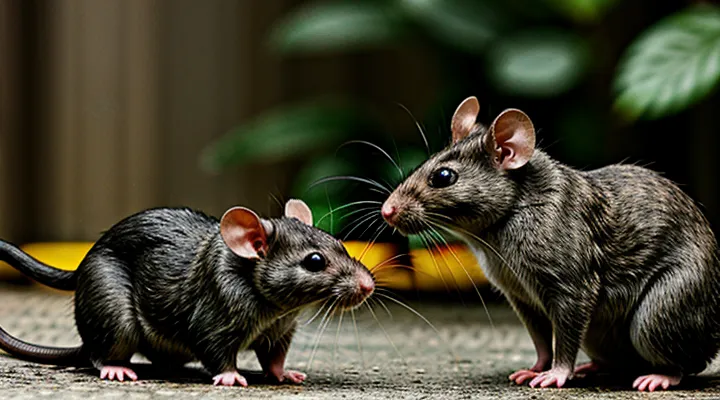
What Rats Like
Food Preferences
Favorite Treats
Rats exhibit a clear preference for foods that are high in sugar, protein, and fat, while maintaining a natural aversion to bitter or overly salty items. Their palate favors items that provide quick energy and essential nutrients.
- Fresh fruits: apple slices, banana chunks, berries.
- Nutritious seeds: sunflower, pumpkin, hemp.
- Protein sources: boiled egg, cooked chicken, low‑fat cheese.
- Sweet treats: small pieces of dried fruit, unsweetened oatmeal cookies, plain yogurt.
- Grain products: whole‑grain crackers, cooked rice, plain pasta.
Treats should be offered in moderation to prevent obesity and digestive issues. Avoid feeding rats chocolate, caffeine, citrus peels, or any processed foods with artificial additives, as these can cause toxicity or aversion.
Foods to Avoid
Rats have narrow physiological tolerances; specific foods can trigger digestive distress, organ damage, or fatal poisoning.
- Citrus peels and juices – high acidity irritates the stomach lining and can lead to ulceration.
- Chocolate and caffeine‑containing products – contain theobromine and caffeine, toxic to rodents even in small quantities.
- Raw or undercooked beans – raw kidney beans hold lectins that interfere with nutrient absorption and may cause severe gastrointestinal upset.
- Processed meats with high salt or nitrates – excess sodium strains renal function; nitrates convert to nitrites, which impair oxygen transport.
- Artificial sweeteners (e.g., xylitol) – metabolized into compounds that cause rapid hypoglycemia and potential liver failure.
- High‑fat fried foods – promote obesity, pancreatitis, and cardiovascular strain.
- Dairy products – many rats lack sufficient lactase, leading to persistent diarrhea and dehydration.
Regular observation of a rat’s behavior and stool consistency helps identify accidental ingestion. Prompt removal of prohibited items from cages and storage areas reduces the risk of accidental exposure.
Environmental Comforts
Safe Havens
Rats seek environments that provide shelter from predators, extreme temperatures, and disturbances. A safe haven must combine concealment, structural stability, and access to resources.
Key attributes of an effective refuge include:
- Dense cover such as shredded paper, fabric, or insulation that blocks visual detection.
- Soft, insulating material that maintains a stable micro‑climate, preventing heat loss in winter and overheating in summer.
- Low‑traffic placement away from human activity, loud noises, and frequent cleaning.
- Proximity to food sources while allowing a discreet escape route.
Features that deter rats from using a potential hideout are:
- Open or brightly lit spaces that expose movement.
- Smooth, hard surfaces lacking grip, which impede nesting.
- Frequent disturbances, vibrations, or chemical repellents.
- Materials that emit strong odors or contain toxins.
Designing a suitable shelter for rats involves integrating the preferred characteristics while eliminating the aversive ones. Providing a concealed, insulated, and stable structure near food, yet isolated from human traffic, maximizes the likelihood that rats will adopt the area as a permanent refuge.
Engaging Toys and Activities
Rats require regular mental and physical stimulation to remain healthy and exhibit natural behaviors. Providing appropriate toys and activities reduces stress, prevents obesity, and encourages problem‑solving skills.
- Chew toys made of untreated wood, cardboard, or safe plastics satisfy the constant need to gnaw and protect teeth from overgrowth.
- tunnels and PVC pipes create enclosed pathways that mimic burrows, promoting exploration and agility.
- climbing structures such as rope ladders, branches, or mesh platforms develop muscular strength and balance.
- nesting material bundles allow construction of private nests, supporting instinctual gathering behavior.
Engaging activities enhance interaction beyond passive toys.
- Foraging boxes hide small food pieces in shredded paper or fabric, prompting rats to dig and search.
- Puzzle feeders require manipulation of levers or wheels to release treats, fostering cognitive development.
- Short training sessions using clicker cues teach simple commands, reinforcing trust and mental focus.
- Supervised free‑roam time in a secure enclosure offers opportunities for sprinting, jumping, and social play.
When selecting items, ensure all components are non‑toxic, free of sharp edges, and appropriately sized for the animal’s body length. Rotate toys weekly to maintain novelty and prevent habituation. Regular observation of each rat’s preferences will guide adjustments, guaranteeing sustained engagement and optimal wellbeing.
Social Interactions
Companionship
Rats thrive on social interaction. In a group setting they exhibit reduced stress, increased grooming, and more exploratory behavior. When isolated, they display heightened anxiety, diminished activity, and a tendency toward stereotypic movements.
Key aspects of effective companionship include:
- Stable group size – three to five individuals maintain a balanced hierarchy without excessive competition.
- Consistent cage mates – frequent changes disrupt established social bonds and can lead to aggression.
- Enrichment that promotes cooperation – shared tunnels, nesting material, and puzzles encourage mutual problem‑solving.
- Adequate space – at least 0.5 sq ft per rat prevents crowding and allows natural social spacing.
Rats also show clear preferences regarding the quality of their social environment. They favor familiar conspecifics, respond positively to gentle handling, and seek physical contact such as huddling. Conversely, they dislike sudden introductions of unfamiliar rats, abrupt removal of cage mates, and prolonged periods of solitary confinement.
Providing consistent, compatible companionship aligns with rats’ innate social structure and supports their overall health and behavior.
Human Bonding
Rats respond to human interaction in ways that directly reflect their preferences and aversions. Gentle, consistent handling creates a sense of safety, encouraging exploration and social engagement. Predictable routines reduce uncertainty, allowing rats to anticipate feeding times and interaction periods.
Rats favor:
- Soft, steady voice tones.
- Slow, deliberate movements.
- Familiar scent cues from regular caregivers.
- Regular, brief handling sessions.
Rats avoid:
- Sudden, rapid gestures.
- Loud, high‑frequency sounds.
- Inconsistent handling schedules.
- Strong, unfamiliar odors such as perfumes or chemicals.
Bonding with humans lowers cortisol levels, improves immune function, and enhances learning capacity. Positive human contact strengthens neural pathways associated with reward, while negative experiences increase stress markers and hinder problem‑solving abilities. Consequently, the quality of human‑rat relationships determines both behavioral outcomes and physiological health.
What Rats Dislike
Aversive Foods
Toxic Substances
Rats encounter toxic chemicals in food, waste, and industrial runoff. Their response depends on odor, taste, and physiological tolerance.
-
Anticoagulant rodenticides (warfarin, bromadiolone) attract rats because of sweetened carriers that mask bitterness.
-
Zinc phosphide becomes appealing when mixed with grain, releasing phosphine gas only after ingestion.
-
Strychnine‑laced baits draw rats due to strong bitter taste that some individuals do not recognize as harmful.
-
Heavy metals such as lead, mercury, and cadmium are avoided; metallic odor and metallic taste trigger aversion.
-
Strongly acidic or alkaline solutions cause immediate oral irritation, leading to rejection.
-
Chlorinated phenols and phenolic disinfectants produce pungent odors that rats detect and shun.
Rats possess bitter‑taste receptors (T2Rs) that identify many toxic compounds, prompting immediate rejection. Olfactory receptors detect volatile toxicants, reinforcing avoidance. Liver enzymes (CYP450 family) metabolize certain poisons, granting partial tolerance to repeated exposure.
Effective control exploits attraction to sweet, grain‑based carriers while pairing them with fast‑acting anticoagulants or phosphides. Substances that rats naturally reject should not be used as baits, as they reduce uptake and increase non‑target exposure.
Unpleasant Textures
Rats display strong aversion to surfaces that feel rough, sticky, or excessively soft. Their avoidance behavior is observable in laboratory tests and field observations.
- Coarse sandpaper‑like textures cause immediate retreat.
- Gelatinous or tacky substances trigger rapid escape attempts.
- Ultra‑soft foam or plush fabrics lead to hesitation and reduced exploration.
- Highly irregular, jagged surfaces increase footpad discomfort and result in avoidance.
The aversion stems from mechanoreceptors in the whiskers and footpads, which detect shear forces and pressure differentials. When tactile input exceeds tolerable thresholds, neural circuits activate escape responses.
Understanding these preferences assists in designing effective traps, improving cage enrichment, and minimizing stress in research environments. Selecting materials that mimic unpleasant textures can enhance deterrence, while providing smooth, firm surfaces promotes normal activity.
Environmental Stressors
Loud Noises
Rats exhibit a strong aversion to loud noises. Sudden or continuous sounds above 70 dB trigger heightened stress responses, including increased heart rate, elevated cortisol levels, and rapid escape behavior. In laboratory settings, exposure to high‑decibel environments reduces feeding and grooming activity, indicating discomfort and impaired welfare.
Typical reactions to loud sounds include:
- Freezing or abrupt movement away from the source
- Vocalizations such as high‑pitched squeaks
- Reduced exploration of the surrounding area
Conversely, low‑intensity ambient sounds (below 50 dB) do not elicit noticeable stress markers and are generally tolerated. Maintaining a quiet environment supports normal activity patterns and overall health in rats.
Strong Odors
Rats possess a highly developed olfactory system that guides food selection, nest building, and predator avoidance. Strong odors can serve as attractants or deterrents, depending on their chemical composition and concentration.
Attractive strong scents include:
- Fermented grain or malt extracts, which signal nutrient‑rich sources.
- Peanut butter or cheese aromas, rich in fatty acids that stimulate feeding behavior.
- Warm, musky odors produced by conspecifics, indicating a safe nesting environment.
Deterrent strong scents consist of:
- Phenolic compounds such as phenol, cresol, and quinoline, which trigger aversion responses.
- Ammonia and bleach vapors, causing irritation of nasal epithelium and discouraging entry.
- Essential oils with high citronellol or eugenol content (e.g., clove, citronella), which interfere with pheromone communication.
Practical implications:
- Use attractive odors in bait stations to increase capture rates.
- Apply deterrent odors near entry points or food storage to reduce infestation risk.
- Rotate deterrent compounds to prevent habituation; rats can adapt to a single scent over time.
Monitoring odor effectiveness requires regular inspection of bait uptake and signs of activity. Adjust concentrations to maintain a detectable gradient without overwhelming the environment, as excessively high levels may cause avoidance of the entire area, including intended bait zones.
Lack of Hiding Spots
Rats require concealed areas to feel secure. When an environment lacks adequate hiding spots, stress levels rise sharply, leading to increased aggression, reduced feeding, and a higher incidence of disease. The absence of refuge also disrupts normal nocturnal activity, as rats spend more time exposed to predators and disturbances.
Key consequences of insufficient concealment:
- Elevated cortisol, which weakens immune response.
- Decreased grooming, resulting in skin lesions and parasite infestations.
- Lower reproductive success; breeding pairs abandon nests that are too visible.
- Persistent exploratory behavior, causing damage to structures as rats search for shelter.
Effective mitigation involves providing multiple, discreet shelters. Suitable options include:
- Closed PVC tubes (diameter 5–7 cm, length 15–30 cm).
- Stacked cardboard boxes with small entrance holes.
- Bundles of shredded paper or fabric placed in corners.
Each refuge should be positioned away from high‑traffic zones and cleaned regularly to prevent odor buildup. Incorporating these measures restores natural behavior patterns, improves overall health, and reduces conflict with humans.
Unwanted Interactions
Aggressive Handling
Rats respond negatively to aggressive handling. Sudden, forceful movements trigger stress responses, elevate cortisol levels, and increase the likelihood of defensive bites. Signs of aversion include freezing, rapid breathing, whisker retraction, and attempts to escape. Prolonged exposure to rough contact can impair learning, reduce willingness to explore, and diminish social interaction with caretakers.
Effective handling practices that avoid aggression:
- Approach from the side, allowing the rat to see the handler.
- Use gentle, slow strokes to guide the animal into the palm.
- Support the body fully, preventing pressure on the spine.
- Limit handling sessions to 2–3 minutes initially, extending as tolerance improves.
Research indicates that rats accustomed to calm, consistent handling show lower stress markers and higher engagement in enrichment activities. Conversely, those repeatedly subjected to harsh manipulation exhibit heightened anxiety in novel environments and decreased food intake. Adopting gentle techniques aligns with the species’ natural preference for predictable, low‑threat interactions.
Solitude (for social species)
Rats, as inherently gregarious mammals, exhibit a nuanced relationship with solitude. Short periods of separation allow individuals to recover from social fatigue, maintain personal hygiene, and process environmental information without interference from conspecifics. These intervals typically last no longer than a few hours and occur naturally during nesting or when a rat retreats to a quiet corner of the burrow.
Extended isolation produces measurable stress responses. Elevated corticosterone levels, increased grooming of fur, and reduced exploratory behavior indicate that prolonged solitary conditions are detrimental. Rats deprived of regular contact show diminished appetite, slower growth, and heightened aggression when reintroduced to a group.
Typical patterns of solitary behavior include:
- Brief withdrawal to a secluded nest for rest
- Temporary avoidance of dominant cage mates during feeding
- Use of hidden tunnels for personal space
Conditions that rats find aversive:
- Continuous confinement without visual or olfactory access to other rats
- Lack of enrichment that permits hidden retreats
- Forced solitude exceeding one‑to‑two hours per day
Balancing social interaction with controlled moments of privacy supports optimal health and behavioral stability in this species.